Wildlife Photography During the Wildebeest Calving Season
October 28, 2026
Where Is the Great Migration in March?
November 2, 2026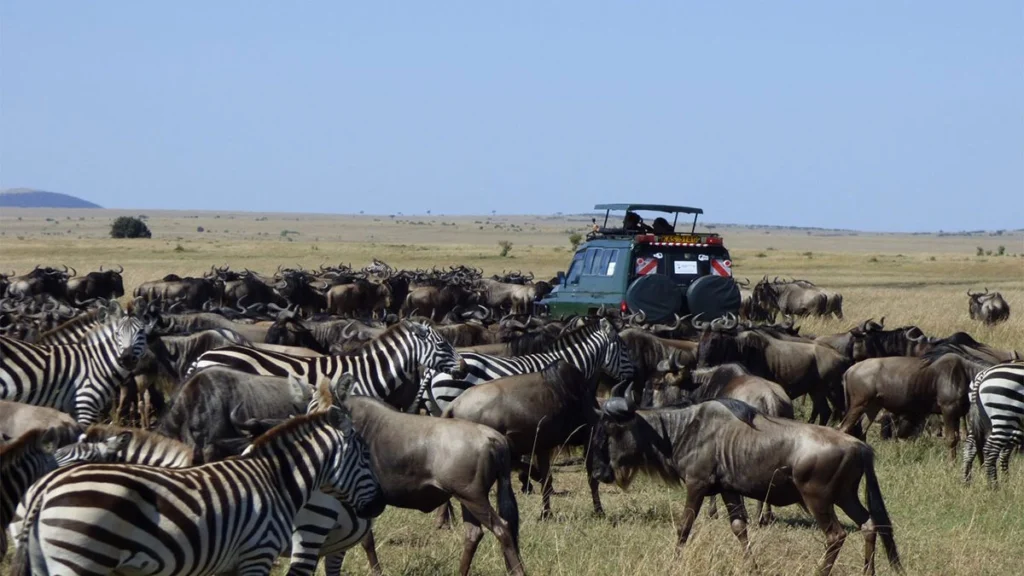
Why February Is One of the Best Months for Serengeti Safaris?
An unforgettable journey into Tanzania’s Southern Serengeti during the Great Migration calving season, where newborn wildebeest, powerful predators, and spectacular African landscapes create one of the continent’s most rewarding wildlife experiences.
Why February Is One of the Best Months for Serengeti Safaris
February is one of the most exciting months to explore the African wilderness, particularly for travellers seeking exceptional wildlife encounters in Tanzania. During this period, the vast plains of the Serengeti become the centre of one of nature’s most remarkable spectacles: the Great Wildebeest Migration calving season. Thousands of wildebeest gather across the southern Serengeti and surrounding Ndutu plains, where favourable grassland conditions provide nourishment for pregnant females and their newborn calves. For international visitors interested in witnessing wildlife in its natural environment, February offers an extraordinary opportunity to experience the rhythms of the African savannah. Unlike other periods when migrating herds travel across extensive distances, this season concentrates enormous numbers of animals within relatively accessible grazing areas, creating excellent opportunities for wildlife observation and photography. Why February Is One of the Best Months for Serengeti Safaris becomes particularly clear when you witness thousands of newborn wildebeest taking their first steps, zebras grazing alongside migrating herds, and predators carefully watching from nearby grasslands. Furthermore, the Southern Serengeti provides an authentic wilderness atmosphere, combining open landscapes, seasonal rivers, scattered acacia trees, and abundant wildlife. Through carefully organised Tanzania Safaris, travellers can explore these remarkable ecosystems with experienced guides who understand animal movements, seasonal conditions, and the best locations for wildlife viewing. At Terenga Africa Safaris & Travel Ltd, we help visitors discover Tanzania through professionally planned safari experiences that combine comfort, responsible tourism, knowledgeable guiding, and memorable encounters with nature. Whether you are planning your first African holiday or returning to explore more of the continent, February presents an exceptional opportunity to discover the beauty of Serengeti National Park.
What Makes February Special During the Great Wildebeest Migration?
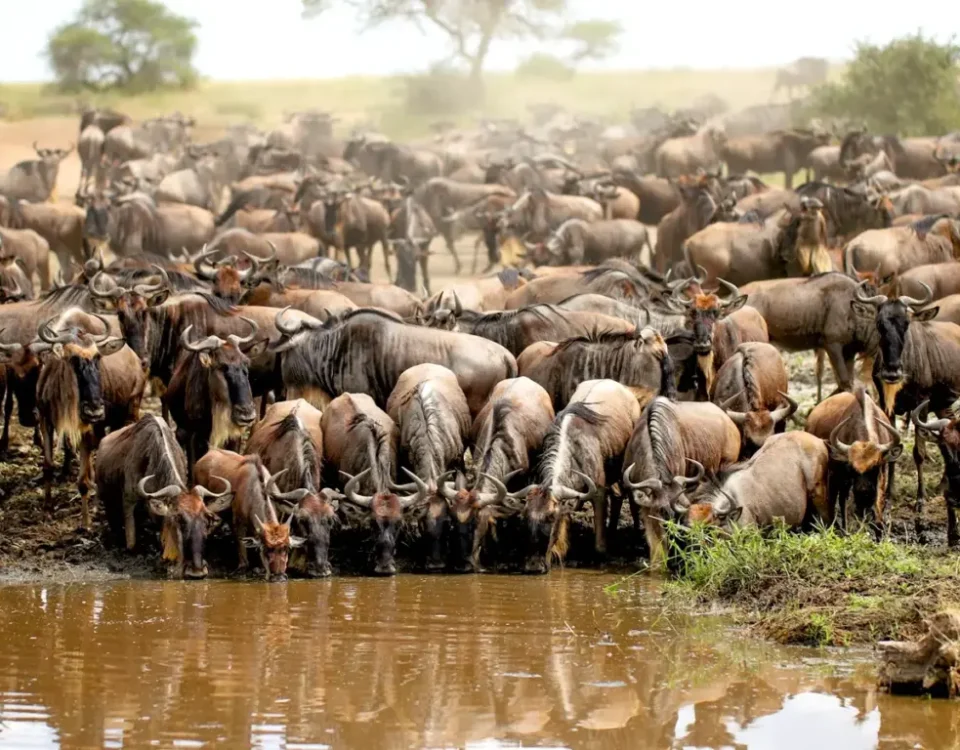
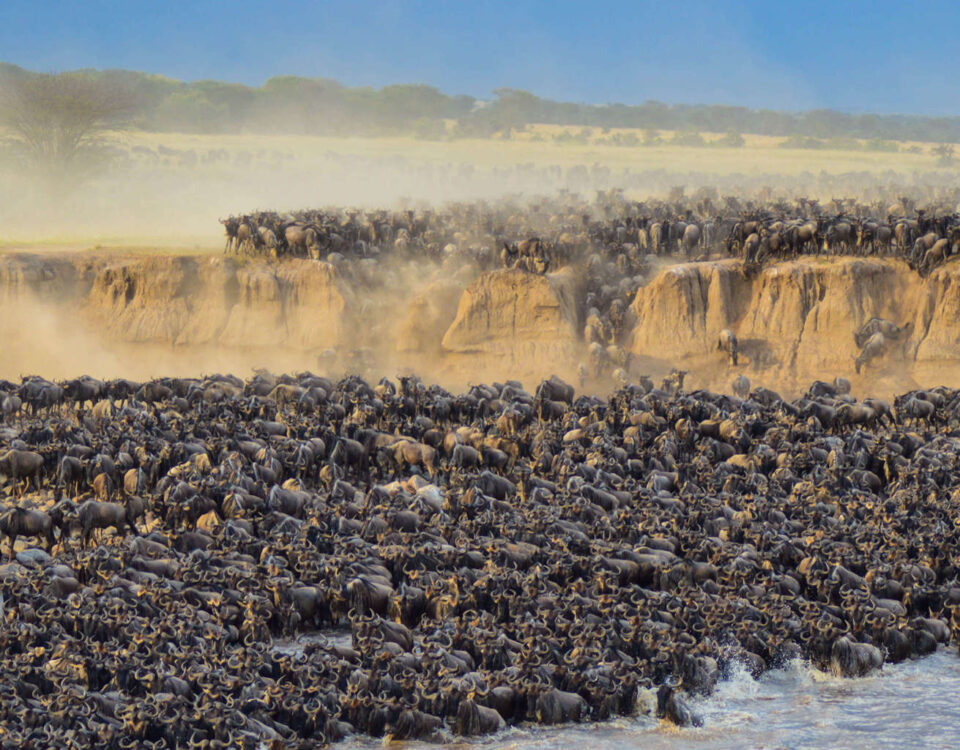
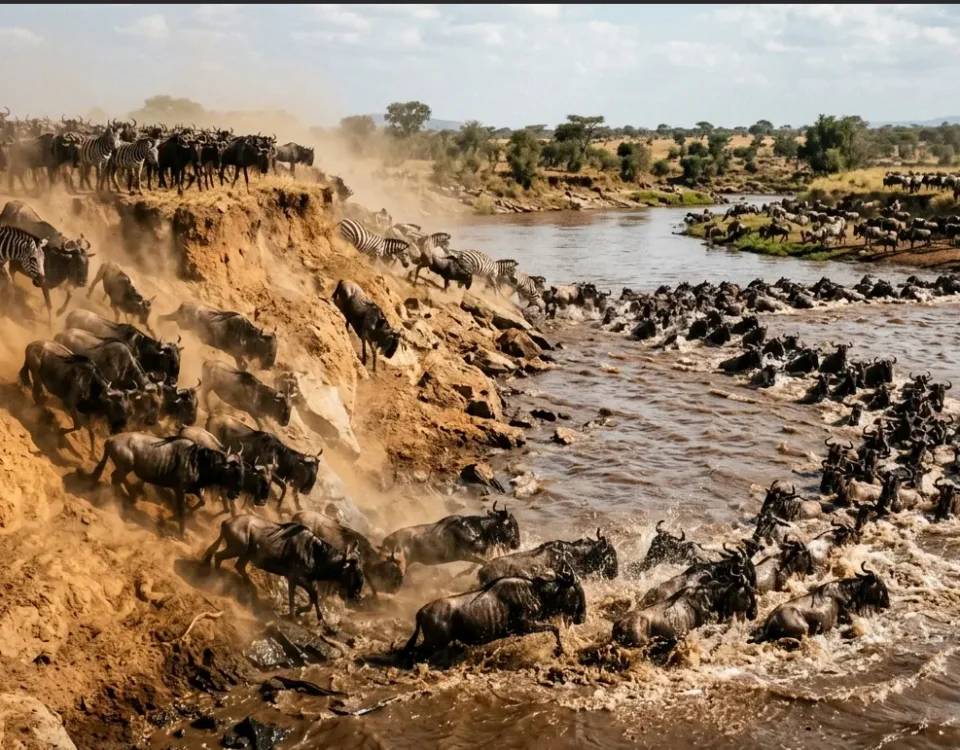
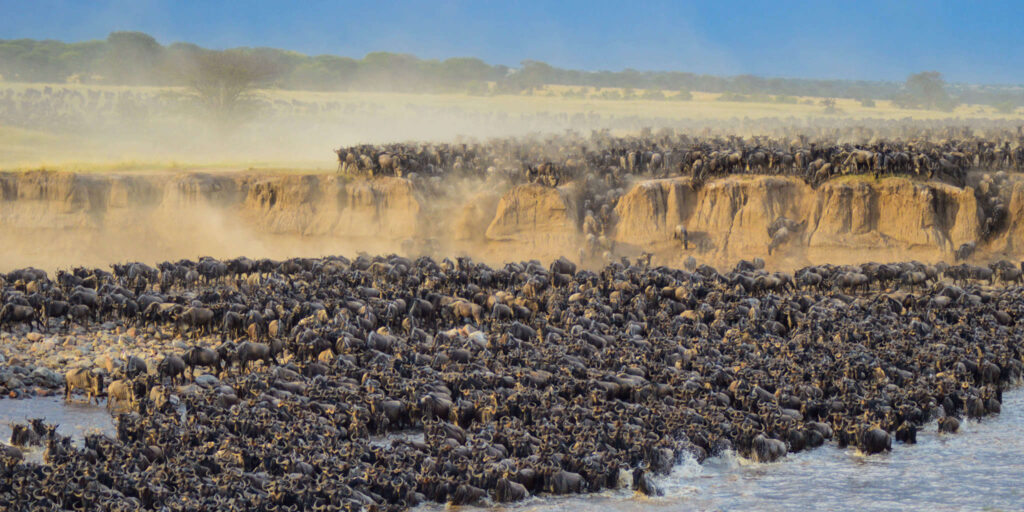
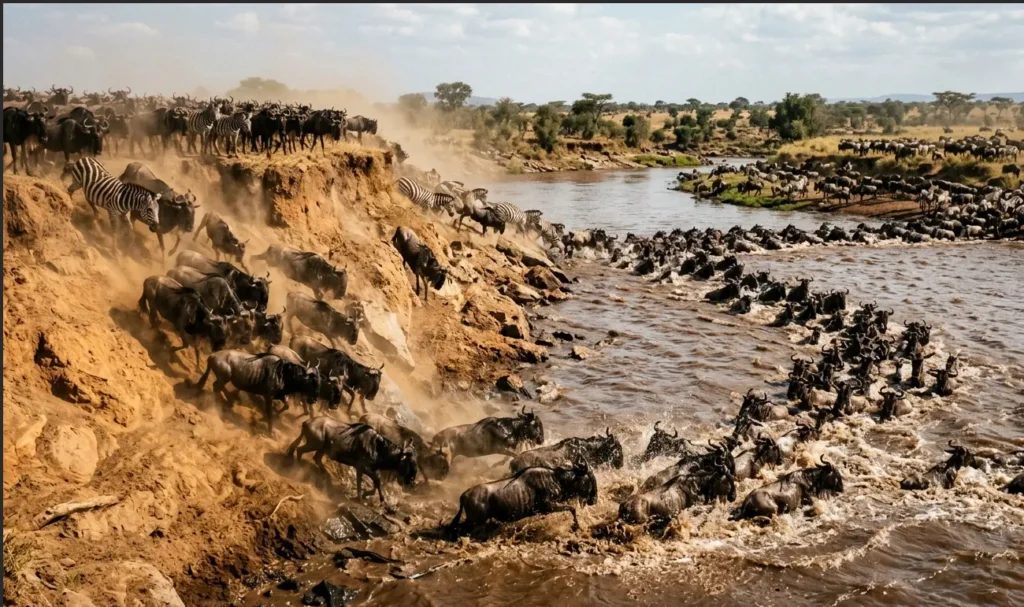
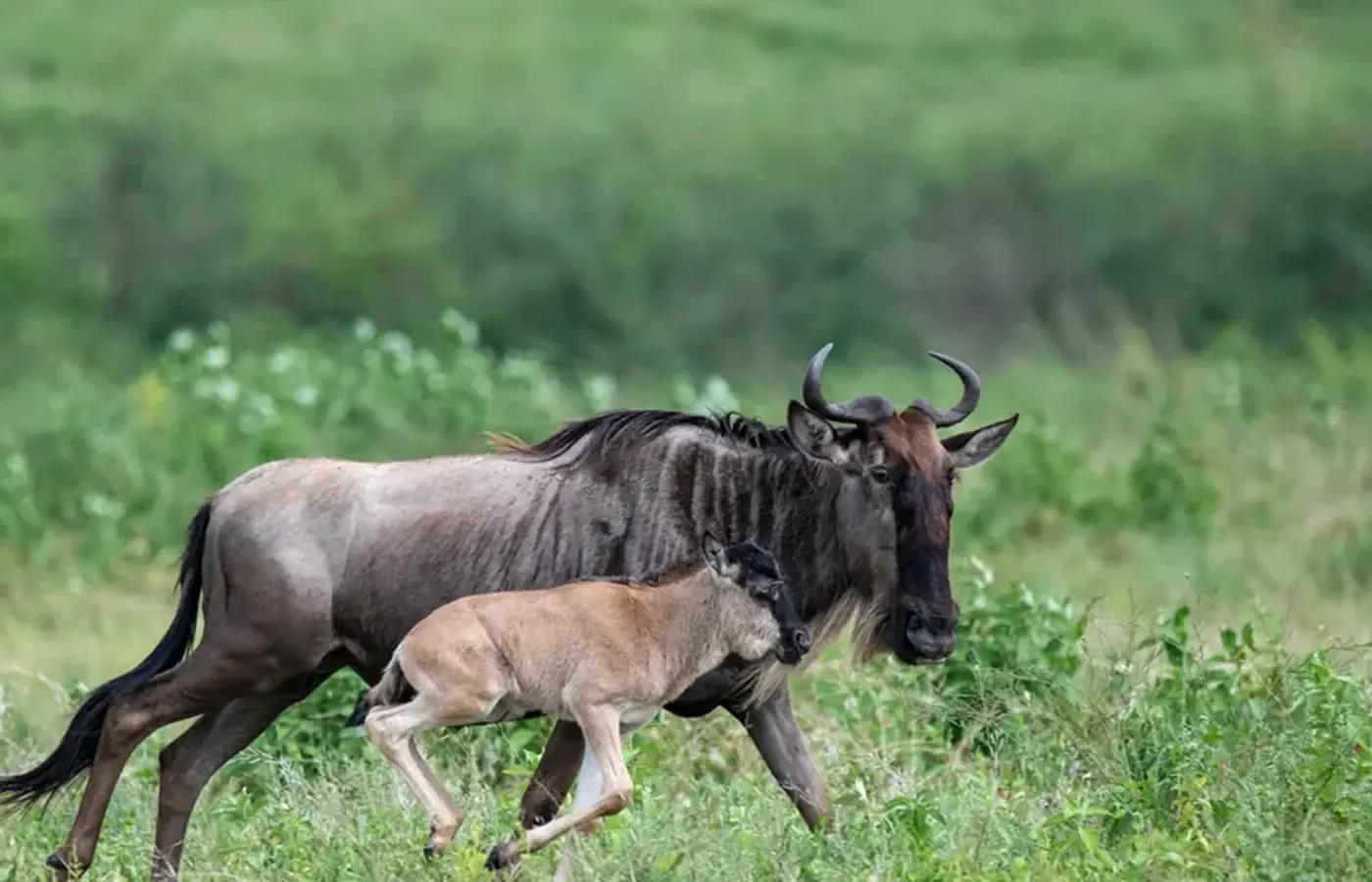
February stands out because it coincides with the peak calving period of the Great Wildebeest Migration, one of the world’s largest and most impressive terrestrial wildlife movements. Every year, approximately 1.5 million wildebeest, accompanied by hundreds of thousands of zebras and gazelles, participate in this extraordinary seasonal journey across the Serengeti-Mara ecosystem. During February, significant concentrations of these migrating animals occupy the nutrient-rich grasslands of the southern Serengeti and Ndutu region. The availability of fresh grass following seasonal rainfall provides essential nourishment for pregnant wildebeest, allowing many females to give birth within a relatively short period. Consequently, visitors may witness thousands of calves being born over several weeks, creating an unforgettable wildlife spectacle. What makes this experience particularly fascinating is the speed at which newborn wildebeest develop. Within minutes of birth, many calves attempt to stand, while others begin following their mothers shortly afterwards. This remarkable survival instinct helps protect young animals from predators that constantly monitor the migrating herds. Throughout the plains, lions, cheetahs, spotted hyenas, and other carnivores take advantage of the abundance of vulnerable newborn animals. For wildlife enthusiasts, photographers, and nature lovers, this interaction between predators and migrating herbivores provides fascinating opportunities to understand the natural balance of African ecosystems. Why February Is One of the Best Months for Serengeti Safaris is therefore not simply about seeing large herds; it is about witnessing an important stage in the wildlife cycle. Travellers booking Tanzania Adventures during this season can experience the beauty, challenges, and survival strategies that shape life across the African savannah. With knowledgeable safari guides, visitors gain a deeper appreciation of animal behaviour, ecological relationships, and the importance of protecting these extraordinary habitats.
Which Wildlife Can You Expect to See During February Serengeti Safaris?
One of the greatest attractions of visiting Serengeti National Park in February is the remarkable variety of wildlife found throughout its southern grasslands. Although the wildebeest migration is the main attraction, the surrounding ecosystem supports numerous other animal species that contribute to an exceptional safari experience. Large herds of zebras frequently graze alongside wildebeest, while Thomson’s gazelles and Grant’s gazelles can be spotted feeding across the open plains. These grazing animals attract several predators, making February particularly interesting for travellers hoping to observe natural hunting behaviour. Lions are among the most frequently encountered carnivores, often resting beneath isolated trees or moving quietly through the grass in search of opportunities. Cheetahs also favour the open grasslands because these environments provide suitable conditions for spotting and pursuing prey. Meanwhile, spotted hyenas patrol the migration routes, taking advantage of opportunities created by the large concentrations of vulnerable newborn animals. Leopards may also be encountered in suitable habitats, although they are generally more difficult to locate because of their secretive behaviour. Beyond the major mammals, visitors can discover a remarkable variety of birdlife, including secretary birds, ostriches, kori bustards, vultures, and numerous migratory species. These diverse sightings make February attractive to wildlife photographers, birdwatchers, families, and travellers interested in experiencing authentic African nature. During Why February Is One of the Best Months for Serengeti Safaris, the concentration of migrating animals also increases the possibility of observing interactions between different species within relatively short distances. Nevertheless, wildlife sightings remain natural events, and no responsible safari operator can guarantee a particular animal encounter. Experienced guides improve the experience by understanding local habitats, tracking wildlife movements, and selecting suitable viewing locations throughout the day.
What Are the Expectations in This Safari?
A February Serengeti safari offers much more than ordinary game drives because it introduces travellers to the fascinating seasonal activities of one of Africa’s most celebrated wildlife destinations. Depending on your itinerary, accommodation location, and travel arrangements, the experience may begin with a scenic drive through Tanzania’s northern safari circuit or a domestic flight connecting you to an airstrip near the southern Serengeti. Upon reaching the migration areas, you can expect exciting game drives across open grasslands where enormous herds of wildebeest and zebras gather to feed. Morning excursions are particularly rewarding because wildlife is often active during the cooler hours, while afternoon drives provide opportunities to explore different sections of the ecosystem. Throughout your journey, professional safari guides explain the behaviour of animals, the importance of seasonal rainfall, and the relationship between predators and migrating herbivores. Another highlight involves observing newborn wildebeest staying close to their mothers as they gradually adapt to their surroundings. Photography enthusiasts can capture beautiful scenes of wildlife against the expansive Serengeti landscape, particularly during the early morning and late afternoon when natural lighting creates excellent photographic conditions. Depending on your travel preferences, accommodation can range from comfortable safari lodges to luxury tented camps situated close to important wildlife areas. Many camps provide excellent views of the surrounding wilderness while offering comfortable rooms, delicious meals, and welcoming hospitality. Why February Is One of the Best Months for Serengeti Safaris becomes even more meaningful when travellers combine these wildlife encounters with Tanzania’s wider safari attractions. For example, an extended itinerary can include the spectacular Ngorongoro Crater, Lake Manyara National Park, or Tarangire National Park. Such combinations create a more comprehensive understanding of Tanzania’s natural heritage while providing opportunities to encounter different landscapes and wildlife species.
Which Serengeti Areas Are Best to Explore in February?
Choosing the correct safari location is essential when planning a successful February wildlife holiday because the Great Migration follows seasonal rainfall and changing grazing conditions. During this month, the southern Serengeti and neighbouring Ndutu plains are among the most rewarding places to explore. These areas provide nutrient-rich grasslands that support large concentrations of wildebeest during the calving season. The Ndutu region, which extends across the Ngorongoro Conservation Area and southern Serengeti ecosystem, is especially popular among visitors seeking opportunities to observe newborn calves and migrating herds. Open plains allow guides to scan extensive areas for wildlife, while seasonal water sources attract animals from different sections of the ecosystem. Additionally, the Gol Kopjes and surrounding grassland habitats can provide excellent opportunities to encounter lions, cheetahs, and other predators. However, the exact distribution of wildlife changes according to rainfall, vegetation conditions, and the movement of migrating herds. For this reason, experienced local guides play an important role in determining which areas offer the best viewing opportunities during your travel dates. Travellers should also understand that the Serengeti is an enormous protected ecosystem, and driving between different wildlife locations can require considerable time. Selecting accommodation near the expected migration areas helps reduce unnecessary transfers and allows more time for game viewing. Why February Is One of the Best Months for Serengeti Safaris is closely connected to choosing accommodation and safari routes that follow the seasonal wildlife movements. At Terenga Africa Safaris & Travel Ltd, we consider migration patterns, travel schedules, accommodation preferences, and visitor interests when preparing our Tanzania Safaris. This approach helps travellers enjoy a more organised experience while maximising their opportunities to explore the southern Serengeti during this remarkable wildlife season.

10-Day Tarangire, Serengeti to Ndutu Migration & Ngorongoro
When Is the Best Time for This Safari?
Although the Serengeti offers rewarding wildlife experiences throughout the year, February is particularly attractive because of the wildebeest calving season. Generally, the calving period occurs between January and March, although the timing and concentration of animals vary according to rainfall and environmental conditions. February often falls within the heart of this important seasonal event, making it an excellent month for visitors interested in observing newborn wildebeest and predator activity. During this period, the southern grasslands usually provide favourable grazing conditions, while the presence of large herds creates impressive wildlife viewing opportunities. Nevertheless, February may also experience occasional rainfall, particularly because Tanzania’s northern safari circuit is approaching its long-rains transition. These showers can transform the landscape into beautiful green grasslands, creating attractive scenery for photography and nature exploration. Travellers should therefore prepare for changing weather conditions rather than expecting completely dry days. Morning and evening temperatures can be relatively cool, while afternoons may become warm, depending on the location and weather conditions. Visitors who prefer a different migration experience may also consider travelling between June and October, when the herds generally move towards the western and northern Serengeti before eventually reaching the Mara River region. Each season presents different wildlife attractions, and the best travel period depends on your priorities. However, for travellers particularly interested in witnessing newborn wildebeest, February remains an outstanding choice. Why February Is One of the Best Months for Serengeti Safaris is therefore an important consideration when planning a Tanzania holiday around the Great Migration. We recommend arranging accommodation and safari transport well in advance, especially if you prefer strategically located camps near the Ndutu calving grounds.
Can You Combine Serengeti Safaris with Other Tanzania Adventures?
Absolutely! One of the greatest advantages of visiting Tanzania is the opportunity to combine Serengeti wildlife experiences with several other remarkable destinations. Travellers planning extended Tanzania Adventures can explore different national parks, conservation areas, cultural communities, and scenic landscapes within one carefully designed itinerary. After experiencing the February calving season in the Serengeti, visitors can continue towards the spectacular Ngorongoro Crater, a UNESCO World Heritage Site renowned for its remarkable concentration of wildlife. The crater floor supports lions, elephants, buffaloes, zebras, hippos, and numerous other species, offering excellent opportunities for game viewing. Another attractive destination is Tarangire National Park, famous for its large elephant populations, impressive baobab trees, and seasonal wildlife movements along the Tarangire River. Lake Manyara National Park also offers an interesting combination of groundwater forests, open grasslands, and diverse birdlife. For travellers seeking a relaxing conclusion to their African holiday, Zanzibar provides beautiful beaches, historic Stone Town, traditional Swahili culture, and opportunities for marine excursions. Combining the Serengeti with Zanzibar creates an appealing balance between wildlife exploration and coastal relaxation. Furthermore, visitors interested in broader East African experiences can consider extending their holiday to include Uganda Safaris for mountain gorilla trekking and chimpanzee encounters or Rwanda Adventures for exceptional primate experiences in Volcanoes National Park. Beyond East Africa, our wider African travel planning can incorporate Kenya Tours, Botswana Safaris, South Africa Safari experiences, Mozambique Safaris, and Zambia Safaris. These destinations offer different attractions, from traditional savannah game drives to river adventures and coastal holidays. Nevertheless, combining several countries requires careful consideration of travel distances, flight connections, border procedures, and available holiday time. Our team helps travellers select practical combinations without overcrowding their itineraries.
What Should You Pack for a February Serengeti Safari?
Preparing the correct safari clothing and personal equipment helps make your February wildlife holiday more comfortable and enjoyable. Since February can bring a mixture of sunshine, warm afternoons, cooler mornings, and occasional rainfall, travellers should prioritise lightweight clothing that can be layered according to changing weather conditions. Neutral-coloured outfits in shades of khaki, brown, olive, and beige are practical for game drives because they blend naturally with the surrounding environment. Comfortable walking shoes or lightweight hiking boots are useful around safari camps, while sandals may be suitable for relaxing at your accommodation. A lightweight waterproof jacket or raincoat is advisable because occasional showers can occur during this period. Additionally, a wide-brimmed hat, sunglasses, and sunscreen help protect you from strong sunlight during extended outdoor activities. Wildlife photographers should carry cameras with suitable zoom lenses, spare batteries, and sufficient memory cards to capture memorable migration scenes. Binoculars are also valuable because they allow visitors to observe distant wildlife without disturbing animals or leaving the safari vehicle. Personal essentials such as insect repellent, reusable water bottles, prescribed medications, toiletries, and travel documents should also be included. For travellers staying in remote tented camps, a small daypack provides a convenient way to organise frequently used items during excursions. Why February Is One of the Best Months for Serengeti Safaris becomes an even more enjoyable experience when you arrive prepared for the region’s seasonal weather and outdoor activities. We also encourage visitors to pack responsibly by avoiding unnecessary plastic packaging and choosing reusable travel accessories wherever practical. Before departure, check your airline’s luggage restrictions, particularly if your itinerary includes small domestic aircraft, which often have strict baggage weight and size limits.
Why Choose Terenga Africa Safaris & Travel Ltd for This Particular Safari?
Selecting a knowledgeable safari operator is one of the most important decisions when planning an African wildlife holiday. At Terenga Africa Safaris & Travel Ltd, we understand that every traveller has different expectations, budgets, interests, and travel preferences. Our approach focuses on creating personalised safari experiences that introduce visitors to Africa’s exceptional natural attractions while maintaining professional service standards throughout the journey. When organising February Serengeti Safaris, we consider seasonal migration movements, suitable accommodation locations, park access, road conditions, and the availability of experienced local guides. This planning helps us recommend appropriate routes for visitors interested in the Great Migration calving season. Furthermore, our team appreciates the importance of clear communication, honest travel information, and transparent itinerary planning. Before confirming your safari, we help explain the proposed travel arrangements, accommodation categories, included activities, park fees, and other important logistical considerations. Whether you are travelling as a couple, family, photography enthusiast, honeymooner, or private group, we can customise your itinerary to suit your preferred travel style. Our wider African tourism experience also allows us to organise journeys beyond Tanzania, including Uganda Safaris, Rwanda Adventures, Kenya Tours, Botswana Safaris, South Africa Safari holidays, Mozambique Safaris, and Zambia Safaris. Consequently, visitors interested in exploring several African countries can benefit from coordinated travel planning through one safari company. Responsible tourism remains an important consideration in our approach, and we encourage respectful wildlife viewing, support for local communities, and appreciation of Africa’s protected natural environments. Why February Is One of the Best Months for Serengeti Safaris is not only about choosing the right month; it is also about travelling with a team that understands the destination and values your overall experience. Our goal is to make your African holiday enjoyable, informative, comfortable, and memorable from the first enquiry to the completion of your journey.
 Experience the February Great Migration with Terenga Africa Safaris
February offers an extraordinary opportunity to discover the natural beauty of Tanzania while witnessing one of the most fascinating wildlife events on the African continent. From the dramatic gathering of migrating wildebeest to the excitement of newborn calves exploring the open plains, the southern Serengeti provides an unforgettable setting for nature enthusiasts and adventure seekers. Beyond the calving season, visitors can encounter lions, cheetahs, elephants, zebras, gazelles, and numerous bird species while exploring one of Africa’s most celebrated conservation areas. Moreover, combining your Serengeti experience with Ngorongoro Crater, Tarangire, Lake Manyara, or Zanzibar creates a more complete Tanzania holiday. Travellers can also extend their African adventures to neighbouring destinations, discovering the mountain gorillas of Uganda and Rwanda or exploring the remarkable wildlife landscapes of Kenya, Botswana, South Africa, Mozambique, and Zambia. At Terenga Africa Safaris & Travel Ltd, we are committed to helping international travellers experience Africa through well-organised, informative, and memorable safari journeys. Why February Is One of the Best Months for Serengeti Safaris is a question best answered through the incredible wildlife encounters, beautiful landscapes, and unforgettable memories awaiting you in Tanzania. Whether you prefer a budget camping safari, a comfortable midrange holiday, or an exclusive luxury tented camp experience, our team can help design a journey that matches your expectations. Contact Terenga Africa Safaris & Travel Ltd today to start planning your February Serengeti safari and discover the magic of Tanzania’s Great Wildebeest Migration.
Plan Your February Serengeti Safari with Terenga Africa Safaris & Travel Ltd
Website: www.terengasafaris.com
Email: info@terengasafaris.com/ travel@terenga-africasafaris.com
Explore Tanzania. Witness the Great Migration. Experience Africa in Comfort and Style.