Predator Encounters During the March Migration
November 5, 2026
The Green Landscapes of Serengeti in March
November 10, 2026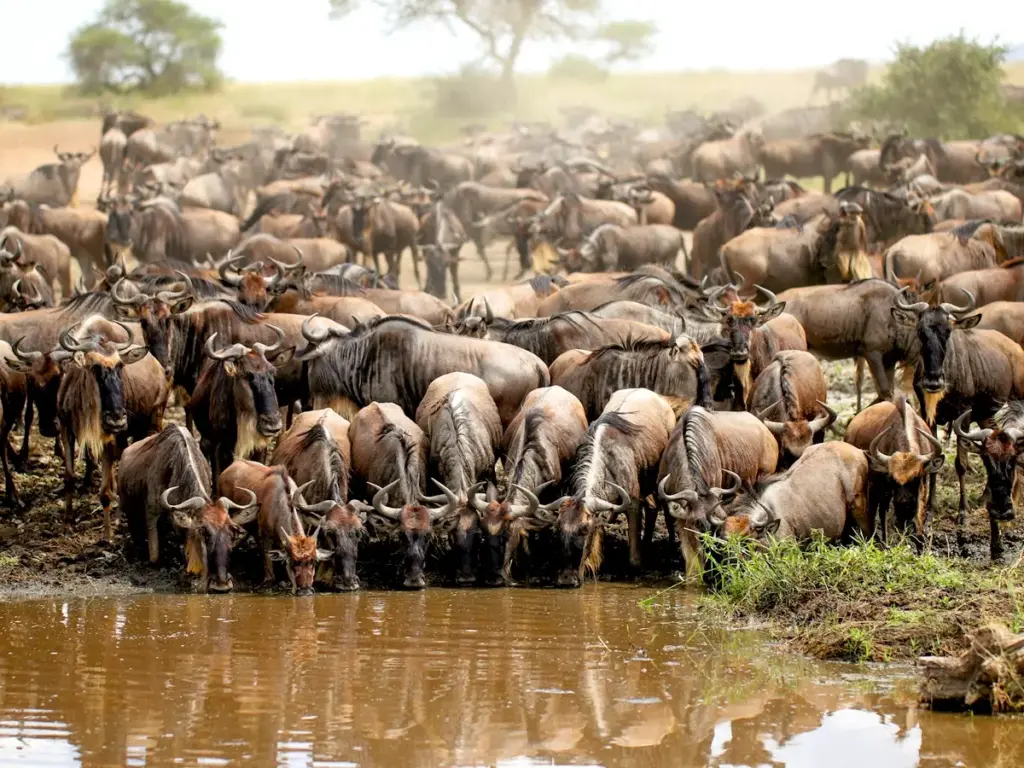
March Serengeti Safari Planning Guide
The March Serengeti Safari Planning Guide is designed for travellers who want to experience Tanzania during one of the most interesting periods of the Great Wildebeest Migration. March falls within the transition from the southern plains’ calving season towards the movement of the herds into other parts of the Serengeti ecosystem. During the earlier months of the year, vast numbers of wildebeest and zebras gather around the short-grass plains of southern Serengeti and the adjoining Ndutu region. By March, many newborn calves have already taken their first steps, while herds continue grazing and gradually begin shifting their distribution as seasonal conditions change. This creates a different kind of safari from the famous Mara River crossings later in the year. Instead of focusing on river crossings, visitors can look forward to green landscapes, grazing herds, young wildebeest, resident predators and rewarding wildlife photography.
Experience the Great Wildebeest Migration and Tanzania’s Spectacular Wildlife
Located in northern Tanzania, Serengeti National Park is internationally recognised for its expansive grasslands, abundant wildlife and annual Great Wildebeest Migration. Its ecosystem supports lions, leopards, cheetahs, elephants, buffaloes, giraffes, zebras, hyenas, antelopes and many bird species. March can be particularly appealing to visitors who enjoy observing animal behaviour and photographing wildlife against a lush green landscape. However, this month also introduces some practical considerations, including the beginning of the longer rains in many parts of the region, potentially muddy roads and changing accommodation availability. At Terenga Africa Safaris & Travel Ltd, we encourage travellers to plan around their preferred experiences, travel dates and comfort requirements. Our March Serengeti Safari Planning Guide helps you understand what to expect, where to focus your game drives, how to choose accommodation and what to bring for an enjoyable Tanzania safari.
Where Should You Go in the Serengeti During March?
Choosing the right safari area is one of the most important decisions when using a March Serengeti Safari Planning Guide. During the first part of the month, the southern Serengeti plains and Ndutu region are often excellent areas to consider because wildebeest may still be concentrated there after the main calving period. Ndutu is located within the wider Serengeti ecosystem, close to the boundary between Serengeti National Park and the Ngorongoro Conservation Area. Its open short-grass plains provide important grazing grounds for wildebeest and zebras, while seasonal water and fresh vegetation attract other herbivores. Visitors may encounter newborn calves, large grazing herds and predators such as lions, cheetahs, hyenas and, with luck, leopards. These encounters offer valuable opportunities to observe natural wildlife behaviour, although sightings and herd locations cannot be guaranteed.
As March progresses, migration movements may become less predictable as herds begin spreading towards western or central sections of the ecosystem. The central Serengeti, particularly the Seronera area, is worth considering for its resident wildlife and year-round game-viewing opportunities. Its open plains, rocky kopjes and riverine habitats support several species even when the migratory herds are elsewhere. Depending on recent sightings, road conditions and the length of your safari, your itinerary may combine southern and central areas rather than concentrating on one location. Travellers with additional time can also consider the Ngorongoro Conservation Area, where the crater offers a distinct wildlife experience in a dramatic volcanic landscape. A flexible March Serengeti Safari Planning Guide should therefore balance seasonal migration viewing with reliable opportunities to explore resident wildlife across different habitats.
What Is the Great Wildebeest Migration Like in March?
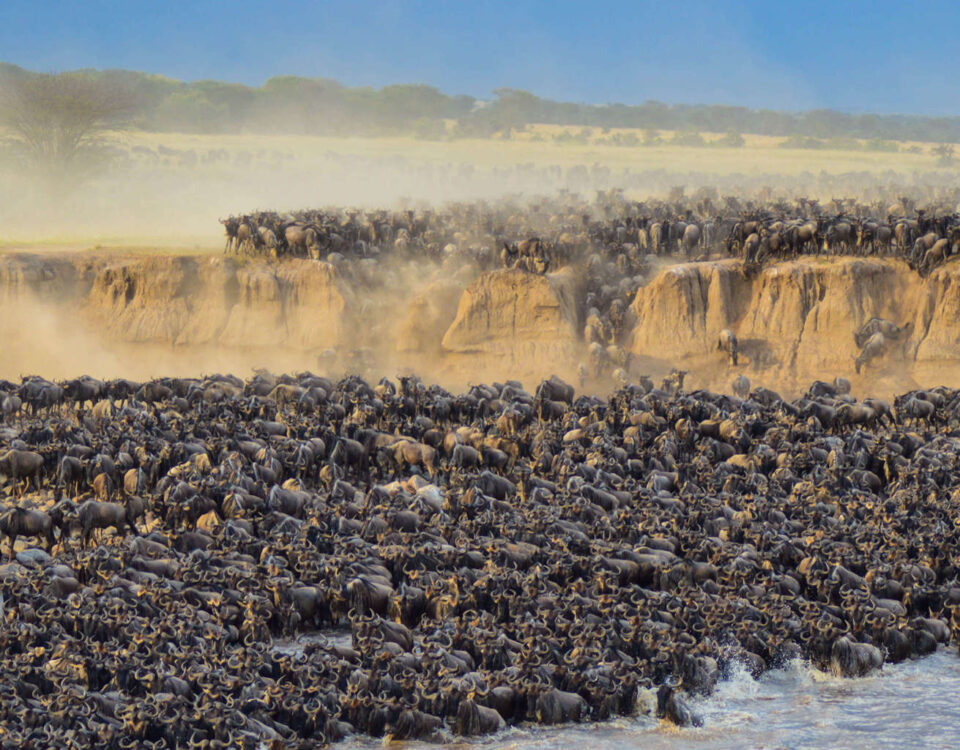
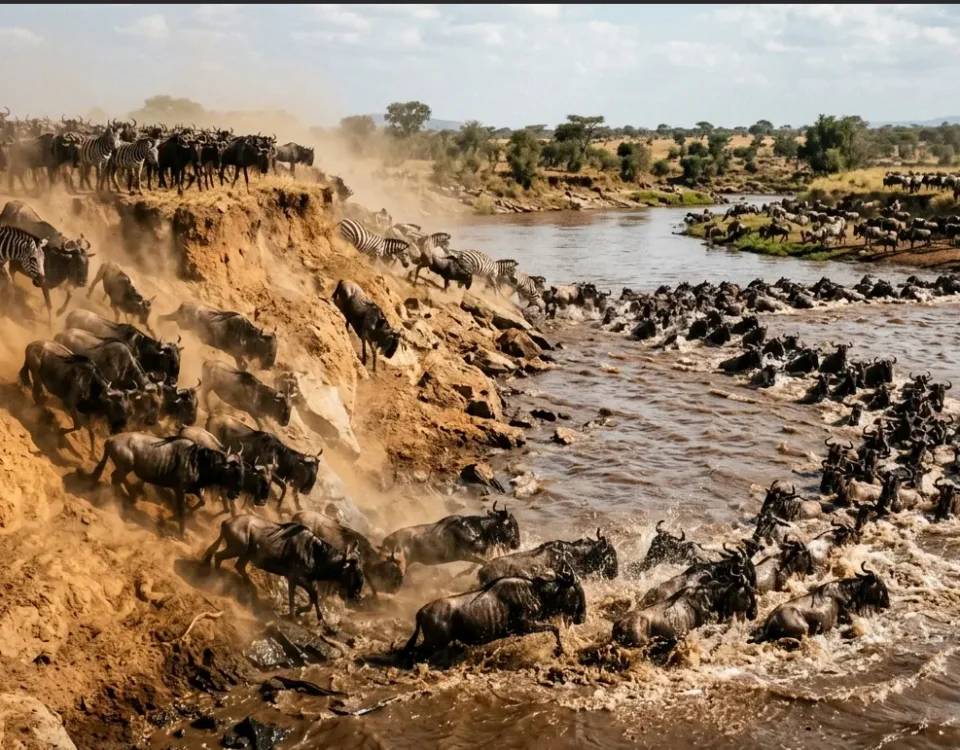
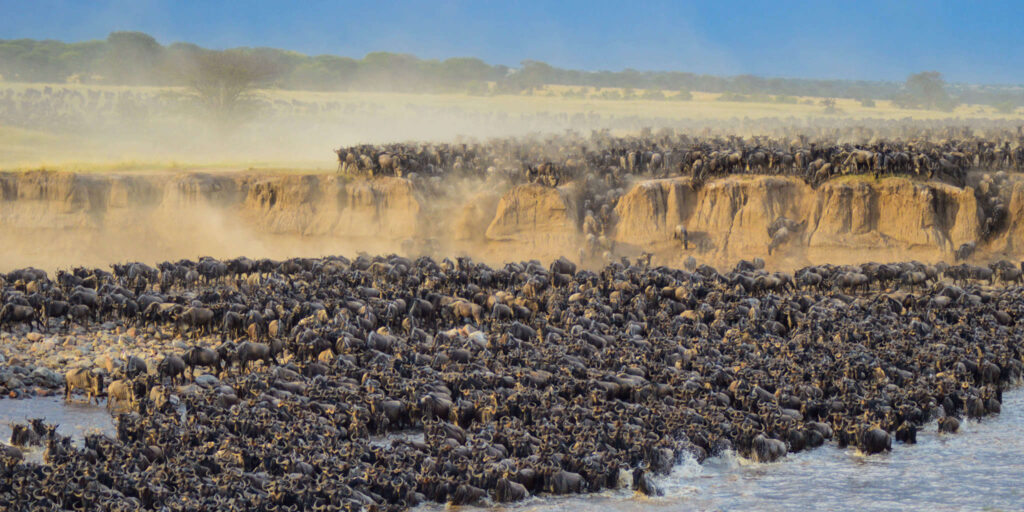
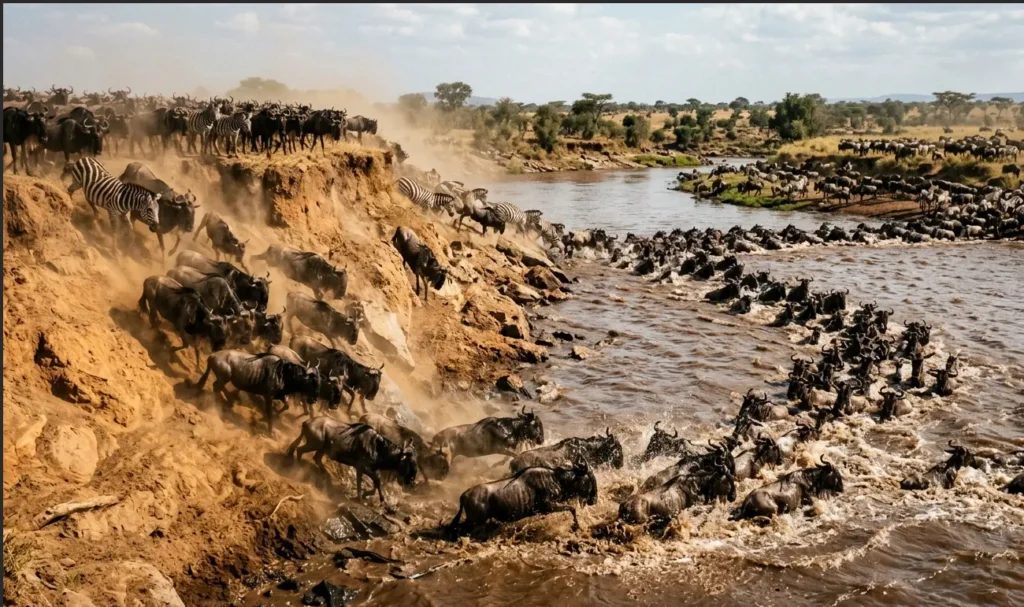
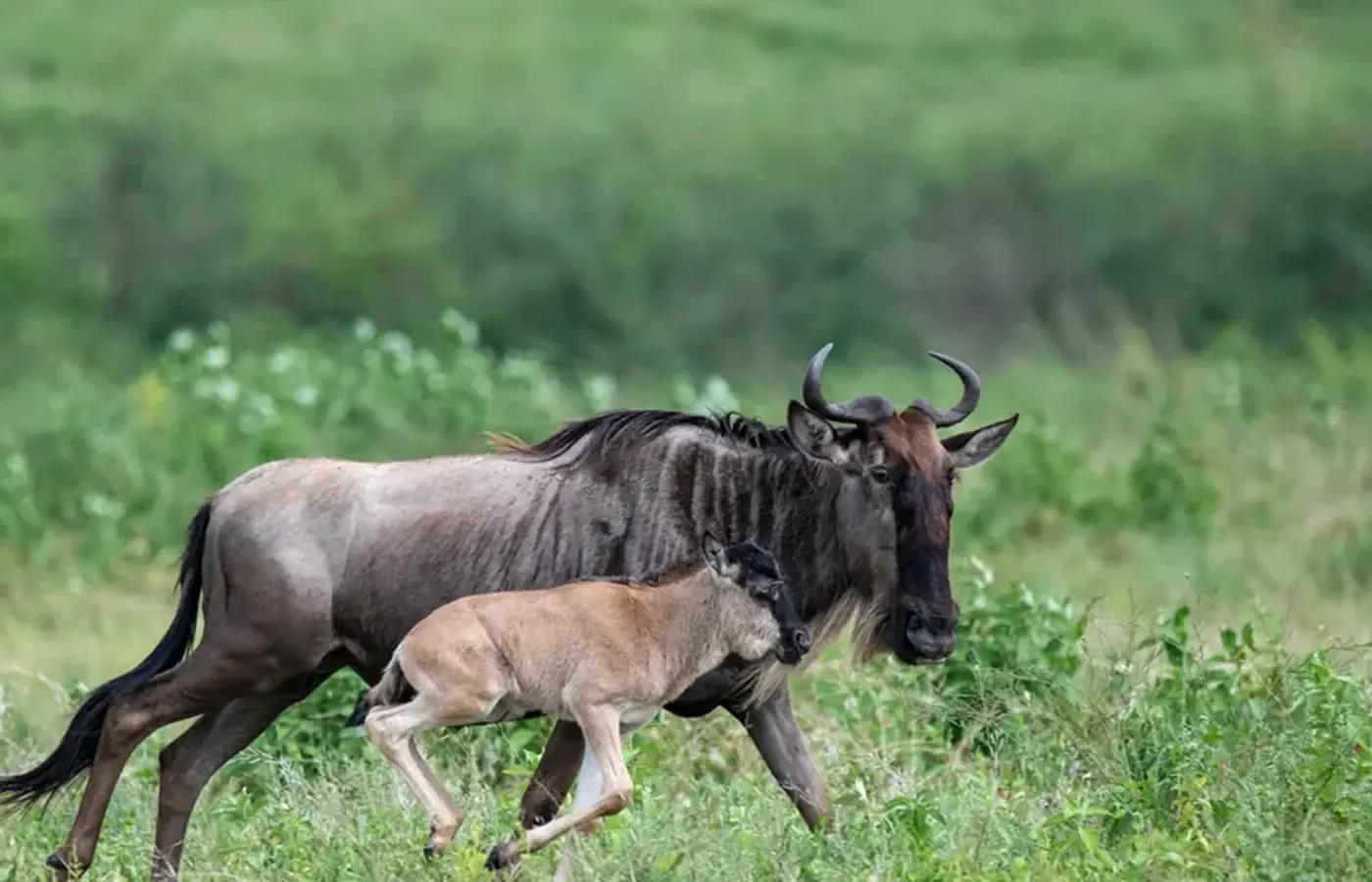
The Great Wildebeest Migration is one of Africa’s most remarkable natural events, involving the seasonal movement of large herds of wildebeest, zebras and other grazing animals across the Serengeti ecosystem and into Kenya’s Masai Mara. Their movements are influenced by rainfall, fresh grazing and the availability of water. During the main calving period, which generally takes place around January and February on the southern plains, large numbers of wildebeest give birth within a relatively short period. March follows this important stage, meaning visitors may still find young calves among the herds, although the intensity of calving is generally less predictable than during the peak weeks. Newborns become increasingly active as they grow, strengthening the herds’ ability to move across the grasslands.
For wildlife enthusiasts, a March Serengeti Safari Planning Guide should explain that migration viewing in this month is about more than simply locating the largest herd. Observing mothers with their calves, zebras grazing alongside wildebeest, predators watching from the grass and the daily movement of animals across the plains can create memorable encounters. Lions and cheetahs may take advantage of the abundance of prey, while hyenas and other scavengers play their natural role in the ecosystem. Predator activity is influenced by many factors, so no operator can promise a particular hunt or kill. Patience, responsible guiding and sufficient time in the field are important for visitors hoping to observe these natural events. For photographers, the green season can also provide beautiful backgrounds, dramatic skies and opportunities to capture animals against fresh vegetation.
What Is the Weather Like During March in the Serengeti?
Weather is an important consideration when preparing a March Serengeti Safari Planning Guide. March is generally a warm month, but it also marks the beginning of the longer rainy period in much of northern Tanzania. Daytime temperatures can feel warm, while early mornings and evenings may be cooler, especially in elevated areas and open safari vehicles. Rainfall varies between locations and from one year to another. Some days may bring sunshine and clear skies, while others may experience showers or heavier rainfall. Travellers should not assume that it will rain continuously, but they should prepare for changing conditions throughout the journey.
One advantage of travelling during this period is the attractive green scenery that follows seasonal rainfall. Grasslands become more vibrant, trees and shrubs carry fresh foliage, and the landscape can offer excellent photographic opportunities. However, wet conditions may affect some unpaved tracks, particularly where heavy vehicles or repeated traffic create muddy sections. Driving times can therefore become longer, and certain routes may be difficult to use after significant rainfall. Your March Serengeti Safari Planning Guide should allow enough flexibility for changing road conditions, weather-related delays and adjustments to daily game-drive plans. Carrying waterproof clothing, protecting cameras and keeping essential belongings in dry bags can help make the experience more comfortable.
What Wildlife Can You See During a March Serengeti Safari?
Wildlife viewing remains a major reason to choose a March Serengeti Safari Planning Guide, even when the Great Migration is not at its most concentrated. The park’s resident animals provide rewarding game-viewing opportunities throughout the year. Lions can often be found resting around kopjes, shaded areas and grassland habitats, while cheetahs may be seen scanning open plains for suitable prey. Leopards are more elusive and are sometimes spotted resting in trees or moving through riverine vegetation. Elephants, giraffes, buffaloes, zebras, impalas, topis and other herbivores add variety to the wildlife experience. Hippos and crocodiles may be observed around selected watercourses and pools, while the park’s diverse birdlife makes the destination attractive to birdwatchers.
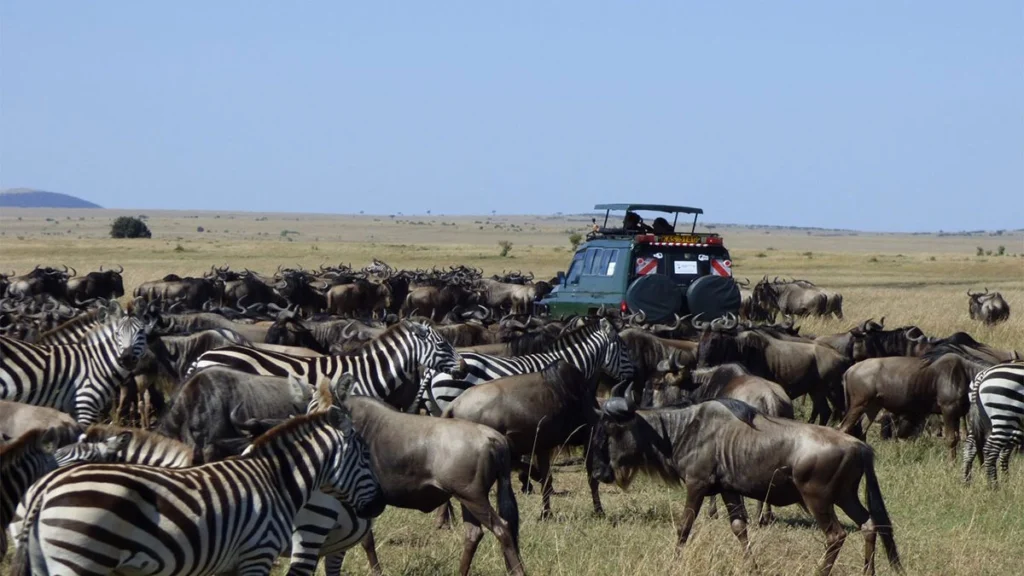
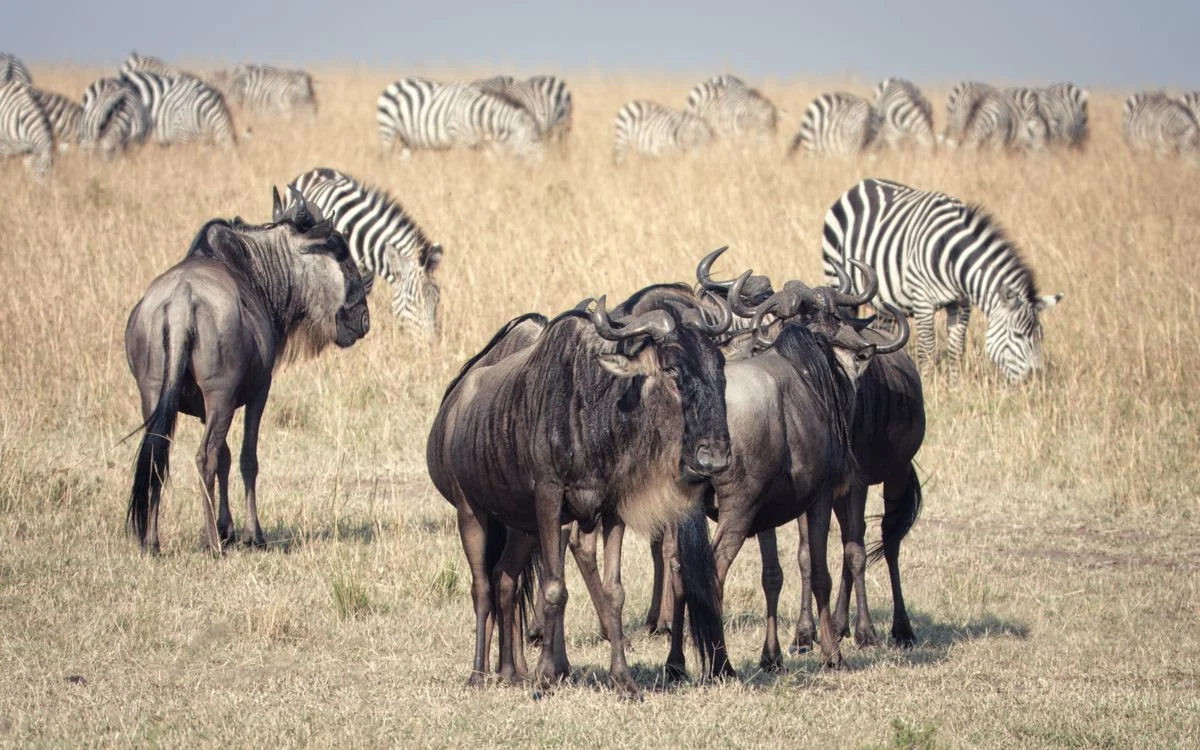
Another highlight is the opportunity to observe interactions between different wildlife species. Zebra and wildebeest may feed close together, while gazelles and other antelopes use the surrounding grasslands. Large birds of prey can be seen soaring above the plains, and colourful smaller species add interest to quieter moments between major sightings. The abundance and location of animals vary with rainfall, vegetation and seasonal movements. For that reason, a good March Serengeti Safari Planning Guide should never promise sightings of specific animals. Instead, it should help travellers select suitable areas, allow enough time for exploration and explain that the quality of a safari comes from appreciating the wider ecosystem, not simply ticking off a list of species.
What Are the Expectations During a March Serengeti Safari?
Travellers following a March Serengeti Safari Planning Guide should expect a combination of early morning game drives, scenic journeys, wildlife photography and time spent exploring different habitats. Most safari days begin early because cooler morning conditions can be productive for wildlife viewing. Depending on the itinerary, visitors may return to their lodge for breakfast or enjoy a packed breakfast in the bush. Afternoon drives provide further opportunities to look for animals, observe changing light and explore areas that may not have been covered earlier. Full-day game drives are also possible where the itinerary and lodge arrangements allow them.
Road travel is another important part of the experience. Travelling between Arusha, Ngorongoro and the Serengeti can involve several hours on the road, with journey times depending on the route, weather, traffic and road conditions. Accommodation can range from comfortable lodges and permanent tented camps to seasonal mobile camps positioned near migration areas. Guests should confirm whether their selected property operates throughout March, as some seasonal camps change location or close towards the end of the migration-viewing period. Wildlife sightings are never guaranteed, and rain may occasionally require adjustments to planned activities. Nevertheless, a flexible itinerary, suitable accommodation and realistic expectations can help make your March Serengeti Safari Planning Guide a rewarding foundation for the trip.
 When Is the Best Time for a March Serengeti Safari?
The best time within March depends on your main interests, particularly whether you prioritise the southern migration herds, green-season scenery or a quieter safari atmosphere. The first half of March is often a useful choice for visitors hoping to explore Ndutu and the southern Serengeti, as migratory herds may still be concentrated around these grazing areas. Calving activity can continue in some locations, but the principal birthing period generally occurs earlier in the year. Later in March, some herds may start dispersing westwards or towards central areas, while rainfall may become more frequent. These are broad seasonal patterns rather than guarantees, and actual conditions depend on rainfall and the movements of the animals.
For travellers who are flexible with dates, March Serengeti Safari Planning Guide recommendations should be based on current reports from guides, accommodation operators and reliable local sources before finalising the route. Visitors who specifically want to witness the highest concentration of newborn wildebeest may also consider January or February, when calving is generally more active. March remains worthwhile for those interested in green scenery, wildlife photography, young calves and a broader northern Tanzania safari. Tanzania National Parks identifies January and February as the principal calving period, while seasonal guidance for the Serengeti describes March as a time when long rains begin and herds gradually move towards central areas.
How Should You Plan Accommodation and Transport?
Accommodation and transport choices can shape the quality of your March Serengeti Safari Planning Guide. Visitors who want to focus on the migration should consider staying close to the southern plains during the earlier part of the month, subject to camp operating dates and current herd movements. Seasonal tented camps can offer convenient access to wildlife areas, while permanent lodges may suit travellers who prefer established facilities. Seronera and other central Serengeti locations provide a practical alternative for visitors who want to combine migration searches with resident wildlife viewing. Booking early is advisable for preferred properties, although March availability can vary by location and travel period.
Travellers can reach the Serengeti by road from Arusha or combine road transfers with scheduled or charter flights to airstrips serving different park areas. Road travel offers opportunities to see changing landscapes and include destinations such as the Ngorongoro Conservation Area, but it can take longer and may be affected by rain. Flying can reduce transfer time, although it may increase the overall package cost and require careful luggage planning. The most suitable arrangement depends on your budget, number of travel days and preferred comfort level. A well-organised March Serengeti Safari Planning Guide should also include realistic driving times, overnight stops and contingency arrangements for changing weather.
Why Choose Terenga Africa Safaris & Travel Ltd for Your March Serengeti Safari?
Planning a seasonal wildlife safari requires more than selecting a travel date and booking accommodation. The location of the migration, changing road conditions, lodge operating schedules and individual travel preferences all influence the experience. At Terenga Africa Safaris & Travel Ltd, we aim to create personalised Tanzania safari itineraries based on your interests, available time, group size and budget. Whether you are interested in wildebeest calving, predator photography, Big Five game viewing or a wider northern Tanzania circuit, we can help you consider suitable options and organise the different elements of your journey.
Our approach to the March Serengeti Safari Planning Guide focuses on clear communication, practical itinerary planning and transparent information about the services included in your safari. We can help you consider combining the Serengeti with the Ngorongoro Crater, Tarangire National Park or Lake Manyara, depending on your travel schedule and wildlife interests. Accommodation can be considered across different comfort levels, subject to availability, while transport arrangements can be planned around your preferred travel style. We also encourage responsible wildlife viewing, respect for park regulations and realistic expectations about animal sightings. From your first enquiry to the confirmation of your travel arrangements, our goal is to make planning easier and help you enjoy a memorable African safari.
What Should You Pack for a March Serengeti Safari?
Packing appropriately is an essential part of every March Serengeti Safari Planning Guide, especially because this month can bring both warm sunshine and rainfall. Lightweight clothing in neutral colours is useful for game drives, while a warm fleece or light jacket can make early morning outings more comfortable. A waterproof jacket or poncho is recommended, along with comfortable closed shoes suitable for walking around camps and lodges. Although most game viewing takes place from a safari vehicle, practical footwear is still important when moving around accommodation areas or approved visitor sites.
Other useful items include sunscreen, sunglasses, a wide-brimmed hat, insect repellent, binoculars and a camera with spare batteries. Travellers should also carry personal medication, basic toiletries, a small day bag and a reusable water bottle where refill facilities are available. Waterproof bags or protective covers can help shield cameras, phones and other electronics during unexpected showers. Since some safari flights have strict luggage weight and baggage-size limits, guests should check the operator’s requirements before packing. Important documents such as passports, visas, travel insurance details, booking confirmations and any required travel information should be kept secure. A carefully prepared March Serengeti Safari Planning Guide will help you pack for comfort while avoiding unnecessary luggage.
 Start Planning Your March Serengeti Safari with Terenga Africa Safaris
March offers a distinctive opportunity to explore the Serengeti as the green season develops and the Great Wildebeest Migration begins its gradual transition from the southern plains. Newborn calves may still be present, predators continue to inhabit the grasslands, and the changing landscape provides beautiful settings for wildlife photography. Although rainfall and migration movements require flexible planning, visitors who understand the seasonal conditions can enjoy a rewarding safari beyond the traditional dry-season experience.
Terenga Africa Safaris & Travel Ltd welcomes travellers from around the world who wish to discover Tanzania’s extraordinary wildlife and landscapes. Share your preferred travel dates, group size, accommodation expectations and safari interests with our team. We will help you explore suitable itinerary options and plan a journey that reflects your expectations.
Terenga Africa Safaris & Travel Ltd
Website: www.terengasafaris.com
Email: info@terengasafaris.com
WhatsApp / Telephone: +256 768 697963
Travel in Comfort. Explore in Style. Experience the Adventure of a Lifetime.