
Botswana Cultural Safaris: Discover the Traditions, Heritage, and People of Botswana
Botswana Cultural Safaris offer travellers an opportunity to discover the country beyond its famous wildlife reserves and spectacular natural landscapes. Through meaningful cultural encounters, visitors can learn about local traditions, community life, traditional knowledge, storytelling, music, crafts, and the values that shape Botswana’s identity. While wildlife safaris introduce guests to elephants, lions, and other remarkable animals, cultural experiences reveal the human stories connected to the land. These encounters help international travellers understand how communities maintain their heritage while adapting to modern life. For anyone planning Botswana Tours, combining cultural discovery with nature-based experiences can create a more balanced and rewarding African holiday.
Known locally as Botswana, this southern African nation has a rich cultural heritage shaped by diverse communities, languages, histories, and ways of life. Setswana is the national language, while English is the official language used widely in education, government, and business. Communities across the country preserve distinctive customs through family traditions, oral history, music, dance, food, craftsmanship, and community celebrations. However, cultural practices differ between groups and locations, so visitors should avoid assuming that one experience represents every person in Botswana. Respectful exploration means listening to local hosts, asking thoughtful questions, and recognising that traditions continue to evolve.
Which Cultural Traditions Can You Discover in Botswana?
Botswana Cultural Safaris introduce visitors to a wide range of traditions that reflect the country’s diverse communities. The Tswana-speaking communities have played an important role in shaping national identity, with customary leadership, community gatherings, oral storytelling, music, and traditional ceremonies forming significant parts of cultural life. The kgotla, a traditional community meeting place, illustrates the importance of consultation and public discussion in many communities. Depending on local arrangements, visitors may learn how these institutions contribute to community decision-making and the preservation of customary values.
Across different regions, traditional music and dance offer another way to appreciate Botswana’s cultural expression. Performances may include rhythmic singing, coordinated movements, handclapping, and instruments associated with particular communities. The details vary, and not every performance is available throughout the year. Rather than treating cultural presentations as entertainment alone, Botswana Cultural Safaris should help visitors understand their meaning, history, and place within community life. Guests should ask permission before recording performances, especially when they involve private ceremonies or sensitive cultural practices.
Craftsmanship also plays an important role in Botswana’s cultural heritage. Depending on the community, visitors may encounter basket weaving, pottery, beadwork, woodwork, leatherwork, or other traditional skills. Basketry from the Okavango region is particularly well known for its intricate patterns and skilled construction. Local artisans can sometimes explain the materials, techniques, and meanings associated with their work. Purchasing directly from makers, where possible, can support household livelihoods and help sustain traditional skills.
Where Can You Experience Botswana Cultural Safaris?
Maun and the Okavango Region: Botswana Cultural Safaris around Maun can introduce travellers to communities connected to the Okavango Delta and surrounding landscapes. Depending on local availability, visitors may explore craft traditions, learn about fishing and farming practices, or discover how residents adapt to seasonal changes in water and wildlife. Some experiences may also explain the relationships between community livelihoods, conservation, and tourism.
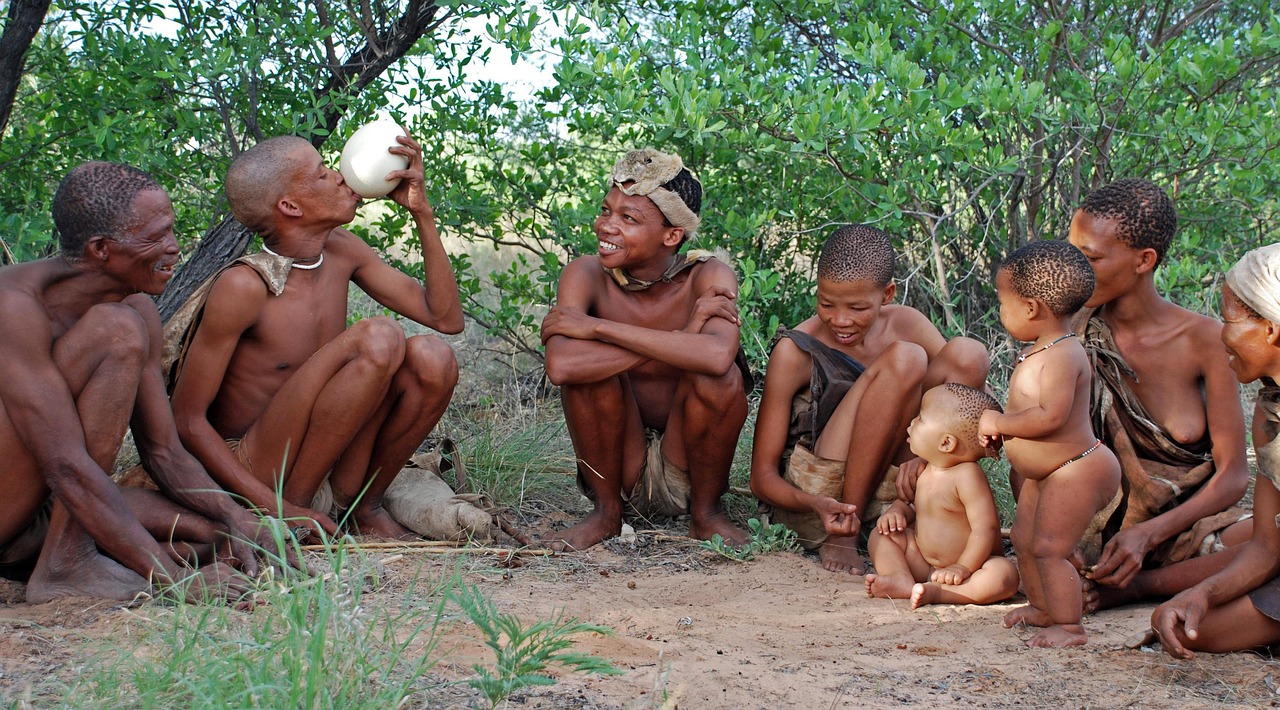
Ghanzi and the Kalahari Region: The Ghanzi area provides opportunities to learn about some San communities and their relationships with the Kalahari environment. Certain community-led experiences may explore traditional ecological knowledge, tracking, plant uses, storytelling, and survival skills. However, San peoples are diverse, and their cultures cannot be represented by a single activity or performance.
Serowe and the Central District: Serowe holds historical importance in Botswana and offers opportunities to explore aspects of national history, community identity, and traditional leadership. Depending on opening arrangements and local guidance, visitors may learn about important historical figures and the development of Botswana’s institutions.
Kasane and the Chobe Region: Although Kasane is widely known as a gateway to Chobe National Park, the surrounding area can also offer cultural experiences arranged through local operators and community organisations. Visitors may discover regional crafts, food traditions, or community perspectives on living near important wildlife habitats.

How Do Local Communities Connect Culture with Nature?
Botswana Cultural Safaris can help visitors understand how people interact with the environment through generations of knowledge, practical skills, and changing livelihoods. In rural communities, land and natural resources may support farming, livestock keeping, fishing, gathering, crafts, and tourism-related employment. These activities vary according to geography, rainfall, access to markets, and local preferences. By listening to community members, travellers can learn how environmental changes influence everyday decisions and how people balance cultural traditions with contemporary needs.
In parts of the Kalahari, some San communities maintain knowledge of local plants, animal tracks, and environmental conditions. Community-led activities may explain how particular plants have traditionally been used or how tracking techniques help interpret signs left by wildlife. Such knowledge deserves respect because it reflects long experience and cultural understanding. Visitors should never assume that every community member practises the same traditions or wishes to demonstrate personal knowledge for tourists.
Within the Okavango region, cultural experiences may explore the relationship between water, fishing, seasonal flooding, agriculture, and transportation. Local residents often understand how changing water levels affect movement, work, and access to resources. Botswana Cultural Safaris can provide a valuable perspective on these relationships, particularly when paired with wildlife excursions. However, communities are not simply extensions of protected areas; they have their own priorities, ambitions, and concerns.
What Traditional Foods Can You Experience in Botswana?
Food provides an inviting introduction to Botswana’s cultural heritage. Botswana Cultural Safaris may include opportunities to sample traditional dishes, learn about local ingredients, or understand how meals bring families and communities together. One well-known staple is seswaa, a slow-cooked, shredded meat dish commonly served at celebrations and important gatherings. It is often accompanied by bogobe, a porridge prepared from sorghum, maize, or other grains, depending on the recipe. Other foods may include morogo, a term used for certain leafy vegetables, as well as beans, seasonal produce, and locally prepared accompaniments.
Recipes and meal customs vary between households and regions, so visitors should view food experiences as introductions rather than definitive representations of an entire country. Some dishes have strong connections with ceremonies or family occasions, while everyday meals may reflect modern ingredients and personal preferences. A local host or cook can often explain the ingredients, preparation methods, and cultural significance of particular foods.
For international travellers, tasting unfamiliar dishes can become one of the most memorable parts of Botswana Adventures. Guests should communicate dietary restrictions, allergies, and religious or personal food preferences before a meal is arranged. Vegetarian and other dietary options may be possible, but availability depends on the host, location, and advance notice.
What Are the Expectations on Botswana Cultural Safaris?
Botswana Cultural Safaris are designed to encourage learning, conversation, and respectful engagement rather than offer a fixed performance at every stop. Depending on the itinerary, visitors may meet artisans, explore a community project, hear local stories, learn about traditional practices, or participate in a food-related activity. Some experiences are interactive, while others involve listening to a host explain the history and significance of a particular tradition. The format depends on community preferences, availability, and the arrangements made before arrival.
Travellers should expect cultural differences and understand that daily life does not always follow a tourist schedule. Community events may change, hosts may have family or work commitments, and some traditions are not available for public viewing. Consequently, flexibility and patience are important. A meaningful encounter often depends on the quality of the exchange rather than the number of activities completed.
Photography requires particular care. Always seek permission before photographing individuals, homes, children, sacred objects, or cultural performances. Some people may decline, and their decision should be respected without pressure. Visitors should also dress appropriately for the setting, follow instructions from local hosts, and avoid making assumptions about beliefs or customs.
When Is the Best Time for Botswana Cultural Safaris?
The best time for Botswana Cultural Safaris depends on the regions you plan to visit, the activities you want to experience, and your wider travel schedule. Botswana’s dry season generally extends from around May to October across much of the country. During these months, daytime conditions are often relatively dry, although mornings and evenings can become chilly, particularly in winter. Road conditions may suit certain overland itineraries, but temperatures can rise significantly as the dry season progresses.
From approximately November to April, seasonal rainfall brings greener landscapes to many parts of Botswana. This period can offer beautiful scenery, fresh vegetation, and excellent opportunities for birdwatching in suitable areas. However, heavy showers may affect rural roads or access to some destinations. Local conditions differ, so travel plans should account for the specific communities and regions involved.
Cultural activities do not always follow the same seasonal patterns as wildlife viewing. Craft workshops, community visits, and food experiences may operate throughout the year, while festivals, ceremonies, and special gatherings occur according to local calendars. These events should never be treated as guaranteed tourist attractions, since some are private, religious, or intended primarily for community members. Ask local hosts whether a particular event welcomes visitors before planning around it.

Why Choose Terenga Africa Safaris & Travel Ltd for Botswana Cultural Safaris?
Choosing a safari company involves more than finding a list of attractions. Travellers need accurate information, clear communication, realistic schedules, appropriate transport, and cultural experiences arranged with respect for local communities. Terenga Africa Safaris & Travel Ltd helps travellers explore options for Botswana Cultural Safaris according to their interests, travel dates, group size, accommodation preferences, and budget. Our planning approach focuses on helping guests understand what an itinerary includes and what arrangements require confirmation.
Whether you want to learn about traditional crafts, discover local food, explore the history of Botswana, or meet community hosts, careful selection can improve the quality of your experience. We can help you consider suitable activities and combine them with wildlife destinations where the travel connections and available time make sense. Rather than overcrowding each day, a well-designed itinerary allows space for conversations, learning, and unhurried exploration.
Trustworthy travel planning also requires transparent costs and honest descriptions. Before confirming Botswana Cultural Safaris, request details about transportation, accommodation, meals, entry fees, activity costs, guide services, and cancellation conditions. Ask who organises each community visit and whether the activity is led by local people. These questions help you make informed decisions and understand how your participation supports the experience.
Best Selling Botswana Safari Holiday Adventures

7-Day Moremi Game Reserve
Few reserves anywhere in Africa combine water, woodland, and open plains as seamlessly as Moremi. The 7-Day Moremi Game Reserve Safari by Terenga

8-Day Botswana Wildlife and Cultural
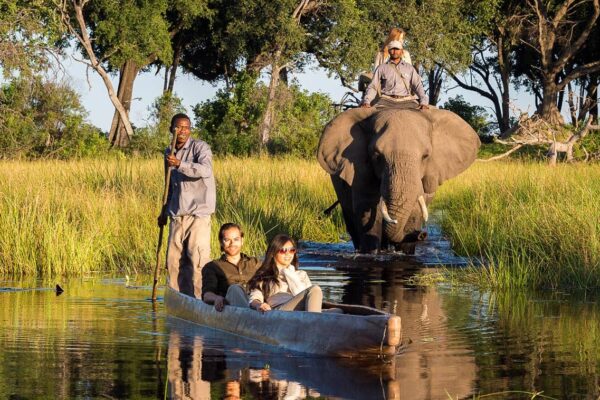
Botswana offers far more than exceptional wildlife; its people carry equally remarkable, living traditions.
8-Day Okavango Delta & Moremi
Few combinations in Africa rival the Okavango Delta paired with its celebrated neighbor, Moremi. The 8-Day Okavango Delta & Moremi Safari by Terenga

12-Day Botswana Family Safari
Botswana welcomes families with wildlife, culture, and pacing suited to travelers of every age. The 12-Day Botswana Family Safari Holiday by Terenga

12-Day Botswana Honeymoon
Few destinations on earth match Botswana’s romantic combination of privacy, wilderness, and genuine intimacy. The 12-Day Botswana Honeymoon

12-Day Botswana Desert, Delta &
Botswana rewards travelers willing to cross its driest deserts and reach its wildest wetlands. The 12-Day Botswana Desert, Delta & Wildlife Safari by Terenga
What Should You Pack for Botswana Cultural Safaris?
Packing for Botswana Cultural Safaris requires consideration of the weather, transport arrangements, planned activities, and cultural settings. Lightweight, breathable clothing is useful for warm days, while a jacket or fleece helps during cooler mornings and evenings. Comfortable walking shoes are suitable for village visits, craft workshops, and outdoor excursions. Modest clothing is a sensible choice when visiting community spaces or attending cultural activities, although expectations differ between locations. Follow any specific guidance provided by your host or tour organiser.
Sun protection is essential for many outdoor experiences. Bring a wide-brimmed hat, sunglasses, sunscreen, and a reusable water bottle. Insect repellent may also be helpful depending on the season and destination. A small daypack can carry personal essentials, a camera, a phone, spare batteries, and any required medication. Travellers joining remote excursions should ask whether water, meals, and other supplies will be provided.
A notebook can be useful for recording new words, stories, recipes, and insights shared by local hosts. If you plan to purchase handmade crafts, leave some room in your luggage and consider how fragile items will travel. Buying directly from artisans, where possible, may help support their work, provided the products are ethically sourced and legally sold.
 How Can You Plan and Book Botswana Cultural Safaris?
Planning Botswana Cultural Safaris begins with identifying your preferred travel dates, cultural interests, group size, and desired level of comfort. You may wish to focus on crafts and food, explore regional history, learn about community relationships with the environment, or combine several themes. Sharing these preferences with your tour organiser makes it easier to identify relevant experiences and avoid activities that do not match your expectations.
When comparing Botswana Tours, request a written itinerary with clear information about transport, accommodation, meals, activity duration, guide arrangements, and additional costs. Confirm whether community visits are pre-arranged, whether local hosts have agreed to receive visitors, and what happens if an activity becomes unavailable. Travellers with dietary, accessibility, language, or mobility requirements should discuss these needs before confirming the booking.
Combining Botswana Cultural Safaris with destinations such as the Okavango Delta, Chobe National Park, or the Kalahari can create a broader understanding of the country. However, allow enough time for meaningful encounters and avoid scheduling too many transfers in a short period. A balanced itinerary makes room for both cultural learning and relaxation.
With Terenga Africa Safaris & Travel Ltd, you can begin exploring Botswana Cultural Safaris tailored to your travel goals. Our team can help you consider suitable destinations, clarify available activities, and plan a journey that respects local communities while introducing you to Botswana’s remarkable heritage. Discover a different side of Africa through its stories, traditions, food, craftsmanship, and people.