A Complete Guide to the February Great Migration Safari in Tanzania
October 28, 2026
Why February Is One of the Best Months for Serengeti Safaris?
November 2, 2026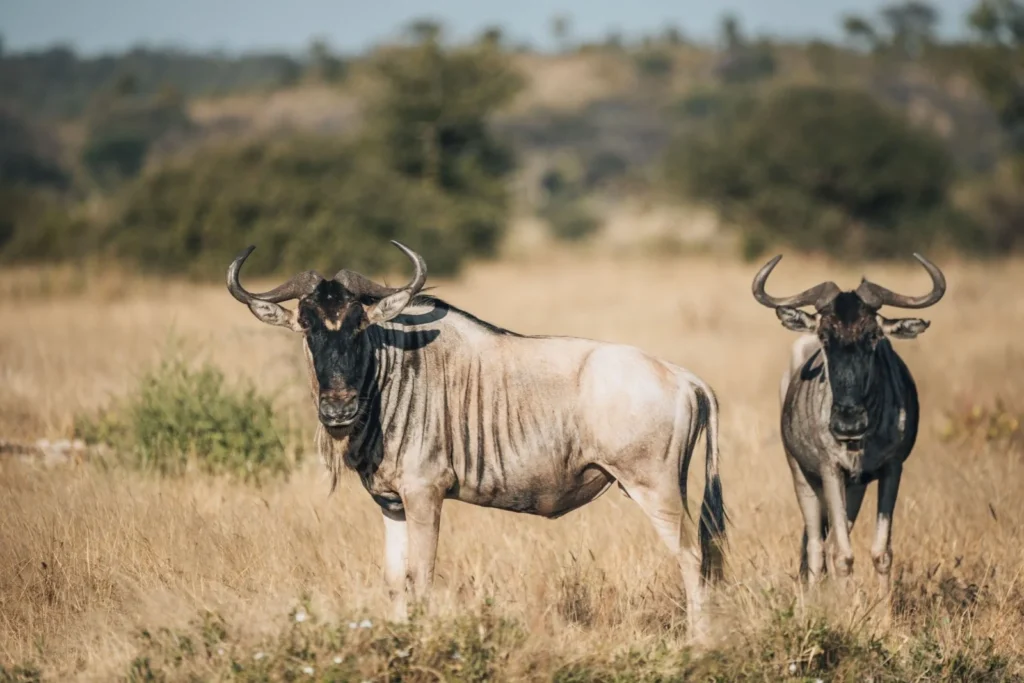
Wildlife Photography During the Wildebeest Calving Season
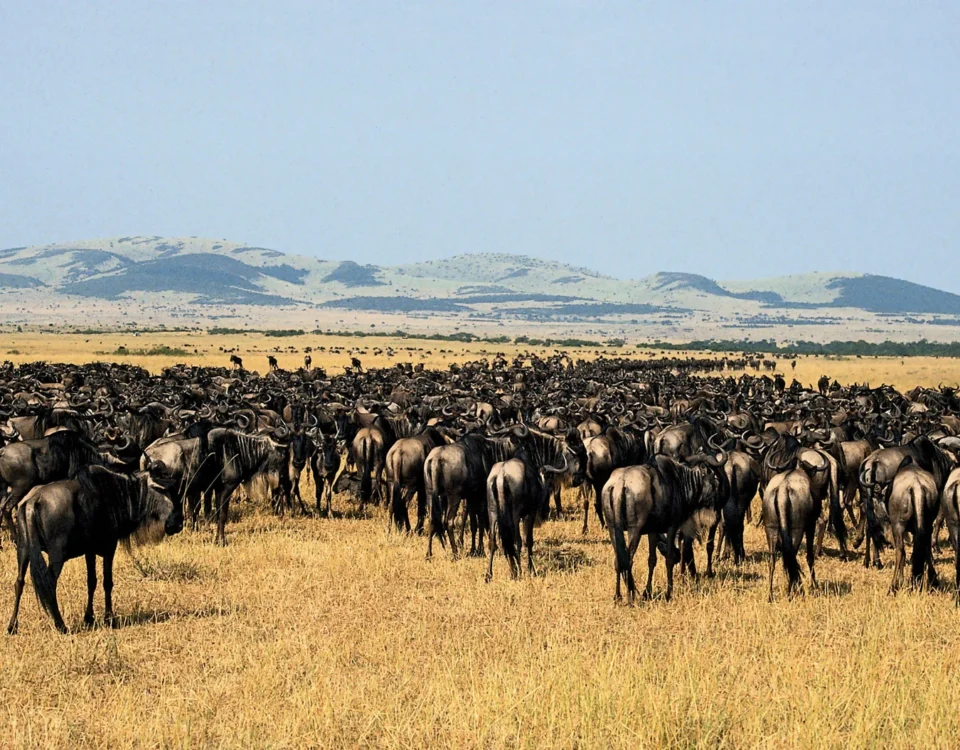
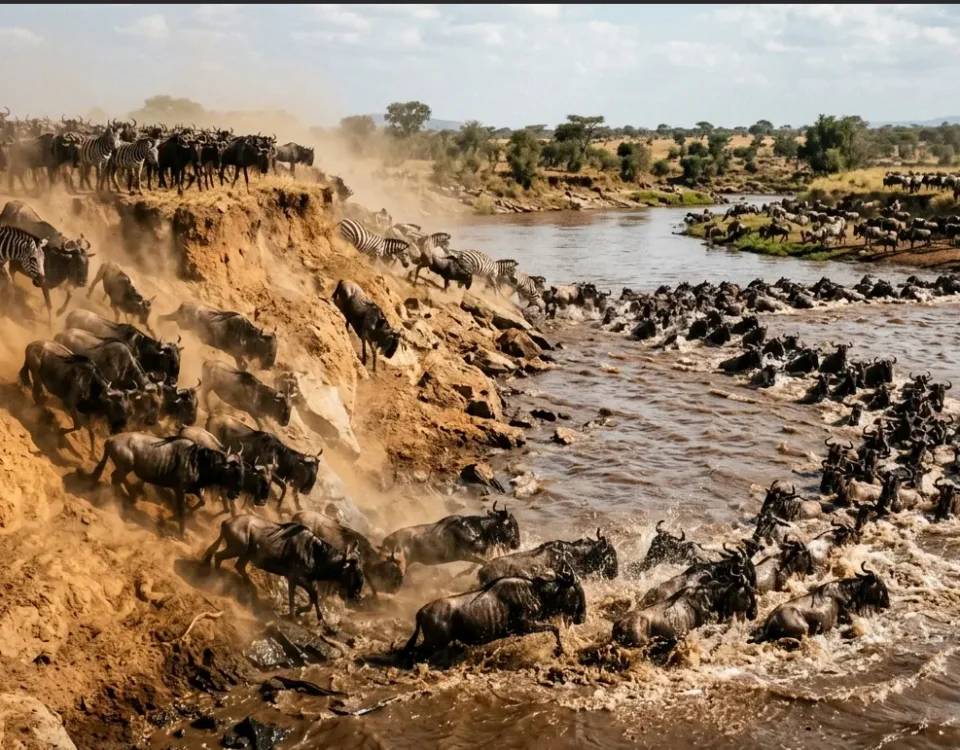
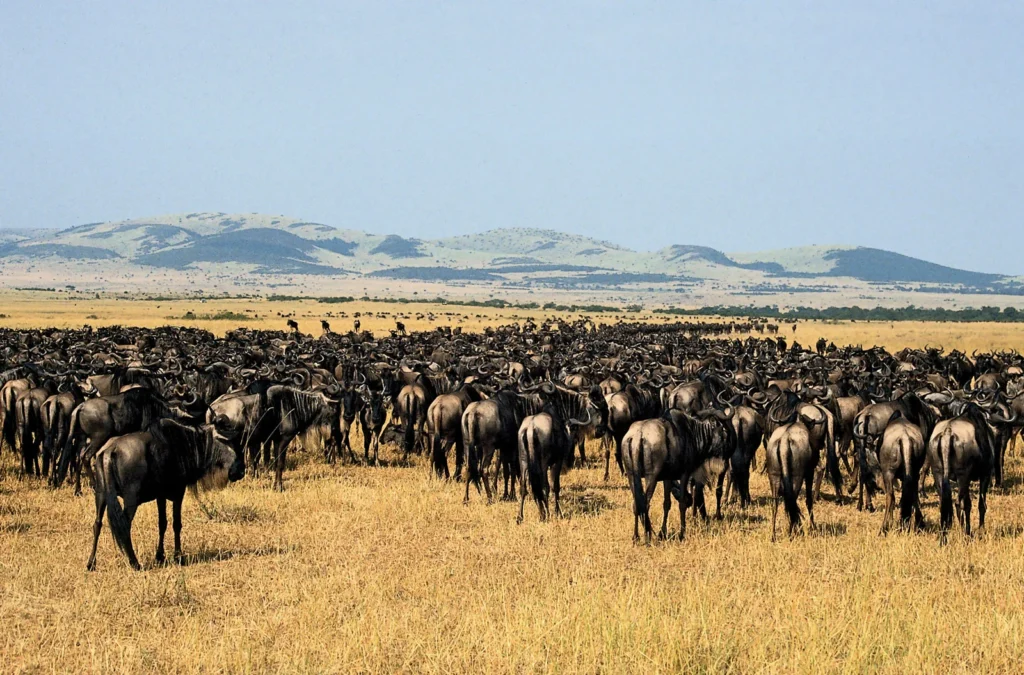
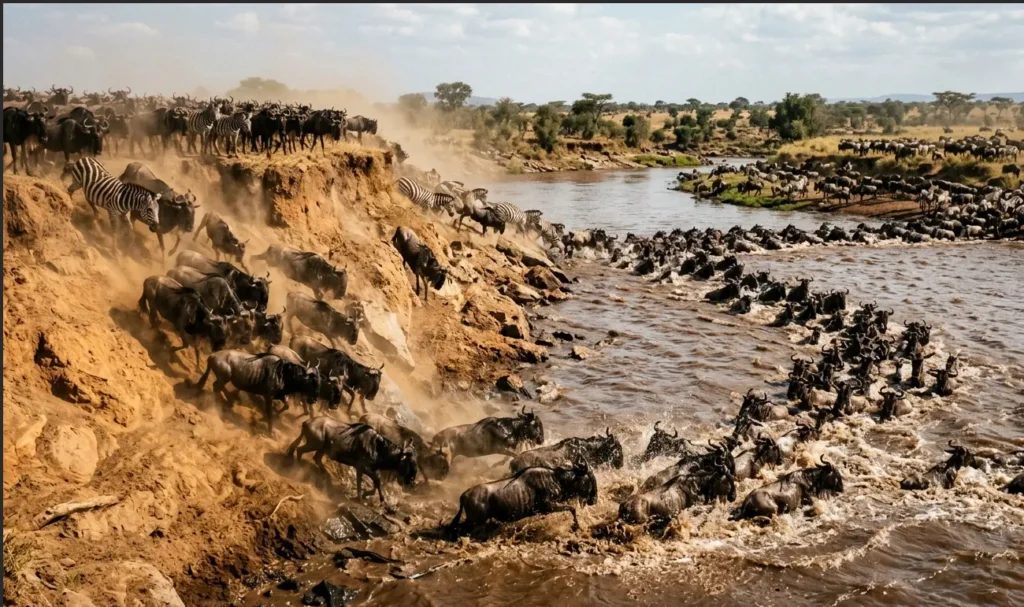
Wildlife Photography During the Wildebeest Calving Season offers an extraordinary opportunity to capture some of the most moving and dramatic moments in Tanzania’s natural world. Every year, thousands of wildebeest gather across the southern Serengeti ecosystem, particularly around Ndutu, where seasonal rainfall supports fresh grass and favourable conditions for raising their young. During this period, photographers can document newborn calves taking their first steps, mothers protecting their offspring, enormous herds crossing open plains, and predators searching for opportunities to hunt. These encounters reveal the powerful relationship between survival, migration, and the changing seasons of the African wilderness.
For photographers travelling from around the world, the calving season provides much more than opportunities to photograph large animals. Open grasslands, dramatic cloud formations, soft morning light, and green seasonal landscapes create varied photographic backgrounds. Meanwhile, lions, cheetahs, spotted hyenas, jackals, and numerous bird species add diversity to the experience. Although wildlife behaviour is unpredictable, spending several days in the right locations increases your opportunities to capture meaningful images without rushing between distant destinations.
At Terenga Africa Safaris & Travel Ltd, we help travellers plan Tanzania Safaris around seasonal wildlife movements, photographic interests, accommodation preferences, and realistic travel schedules. Whether you use a professional camera or a smartphone, understanding animal behaviour, light, composition, and responsible viewing can significantly improve your results. This guide explores the best photographic locations, ideal travel periods, essential equipment, estimated costs, and practical techniques for capturing the calving season. Our goal is to help you enjoy a rewarding photography safari while respecting the wildlife and habitats that make Tanzania such an exceptional destination.
Where Are the Best Locations for Wildlife Photography During the Wildebeest Calving Season?
The most important destination for Wildlife Photography During the Wildebeest Calving Season is the Ndutu area and the surrounding southern plains of the Serengeti ecosystem. This region attracts large concentrations of wildebeest during the calving period, creating opportunities to photograph newborn calves, protective mothers, grazing herds, and predators moving through open grasslands. The relatively open terrain can make wildlife easier to observe and photograph than areas with dense vegetation. Seasonal lakes, scattered trees, and wide horizons also provide varied backgrounds for landscape compositions and environmental portraits.
Why is Ndutu particularly valuable for photographers? Its combination of short grass, seasonal water sources, and high concentrations of herbivores can provide excellent opportunities to document natural behaviour. Photographers may capture a calf standing beside its mother, herds moving across green plains, or cheetahs scanning the grasslands. However, animal movements change with rainfall, so recent sightings and flexible game drives are more useful than assuming wildlife will remain in one location.
What does the wider Southern Serengeti add to the experience? Exploring surrounding plains allows photographers to follow changing herd distributions and look for different backgrounds, light conditions, and animal interactions. A knowledgeable guide can help identify promising areas while respecting park regulations and maintaining appropriate distances from wildlife. Spending several nights in accommodation near the calving grounds is often more productive than travelling long distances every day.
For a successful photography-focused Tanzania Safari, prioritise a suitable base, enough time in the field, and a flexible schedule. The objective is not simply to collect pictures of different species; it is to capture the behaviour, atmosphere, and ecological relationships that make the wildebeest calving season remarkable.
What Wildlife Behaviour Can You Photograph During the Calving Season?
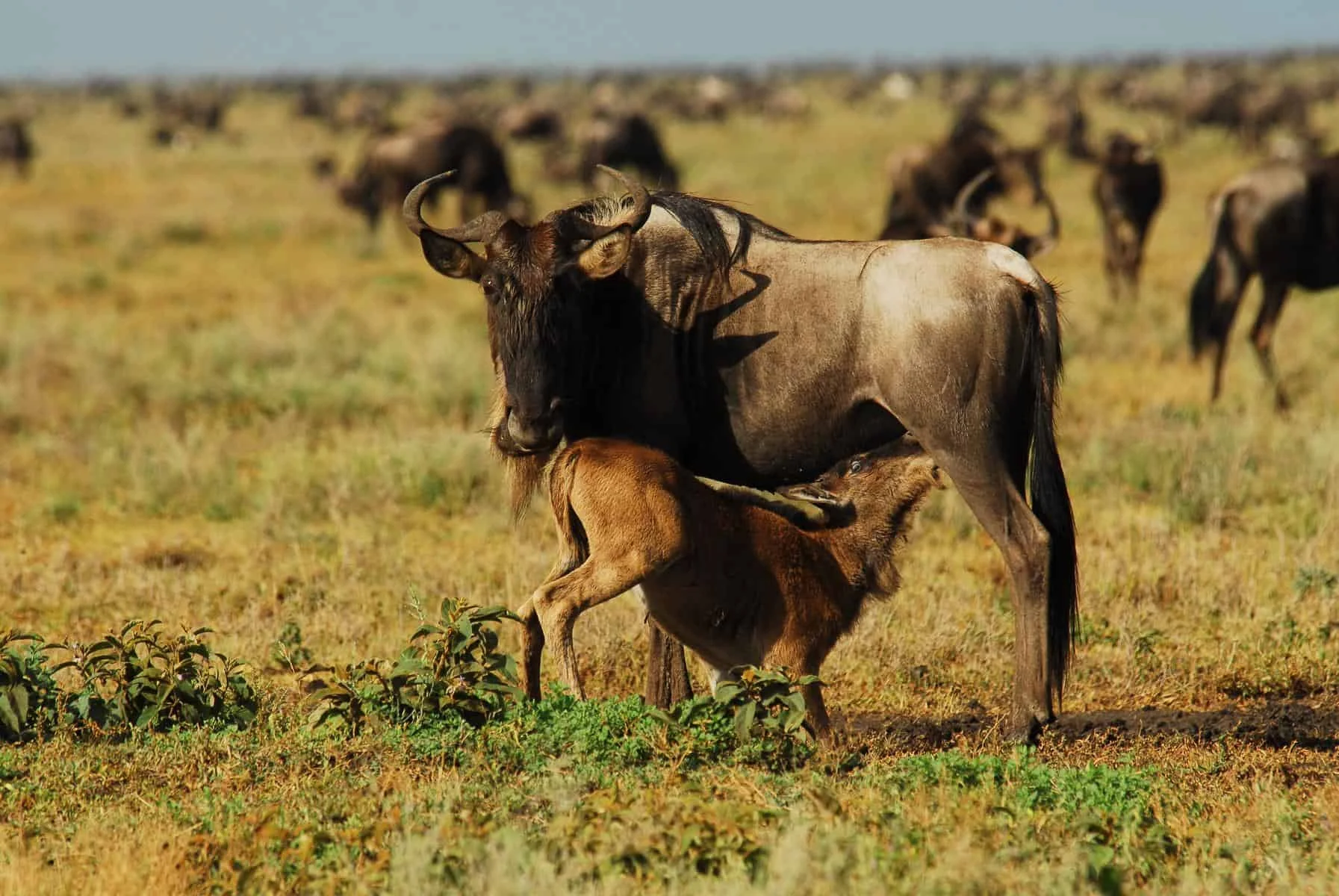
One of the greatest advantages of Wildlife Photography During the Wildebeest Calving Season is the opportunity to document animal behaviour rather than relying only on conventional wildlife portraits. Newborn wildebeest may struggle to stand before gaining strength and following their mothers across the plains. Photographers can look for interactions such as nursing, grooming, herd movement, and protective behaviour. These moments communicate the vulnerability and resilience of young animals while telling a deeper story about survival in the African wilderness.
Can you photograph predator-prey interactions? Lions, cheetahs, and spotted hyenas may be encountered around the calving grounds because large concentrations of herbivores provide feeding opportunities. Photographers might capture a cheetah surveying the plains, a lion resting near its pride, or hyenas moving through the grass. Actual hunts are unpredictable, and no responsible operator should promise that a particular event will occur. When predator activity does take place, visitors must follow their guide’s instructions and avoid pressuring animals for a closer photograph.
How can you create stronger wildlife stories? Consider photographing a sequence rather than a single isolated image. A series might show a herd approaching, a mother and calf interacting, and the animals moving into the distance. Including the surrounding landscape helps viewers understand the habitat and gives the subject a sense of place. Wide compositions can communicate the scale of the migration, while tighter frames reveal details such as facial expressions, dust, and the texture of fur.
Patience is essential because meaningful behaviour can unfold slowly. By observing animals before raising your camera, you may recognise changes in posture or movement that signal an interesting moment. Ethical photography should always prioritise wildlife welfare over obtaining a particular image.
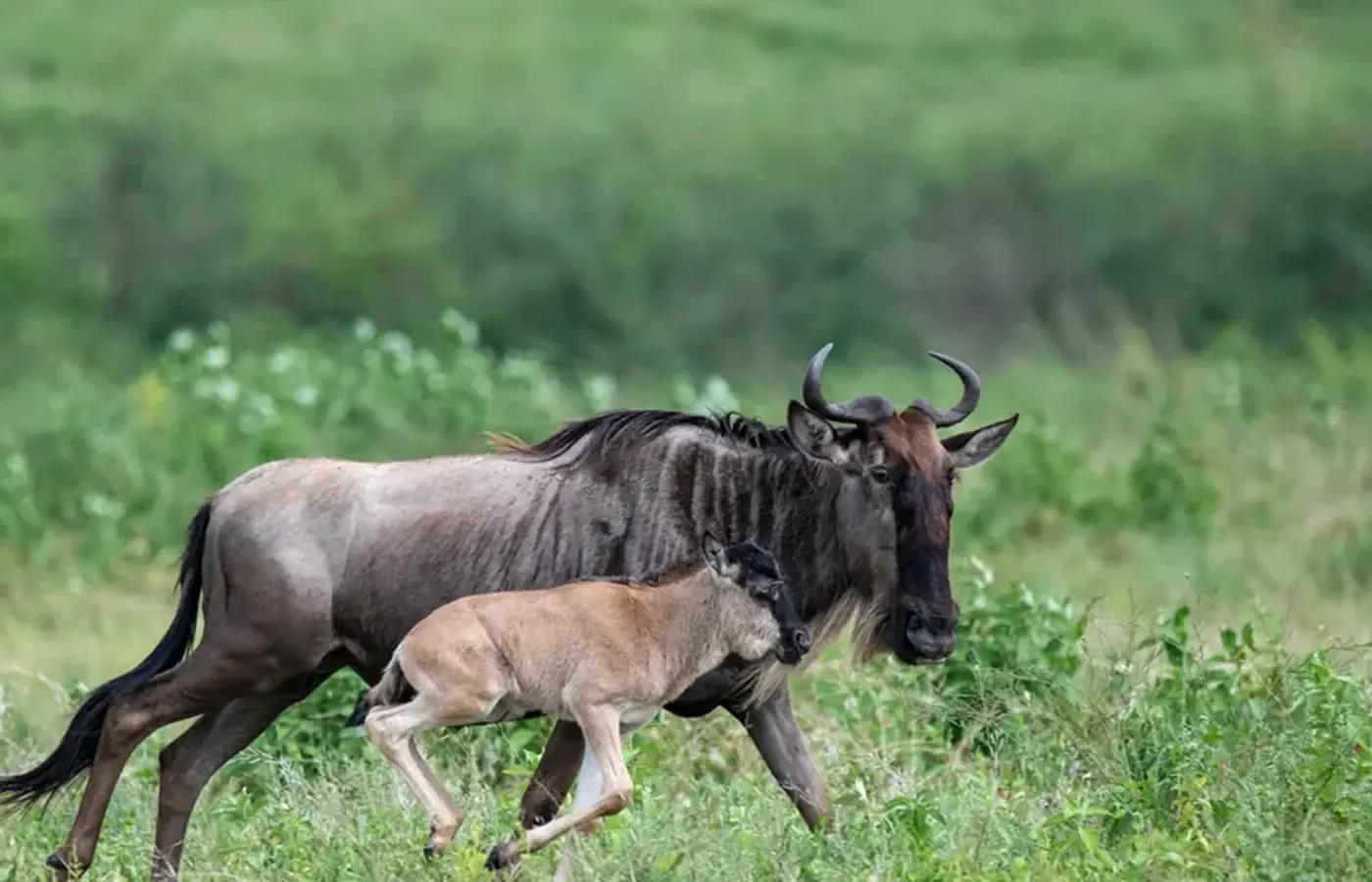 When Is the Best Time for Wildlife Photography During the Wildebeest Calving Season?
The most popular period for Wildlife Photography During the Wildebeest Calving Season is generally January through March, when wildebeest gather across the southern Serengeti ecosystem. February is often particularly rewarding because large numbers of calves may be born during this period. Nevertheless, the timing of the calving season varies with rainfall and pasture conditions, so photographers should avoid treating the calendar as a guarantee of specific sightings.
Which month should you choose? January can offer green landscapes, growing concentrations of herds, and opportunities to photograph the early stages of calving. February is frequently favoured for newborn calves and potential predator interactions. March can still deliver excellent images, although rainfall and changing herd movements may influence access and wildlife distribution. December may also be worth considering if the herds are gathering across the southern plains before peak calving activity.
What time of day produces the best photographs? Early morning often provides soft light, cooler temperatures, and opportunities to observe active wildlife. Late afternoon can produce warm tones, long shadows, and dramatic silhouettes. Midday light is usually harsher, but it can still be useful for documenting behaviour or creating high-contrast images when conditions suit your subject.
Weather should also influence your photographic plans. Cloudy skies can diffuse sunlight, while rain may create atmospheric backgrounds and reflections. However, wet conditions can affect road access, so listen to your guide and follow local safety advice. For the strongest results, schedule multiple game drives and allow flexibility to work with the light and wildlife behaviour available each day.
What Camera Equipment Should You Bring?
Choosing suitable equipment for Wildlife Photography During the Wildebeest Calving Season depends on your photography experience, preferred subjects, and travel arrangements. Professional photographers often carry a camera body with reliable autofocus and a telephoto lens, while beginners can achieve excellent results with simpler equipment and careful composition. The most important consideration is having tools that allow you to photograph animals clearly without needing to approach them too closely.
Which lenses are most useful? A telephoto lens, such as a 100–400mm or 200–600mm equivalent, is helpful for photographing distant animals and capturing behavioural details. A standard zoom lens can be useful for environmental portraits and landscapes, particularly when enormous herds stretch across the plains. Wide-angle lenses also work well for showing wildlife within its habitat, provided you can photograph from a suitable distance without disturbing the animals.
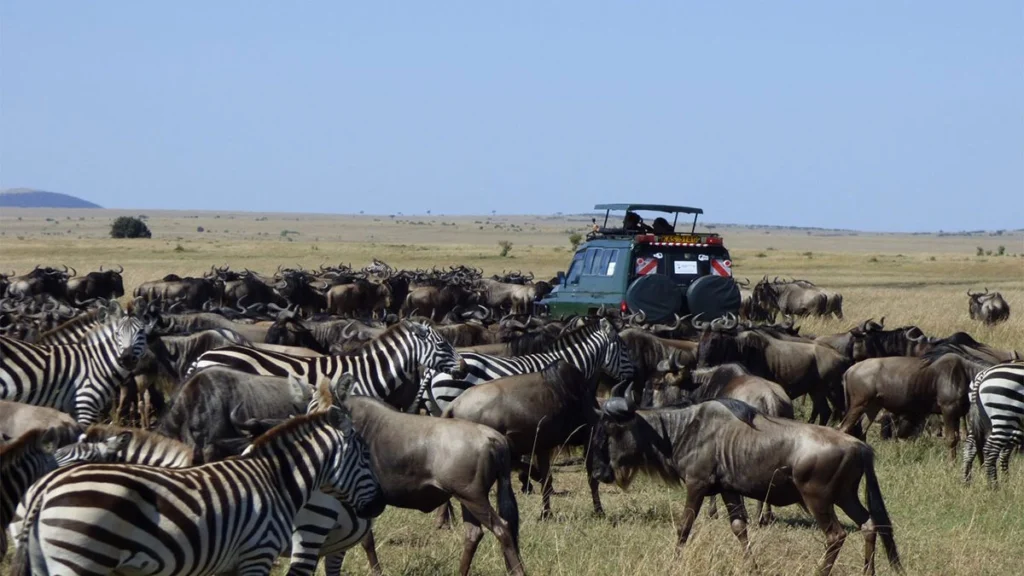
What additional equipment improves your results? Spare batteries, sufficient memory cards, a lens-cleaning kit, and a protective camera bag are practical essentials. Dust can accumulate during game drives, so avoid changing lenses unnecessarily in exposed conditions. A beanbag or suitable camera support can help stabilise longer lenses when photographing from a stationary safari vehicle. Binoculars are useful for locating distant subjects before preparing your camera.
For photographers using smartphones, choose a device with good image quality, practise using exposure controls, and avoid excessive digital zoom. Whatever equipment you carry, make sure you understand its settings before departure. Learning to adjust shutter speed, autofocus, and exposure compensation in advance allows you to react more confidently when an interesting wildlife moment unfolds.
How Much Does a Wildlife Photography Safari Cost?
The cost of Wildlife Photography During the Wildebeest Calving Season varies according to accommodation, transport, group size, safari duration, and the level of photographic support required. Travellers seeking premium camps near Ndutu may face higher rates during February, when demand for migration viewing is strong. Private vehicles can provide greater flexibility for positioning, waiting for light, and spending longer with a particular subject, but they generally cost more than shared departures.
The following are broad planning estimates per person per day, not live quotations:
Safari category |
Estimated daily cost |
| Budget camping safari | US$250–400 |
| Mid-range lodge or tented camp | US$400–750 |
| Luxury photography safari | US$750–1,500+ |
| Premium fly-in private safari | US$1,000–2,000+ |
What determines the final price? Accommodation rates, park and conservation fees, vehicle arrangements, guide services, meals, and the number of safari days all influence the total. Specialist photographic guiding, private departures, charter flights, and premium camps may increase the cost. International flights, insurance, visas, equipment rental, and tips may be additional expenses.
At Terenga Africa Safaris & Travel Ltd, we can prepare an itinerary around your budget and photographic goals. Before booking, confirm whether your vehicle provides sufficient room for camera equipment, whether the guide has experience supporting wildlife photography, and whether the package allows flexible game drives. A well-positioned camp and enough time in the field may provide greater photographic value than simply choosing the most expensive accommodation.
How Do You Reach the Wildebeest Calving Grounds?
Access planning is essential for Wildlife Photography During the Wildebeest Calving Season because long transfers can reduce valuable time in the field. Many international visitors arrive through Kilimanjaro International Airport and continue to Arusha, a common starting point for northern Tanzania safaris. From there, you can travel overland in a 4×4 safari vehicle or arrange a suitable light aircraft flight to an airstrip serving the Ndutu area or the wider Serengeti ecosystem.
Is driving suitable for photography enthusiasts? An overland safari offers scenic views and can be practical for travellers who prefer a road-based itinerary. However, travel may take much of the day, depending on road conditions and the location of your camp. Build realistic transfer times into your schedule instead of expecting every journey to include extensive wildlife viewing.
Can flying provide more time for photography? Scheduled or chartered flights may reduce transfer time and offer impressive aerial views. Availability, baggage restrictions, and the location of the relevant airstrip must be checked before booking. Camera equipment can be heavy, so confirm current baggage limits with the airline and arrange the appropriate ground transfer to your accommodation.
For the most effective photography itinerary, choose accommodation close to the areas you want to explore. This allows you to spend more time photographing wildlife during favourable light rather than travelling long distances between game drives.
What Are the Inclusions and Exclusions of a Photography Safari?
When booking Wildlife Photography During the Wildebeest Calving Season, review the package details carefully to understand which services are covered. Photography-focused safaris may include additional flexibility or specialist support, but these features should be confirmed in writing rather than assumed.
Typical inclusions may include:
- 4×4 safari transport, with a private vehicle if specified.
- Services of a professional driver-guide.
- Accommodation for the agreed number of nights.
- Meals stated in the itinerary.
- Scheduled game drives in the agreed wildlife areas.
- Applicable park and conservation fees listed in the quotation.
- Drinking water during game drives, where provided.
- Airport or airstrip transfers, if included.
Typical exclusions may include:
- International flights, visas, and travel insurance.
- Personal camera equipment and equipment rental.
- Specialist photographic instruction, unless agreed.
- Tips, personal purchases, and premium beverages.
- Charter flights or additional transfers not listed.
- Optional activities and extra accommodation.
- Fees or services expressly identified as excluded.
Why is this important? A private vehicle may be especially valuable for photographers who want to wait for favourable light or spend additional time observing a subject. However, vehicle arrangements and photographic support vary between operators. Request an itemised quotation and confirm the relevant services before paying a deposit.
What Should You Pack for the Photography Safari?
Preparation is essential for Wildlife Photography During the Wildebeest Calving Season, particularly because the southern Serengeti can experience dust, warm afternoons, cool mornings, and seasonal rain. Lightweight neutral-coloured clothing, a warm jacket, comfortable closed shoes, and a waterproof layer will help you adapt to changing conditions.
Which photography essentials should you carry?
- Camera body, suitable lenses, and a spare battery.
- Memory cards and a reliable backup storage device.
- Lens cloths, a cleaning kit, and dust protection.
- Beanbag or camera support for vehicle-based photography.
- Binoculars for locating distant animals.
- Waterproof protection for cameras and electronic accessories.
- A small daypack, sunscreen, hat, and sunglasses.
- Personal medication, insect repellent, and travel documents.
Photographers should also bring sufficient charging equipment and check whether their accommodation offers reliable charging facilities. Keep batteries and memory cards organised, and protect electronic equipment when driving along dusty tracks. If you are travelling by light aircraft, use suitable soft-sided luggage and confirm the current weight allowance.
 Why Choose Terenga Africa Safaris & Travel Ltd?
Planning Wildlife Photography During the Wildebeest Calving Season involves more than selecting a destination and carrying a camera. The location of your accommodation, the flexibility of your game drives, knowledge of animal behaviour, and access to experienced guiding can all influence your photographic opportunities. Terenga Africa Safaris & Travel Ltd helps travellers develop personalised Tanzania Safaris that reflect their interests, comfort preferences, available time, and budget.
How can we help you prepare? We can help you select a suitable base near Ndutu, consider transport options, and plan realistic game-drive schedules around the calving season. Travellers can communicate their photographic priorities, whether they want close-up animal portraits, wide-angle landscapes, bird photography, or images documenting wildlife behaviour. We also explain package inclusions and exclusions so that you can make informed decisions before confirming your trip.
Our approach emphasises responsible wildlife viewing, clear communication, and realistic expectations. No operator can guarantee a particular wildlife encounter, but thoughtful planning can improve your chances of spending valuable time in productive viewing areas. We encourage photographers to respect park regulations, follow their guide’s instructions, and avoid disturbing animals for the sake of an image.
Frequently Asked Questions
Is February the best month for wildlife photography during the wildebeest calving season?
February is often an excellent choice because many wildebeest calves are born across the southern plains. However, January and March can also offer rewarding photographic opportunities, depending on rainfall and herd movements.
Can beginners join a photography safari?
Yes. Beginners can enjoy the experience with a smartphone, bridge camera, or entry-level digital camera. Learning basic exposure, focusing, and composition before departure will help you make the most of your game drives.
Will I photograph a wildebeest giving birth?
It is possible, but such moments are unpredictable and should never be guaranteed. You may have better opportunities to photograph newborn calves, nursing behaviour, and interactions between mothers and their young.
How many days should I spend in Ndutu?
Three or four nights is a useful starting point for photographers who want to explore the calving grounds. A longer stay allows more flexibility for changing weather, wildlife movements, and favourable light.
Can I photograph birds during the same safari?
Yes. The southern Serengeti ecosystem supports a variety of resident and seasonal birds. Travellers interested in Tanzania Birding Safaris should inform their operator so that additional time can be allocated to bird observation and photography.
Book Your Wildlife Photography Safari with Terenga Africa Safaris & Travel Ltd
Wildlife Photography During the Wildebeest Calving Season offers an opportunity to capture the beauty, vulnerability, and drama of Tanzania’s Great Migration. From newborn wildebeest and protective mothers to predators moving across open grasslands, the southern Serengeti ecosystem provides a remarkable setting for wildlife storytelling. With suitable equipment, patient observation, responsible guiding, and sufficient time in the field, your safari can deliver photographs that preserve the experience long after your journey ends.
At Terenga Africa Safaris & Travel Ltd, we help you plan a photography adventure tailored to your interests, travel dates, accommodation preferences, and budget.
Start planning your Tanzania wildlife photography safari today.
- Website: www.terengasafaris.com
- Email: info@terengasafaris.com

10-Day Tarangire, Serengeti to Ndutu Migration & Ngorongoro
Experience the Great Migration through your lens and discover the extraordinary wildlife of Tanzania with a safari designed around your photographic ambitions.