Great Migration Safari: Discover Africa’s Greatest Wildlife Movement
A Great Migration Safari offers one of the most extraordinary wildlife experiences in Africa, bringing travellers closer to the natural rhythms of the continent’s vast wilderness areas. Every year, enormous herds of wildebeest, zebras, and other grazing animals move across parts of East Africa in search of fresh grass and water. Their journey follows seasonal rainfall, changing pasture conditions, and the natural needs of the herds. Predators, including lions, cheetahs, leopards, hyenas, and crocodiles, also form part of this remarkable ecosystem, creating opportunities to witness the complex relationships that sustain wildlife in the African savannah. For travellers who dream of observing nature on a grand scale, a Great Migration Safari combines breathtaking landscapes, wildlife photography, fascinating animal behaviour, and unforgettable encounters in some of the continent’s most celebrated national parks.
At Terenga Africa Safaris & Travel Ltd, we help travellers plan carefully designed Great Migration Safari holidays that match their interests, travel dates, comfort preferences, and budgets. Tanzania’s Serengeti National Park and Kenya’s Maasai Mara National Reserve are among the best-known destinations for following the migration, although the herds move across a wider ecosystem rather than remaining within fixed park boundaries.
Where Can You Experience the Great Migration Safari?
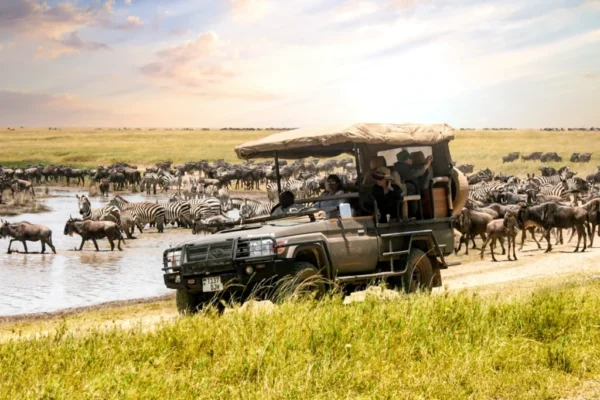
Serengeti National Park
Serengeti National Park stands among Africa’s greatest wildlife destinations. Every journey through Serengeti National Park delivers
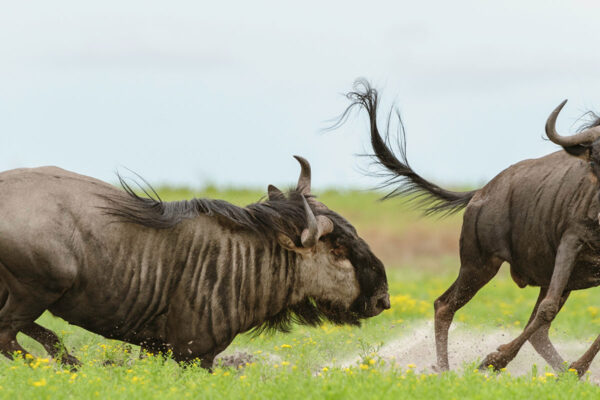
Liuwa Plain National Park
Liuwa Plain National Park: Zambia’s Untamed Grassland Wilderness and Spectacular Wildlife Migration introduces travelers to one
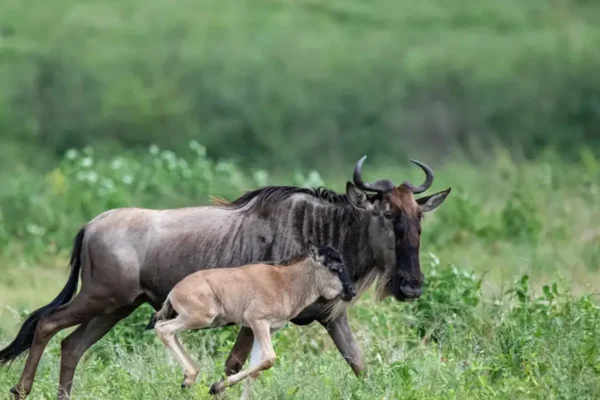
Maasai Mara National Reserve
Maasai Mara National Reserve stands among the world’s most celebrated safari destinations. This extraordinary reserve combines breathtaking
What Are the Expectations on a Great Migration Safari?
A Great Migration Safari combines wildlife exploration, scenic drives, outdoor adventure, and opportunities to understand the ecosystems that support Africa’s large animal populations. Most itineraries involve guided game drives in a safari vehicle, usually in the early morning and late afternoon when temperatures and wildlife activity may be favourable. Depending on the destination and accommodation, visitors may also enjoy full-day drives with packed lunches, allowing more time to explore remote areas. Experienced guides help interpret animal behaviour, identify wildlife, explain seasonal movements, and discuss conservation challenges. Each day can bring different sightings, from vast herds spread across the plains to predators resting in the shade or elephants moving through woodland.
Travellers should understand that wildlife is free-ranging and cannot be scheduled like a performance. Even during a migration season, the location of the herds can change because of rainfall, grazing conditions, and other natural factors. River crossings are particularly unpredictable and may not occur during a visitor’s stay.
When Is the Best Time for a Great Migration Safari?
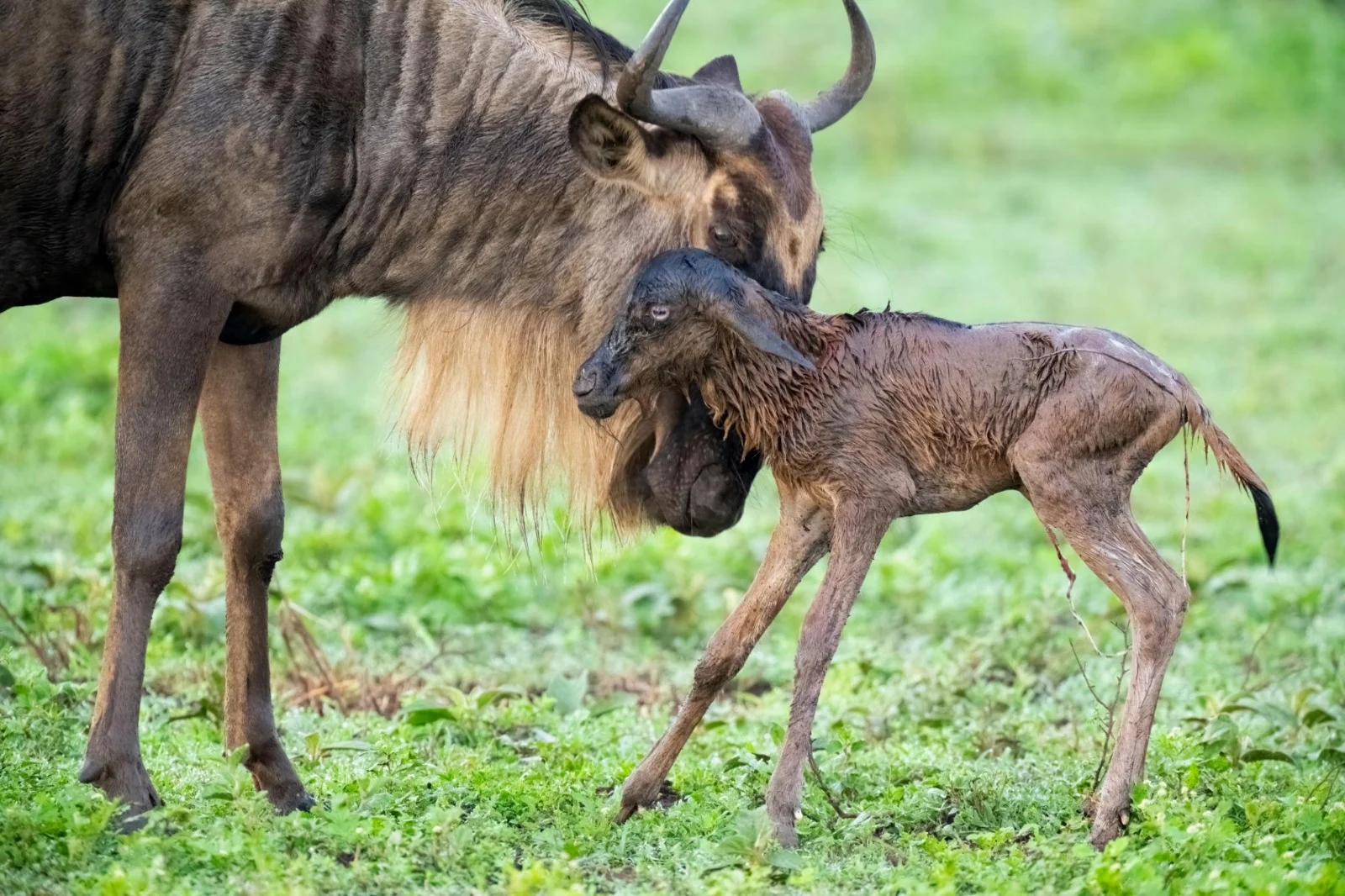
The best time for a Great Migration Safari depends on which part of the migration you want to experience and whether your priority is calving season, large herds, or the possibility of river crossings. In Tanzania, January to March is often associated with the calving season in the southern Serengeti and Ndutu area. This period can provide opportunities to observe newborn wildebeest, grazing herds, and predator activity. From around April to June, some herds generally begin moving north and west as pasture conditions change, although rainfall can influence their pace and distribution. Between approximately July and October, northern Serengeti and the Maasai Mara region are often popular for travellers hoping to see river crossings. These are seasonal patterns, not fixed schedules, and wildlife movements vary each year.
November and December may bring the herds back towards greener grazing areas in Tanzania, depending on the onset of seasonal rains. Travellers visiting outside the busiest periods may find different advantages, including changing landscapes and, in some locations, fewer vehicles. However, wet-season travel can involve muddy roads, changing access conditions, and adjustments to game-drive plans. Booking early is advisable for popular migration camps, particularly during peak travel months when demand can be high.
Top Selling Africa Wildlife Safari Holiday Adventures- Plan for 2027/28
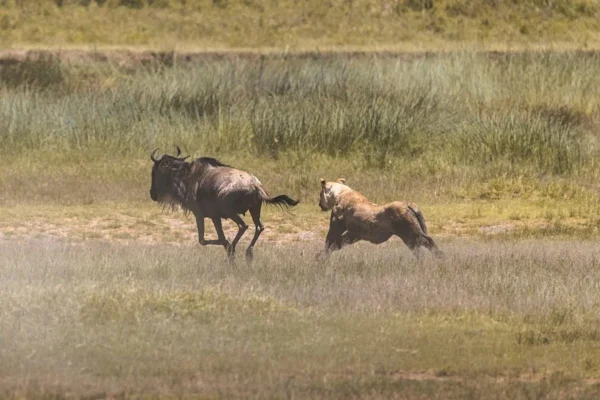
12-Day Ultra Luxury in Kenya
The 12-Day Ultra Luxury in Kenya-Wild Beauty offers an exceptional journey through Kenya’s most captivating landscapes. This itinerary combines
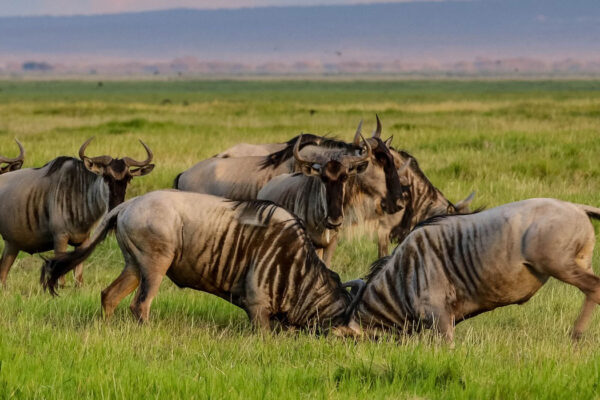
14-Day Kenya National Parks
The 14-Day Kenya National Parks Safari Adventure offers an exciting journey through Kenya’s remarkable wildlife destinations. This safari
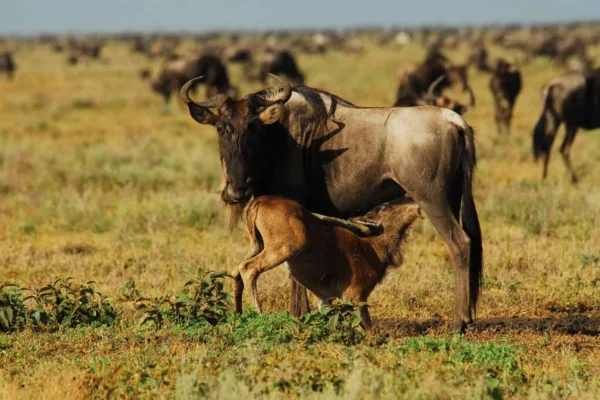
7-Day Budget Kenya Wildlife
The 7-Day Budget Kenya Wildlife Safari is a thoughtfully designed itinerary that combines affordability with the thrill of Kenya’s world-

18 Days Complete Zambia Wildlife & Wilderness
Terenga Africa Safaris and Travel Ltd presents the 18 Days Complete Zambia Wildlife & Wilderness Safari, our definitive journey

5-Day Tanzania Best Wildlife
The 5-Day Tanzania Best Wildlife Adventure offers an unforgettable journey through Tanzania’s most spectacular wildlife destinations. This carefully
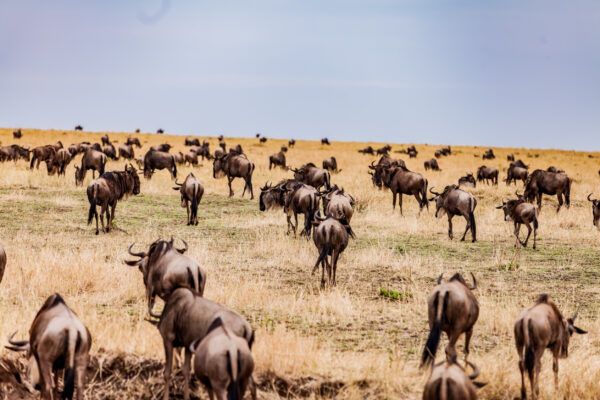
6-Day Tanzania Great Migration
The 6-Day Tanzania Great Migration Safari offers an unforgettable journey through Tanzania’s spectacular northern safari circuit. This carefully planned
Why Choose Terenga Africa Safaris & Travel Ltd for a Great Migration Safari?
Planning a Great Migration Safari requires careful attention to timing, geography, accommodation, transport, and the seasonal behaviour of wildlife. At Terenga Africa Safaris & Travel Ltd, we help travellers build itineraries around their interests rather than relying on a one-size-fits-all package. Whether you want to focus on the Serengeti, explore the Maasai Mara, combine Kenya Safaris with Tanzania Adventures, or consider a separate Zambia Safaris experience in Liuwa Plain National Park, we can help you evaluate suitable routes and travel arrangements. Our planning process considers the length of your holiday, accommodation style, preferred level of comfort, group size, budget, and interest in wildlife photography or cultural activities.
We also encourage clear communication about what is included in a safari package. Before booking, travellers should understand the accommodation standard, transport arrangements, park and conservation fees, meals, guide services, optional activities, and any additional costs. Cross-border itineraries may require extra attention to flights, transfer times, entry requirements, and vehicle arrangements. When choosing accommodation, its location matters because the distance to likely wildlife areas can affect the time available for game drives. We aim to help guests select practical options and understand the trade-offs between location, comfort, and cost.
What Should You Pack for a Great Migration Safari?
Packing for a Great Migration Safari means preparing for early mornings, warm afternoons, cool evenings, dusty roads, and changing weather. Lightweight clothing in neutral colours is generally practical for game drives, while a warm fleece or jacket can be useful before sunrise and after sunset. Comfortable walking shoes or trainers are suitable for most safari activities, although specific footwear requirements depend on any additional walks or excursions included in the itinerary. A wide-brimmed hat, sunglasses, and sunscreen help protect against strong sunlight. Lightweight long-sleeved shirts and trousers can offer additional protection from sun and insects.
Binoculars are valuable for viewing animals at a distance, while photographers may want a camera with a suitable zoom lens, extra memory cards, spare batteries, and a dust-resistant bag. A refillable water bottle helps you stay hydrated, and personal medication should be packed in its original packaging where practical. Insect repellent, basic toiletries, and a small personal first-aid kit can also be useful. If you are travelling during a rainy period, consider a lightweight waterproof jacket and protective bags for electronic equipment. Soft-sided luggage may be required on certain small aircraft, so check airline limits before packing for a fly-in safari. Travellers combining Kenya Safaris, Tanzania Adventures, or Zambia Safaris should confirm the specific conditions and luggage rules for each destination. Your final packing list should reflect the itinerary, season, and accommodation arrangements. A well-prepared traveller can spend more time enjoying the wildlife and less time worrying about avoidable discomfort.
How Can You Enjoy a Responsible Great Migration Safari?
Responsible travel helps protect the wildlife and landscapes that make a Great Migration Safari so special. The migration is a natural process, and its long-term future depends on healthy habitats, connected ecosystems, and effective conservation. Travellers can contribute by choosing operators that respect park regulations, support responsible guiding, and avoid disturbing animals for photographs. During game drives, remain inside the vehicle unless your guide confirms that leaving it is permitted and safe. Keep noise to a minimum near wildlife, follow instructions, and never encourage a guide to chase animals or block their movement for a better view.
Supporting local communities is another important part of responsible tourism. Where available, choose locally owned accommodation, community-guided experiences, and authentic craft purchases. Ask permission before photographing people, respect cultural practices, and avoid treating communities as attractions rather than hosts. Visitors can also reduce waste by using refillable water bottles where safe drinking-water arrangements are provided and disposing of rubbish responsibly. In remote areas such as Liuwa Plain National Park, respecting local guidance and understanding the environmental conditions are especially important.
Wildlife viewing is a privilege, not a guarantee. A responsible Great Migration Safari values the entire ecosystem, including birds, smaller mammals, plants, and landscapes, rather than focusing only on famous river crossings or predator sightings. By travelling thoughtfully, visitors can enjoy an exceptional holiday while supporting the protection of Africa’s natural heritage.
Great Migration Safari
Frequently Asked Questions About the Great Migration Safari
The migrating herds mainly include wildebeest and zebras, accompanied by other grazing animals in some areas. Lions, cheetahs, leopards, hyenas, crocodiles, elephants, giraffes, and many bird species may also be encountered, depending on the destination and season. Wildlife sightings vary and cannot be guaranteed.
Both destinations offer excellent wildlife experiences. The Serengeti is important during several stages of the migration, including the southern calving season, while the Maasai Mara is often popular when herds move north. The best choice depends on your travel dates, interests, budget, and preferred accommodation.
River crossings occur when herds move across rivers along their seasonal routes, but they are unpredictable. Animals may gather without crossing, change direction, or cross at a different time or location. Spending several days in a suitable area can improve opportunities but cannot guarantee a crossing.
A trip of around five to eight days can provide a useful introduction to a key migration destination, while longer itineraries allow more time for different areas and wildlife experiences. Combining Kenya and Tanzania generally requires additional days for travel and transfers.
Yes. A Great Migration Safari can be combined with destinations such as the Ngorongoro Conservation Area, Zanzibar, or other Kenyan and Tanzanian parks. Zambia’s Liuwa Plain National Park offers a separate migration experience and may be added to a wider African adventure if time, transport, and budget permit.
Booking early is recommended for peak-season travel because popular camps and lodges can fill quickly. Advance planning also helps secure suitable accommodation and coordinate transfers. Confirm your itinerary, inclusions, cancellation terms, and any applicable travel requirements before paying.
Book Your Great Migration Safari with Terenga Africa Safaris & Travel Ltd
Experience the scale, beauty, and excitement of Africa’s wildlife with a carefully planned Great Migration Safari. From the sweeping plains of Tanzania’s Serengeti to Kenya’s wildlife-rich Maasai Mara, this extraordinary journey offers opportunities to observe one of nature’s most remarkable seasonal movements. Travellers seeking a different kind of wilderness experience can also explore Zambia Safaris and the distinctive wildebeest migration of Liuwa Plain National Park as part of a separate or extended African adventure.
At Terenga Africa Safaris & Travel Ltd, we can help you select destinations, compare seasonal travel options, choose suitable accommodation, and plan a journey that reflects your interests and budget. Whether you are looking for a photography-focused safari, a comfortable wildlife holiday, or a wider itinerary combining Kenya Safaris and Tanzania Adventures, our team can help you explore the available possibilities. Contact us to discuss your preferred dates and create a personalised safari plan.