Why February Is One of the Best Months for Serengeti Safaris?
November 2, 2026
March in the Serengeti: The Transition After Calving
November 2, 2026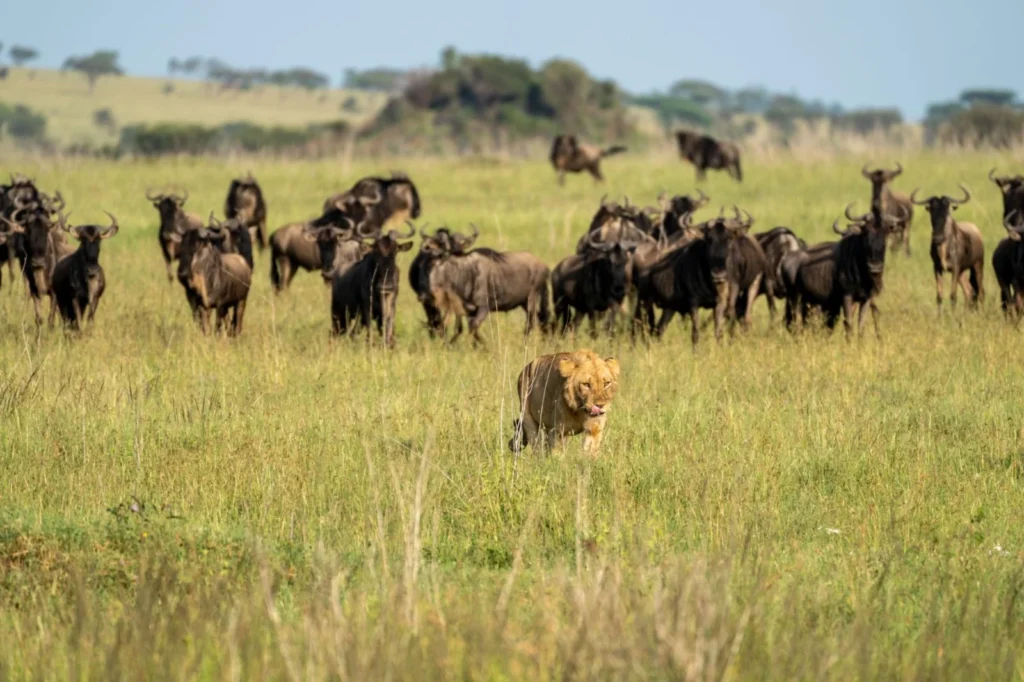
Where Is the Great Migration in March?
Discover the seasonal movements of millions of wildebeest across the Serengeti ecosystem, explore the remarkable wildlife encounters of March, and experience one of Africa’s greatest natural spectacles with Terenga Africa Safaris & Travel Ltd.
Where Is the Great Migration in March?
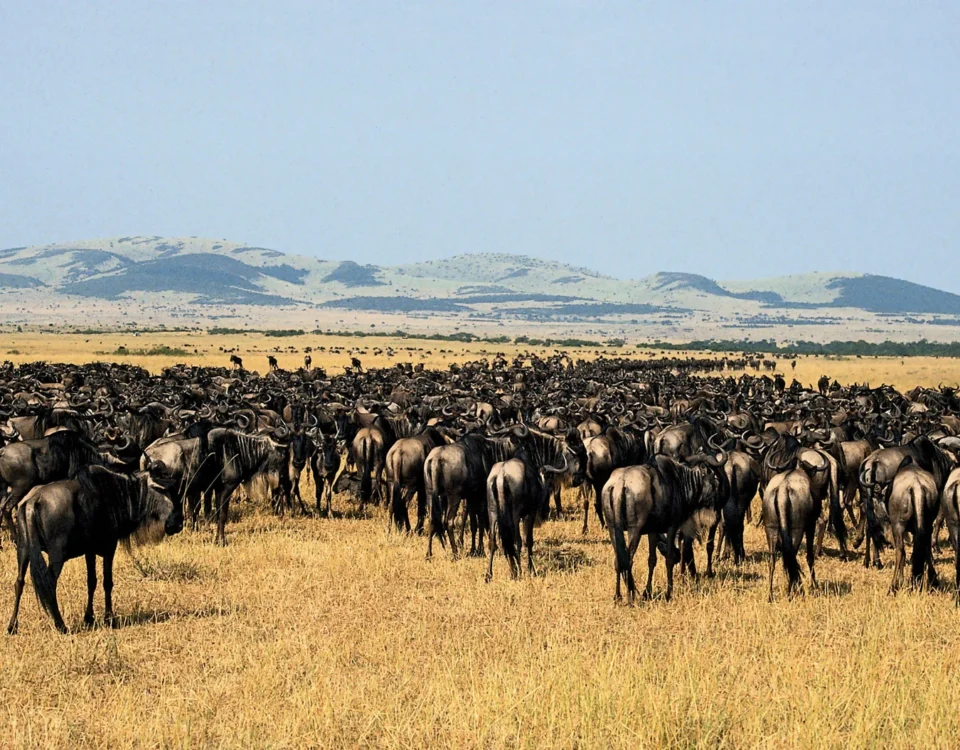
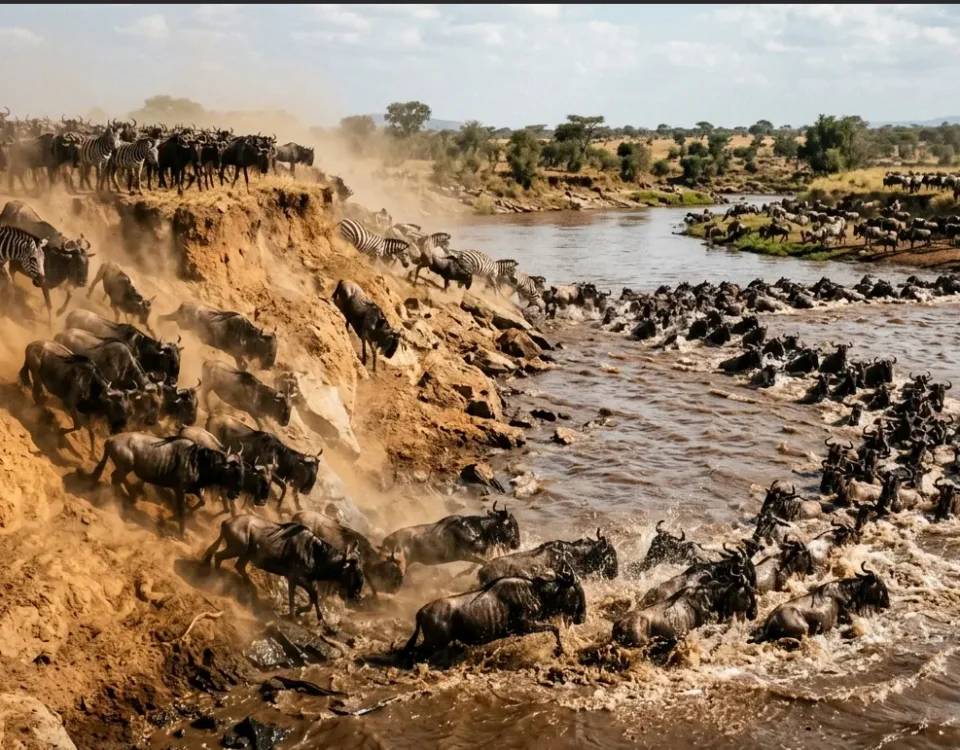
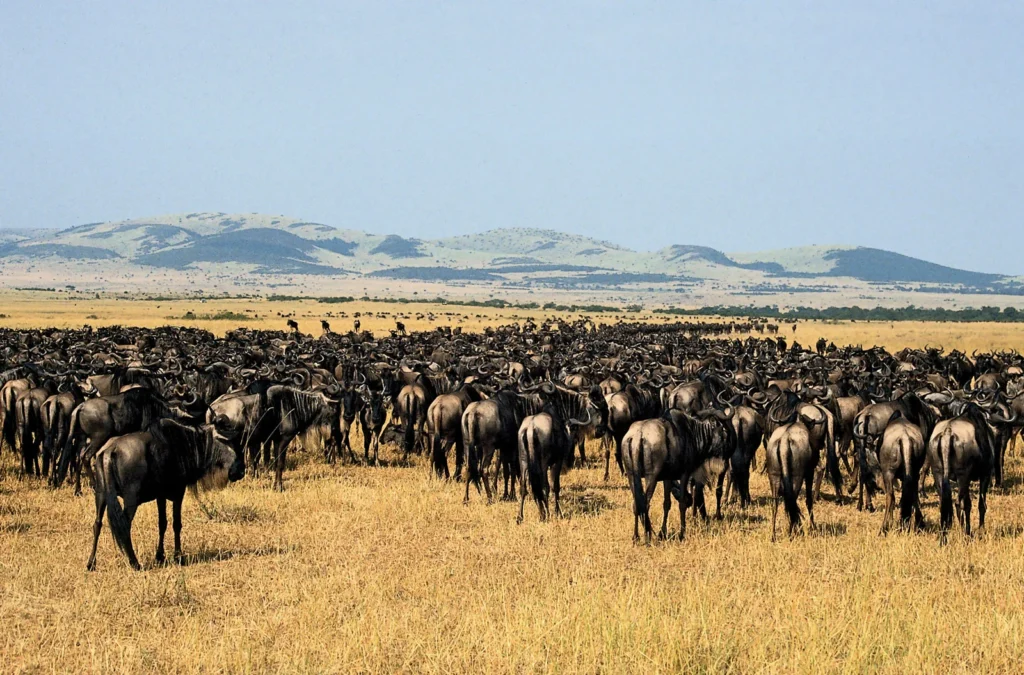
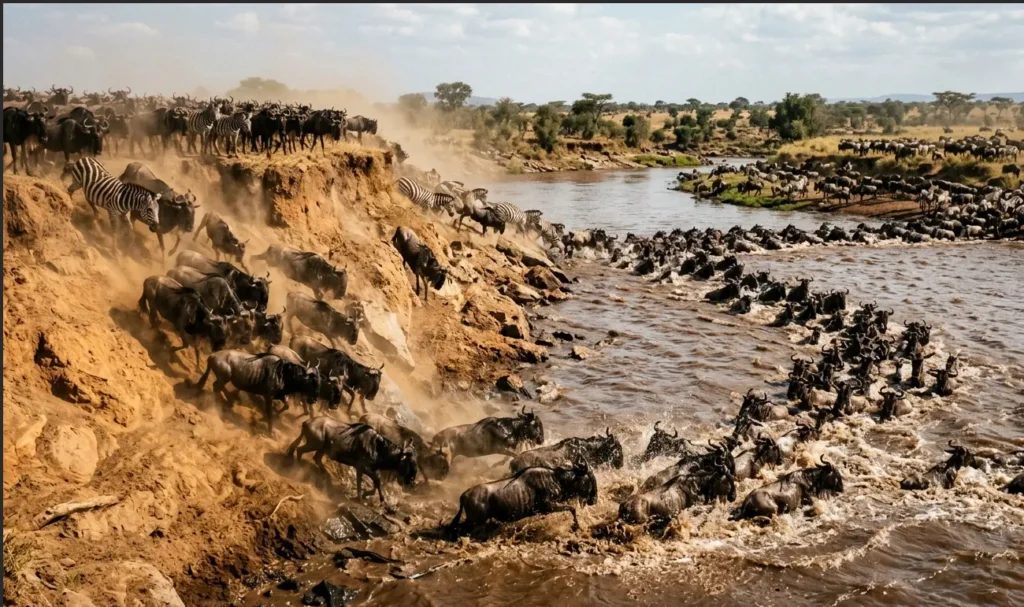
March is an exciting month for exploring the Great Wildebeest Migration in Tanzania, offering travellers an opportunity to witness one of the world’s most impressive wildlife movements. During this period, enormous herds of wildebeest, accompanied by zebras and gazelles, are generally found across the southern Serengeti and Ndutu plains, although their exact locations depend on rainfall, grazing conditions, and the availability of fresh water. Having spent the early months of the year giving birth across the nutrient-rich grasslands, many wildebeest herds gradually begin preparing for their next seasonal movement. Consequently, March provides an interesting combination of newborn wildlife, active grazing herds, and the beginning of the migration’s gradual movement towards the central and western sections of the Serengeti ecosystem. For international visitors, understanding Where Is the Great Migration in March? is essential when choosing accommodation, planning game drives, and selecting the most suitable safari route. The southern Serengeti remains particularly attractive during the early part of the month, especially around Ndutu, where the calving season may still be taking place. As the weeks progress, some herds may begin moving towards areas with fresh grazing opportunities. Beyond the migrating wildebeest, visitors can encounter lions, cheetahs, spotted hyenas, elephants, giraffes, zebras, and numerous bird species. Through professionally organised Tanzania Safaris, travellers can explore these changing landscapes while learning about wildlife behaviour, seasonal ecosystems, and the importance of conservation. At Terenga Africa Safaris & Travel Ltd, we help visitors plan rewarding African holidays by combining local destination knowledge, experienced safari guides, suitable accommodation, and carefully designed itineraries. Whether you are visiting Tanzania for the first time or returning for another wildlife adventure, March offers an excellent opportunity to discover the beauty and diversity of the Serengeti.
Where Exactly Can You Find the Great Migration in March?
Understanding the geographical distribution of the Great Migration is important because the migrating herds do not remain in one location throughout the year. During March, the southern Serengeti and Ndutu plains are generally among the most important areas for wildlife viewing. These grasslands provide suitable feeding conditions for wildebeest that have gathered in the region during the calving season. The Ndutu area is particularly significant because it lies within the wider Serengeti ecosystem, extending across the southern Serengeti National Park and the Ngorongoro Conservation Area. This location provides a mixture of open plains, seasonal lakes, woodland areas, and short-grass grasslands that attract large concentrations of herbivores.
During the first weeks of March, visitors may still encounter substantial herds around Ndutu and neighbouring southern Serengeti locations. However, changing rainfall patterns can influence the direction and speed of their movement. Some groups may begin spreading towards the central Serengeti, particularly when grazing conditions encourage them to search for new feeding grounds. The Seronera region, located in central Serengeti, is also an important wildlife destination because its permanent water sources support resident animals throughout the year. Although it may not always contain the largest migration concentrations in March, it offers excellent opportunities to encounter lions, leopards, elephants, and other wildlife. Where Is the Great Migration in March? is therefore a question that requires consideration of both seasonal patterns and current field conditions. Travellers should avoid assuming that every herd will be in the same location on a particular date. Instead, working with experienced guides who understand the Serengeti’s seasonal movements can significantly improve the quality of your safari. At Terenga Africa Safaris & Travel Ltd, we consider migration patterns when recommending routes and accommodation, helping visitors spend more time exploring productive wildlife areas.

What Happens During the Great Wildebeest Migration in March?
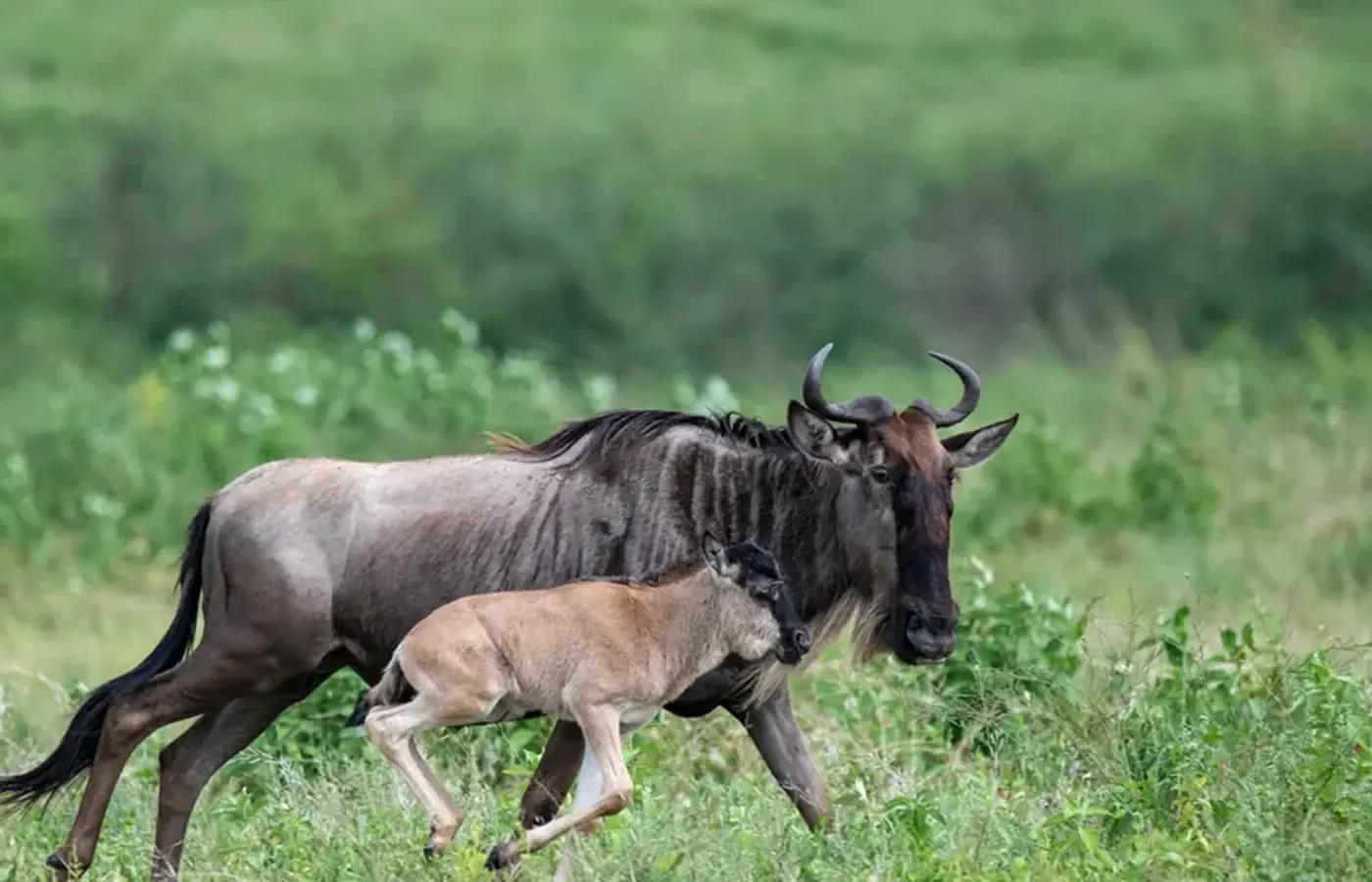
March represents an important transition period in the annual Great Wildebeest Migration cycle. Following the major calving season between January and February, the southern Serengeti continues to support many young wildebeest that are gradually developing the strength and mobility needed to follow their mothers across the plains. Although births may continue during March, the most concentrated calving activity generally occurs earlier in the year. During this month, migrating herds spend considerable time grazing on fresh vegetation before gradually preparing for their next journey. As seasonal rainfall changes and grassland conditions develop, different groups may begin moving towards the central Serengeti and other feeding areas.
Another important feature of March is the continued presence of predators around the migration areas. Lions, cheetahs, and spotted hyenas take advantage of the large concentrations of grazing animals, particularly where young wildebeest are still learning to survive in their natural environment. Meanwhile, vultures and other scavenging birds contribute to the ecosystem by feeding on animal remains. For wildlife photographers, these interactions provide opportunities to capture remarkable scenes of African wilderness. Where Is the Great Migration in March? becomes especially interesting when viewed through the relationship between rainfall, vegetation, animal reproduction, and predator activity. Travellers undertaking Tanzania Adventures during this period can learn how these natural processes influence the movement of millions of animals across the Serengeti-Mara ecosystem. A professionally guided game drive offers more than wildlife sightings; it provides valuable insights into the ecological importance of one of the world’s most celebrated natural events.
What Wildlife Can You See During a March Migration Safari?
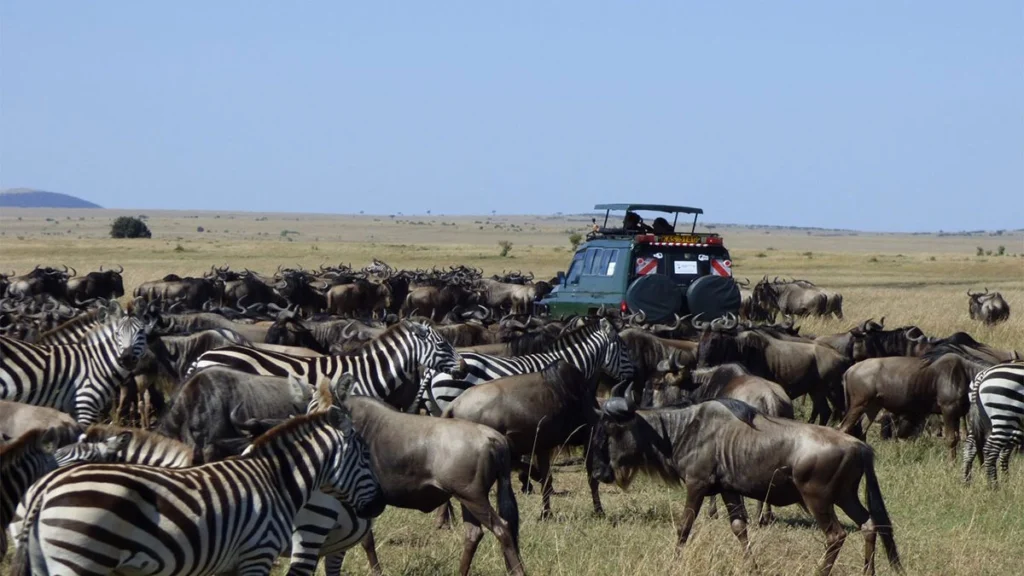
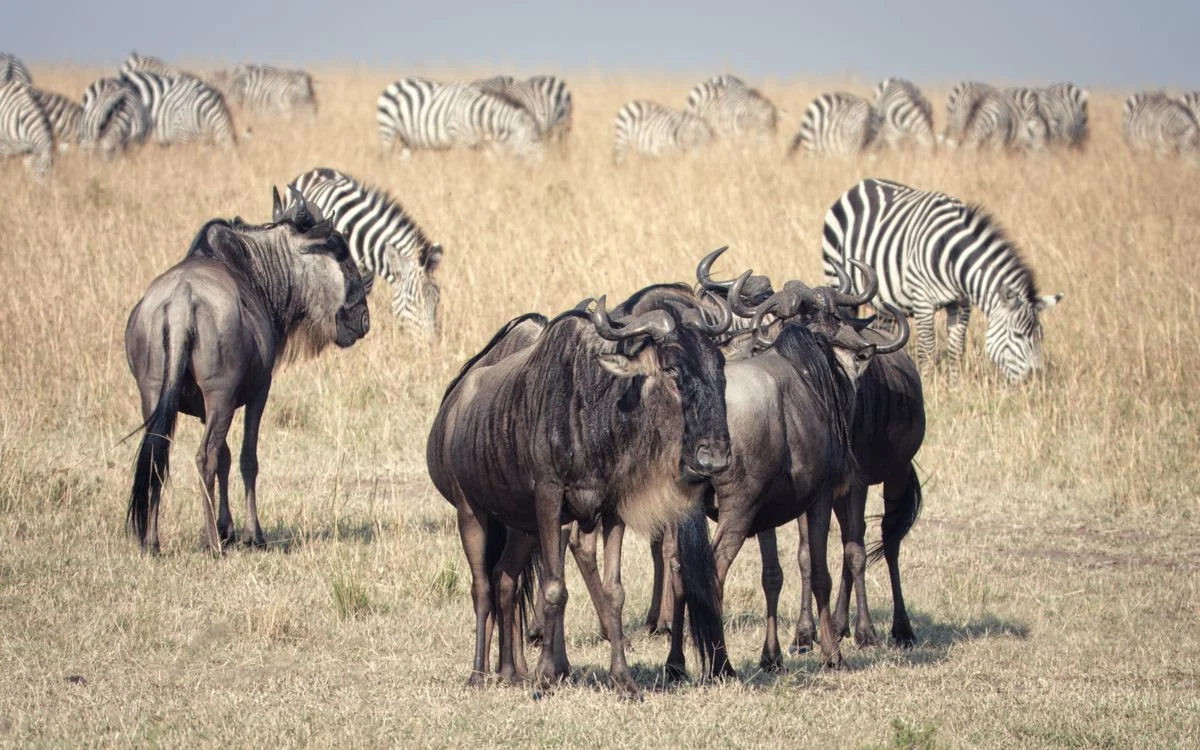
One of the main attractions of following the Great Migration in March is the opportunity to encounter an impressive variety of African wildlife within the Serengeti ecosystem. Although wildebeest remain the principal attraction, their movement supports an extensive food chain that includes numerous herbivores, predators, and bird species. Large groups of zebras are commonly seen grazing alongside migrating wildebeest, while Thomson’s gazelles and Grant’s gazelles occupy the surrounding grasslands. These animals contribute to the ecological balance by feeding on different types of vegetation and providing food for carnivores. Lions are among the most frequently encountered predators, often resting beneath trees during the warmer hours or moving through the grasslands in search of prey.
Cheetahs also inhabit the open plains, where their excellent eyesight and remarkable speed help them pursue smaller antelopes. Spotted hyenas are another important presence, particularly around areas where migrating herds gather. Visitors may also encounter leopards in suitable woodland habitats, although their secretive behaviour makes sightings less predictable. Beyond the migration species, the Serengeti supports elephants, giraffes, buffaloes, warthogs, jackals, and several other mammals. Bird enthusiasts can enjoy sightings of ostriches, secretary birds, kori bustards, eagles, vultures, and numerous smaller species. Seasonal water sources also attract different animals, creating interesting wildlife viewing opportunities throughout the day. Where Is the Great Migration in March? is therefore closely connected to the wider wildlife experience available across Tanzania’s northern safari circuit. Even when particular migrating herds move away from one area, the Serengeti continues to offer rewarding game drives because resident wildlife remains present throughout the year.
What Are the Expectations in This Safari?
A March Great Migration safari offers an opportunity to experience Tanzania’s wilderness through guided game drives, beautiful landscapes, and close observation of wildlife in its natural habitat. Depending on your chosen itinerary, the journey may begin in Arusha, where you meet your safari guide before travelling towards the Serengeti through the northern safari circuit. Alternatively, visitors with limited time may choose a scheduled or private domestic flight to an airstrip serving the Serengeti region. Once you reach the migration areas, you can expect exciting game drives across open grasslands, seasonal wetlands, and woodland habitats. Morning excursions are particularly rewarding because wildlife is often more active during the cooler hours. Afternoon drives provide additional opportunities to explore different locations and observe animals as they move towards feeding grounds or water sources.
Throughout the journey, your professional guide explains the seasonal movement of the wildebeest, identifies different animal species, and helps you understand the behaviour of predators and herbivores. Depending on the timing of your visit, you may encounter newborn calves, large grazing herds, or groups beginning their gradual movement towards central Serengeti. Photography enthusiasts can enjoy opportunities to capture wildlife against the dramatic African landscape, particularly during sunrise and sunset. Accommodation options range from comfortable safari lodges to seasonal tented camps positioned near important wildlife areas. Visitors can also enjoy freshly prepared meals, welcoming hospitality, and peaceful evenings surrounded by the sounds of nature.
Which Other Destinations Can You Combine with the Serengeti?
Tanzania offers several remarkable destinations that can complement your March Great Migration safari. Combining different national parks creates a more complete wildlife experience while introducing visitors to the country’s varied landscapes and ecosystems. One of the most popular additions is the spectacular Ngorongoro Crater, a remarkable natural conservation area recognised as a UNESCO World Heritage Site. Its crater floor supports an impressive concentration of wildlife, including lions, elephants, buffaloes, zebras, hippos, and the endangered black rhinoceros. Another excellent destination is Tarangire National Park, which is famous for its large elephant populations, ancient baobab trees, and seasonal wildlife movements around the Tarangire River. Lake Manyara National Park also deserves consideration because of its groundwater forests, diverse birdlife, and beautiful scenery.
Travellers with additional holiday time can extend their Tanzania Tours towards Zanzibar, where white-sand beaches, turquoise waters, historic Stone Town, and traditional Swahili culture provide a relaxing conclusion to their safari. Beyond Tanzania, visitors interested in exploring more of East Africa can combine their journey with Uganda Safaris for mountain gorilla trekking in Bwindi Impenetrable National Park or chimpanzee tracking in Kibale Forest. Rwanda Adventures offer further opportunities to encounter mountain gorillas and golden monkeys in Volcanoes National Park. These cross-border journeys require proper planning, particularly regarding flights, road transfers, accommodation, and border arrangements. Where Is the Great Migration in March? can therefore become the starting point for a wider African holiday that introduces you to several countries and wildlife experiences. Our team can help you create a practical itinerary that balances wildlife viewing, travel time, accommodation standards, and your overall holiday budget.
 When Is the Best Time for a Great Migration Safari in March?
March is an excellent month for visitors interested in exploring the southern Serengeti during the later part of the wildebeest calving season and the beginning of the herds’ gradual movement towards other grazing areas. Generally, the main calving period takes place between January and March, with the highest concentration of births commonly occurring during January and February. However, the precise timing varies from year to year because rainfall influences vegetation growth and the availability of suitable grazing grounds. During early March, substantial herds may still be found around Ndutu and the southern Serengeti plains. As the month progresses, some groups may begin moving towards central Serengeti, although others can remain in the southern areas depending on environmental conditions. Weather is another important consideration when planning your trip. March falls within Tanzania’s transition towards the long rainy season, which generally becomes more established from late March into April and May.
Consequently, visitors may experience sunny periods mixed with occasional showers. These seasonal rains can create beautiful green landscapes, making the region particularly attractive for photography. Nevertheless, travellers should be prepared for potentially muddy tracks and changing road conditions. For those primarily interested in witnessing newborn wildebeest, January and February may offer stronger calving-season opportunities. Meanwhile, March provides a valuable combination of remaining calving activity, grazing herds, and seasonal transitions. Where Is the Great Migration in March? should therefore be considered alongside your preferred wildlife experience and actual travel dates. We recommend confirming current migration conditions before booking your accommodation, especially if you want to stay close to specific herds. Advance reservations are also advisable for popular seasonal camps.
What Should You Pack for a March Serengeti Safari?
Packing appropriately for your March safari helps ensure that you remain comfortable while exploring Tanzania’s wilderness. Since weather conditions can change throughout the day, lightweight clothing that can be layered is a practical choice. Neutral colours such as khaki, brown, olive, and beige are suitable for game drives because they blend naturally with the surrounding environment. A lightweight waterproof jacket is particularly useful because March may experience occasional rainfall, especially towards the end of the month. Comfortable walking shoes or lightweight hiking boots are recommended for moving around safari camps, while sandals are useful for relaxing at your accommodation. Additionally, remember to carry a wide-brimmed hat, sunglasses, and high-quality sunscreen to protect yourself from the African sun.
Wildlife photographers should bring a camera with a suitable zoom lens, spare batteries, and sufficient memory cards to capture memorable migration encounters. Binoculars are also valuable for observing animals at a distance without disturbing their natural behaviour. Other useful essentials include insect repellent, personal toiletries, prescribed medications, reusable water bottles, and travel documents. A small daypack makes it easier to carry frequently used items during game drives. Travellers using domestic safari flights should also check luggage restrictions because smaller aircraft often have strict weight limits and may require soft-sided bags. Where Is the Great Migration in March? is an important question when preparing your equipment because your chosen safari location and activities can influence what you need to carry. At Terenga Africa Safaris & Travel Ltd, we provide practical pre-travel information to help our visitors prepare for different weather conditions, accommodation arrangements, and safari activities.
Why Choose Terenga Africa Safaris & Travel Ltd for This Particular Safari?
Choosing the right safari company can make a significant difference to your African holiday. At Terenga Africa Safaris & Travel Ltd, we believe that a successful safari begins with understanding the traveller’s expectations and providing accurate information about the destination. Our approach focuses on professionally planned itineraries, knowledgeable local guides, suitable accommodation, and personalised customer service. When organising March Great Migration safaris, we consider seasonal wildlife movements, migration reports, accommodation locations, park access, and the time required to travel between different destinations. Such planning helps visitors make informed decisions about where to stay and which areas to explore. Furthermore, we recognise that international travellers have different budgets and expectations. Some prefer affordable camping safaris, while others seek comfortable midrange lodges or exclusive luxury tented camps.
We therefore offer flexible arrangements designed around individual preferences, group sizes, and available holiday time. Clear communication is another important part of our service. Before confirming your journey, we help explain accommodation categories, included activities, park fees, transportation, and other relevant travel arrangements. Our wider African tourism experience also allows us to organise Uganda Safaris, Tanzania Safaris, Tanzania Adventures, Rwanda Adventures, and multi-country journeys across East Africa. Whether you are interested in wildlife photography, family holidays, honeymoon experiences, cultural encounters, or private safaris, our team works towards creating an itinerary that reflects your interests. Responsible tourism is equally important, and we encourage visitors to respect wildlife, follow park regulations, support local communities, and appreciate the importance of conservation.
Book Your March Great Migration Safari in Tanzania
March provides a wonderful opportunity to explore Tanzania’s Serengeti ecosystem and discover the remarkable seasonal movements of the Great Wildebeest Migration. From the southern plains of Ndutu to the central Serengeti, the changing distribution of migrating herds creates different wildlife experiences throughout the month. Visitors can encounter wildebeest, zebras, newborn calves, lions, cheetahs, elephants, and numerous other species while enjoying the beautiful scenery of Tanzania’s wilderness. Beyond the migration, combining your safari with Ngorongoro Crater, Tarangire, Lake Manyara, or Zanzibar creates a more diverse African holiday. Travellers with additional time can also extend their adventures into Uganda and Rwanda to experience mountain gorilla trekking, chimpanzee tracking, and other remarkable wildlife activities.
At Terenga Africa Safaris & Travel Ltd, we are passionate about connecting international travellers with authentic African experiences through carefully organised safari holidays. Our team is ready to help you select the most suitable travel dates, accommodation, destinations, and safari activities according to your preferences. Where Is the Great Migration in March? is a question that deserves proper planning, current destination information, and knowledgeable guidance to make your wildlife adventure rewarding. Contact us today to begin organising your March Tanzania safari and discover the extraordinary beauty of the Great Wildebeest Migration.
Best Trending Tanzania Safari Holidays for 2027/2028
- 12-Day Tanzania Wildlife Safari
- 10-Day Tanzania Wildlife Safari & Zanzibar
- 10-Day Best Tanzania Honeymoon Luxury Safari and Zanzibar Beach Getaway
- 9-Day Ultimate Tanzania Wildlife Safari
- 9-Day Tanzania Adventure Safari
- 8-Day Tanzania Mid-Range Safari
- 8-Day Tanzania Northern Circuit Safari
- 7-Day Tanzania Wildlife Safari
- 7-Day Tanzania Wildlife Wonders Experience Tour
- 6-Day Majestic Tanzania Wildlife Luxury Safari
- 5-Day Kenya Wildlife Budget Safari
- 13-Day Tanzania Wildlife Tour & Zanzibar Beach Holiday
- 12-Day Tanzania Wildlife Safari Itinerary
- 11-Day Tanzania & Zanzibar Safari Adventure
- 11 Days Magical Kenya and Tanzania Safari
- 4-Day Tanzania Safari Extension Itinerary
- 5-Day Tanzania Safari Extension
- 9-Day Tanzania Wildlife Safari Adventure
- 7 Days Tanzania Safari Holiday
- 8 Days Tanzania Safari Holiday Itinerary
Plan Your African Safari with Terenga Africa Safaris & Travel Ltd
Website: www.terengasafaris.com
Email: info@terengasafaris.com
Booking Email: terengasafaris@gmail.com/travel@terenga-africasafaris.com
Travel in Comfort. Explore in Style. Experience the Adventure of a Lifetime.