Where Is the Great Migration in January?
October 5, 2026
Wildlife to See During the January Migration
October 6, 2026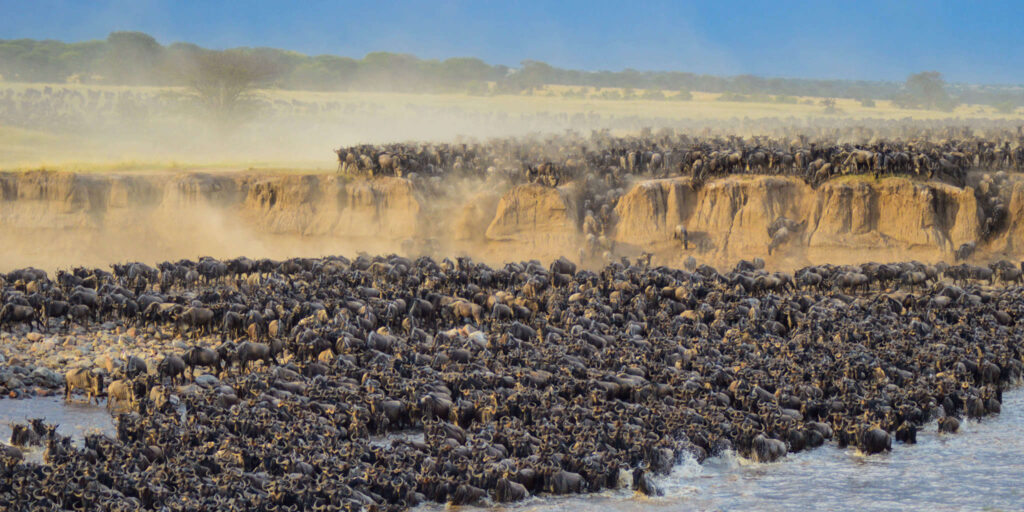
January Safari Guide to the Serengeti Wildebeest Migration
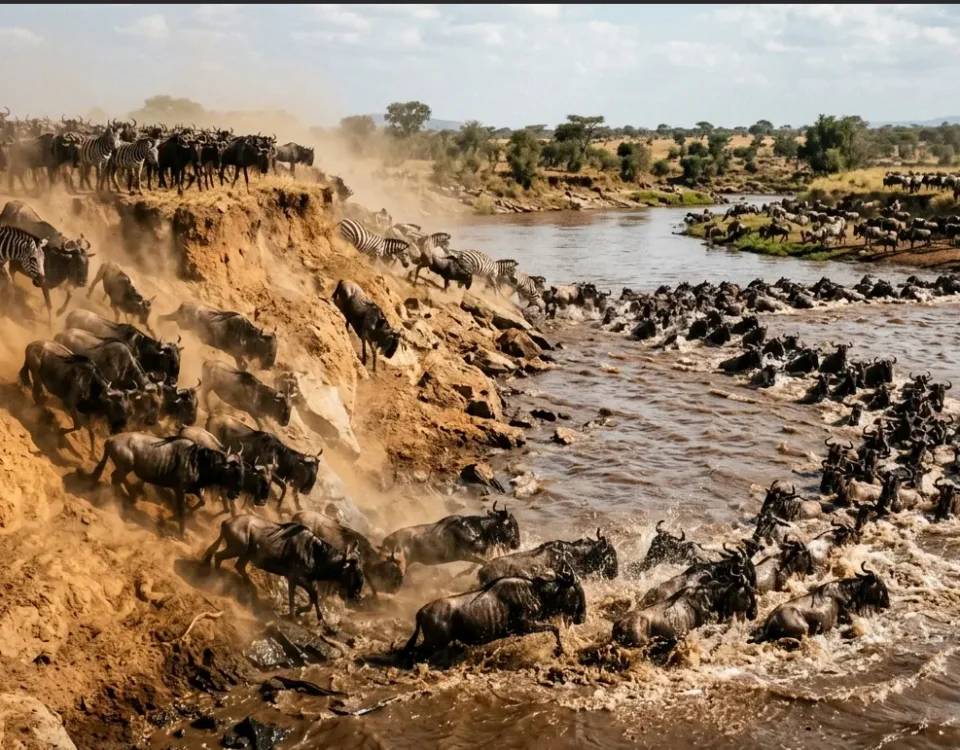
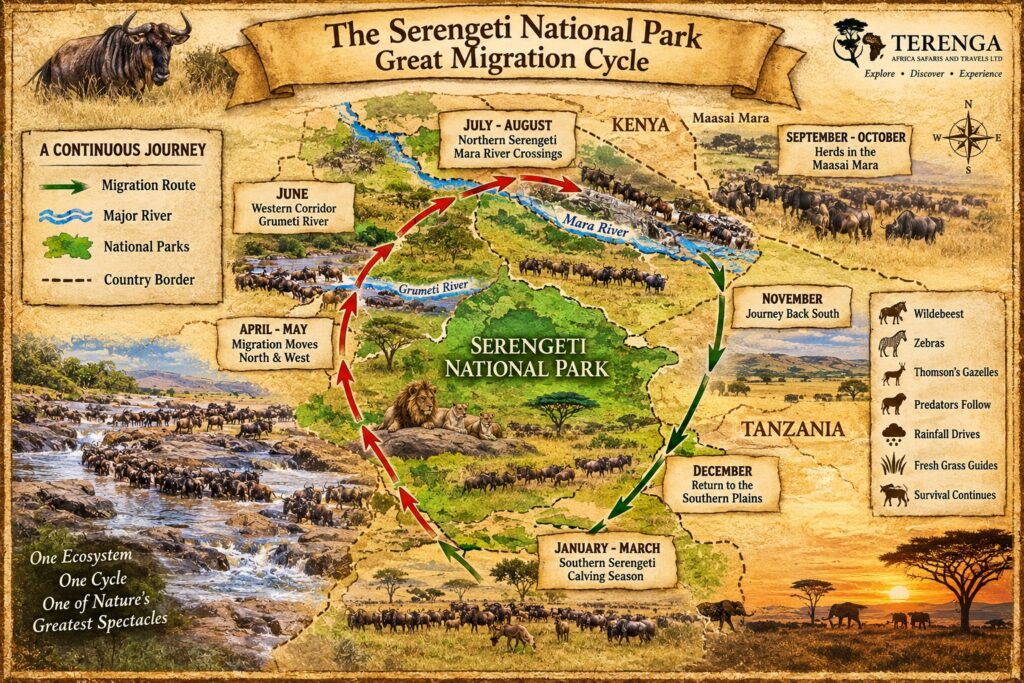
January Safari Guide to the Serengeti Wildebeest Migration begins with understanding why the first month of the year creates such a remarkable wildlife experience. During January, the southern Serengeti often becomes a major gathering area for migrating wildebeest, zebras, and gazelles. Seasonal rainfall stimulates fresh grass growth across the short-grass plains. Consequently, enormous herbivore concentrations can develop across the open landscapes. These nutritious grazing grounds support animals during an important stage of their annual cycle. Furthermore, January can coincide with the beginning or continuation of the wildebeest calving season. Thousands of newborn calves may appear across suitable grazing areas when environmental conditions remain favorable. Such concentrations attract predators that depend on abundant prey for survival. Lions, cheetahs, hyenas, and other carnivores become important parts of this dramatic ecosystem. January Safari Guide to the Serengeti Wildebeest Migration therefore offers much more than ordinary game viewing. Travelers can observe feeding behavior, maternal care, predator strategies, territorial interactions, and herd movements. Meanwhile, the surrounding landscape creates exceptional opportunities for photography and nature observation. Visitors can also combine migration viewing with Tanzania Safaris, Tanzania Birding Safaris, and Tanzania Cultural Safaris. A carefully planned itinerary allows travelers to experience multiple dimensions of Tanzania within one journey. Terenga Africa Safaris and Travel Ltd focuses on creating practical safari programs based on seasonal conditions, traveler interests, comfort, and realistic wildlife expectations. Understanding January’s ecological significance helps visitors appreciate why this month remains an excellent period for exploring the Serengeti.
Where Can You Find the Wildebeest in January?
Which Part of the Serengeti Should You Visit?
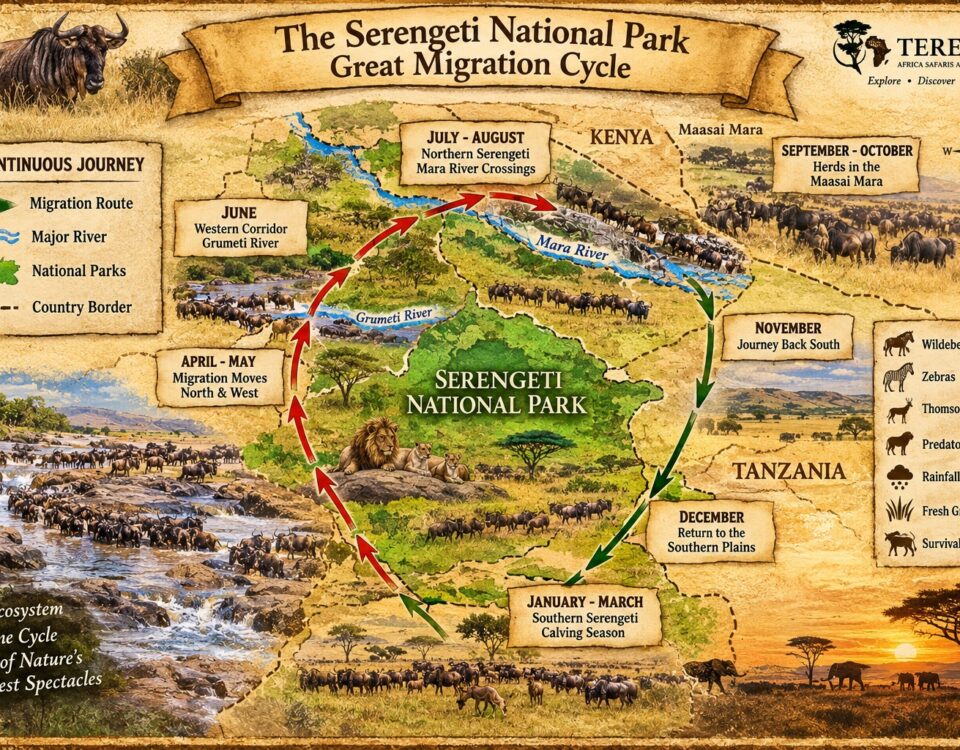
January Safari Guide to the Serengeti Wildebeest Migration commonly directs travelers toward the southern Serengeti plains. Areas around the Ndutu region can become particularly important during the calving period. The exact location of the herds changes according to rainfall, vegetation, water availability, and environmental conditions. Therefore, travelers should avoid treating the migration as a fixed event at one permanent location. Fresh grass encourages wildebeest to remain within areas offering nutritious grazing. Zebras and gazelles frequently move through the same landscapes because they share many grazing resources. January Safari Guide to the Serengeti Wildebeest Migration should therefore emphasize ecological patterns instead of rigid location promises. Southern Serengeti provides expansive plains that allow large herbivore groups to spread across extensive areas. The open terrain can also make wildlife easier to observe from safari vehicles. Predators frequently patrol these grazing zones because large prey concentrations provide important hunting opportunities. Lions may remain close to large herds, while cheetahs use open spaces for hunting. Hyenas can travel across the plains while searching for opportunities around vulnerable animals. January visitors may therefore experience several predator species during a single game drive. Birdwatchers can also explore grassland habitats containing raptors, ground birds, and other species. Travelers seeking Tanzania Birding Safaris can incorporate specialized birdwatching opportunities into their migration itinerary. Meanwhile, cultural experiences can provide meaningful encounters outside the wildlife areas. Combining these elements creates a broader understanding of Tanzania’s natural and cultural heritage.
What Makes the January Calving Season So Special?
Why Do Thousands of Wildebeest Give Birth During This Period?
January Safari Guide to the Serengeti Wildebeest Migration would remain incomplete without discussing the remarkable calving season. Southern Serengeti becomes an important breeding and birthing area when fresh grazing conditions support large herbivore populations. Wildebeest females can give birth to calves during a relatively concentrated period. This synchronization provides a fascinating example of evolutionary survival within the migration ecosystem. Newborn calves must become mobile quickly because predators remain nearby. Mothers stay alert while herds move between grazing areas. January Safari Guide to the Serengeti Wildebeest Migration therefore provides opportunities to observe powerful maternal behavior across the plains. Predators recognize that young animals create easier hunting opportunities than fully grown adults. Lions may approach herds carefully while searching for vulnerable calves. Cheetahs can exploit opportunities across open grassland where visibility supports pursuit. Hyenas also patrol areas containing large concentrations of young animals. Such interactions demonstrate the continuous struggle between survival and predation. Visitors should observe these events from safe distances without interfering with natural behavior. Professional guides understand how to position vehicles responsibly while maintaining suitable viewing conditions. Photography can become especially rewarding because newborn calves create compelling subjects. However, ethical wildlife photography requires patience and appropriate distances. Tanzania Great Migration Safaris during January can therefore provide extraordinary opportunities to witness the beginning of new life. Travelers should remember that nature controls the timing of births and predator encounters. No responsible safari operator can guarantee a specific wildlife event. Instead, experienced professionals maximize opportunities through knowledge, patience, and careful route selection.
How Does Rainfall Influence the January Migration?
Why Is Weather Important When Planning This Safari?
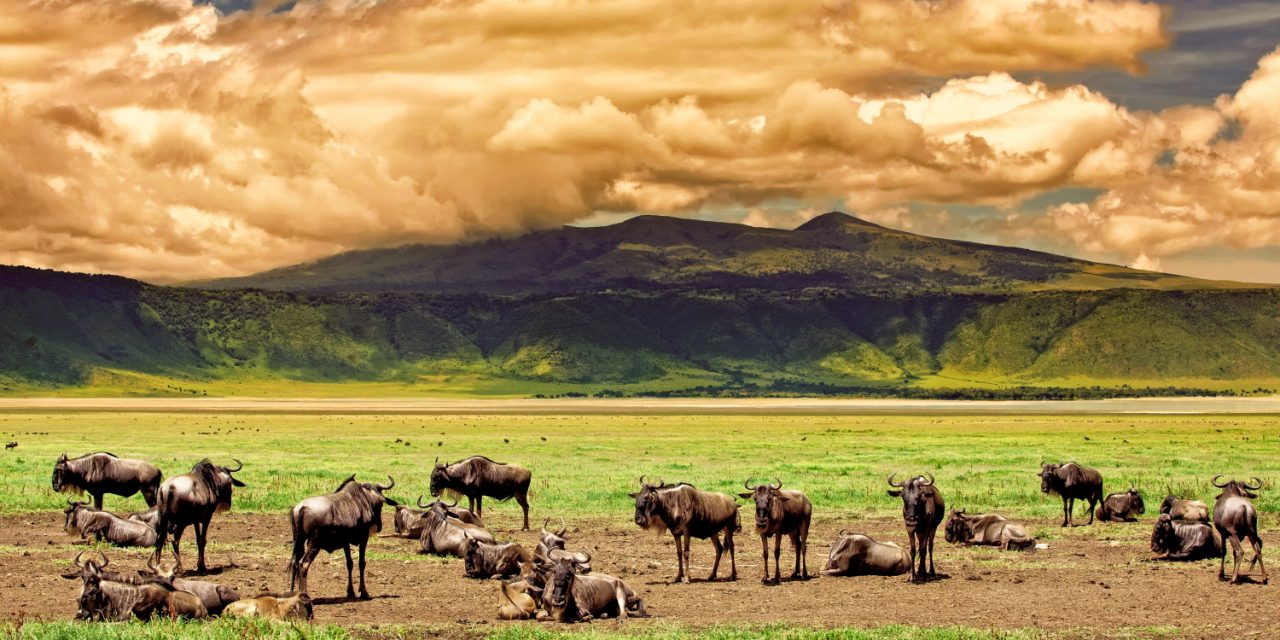
January Safari Guide to the Serengeti Wildebeest Migration requires an understanding of how rainfall controls wildlife distribution. Seasonal precipitation encourages fresh grass to grow across the southern plains. Wildebeest depend heavily on these nutritious grazing areas during this stage of their annual journey. Vegetation quality influences how long herds remain within specific locations. Water availability can also affect animal movements across different sections of the ecosystem. January Safari Guide to the Serengeti Wildebeest Migration therefore cannot depend entirely on historical migration calendars. Rainfall patterns can differ between years and can change the distribution of animals. Some areas may receive heavier precipitation while nearby plains remain relatively dry. Consequently, large herds can shift between grazing zones during the same month. Professional guides monitor recent conditions when planning daily game drives. They consider tracks, vegetation, weather, local observations, and recent wildlife sightings. Such knowledge can improve the probability of finding substantial animal concentrations. Travelers should therefore appreciate flexibility as an important part of migration safari planning. Green landscapes can create excellent photographic backgrounds during January. Clouds and seasonal light can also produce dramatic scenery across the Serengeti. Tanzania Safaris during this period can combine wildlife viewing with photography and nature observation. Birdwatchers may find seasonal water sources particularly productive for bird activity. Tanzania Birding Safaris can therefore complement migration-focused journeys. Ultimately, understanding weather makes the safari more meaningful because visitors can see how environmental conditions influence animal behavior.
What Wildlife Can You See During a January Migration Safari?
Is the Serengeti Only About Wildebeest?
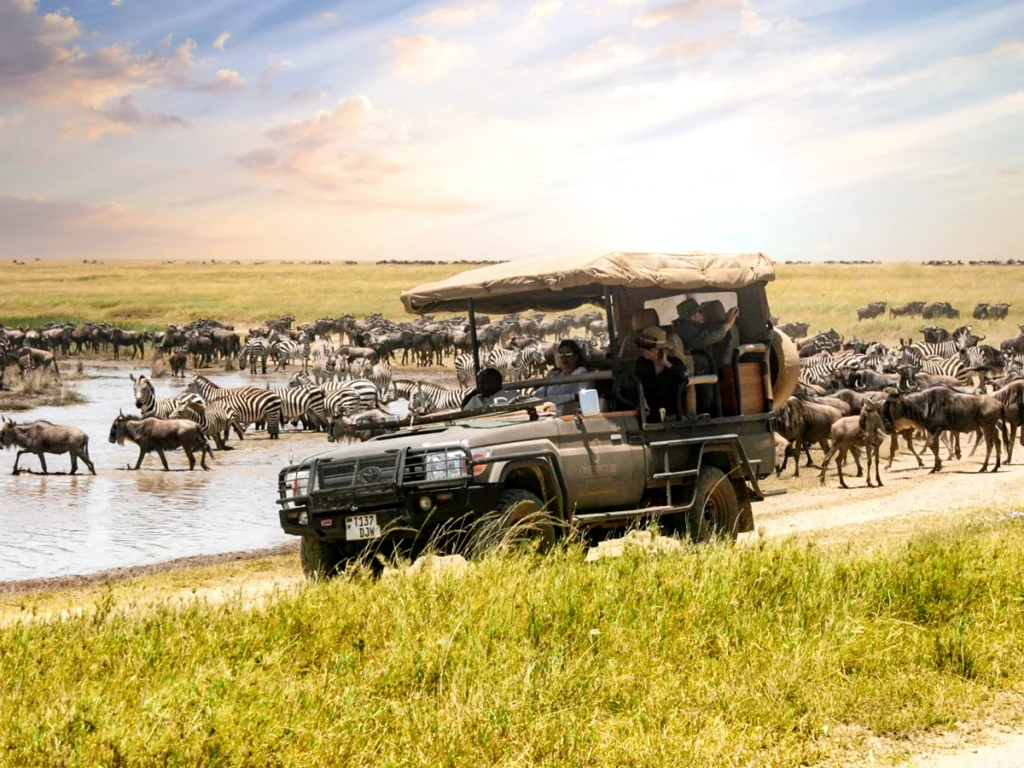
January Safari Guide to the Serengeti Wildebeest Migration introduces travelers to an ecosystem far richer than the migrating herds alone. Wildebeest provide one of the most visible attractions, yet numerous other species inhabit the same landscapes. Zebras often accompany wildebeest across grazing areas and migration routes. Thomson’s gazelles and other antelope species can appear across open grasslands. Lions may follow large herbivore concentrations because prey availability creates favorable hunting conditions. Cheetahs can use open plains where their speed provides an advantage during hunts. Leopards usually prefer areas containing trees, rocky outcrops, and suitable hiding places. January Safari Guide to the Serengeti Wildebeest Migration can also include sightings of elephants, buffaloes, giraffes, hippos, and hyenas. Each species occupies a different ecological role within the Serengeti. Birds add another dimension to the wildlife experience. Raptors may circle above grasslands while smaller species forage among vegetation. Water-associated birds can gather around seasonal pools, streams, and wetlands. Visitors interested in Tanzania Birding Safaris can explore these habitats alongside their migration activities. Crocodiles and hippos may also appear around permanent water sources. Smaller animals can provide equally interesting observations for travelers who take time to explore carefully. Guides can explain tracks, calls, feeding behavior, territorial patterns, and other signs of wildlife activity. Consequently, a January safari can become a comprehensive natural history experience rather than a single-species adventure.
What Are the Expectations in This Safari?
What Should Travelers Expect During January?
January Safari Guide to the Serengeti Wildebeest Migration should always include realistic expectations before travelers begin their journey. Large concentrations of herbivores may create spectacular wildlife scenes across the southern plains. However, the precise location of the herds can change quickly because wildlife responds to environmental conditions. January Safari Guide to the Serengeti Wildebeest Migration does not guarantee a particular sighting on a specific day. Nature determines when calves are born, predators hunt, herds move, or dramatic encounters occur. Professional guides improve opportunities by studying the landscape and recent wildlife activity. Early morning game drives can provide excellent opportunities because temperatures remain cooler. Afternoon excursions can reveal different wildlife behaviors and changing light conditions. Full-day drives may become useful when significant concentrations occur farther from accommodation. Travelers should expect some driving because the Serengeti covers an enormous area. Comfortable safari vehicles help make extended journeys more enjoyable. January can also bring intermittent rain, so flexible clothing becomes important. Tanzania Great Migration Safaris may include long periods of observation when guides locate interesting wildlife activity. Patience can become one of the most valuable qualities during these journeys. Visitors should also expect encounters with wildlife beyond the migration itself. Terenga Africa Safaris and Travel Ltd emphasizes transparent communication about seasonal conditions and safari possibilities. This approach allows clients to appreciate the experience without relying on unrealistic promises.
When Is the Best Time for This Safari?
Is January the Best Month for the Great Migration?
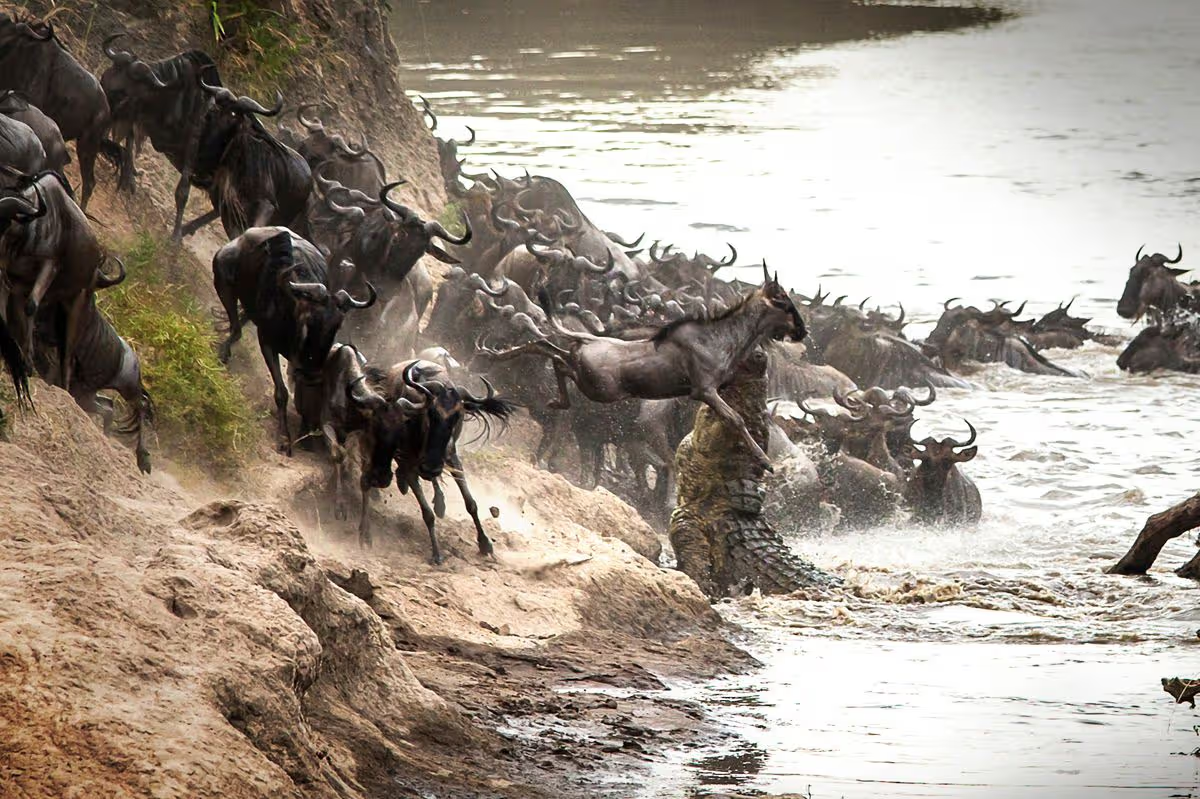
January Safari Guide to the Serengeti Wildebeest Migration identifies January as an especially attractive month for travelers interested in calving activity. Southern Serengeti and the Ndutu region can provide important grazing and birthing areas during this period. Green grass, abundant herbivores, and active predators create a dynamic wildlife environment. January Safari Guide to the Serengeti Wildebeest Migration should nevertheless recognize that each year develops differently. Rainfall can arrive early, late, heavily, or unevenly across the ecosystem. Therefore, migration timing cannot follow an identical pattern every year. Travelers interested in river crossings may prefer northern Serengeti during later months. Visitors seeking newborn calves and predator activity may favor January and February. Photographers can choose different months according to their preferred scenery and wildlife behavior. Birdwatchers may also consider seasonal bird movements when selecting travel dates. Tanzania Great Migration Safaris can therefore be customized around different interests. January remains particularly valuable for travelers who want to experience the southern calving areas. Nevertheless, a longer itinerary can provide broader wildlife opportunities throughout Tanzania. Combining Serengeti with Ngorongoro, Tarangire, and Lake Manyara creates greater ecological variety. Zanzibar can also provide a relaxing coastal extension after an intensive mainland safari. Travelers seeking a Tanzania Best Safari should therefore consider the complete journey instead of one calendar month. Terenga Africa Safaris and Travel Ltd can help visitors choose dates according to their preferred experiences and available travel time.

Wildebeest Migration
Why Choose Us For This Particular Safari?
How Can Terenga Africa Safaris Make Your Journey Better?
January Safari Guide to the Serengeti Wildebeest Migration requires more than booking accommodation and transportation. Successful planning involves understanding seasonal wildlife movements, accommodation locations, road conditions, safari duration, and traveler preferences. Terenga Africa Safaris and Travel Ltd approaches every itinerary with these factors in mind. January Safari Guide to the Serengeti Wildebeest Migration planning begins by identifying what travelers genuinely want to experience. Some guests prioritize calving activity and predator encounters. Others focus on photography, birdwatching, culture, luxury, family travel, or comprehensive wildlife viewing. Our safari planning approach can accommodate these different priorities. Tanzania Safaris can include multiple national parks and conservation areas where appropriate. Clients interested in Tanzania Cultural Safaris can add community visits and traditional experiences. Bird enthusiasts can incorporate Tanzania Birding Safaris into their programs. Photographers can request flexible schedules that allow longer wildlife observation. Families can receive carefully paced itineraries designed around comfort and convenience. Couples can choose private safari arrangements that emphasize scenic locations and intimate experiences. Tanzania Great Migration Safaris require honest communication because nature controls animal movements. We avoid guaranteeing events that cannot be controlled by any operator. Instead, our focus remains on creating the best possible opportunities through professional planning and knowledgeable guiding. Experienced guides can adjust routes according to recent wildlife sightings and environmental conditions. This flexibility creates stronger opportunities for meaningful encounters. Our commitment to responsible tourism also helps protect the landscapes and animals that make Tanzania exceptional.
What Should You Pack for a January Serengeti Safari?
Which Items Should Travelers Carry?
January Safari Guide to the Serengeti Wildebeest Migration should include practical advice about safari preparation. January conditions can change between cool mornings, warm afternoons, and occasional rainfall. Lightweight clothing can provide comfort during daytime game drives. Warm layers remain useful during early morning departures and evening activities. January Safari Guide to the Serengeti Wildebeest Migration travelers should prioritize neutral-colored clothing suitable for wildlife environments. Comfortable trousers and breathable shirts work well during extended vehicle journeys. Closed shoes provide protection around lodges, camps, and walking areas. A wide-brimmed hat can provide useful protection from strong sunlight. Sunglasses and sunscreen should remain accessible during daytime activities. Binoculars can significantly improve wildlife observation across distant plains. Birdwatchers planning Tanzania Birding Safaris should especially consider quality binoculars for identifying distant species. Cameras should include enough batteries and memory cards for extended game drives. A suitable telephoto lens can support wildlife photography from responsible viewing distances. Lightweight rain protection can become useful during January showers. Insect repellent may provide additional comfort depending on accommodation and location. Reusable water bottles support environmentally responsible travel. Personal medication should remain easily accessible throughout the journey. Travel documents and insurance details should remain safely stored. Terenga Africa Safaris and Travel Ltd can provide additional packing advice according to accommodation, activities, and itinerary length. Appropriate preparation makes the safari more comfortable without requiring excessive luggage.
Where Should You Stay During a January Migration Safari?
Which Accommodation Locations Work Best?
January Safari Guide to the Serengeti Wildebeest Migration should consider accommodation location as an important planning factor. Staying near the southern migration areas can reduce unnecessary travel time during game drives. Lodges, permanent camps, and seasonal mobile camps can offer different advantages. Some properties provide luxury accommodation with extensive facilities and personalized services. Others create a more intimate wilderness atmosphere through tented accommodation. January Safari Guide to the Serengeti Wildebeest Migration travelers should select accommodation based on location as well as comfort. A property positioned strategically near wildlife areas can provide more efficient access to important grazing zones. Families may prioritize spacious rooms, suitable meal options, and practical facilities. Couples may prefer secluded accommodation with scenic views and personalized services. Photographers can benefit from properties supporting flexible game-drive schedules. Tanzania Safaris can accommodate different budgets through carefully selected accommodation categories. Seasonal camps may provide strategic positioning within changing migration areas. Permanent lodges can offer broader facilities and year-round operations. Terenga Africa Safaris and Travel Ltd considers location, accessibility, service quality, traveler preferences, and seasonal suitability before recommending accommodation. Such planning reduces the risk of selecting a property that looks attractive online but creates inefficient daily travel. Accommodation should support the overall safari experience rather than operate as an isolated booking decision. A well-positioned base can provide more time for wildlife viewing and less time spent traveling unnecessarily.
Can January Migration Safaris Include Cultural Experiences?
How Can Culture Enrich the Wildlife Journey?
January Safari Guide to the Serengeti Wildebeest Migration can become more meaningful when travelers explore Tanzania’s cultural heritage. Wildlife represents one part of the country’s tourism identity, while communities provide another important dimension. Northern Tanzania contains communities with distinctive traditions, livelihoods, crafts, foods, and social histories. January Safari Guide to the Serengeti Wildebeest Migration can therefore combine natural discovery with meaningful cultural learning. Maasai cultural experiences can introduce visitors to pastoral traditions and community life. Organized visits may include traditional dances, crafts, food preparation, storytelling, or demonstrations of everyday activities. Tanzania Cultural Safaris can provide valuable opportunities for travelers who want to understand Tanzania beyond national parks. Community tourism can also create economic opportunities when properly managed. Visitors should respect cultural privacy and request permission before taking photographs. Purchasing locally produced crafts can support artisans and community enterprises. Local guides can provide perspectives that complement information received from wildlife guides. Tanzania Safaris become richer when travelers understand the relationship between people, land, livestock, wildlife, and conservation. Cultural experiences can also provide relaxing breaks between long game drives. Terenga Africa Safaris and Travel Ltd can recommend suitable community experiences according to individual interests. Our objective involves creating respectful encounters rather than staged experiences lacking cultural context. Travelers can return home with greater appreciation for both Tanzania’s natural and human heritage.
Can Birdwatchers Enjoy the January Migration Season?
Why Is January Suitable for Birding?
January Safari Guide to the Serengeti Wildebeest Migration offers opportunities for travelers interested in birds as well as mammals. The Serengeti supports diverse bird communities across grasslands, woodland, wetlands, riverine areas, and rocky habitats. Seasonal water and vegetation can create productive feeding opportunities for many species. January Safari Guide to the Serengeti Wildebeest Migration therefore appeals to nature enthusiasts with broader interests. Raptors may soar above open plains while smaller birds forage within grasses. Waterbirds can appear around seasonal pools and permanent water sources. Ground birds may become visible during slower game drives across open landscapes. Tanzania Birding Safaris can be incorporated into a wider migration itinerary without removing the focus from large mammals. Experienced guides can help identify species through appearance, calls, behavior, and habitat preferences. Travelers with specialist birding interests can request additional observation time. Photographers can combine bird photography with wildlife opportunities during the same game drives. Tanzania Safaris can therefore serve both general wildlife enthusiasts and dedicated birdwatchers. Early morning hours often provide productive bird activity and favorable photographic conditions. Different habitats can produce completely different species lists within the same journey. Terenga Africa Safaris and Travel Ltd can integrate birdwatching into customized safari programs. This approach allows travelers to experience Tanzania’s biodiversity at multiple levels rather than focusing only on the largest animals.

10-Day Tarangire, Serengeti to Ndutu Migration & Ngorongoro
How Can You Combine the Migration With Other Tanzania Safaris?
Which Destinations Can Complement the Serengeti?
January Safari Guide to the Serengeti Wildebeest Migration can form the central part of a broader northern Tanzania itinerary. Travelers can combine southern Serengeti with Ngorongoro Conservation Area for greater ecological diversity. The Ngorongoro Crater provides a dramatic volcanic landscape with abundant resident wildlife. Tarangire National Park can add impressive elephant sightings and iconic baobab scenery. Lake Manyara can introduce visitors to diverse habitats and excellent birdwatching opportunities. January Safari Guide to the Serengeti Wildebeest Migration therefore does not need to remain limited to one destination. Travelers interested in Tanzania Birding Safaris can incorporate lakes, wetlands, forests, and woodland environments. Guests seeking Tanzania Cultural Safaris can include community experiences along suitable routes. Adventure travelers can extend journeys toward Mount Kilimanjaro or other destinations. Beach enthusiasts can continue toward Zanzibar after completing mainland wildlife activities. Tanzania Best Safari planning should balance wildlife, scenery, culture, relaxation, travel time, and personal interests. Combining multiple destinations also provides opportunities to encounter different ecosystems and wildlife communities. Longer journeys can create a more complete understanding of Tanzania’s geographical diversity. Terenga Africa Safaris and Travel Ltd can design routes that connect these destinations efficiently. Our planning considers driving distances, accommodation locations, activity levels, and traveler preferences. Such customization helps transform a single migration experience into a complete African holiday.
How Can Photographers Make the Most of January?
What Makes January Attractive for Wildlife Photography?
January Safari Guide to the Serengeti Wildebeest Migration offers excellent opportunities for wildlife photographers seeking dramatic natural scenes. Green plains can create vivid backgrounds for images of wildebeest, zebras, gazelles, and young calves. Predators provide additional photographic subjects throughout the grazing areas. January Safari Guide to the Serengeti Wildebeest Migration also offers opportunities to capture behavior rather than simply portraits. Mothers caring for calves can demonstrate powerful examples of animal survival. Herds moving across open plains can create striking environmental compositions. Lions resting near grazing areas can provide opportunities for dramatic images. Cheetahs hunting across open grassland can produce fast-moving photographic moments. Bird photographers can also explore the diverse species found throughout the ecosystem. Tanzania Birding Safaris can therefore provide valuable opportunities for specialized nature photography. Telephoto lenses allow photographers to maintain safe distances from wildlife. Spare batteries and memory cards remain essential during long game drives. Dust protection can help protect camera equipment during dry sections of roads. Patience often produces stronger results than attempting to position vehicles too aggressively. Responsible photography should always prioritize wildlife welfare over obtaining a particular image. Professional guides can help identify suitable viewing positions without disturbing animal behavior. Terenga Africa Safaris and Travel Ltd can customize schedules for photography-focused travelers. Longer stays can also provide more opportunities for observing changing wildlife behavior.
How Does Responsible Tourism Support the Migration?
Why Should Conservation Matter to Every Traveler?
January Safari Guide to the Serengeti Wildebeest Migration should also explain why responsible tourism matters. The Serengeti represents one of Africa’s most important ecosystems, supporting extraordinary numbers of animals. Wildlife depends on healthy grasslands, water sources, migration corridors, and functioning ecological relationships. January Safari Guide to the Serengeti Wildebeest Migration therefore carries a responsibility for visitors and tourism operators alike. Safari vehicles should follow park regulations and maintain appropriate distances from animals. Drivers should avoid blocking migration routes or creating unnecessary pressure around sensitive wildlife. Visitors should never feed animals or attempt to attract their attention. Plastic waste should remain controlled because litter can harm wildlife and damage natural environments. Responsible accommodation can support conservation through employment and environmental practices. Tanzania Cultural Safaris can also help distribute tourism benefits to local communities. Travelers can support ethical tourism by choosing professional operators committed to conservation. Park fees contribute toward management and protection of protected areas. Tourism revenue can support guides, drivers, accommodation workers, conservation initiatives, and community enterprises. Tanzania Safaris therefore have the potential to create positive economic and environmental impacts. Terenga Africa Safaris and Travel Ltd promotes respectful wildlife viewing throughout its safari programs. Our guides help visitors understand appropriate behavior around animals and protected environments. Sustainable tourism protects the very resources that make Tanzania an exceptional destination.
What Are the Safari Inclusions?
January Safari Guide to the Serengeti Wildebeest Migration can be arranged through a package tailored to your travel duration, accommodation level, and preferred activities. Typical inclusions may include:
- Airport transfers
- Private safari vehicle
- Professional safari guide
- Safari accommodation
- Meals according to the itinerary
- National park entrance fees
- Conservation fees where applicable
- Game drives
- Migration-focused excursions
- Drinking water during game drives
- Cultural activities where included
- Birdwatching activities where included
- Government taxes
- Applicable concession fees
- Safari planning assistance
- Driver-guide services
What Are the Safari Exclusions?
January Safari Guide to the Serengeti Wildebeest Migration also requires travelers to understand costs that may fall outside the agreed safari package. Typical exclusions may include:
- International flights
- Visa fees
- Travel insurance
- Personal expenses
- Alcoholic beverages
- Laundry services
- Tips
- Souvenirs
- Medical expenses
- Personal communication
- Optional activities
- Additional accommodation
- Excess baggage charges
- Personal shopping
- Expenses resulting from major itinerary changes
6-Day Private Mara River Crossing Migration
Final Thoughts on the January Migration Experience
January Safari Guide to the Serengeti Wildebeest Migration provides travelers with an opportunity to experience one of nature’s most extraordinary wildlife cycles. Southern Serengeti commonly becomes an important area because seasonal rainfall encourages fresh grass growth. Large concentrations of wildebeest, zebras, and gazelles can gather across productive grazing plains. Calving activity adds another remarkable dimension as thousands of newborn animals enter the ecosystem. Predators follow these concentrations, creating opportunities to observe survival strategies and natural ecological relationships. January Safari Guide to the Serengeti Wildebeest Migration nevertheless requires realistic expectations because wildlife movement remains unpredictable. Rainfall, vegetation, water availability, temperature, and environmental conditions influence where herds gather. Professional guides improve opportunities through local knowledge, careful observation, and flexible route planning. Travelers should therefore approach the migration with patience rather than expecting guaranteed wildlife events. Tanzania Great Migration Safaris can become exceptionally rewarding when visitors understand the natural forces controlling the journey. January also offers opportunities for photography, birdwatching, cultural discovery, and broader wildlife exploration. Tanzania Birding Safaris can introduce visitors to species inhabiting grasslands, wetlands, woodland, and riverine habitats. Tanzania Cultural Safaris can connect travelers with communities and traditions surrounding Tanzania’s protected areas. Visitors seeking a Tanzania Best Safari can combine Serengeti with Ngorongoro, Tarangire, Lake Manyara, or other destinations. Such combinations create greater ecological variety and provide a broader understanding of Tanzania.
Plan Your January Serengeti Safari
Terenga Africa Safaris and Travel Ltd designs safari experiences around individual interests, comfort, travel dates, and realistic expectations. Our commitment to professional planning supports travelers before, during, and throughout their African journey. Ultimately, the January Safari Guide to the Serengeti Wildebeest Migration represents more than a simple wildlife itinerary. It provides an opportunity to witness new life, predator behavior, dramatic landscapes, extraordinary biodiversity, and the continuing rhythm of one of Africa’s greatest natural spectacles. With thoughtful preparation, experienced guidance, responsible tourism, and sufficient time, January can become an unforgettable chapter in your Tanzania safari adventure.
January Safari Guide to the Serengeti Wildebeest Migration can help you begin planning an unforgettable journey through northern Tanzania. Whether your priority involves wildebeest calving, predator sightings, wildlife photography, birdwatching, cultural discovery, or luxury accommodation, a customized itinerary can match your interests.
Terenga Africa Safaris and Travel Ltd combines professional safari planning, destination knowledge, responsible tourism, and personalized service to create meaningful African journeys.
Best Trending Tanzania Safari Holidays for 2027/2028
- 12-Day Tanzania Wildlife Safari
- 10-Day Tanzania Wildlife Safari & Zanzibar
- 10-Day Best Tanzania Honeymoon Luxury Safari and Zanzibar Beach Getaway
- 9-Day Ultimate Tanzania Wildlife Safari
- 9-Day Tanzania Adventure Safari
- 8-Day Tanzania Mid-Range Safari
- 8-Day Tanzania Northern Circuit Safari
- 7-Day Tanzania Wildlife Safari
- 7-Day Tanzania Wildlife Wonders Experience Tour
- 6-Day Majestic Tanzania Wildlife Luxury Safari
- 5-Day Kenya Wildlife Budget Safari
- 13-Day Tanzania Wildlife Tour & Zanzibar Beach Holiday
- 12-Day Tanzania Wildlife Safari Itinerary
- 11-Day Tanzania & Zanzibar Safari Adventure
- 11 Days Magical Kenya and Tanzania Safari
- 4-Day Tanzania Safari Extension Itinerary
- 5-Day Tanzania Safari Extension
- 9-Day Tanzania Wildlife Safari Adventure
- 7 Days Tanzania Safari Holiday
- 8 Days Tanzania Safari Holiday Itinerary