
The Serengeti Safari: Discover Tanzania’s Extraordinary Wildlife and Endless Plains
The Serengeti Safari is one of Africa’s most rewarding wildlife experiences, inviting travellers to explore vast grasslands, scattered rocky outcrops, winding rivers, and landscapes filled with remarkable animals. Located in northern Tanzania, Serengeti National Park is internationally recognised for its rich wildlife, open savannahs, and role in the annual movement of wildebeest and zebras across the wider Serengeti ecosystem. From lions resting beneath acacia trees to elephants moving through woodland and cheetahs scanning the plains, the region offers a fascinating introduction to the natural world. Travellers can also encounter giraffes, buffaloes, gazelles, hyenas, leopards, hippos, crocodiles, and hundreds of bird species. Every game drive brings different possibilities because wildlife moves freely across the landscape. For visitors seeking an authentic African adventure, The Serengeti Safari combines exciting animal encounters, beautiful scenery, professional guiding, and opportunities to understand the ecological relationships that sustain this extraordinary wilderness.
Best Selling Tanzania Safari Holidays in 2027/2028

5-Day Tanzania Best Wildlife
The 5-Day Tanzania Best Wildlife Adventure offers an unforgettable journey through Tanzania’s most spectacular wildlife destinations. This carefully
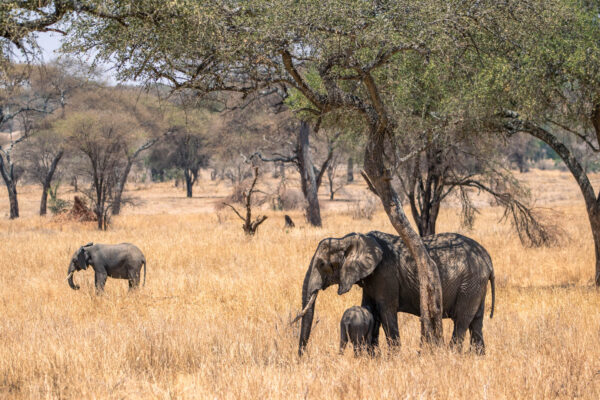
5-Day Best Safari Tarangire, Serengeti NP & Ngorongoro
The 5-Day Best Safari Tarangire, Serengeti NP & Ngorongoro offers a compact Tanzania wildlife
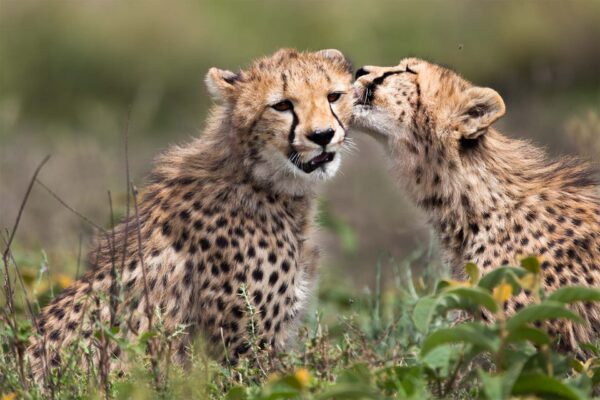
6-Day Tanzania Classic Luxury
The 6-Day Tanzania Classic Luxury Safari offers an unforgettable journey through Tanzania’s most celebrated wildlife destinations. This carefully
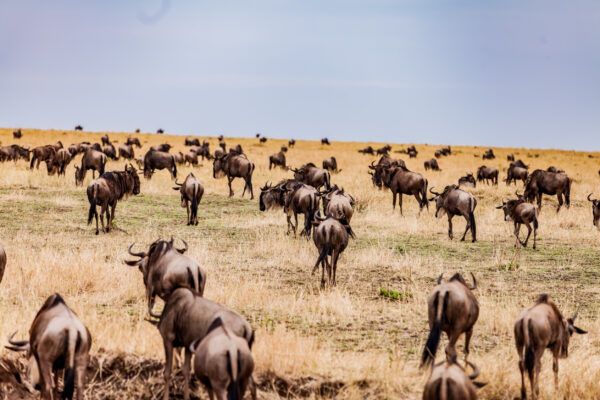
6-Day Tanzania Great Migration
The 6-Day Tanzania Great Migration Safari offers an unforgettable journey through Tanzania’s spectacular northern safari circuit. This carefully planned
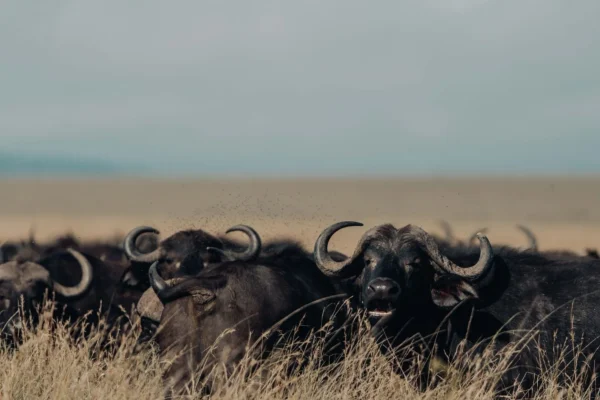
9-Day Tanzania Chasing the Big 5
The 9-Day Tanzania Chasing the Big 5 Tented Safari takes you deep into Tanzania’s spectacular wilderness. This immersive adventure combines
16-Day Tanzania Wildebeest
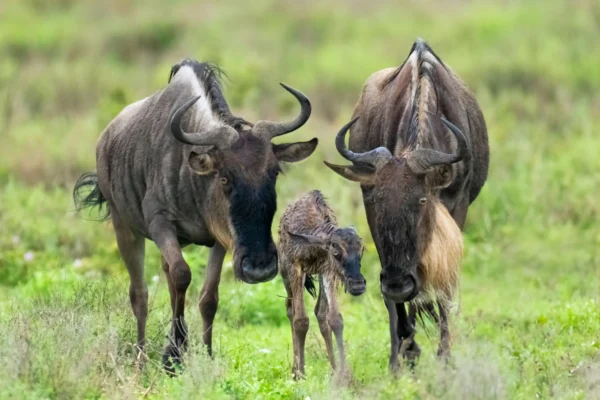
The 16-Day Tanzania Wildebeest Migration Mid-Range Safari & Zanzibar offers an immersive journey through Tanzania’s most celebrated landscapes.

14-Day Great Migration, Zanzibar
The 14-Day Great Migration & Zanzibar Beach combines Tanzania’s greatest wildlife spectacle with a tropical Indian Ocean escape. This carefully
8-Day Tanzania Mid-Range
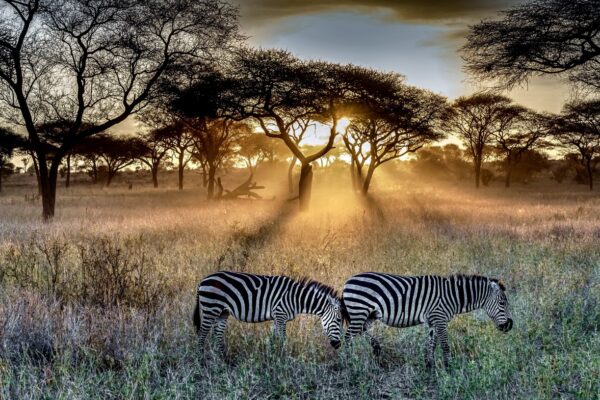
8-Day Tanzania Mid-Range Safari – Exploring the Serengeti Wildebeests Migration Tour, Tarangire National Park, and Ngorongoro crater and lake
10-Day Tarangire, Serengeti to
The 10-Day Tarangire, Serengeti to Ndutu Migration & Ngorongoro safari offers an exceptional journey through northern Tanzania. This itinerary combines
At Terenga Africa Safaris & Travel Ltd, we help travellers plan The Serengeti Safari around their interests, preferred travel dates, accommodation choices, and budgets. Whether you dream of witnessing the Great Migration, photographing large predators, enjoying a comfortable lodge holiday, or exploring several national parks in one journey, Tanzania offers options for different travel styles. The Serengeti can also be combined with the Ngorongoro Conservation Area, Tarangire National Park, Lake Manyara, or a relaxing beach extension in Zanzibar. Each destination adds a different dimension to your Tanzania Adventures, from elephant encounters and crater landscapes to coastal scenery and cultural experiences.
Why Is Serengeti National Park Famous Around the World?
Serengeti National Park is among Tanzania’s best-known protected areas because of its extensive grasslands, varied habitats, abundant wildlife, and association with the Great Migration. Its name is widely linked with the image of open African plains stretching towards the horizon, where large herds move across seasonal grazing areas. The park forms part of a wider ecosystem that extends beyond its boundaries, connecting different habitats used by migrating animals throughout the year. This ecological connection is essential to the movement of wildebeest and zebras, which follow rainfall and fresh grass rather than fixed routes or dates. During The Serengeti Safari, visitors may encounter herds spread across the plains, predators hunting or resting, and smaller animals going about their daily activities. These experiences reveal the natural relationships between grazing animals, predators, vegetation, and seasonal water sources.
Beyond its famous migration, the Serengeti supports remarkable biodiversity throughout the year. Lions are frequently sought by safari visitors, while cheetahs may be seen hunting across open grasslands. Leopards are more elusive and are often associated with riverine vegetation or trees. Elephants, giraffes, buffaloes, and numerous antelope species contribute to the park’s varied wildlife experience. Bird enthusiasts can also look for eagles, vultures, ostriches, secretarybirds, and many other species, depending on the habitat and season. Rocky kopjes provide resting places and viewpoints for wildlife, while rivers and wooded areas support animals that may be less visible on open plains.
Which Areas Should You Explore on The Serengeti Safari?
What Can You Discover in the Central Serengeti?
The central Serengeti, often associated with the Seronera area, is a popular base for The Serengeti Safari because it offers a variety of habitats and wildlife-viewing opportunities throughout much of the year. Open plains, rocky outcrops, seasonal streams, and riverine vegetation support different animal species. Lions may be seen resting near kopjes or moving across grasslands, while leopards are sometimes spotted in trees near suitable habitat. Cheetahs and several species of antelope also inhabit the region. Because wildlife is not confined to one area, the quality of sightings varies by season, location, and daily conditions.
Central Serengeti is particularly useful for travellers who want a balanced safari itinerary without focusing exclusively on one migration period. Game drives can explore different sections of the region, allowing guides to interpret animal behaviour and respond to recent sightings. Accommodation options range from public campsites to lodges and tented camps, with facilities and prices varying considerably. Choosing a suitable location can reduce unnecessary driving and create more time for wildlife observation. During The Serengeti Safari, travellers should expect early starts, changing temperatures, and periods when animals remain hidden from view. Patience is part of the experience, and some of the most rewarding moments may involve observing familiar species behaving naturally rather than finding a rare predator. A stay in central Serengeti can provide a strong introduction to the park’s wildlife and landscapes.
When Should You Visit the Southern Serengeti and Ndutu?
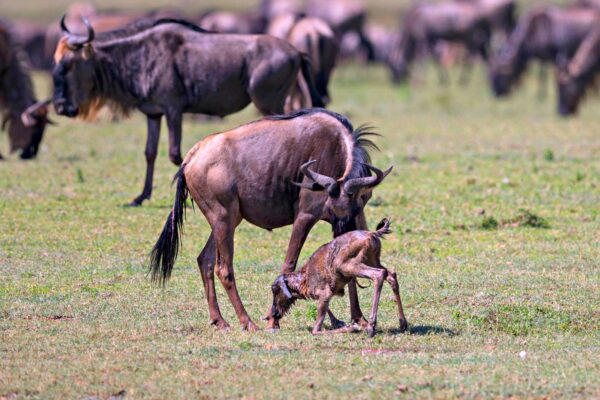
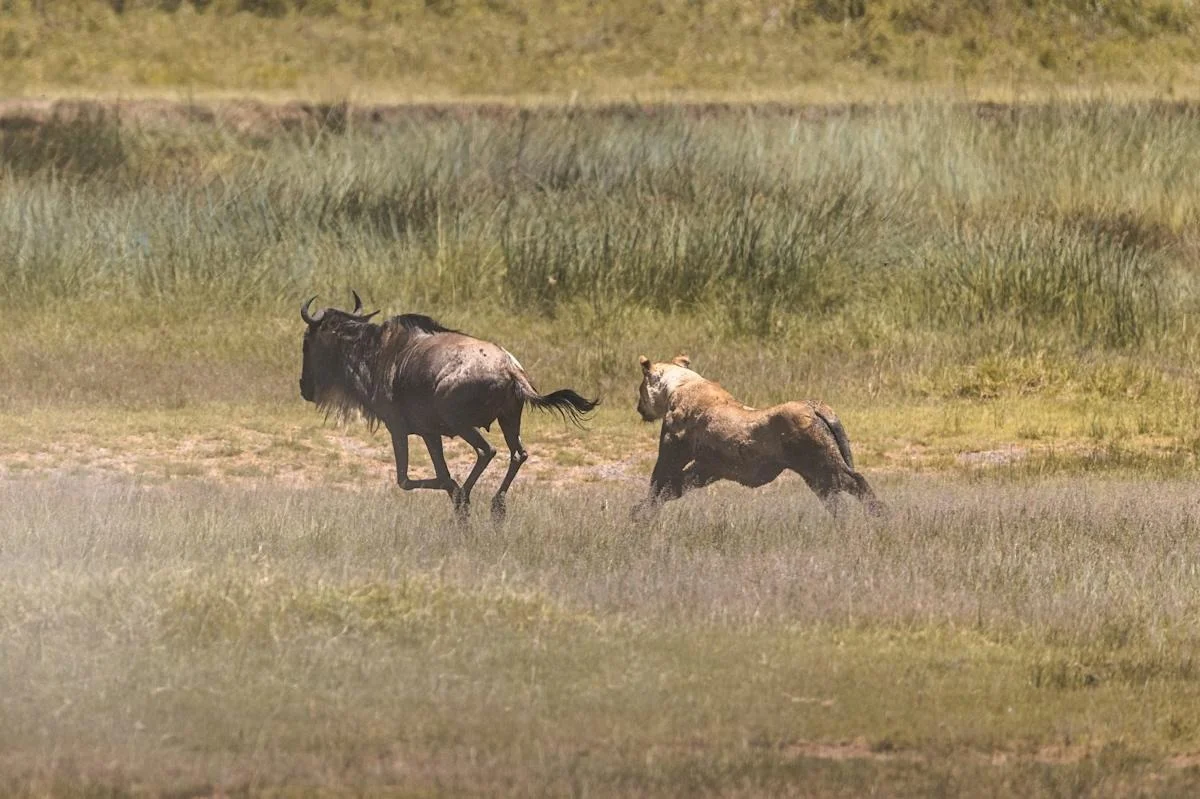
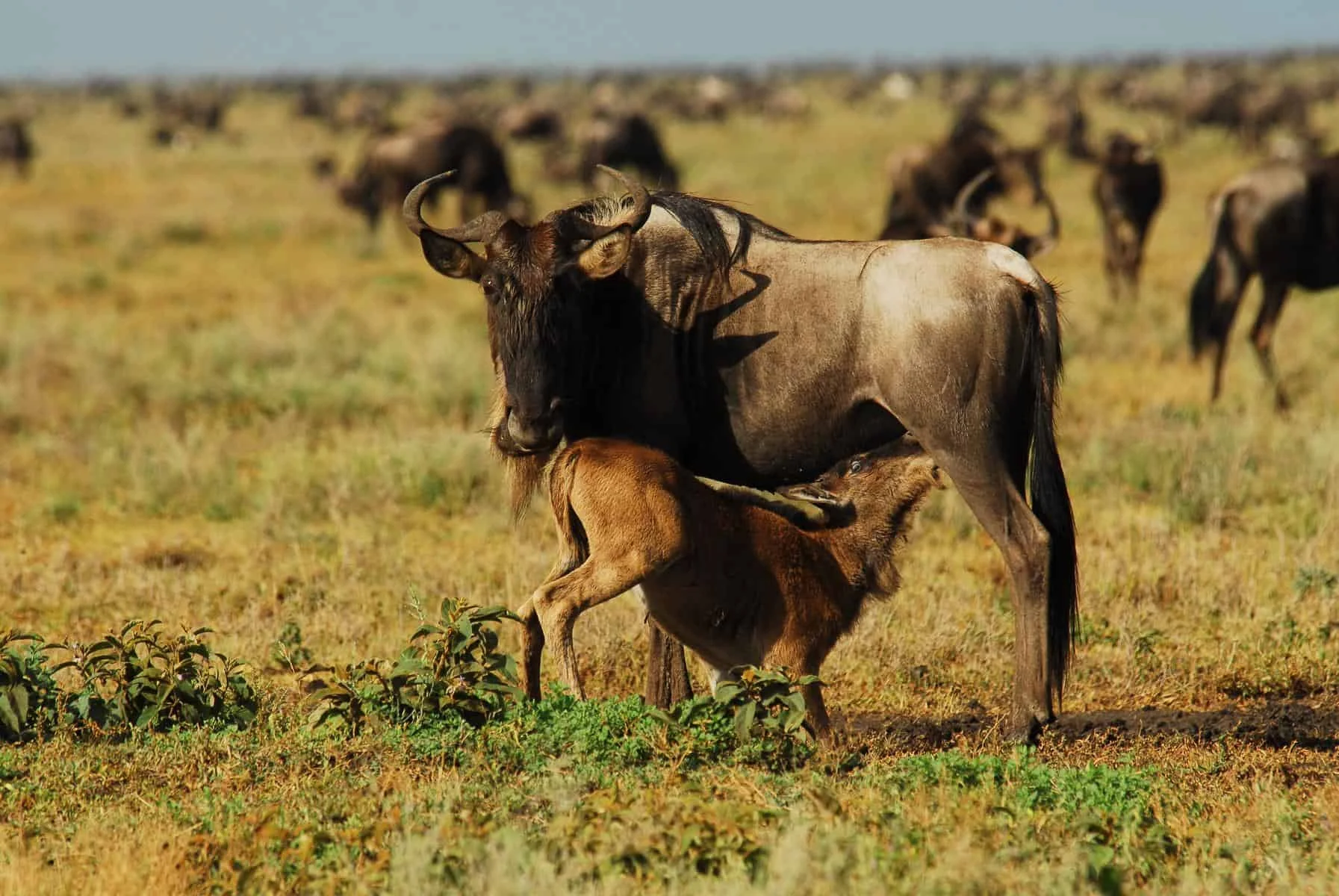
The southern Serengeti and neighbouring Ndutu area are especially well known during the wildebeest calving season, which commonly takes place around January to March, depending on rainfall and grazing conditions. During this period, large numbers of wildebeest may gather on nutrient-rich grasslands, where many calves are born over a relatively short time. The abundance of young animals attracts predators and can provide valuable opportunities to observe natural behaviour. Visitors on The Serengeti Safari may see herds grazing across the plains, newborn calves learning to stand, and predators searching for food. These encounters offer insight into the challenges faced by wildlife during an important stage of the migration cycle.
The precise location and timing of the herds vary each year, so travellers should avoid treating seasonal estimates as guarantees. Rainfall patterns, pasture quality, and changing environmental conditions influence where the animals gather. Access and accommodation arrangements may also differ between the main park and surrounding conservation areas. If calving season is your priority, selecting the right travel dates and staying in a suitably located camp can improve your chances of reaching the relevant wildlife areas. However, The Serengeti Safari remains rewarding beyond calving season, and visitors should consider the complete range of experiences available rather than judging a trip by one wildlife event alone. Combining the southern plains with other parts of the Serengeti can create a broader itinerary when travel time and budget permit.
Can Northern Serengeti Offer a Different Safari Experience?
Northern Serengeti is particularly popular during periods when migrating herds move through the northern ecosystem and towards the Mara River. Between approximately July and October, depending on the year, some wildebeest and zebras may gather in this region before crossing rivers or moving between grazing areas. Such events have made the northern Serengeti famous among wildlife photographers and travellers seeking to understand the migration. However, river crossings are unpredictable. Herds may approach the water and retreat, cross at different locations, or remain in another part of the ecosystem. No responsible safari operator can promise a crossing on a specific day.
Travellers who choose northern Serengeti for The Serengeti Safari should allow sufficient time and understand that reaching the area may involve long road transfers or additional flight costs. The northern region also offers beautiful scenery and wildlife encounters beyond the migration, including elephants, giraffes, predators, and other grazing animals. Accommodation options vary from seasonal tented camps to other lodges, and availability can be limited during busy travel periods. Staying in the right area for your travel dates can reduce driving time and provide more opportunities to explore. For visitors who value wildlife photography, a longer stay can offer flexibility to follow changing herd locations with the guidance of experienced safari professionals.
What Are the Expectations on The Serengeti Safari?
A typical Serengeti Safari centres on guided game drives, wildlife observation, scenic exploration, and learning about the ecosystem. Days often begin early, when temperatures are cooler and some animals may be more active. After breakfast or a morning drive, visitors may return to their accommodation for lunch and relaxation before heading out again in the late afternoon. Full-day game drives are also possible, often with a packed lunch, particularly when travellers want to explore areas farther from their lodge or camp. The exact schedule depends on accommodation arrangements, park regulations, road conditions, and the wildlife areas included in the itinerary.
During The Serengeti Safari, you may encounter large herds, predators, elephants, giraffes, birds, and a wide variety of smaller animals. Nevertheless, sightings vary because wildlife moves naturally and may be difficult to locate. Guides can interpret tracks, sounds, animal behaviour, and environmental clues, helping visitors understand what they observe. Travellers should be prepared for dusty roads, occasional bumps, early departures, and changing temperatures between morning and afternoon. Comfortable accommodation is available in different styles, but facilities, meal arrangements, and transport standards depend on the selected package. Visitors interested in photography should bring suitable equipment and allow time for careful observation. Above all, a rewarding safari requires patience, respect for wildlife, and flexibility. By approaching the journey with realistic expectations, guests can appreciate the complete experience rather than concentrating only on the search for particular animals.
When Is the Best Time for The Serengeti Safari?
The best time for The Serengeti Safari depends on your priorities, preferred regions, and interest in particular wildlife experiences. The park offers game viewing throughout the year, but seasonal changes influence the location of the migration, the appearance of the landscape, and road conditions. January to March is often associated with calving in the southern Serengeti and Ndutu area. Around April and May, rainfall and changing pasture conditions influence the herds as they begin moving towards other parts of the ecosystem. From approximately June to October, some herds travel through western and northern areas, with the possibility of river crossings in suitable locations. These are general patterns rather than fixed schedules, and individual years can differ.
The drier months, commonly from June to October, are popular because many tracks may be easier to navigate and animals can become more concentrated around available water sources in some areas. However, the best destination still depends on where wildlife is moving. During wetter periods, landscapes may appear greener, while rain can affect road access and driving times. Travellers who have fixed dates should select a route that offers a good overall wildlife experience rather than relying on one predicted event. Accommodation near preferred areas should be booked early during busy periods. The Serengeti Safari can be rewarding in different seasons when the itinerary is designed around realistic conditions. Terenga Africa Safaris & Travel Ltd can help you compare travel periods and choose destinations that suit your interests, budget, and available time.
Why Choose Terenga Africa Safaris & Travel Ltd for The Serengeti Safari?
Choosing the right operator is an important part of planning a comfortable and well-organised wildlife holiday. At Terenga Africa Safaris & Travel Ltd, we help travellers plan The Serengeti Safari around their desired experiences, travel dates, accommodation preferences, group size, and budget. Some visitors want to focus on the Great Migration, while others prefer a broader wildlife itinerary featuring central Serengeti, the Ngorongoro Conservation Area, Tarangire National Park, or Lake Manyara. We can help you compare possible routes, consider the time required for transfers, and select accommodation that suits your preferred level of comfort.
Transparent planning is essential. Before booking, travellers should understand what their package includes, such as transport, guiding, accommodation, meals, park fees, and optional activities. It is also important to ask about transfer times, luggage limits for any domestic flights, cancellation conditions, and additional expenses. The location of a lodge or camp can strongly influence daily safari opportunities, so accommodation should be selected according to the itinerary rather than price alone. We encourage clients to share their interests in advance, whether these include wildlife photography, family travel, birdwatching, cultural experiences, or a beach extension in Zanzibar.
What Should You Pack for The Serengeti Safari?
Packing for The Serengeti Safari requires preparation for cool early mornings, warm afternoons, dusty game drives, and occasional rain. Lightweight clothing in neutral colours is generally practical, while a fleece, sweater, or light jacket can provide warmth before sunrise and after sunset. Comfortable closed shoes or trainers are suitable for most game-drive activities. A wide-brimmed hat, sunglasses, and sunscreen help protect you from strong sunlight. Lightweight long-sleeved shirts and trousers can provide extra protection from sun and insects.
Binoculars are useful for viewing animals at a distance, and photography enthusiasts may want a camera with a suitable zoom lens, spare batteries, memory cards, and a protective bag. A refillable water bottle, insect repellent, personal medication, and a small first-aid kit are also helpful. Consider bringing a waterproof jacket during wetter months and protective bags for electronic devices. If your itinerary includes a domestic flight, confirm luggage weight and size limits before packing, as some light aircraft services require soft-sided bags. Travellers combining the Serengeti with other Tanzania Adventures should also consider differences in climate and activities, particularly if visiting Ngorongoro’s higher elevations or Zanzibar’s coastal environment. Check your final itinerary with your operator to ensure you have the right equipment without carrying unnecessary luggage.
How Can You Enjoy a Responsible Serengeti Safari?
Responsible travel helps protect the natural heritage that makes The Serengeti Safari so special. The Serengeti ecosystem depends on healthy grasslands, connected habitats, seasonal water sources, and the freedom of animals to move across their natural ranges. Visitors can support conservation by choosing operators that follow park regulations, respect wildlife, and avoid unnecessary disturbance. During game drives, remain in the vehicle unless your guide confirms that leaving it is permitted and safe. Keep noise low, follow instructions, and never encourage drivers to chase animals or block their movement for photographs.
Travellers can also help local communities benefit from tourism by choosing suitable locally owned services, purchasing authentic crafts, and respecting cultural customs during community visits. Avoid leaving litter behind, use refillable bottles where safe drinking-water arrangements are provided, and follow guidance on waste disposal. Wildlife sightings are a privilege, not a guarantee, and the wellbeing of animals should always take priority over a photograph. By travelling responsibly, visitors contribute to a more sustainable tourism experience while gaining a deeper appreciation of Tanzania’s remarkable landscapes and wildlife.
Frequently Asked Questions About The Serengeti Safari
Visitors may encounter lions, elephants, giraffes, buffaloes, zebras, wildebeest, gazelles, cheetahs, leopards, hyenas, hippos, crocodiles, and many bird species. The animals seen during your trip depend on the season, location, and natural wildlife movements.
A three- to four-day visit can introduce you to selected areas of the park, while five to seven days may allow more time for different regions and wildlife experiences. Longer itineraries can include other northern Tanzania destinations or Zanzibar.
Yes, the Serengeti is one of the principal destinations for observing the Great Migration. However, the herds move according to rainfall and grazing conditions. Choosing a suitable region for your travel dates improves opportunities but does not guarantee a particular sighting.
Yes. Families can enjoy a Serengeti Safari when the itinerary considers children’s ages, travel times, accommodation facilities, and activity schedules. Discuss family needs with your operator before booking, particularly when travelling with young children.
Advance booking is recommended, especially for peak-season travel and popular camps near migration areas. Early planning provides more accommodation choices and time to arrange transfers, permits where relevant, and other activities. Confirm all package inclusions and cancellation conditions before payment.
Book The Serengeti Safari with Terenga Africa Safaris & Travel Ltd
Discover Tanzania’s magnificent wilderness through The Serengeti Safari, a journey across open plains, wildlife-rich habitats, and landscapes that have inspired travellers from around the world. Whether you want to explore the Serengeti’s diverse wildlife, follow the seasonal movement of wildebeest, photograph Africa’s great predators, or combine your safari with other Tanzania Adventures, a carefully planned itinerary can make your holiday more rewarding.
Terenga Africa Safaris & Travel Ltd can help you select suitable travel dates, compare accommodation options, and design an itinerary around your interests and budget. From a focused Serengeti wildlife experience to a wider northern Tanzania journey with Ngorongoro, Tarangire, or Zanzibar, we can help you explore the available possibilities. Contact our team to discuss your plans and begin organising your African adventure.