
Rwanda Cultural Safaris: Discover Rwanda’s Heritage, Traditions, and Way of Life
Rwanda Cultural Safaris offer travellers an opportunity to discover the history, traditions, creativity, and everyday life of one of East Africa’s most remarkable countries. Known as the Land of a Thousand Hills, Rwanda is famous for its beautiful landscapes, mountain gorillas, national parks, and welcoming communities. However, the country’s appeal extends far beyond its natural attractions. Its cultural heritage includes traditional music and dance, basket weaving, pottery, storytelling, farming traditions, local cuisine, and a strong sense of community. Exploring these cultural experiences allows visitors to understand Rwanda beyond the familiar images of mountains and wildlife. Instead of simply observing the scenery, travellers can learn about the people, values, and historical experiences that have shaped the nation.
Exceptional Rwanda Safari Holiday Adventures 2027/28

5 Days Rwanda BIG APES Safari
Rwanda, known as the “Land of a Thousand Hills,” offers a rare opportunity to experience some of the world’s most fascinating wildlife in their natural

5-Day Rwanda Gorilla Trekking
Rwanda, known as the “Land of a Thousand Hills,” is an extraordinary destination for wildlife lovers and cultural enthusiasts alike.

8 Days Rwanda Uganda Primates
The 8 Days Rwanda Uganda Primates Safari offered by Terenga Africa Safaris and Travel Ltd is a premium wildlife and primate tracking

8-Day Rwanda Wildlife Safari
The 8-Day Rwanda Wildlife Safari is one of the finest luxury safari experiences for travelers seeking the very best of Rwanda. Carefully designed by Terenga

9-Day Rwanda Great Primate
A once-in-a-lifetime journey through the heart of Rwanda with the 9-Day Rwanda Great Primate Expedition Safari. This exceptional itinerary

9 Days Rwanda Safari Experience
The 9 Days Rwanda Safari Experience designed by Terenga Africa Safaris & Travel Ltd offers a carefully curated journey through Rwanda
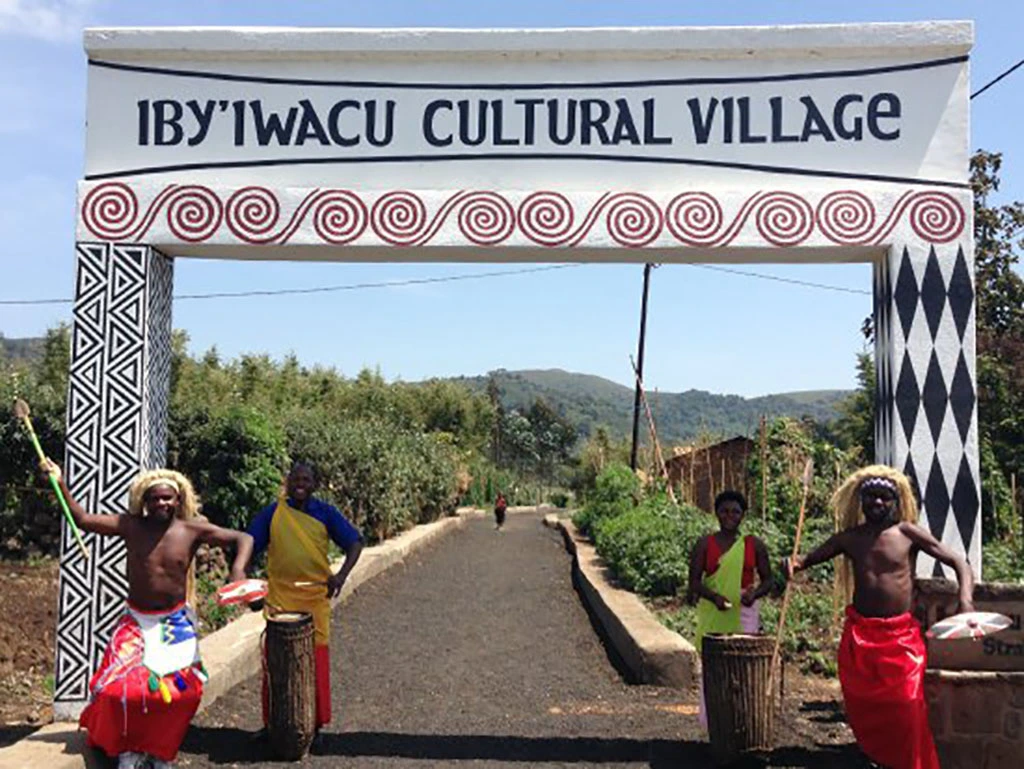
Why Should You Explore Rwanda Through Cultural Tourism?
Rwanda’s cultural heritage offers an important perspective on the country’s past, present, and future. Rwanda Cultural Safaris allow visitors to learn about traditional customs while discovering how communities preserve their heritage in a changing world. Across the country, people continue to practise traditional crafts, prepare local dishes, perform music and dance, and pass knowledge from one generation to another. These activities are not simply performances for visitors; they can form part of everyday community life, livelihoods, celebrations, and cultural identity. When arranged responsibly, cultural visits give travellers opportunities to meet local artisans, learn directly from community members, and understand the stories behind the traditions they encounter.
Another reason to choose cultural tourism is the opportunity to support local enterprises. Purchasing handmade products directly from artisans, visiting community-run attractions, or participating in locally guided experiences can help tourism benefits reach people beyond major hotels and transport providers. Nevertheless, the quality of an experience depends on how it is organised. Visitors should receive clear information about the activity, any associated fees, photography expectations, and whether the experience is community-led.
Which Destinations Are Best for Rwanda Cultural Safaris?
What Cultural Experiences Can You Discover in Kigali?
Kigali is an excellent starting point for Rwanda Cultural Safaris because it combines contemporary city life with important historical and cultural attractions. The capital features local markets, art spaces, craft shops, restaurants, museums, and community initiatives that introduce visitors to Rwanda’s evolving identity. Travellers can explore selected markets to discover fresh produce, handmade goods, clothing, and everyday trading activities. Art galleries and craft centres may showcase contemporary Rwandan creativity alongside traditional techniques, including basketry, textiles, and decorative arts. Guided city tours can also introduce visitors to local architecture, neighbourhood life, and the country’s development.
An especially significant place to visit is the Kigali Genocide Memorial, which commemorates the victims of the 1994 Genocide against the Tutsi. The memorial provides an important educational experience for visitors seeking to understand this painful period in Rwanda’s history and its lasting impact. A visit should be approached with sensitivity and respect for those who suffered and continue to remember. Travellers interested in Rwanda Cultural Safaris can combine this historical visit with selected art, food, and community experiences to develop a broader understanding of modern Rwanda. It is advisable to allow sufficient time for meaningful visits rather than trying to cover too many attractions in a single day.

Where Can You Experience Traditional Rwandan Culture?
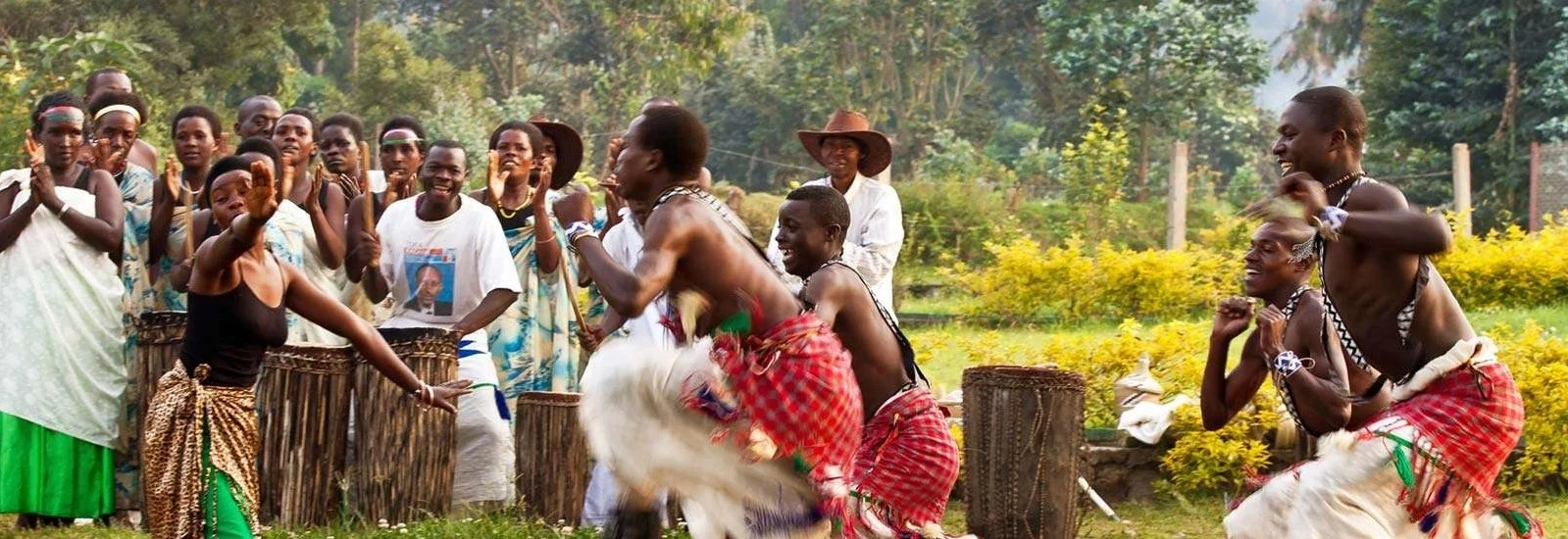
Rural communities across Rwanda provide opportunities to learn about traditional lifestyles, agricultural practices, crafts, and local food. Depending on the itinerary, Rwanda Cultural Safaris may include visits to cultural centres where residents demonstrate traditional activities and explain their significance. Travellers might observe basket weaving, learn about pottery, discover how local ingredients are prepared, or enjoy performances featuring traditional drumming and dance. Some experiences may also introduce visitors to farming practices, banana cultivation, coffee production, or the preparation of regional dishes.
The King’s Palace Museum in Nyanza is another important cultural attraction. It presents aspects of Rwanda’s traditional monarchy and royal history through historical interpretation and exhibits. Visitors can learn about the organisation of the royal court, traditional architecture, and the cultural significance of the former royal residence. At the museum, the traditional royal residence provides insight into an important part of Rwanda’s historical heritage. Because cultural sites may have specific visiting arrangements, it is sensible to confirm opening information and available guided activities before travelling. By including carefully selected cultural destinations, Rwanda Cultural Safaris help visitors appreciate the traditions and historical influences that continue to shape the country.
Can Lake Kivu Add a Cultural Dimension to Your Safari?
Lake Kivu is known for its attractive shoreline, green hills, fishing communities, and peaceful lakeside settlements. Beyond its natural beauty, the region can introduce visitors to livelihoods connected with fishing, farming, local trade, and small-scale tourism. Depending on the location and community arrangements, Rwanda Cultural Safaris around Lake Kivu may include guided village visits, interactions with local businesses, visits to coffee-growing areas, or opportunities to learn about traditional food and daily life. Travellers can also enjoy scenic drives and walks between selected destinations.
Areas around Rubavu, Karongi, and Rusizi offer different perspectives on life beside the lake. Some visitors may choose a relaxed cultural itinerary with time for lakeside scenery, while others prefer combining local experiences with outdoor activities. Any community visit should be arranged respectfully, with permission sought where necessary and local guidance followed. Visitors should also understand that not every village offers organised cultural tourism activities. Our team can help identify suitable experiences based on availability, interests, and travel dates. Adding the Lake Kivu region to Rwanda Cultural Safaris can create a balanced journey that combines scenic beauty with opportunities to understand the people who live and work around the lake.
What Are the Expectations on Rwanda Cultural Safaris?
Travellers joining Rwanda Cultural Safaris can expect a mixture of guided sightseeing, historical learning, traditional arts, local food, and community encounters, depending on their chosen itinerary. A typical day may begin with breakfast at the hotel before travelling to a cultural attraction, market, museum, or village. A local guide may explain the background of a site, introduce its cultural importance, and help visitors understand the activities taking place. Some experiences involve watching demonstrations, while others may allow participation in activities such as cooking, craft-making, or traditional dance when hosts offer these opportunities. The level of participation should always depend on the activity and the wishes of the people providing it.
Cultural experiences are not identical across Rwanda, and the activities available depend on location, season, and local arrangements. Visitors should therefore avoid expecting every community to offer the same traditions or performances. Instead, approach each encounter with curiosity and respect. Asking questions politely, following photography guidelines, and purchasing crafts directly from artisans where possible can help make visits more rewarding. Rwanda Cultural Safaris can also include historical education, especially in Kigali and Nyanza, alongside opportunities to learn about modern life and community development. Travellers should allow enough time for each visit, as meaningful cultural learning often benefits from conversation and reflection. With a well-paced itinerary, visitors can gain a deeper understanding of Rwandan heritage while enjoying comfortable transport, suitable accommodation, and reliable travel coordination.
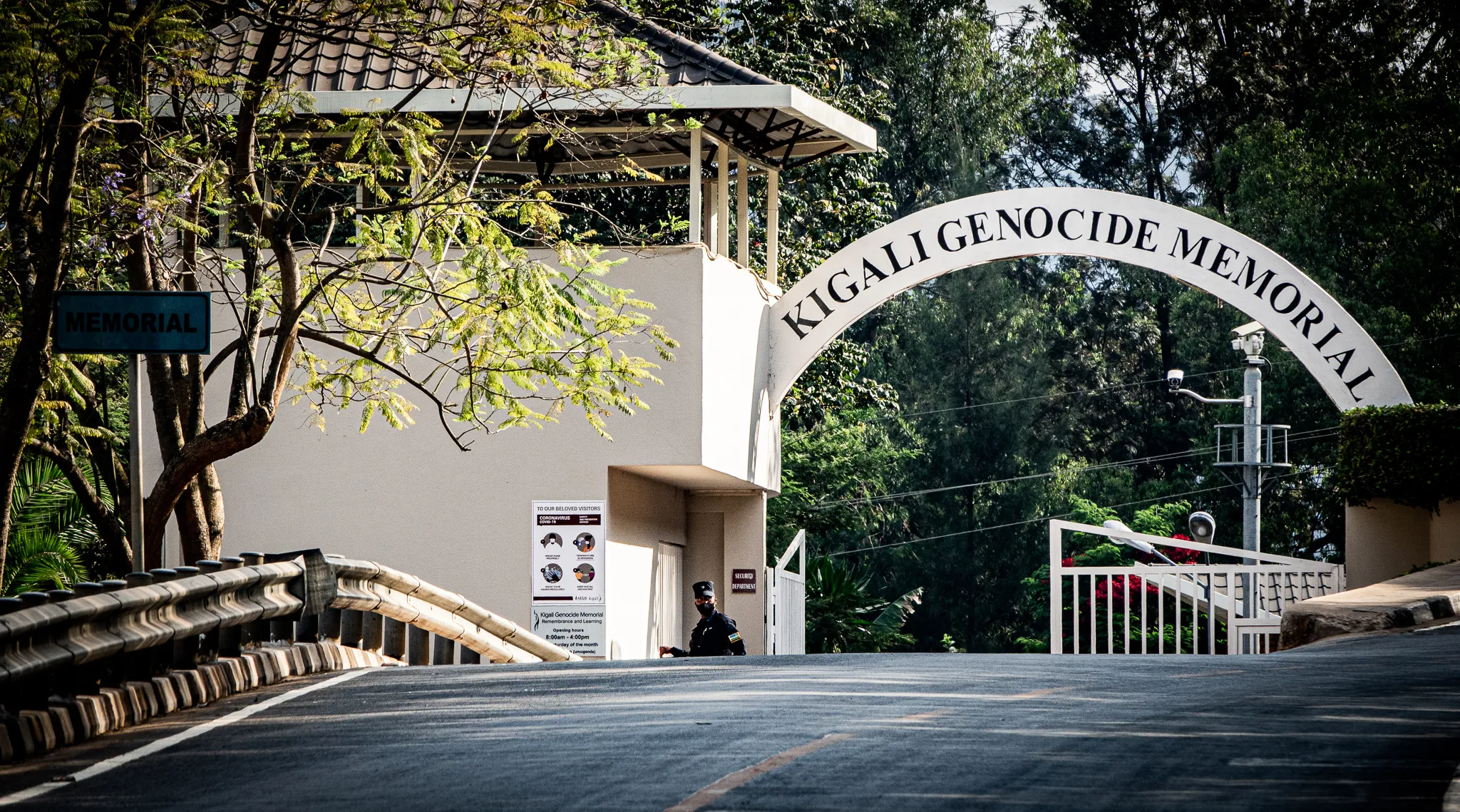
Kigali Genocide Memorial
When Is the Best Time for Rwanda Cultural Safaris?
Rwanda Cultural Safaris can be enjoyed throughout the year because many cultural attractions, museums, craft centres, and urban experiences operate independently of wildlife viewing seasons. However, the weather can affect road conditions, countryside travel, walking activities, and visits to rural communities. Rwanda generally experiences relatively drier periods around June to September and December to February, although local conditions vary. These months can be convenient for travellers planning journeys that combine cultural attractions with countryside excursions, Lake Kivu, or national park visits. Visitors should still check conditions before departure because rainfall can occur outside the main wet seasons.
The wetter periods, often around March to May and October to November, bring greener landscapes and can be suitable for travellers who do not mind occasional rain. During these months, unpaved roads may become muddy, and some outdoor activities may require additional flexibility. Cultural attractions in Kigali and other towns can still be included, while rural itineraries should allow for changing travel times. Certain festivals, community events, and performances take place on specific dates rather than following a daily schedule. Travellers interested in a particular event should confirm its dates and availability before booking. The best time for Rwanda Cultural Safaris ultimately depends on your interests, itinerary, and preferred travel conditions. Terenga Africa Safaris & Travel Ltd can help you select a suitable period and plan a journey that balances cultural discovery, scenic exploration, and comfort.
Why Choose Terenga Africa Safaris & Travel Ltd for Rwanda Cultural Safaris?
Choosing a reliable tour operator helps make cultural travel more organised, informative, and respectful. At Terenga Africa Safaris & Travel Ltd, we understand that Rwanda Cultural Safaris require careful selection of attractions, suitable local guides, realistic schedules, and clear communication about what each experience includes. We can help travellers plan visits to museums, cultural centres, traditional craft locations, historical sites, local markets, and selected communities according to their interests and travel dates. Our aim is to make each itinerary practical while allowing sufficient time to appreciate the places and people encountered along the way.
We recognise that every traveller has different priorities. Couples may prefer a relaxed itinerary with intimate cultural experiences and comfortable accommodation. Families may benefit from activities that suit different ages and interests, while educational groups may want more time at historical sites and cultural institutions. Travellers combining cultural discovery with wildlife experiences can also consider gorilla trekking, Akagera wildlife safaris, or scenic visits to Lake Kivu, subject to availability and relevant regulations. Before confirming a booking, we encourage clients to discuss their budget, accommodation preferences, mobility needs, dietary requirements, and areas of interest. We also recommend requesting a clear quotation that outlines transport, guiding services, accommodation, meals, entrance fees, and optional activities.
What Should You Pack for Rwanda Cultural Safaris?
Packing for Rwanda Cultural Safaris is generally straightforward, but your clothing and equipment should reflect the season, itinerary, and planned activities. Lightweight, breathable clothing is suitable for most daytime visits, while a light jacket or warm layer can be useful during cooler mornings and evenings. Comfortable walking shoes are important for exploring museums, cultural sites, markets, and rural communities. If your itinerary includes countryside walks or visits to farming areas, closed shoes with a good grip can provide additional comfort. A compact waterproof jacket or umbrella is useful during rainy periods.
Travellers should also pack sun protection, including sunscreen, sunglasses, and a hat, especially for outdoor visits. Carry a refillable water bottle, personal medication, insect repellent, and a small day bag for daily essentials. A camera or smartphone can help preserve memories, but always ask permission before photographing people, private property, religious activities, or community events. Some historical and cultural sites may have specific photography rules, so follow any instructions provided by staff or guides. Modest clothing is advisable when visiting religious sites or attending activities where local customs call for respectful dress.
How Can You Travel Responsibly During Rwanda Cultural Safaris?
Responsible travel helps ensure that Rwanda Cultural Safaris create positive experiences for visitors and local communities. Cultural tourism is most meaningful when travellers recognise that traditions, historical memories, and community spaces deserve respect. Before entering a home, workshop, or community facility, follow your guide’s instructions and ask permission where appropriate. Photography should never be assumed to be acceptable, particularly when children, private gatherings, or sensitive historical settings are involved. If a host declines a photograph or chooses not to participate in an activity, respect that decision without pressure.
Supporting local businesses is another practical way to contribute to tourism benefits. Visitors may purchase authentic crafts from artisans, enjoy meals at local establishments, or choose experiences operated by community organisations. When buying handmade products, ask about their materials and production methods if you are interested in learning more. Avoid purchasing cultural objects made from protected wildlife materials or items whose origin is unclear. Travellers should also avoid making assumptions about local customs or treating a community as a tourist performance. Listening carefully and asking thoughtful questions can create more genuine exchanges.
Historical tourism requires particular sensitivity in Rwanda, especially when visiting places connected with the 1994 Genocide against the Tutsi. Visitors should follow memorial guidelines, allow space for reflection, and approach personal stories with compassion. By travelling thoughtfully, visitors can make Rwanda Cultural Safaris more enriching while respecting the people, heritage, and places that make these experiences possible.
Book Your Rwanda Cultural Safaris with Terenga Africa Safaris & Travel Ltd
Discover the people, traditions, history, and creativity that make Rwanda such a rewarding destination. Rwanda Cultural Safaris provide opportunities to explore beyond the country’s famous landscapes and wildlife, bringing you closer to the stories, skills, and everyday experiences that shape Rwandan life. From Kigali’s cultural and historical attractions to traditional craft centres, rural communities, and the beautiful shores of Lake Kivu, each destination can add a new perspective to your journey.
Terenga Africa Safaris & Travel Ltd can help you create a personalised itinerary based on your interests, travel dates, budget, and preferred accommodation. Whether you want a dedicated cultural holiday or a wider East African adventure combining heritage, gorilla trekking, wildlife viewing, and scenic exploration, we can help you consider suitable options and coordinate the arrangements. Contact our team to discuss your travel plans and confirm the details of your preferred experiences.
- Website: www.terengasafaris.com
- Email: info@terengasafaris.com
- Bookings: terengasafaris@gmail.com