
The Masai Mara Safari: Discover Kenya’s Iconic Wildlife and Endless Savannah
The Masai Mara Safari offers travellers an extraordinary opportunity to experience Kenya’s wildlife, open grasslands, dramatic landscapes, and rich cultural heritage. Located in southwestern Kenya, the Maasai Mara National Reserve is internationally recognised for its impressive wildlife populations and its role in the annual Great Migration. Vast savannah plains, seasonal rivers, scattered acacia trees, and rolling hills create a remarkable setting for observing animals in their natural environment. Visitors may encounter lions resting in the grass, elephants moving across the plains, giraffes browsing on trees, and cheetahs scanning the landscape for prey. Herds of wildebeest and zebras add to the spectacle, while hyenas, buffaloes, gazelles, and numerous bird species contribute to the reserve’s biodiversity.
Exceptional Kenya Safari Holiday Adventures- 2027/28
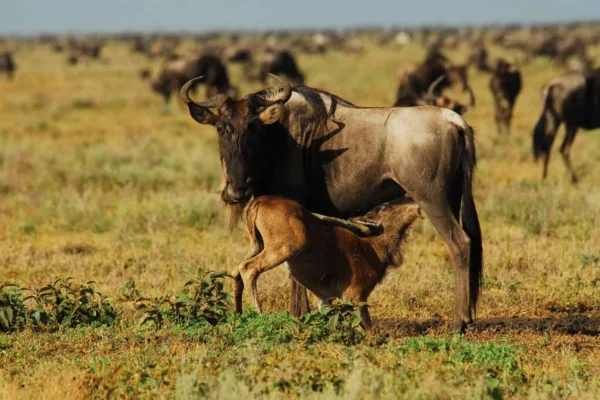
7-Day Budget Kenya Wildlife
The 7-Day Budget Kenya Wildlife Safari is a thoughtfully designed itinerary that combines affordability with the thrill of Kenya’s world-
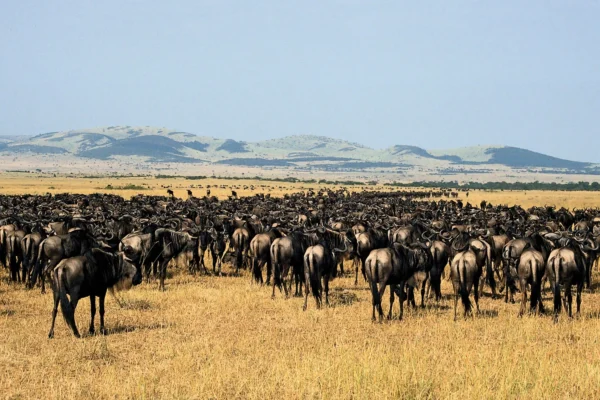
7-Day Kenya Big Five Safari
The 7-Day Kenya Big Five Safari Holiday by Terenga Africa Safaris & Travel Ltd is a journey crafted for travelers who dream of immersing
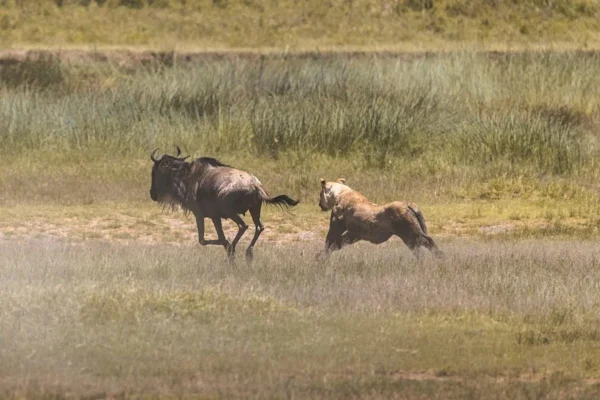
12-Day Ultra Luxury in Kenya
The 12-Day Ultra Luxury in Kenya-Wild Beauty offers an exceptional journey through Kenya’s most captivating landscapes. This itinerary combines
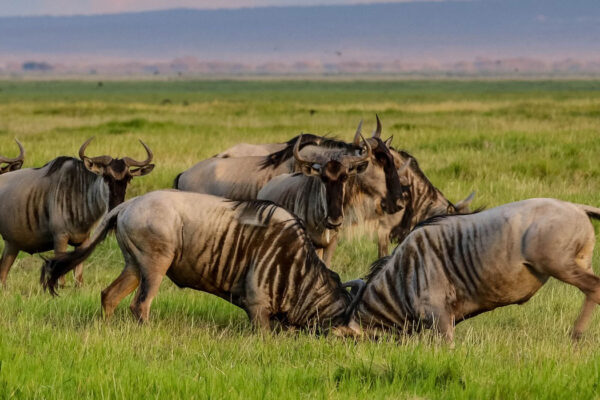
14-Day Kenya National Parks
The 14-Day Kenya National Parks Safari Adventure offers an exciting journey through Kenya’s remarkable wildlife destinations. This safari
9-Day Magical Kenya Wildlife
The 9-Day Magical Kenya Wildlife Safari and Beach Holiday crafted by Terenga Africa Safaris & Travel Ltd offers an unmatched combination of Kenya’s
11 Days Masai Mara and Northern
The 11 Days Masai Mara and Northern Circuit Safari creates an exceptional East African wildlife journey. This safari combines Kenya’s legendary
15-Day Kenyan Thrills Safari
The 15-Day Kenyan Thrills Safari Adventure offers an unforgettable journey through Kenya’s finest wildlife destinations. This safari combines
12 Days Kenya Classic & Northern
The 12 Days Kenya Classic and Northern Safari offers a complete journey through Kenya’s iconic wildlife destinations. This carefully designed safari
Why Is the Maasai Mara Famous for Wildlife Safaris?
The Maasai Mara is one of Kenya’s leading wildlife destinations because of its varied habitats, abundant grazing animals, and strong populations of large predators. Its open grasslands make it possible to observe wildlife across broad stretches of countryside, while riverine forests and wooded areas provide shelter for species that prefer denser vegetation. The reserve supports lions, leopards, cheetahs, elephants, buffaloes, giraffes, zebras, wildebeest, and numerous antelope species. These animals form part of a complex ecosystem in which predators, herbivores, birds, and smaller mammals depend on the availability of food, water, and suitable habitat. During The Masai Mara Safari, travellers can learn how these relationships influence animal behaviour and shape the natural environment.
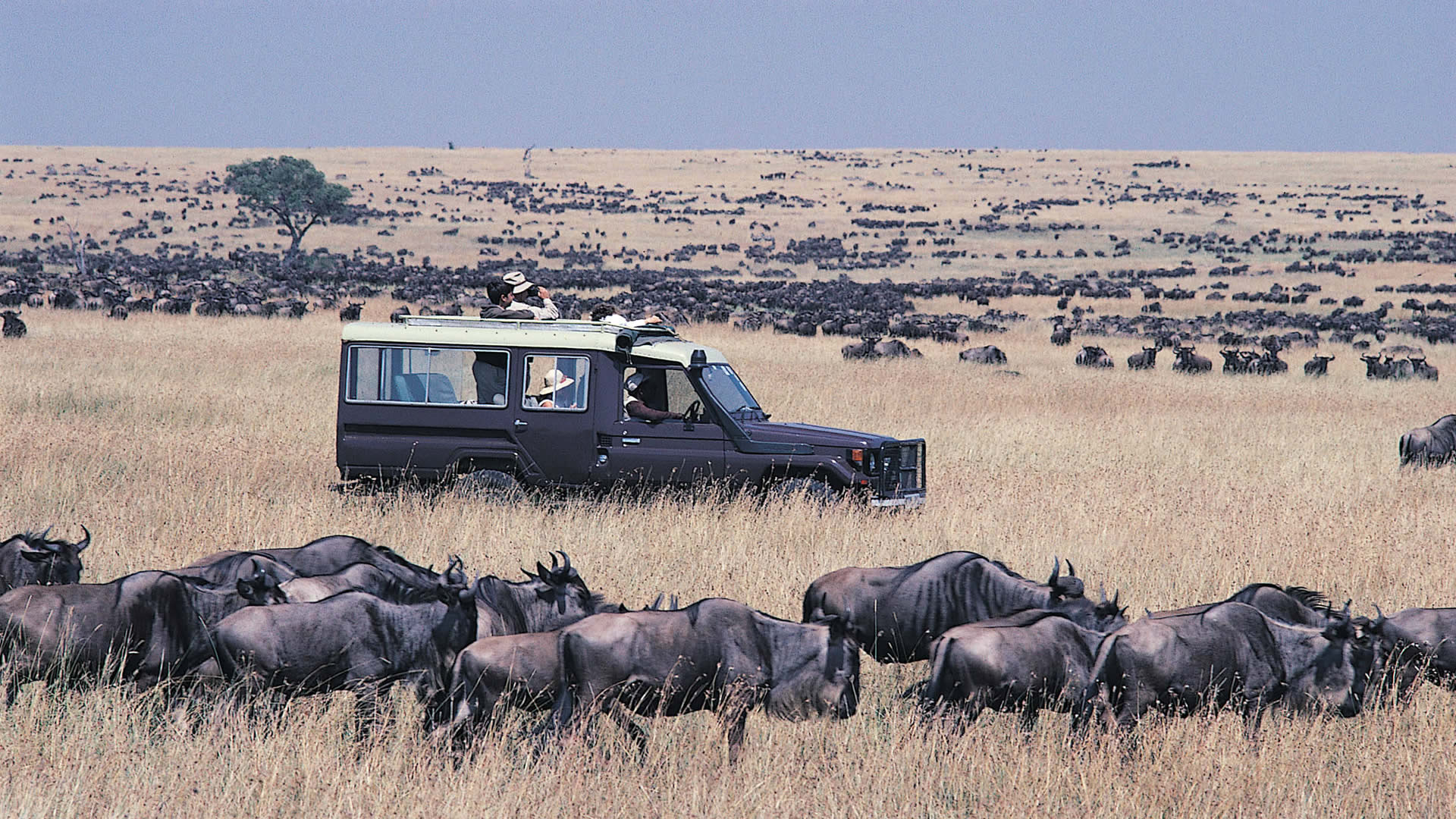
Maasai Mara National Reserve
Which Areas and Experiences Should You Explore on The Masai Mara Safari?
What Can You Discover in the Main Maasai Mara Reserve?
The main Maasai Mara National Reserve is an excellent choice for The Masai Mara Safari, particularly for visitors seeking classic savannah scenery and a wide range of wildlife. Its extensive grasslands, seasonal watercourses, and scattered trees create habitats for many familiar African species. Guided game drives allow travellers to explore different sections of the reserve while learning about animal behaviour, tracks, habitats, and conservation. Depending on the season and recent wildlife activity, visitors may encounter lions, cheetahs, elephants, buffaloes, giraffes, zebras, and wildebeest. Birdwatchers can also look for eagles, vultures, storks, secretarybirds, and other species across the reserve.
The main reserve can suit travellers visiting Kenya for the first time because it offers a strong introduction to wildlife viewing in an iconic African landscape. Accommodation options vary from comfortable lodges and tented camps to more luxurious properties, with facilities and prices depending on the location and season. When planning The Masai Mara Safari, choosing accommodation near the areas you want to explore can reduce unnecessary driving and allow more time for game drives. However, wildlife is free to move, and no part of the reserve guarantees particular sightings. Experienced guides use local knowledge and current conditions to select suitable routes while following park regulations. Visitors should allow enough time to enjoy the experience without rushing between locations. Patience, observation, and flexibility often lead to a more rewarding safari than trying to see every animal in a single day.
Can the Mara River Provide a Great Migration Experience?
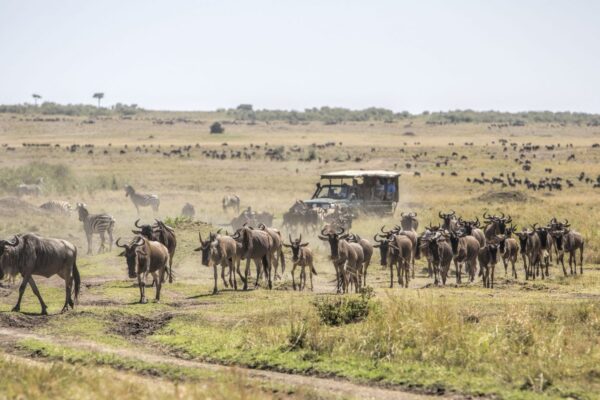
The Mara River is one of the most widely recognised locations associated with The Masai Mara Safari because of its role in the seasonal movement of wildebeest and zebras. During parts of the migration, herds may gather near riverbanks before attempting to cross. The river’s currents, steep banks, and crocodiles create natural challenges, making these moments dramatic but unpredictable. Some groups may cross quickly, while others remain near the water for extended periods or move away without crossing. Visitors hoping to witness this event should understand that a river crossing cannot be arranged on demand.
A safari planned around migration activity may include several game drives in areas where herds are expected, based on seasonal patterns and recent observations. Staying for multiple days can provide more opportunities to explore different locations, although sightings remain uncertain. The Masai Mara Safari should also include time to appreciate the wider ecosystem rather than focusing entirely on the river. Lions, elephants, giraffes, hyenas, antelope, and many birds inhabit the surrounding landscape, offering other rewarding encounters. Responsible guides maintain appropriate distances from wildlife and follow reserve rules to minimise disturbance. Travellers should be cautious of claims that promise guaranteed crossings on specific dates. A professional operator can explain the likely seasonal conditions, help choose suitable accommodation, and plan a realistic itinerary without promising natural events that cannot be controlled.
How Can Maasai Cultural Experiences Enrich Your Safari?
The Maasai people are closely associated with the greater Mara region, where pastoral traditions, community relationships, and cultural knowledge remain important parts of local life. Adding a community visit to The Masai Mara Safari can help travellers understand aspects of Maasai heritage beyond the wildlife experience. Depending on local arrangements, visitors may learn about traditional homes, beadwork, livestock keeping, music, dance, and the significance of particular customs. Community-led visits can also create opportunities to purchase handmade crafts and support local livelihoods through tourism.
Cultural experiences should be organised respectfully and should recognise that Maasai communities are not all identical. Traditions, preferences, and everyday lifestyles vary, and contemporary life continues to change alongside long-standing practices. Travellers should ask permission before photographing people, follow their host’s guidance, and avoid treating cultural activities as performances that must happen on demand. A suitable visit allows time for conversation and learning while respecting the wishes of the community. When arranged appropriately, cultural activities add a meaningful dimension to The Masai Mara Safari by connecting wildlife conservation with the people who live in the wider region. Visitors gain a broader understanding of how local livelihoods, land use, tourism, and conservation can influence one another. These experiences can make Kenya Adventures more enriching while helping tourism benefits reach community enterprises.
What Are the Expectations on The Masai Mara Safari?
A typical Masai Mara Safari features guided game drives, wildlife observation, scenic exploration, and opportunities to learn about Kenya’s natural environment. Many itineraries begin with an early morning drive, when temperatures are cooler and certain animals may be more active. After breakfast or a morning excursion, travellers may return to their lodge or camp to relax before an afternoon game drive. Full-day outings may also be arranged, often with a packed lunch, allowing visitors to explore farther parts of the reserve. The exact schedule depends on the accommodation, travel arrangements, park rules, and the areas included in the itinerary.
Throughout The Masai Mara Safari, travellers may encounter predators, grazing herds, elephants, giraffes, birds, and smaller mammals. However, wildlife sightings depend on natural conditions, and some animals may remain hidden or move to different areas. Guides help interpret tracks, animal behaviour, habitat features, and seasonal changes, adding valuable knowledge to each outing. Visitors should prepare for dusty roads, occasional bumps, early starts, and temperature changes between morning and afternoon. Accommodation standards range from simple camps to high-end lodges, so it is important to confirm facilities and inclusions before booking. Photography enthusiasts may want to bring binoculars, a camera with a suitable zoom lens, and spare batteries. Above all, a rewarding safari requires patience, flexibility, and respect for wildlife. Travellers who appreciate the complete experience, rather than concentrating only on the Big Five or a river crossing, often gain a richer understanding of the reserve.
When Is the Best Time for The Masai Mara Safari?
The best time for The Masai Mara Safari depends on your wildlife interests, preferred travel conditions, and whether you hope to see the Great Migration. The Maasai Mara supports resident wildlife throughout the year, so a rewarding safari is possible in different seasons. The period from approximately July to October is often popular with travellers hoping to encounter migrating wildebeest and zebras after they move north from Tanzania. River crossings may occur during this period, but the herds do not follow an exact timetable, and their location varies annually. Travellers should therefore choose dates based on likely seasonal patterns while remaining flexible about specific sightings.
The drier months can provide easier travel conditions on many routes, although dust and busy wildlife-viewing areas may be more noticeable during peak periods. Rainfall commonly increases during parts of March to May and again around October to December, but conditions vary by year. Wet-season travel may bring greener scenery and different photographic opportunities, while heavy rain can affect some tracks and transfer times. Travellers who prefer quieter periods may consider dates outside the busiest migration months, keeping in mind that the wildlife experience will differ. Booking accommodation early is advisable for popular camps and lodges during high-demand periods. The best timing for The Masai Mara Safari ultimately depends on your priorities, budget, and available days. Terenga Africa Safaris & Travel Ltd can help you compare seasonal options and plan a realistic itinerary that balances wildlife opportunities with comfort and travel time.
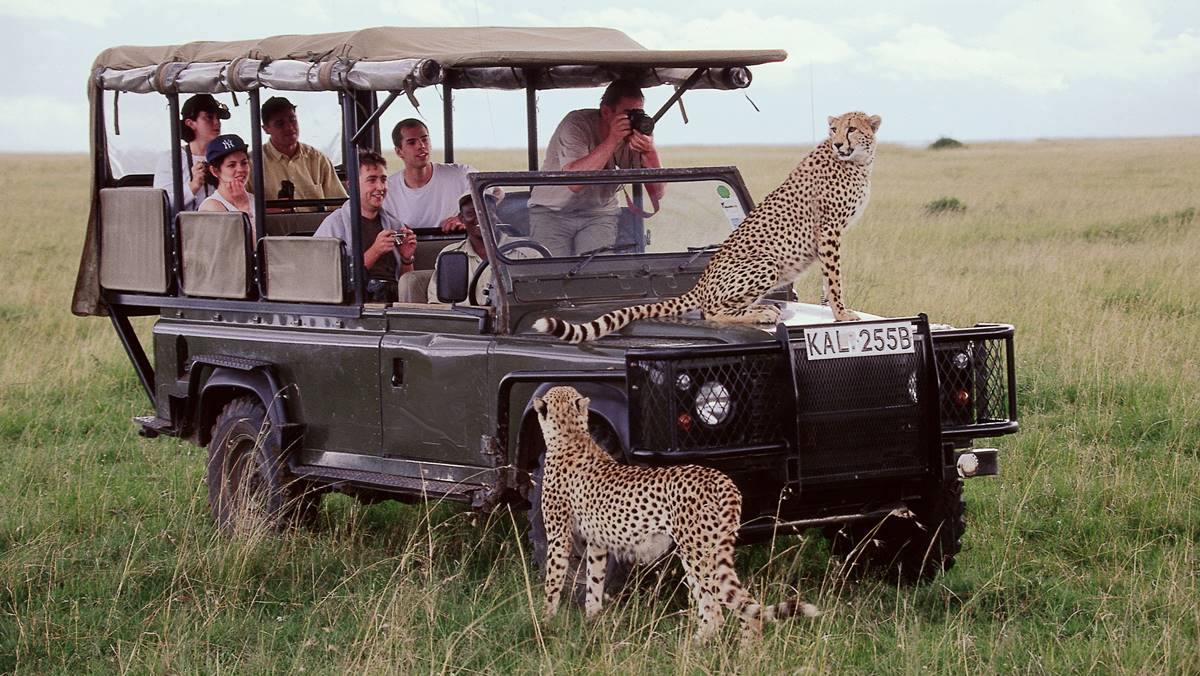
Maasai Mara National Reserve
Why Choose Terenga Africa Safaris & Travel Ltd for The Masai Mara Safari?
Selecting a reliable safari operator can make a significant difference to the planning, comfort, and overall quality of your holiday. At Terenga Africa Safaris & Travel Ltd, we help travellers organise The Masai Mara Safari according to their interests, travel dates, accommodation preferences, group size, and budget. Some guests want to focus on classic game drives and the Big Five, while others are interested in migration photography, cultural encounters, family travel, or a wider Kenya Adventures itinerary. We can help you compare possible routes, consider the time needed for transfers, and choose accommodation that suits your preferred travel style.
Clear information is essential before confirming a booking. Travellers should understand whether the package includes transport, guiding, accommodation, meals, reserve fees, and optional activities. It is also helpful to confirm transfer times, cancellation terms, accommodation locations, and any additional costs. The position of a lodge or camp can affect how much time you spend travelling to wildlife areas, so the itinerary should be planned with geography in mind. We encourage clients to share their expectations early, including dietary needs, mobility considerations, children’s ages, and interests in photography or birdwatching. This allows the itinerary to be better suited to the people taking the trip.
What Should You Pack for The Masai Mara Safari?
Packing for The Masai Mara Safari means preparing for cool early mornings, warm afternoons, dusty game drives, and possible rainfall. Lightweight clothing in neutral colours is generally practical for safari activities, while a fleece or light jacket can provide warmth before sunrise and after sunset. Comfortable closed shoes or trainers are suitable for most game drives and lodge activities. A wide-brimmed hat, sunglasses, and sunscreen help protect against strong sunlight, while long-sleeved shirts and trousers can provide extra protection from sun and insects.
Binoculars are useful for viewing wildlife at a distance, and photographers may want a camera with a suitable zoom lens, extra batteries, memory cards, and a protective bag. A refillable water bottle, insect repellent, personal medication, and a small first-aid kit can also be helpful. During wetter months, consider a lightweight waterproof jacket and protective covers for electronic equipment. If your itinerary includes domestic flights, confirm luggage weight and size limits in advance, as some light aircraft services require soft-sided bags. Travellers combining The Masai Mara Safari with Nairobi, Amboseli, Lake Nakuru, or other Kenya Adventures should also consider changes in climate and activity requirements. Before departure, review the final itinerary with your tour organiser so you can pack for the actual conditions and avoid carrying unnecessary items.
Frequently Asked Questions About The Masai Mara Safari
Visitors may encounter lions, elephants, leopards, cheetahs, buffaloes, giraffes, zebras, wildebeest, hyenas, gazelles, hippos, crocodiles, and many bird species. Sightings depend on season, location, and natural animal movements.
A three- to four-day trip can provide a useful introduction to the reserve, while five to seven days may allow more time for wildlife viewing, photography, and cultural experiences. Longer itineraries can include additional Kenyan destinations.
Yes, the Maasai Mara is an important part of the Great Migration ecosystem. Large herds often enter the greater Mara region during parts of the middle and later months of the year. However, migration movements and river crossings are unpredictable.
Yes. Families can enjoy a safari when the itinerary considers children’s ages, travel times, accommodation facilities, and activity schedules. Discuss family needs with your operator before booking.
Yes. You can combine the Maasai Mara with destinations such as Amboseli National Park, Lake Nakuru, Nairobi, or selected coastal locations. The best itinerary depends on your available days, budget, transport, and interests.
Advance booking is recommended, particularly during peak migration months when popular lodges and camps can fill quickly. Early planning offers more accommodation choices and time to coordinate transport. Always confirm package inclusions and cancellation conditions before payment.
Responsible tourism helps protect the wildlife, landscapes, and communities that make The Masai Mara Safari so valuable. Visitors can contribute by choosing operators that respect reserve rules, follow responsible wildlife-viewing practices, and provide clear information about their activities. During game drives, remain inside the vehicle unless your guide confirms that leaving it is permitted and safe. Keep noise low, follow your guide’s instructions, and never encourage drivers to chase animals or block their movements for photographs. These simple actions help reduce disturbance and support a safer wildlife experience.
Book The Mksai Mara Safari with Terenga Africa Safaris & Travel Ltd
Discover Kenya’s spectacular wildlife and sweeping savannah landscapes through The Masai Mara Safari, a journey designed to bring you closer to Africa’s natural wonders. Whether you want to observe the Big Five, follow the seasonal movement of wildebeest and zebras, explore Maasai cultural experiences, or enjoy a wider Kenya Adventures holiday, the Maasai Mara offers memorable opportunities for travellers from around the world.
Terenga Africa Safaris & Travel Ltd can help you select suitable travel dates, compare accommodation options, and plan an itinerary that reflects your interests and budget. From a focused wildlife safari to a broader journey combining the Maasai Mara with other Kenyan destinations, we can help you explore practical options and coordinate your arrangements. Contact our team to discuss your preferred dates and begin planning your African adventure.