
Kibale Chimpanzee Habituation Safari: An In-Depth Primate Experience in Uganda
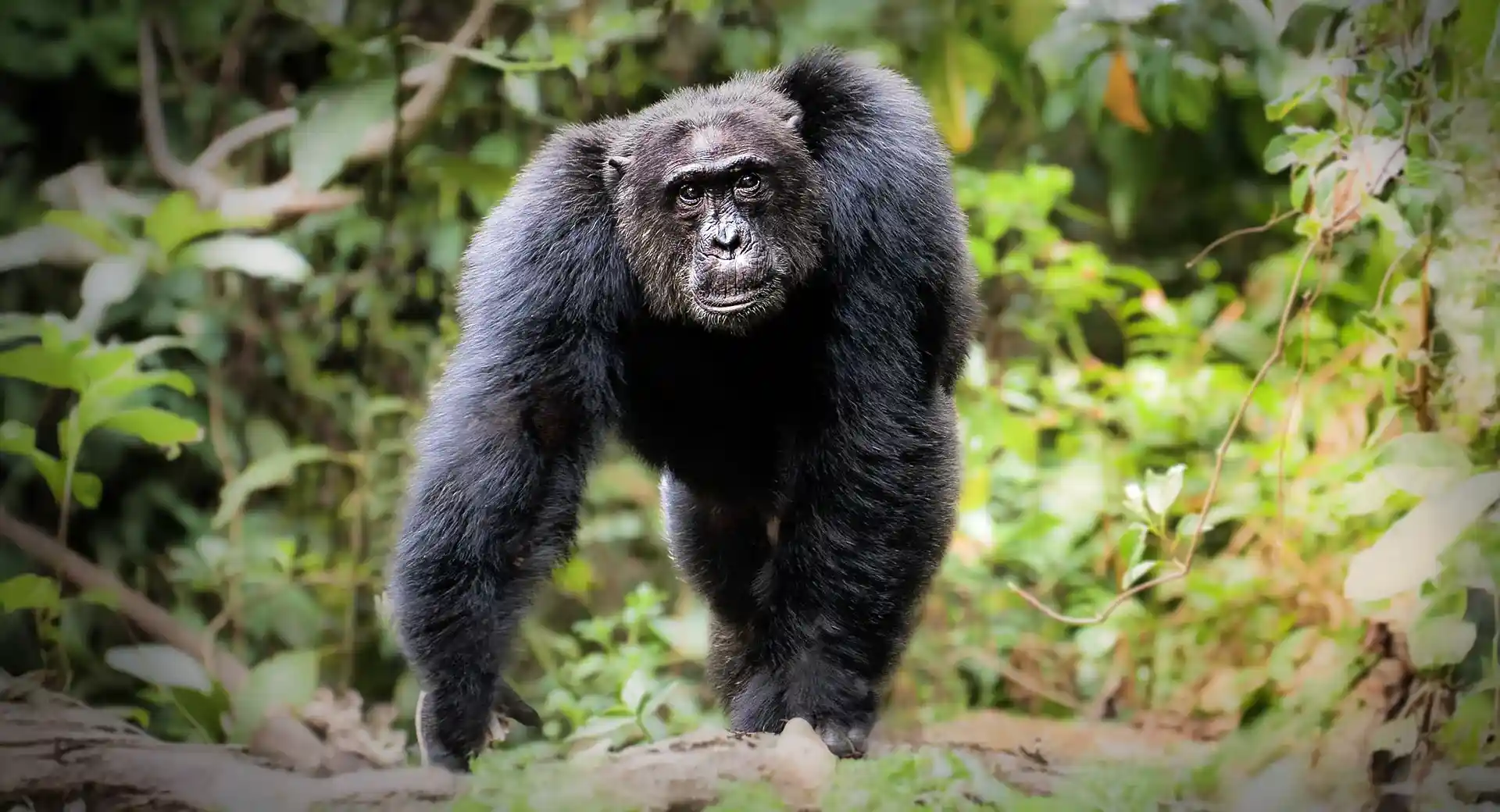
A Kibale Chimpanzee Habituation Safari offers an exceptional opportunity to spend extended time observing wild chimpanzees while learning about the conservation work that helps protect these intelligent primates. Located in western Uganda, Kibale National Park is one of East Africa’s most important destinations for primate encounters, with extensive tropical forest, diverse wildlife, and an outstanding variety of monkey species. Unlike standard chimpanzee tracking, which generally allows visitors approximately one hour with a located chimpanzee community, the chimpanzee habituation experience can provide eligible participants with up to four hours of observation alongside authorised researchers, trackers, and conservation personnel. The activity introduces visitors to the gradual process of helping wild chimpanzees become accustomed to human presence under controlled conditions. Throughout the experience, you may observe feeding, grooming, movement, communication, and social interactions while learning about the behaviour of these fascinating animals.
Best Selling Uganda Primate & Wildlife Safari Holidays- 2027/28

9 Days Uganda Wildlife Safari
The 9 Days Uganda Wildlife Safari Experience with Terenga Africa Safaris and Travel Ltd is a well-curated adventure designed for travelers
10-Day Uganda Big Five Safari &
Embark on a once-in-a-lifetime expedition through the heart of East Africa with Terenga Africa Safaris and Travel Ltd on this exhilarating 10-Day

6-Day Uganda Gorilla Trekking
The 6-Day Uganda Gorilla Trekking & Wildlife Safari offers an unforgettable journey through Uganda’s most spectacular wildlife destinations.
6 Days Uganda Chimps and
The 6 Days Uganda Chimps, Wildlife, and Gorilla Trekking Safari by Terenga Africa Safaris and Travel Ltd is an unforgettable journey that combines

5 Days Uganda Chimps and Gorilla Trek
The 5 Days Uganda Chimpanzee and Gorilla Trekking Safari with Terenga Africa Safaris and Travel Ltd takes you deep into two of Uganda’s most iconic

5-Day Uganda Gorilla Trek & Wildlife
The 5-Day Uganda Gorilla Trekking & Wildlife Holiday offers an unforgettable journey through two of Uganda’s most iconic safari destinations.
Where Is Kibale National Park Located?
Kibale National Park is situated in western Uganda, near Fort Portal and within a region celebrated for its green hills, crater lakes, and rich natural landscapes. The park protects a substantial area of tropical forest that provides habitat for chimpanzees, red colobus monkeys, L’Hoest’s monkeys, grey-cheeked mangabeys, and many other species. Its diverse ecosystems make it an important destination for primate research, conservation, and responsible wildlife tourism. Travellers planning a Kibale Chimpanzee Habituation Safari generally reach the park by road from Kampala or Entebbe, with journey times depending on the starting point, traffic, and road conditions. Some visitors incorporate the destination into a wider western Uganda itinerary, while others prefer to focus on the forest experience before continuing to another national park. What Is Chimpanzee Habituation, and How Does It Differ from Tracking?
Understanding the difference between standard chimpanzee tracking and a Kibale Chimpanzee Habituation Safari helps visitors choose the experience that best matches their interests. Ordinary chimpanzee tracking involves searching for a chimpanzee community that is already accustomed to the presence of authorised human visitors. Once the group is located, participants generally spend approximately one hour observing the animals, subject to the current rules and instructions of the park authorities. By contrast, chimpanzee habituation involves selected communities that are still undergoing the gradual process of becoming accustomed to human observers. Visitors join authorised researchers, trackers, and conservation personnel to observe the animals as the habituation work continues. Eligible participants can generally spend up to four hours with the designated community, depending on current regulations and operational arrangements. This longer observation period provides more time to notice behaviour, including feeding, grooming, movement, communication, and interactions between individuals.
What Can You Expect During a Kibale Chimpanzee Habituation Safari?
A Kibale Chimpanzee Habituation Safari generally begins early in the morning with arrival at the designated briefing location. After registration and verification of the relevant permit, participants receive instructions about forest safety, chimpanzee behaviour, health precautions, and conservation procedures. The group then enters the forest with authorised personnel who help locate and observe the designated chimpanzee community. Depending on the animals’ movements, the hike may involve walking along forest trails, crossing uneven ground, navigating damp vegetation, and climbing gentle or steep slopes. Some days may require a relatively manageable walk, while others involve more prolonged physical effort. Once the chimpanzees are located, eligible visitors can generally observe them for up to four hours under the applicable regulations.
7 Days One Week Rwanda Tour
Why Is Chimpanzee Habituation Important for Conservation?
The value of a Kibale Chimpanzee Habituation Safari extends beyond the opportunity to observe chimpanzees for a longer period. Habituation is a gradual, carefully managed process that helps selected chimpanzee communities become accustomed to the presence of authorised human observers. This work requires patience, knowledge of primate behaviour, regular monitoring, and appropriate measures to minimise stress. Researchers and trackers observe how chimpanzees respond to human presence while following procedures designed to protect the animals and support responsible conservation. When managed appropriately, habituation can help facilitate scientific observation, monitoring, and carefully controlled tourism experiences. However, the process must always prioritise animal welfare, and not every chimpanzee group is suitable for habituation. A Kibale Chimpanzee Habituation Safari introduces visitors to the importance of protecting primates within their natural habitats.
What Other Activities Can You Enjoy Around Kibale National Park?
Although the habituation experience is the central attraction, a Kibale Chimpanzee Habituation Safari can be combined with activities that reveal more of western Uganda’s wildlife and culture. Guided forest walks provide opportunities to learn about trees, plants, insects, and the ecological relationships that sustain tropical rainforest habitats. Birdwatchers can explore the region’s rich birdlife, while nature enthusiasts may enjoy observing other primates along suitable trails. Bigodi Wetland Sanctuary, near Kibale, is a popular community-associated conservation destination where guided walks can introduce visitors to wetland habitats, birds, monkeys, and local conservation initiatives. Community visits may also offer opportunities to learn about traditional food, crafts, local livelihoods, and cultural practices. Such activities should be arranged respectfully, with consideration for residents and the benefits tourism can bring to surrounding communities.
When Is the Best Time for a Kibale Chimpanzee Habituation Safari?
A Kibale Chimpanzee Habituation Safari can be arranged throughout the year, subject to permit availability and the operating schedule of the responsible authorities. Nevertheless, seasonal weather can influence trail conditions, hiking comfort, and the overall experience. Uganda’s comparatively drier periods generally occur from June to August and December to February. These months are often popular with visitors because forest paths may be easier to navigate, although rainfall can still occur in tropical environments. Travellers planning to visit during busy periods should enquire about permits and accommodation well in advance. Wetter conditions commonly occur from March to May and September to November, though rainfall patterns vary between years. During these periods, paths can become muddy and slippery, making suitable boots and waterproof clothing particularly important. At the same time, the rainforest remains lush and green, creating attractive scenery for nature lovers and photographers.
Kibale National Park
What Should You Pack for a Kibale Chimpanzee Habituation Safari?
Packing appropriately is essential for a comfortable Kibale Chimpanzee Habituation Safari because participants may spend several hours walking and observing wildlife in a humid tropical forest. Sturdy hiking boots with reliable grip are among the most important items, especially where trails are muddy, steep, or uneven. Long trousers and long-sleeved shirts can help protect your skin from vegetation and insects. A waterproof jacket or poncho is useful because rainfall can occur unexpectedly, including during comparatively drier months. Gardening gloves may help protect your hands when moving carefully through vegetation under the guide’s direction. Carry a small daypack containing drinking water, personal medication, tissues, and other essential items. Insect repellent can help reduce insect bites, while sunscreen and a hat may be useful during exposed sections of the route. Visitors interested in photography should bring a camera or smartphone and protect the equipment against moisture.
How Physically Demanding Is a Kibale Chimpanzee Habituation Safari?
A Kibale Chimpanzee Habituation Safari can be physically demanding because the activity takes place in a natural forest where the route depends on the location of the chimpanzee community. Some walks may be manageable for visitors with moderate fitness, while others require extended walking over uneven ground, slippery trails, roots, and sections of thick vegetation. Since habituation involves a longer observation period than standard chimpanzee tracking, participants should be prepared for a substantial outing. Comfortable footwear, reasonable walking fitness, suitable clothing, and sufficient drinking water can improve the experience. Travellers with mobility limitations or medical conditions that could affect their ability to walk should discuss their circumstances with a healthcare professional and the safari organiser before booking. Children must meet the current age requirements established by the relevant authorities. During the excursion, participants should move at a manageable pace, communicate difficulties to their guide, and follow safety instructions.
Can You Combine a Kibale Chimpanzee Habituation Safari with Other Uganda Safaris?
Many travellers extend a Kibale Chimpanzee Habituation Safari into a wider holiday that explores Uganda’s varied wildlife, landscapes, and cultures. Queen Elizabeth National Park is a popular addition, offering savannah game drives, opportunities to search for elephants and lions, and boat excursions along the Kazinga Channel. Travellers with additional time may continue to Bwindi Impenetrable National Park for mountain gorilla trekking, creating an itinerary that includes two remarkable primate experiences. Alternatively, Murchison Falls National Park offers wildlife drives, boat trips on the Nile, and views of the river forcing its way through a narrow gorge. Lake Bunyonyi provides a scenic setting for relaxation, while Semuliki National Park introduces visitors to other forest habitats and birdlife. The most suitable route depends on the length of your holiday, preferred activities, available accommodation, and willingness to undertake road transfers.
Why Choose Terenga Africa Safaris & Travel Ltd for Your Kibale Chimpanzee Habituation Safari?
Choosing a suitable safari organiser is an important step towards enjoying a well-coordinated Kibale Chimpanzee Habituation Safari. At Terenga Africa Safaris & Travel Ltd, we aim to help travellers plan meaningful African journeys through clear communication, practical coordination, and attention to individual preferences. We understand that habituation activities require careful preparation because permits are limited, the experience follows specific conservation procedures, and the designated chimpanzee community determines the tracking arrangements. Our planning approach considers permit availability, accommodation location, transport, activity schedules, and the physical demands of the excursion. Guests can discuss suitable accommodation categories, travel options, group arrangements, and additional activities before selecting an itinerary. We also encourage travellers to understand what their safari package includes, which expenses may be additional, and what cancellation terms apply.
How Can You Book a Kibale Chimpanzee Habituation Safari?
Booking a Kibale Chimpanzee Habituation Safari begins with identifying your preferred travel dates, group size, budget, accommodation category, and desired activities. Because habituation permits are limited, early enquiries are strongly recommended, especially for travellers with fixed schedules. Confirm the availability and price of the relevant permit before making non-refundable flight or accommodation arrangements. Once the activity has been checked, your itinerary can be planned around the designated briefing location, transport requirements, suitable accommodation, and additional destinations. International visitors should review Uganda’s current entry requirements, passport validity, travel insurance, and relevant health advice before departure. Anyone combining Kibale with other parks should allow realistic transfer times and enough rest between activities. Discussing dietary preferences, mobility requirements, and special requests in advance can also help the safari organiser make suitable arrangements.
Frequently Asked Questions About Kibale Chimpanzee Habituation Safari
A Kibale Chimpanzee Habituation Safari can allow eligible participants up to four hours observing a designated chimpanzee community, subject to current regulations and the instructions of authorised personnel. The time required to reach the animals depends on their location and movements.
Standard chimpanzee tracking generally allows approximately one hour with a located chimpanzee community. Habituation experiences can provide up to four hours with a designated group that is still undergoing the habituation process. Permit availability and activity rules differ, so confirm the details before booking.
Many first-time visitors can enjoy the experience, but it may involve several hours of walking through uneven or muddy forest terrain. Suitable footwear, reasonable fitness, and careful attention to the guide’s instructions can improve comfort. Travellers with mobility or medical concerns should seek appropriate advice before booking.
The experience is available throughout the year, subject to permit availability and operational arrangements. June to August and December to February are comparatively drier periods, while wetter months can bring muddy trails. Your preferred dates, travel budget, and wider itinerary should also influence the decision.
Sturdy hiking boots, long trousers, a waterproof jacket, drinking water, personal medication, insect repellent, and a small daypack are useful. A camera or binoculars can enhance the experience, but visitors must follow all photography restrictions and instructions from their guides.
4-Day Rwanda Gorillas & Chimps
Conclusion: Discover Uganda’s Primate Heritage with Terenga Africa Safaris & Travel Ltd
A Kibale Chimpanzee Habituation Safari offers an exceptional opportunity to explore Uganda’s tropical rainforest, observe chimpanzees for an extended period, and learn about the conservation work that protects these remarkable primates. From the early-morning briefing to the sounds and movements of chimpanzees within the forest, each stage provides a deeper understanding of the natural world. Careful preparation is essential, particularly when securing permits, selecting accommodation, arranging transport, and preparing for a physically demanding activity. Travellers can enrich their holiday by combining Kibale with Uganda’s national parks, mountain gorilla destinations, scenic crater lakes, and cultural experiences.