
Rwanda Cycling Safaris: Discover the Land of a Thousand Hills on Two Wheels
cf a Thousand Hills, Rwanda features rolling green mountains, winding country roads, peaceful lakes, fertile farmland, and welcoming communities. Exploring these landscapes by bicycle allows travellers to experience the country at a closer and more personal level. Instead of simply passing through beautiful scenery in a safari vehicle, cyclists can appreciate the fresh air, changing landscapes, local markets, and everyday life along the way. Every journey presents opportunities to discover something new, from colourful villages and terraced hillsides to spectacular views across the countryside.
Best Selling Rwanda Safari Holidays- Book For 2027/28

9-Day Rwanda Great Primate
A once-in-a-lifetime journey through the heart of Rwanda with the 9-Day Rwanda Great Primate Expedition Safari. This exceptional itinerary
9 Days Rwanda Safari Experience
The 9 Days Rwanda Safari Experience designed by Terenga Africa Safaris & Travel Ltd offers a carefully curated journey through Rwanda

8 Days Rwanda Uganda Primates
The 8 Days Rwanda Uganda Primates Safari offered by Terenga Africa Safaris and Travel Ltd is a premium wildlife and primate tracking

8-Day Rwanda Wildlife Safari
The 8-Day Rwanda Wildlife Safari is one of the finest luxury safari experiences for travelers seeking the very best of Rwanda. Carefully designed by Terenga

6-Day Best of Rwanda Luxury
The 6-Day Best of Rwanda Luxury Safari offers an unforgettable journey through Rwanda’s most spectacular wildlife destinations and cultural
7-Day Rwanda Gorilla Tour &
The 7-Day Rwanda Gorilla Tour and Wildlife Safari is an exceptional opportunity to uncover Rwanda’s diverse ecosystems and rare wildlife in a well-paced

5 Days Rwanda BIG APES Safari
Rwanda, known as the “Land of a Thousand Hills,” offers a rare opportunity to experience some of the world’s most fascinating wildlife in their natural

5-Day Rwanda Gorilla Trekking
Rwanda, known as the “Land of a Thousand Hills,” is an extraordinary destination for wildlife lovers and cultural enthusiasts alike.
Why Is Rwanda Ideal for Cycling Adventures?
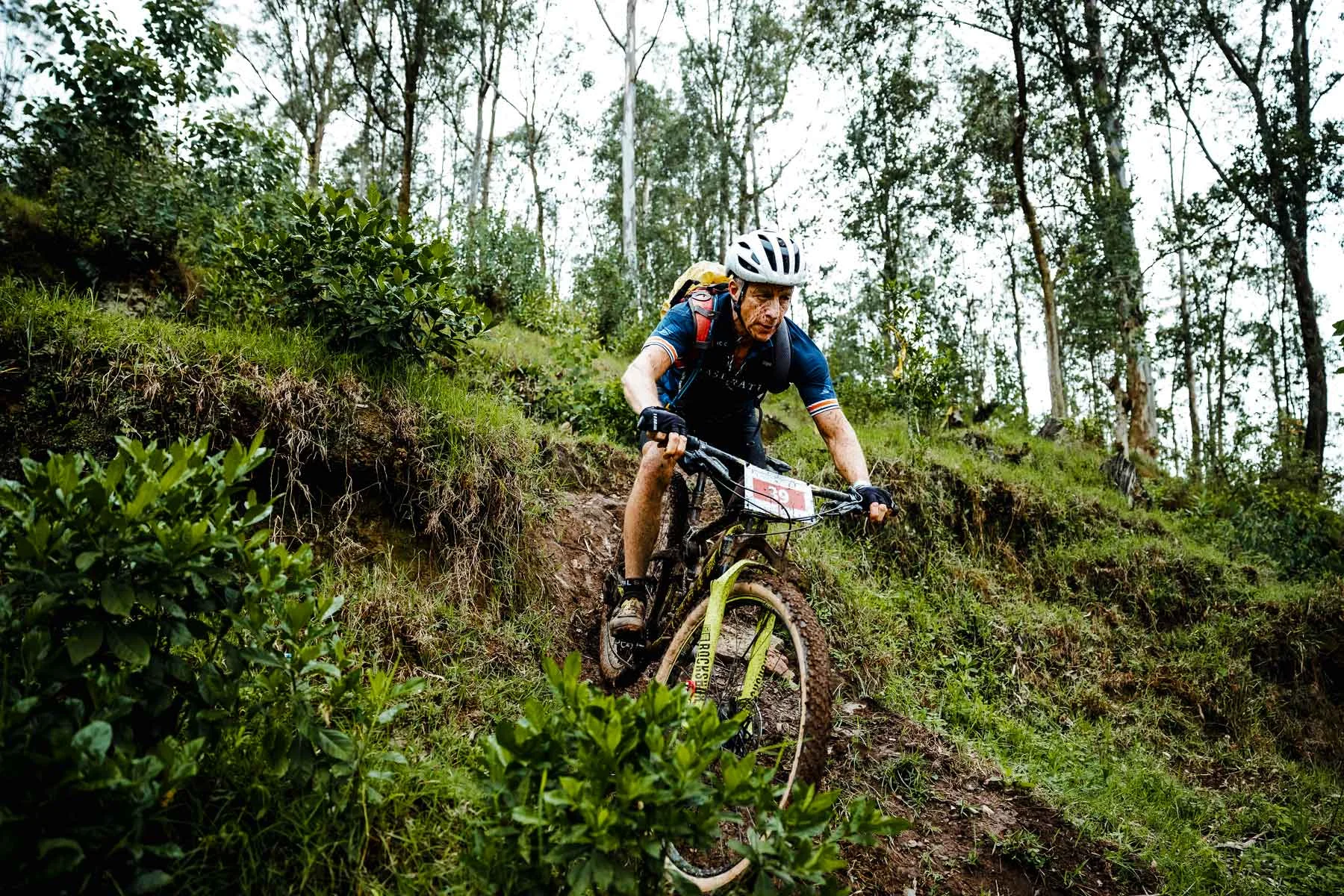
Rwanda’s varied terrain makes it an excellent destination for cyclists who enjoy scenic routes, physical challenges, and cultural discovery. The country’s high elevation, rolling hills, mountain roads, and green valleys create a landscape that changes continuously throughout a ride. Cyclists may travel past banana plantations, coffee-growing areas, traditional homesteads, busy trading centres, and peaceful rural communities. These surroundings provide a closer connection to the country than travellers often experience on conventional sightseeing tours. Although some routes involve steep climbs and demanding descents, other areas offer more relaxed cycling opportunities for visitors who prefer moderate activity. Selecting suitable routes is therefore essential for a rewarding experience.
Which Destinations Can You Explore on Rwanda Cycling Safaris?
Can You Cycle Around Lake Kivu?
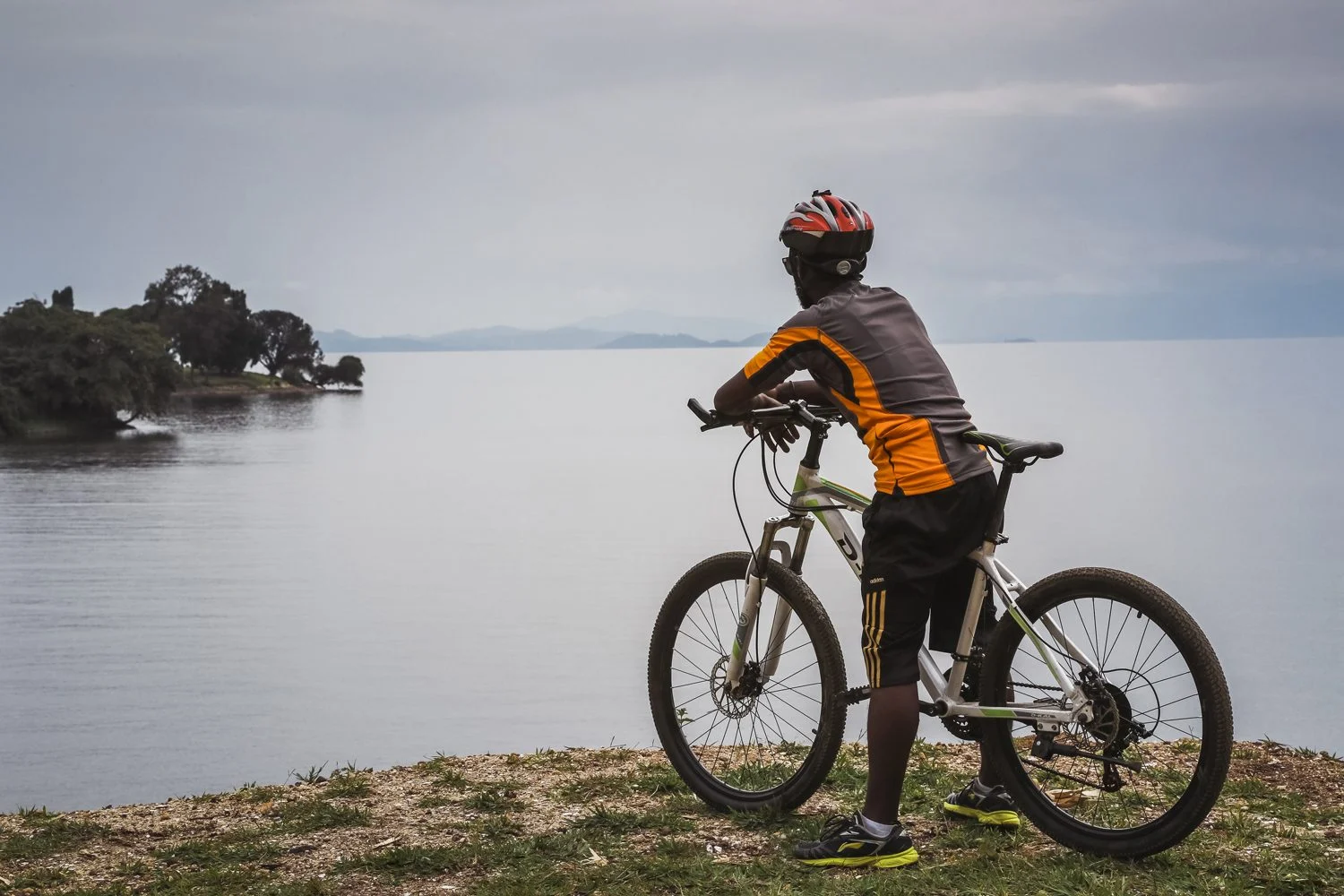
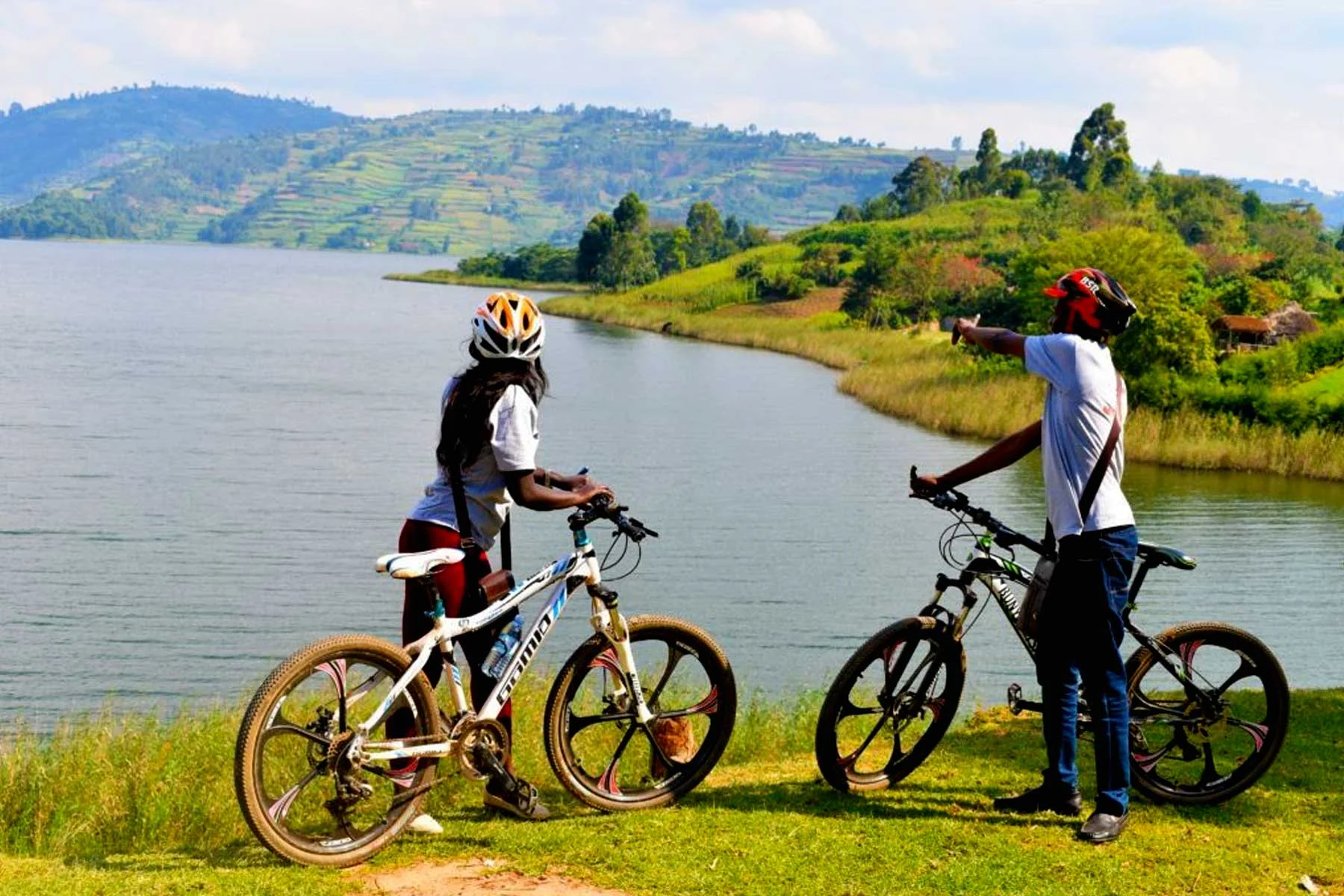
Lake Kivu is one of the most attractive destinations for Rwanda Cycling Safaris, offering beautiful lakeside scenery, green hills, fishing communities, and peaceful settlements. Located in western Rwanda, the lake provides opportunities for cycling experiences around areas such as Rubavu, Karongi, and Rusizi, depending on the route and available travel time. Travellers can enjoy views across the water, observe local fishing activities, and stop at selected communities to learn about daily life. Some sections of the Congo Nile Trail also provide opportunities to experience the landscape around Lake Kivu through cycling and walking adventures. However, route surfaces, gradients, and distances vary considerably, so itineraries should match the rider’s fitness and experience. Lakeside cycling can be particularly rewarding for travellers who want a combination of adventure, photography, relaxation, and cultural interaction.
What Can You Discover Through Cycling Near Kigali?
Kigali offers a useful starting point for Rwanda Cycling Safaris, especially for travellers arriving internationally or seeking shorter cycling excursions. The capital combines modern neighbourhoods, green hills, lively markets, and cultural attractions. Selected routes outside busy urban areas can introduce visitors to Rwanda’s countryside, agricultural landscapes, and local communities. Depending on road conditions and the planned distance, cyclists may enjoy guided excursions that combine physical activity with sightseeing and cultural learning. Kigali also provides opportunities to visit the Kigali Genocide Memorial, an important place of remembrance and education about the 1994 Genocide against the Tutsi. Such a visit should be approached with respect and sensitivity. By combining suitable cycling routes with carefully selected cultural experiences, travellers can develop a deeper understanding of Rwanda’s history, resilience, and contemporary identity.
Are Rwanda’s National Parks Suitable for Cycling Adventures?
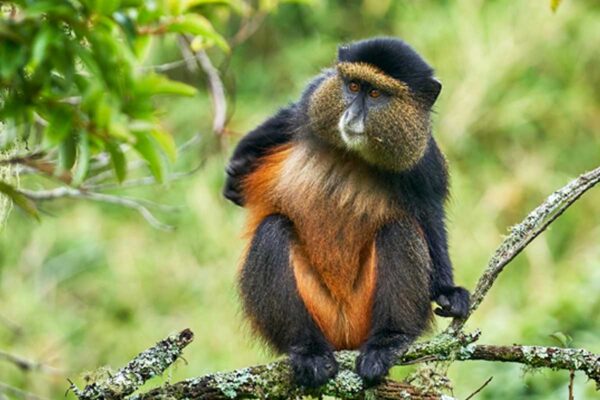
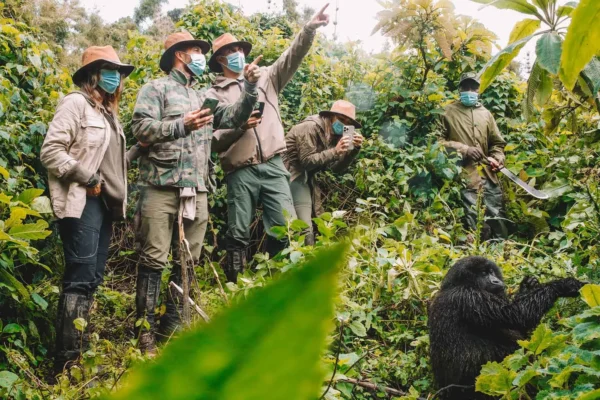
Rwanda’s national parks offer outstanding opportunities for nature-based tourism, but cycling access depends on park regulations, designated routes, and authorised activities. Akagera National Park is well known for savannah landscapes and wildlife, including elephants, giraffes, zebras, and several predators. However, wildlife viewing within the park is generally organised through approved safari activities rather than unrestricted bicycle riding. Volcanoes National Park protects mountain gorillas and golden monkeys, while Nyungwe National Park is famous for its montane rainforest, primates, and birdlife. These destinations can complement Rwanda Cycling Safaris through separate guided activities, scenic transfers, nature walks where permitted, or wildlife experiences. Travellers should not assume that bicycles are permitted on all park roads or wildlife routes. Our team can help coordinate cycling with other approved activities, creating a varied itinerary that combines outdoor adventure with Rwanda’s exceptional natural heritage.
 What Are the Expectations on Rwanda Cycling Safaris?
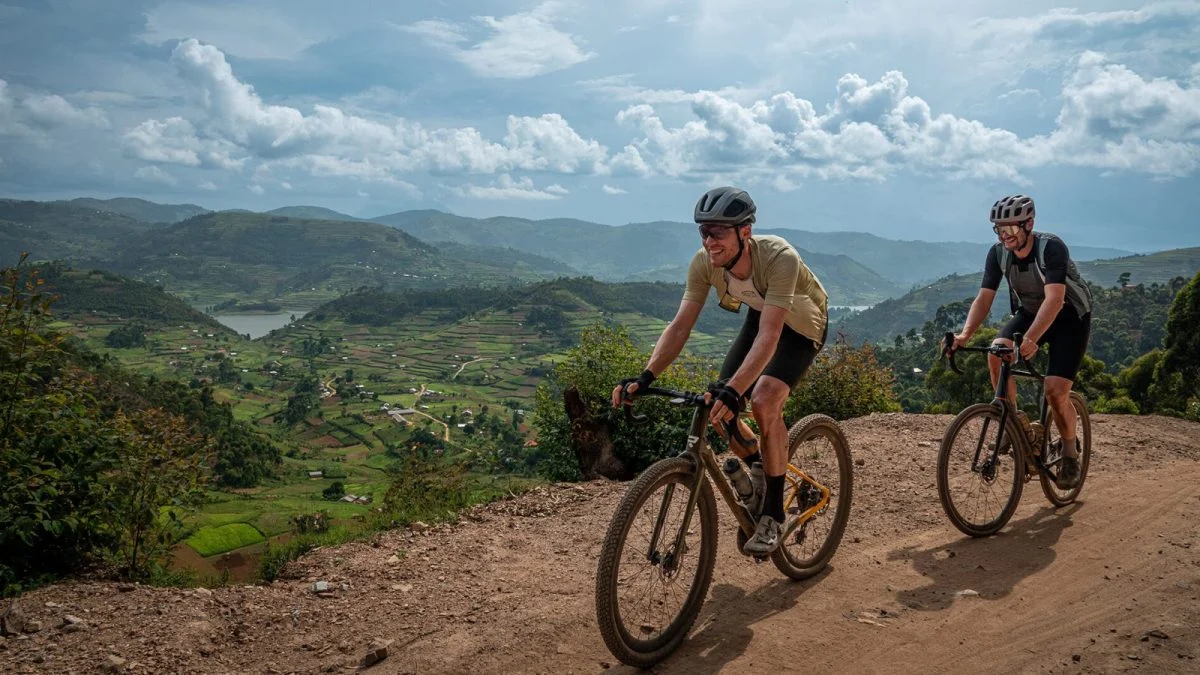
Every cycling holiday depends on the selected route, the participant’s fitness, and the overall travel schedule. During Rwanda Cycling Safaris, visitors can expect a mixture of scenic riding, hill climbs, countryside exploration, community encounters, and opportunities to enjoy Rwanda’s natural beauty. Depending on the itinerary, a typical day may begin with breakfast, a route briefing, bicycle checks, and a review of weather and road conditions. Riders then set out with their guide, stopping when necessary for refreshments, photographs, local interactions, and rest. Longer journeys may include packed lunches or meals at selected local establishments, while overnight stops can feature guesthouses, lodges, or hotels chosen according to availability and budget.
Physical demands vary significantly across Rwanda’s terrain. Although short countryside rides may suit moderately active travellers, longer routes can involve sustained climbing, rough surfaces, and substantial changes in elevation. Participants should be comfortable riding for the planned distance and communicate any concerns about pace, terrain, or fatigue. Support arrangements may include a guide, assistance vehicle where available, luggage transfers, mechanical support, and access to drinking water.
When Is the Best Time for Rwanda Cycling Safaris?
Rwanda can be explored throughout the year, but weather conditions influence cycling comfort, trail surfaces, visibility, and route accessibility. The country’s climate varies with altitude and location, meaning that rainfall and temperatures may differ between Kigali, the Lake Kivu region, and mountainous areas. Generally, the drier periods from around June to September and December to February are popular for outdoor travel. During these months, some routes may offer firmer surfaces and more favourable conditions for longer rides. However, local weather remains variable, and occasional showers can still occur. Travellers planning Rwanda Cycling Safaris should check conditions close to departure rather than relying exclusively on seasonal averages.
The wetter periods, commonly occurring around March to May and October to November, can bring lush scenery and vibrant agricultural landscapes. Nevertheless, heavy rainfall may make unpaved roads slippery, increase the difficulty of steep climbs, and affect travel times. Riders choosing these months should consider flexible schedules, suitable tyres, waterproof clothing, and alternative routes where necessary. Mountainous areas may also experience cooler temperatures, particularly in the morning or after rain. For visitors combining cycling with gorilla trekking, wildlife viewing, or other guided activities, seasonal planning should account for the conditions and availability of each experience. The best time for Rwanda Cycling Safaris ultimately depends on your priorities, riding ability, chosen destinations, and tolerance for changing weather. Our team can help you select a practical travel period and create a route that balances scenery, comfort, and adventure.
Why Choose Terenga Africa Safaris & Travel Ltd for Rwanda Cycling Safaris?
Planning a successful cycling holiday requires more than selecting attractive destinations. Route difficulty, elevation, accommodation, bicycle suitability, road safety, luggage arrangements, and emergency support all influence the overall experience. At Terenga Africa Safaris & Travel Ltd, we approach Rwanda Cycling Safaris with attention to these practical details, helping travellers choose experiences that match their interests, ability, and available time. We can assist with organising suitable routes, accommodation, ground transportation, cultural experiences, and additional activities according to the itinerary. Whether you are arranging a short cycling excursion or a multi-day adventure, our goal is to create a clear and well-coordinated travel plan.
Personalisation is an important part of our approach. Leisure cyclists may prefer shorter distances, scenic viewpoints, comfortable accommodation, and regular opportunities to rest. More experienced riders may seek demanding climbs, longer stages, and multi-day journeys through varied terrain. Families and mixed-ability groups may benefit from flexible daily distances and suitable support arrangements. Before confirming your trip, we encourage you to discuss your cycling experience, fitness, preferred pace, bicycle requirements, dietary needs, and accommodation expectations. We also recommend confirming exactly what your package includes, such as bicycle hire, helmets, guides, support vehicles, meals, luggage transfers, and park or activity fees. Clear information helps you understand the arrangements and budget accurately. Through thoughtful planning and responsible travel practices, Terenga Africa Safaris & Travel Ltd aims to make Rwanda Cycling Safaris accessible, enjoyable, and rewarding for travellers seeking an authentic East African adventure.
What Should You Pack for Rwanda Cycling Safaris?
Packing appropriately improves comfort and helps you manage the changing conditions encountered during Rwanda Cycling Safaris. Lightweight, breathable cycling clothing is useful for warm riding conditions, while moisture-wicking layers help manage sweat during climbs. A lightweight waterproof jacket is essential because rainfall can occur even during generally drier periods. Travellers should bring comfortable cycling shorts, suitable socks, closed cycling shoes, and gloves that provide a secure grip. A well-fitting helmet is important, whether you bring your own or confirm that a suitable one is available through your organiser. Sunglasses can protect your eyes from dust, wind, and bright sunlight, while sunscreen helps reduce exposure during long rides. /vc_column_text]
When Is the Best Time for Rwanda Cycling Safaris?
Rwanda can be explored throughout the year, but weather conditions influence cycling comfort, trail surfaces, visibility, and route accessibility. The country’s climate varies with altitude and location, meaning that rainfall and temperatures may differ between Kigali, the Lake Kivu region, and mountainous areas. Generally, the drier periods from around June to September and December to February are popular for outdoor travel. During these months, some routes may offer firmer surfaces and more favourable conditions for longer rides. However, local weather remains variable, and occasional showers can still occur. Travellers planning Rwanda Cycling Safaris should check conditions close to departure rather than relying exclusively on seasonal averages.
The wetter periods, commonly occurring around March to May and October to November, can bring lush scenery and vibrant agricultural landscapes. Nevertheless, heavy rainfall may make unpaved roads slippery, increase the difficulty of steep climbs, and affect travel times. Riders choosing these months should consider flexible schedules, suitable tyres, waterproof clothing, and alternative routes where necessary. Mountainous areas may also experience cooler temperatures, particularly in the morning or after rain. For visitors combining cycling with gorilla trekking, wildlife viewing, or other guided activities, seasonal planning should account for the conditions and availability of each experience. The best time for Rwanda Cycling Safaris ultimately depends on your priorities, riding ability, chosen destinations, and tolerance for changing weather. Our team can help you select a practical travel period and create a route that balances scenery, comfort, and adventure.
 Why Choose Terenga Africa Safaris & Travel Ltd for Rwanda Cycling Safaris?
Planning a successful cycling holiday requires more than selecting attractive destinations. Route difficulty, elevation, accommodation, bicycle suitability, road safety, luggage arrangements, and emergency support all influence the overall experience. At Terenga Africa Safaris & Travel Ltd, we approach Rwanda Cycling Safaris with attention to these practical details, helping travellers choose experiences that match their interests, ability, and available time. We can assist with organising suitable routes, accommodation, ground transportation, cultural experiences, and additional activities according to the itinerary. Whether you are arranging a short cycling excursion or a multi-day adventure, our goal is to create a clear and well-coordinated travel plan.
Personalisation is an important part of our approach. Leisure cyclists may prefer shorter distances, scenic viewpoints, comfortable accommodation, and regular opportunities to rest. More experienced riders may seek demanding climbs, longer stages, and multi-day journeys through varied terrain. Families and mixed-ability groups may benefit from flexible daily distances and suitable support arrangements. Before confirming your trip, we encourage you to discuss your cycling experience, fitness, preferred pace, bicycle requirements, dietary needs, and accommodation expectations. We also recommend confirming exactly what your package includes, such as bicycle hire, helmets, guides, support vehicles, meals, luggage transfers, and park or activity fees. Clear information helps you understand the arrangements and budget accurately. Through thoughtful planning and responsible travel practices, Terenga Africa Safaris & Travel Ltd aims to make Rwanda Cycling Safaris accessible, enjoyable, and rewarding for travellers seeking an authentic East African adventure.
What Should You Pack for Rwanda Cycling Safaris?
Packing appropriately improves comfort and helps you manage the changing conditions encountered during Rwanda Cycling Safaris. Lightweight, breathable cycling clothing is useful for warm riding conditions, while moisture-wicking layers help manage sweat during climbs. A lightweight waterproof jacket is essential because rainfall can occur even during generally drier periods. Travellers should bring comfortable cycling shorts, suitable socks, closed cycling shoes, and gloves that provide a secure grip. A well-fitting helmet is important, whether you bring your own or confirm that a suitable one is available through your organiser. Sunglasses can protect your eyes from dust, wind, and bright sunlight, while sunscreen helps reduce exposure during long rides.
Other useful items include a refillable water bottle or hydration system, personal medications, insect repellent, a small first-aid kit, and basic toiletries. A compact daypack can carry snacks, identification, a phone, and other essential items. Riders bringing their own bicycles should consider spare tubes, a puncture repair kit, tyre levers, a pump, and any specialist tools required for their equipment. If bicycle hire is arranged, confirm the available sizes, maintenance standards, and included accessories before travelling.