Kenya Great Migration Safari: Witness One of Africa’s Greatest Wildlife Spectacles
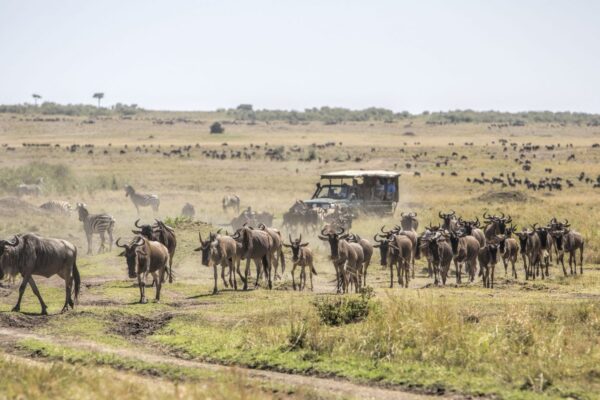
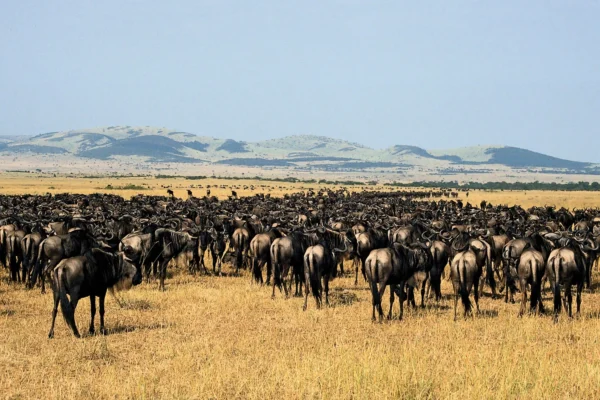
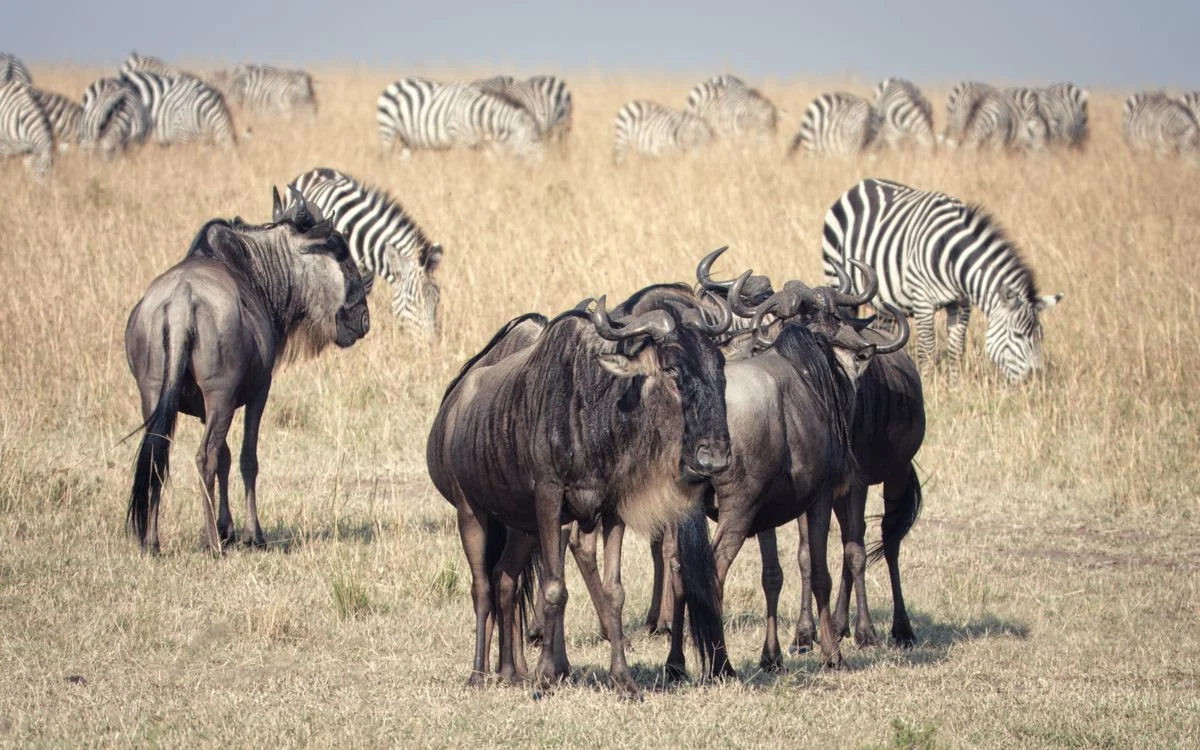
A Kenya Great Migration Safari offers an unforgettable opportunity to witness one of the most remarkable wildlife spectacles on Earth. Every year, millions of wildebeest, zebras, and other grazing animals move across the vast plains of the Serengeti–Mara ecosystem in search of fresh grass and water. Their movements create a dramatic natural event shaped by seasonal rainfall, changing vegetation, and the instinct to survive. Within Kenya’s Maasai Mara National Reserve, visitors may encounter enormous herds crossing open grasslands, predators searching for opportunities, and wildlife gathering around rivers and water sources. This extraordinary combination of animal movement, predator activity, and expansive African scenery makes the migration a major attraction for international travelers, wildlife photographers, nature enthusiasts, and adventure seekers. Whether you are planning your first African holiday or returning to explore East Africa more deeply, this experience offers a meaningful connection with nature.
At Terenga Africa Safaris & Travel Ltd, we help travelers discover the magic of Kenya through carefully planned Kenya Great Migration Safari experiences that combine wildlife viewing, comfortable accommodation, knowledgeable guiding, and practical travel arrangements. Our approach considers your preferred travel dates, budget, accommodation style, and expectations before recommending a suitable itinerary. Beyond witnessing the famous migration, you can explore the Maasai Mara‘s resident wildlife, observe lions and cheetahs in their natural habitats, photograph giraffes against golden horizons, and learn about the ecological relationships that sustain this remarkable wilderness.
Best Selling Tanzania Safari Holidays Plan Now For 2027/28
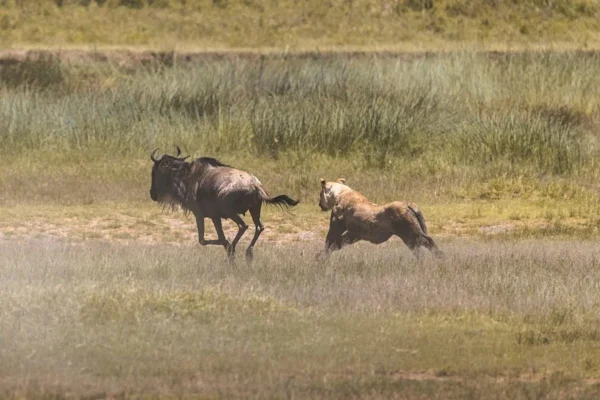
12-Day Ultra Luxury in Kenya
The 12-Day Ultra Luxury in Kenya-Wild Beauty offers an exceptional journey through Kenya’s most captivating landscapes. This itinerary combines
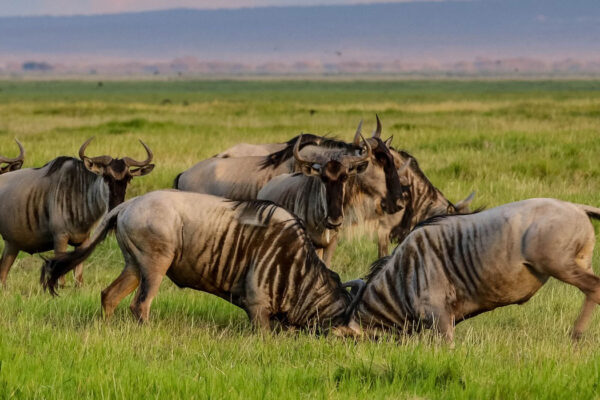
14-Day Kenya National Parks
The 14-Day Kenya National Parks Safari Adventure offers an exciting journey through Kenya’s remarkable wildlife destinations. This safari
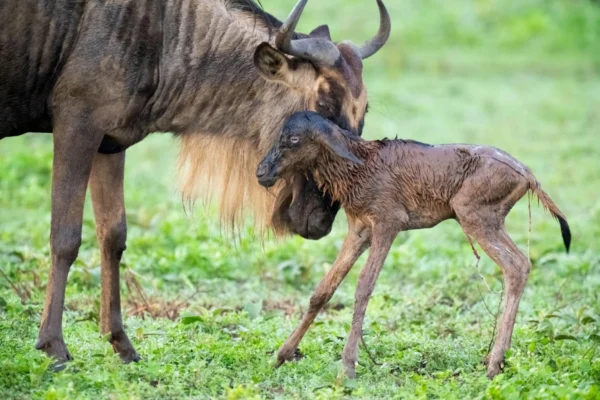
9-Day Magical Kenya Wildlife
The 9-Day Magical Kenya Wildlife Safari and Beach Holiday crafted by Terenga Africa Safaris & Travel Ltd offers an unmatched combination of Kenya’s
11 Days Masai Mara and Northern
The 11 Days Masai Mara and Northern Circuit Safari creates an exceptional East African wildlife journey. This safari combines Kenya’s legendary
7-Day Budget Kenya Wildlife
The 7-Day Budget Kenya Wildlife Safari is a thoughtfully designed itinerary that combines affordability with the thrill of Kenya’s world-
7-Day Kenya Big Five Safari
The 7-Day Kenya Big Five Safari Holiday by Terenga Africa Safaris & Travel Ltd is a journey crafted for travelers who dream of immersing
15-Day Kenyan Thrills Safari
The 15-Day Kenyan Thrills Safari Adventure offers an unforgettable journey through Kenya’s finest wildlife destinations. This safari combines
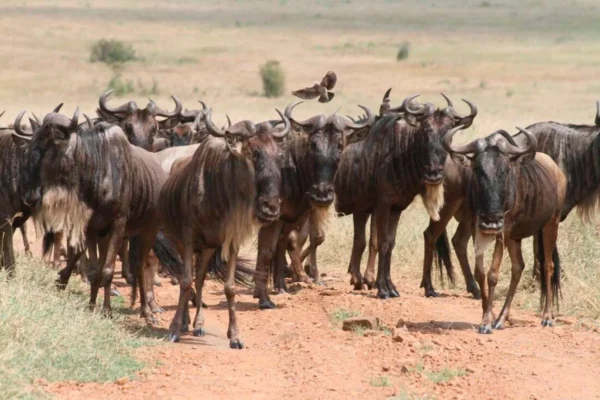
12 Days Kenya Classic & Northern
The 12 Days Kenya Classic and Northern Safari offers a complete journey through Kenya’s iconic wildlife destinations. This carefully designed safari
Where Can You Experience the Kenya Great Migration Safari?
Why Is the Maasai Mara National Reserve the Main Destination?
The Maasai Mara National Reserve is Kenya’s principal destination for experiencing the Great Migration. Its extensive grasslands, seasonal rivers, scattered acacia trees, and diverse wildlife create ideal settings for observing migrating herds and resident animals. During the migration season, sections of the reserve may host large concentrations of wildebeest and zebras, particularly when grazing conditions encourage the herds to move north from Tanzania.
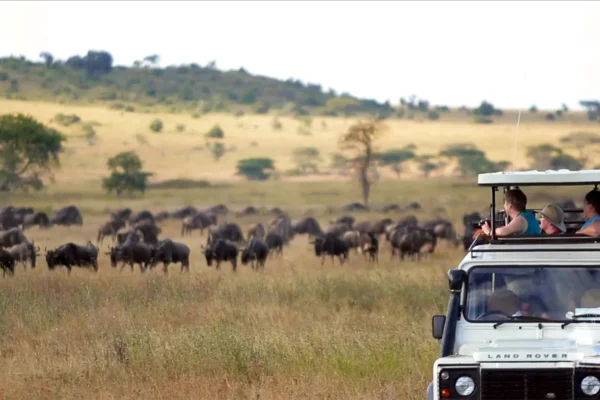
A Kenya Great Migration Safari in the Maasai Mara can include morning and afternoon game drives, guided wildlife observation, and opportunities to photograph animals across open savannah landscapes. Lions, elephants, buffaloes, giraffes, and numerous antelope species are among the wildlife visitors may encounter. Cheetahs and leopards are also present, although sightings depend on their movements and the conditions during each excursion.
The reserve’s river systems attract particular attention during the migration season. Wildebeest sometimes gather along riverbanks before attempting crossings, creating dramatic scenes when conditions allow. However, crossings are unpredictable. Herds may approach the water and retreat, cross at another location, or remain away from a particular river for days. Visitors should therefore approach river crossings as a possible highlight rather than a guaranteed event.
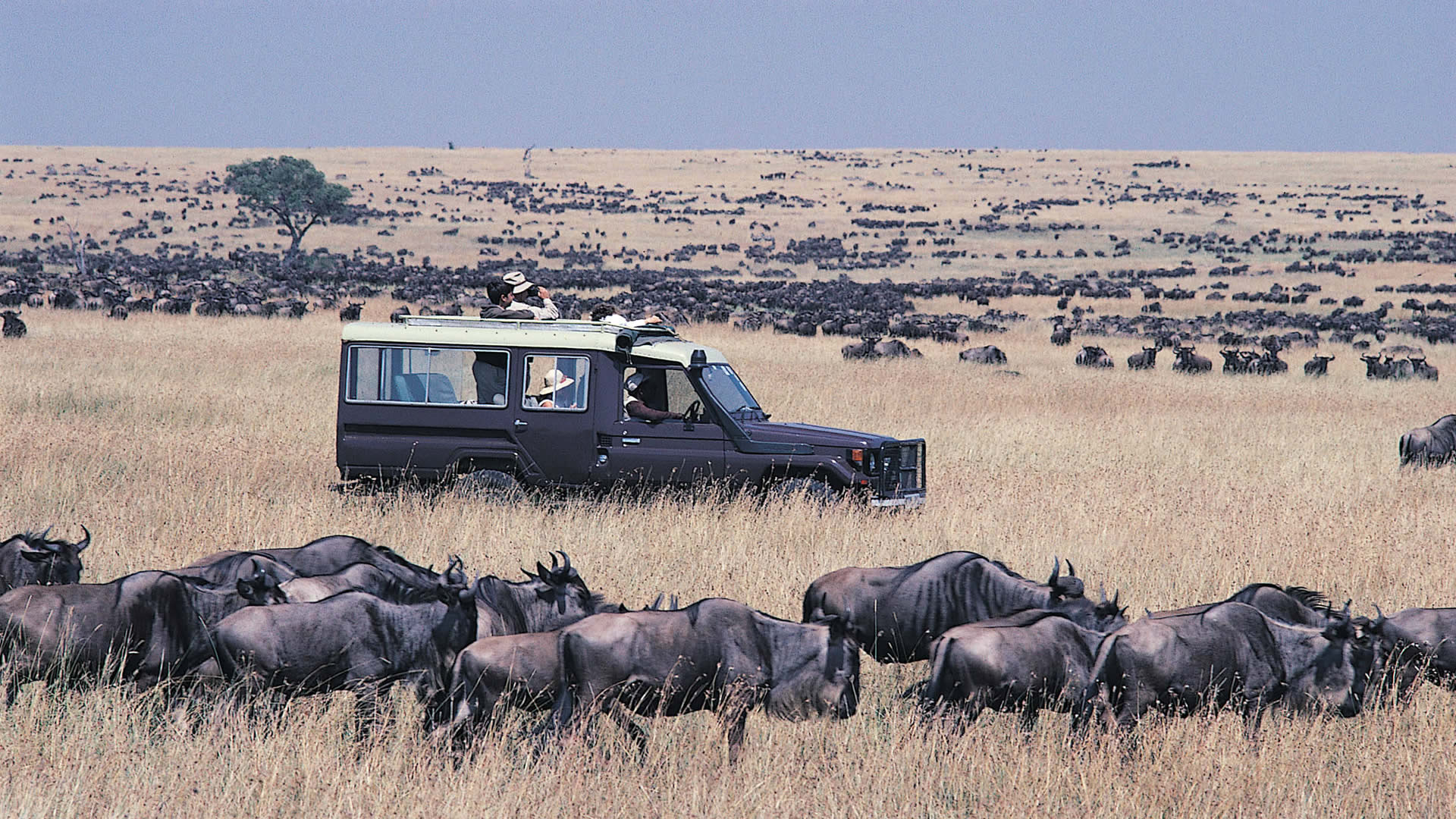
Maasai Mara National Reserve
Can You See the Great Migration Outside the Maasai Mara?
Yes. The migration takes place across a much wider ecosystem, extending into Tanzania’s Serengeti National Park and surrounding grazing areas. A Kenya Great Migration Safari can be combined with a Tanzania safari for travelers who have additional time and wish to explore different sections of the migration route.
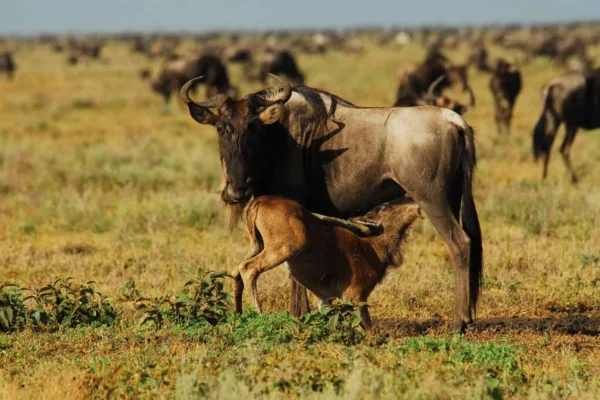
The Serengeti is particularly important during the southern calving season, when many wildebeest give birth following favorable rains. Later, herds generally move through the central and western Serengeti before some reach the northern Serengeti and Maasai Mara. Nevertheless, rainfall patterns can change these movements considerably.
Combining Kenya and Tanzania provides a broader understanding of the migration as an interconnected ecological process. Such itineraries require careful planning around border crossings, park fees, transport, accommodation, and seasonal wildlife distribution. Terenga Africa Safaris & Travel Ltd can help travelers assess whether a single-country safari or a multi-country adventure best suits their available time and budget.
When Is the Best Time for a Kenya Great Migration Safari?
Choosing the right travel period is one of the most important decisions when planning a Kenya Great Migration Safari. The migration follows rainfall and grazing conditions rather than a fixed timetable, so the best month depends on your priorities and the wildlife activity you hope to experience.
Is July to October the Best Period to Visit Kenya?
July to October is widely considered a popular period for migration-focused safaris in the Maasai Mara. During these months, parts of the migrating herds may enter Kenya from Tanzania, creating opportunities to observe large groups of wildebeest and zebras across the reserve. River crossings can occur when herds encounter suitable crossing points, but their timing and location are unpredictable.
August and September often attract visitors hoping to witness large herds and dramatic river activity. However, wildlife distribution varies between seasons, and some animals may remain in Tanzania or move between grazing areas within the wider ecosystem. Booking accommodation well in advance is advisable, especially for popular camps during peak travel periods.
A Kenya Great Migration Safari during these months is particularly suitable for wildlife photographers, first-time African safari travelers, and visitors who prioritize migration-related activity. Travelers should compare camp locations and itinerary arrangements rather than choosing accommodation based on a river crossing promise that no operator can guarantee.
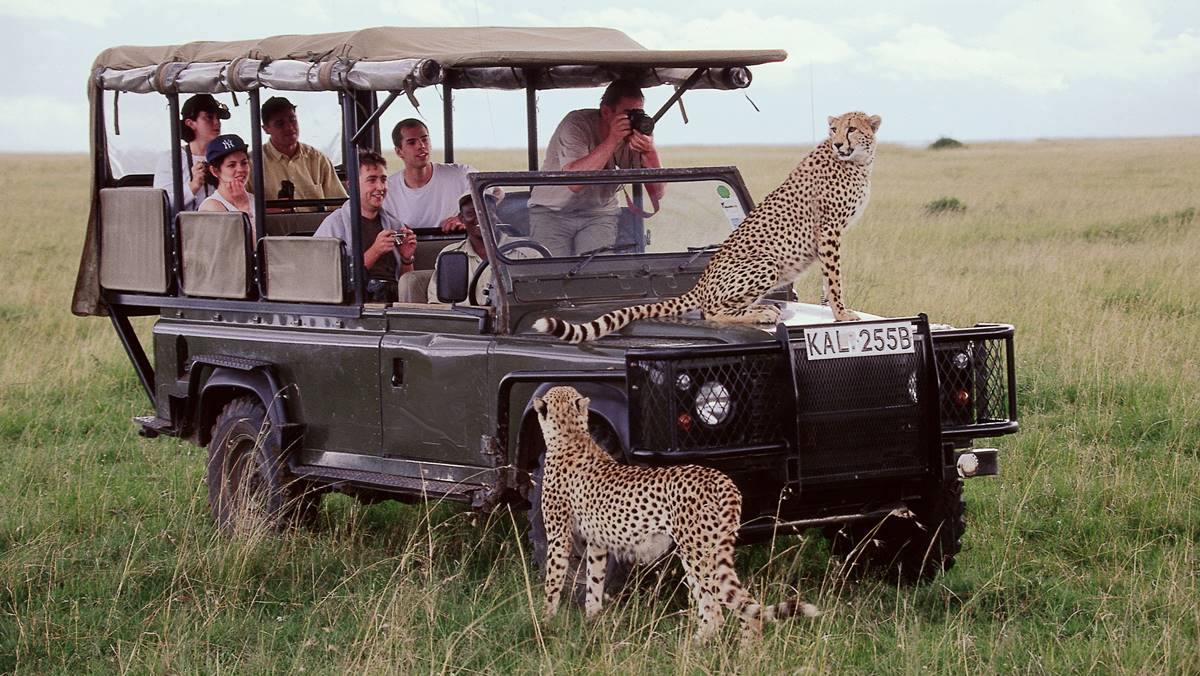
Maasai Mara National Reserve
Can You Enjoy a Kenya Great Migration Safari During Other Months?
Absolutely. The Maasai Mara supports resident wildlife throughout the year, so a safari outside the busiest migration period can still provide rewarding encounters. January and February, for example, may offer excellent opportunities for general wildlife viewing in many Kenyan destinations, depending on local conditions.
March to May is commonly associated with Kenya’s long rains, while shorter rains often occur around October and November. These are general seasonal patterns, not guarantees for any specific year. Green landscapes can create beautiful photographic conditions, and birdwatching may be rewarding during suitable periods. Nevertheless, rainfall can affect road conditions, visibility, and travel times.
Travelers with flexible dates can plan a Kenya Great Migration Safari around a wider range of wildlife experiences rather than focusing exclusively on river crossings. Discussing your priorities with a safari specialist helps determine the most appropriate destinations, accommodation locations, and travel dates.
What Are the Expectations on a Kenya Great Migration Safari?
A Kenya Great Migration Safari combines wildlife observation, guided game drives, scenic landscapes, and opportunities to understand the natural world. Knowing what your itinerary includes will help you prepare for the practical realities of safari travel and enjoy the experience more fully.
What Happens During Game Drives?
Most itineraries include early-morning and afternoon game drives, although schedules vary by camp, park regulations, and package arrangements. Your guide uses knowledge of wildlife behavior, tracks, habitats, and recent sightings to identify promising areas for exploration. Depending on conditions, you may observe wildebeest herds, zebras, elephants, giraffes, lions, cheetahs, hyenas, and numerous bird species.
During a Kenya Great Migration Safari, patience is important. Wildlife encounters may develop slowly, and a quiet drive can be just as valuable as a dramatic sighting. Watching elephants interact, observing a lion resting in the shade, or seeing a herd move across the plains can reveal details that are easy to miss when rushing between locations.
Guides also help visitors understand animal behavior and the ecological significance of the migration. For safety and conservation, guests should follow instructions, respect viewing distances, and remain inside the vehicle where required. Ethical wildlife viewing prioritizes animal welfare rather than attempting to force closer encounters.
What Accommodation and Comfort Can You Expect?
Accommodation options range from budget camps and comfortable tented properties to luxury safari lodges with private decks, dining facilities, and views over wildlife habitats. The best option depends on your budget, preferred comfort level, and the location of the camp relative to your planned activities.
For a Kenya Great Migration Safari, camp location can influence the time needed to reach particular viewing areas. Properties inside or near the reserve may offer convenient access to game drives, but no location guarantees that migrating herds will be nearby on a given day. Seasonal camp operations and availability should also be confirmed before booking.
At Terenga Africa Safaris & Travel Ltd, we help travelers compare accommodation options and select arrangements that fit their travel goals. Depending on the package, services may include airport transfers, transport in a safari vehicle, accommodation, meals, park fees, and guided activities. Always review your written quotation to confirm the precise inclusions and exclusions.
What Wildlife Can You See on a Kenya Great Migration Safari?
Will You See Wildebeest River Crossings?
River crossings are among the migration’s most famous spectacles. Large herds sometimes gather near rivers before attempting to cross, creating moments of tension as animals respond to the current, riverbanks, and movement of the herd. Crocodiles may inhabit these waterways, but their presence does not mean an attack will occur during a crossing.
A Kenya Great Migration Safari can offer opportunities to witness these events, but no responsible operator can guarantee them. Crossings may happen without warning, at different locations, or outside the hours when visitors are present. Some herds may even change direction after reaching the river.
Travelers should therefore value the entire wildlife experience rather than measure success solely by witnessing a crossing. Observing the herds grazing, moving across the plains, and interacting with other animals can be equally memorable.
Which Predators Can You Encounter?
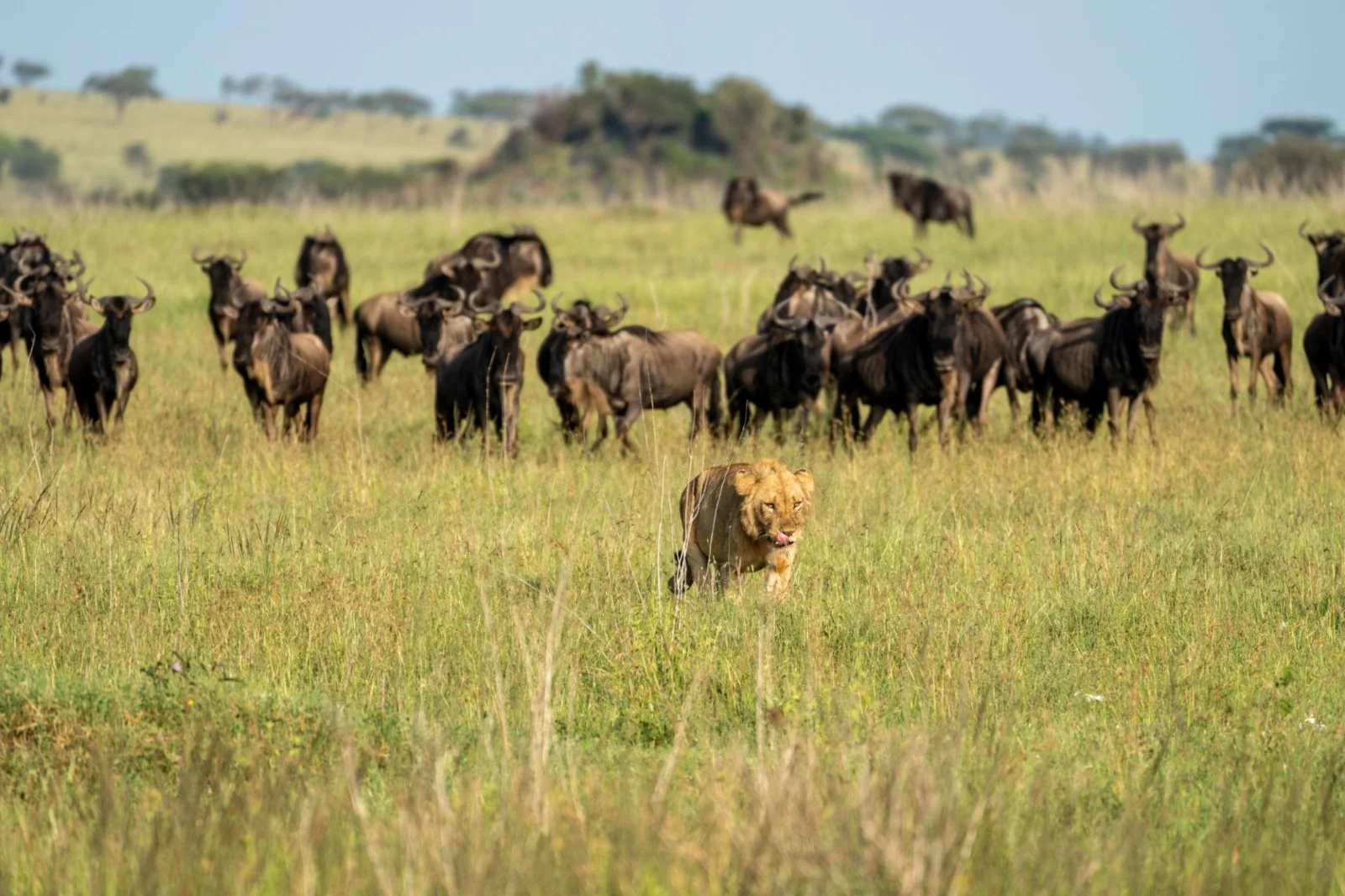
The Maasai Mara supports a rich community of predators, including lions, leopards, cheetahs, hyenas, and jackals. Migrating herds provide an important food source for these animals, while resident prey species sustain predators throughout the year.
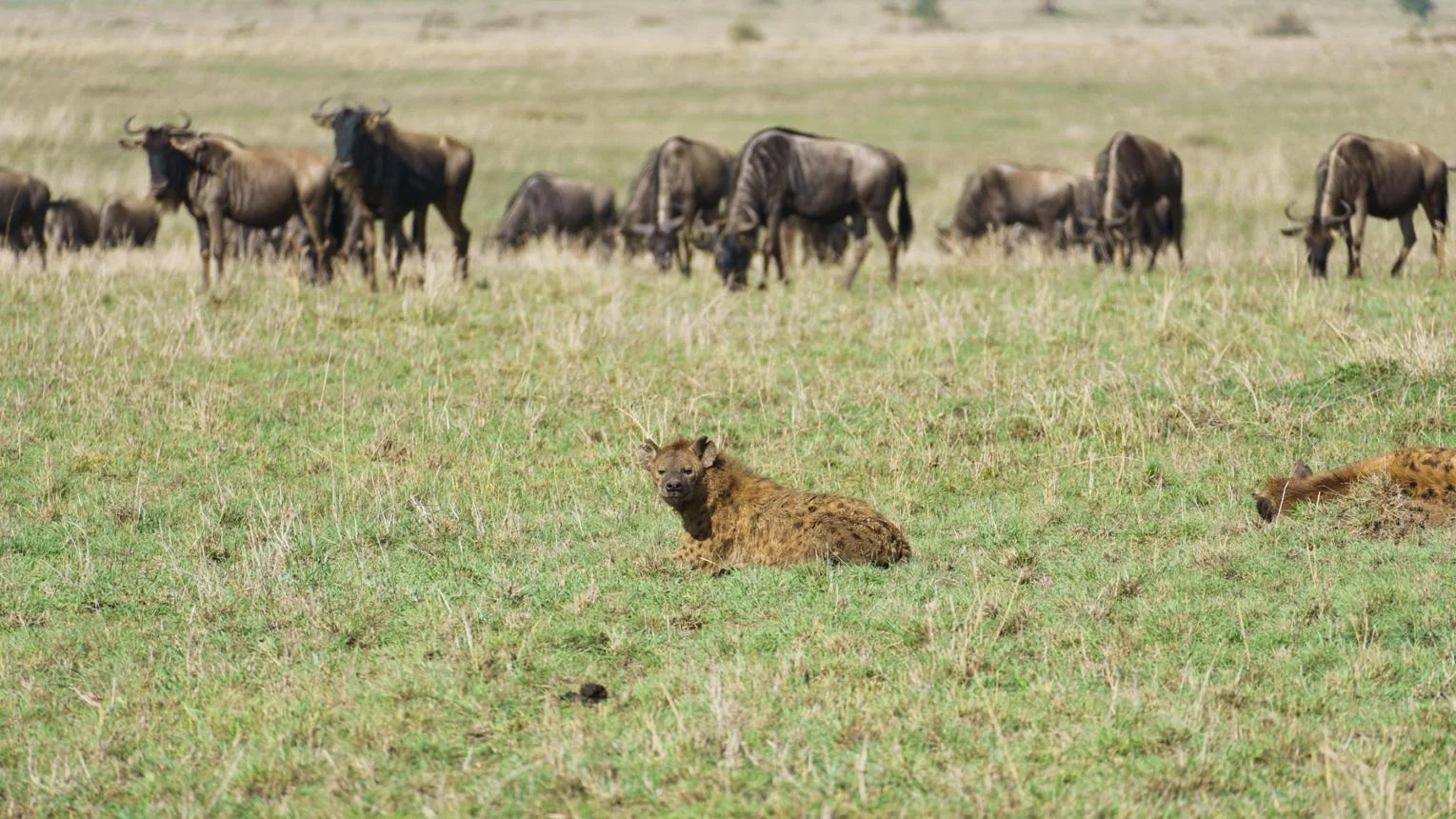
During a Kenya Great Migration Safari, guides may search for lions resting after a hunt, cheetahs scanning the grasslands, or hyenas moving through their territories. However, predators follow their own routines, and sightings depend on weather, habitat, and animal behavior.
Respectful observation allows visitors to appreciate predator-prey relationships without disturbing wildlife. Maintaining appropriate distances and following park rules also helps preserve the natural behavior that makes these encounters meaningful.
What Should You Pack for a Kenya Great Migration Safari?
Packing carefully helps you stay comfortable during long game drives and changing weather conditions. Your final packing list should reflect the season, itinerary, accommodation type, and luggage restrictions for any domestic flights.
Which Clothing Should You Bring?
Choose lightweight, breathable clothing in neutral shades such as khaki, beige, olive, and brown. Early-morning game drives can feel chilly, so bring a warm fleece or jacket that you can remove as temperatures rise. Comfortable walking shoes, a wide-brimmed hat, sunglasses, and a lightweight rain jacket are also useful.
For a Kenya Great Migration Safari, dressing in layers provides flexibility throughout the day. Avoid excessive luggage, particularly when your itinerary includes small aircraft, because baggage limits may be strict. Confirm the permitted weight and bag dimensions with your operator before departure.
Which Essential Items Should You Carry?
Consider packing the following items:
- Binoculars for observing distant animals and birds.
- A camera, spare batteries, and memory cards.
- Sunscreen and insect repellent.
- Personal medication and necessary prescriptions.
- A reusable water bottle, subject to your tour arrangements.
- A small daypack for daily essentials.
- Travel insurance documents and booking confirmations.
- A power bank and suitable charging adapters.
- A flashlight or headlamp if recommended for your camp.
- Passport and relevant visa or entry authorization documents.
Before traveling, review entry requirements and any recommended health precautions relevant to your nationality and itinerary. Travel insurance that covers your planned activities can also provide important protection against eligible unexpected expenses.
Why Choose Terenga Africa Safaris & Travel Ltd for Your Kenya Great Migration Safari?
Selecting a safari operator involves more than comparing prices. Reliable planning, clear communication, realistic expectations, and appropriate accommodation all contribute to a successful journey. At Terenga Africa Safaris & Travel Ltd, we aim to make the planning process informative and straightforward for travelers from different parts of the world.
How Do We Personalize Your Safari?
Every traveler has different priorities, whether that means photographing wildlife, finding comfortable accommodation, traveling with family, or combining several East African destinations. We use these preferences to help shape an itinerary that reflects your interests and available time.
When planning a Kenya Great Migration Safari, we consider seasonal patterns, travel distances, accommodation location, and the type of experience you want. Our aim is to create a practical schedule that allows sufficient time for wildlife viewing without unnecessary rushing.
How Do We Build Trust Through Clear Planning?
Transparent information helps travelers make informed decisions. We encourage guests to review package inclusions, exclusions, payment conditions, cancellation policies, accommodation categories, and transport arrangements before confirming their booking.
Although we can plan around typical migration patterns, actual wildlife movements remain unpredictable. We therefore avoid presenting sightings or river crossings as guaranteed events. Clear explanations allow guests to understand both the opportunities and limitations of a wildlife safari.
Can We Arrange Private and Multi-Country Safaris?
Yes, itinerary options can be discussed according to availability, budget, and travel preferences. A private safari may provide greater flexibility over departure times and the pace of game drives, while shared arrangements can be more economical.
For visitors seeking broader Kenya adventures, a Kenya Great Migration Safari can potentially be combined with Tanzania’s Serengeti, Amboseli National Park, or a beach holiday on the Kenyan coast. Multi-country trips require additional planning for border formalities, transport connections, and accommodation. We help travelers assess suitable options before making a decision.
Book Your Kenya Great Migration Safari with Terenga Africa Safaris & Travel Ltd
A Kenya Great Migration Safari provides an exceptional opportunity to experience Africa’s wilderness through vast wildlife herds, dramatic landscapes, fascinating predator behavior, and unforgettable game drives. From the open plains of the Maasai Mara to the river systems that sometimes host spectacular crossings, every journey offers a different view of this remarkable natural event.
Successful planning begins with choosing suitable travel dates, understanding seasonal uncertainty, selecting convenient accommodation, and allowing enough time to explore. By approaching the migration with flexibility, you can appreciate not only the famous herds but also the resident wildlife, birdlife, and wider ecological relationships that make the Maasai Mara special.
At Terenga Africa Safaris & Travel Ltd, we help international travelers plan Kenya safaris with attention to individual interests, practical arrangements, and clear communication. Whether you are seeking a private photographic expedition, a family adventure, a luxury tented safari, or a wider East African holiday, we can discuss options that suit your expectations and budget.
Contact Terenga Africa Safaris & Travel Ltd today to start planning your Kenya Great Migration Safari. Share your preferred travel dates, group size, accommodation preferences, and estimated budget so we can help you explore suitable arrangements.