March Serengeti Safari Planning Guide
November 10, 2026
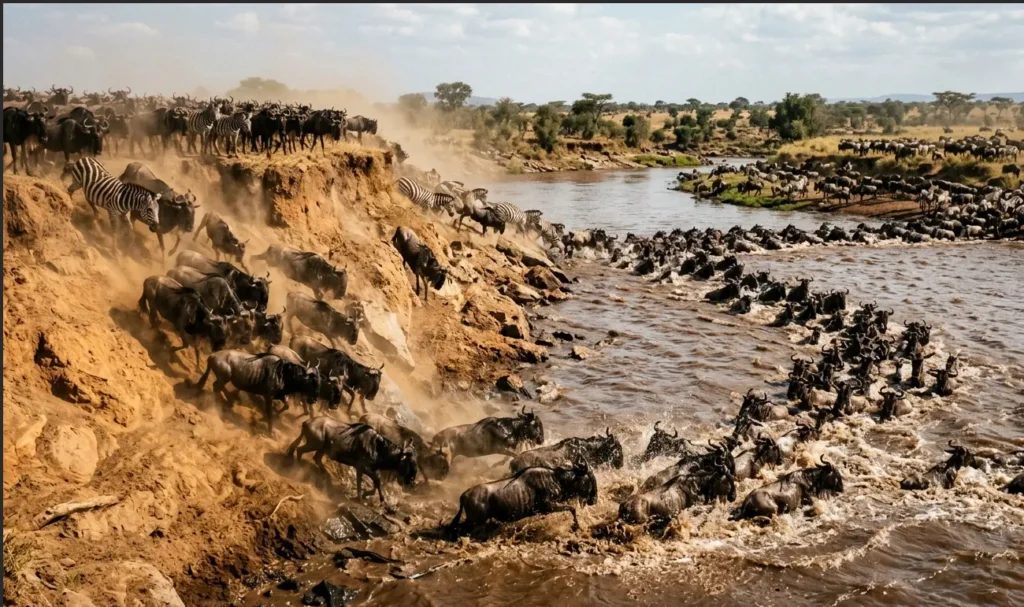
April Migration Across the Southern and Central Serengeti
November 11, 2026
The Green Landscapes of Serengeti in March
Discover Tanzania’s Beautiful Green Season, Spectacular Wildlife and Scenic Safari Experiences
The Green Landscapes of Serengeti in March offer travellers a different perspective of one of Africa’s most celebrated wildlife destinations. Following seasonal rainfall, the open savannahs become greener, vegetation flourishes and the plains provide fresh grazing for wildebeest, zebras, gazelles and other herbivores. Scattered acacia trees, rocky kopjes and distant hills create beautiful scenery, while passing clouds and occasional showers add dramatic colours to the horizon. Instead of the dry, golden grasslands commonly associated with traditional African safari photographs, March introduces visitors to a landscape filled with fresh vegetation, changing light and the natural beauty of the rainy season. This transformation makes the Serengeti particularly attractive to photographers, nature enthusiasts and travellers looking for a different kind of Tanzania safari.
What Makes the Green Landscapes of Serengeti in March Special?
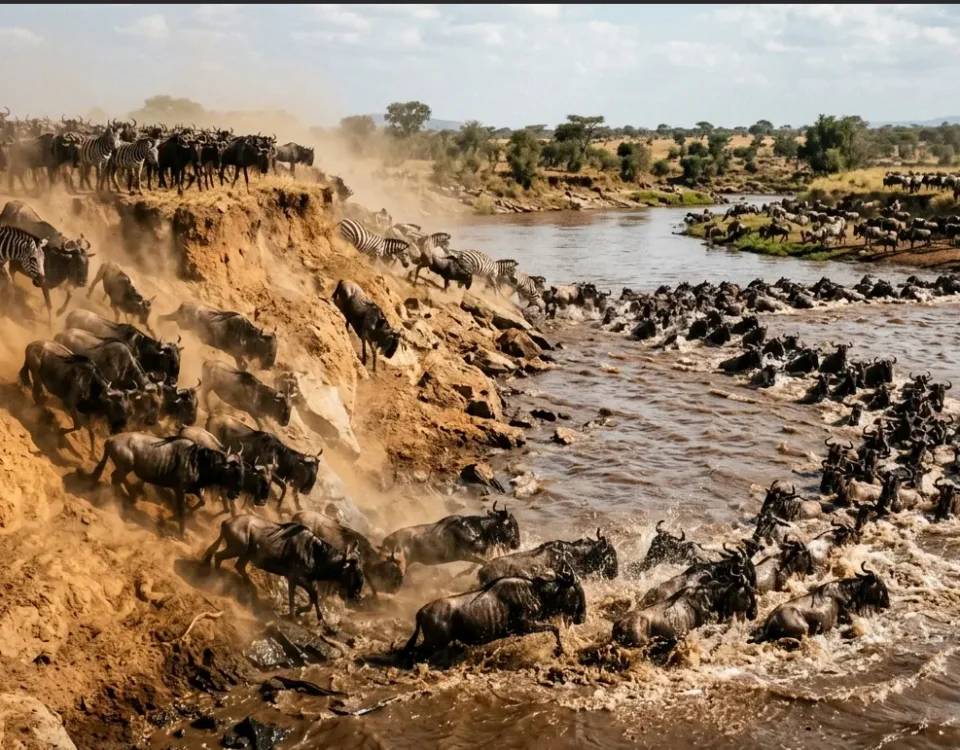
Located in northern Tanzania, Serengeti National Park protects an extensive ecosystem recognised for its wildlife diversity and the annual Great Wildebeest Migration. Its open plains, woodland areas, seasonal rivers and rocky outcrops support impressive populations of animals throughout the year. During March, the developing rainy season contributes to the growth of vegetation and creates attractive grazing grounds across parts of the ecosystem. Travellers may encounter migrating wildebeest, zebras, elephants, giraffes, buffaloes, lions, cheetahs, hyenas and numerous bird species. The location of wildlife varies according to rainfall, food availability and seasonal movements, so visitors should not expect every area to offer identical conditions. At Terenga Africa Safaris & Travel Ltd, we encourage travellers to appreciate the Serengeti beyond its famous wildlife encounters. The Green Landscapes of Serengeti in March provide an opportunity to experience the relationship between rainfall, vegetation, wildlife and the remarkable natural cycles that shape Tanzania’s wilderness.
How Does the Serengeti Landscape Change During March?
One of the most noticeable features of The Green Landscapes of Serengeti in March is the transformation of the savannah following seasonal rainfall. Earlier in the year, many parts of the southern Serengeti ecosystem receive rain that supports fresh grass growth and encourages large herds of grazing animals to gather around suitable feeding areas. As March progresses, vegetation can become increasingly green, giving the plains a fresh appearance. Grasslands provide food for herbivores, while shrubs and trees develop new leaves where rainfall and local conditions support their growth. Seasonal water pools and streams may also appear in some locations, adding further variety to the environment.
Beyond the open grasslands, the Serengeti contains different habitats that respond to rainfall in their own ways. Riverine vegetation becomes especially attractive in certain areas, while woodland sections provide shade and shelter for wildlife. Rocky kopjes stand above the surrounding vegetation, offering excellent viewpoints for observing the plains. These contrasting environments make The Green Landscapes of Serengeti in March visually interesting because every game-drive route can reveal different scenery. Some areas may remain relatively open, while others become greener and more densely vegetated. Rainfall is not evenly distributed throughout the park, and the timing and intensity of showers vary between locations and years. Visitors should therefore expect a changing natural environment rather than a uniform green landscape across the entire national park.
Where Can You Enjoy the Best Green Scenery in the Serengeti?
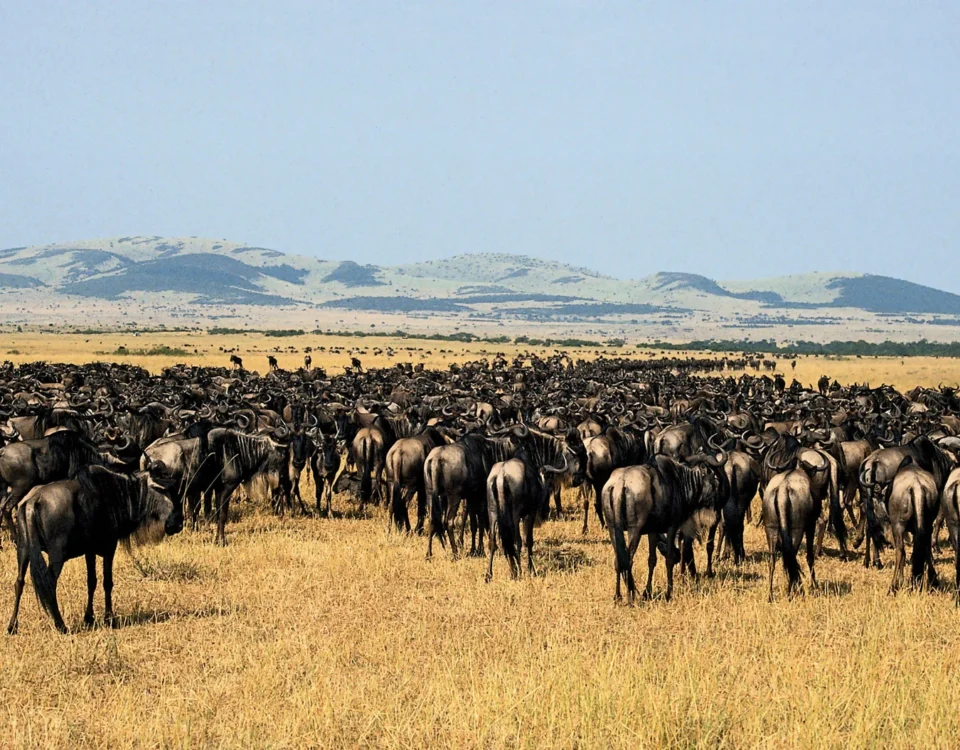
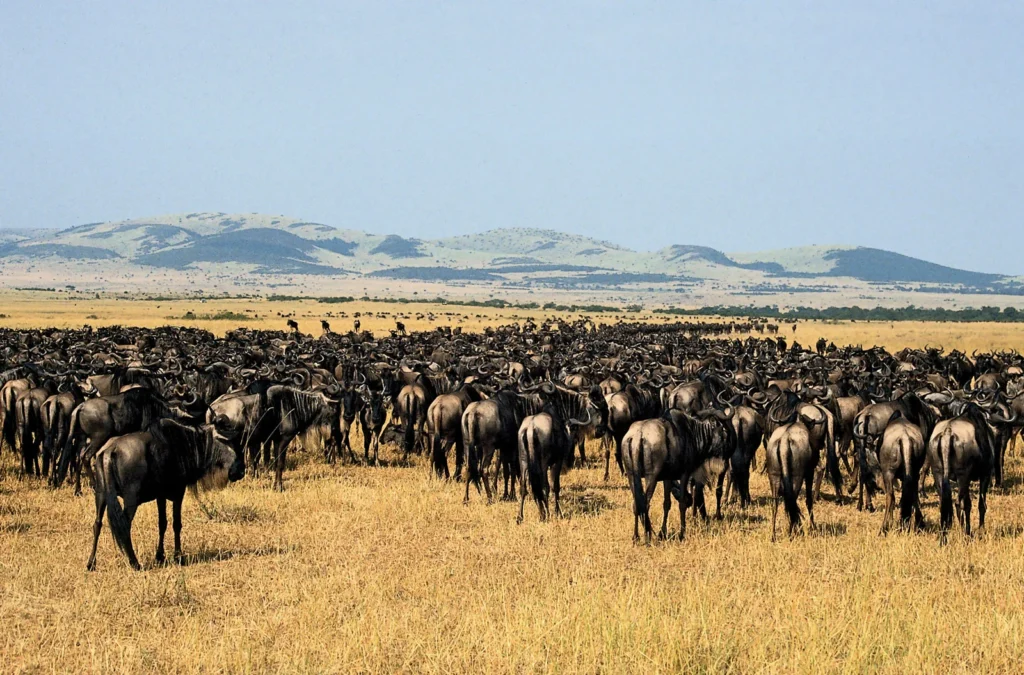
Selecting the right safari area is important when planning a visit to experience The Green Landscapes of Serengeti in March. The southern Serengeti plains and the adjoining Ndutu region are particularly interesting during the earlier part of the year because they support large concentrations of wildebeest and other grazing animals. These open grasslands are associated with the annual calving season, which generally reaches its peak around January and February. By March, visitors may still encounter young wildebeest among the herds, although calving activity usually becomes less concentrated as the season progresses. The vegetation in suitable grazing areas can create beautiful settings for observing wildlife and photographing animals against fresh green backgrounds.
Central Serengeti, especially the Seronera area, is another useful location to consider. Its combination of open grassland, riverine vegetation and rocky kopjes provides opportunities to explore resident wildlife even when migrating herds change their distribution. The central region is well known for its lion populations and other predators, making it a valuable addition to a March itinerary. Depending on recent migration reports, weather and the number of available travel days, visitors may combine southern and central locations within one safari. The Green Landscapes of Serengeti in March can also be complemented by a visit to the Ngorongoro Conservation Area, where volcanic scenery, crater highlands and wildlife create a contrasting experience. A carefully selected route helps travellers appreciate different landscapes without spending too much time moving between destinations.
What Wildlife Can You See Against the Green Landscapes of Serengeti in March?
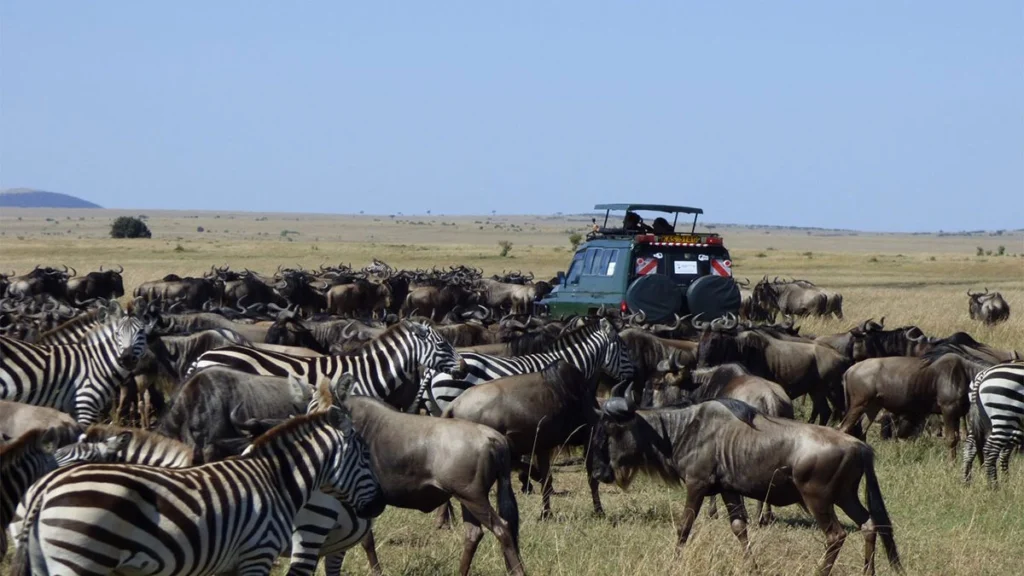
The visual appeal of The Green Landscapes of Serengeti in March becomes even more rewarding when wildlife appears across the fresh grasslands. Wildebeest and zebras are among the most recognisable species, often grazing together in areas where seasonal vegetation provides suitable food. Gazelles, topis, hartebeests and other antelopes may also be encountered depending on the location. Their presence attracts predators, creating opportunities to observe the natural relationship between herbivores and carnivores. Lions may rest around rocky kopjes or shaded vegetation, while cheetahs can sometimes be seen scanning open areas for prey. Leopards remain more difficult to locate because they are naturally secretive and often use trees or dense vegetation for shelter.
Elephants, buffaloes, giraffes, warthogs, hyenas and several smaller mammals add variety to the wildlife experience. Birdlife is another attraction during the green season, particularly for visitors interested in photography and birdwatching. Migratory birds from other regions can be present between November and May, joining resident species across the park’s different habitats. Birds of prey may be seen above the plains, while colourful smaller species occupy trees, shrubs and grassland areas. The Green Landscapes of Serengeti in March therefore offer more than beautiful scenery; they provide an opportunity to appreciate the wider ecosystem and the interactions between different species. Wildlife sightings depend on natural movements and weather conditions, so knowledgeable guiding and enough time in the park are important for making the most of each game drive.
Why Is March an Interesting Month for Wildlife Photography?
Photographers looking for distinctive African scenery often appreciate The Green Landscapes of Serengeti in March because seasonal vegetation creates a different visual setting from the dry months. Fresh grass provides natural colour across the plains, while cloudy skies can introduce dramatic lighting and contrast. Early mornings may reveal soft golden light, mist in selected areas and animals moving through open grasslands. Later in the day, changing cloud formations can create striking backgrounds for landscape photography. These conditions can be especially attractive for travellers who want images that show both wildlife and the surrounding environment.
Another advantage of the green season is the opportunity to photograph wildlife against colourful vegetation instead of dusty, dry backgrounds. Wildebeest herds, zebras, giraffes and elephants can create impressive compositions when captured within the wider landscape. Birds also offer excellent photography opportunities, particularly around suitable water sources and vegetated areas. Nevertheless, rain and overcast conditions may affect visibility and camera equipment. Travellers should carry waterproof camera protection, spare batteries and suitable lenses. A patient approach is equally important because wildlife photography depends on animal behaviour, light and the willingness to wait for suitable moments. The Green Landscapes of Serengeti in March can provide excellent creative opportunities, although no particular sighting or photographic situation can be guaranteed.
What Is the Weather Like During March in the Serengeti?
Weather plays an important role in shaping The Green Landscapes of Serengeti in March. This month marks the beginning of the longer rainy period in much of the Serengeti ecosystem, although the exact timing and amount of rainfall vary between regions and individual years. Daytime conditions are generally warm, while mornings and evenings can feel cooler, especially when clouds and rain affect temperatures. Showers may occur during the afternoon or at other times of the day. Rain does not necessarily continue throughout an entire day, but travellers should be prepared for changing conditions and occasional heavy downpours.
Seasonal rainfall supports grass growth and contributes to the fresh appearance of the savannah. However, wet conditions can also affect unpaved roads and tracks. Some sections may become muddy, and driving times can increase after significant rainfall. Certain routes may be difficult to use temporarily, depending on local conditions. The Green Landscapes of Serengeti in March are therefore best enjoyed with a flexible itinerary that allows guides to adjust routes when necessary. Waterproof jackets, suitable footwear and protective covers for cameras and electronic equipment are useful additions to your packing list. Visitors should also understand that rainfall differs across the vast ecosystem, meaning one area may be wet while another remains comparatively dry.
What Are the Expectations During a March Serengeti Safari?
A safari through The Green Landscapes of Serengeti in March combines wildlife exploration, scenic drives, outdoor photography and opportunities to understand the changing natural environment. Most game drives take place during the cooler morning and late afternoon periods, when animals may be more active. Depending on the itinerary, travellers can enjoy full-day excursions with packed meals or return to their accommodation between activities. Each game drive provides a chance to explore different habitats, observe wildlife behaviour and appreciate the remarkable size of the Serengeti ecosystem.
Visitors should also expect some flexibility because weather and road conditions can influence the daily programme. Travelling between Arusha, Ngorongoro and the Serengeti may involve long road transfers, depending on the route selected. Accommodation options include lodges, permanent tented camps and seasonal mobile camps, with availability varying by location and operating season. Rain may occasionally affect access to particular viewing areas, while longer grass in some locations can make animals more difficult to spot. Importantly, wildlife sightings are never guaranteed, and the Great Wildebeest Migration does not follow an exact timetable. With realistic expectations, suitable accommodation and enough time for exploration, The Green Landscapes of Serengeti in March can provide a rewarding safari experience for travellers who appreciate nature, photography and seasonal wildlife movements.
When Is the Best Time to Experience the Green Landscapes of Serengeti?
March is a useful month for travellers interested in seeing the Serengeti during its developing green season. However, the best time within the month depends on your main interests and the conditions experienced in the year of travel. Early March may offer a combination of green vegetation, wildlife concentrations around the southern plains and relatively manageable road conditions in some areas. As the month progresses, rainfall can become more frequent, and some routes may require adjustments. Visitors who enjoy dramatic skies and lush scenery may appreciate the changing weather, while those who prefer consistently dry game-drive conditions may find another season more suitable.
The broader green season extends across several months, although the landscape changes as rainfall develops and later eases. November and December are associated with the shorter rains, while March to May forms the main long-rain period. January and February are generally important months for wildebeest calving in the southern Serengeti ecosystem. By March, the herds may begin gradually spreading towards central areas, depending on grazing conditions and rainfall. This means The Green Landscapes of Serengeti in March can offer a combination of seasonal scenery and wildlife experiences rather than a guarantee of peak calving activity. Travellers should discuss their preferred dates and wildlife interests with a safari planner before choosing accommodation and routes.
Why Choose Terenga Africa Safaris & Travel Ltd for Your Serengeti Safari?
Planning a successful Tanzania safari involves more than choosing a travel date. The location of wildlife, seasonal rainfall, accommodation availability, road conditions and individual travel preferences all influence the experience. At Terenga Africa Safaris & Travel Ltd, we aim to help travellers organise enjoyable journeys through personalised itinerary planning and clear communication. Whether your main interest is wildlife photography, the Great Wildebeest Migration, birdwatching, family travel or exploring Tanzania’s famous national parks, we can help you consider suitable safari arrangements.
Our approach to The Green Landscapes of Serengeti in March focuses on selecting appropriate locations, allowing enough time for game drives and considering accommodation that matches your preferred comfort level and budget. We can also help you explore combinations with the Ngorongoro Crater, Tarangire National Park and Lake Manyara, depending on your available travel days. Before confirming your safari, we encourage you to review the itinerary, inclusions, exclusions, accommodation details and payment conditions. We also promote responsible wildlife viewing, respect for park regulations and consideration for the natural habitats that make these destinations special. Our goal is to make planning easier while helping you appreciate the wildlife, landscapes and cultural richness of Tanzania.
What Should You Pack for a March Serengeti Safari?
Preparing suitable clothing and equipment will help you enjoy The Green Landscapes of Serengeti in March more comfortably. Lightweight clothing in neutral colours is useful for game drives, while a warm fleece or light jacket can provide extra comfort during early morning outings. Because rainfall is possible, a waterproof jacket or poncho is strongly recommended. Comfortable closed shoes are useful around camps and lodges, and a small day bag can help you carry personal essentials during excursions.
Additional items include sunscreen, sunglasses, a wide-brimmed hat, insect repellent and a reusable water bottle where safe refill facilities are available. Photography enthusiasts should consider carrying a camera with a suitable zoom lens, spare batteries, memory cards and waterproof protection. Binoculars can improve wildlife viewing, particularly when observing birds and animals at a distance. Personal medication, basic toiletries, travel documents and suitable travel insurance information should also be included. Those taking domestic safari flights should check luggage weight and size restrictions before departure. A well-prepared packing list allows you to enjoy changing weather conditions without carrying unnecessary items.
Plan Your Journey to the Green Landscapes of Serengeti in March
March provides an opportunity to discover a different side of the Serengeti, where fresh vegetation, changing skies and seasonal wildlife movements create an attractive natural setting. From grazing wildebeest and zebras to resident predators, elephants, giraffes and colourful birdlife, the park offers plenty to appreciate beyond the traditional dry-season safari. Although rainfall may affect driving conditions and wildlife distribution, thoughtful planning can help travellers enjoy the scenery and explore suitable areas of the ecosystem.
Terenga Africa Safaris & Travel Ltd invites travellers from around the world to discover Tanzania through personalised safari experiences. Contact our team with your preferred travel dates, group size, accommodation expectations and interests. We will help you explore suitable options for experiencing The Green Landscapes of Serengeti in March.
Terenga Africa Safaris & Travel Ltd
Website: www.terengasafaris.com
Email: info@terengasafaris.com
WhatsApp / Telephone: +256 768 697963
Travel in Comfort. Explore in Style. Experience the Adventure of a Lifetime.