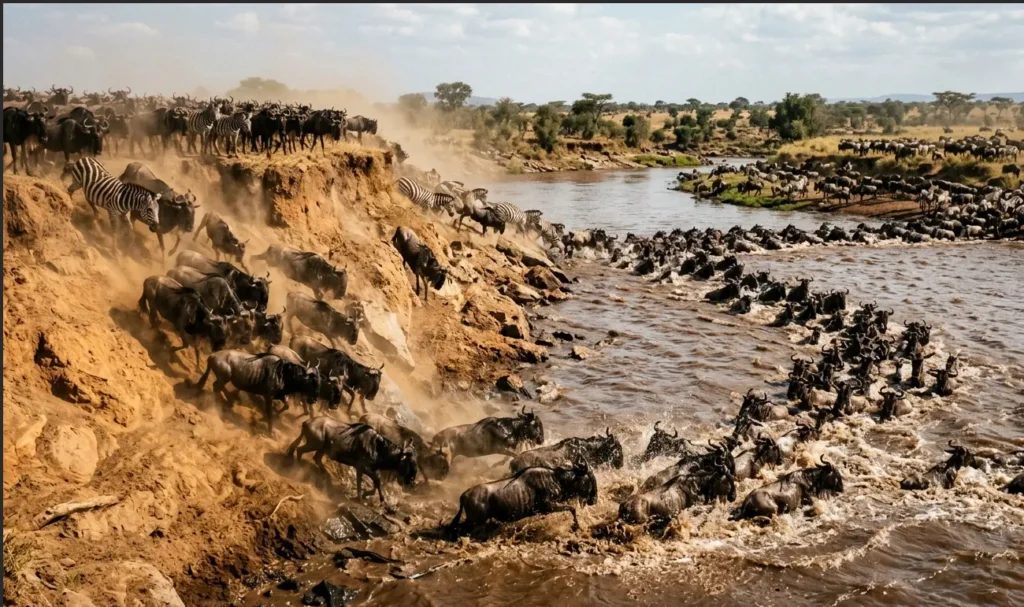

The Best Areas to See Wildebeest in March
November 5, 2026
March Serengeti Safari Planning Guide
November 10, 2026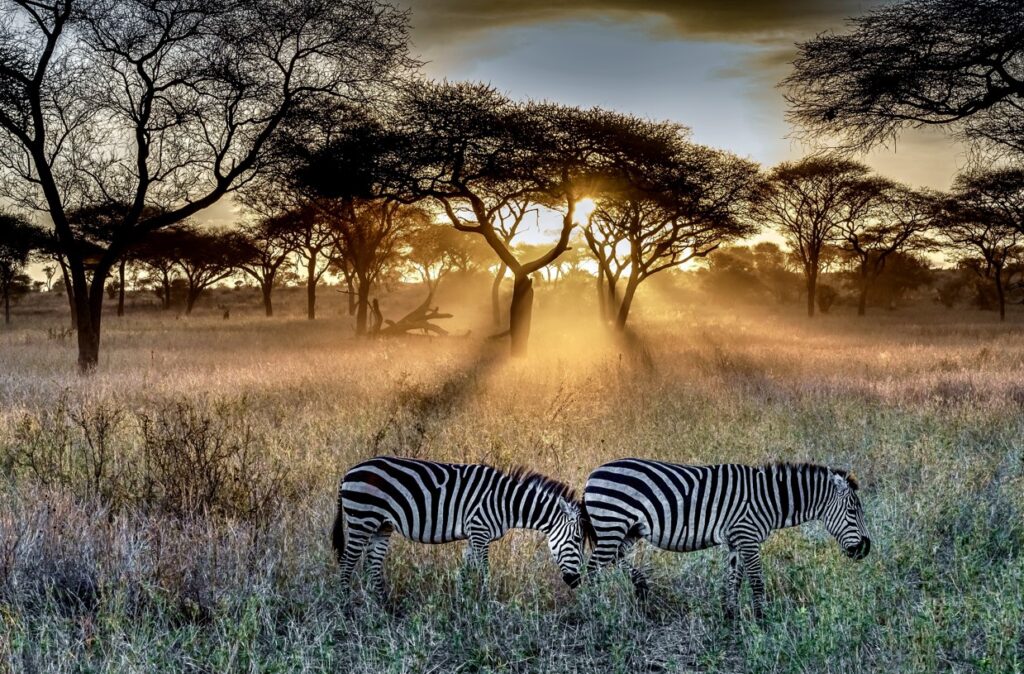
Predator Encounters During the March Migration: Exploring the Wild Side of Tanzania’s Great Wildebeest Migration
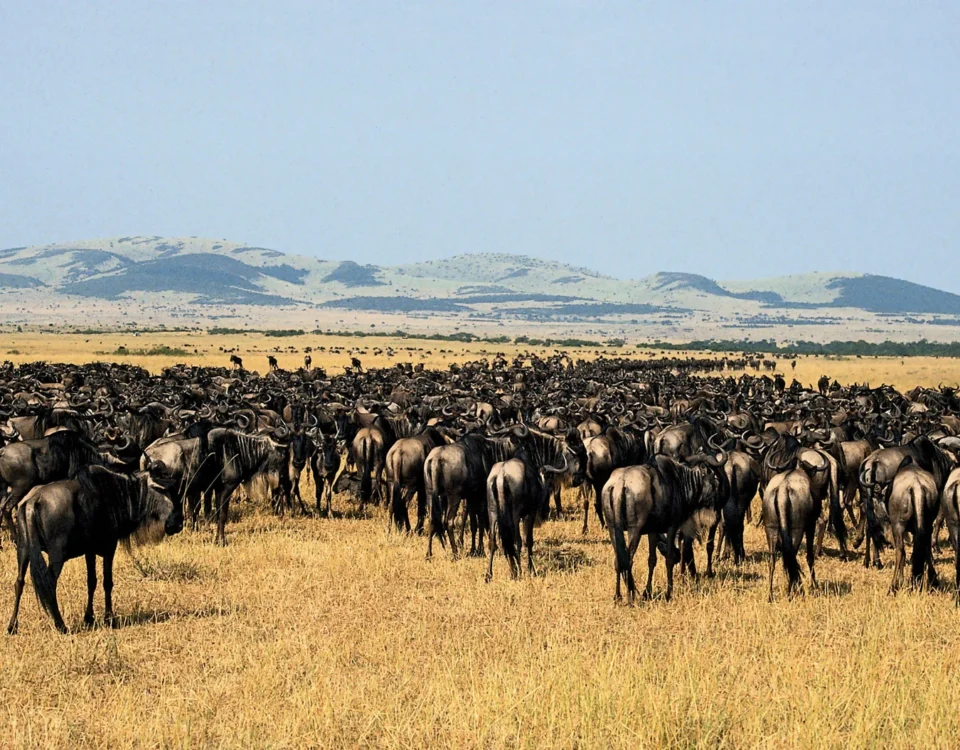
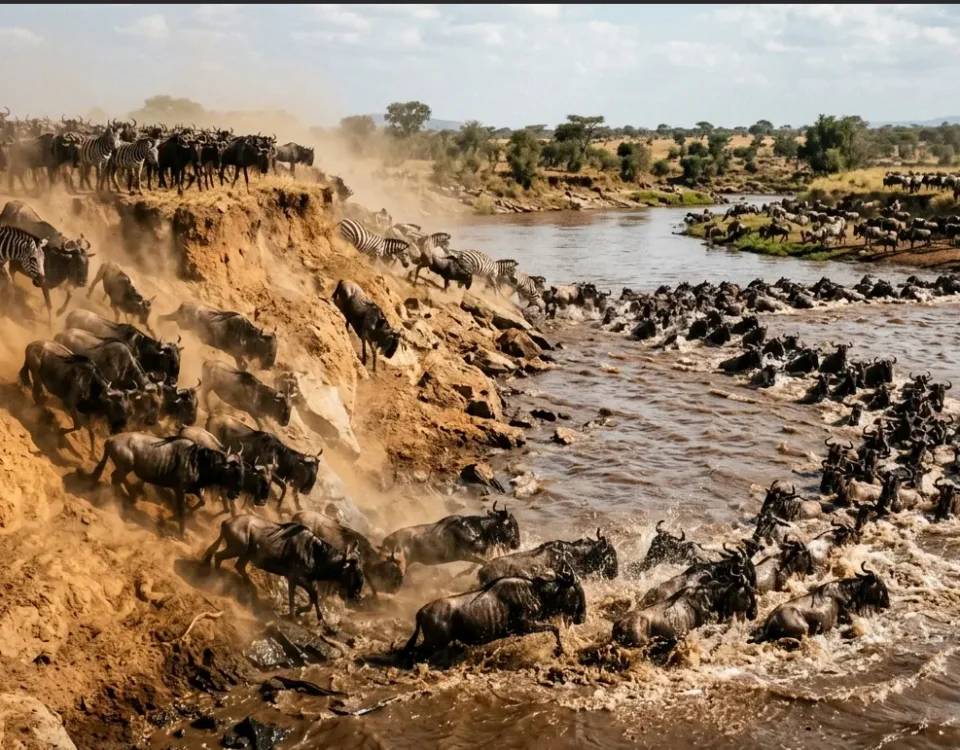
Predator Encounters During the March Migration offer an exciting opportunity to understand the natural relationships between Africa’s large carnivores and the migrating herds of wildebeest, zebras, and gazelles. During this period, the southern Serengeti ecosystem, particularly the Ndutu plains and surrounding grasslands, may still support substantial concentrations of wildebeest following the calving season. The arrival of thousands of young calves creates an important feeding opportunity for predators, while the open plains provide suitable habitats for animals searching for food, shelter, and territory. Lions, cheetahs, spotted hyenas, and leopards are among the carnivores visitors may encounter during game drives. Their presence adds another dimension to the Great Migration, showing how the movement of herbivores influences the behaviour and survival of other wildlife species. For travellers planning Tanzania Safaris, March can be a rewarding period to explore these interactions while discovering the remarkable biodiversity of the Serengeti.
Why Is March an Interesting Time for Predator Encounters?
Unlike wildlife experiences centred on one animal or a single destination, Predator Encounters During the March Migration reveal the complexity of an entire ecosystem. Predators do not simply follow a calendar or gather in one location at a predictable time. Their movements depend on prey availability, habitat conditions, territorial behaviour, and opportunities to hunt. Similarly, wildebeest herds move according to rainfall, fresh grazing, and changing environmental conditions. These natural processes create opportunities for visitors to observe predators resting, travelling, hunting, feeding, or interacting with members of their own species. However, wildlife sightings and hunting events can never be guaranteed because animals remain free to behave naturally. Through carefully planned Tanzania Tours, travellers can explore suitable wildlife areas with knowledgeable guides who understand animal behaviour and seasonal patterns.
Lions: How Do They Take Advantage of the March Migration?
Among the most exciting experiences associated with Predator Encounters During the March Migration is observing African lions in the southern Serengeti. These powerful carnivores occupy a leading position in the ecosystem and often take advantage of areas where grazing animals gather in significant numbers. During March, wildebeest may still be found across the Ndutu plains and other parts of the southern Serengeti, depending on rainfall and grass availability. Such concentrations can provide lions with opportunities to hunt, particularly where vulnerable calves and weaker animals are present. Lionesses frequently cooperate when hunting, using teamwork, patience, and knowledge of the terrain to approach their prey. Their hunting behaviour may involve moving through tall grass, using natural cover, or positioning themselves near routes used by grazing herds. Although visitors sometimes witness these dramatic activities, lions also spend considerable time resting, grooming, feeding, and caring for their young.
For wildlife enthusiasts, watching a lion pride interact offers more than an opportunity to take photographs. It provides insight into family structure, communication, territorial behaviour, and the responsibilities shared among pride members. Male lions may be seen resting, patrolling their territory, or interacting with females and cubs. Meanwhile, lionesses often remain involved in hunting and raising young, although individual roles vary. During Predator Encounters During the March Migration, guides may explain how the availability of wildebeest and other herbivores influences where lions spend time. Nevertheless, these animals are not guaranteed to remain close to the migrating herds, and sightings depend on local conditions. Responsible game viewing requires maintaining a respectful distance, keeping noise low, and allowing lions to continue their natural activities without interference. A well-planned Tanzania safari can provide opportunities to observe these magnificent animals while appreciating their importance in maintaining ecological balance.
Cheetahs: Why Are the Open Plains Important for Hunting?
Cheetahs are another remarkable species that visitors may encounter during Predator Encounters During the March Migration. Unlike lions, which often depend on strength and cooperative hunting, cheetahs rely heavily on speed, acceleration, and careful positioning when pursuing prey. The open grasslands of the southern Serengeti and Ndutu can provide suitable hunting habitats because they allow these cats to spot potential prey and move quickly across relatively unobstructed terrain. Thomson’s gazelles are among their common prey, although young wildebeest and other suitable animals may also be targeted when opportunities arise. During March, the presence of grazing herds can attract predators to areas where food is available, creating opportunities for visitors to observe cheetahs scanning the plains, moving between resting places, or following groups of antelope.
One of the most interesting aspects of cheetah behaviour is their hunting strategy. Before attempting a chase, a cheetah may spend time watching its target and assessing the distance, terrain, and surrounding conditions. Once it begins running, the pursuit is often short because high-speed movement requires considerable energy. Successful hunting therefore depends on timing, positioning, and choosing a suitable target. Travellers interested in wildlife photography may appreciate the opportunity to capture cheetahs standing on termite mounds, resting beneath isolated trees, or moving through open grassland. However, witnessing an actual chase is uncommon and should never be treated as a guaranteed safari activity. Predator Encounters During the March Migration provide an opportunity to understand why the open Serengeti landscape is important for these specialised hunters. With patience and responsible guiding, visitors may observe their behaviour without disturbing the animals or influencing the outcome of a hunt.
Spotted Hyenas: What Role Do They Play Around the Migrating Herds?
Spotted hyenas are among the most misunderstood carnivores encountered during Predator Encounters During the March Migration. Although often portrayed only as scavengers, they are highly capable hunters that can capture a wide range of prey. Their strong jaws, endurance, social organisation, and excellent communication skills make them important predators in the Serengeti ecosystem. During the migration period, hyenas may take advantage of the availability of wildebeest, zebras, and other grazing animals. They can hunt individually or cooperate in groups, depending on the circumstances and the prey involved. Young calves, injured animals, and weakened individuals may be vulnerable, although hyenas also hunt healthy animals when conditions allow. Visitors may observe them moving across the plains, searching for food, feeding, interacting with clan members, or returning to their dens.
Beyond their hunting activities, spotted hyenas contribute to the ecosystem by consuming carcasses and helping reduce the amount of organic waste left in the environment. Their feeding behaviour can limit the spread of some remains and forms part of the natural recycling process. Hyena clans have complex social structures, and their interactions can be fascinating to observe. At a den site, visitors may sometimes see adults caring for cubs, communicating, or moving between resting and feeding areas. During Predator Encounters During the March Migration, these behaviours provide a valuable opportunity to learn about the different survival strategies used by carnivores. A knowledgeable guide can explain the distinction between hunting and scavenging without relying on common misconceptions.
Leopards: Where Might You Find These Secretive Cats?
Leopards bring a different kind of excitement to Predator Encounters During the March Migration because they are generally more difficult to locate than lions and spotted hyenas. Their excellent camouflage, solitary behaviour, and preference for areas with suitable cover allow them to remain hidden for long periods. In the Serengeti, leopards are often associated with riverine woodland, rocky outcrops, and areas containing trees that provide resting places. They may be seen resting on branches, moving quietly through vegetation, or watching the surrounding landscape from an elevated position. Although leopard sightings are possible in different parts of the Serengeti ecosystem, their presence is not necessarily linked directly to the location of the migrating wildebeest herds. Their movements depend on prey availability, territory, shelter, and individual behaviour.
One particularly interesting leopard behaviour is its ability to carry prey into trees. This helps reduce the risk of losing a meal to competing carnivores such as lions and hyenas. Leopards are powerful climbers and use their strength to move prey into branches where they can feed with greater security. During a game drive, a guide may look for signs such as tracks, alarm calls from other animals, or movement in the trees. Even when a leopard is not visible, these clues can help explain how wildlife communicates and responds to predators nearby. For photographers, an encounter with a leopard resting in a tree or walking along a riverbank can be especially memorable. Predator Encounters During the March Migration therefore offer opportunities to appreciate both the visible drama of the Great Migration and the quieter behaviour of animals that depend on concealment and patience.
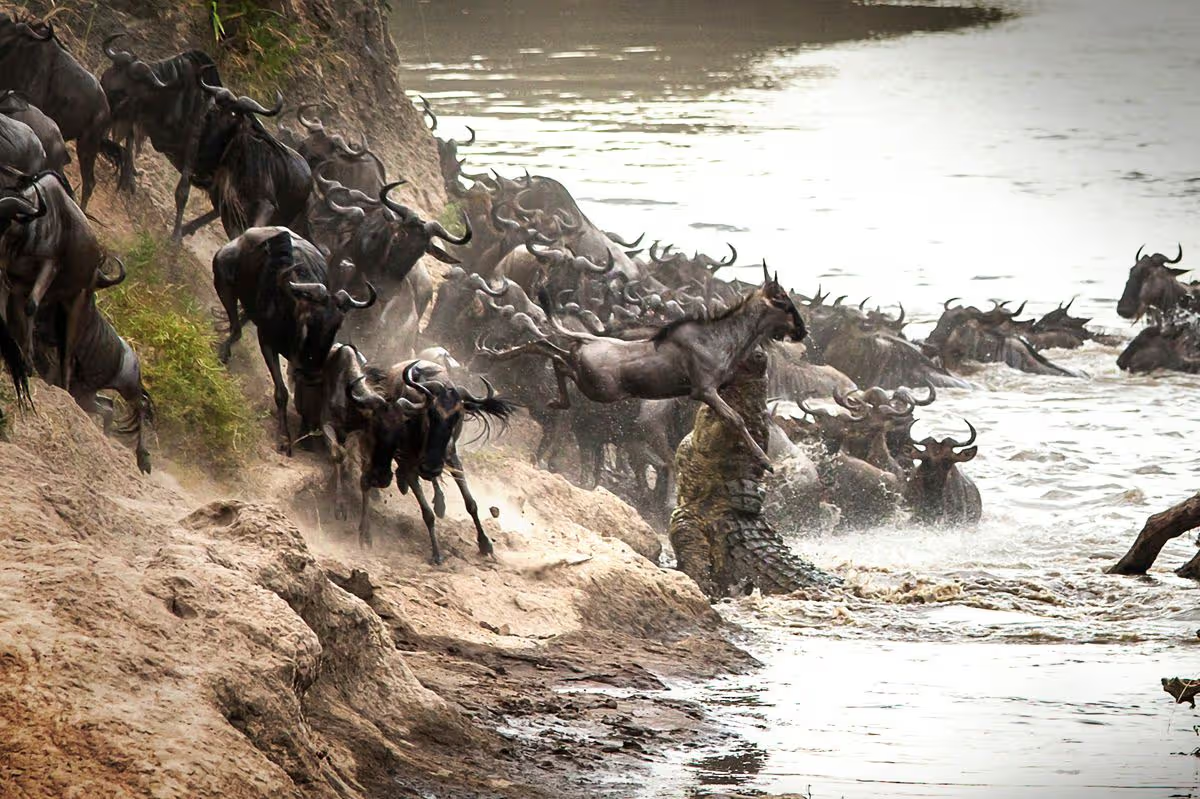
Where Are the Best Areas for Predator Encounters in March?
Choosing suitable destinations is essential when planning Predator Encounters During the March Migration. The Ndutu plains are among the most important areas to consider because they can support large numbers of wildebeest during the calving season and the weeks that follow. The presence of grazing animals may attract lions, cheetahs, and spotted hyenas, making the region valuable for observing predator-prey relationships. Southern Serengeti also offers extensive grasslands and varied habitats where carnivores and herbivores interact. However, the exact distribution of predators and migrating herds changes according to rainfall, prey movement, and other environmental conditions. Visitors should therefore use recent wildlife information when selecting accommodation and planning game-drive routes.
Central Serengeti, especially the Seronera region, is another excellent destination for general predator viewing. Its river valleys, woodland, grasslands, and rocky kopjes support resident wildlife throughout the year. Lions and leopards are among the species that may be encountered in this area, while other carnivores also occupy suitable habitats. Although the main wildebeest concentrations may be elsewhere during parts of March, central Serengeti can provide rewarding wildlife experiences beyond the migration itself. Combining Ndutu or southern Serengeti with central Serengeti may be worthwhile for travellers who have enough time to explore different habitats. Predator Encounters During the March Migration are best approached through flexible planning, realistic expectations, and sufficient time in the field. Selecting an area because of its seasonal importance is useful, but allowing your guide to respond to current conditions is equally important.
What Are the Expectations in This Safari?
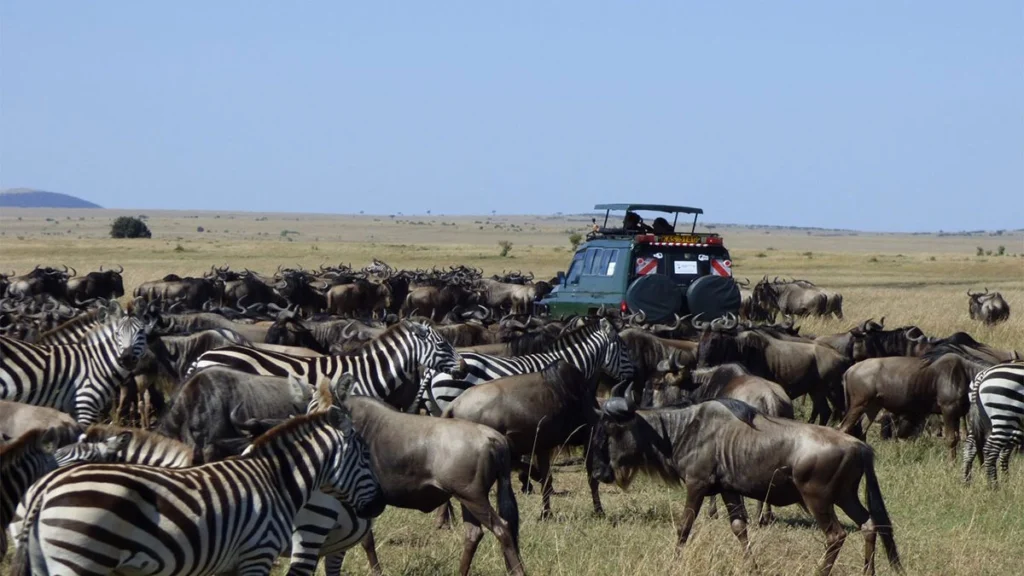
A safari focused on Predator Encounters During the March Migration involves early morning departures, extended wildlife drives, and opportunities to observe animals in their natural surroundings. Cooler morning conditions can be favourable for spotting carnivores before they settle down to rest during warmer hours. Your driver-guide may explore areas where recent sightings have been reported, while also searching for tracks, alarm calls, and other signs of wildlife activity. Depending on the itinerary, you may visit Ndutu, southern Serengeti, or central Serengeti, with each location offering different habitats and wildlife opportunities. During the day, you may encounter lions resting in the grass, cheetahs scanning the plains, hyenas moving between feeding areas, or leopards concealed in woodland. The same game drives can also reveal wildebeest, zebras, gazelles, elephants, giraffes, buffaloes, and numerous bird species.
Afternoon excursions may continue with additional wildlife viewing or return to the lodge for relaxation. Some itineraries include full-day game drives with packed lunches, allowing visitors to spend more time exploring distant areas. March can bring occasional rainfall, so travellers should be prepared for changing road conditions and possible adjustments to daily plans. Importantly, predator encounters are unpredictable. A day may provide several sightings of lions and hyenas, while another may be more rewarding for birds, herbivores, or landscapes. Patience is part of the experience, and responsible guides will never encourage disturbing animals to create a closer encounter. Predator Encounters During the March Migration should be viewed as an opportunity to understand wildlife behaviour, not simply a search for dramatic hunting scenes. Visitors who remain observant and flexible often gain a deeper appreciation of the Serengeti’s natural environment.
When Is the Best Time for This Safari?
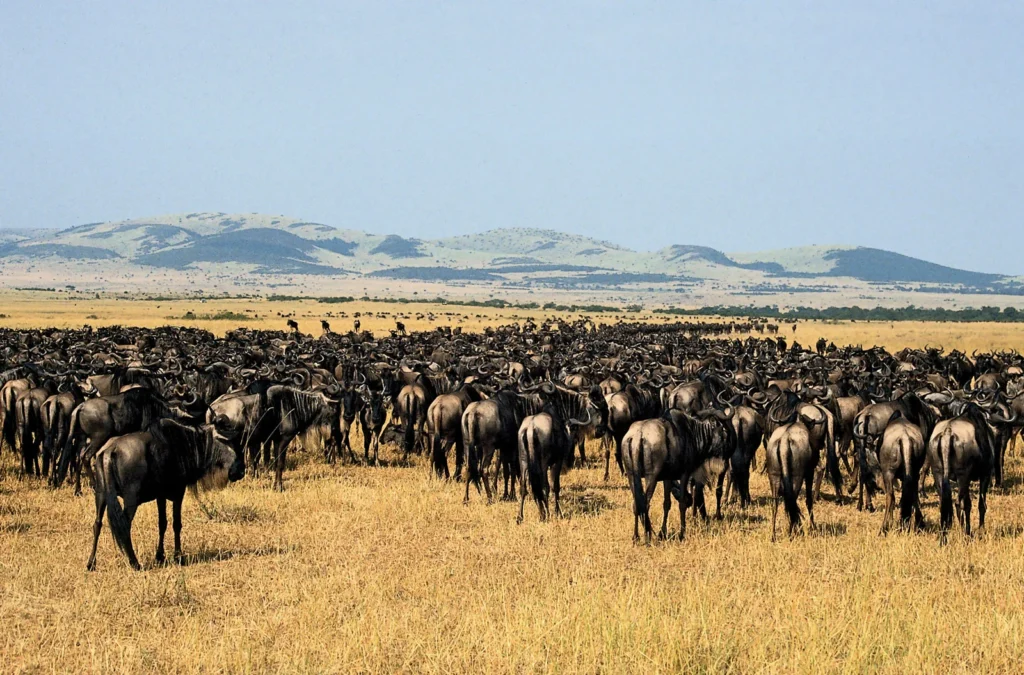
The best time to experience Predator Encounters During the March Migration depends on the wildlife areas you wish to explore and the type of activity you hope to observe. January, February, and March are generally associated with the wildebeest calving season in the southern Serengeti and Ndutu region. During this period, concentrations of grazing animals can attract predators, creating opportunities to observe carnivores in areas where prey is available. February is often particularly important for calving activity, while March may provide opportunities to see young wildebeest travelling with their mothers as herds respond to changing grazing conditions. However, predator activity continues throughout the year, and excellent wildlife viewing is not limited to the migration season.
Rainfall patterns, grass availability, and the movement of herbivores influence where predators spend time. Consequently, no particular week in March can guarantee a specific hunting event or a sighting of every major carnivore. Visitors planning Predator Encounters During the March Migration should consider travelling for at least four to six days if they want to explore more than one wildlife area. Longer itineraries can include additional destinations such as Ngorongoro Crater, which offers a different habitat and a rich variety of wildlife. Before booking, it is advisable to review current seasonal information and select accommodation that provides practical access to the intended game-drive areas. A flexible itinerary and realistic expectations will help make the most of the safari, whatever the daily wildlife conditions may bring.
Why Choose Us for This Particular Safari?
Planning Predator Encounters During the March Migration requires careful consideration of wildlife distribution, accommodation locations, driving distances, and the interests of each traveller. At Terenga Africa Safaris & Travel Ltd, we aim to create safari experiences that combine informed planning, clear communication, and practical travel arrangements. Our planning process considers your preferred travel dates, group size, accommodation standards, budget, and main wildlife interests. Whether you want to focus on lions and cheetahs, explore the Great Migration, photograph different carnivores, or discover the wider Serengeti ecosystem, we can help develop an itinerary suited to your expectations.
Our approach recognises that wildlife movements and predator behaviour cannot be controlled or guaranteed. Instead, we encourage travellers to use recent seasonal information and choose destinations that offer suitable access to wildlife habitats. Depending on your schedule, your journey may include Ndutu, southern Serengeti, central Serengeti, and Ngorongoro. Visitors wishing to extend their African holiday can also discuss combining Tanzania Safaris with selected Uganda Safaris, including opportunities for savannah wildlife viewing, chimpanzee tracking, and mountain gorilla trekking. Such combinations require careful planning to allow enough time for travel between destinations. By prioritising realistic itineraries, responsible wildlife viewing, and personalised travel arrangements, Terenga Africa Safaris & Travel Ltd seeks to make Predator Encounters During the March Migration an informative and memorable experience for visitors from around the world.
What Should You Pack for a March Predator Safari?
Preparing properly for Predator Encounters During the March Migration will help you remain comfortable during long game drives and changing weather conditions. Lightweight clothing is suitable for warmer daytime temperatures, while a fleece jacket or sweater is useful during early morning excursions. Because March may bring occasional showers, a waterproof jacket or raincoat is recommended. Comfortable closed shoes are practical for walking around lodges and approved outdoor activities. Neutral-coloured clothing, including khaki, brown, olive, and beige, is a popular choice for safari environments. A wide-brimmed hat, sunglasses, and sunscreen can help protect you from the sun during open-vehicle game drives.
Wildlife photographers should consider bringing a camera with a suitable zoom lens, extra batteries, memory cards, and a protective camera bag. Binoculars are useful for observing distant animals without disturbing them. Other helpful items include insect repellent, personal medication, hand sanitiser, a reusable water bottle, and basic toiletries. A small day bag can keep essential belongings organised, while waterproof covers protect electronic equipment during unexpected rain. Before departure, check your airline’s luggage allowance and confirm any specific requirements with your safari organiser. Packing for Predator Encounters During the March Migration is about choosing practical items that support comfort, safety, and wildlife observation without carrying unnecessary luggage.

Discover Tanzania’s Wildlife with Terenga Africa Safaris & Travel Ltd
Predator Encounters During the March Migration reveal the fascinating relationships between Africa’s carnivores and the great herds that move across the Serengeti ecosystem. From lions resting near the open plains to cheetahs searching for prey and leopards moving quietly through woodland, each encounter offers a different insight into the natural world. March can be a rewarding time to explore the southern Serengeti and Ndutu, although the location of wildlife changes with rainfall, grazing conditions, and seasonal movements.
Whether you are planning your first African holiday, returning to photograph Tanzania’s wildlife, or combining several destinations through Tanzania Adventures and Tanzania Tours, Terenga Africa Safaris & Travel Ltd can help you plan a journey around your interests, schedule, and budget. Discover the beauty of Tanzania through a thoughtfully arranged safari that values wildlife conservation, responsible observation, and meaningful travel experiences.
Contact Terenga Africa Safaris & Travel Ltd to plan your predator and Great Migration safari.
Website: www.terengasafaris.com
Email: info@terengasafaris.com
WhatsApp: +256 768 697963
Terenga Africa Safaris & Travel Ltd
Travel in Comfort. Explore in Style. Experience the Adventure of a Lifetime.