January Safari Guide to the Serengeti Wildebeest Migration
October 5, 2026
Why January Is an Excellent Time for the Southern Serengeti?
October 6, 2026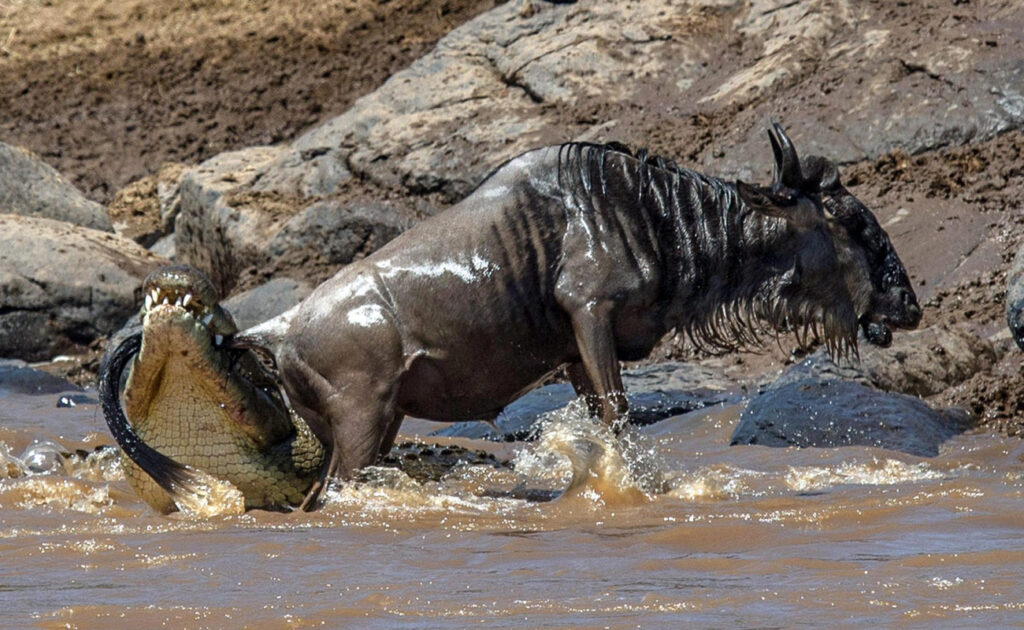
Wildlife to See During the January Migration
Wildlife to See During the January Migration is one of the most important considerations for travelers planning a Tanzania safari during the beginning of the year. January brings a remarkable transformation across the southern Serengeti as seasonal rainfall creates fresh grazing areas and attracts large concentrations of herbivores. Wildebeest form the most recognizable part of this seasonal movement, while zebras, gazelles, predators, birds, and numerous other species contribute to an extraordinary natural spectacle. For visitors who want to experience wildlife in an active and changing ecosystem, January provides a fascinating period to explore northern Tanzania.
The southern Serengeti becomes particularly significant because nutritious grass supports large herds during this period. Wildebeest and other herbivores gather across the plains, preparing for one of the most important stages of the annual migration cycle. As food becomes abundant, predators follow the herds and exploit opportunities created by high prey concentrations. Lions, cheetahs, hyenas, jackals, and other carnivores become important parts of the story. Consequently, Wildlife to See During the January Migration extends far beyond the famous wildebeest herds.
Travelers considering Tanzania Safaris can use January to explore a greener and more vibrant Serengeti. Fresh vegetation creates beautiful scenery, while seasonal rainfall can produce dramatic skies and excellent photographic conditions. Visitors interested in broader East African adventures can also combine Tanzania with Kenya Safaris or Uganda Safaris, creating journeys that showcase different ecosystems and wildlife experiences.
Why Is January Important for the Great Migration?
Wildlife to See During the January Migration becomes easier to understand when the seasonal ecology of the Serengeti is considered. The Great Migration does not follow an artificial timetable. Instead, millions of herbivores respond to rainfall, fresh grass, water availability, and changing environmental conditions. January is generally associated with the southern Serengeti and nearby areas where nutritious short grasses support large concentrations of wildebeest.
Fresh rainfall stimulates new plant growth across the plains. Wildebeest, zebras, and gazelles take advantage of this food supply, creating enormous gatherings across the landscape. Pregnant females also benefit from the availability of nutritious grazing before and during the calving period.
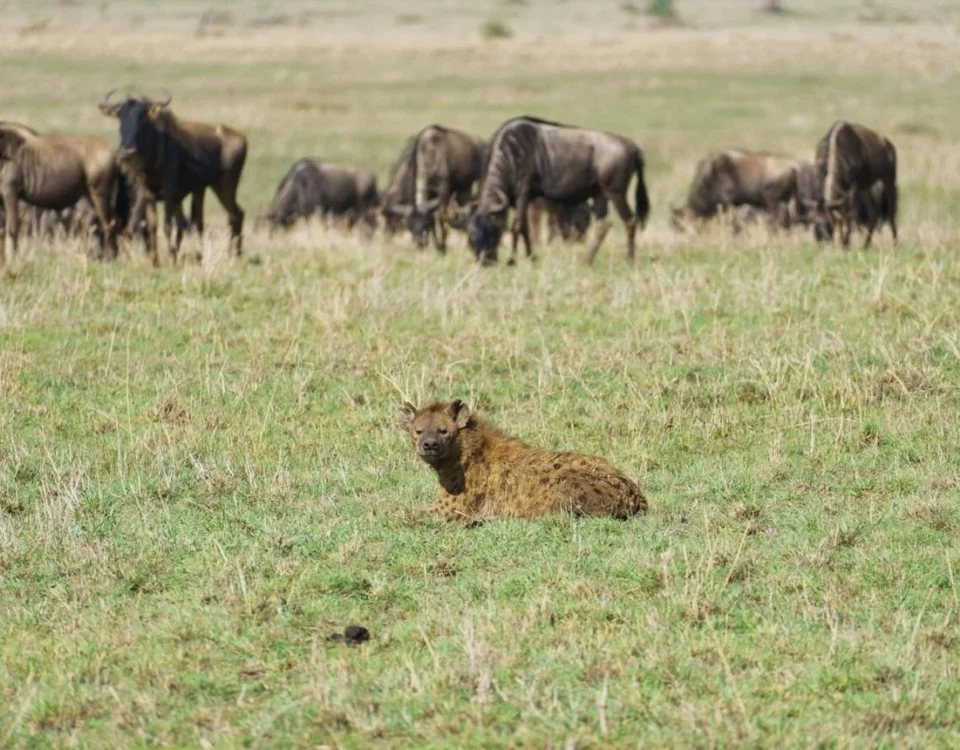
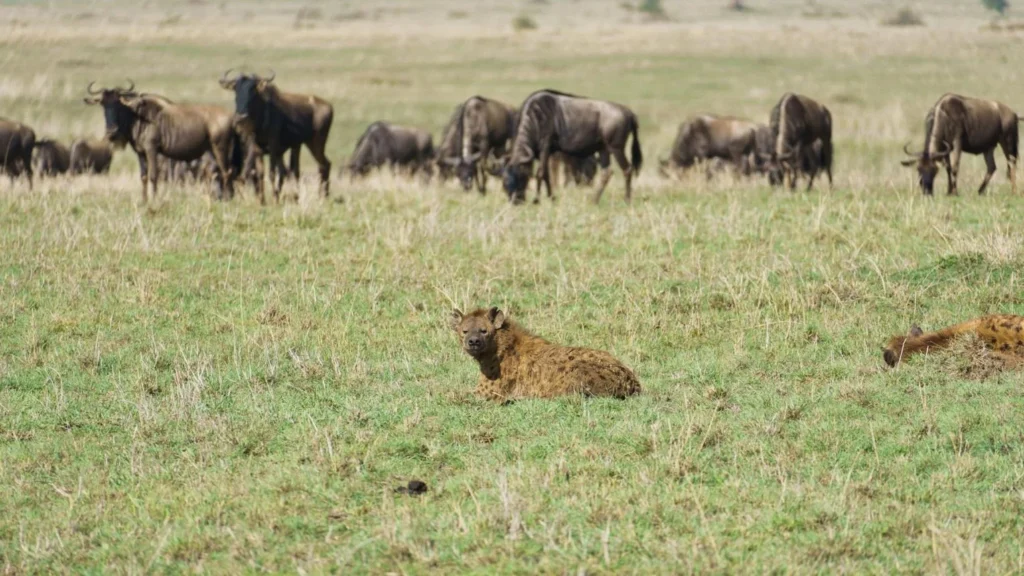
Such concentrations naturally attract predators. Lions may patrol areas occupied by large herds, while cheetahs use open terrain to pursue vulnerable prey. Hyenas can hunt or scavenge around areas with high animal activity, creating additional opportunities for wildlife observation.
For visitors planning Tanzania Safaris, January therefore offers an opportunity to witness an important ecological relationship. Rainfall supports vegetation, vegetation supports herbivores, herbivores attract predators, and predators influence the behavior of their prey. Every game drive becomes an opportunity to observe this interconnected system.
Which Animals Can You See During the January Migration?
Wildlife to See During the January Migration includes far more than wildebeest. Although the enormous herds dominate the landscape, the surrounding ecosystem supports an impressive variety of mammals, birds, reptiles, and smaller creatures.
Wildebeest remain the principal attraction because their seasonal movement forms one of the world’s most famous wildlife spectacles. Zebras frequently travel alongside them, creating striking scenes across the grasslands. Thomson’s gazelles and other antelope species also contribute to the diversity of herbivores.
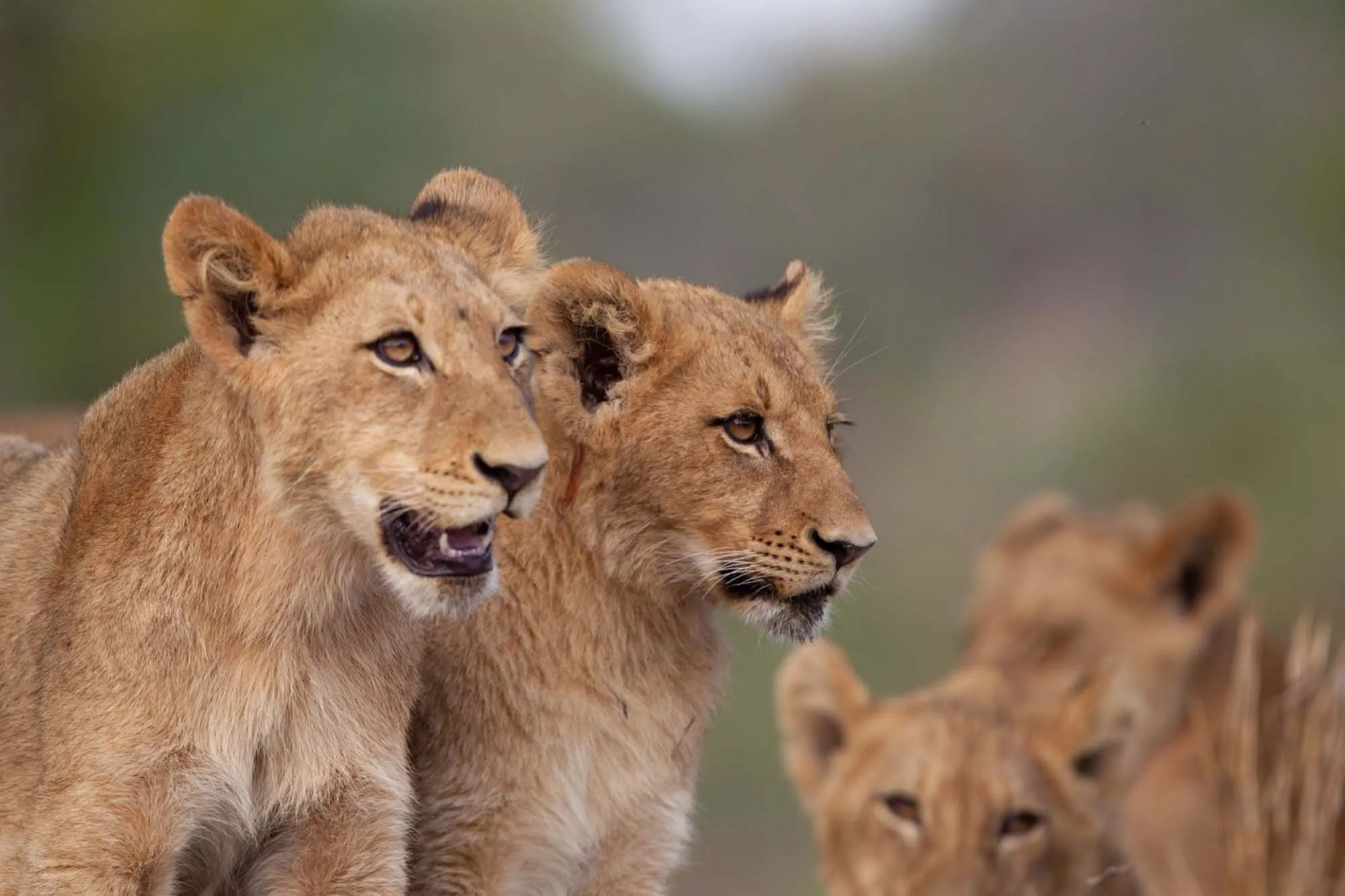
Lions represent some of the most sought-after predators during January. Their presence often corresponds with areas containing substantial prey populations. Cheetahs can also be encountered across open plains where visibility allows them to hunt effectively. Leopards remain more elusive and typically require greater patience and experienced guiding.
Hyenas provide another fascinating sight. Their social behavior, vocal communication, hunting techniques, and scavenging activities reveal the complexity of predator communities. Jackals may also be seen moving through the grasslands.
Beyond mammals, Wildlife to See During the January Migration includes numerous bird species. Raptors can be observed scanning open plains, while smaller birds occupy grasslands, woodland areas, and seasonal wetlands.

Wildlife to See During the January Migration
How Does the Wildebeest Calving Season Change Wildlife Viewing?
Wildlife to See During the January Migration is closely connected with the beginning of the wildebeest calving season. Large numbers of females gather in suitable grazing areas before giving birth, creating one of the most remarkable periods in the Serengeti’s annual cycle.
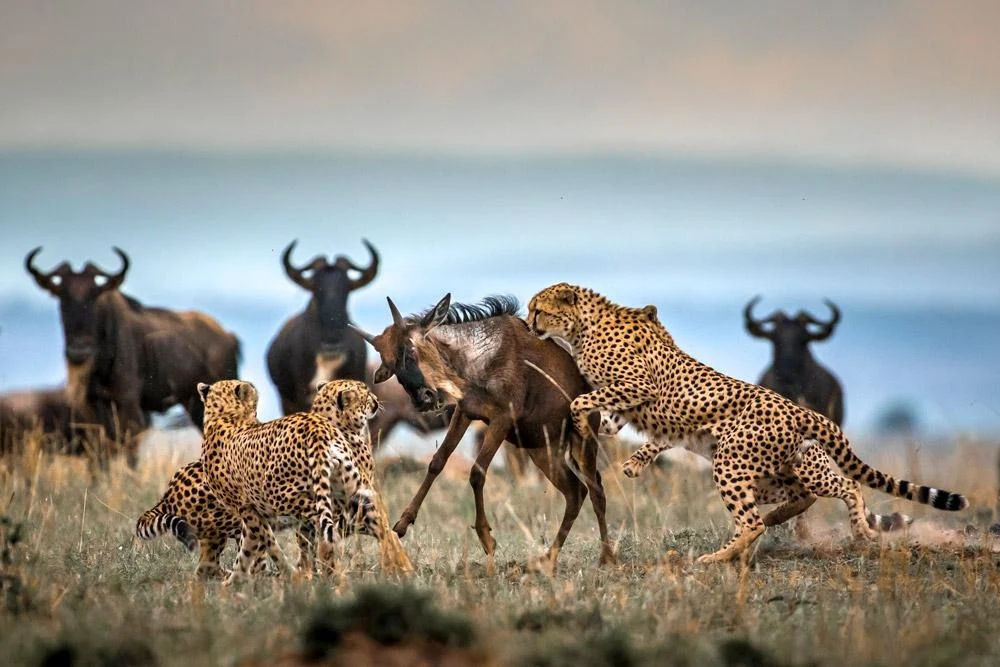
Newborn calves provide a powerful reminder of how vulnerable young animals can be during their first days of life. Their presence also creates opportunities for predators. Lions, cheetahs, hyenas, and other carnivores may patrol areas containing large numbers of young herbivores.
Observing this process can provide travelers with valuable insight into natural survival. Young animals must quickly develop coordination and speed because predators remain an ever-present threat. Meanwhile, mothers protect and remain close to their offspring while the herds continue moving through suitable grazing areas.
Weather patterns influence the exact timing and distribution of births. Consequently, travelers should avoid expecting every wildlife event to occur on a precise date. Experienced guides monitor current conditions and animal movements to identify promising locations.
For people researching Tanzania Safaris, January offers an opportunity to witness not merely a migration but a complete ecological cycle involving birth, survival, predation, movement, and renewal.
What Predators Can You See During the January Migration?
Wildlife to See During the January Migration becomes especially exciting for travelers interested in Africa’s predators. Large concentrations of herbivores create favorable hunting conditions, encouraging carnivores to remain active across the plains.
Lions are among the most visible predators during this period. Their social behavior provides excellent opportunities for observation, particularly when several individuals interact around resting areas or potential prey.
Cheetahs offer a different experience. These fast predators depend heavily on open terrain, where their speed can provide an advantage. Patient observers may witness hunting preparation, stalking behavior, or interactions between adults and younger animals.
Hyenas are equally fascinating. Their complex social structure and distinctive vocalizations make them important members of the Serengeti ecosystem. Unlike the popular misconception that hyenas only scavenge, these predators can actively hunt and successfully pursue prey.
Leopards remain more challenging to locate because they often prefer woodland habitats and can remain hidden for long periods. Experienced guides may use tracks, alarm calls, habitat knowledge, and recent observations to improve the chances of finding them.
Therefore, Tanzania Safaris during January can offer exceptional predator-viewing opportunities while demonstrating how carnivores depend on seasonal prey movements.
What Are The Expectations in This Safari?
Wildlife to See During the January Migration can vary from one game drive to another, so travelers should approach the experience with realistic expectations. Wildlife remains wild, and no responsible safari company can guarantee specific sightings.
Early morning drives can provide excellent opportunities because temperatures are cooler and many animals remain active. Midday conditions may encourage animals to rest under shade, although some species continue moving through the plains.
Afternoon excursions can reveal different behaviors as temperatures change. Elephants may approach water, herbivores can continue grazing, and predators may begin becoming more active as the day cools.
Rainfall can influence road conditions during January. Some tracks may become muddy, while green vegetation can make certain animals more difficult to spot. Nevertheless, these conditions contribute to the authentic character of a seasonal safari.
Comfortable accommodation, reliable transportation, knowledgeable guides, and flexible planning can make the journey more enjoyable. Travelers should also allow enough time in the Serengeti rather than trying to see everything in a single game drive.
Ultimately, Wildlife to See During the January Migration should be approached with patience, curiosity, and appreciation for natural behavior.
Wildlife to See During the January Migration
When Is The Best Time for This Safari?
Wildlife to See During the January Migration is particularly relevant for travelers considering January, but the wider migration cycle continues throughout the year. Different periods offer different wildlife experiences depending on rainfall and herd movements.
January and February are commonly associated with the southern Serengeti and the calving season. March can continue providing rewarding wildlife encounters, although environmental conditions influence the location of herds.
Later periods see the herds gradually move toward other areas as grazing conditions change. Eventually, many animals travel toward western and northern regions before reaching the broader Mara ecosystem.
Travelers interested in Tanzania Safaris should therefore choose travel dates based on their preferred experience. Those wanting to see newborn animals and large concentrations of wildebeest may find the early-year period particularly appealing.
Meanwhile, visitors interested in combining Tanzania with Kenya Safaris may design itineraries around later stages of the migration. Travelers seeking gorilla trekking and forest experiences can add Uganda Safaris to create a broader East African adventure.
Professional planning remains essential because migration patterns respond to environmental conditions rather than fixed calendars.
How Does January Create Excellent Photography Opportunities?
Wildlife to See During the January Migration provides extraordinary material for wildlife photographers. Green grass, active animals, dramatic skies, and young wildlife create a visual environment that differs significantly from the dry season.
Morning light can illuminate herds across open plains, producing strong landscape compositions. Cloud formations may create dramatic backgrounds, particularly after seasonal rainfall. Fresh vegetation also provides natural foregrounds for photographs.
Predator encounters can create powerful storytelling opportunities. Images of lions resting near herds, cheetahs scanning the plains, or hyenas interacting within their social groups can communicate the complexity of the ecosystem.
Photographers should prioritize ethical practices. Animals should never be disturbed for a better photograph, and vehicles should follow park regulations and maintain appropriate distances.
Long lenses are useful for distant wildlife, while wide-angle equipment can capture large herds within the surrounding landscape. Extra batteries, memory cards, lens cloths, and weather protection should also form part of the equipment list.
Consequently, Tanzania Safaris during January can appeal strongly to photographers seeking fresh perspectives of the Serengeti.
Which Birds Can You See During the January Migration?
Wildlife to See During the January Migration extends into the sky and vegetation surrounding the grasslands. January can be rewarding for bird enthusiasts because seasonal conditions support a diverse bird community.
Birds of prey may be observed scanning grasslands for opportunities. Vultures can gather around feeding activity, playing an important ecological role by recycling nutrients. Smaller insect-eating birds become active around fresh vegetation and seasonal water sources.
Migratory birds can also contribute to the diversity during certain periods, adding species that visitors may not encounter at other times of the year.
Birdwatching requires patience because many species are smaller and less conspicuous than large mammals. Binoculars can make a significant difference, while knowledgeable guides can identify calls, plumage, feeding behavior, and habitat preferences.
Combining birdwatching with traditional game drives provides a more complete understanding of the Serengeti ecosystem. Travelers begin to notice how every species contributes to the wider ecological balance.
For Tanzania Safaris, this broader approach can transform a wildlife holiday into a genuine biodiversity experience.
How Can You Combine the January Migration With Other Destinations?
Wildlife to See During the January Migration can form the centerpiece of a broader Tanzania itinerary. Travelers can combine the southern Serengeti with other destinations offering different landscapes and wildlife experiences.
Ngorongoro provides a dramatic volcanic setting and diverse wildlife within the crater. Tarangire offers remarkable elephant encounters, ancient baobab trees, and distinctive scenery. Lake Manyara adds woodland, wetlands, birdlife, and scenic diversity.
Visitors interested in a multi-country journey can also consider Kenya Safaris. Combining Serengeti with Maasai Mara provides an opportunity to understand the wider ecosystem across international borders.
Travelers interested in primates can add Uganda Safaris after exploring Tanzania. Gorilla trekking in Bwindi and chimpanzee tracking in Kibale can provide a striking contrast to the open plains of the Serengeti.
Such itineraries require careful coordination of transportation, accommodation, border arrangements, permits, and travel times. Professional planning helps maintain a comfortable pace while maximizing time at key destinations.
Why Choose Us For This Particular Safari?
Wildlife to See During the January Migration requires more than simply selecting a destination. Understanding seasonal movements, accommodation locations, wildlife behavior, road conditions, and traveler expectations can significantly influence the quality of the experience.
Terenga Africa Safaris & Travel Ltd focuses on professionally planned African journeys designed around individual interests. Travelers interested in migration viewing can prioritize the southern Serengeti during the appropriate seasonal period.
Our approach also considers the wider safari experience. Accommodation should complement the location, transportation should provide comfort, and daily schedules should allow enough time for meaningful wildlife observation.
Knowledgeable guides remain central to successful wildlife viewing. Their understanding of tracks, habitats, animal behavior, weather patterns, and current field conditions can help travelers make the most of each game drive.
Guests can also combine Tanzania Safaris with Kenya Safaris or Uganda Safaris when their travel plans allow. Our objective is to create coherent itineraries rather than simply adding destinations for the sake of increasing the number of places visited.
What to Pack for a January Migration Safari?
Wildlife to See During the January Migration can involve changing weather, warm days, cool mornings, and occasional rainfall. Travelers should therefore pack flexible clothing suitable for different conditions.
Lightweight trousers and shirts can provide comfort during daytime activities. A light waterproof jacket can become useful during sudden showers, while a warm layer can protect against cool temperatures during early morning drives.
Comfortable closed shoes are recommended for general safari activities. A wide-brimmed hat, sunglasses, sunscreen, and insect repellent can provide additional protection outdoors.
Binoculars are strongly recommended for observing distant animals and birds. Photographers should bring spare batteries, memory cards, cleaning equipment, and protective covers for cameras and lenses.
Personal medication, essential toiletries, travel documents, reusable water bottles, and small daypacks should also be included.
Travelers combining the Serengeti with Kenya Safaris or Uganda Safaris should consider the different environments they will encounter. Forest trekking, for example, requires different footwear and clothing from traditional game drives.

How Can Travelers Support Responsible Wildlife Tourism?
Wildlife to See During the January Migration should always be experienced with respect for animals and their habitats. The calving season can bring large numbers of vulnerable young animals into the ecosystem, making responsible behavior particularly important.
Visitors should remain inside designated vehicles, maintain appropriate distances, and avoid creating unnecessary noise. Drivers should follow park rules rather than approaching animals in ways that cause stress.
Travelers can reduce environmental impact by limiting plastic waste, conserving water, respecting accommodation guidelines, and avoiding litter. Supporting locally owned services and community initiatives can also help tourism create wider benefits.
Photography should remain ethical. Travelers should never encourage guides to chase animals or block their natural movement simply to obtain photographs.
Responsible tourism protects the long-term value of the Serengeti. When travelers respect wildlife, support conservation, and value local communities, tourism becomes part of the solution rather than a threat to the ecosystem.
For visitors booking Tanzania Safaris, responsible choices can therefore contribute to preserving the extraordinary wildlife they have traveled so far to see.
Conclusion: Why Experience Wildlife During the January Migration?
Wildlife to See During the January Migration represents far more than a list of animals. January provides an opportunity to witness an active ecosystem shaped by rainfall, fresh vegetation, herbivore movements, predator behavior, and the beginning of the calving season.
Wildebeest remain the central attraction, yet zebras, gazelles, elephants, giraffes, buffaloes, lions, cheetahs, hyenas, leopards, jackals, birds, and countless smaller species contribute to the spectacle. Every encounter offers another perspective on the complex relationship between species.
For travelers planning Tanzania Safaris, January can provide an exceptional combination of wildlife activity, green landscapes, photography opportunities, and seasonal ecological events. Combining Tanzania with Kenya Safaris or Uganda Safaris can further expand the adventure into a comprehensive East African journey.
Terenga Africa Safaris & Travel Ltd is committed to creating professionally organized, responsible, and meaningful wildlife experiences. Our focus remains on connecting travelers with Africa through expert planning, knowledgeable guiding, comfortable travel, and respect for nature.
Ultimately, Wildlife to See During the January Migration is best experienced with patience and an open mind. The Serengeti does not simply offer wildlife sightings; it reveals an ongoing story of movement, survival, birth, adaptation, and renewal.