Wildlife to See During the January Migration
October 6, 2026
January Weather in Serengeti and What It Means for the Migration
October 7, 2026
Why January Is an Excellent Time for the Southern Serengeti?
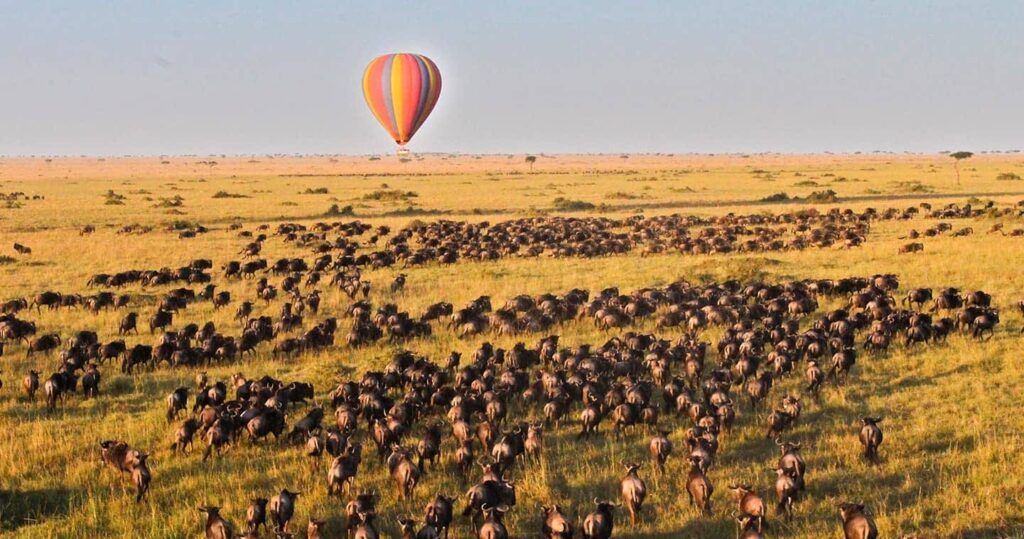
Why January Is an Excellent Time for the Southern Serengeti? This question matters to travelers planning a Tanzania safari around wildlife, photography, landscapes, and seasonal experiences. January offers a remarkable opportunity to explore the southern Serengeti when the ecosystem becomes especially active. Seasonal rains transform the plains into fresh green landscapes, while large herds of wildebeest and other herbivores gather across the short-grass plains. For travelers seeking a rewarding wildlife experience without relying entirely on peak-season travel, January can provide an excellent balance of wildlife activity, scenery, and adventure.
The southern Serengeti is particularly significant because seasonal wildlife movements bring large concentrations of wildebeest, zebras, and gazelles into the region. During this period, abundant grazing supports pregnant females and prepares the ecosystem for the dramatic calving season that follows. Predators also take advantage of the concentration of prey, creating opportunities to observe lions, cheetahs, hyenas, jackals, and other carnivores in their natural environment. Consequently, Why January Is an Excellent Time for the Southern Serengeti? becomes easier to understand when the ecological relationship between rainfall, fresh grass, herbivore movements, and predator behavior is considered.
For international visitors, January also provides a different perspective on Tanzania Safaris. Rather than experiencing only the busiest traditional safari periods, travelers can explore an environment shaped by seasonal renewal. The green plains create exceptional photographic conditions, while dramatic skies and fresh vegetation add depth to the landscape. Visitors combining Tanzania with Kenya Safaris or Uganda Safaris can also create a broader East African itinerary that includes diverse wildlife habitats, cultural experiences, and primate encounters.
What Makes January Special in the Southern Serengeti?
Why January Is an Excellent Time for the Southern Serengeti? can be answered through the remarkable ecological changes that occur during the early months of the year. Seasonal rainfall revitalizes the grasslands, creating nutritious grazing areas for enormous herds. Wildebeest, zebras, and gazelles take advantage of these resources, moving through the plains according to changing food and water availability.
Fresh vegetation supports large herbivore populations while also influencing predator activity. Lions can follow migrating herds, while cheetahs often benefit from open grassland conditions that allow them to hunt. Hyenas may remain active around areas containing large prey concentrations, creating fascinating opportunities for wildlife observation.
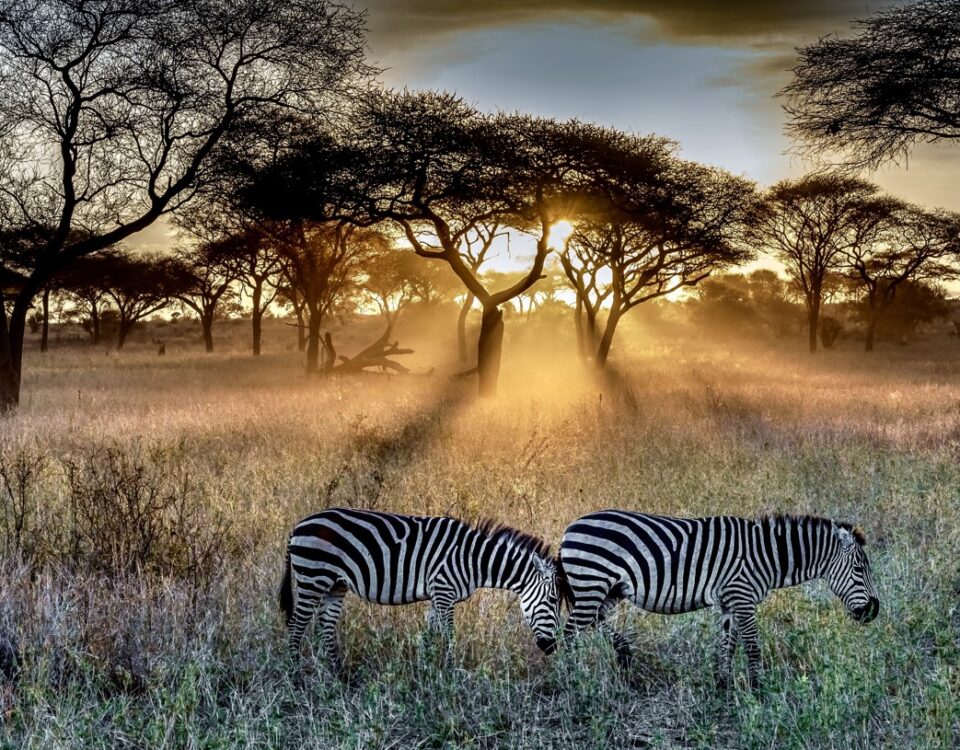
January also brings an atmosphere of renewal. The landscape can appear dramatically different from the dry-season Serengeti, with green grass covering sections of the plains and seasonal water sources becoming more active. Photographers often appreciate this period because animals stand against vibrant landscapes rather than dusty, dry backgrounds.
Furthermore, Tanzania Safaris during January can offer travelers a strong combination of wildlife viewing and scenic beauty. Visitors may spend mornings exploring the plains, afternoons observing wildlife behavior, and evenings enjoying the atmosphere of a safari camp or lodge.

What Wildlife Can You Expect During January?
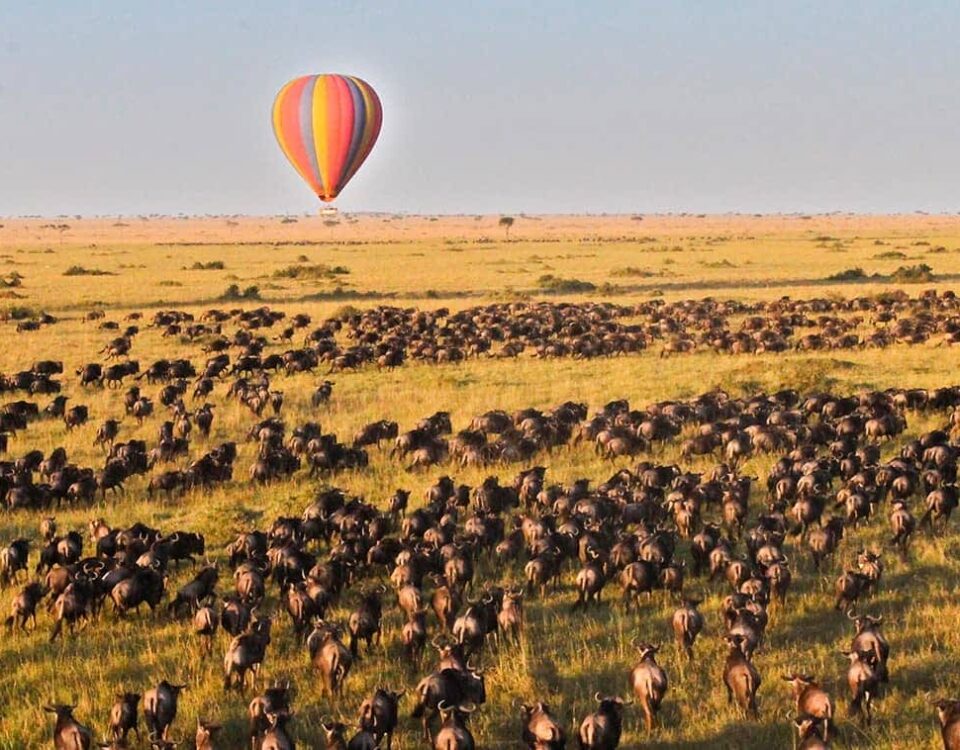
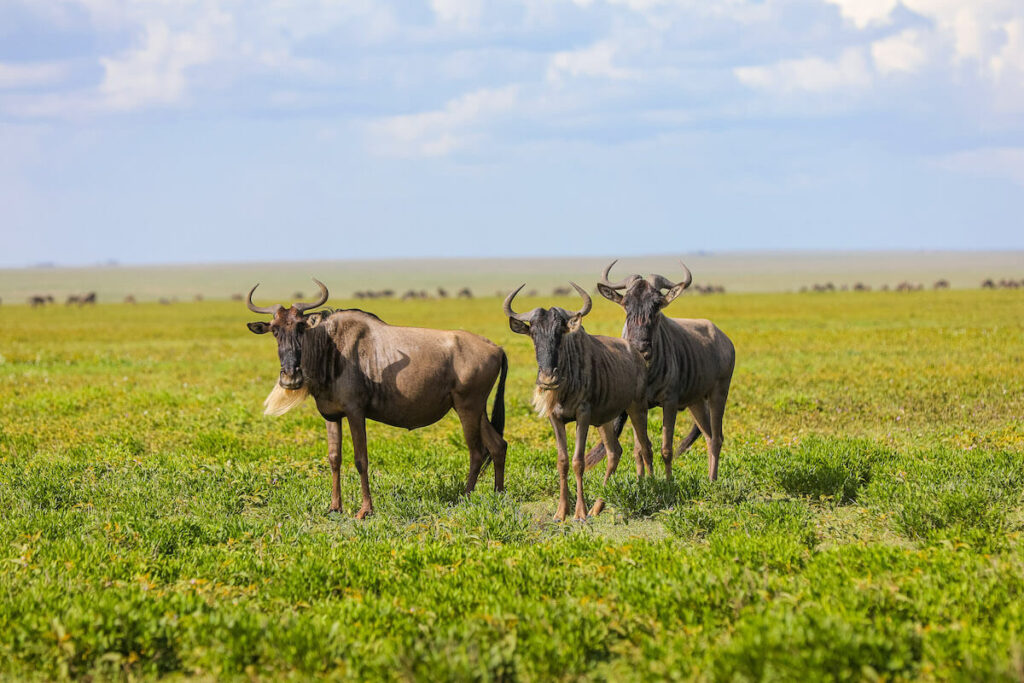
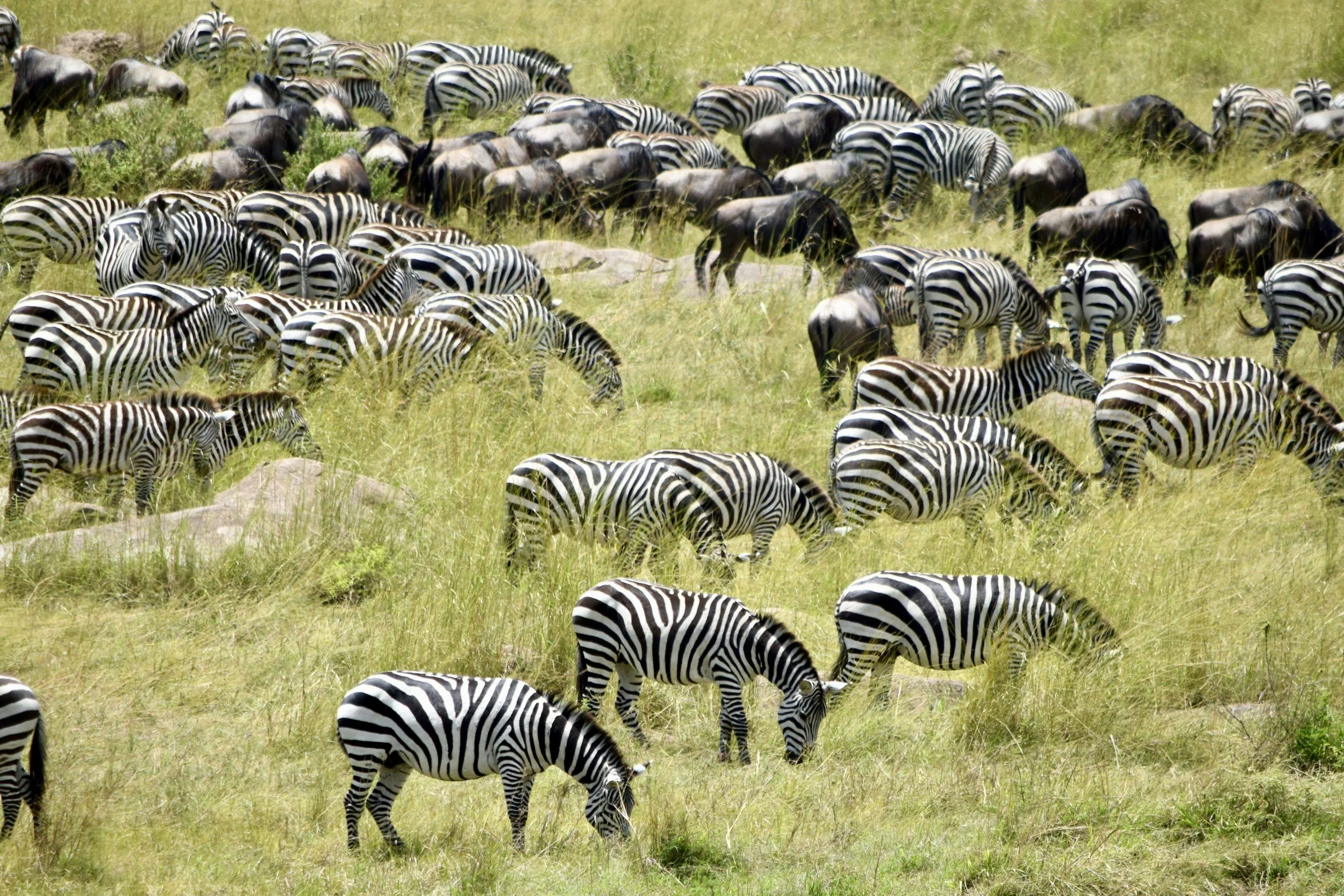
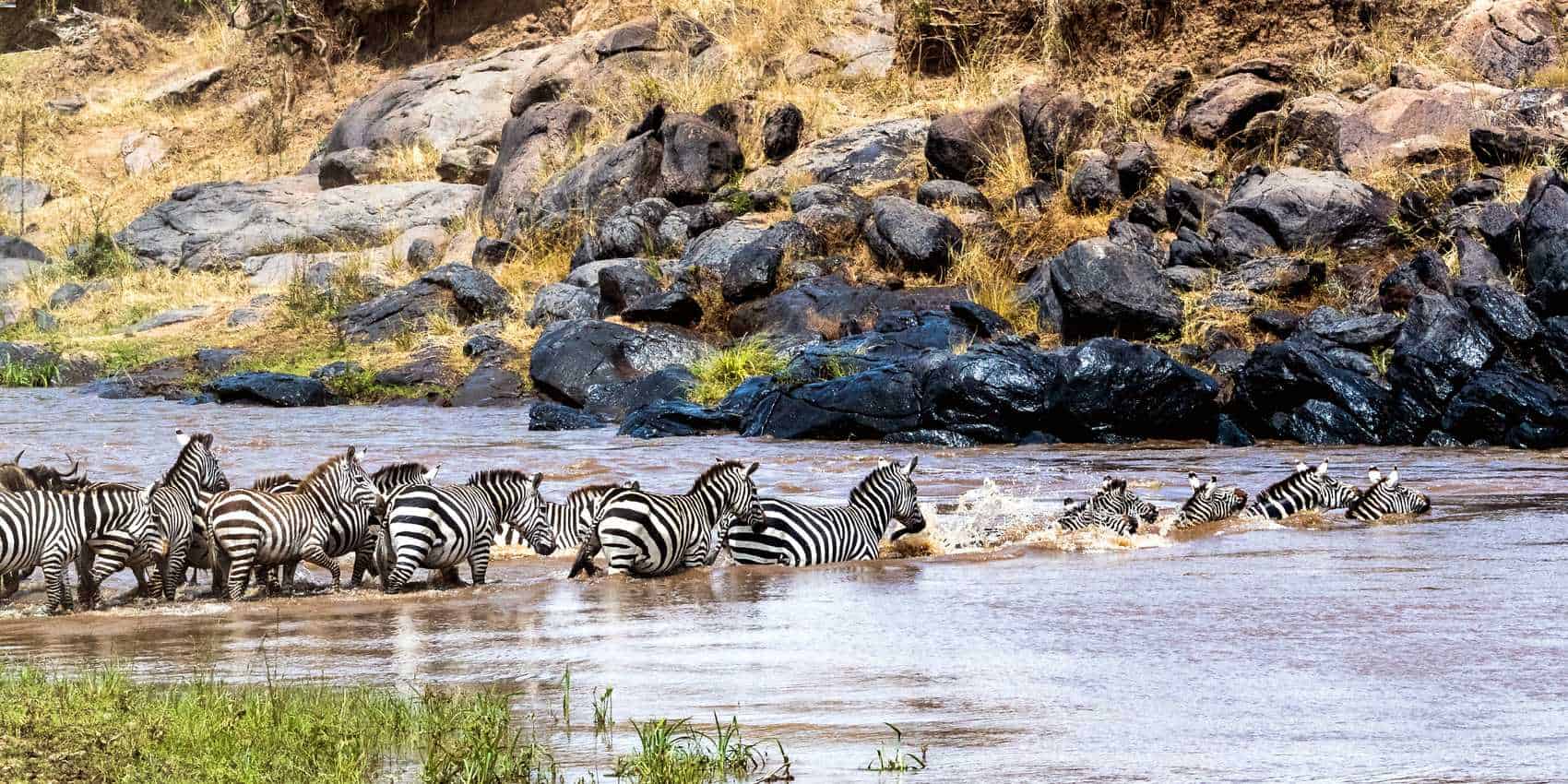
Why January Is an Excellent Time for the Southern Serengeti? becomes especially compelling for wildlife enthusiasts. Large herbivore concentrations create a dynamic environment where predators remain active. Wildebeest form the most recognizable component of the seasonal movement, but zebras and gazelles also contribute significantly to the spectacle.
Lions can often be found in areas where prey concentrations provide reliable hunting opportunities. Cheetahs may use open terrain to pursue smaller or younger animals. Leopards remain more secretive, although experienced guides understand the habitats and signs that can help locate them.
Hyenas provide another fascinating element of the ecosystem. These highly social carnivores can be observed communicating, scavenging, hunting, and interacting around areas containing abundant prey. Jackals and various birds of prey may also take advantage of the seasonal abundance.
Elephants, giraffes, buffaloes, hippos, and numerous antelope species contribute further diversity. Birdwatchers can encounter resident species alongside migratory birds attracted by seasonal conditions.
For travelers considering Tanzania Safaris, January therefore provides more than one wildlife attraction. The entire ecosystem becomes active, creating opportunities to observe relationships between predators, prey, vegetation, weather, and water.
How Does the Calving Season Affect January Safaris?
Why January Is an Excellent Time for the Southern Serengeti? is strongly connected to the beginning of the wildebeest calving period. As the season progresses, large numbers of wildebeest give birth across the southern Serengeti and surrounding plains. This creates one of the most fascinating wildlife spectacles in East Africa.
Newborn calves attract considerable attention from predators because young animals are more vulnerable during their first days and weeks. Lions, cheetahs, hyenas, and other carnivores can take advantage of this seasonal opportunity. Such interactions demonstrate the realities of natural selection and the interconnected nature of the Serengeti ecosystem.
Nevertheless, travelers should understand that nature does not operate according to fixed schedules. The precise timing and location of births can vary depending on rainfall and ecological conditions. Professional guides use current field knowledge and local observations to identify promising areas.
January can therefore offer an educational safari experience alongside extraordinary wildlife encounters. Visitors can observe not only animals but also the broader ecological processes shaping their behavior.
For people researching Tanzania Safaris, understanding the calving season provides valuable insight into why seasonal timing matters. A safari during January is not simply about seeing more animals. It is about witnessing an important stage in one of Africa’s most famous wildlife cycles.
What Are The Expectations in This Safari?
Why January Is an Excellent Time for the Southern Serengeti? also depends on realistic expectations. Travelers should expect active wildlife environments, green scenery, potentially changing weather, and varying road conditions following seasonal rainfall.
Morning game drives can provide excellent opportunities to observe predators when temperatures remain cooler. Afternoon excursions may reveal different wildlife behavior as animals move toward shade, grazing areas, or water sources. Evening drives, where permitted, can provide opportunities to experience the ecosystem from another perspective.
Road conditions may change after rainfall, especially on unpaved tracks. However, these conditions are part of the authentic safari environment. Travelers should remain flexible because weather can influence daily movements and wildlife locations.
Accommodation choices can range from comfortable safari camps to luxury lodges. Selecting a property near the southern Serengeti’s key wildlife areas can reduce unnecessary driving and provide more time for exploration.
Visitors should also expect early starts. Wildlife activity often peaks during cooler periods, making dawn an important part of the safari experience.
Ultimately, Tanzania Safaris are most rewarding when travelers understand that wildlife viewing requires patience. Animals remain wild, and every game drive provides a different experience.
When Is The Best Time for This Safari?
Why January Is an Excellent Time for the Southern Serengeti? does not mean January is the only suitable month. Instead, January is particularly attractive for travelers who want to experience the southern Serengeti during the green season and around the beginning of the calving period.
February can continue offering excellent opportunities as calving activity becomes increasingly prominent. March may still provide rewarding wildlife encounters depending on rainfall and herd movements. Other months offer different wildlife experiences across the wider Serengeti ecosystem.
Travelers interested in the Great Migration should understand that the herds move according to environmental conditions rather than fixed dates. Rainfall, food availability, and water influence their movements.
January can therefore suit visitors who value seasonal landscapes, wildlife activity, photography, and potentially fewer crowds than some peak travel periods.
For those planning broader Tanzania Safaris, January also provides opportunities to combine the Serengeti with Ngorongoro, Tarangire, Lake Manyara, or other destinations. Travelers can create a multi-park itinerary that balances wildlife viewing with cultural and scenic experiences.
How Does January Benefit Wildlife Photography?
Why January Is an Excellent Time for the Southern Serengeti? is particularly relevant to photographers because the green season creates striking visual conditions. Fresh grass provides vibrant foregrounds, while dramatic clouds can add depth to landscape compositions.
Young wildebeest, zebras, and other animals can create powerful photographic subjects during the calving period. Predator activity adds another dimension, particularly when lions, cheetahs, or hyenas interact with large herbivore groups.
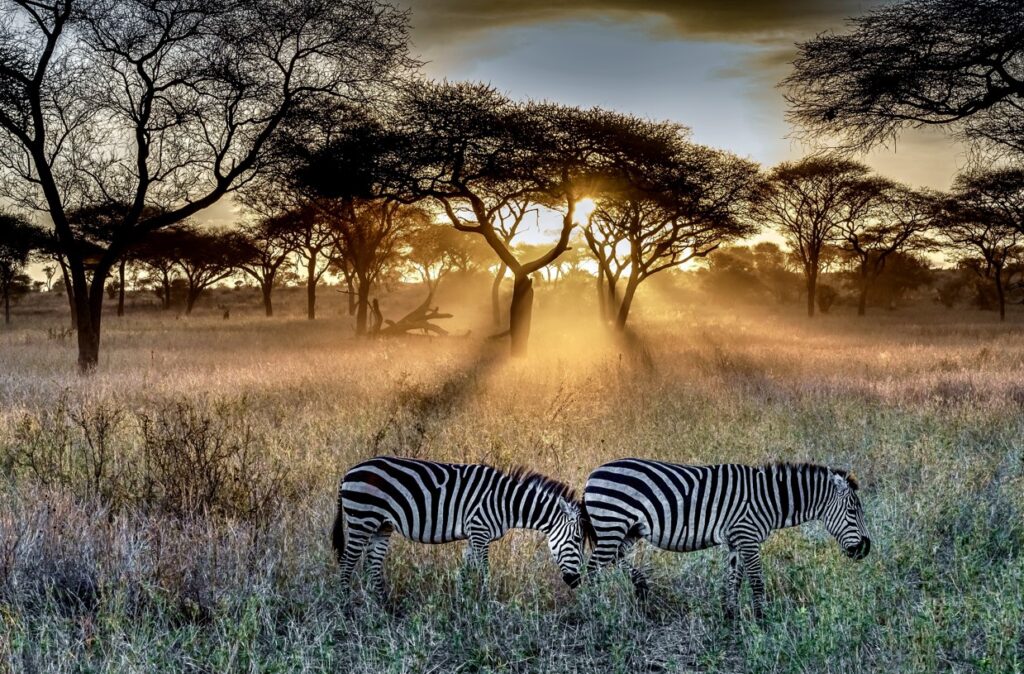
Morning light can produce soft illumination across the plains. Afternoon conditions can create dramatic skies and silhouettes, while occasional rain may produce striking atmospheric scenes.
Photographers should remain patient and avoid directing guides toward animals simply for close photographs. Ethical wildlife photography prioritizes animal welfare and natural behavior.
Long lenses, extra batteries, memory cards, dust protection, and weather-resistant equipment can improve the photographic experience. Binoculars also remain useful for locating animals before preparing a camera.
Compared with many dry-season landscapes, January’s green scenery provides a different visual interpretation of the Serengeti. Consequently, Tanzania Safaris during this period can appeal strongly to travelers interested in photography and nature storytelling.
Why Is January Suitable for Birdwatching?
Why January Is an Excellent Time for the Southern Serengeti? extends beyond mammals. Seasonal conditions can create excellent opportunities for bird enthusiasts. Migratory birds may be present, while resident species remain active throughout the ecosystem.
Open grasslands provide habitats for birds of prey, ground-dwelling species, and various seed-eating birds. Wet areas can attract water-associated species, while woodland sections support different bird communities.
Birdwatching adds another layer to Tanzania Safaris because travelers often focus heavily on large mammals. Taking time to observe smaller and less celebrated species can reveal the remarkable biodiversity supporting the wider Serengeti ecosystem.
Experienced guides can help identify bird calls, feeding behavior, nesting activity, and seasonal visitors. Travelers who carry binoculars can enjoy these encounters without disturbing wildlife.
Combining mammal viewing with birdwatching also makes the safari more educational. Visitors gain a broader understanding of how different species share habitats and respond to seasonal environmental changes.
Why January Is an Excellent Time
How Can You Combine the Southern Serengeti With Other Destinations?
Why January Is an Excellent Time for the Southern Serengeti? becomes even more relevant when the region forms part of a larger itinerary. Travelers can combine southern Serengeti experiences with other destinations to create a comprehensive Tanzania safari.
Ngorongoro provides spectacular crater scenery and diverse wildlife. Tarangire is renowned for elephants, baobab landscapes, and seasonal wildlife concentrations. Lake Manyara offers scenic diversity, birdlife, and opportunities for different wildlife encounters.
International travelers can also combine Tanzania Safaris with Kenya Safaris. A Kenya-Tanzania itinerary can connect destinations such as Maasai Mara and Serengeti, creating opportunities to explore two interconnected wildlife ecosystems.
Meanwhile, Uganda Safaris can provide a completely different extension for travelers interested in primates. Gorilla trekking in Bwindi or Volcanoes-related regional experiences can add forest exploration to a savannah-focused journey.
Such combinations require careful planning because travel distances, border procedures, permits, and transportation arrangements vary. Professional itinerary design can help maintain a comfortable pace.
Why Choose Us For This Particular Safari?
Why January Is an Excellent Time for the Southern Serengeti? is a question that requires more than a simple seasonal answer. Travelers need reliable information, appropriate accommodation, knowledgeable guides, efficient transportation, and an itinerary designed around their interests.
Terenga Africa Safaris & Travel Ltd focuses on creating carefully planned African journeys that connect travelers with wildlife, landscapes, cultures, and conservation. Our approach considers the traveler’s priorities before recommending destinations and activities.
January travelers may prioritize the wildebeest calving season, photography, birdwatching, predator encounters, or quieter safari conditions. Understanding these priorities helps create an itinerary that maximizes meaningful experiences.
Professional destination knowledge also matters because seasonal wildlife movements can influence where travelers spend their time. Flexible planning allows guides and safari teams to respond to changing field conditions while maintaining the overall itinerary structure.
For travelers combining Tanzania Safaris with Uganda Safaris or Kenya Safaris, careful coordination becomes even more important. Our goal is to create seamless journeys while maintaining comfort, safety, authenticity, and responsible tourism standards.
What to Pack for a January Southern Serengeti Safari?
Why January Is an Excellent Time for the Southern Serengeti? also involves practical preparation. January can bring rainfall, warm daytime temperatures, and cooler mornings, so travelers should pack versatile clothing.
Lightweight shirts and trousers can provide comfort during warm periods, while a light waterproof jacket can become useful during showers. A fleece or warm layer can help during early morning game drives.
Comfortable closed shoes are recommended for safari activities. Travelers should also bring sunglasses, sunscreen, a wide-brimmed hat, insect repellent, and personal medication.
Photography enthusiasts should carry spare batteries, memory cards, lens-cleaning equipment, and protective bags for unexpected rain. Binoculars can significantly improve wildlife observation.
A small daypack can hold water, camera equipment, rain protection, and other essentials during game drives. Soft-sided luggage can also be practical when domestic flights form part of the itinerary.
Most importantly, travelers should pack according to their complete itinerary rather than the Serengeti alone. Additional destinations within Tanzania Safaris, Kenya Safaris, or Uganda Safaris may require different clothing and equipment.
How Can Travelers Practice Responsible Tourism?
Why January Is an Excellent Time for the Southern Serengeti? also relates to responsible wildlife tourism. The calving season can create intense wildlife activity, making respectful behavior particularly important.
Visitors should remain inside designated vehicles, maintain appropriate distances, and avoid actions that disturb animals. Guides should never pressure wildlife for photographs or force vehicles into sensitive areas.
Travelers can also minimize environmental impact by reducing plastic waste, conserving water, respecting accommodation guidelines, and using established routes.
Supporting locally owned businesses, community initiatives, conservation projects, and responsible tourism providers can help ensure tourism benefits surrounding communities.
Ethical tourism protects the very experiences that attract visitors to the Serengeti. Sustainable practices allow future generations to witness the same wildlife spectacle.
For international travelers, responsible Tanzania Safaris therefore provide both personal enjoyment and a meaningful contribution to conservation.
Why January Is an Excellent Time
Conclusion: Why Should You Visit the Southern Serengeti in January?
Why January Is an Excellent Time for the Southern Serengeti? can ultimately be answered through the combination of wildlife, scenery, seasonal activity, and ecological significance. Green plains, abundant grazing, large herbivore concentrations, predator activity, and the beginning of the calving season create a fascinating period for exploration.
January also provides excellent opportunities for photographers and nature enthusiasts. Dramatic skies, fresh vegetation, young animals, and active predators can produce memorable observations and powerful photographs.
Beyond wildlife, travelers can combine the southern Serengeti with other destinations across Tanzania. Those seeking a wider East African experience can also connect Tanzania Safaris with Kenya Safaris or Uganda Safaris, creating a multi-country adventure filled with contrasting ecosystems.
Terenga Africa Safaris & Travel Ltd is committed to helping travelers discover Africa through professionally planned, responsible, and meaningful journeys. Our focus remains on destination expertise, personalized service, comfortable travel, and authentic experiences.
Ultimately, Why January Is an Excellent Time for the Southern Serengeti? is a question with many answers. The season offers renewal, wildlife activity, beautiful landscapes, and opportunities to witness one of nature’s most remarkable cycles.
For travelers seeking a memorable African adventure, January can provide a powerful introduction to the living ecosystem of the southern Serengeti.
Best Trending Tanzania Safari Holidays for 2027/2028
- 12-Day Tanzania Wildlife Safari
- 10-Day Tanzania Wildlife Safari & Zanzibar
- 10-Day Best Tanzania Honeymoon Luxury Safari and Zanzibar Beach Getaway
- 9-Day Ultimate Tanzania Wildlife Safari
- 9-Day Tanzania Adventure Safari
- 8-Day Tanzania Mid-Range Safari
- 8-Day Tanzania Northern Circuit Safari
- 7-Day Tanzania Wildlife Safari
- 7-Day Tanzania Wildlife Wonders Experience Tour
- 6-Day Majestic Tanzania Wildlife Luxury Safari
- 5-Day Kenya Wildlife Budget Safari
- 13-Day Tanzania Wildlife Tour & Zanzibar Beach Holiday
- 12-Day Tanzania Wildlife Safari Itinerary
- 11-Day Tanzania & Zanzibar Safari Adventure
- 11 Days Magical Kenya and Tanzania Safari
- 4-Day Tanzania Safari Extension Itinerary
- 5-Day Tanzania Safari Extension
- 9-Day Tanzania Wildlife Safari Adventure
- 7 Days Tanzania Safari Holiday
- 8 Days Tanzania Safari Holiday Itinerary