Why February Is a Predator Paradise in the Serengeti?
October 20, 2026
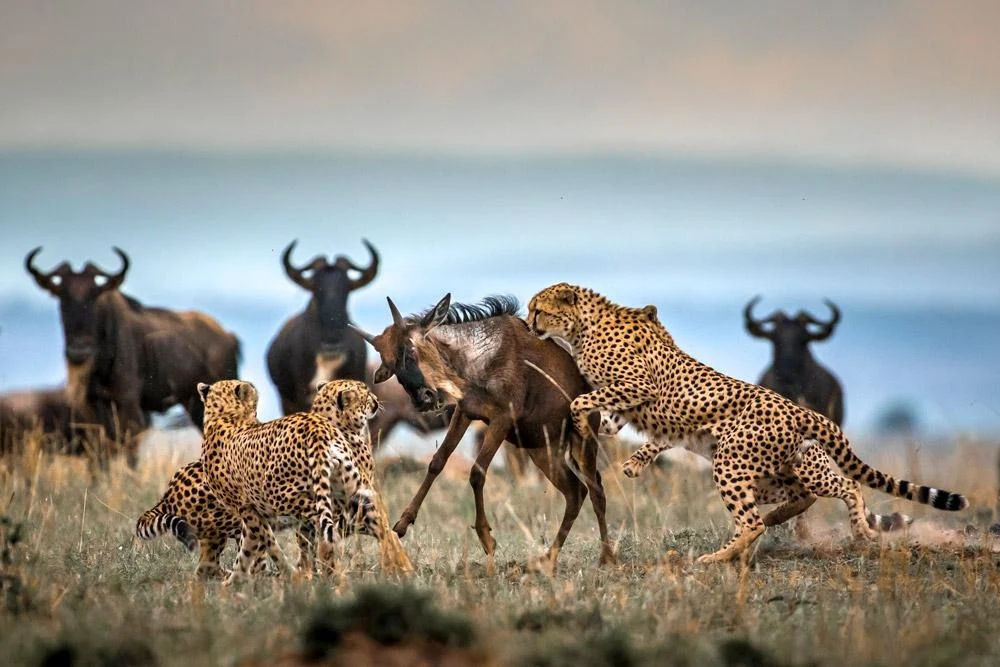
Cheetahs Hunting During the Great Migration Calving Season
October 21, 2026
Lions During the Wildebeest Calving Season
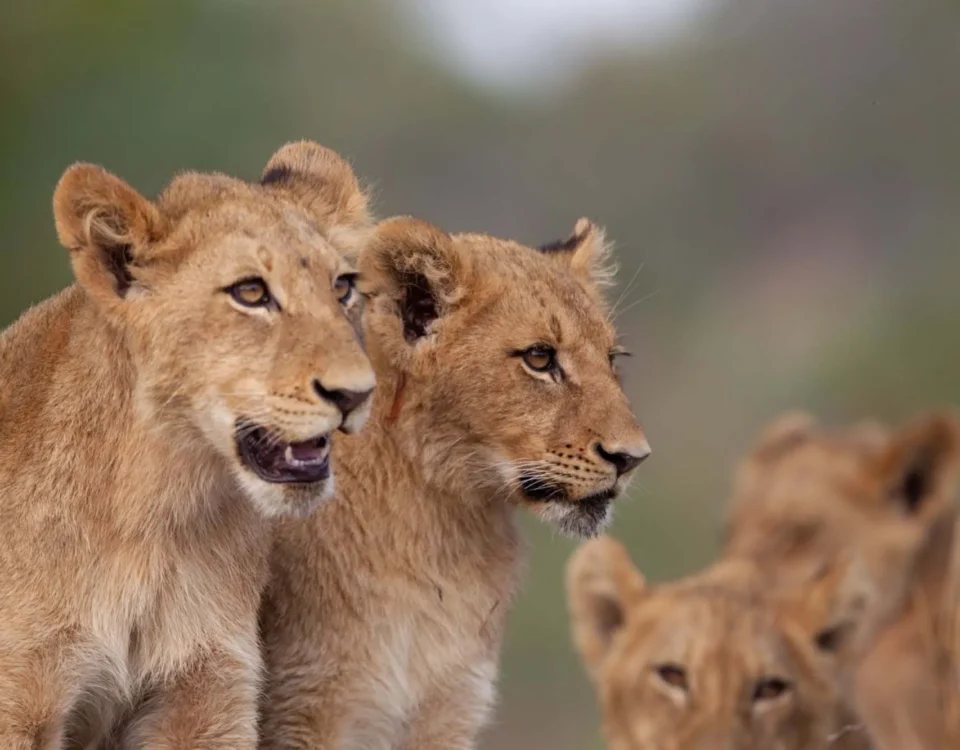
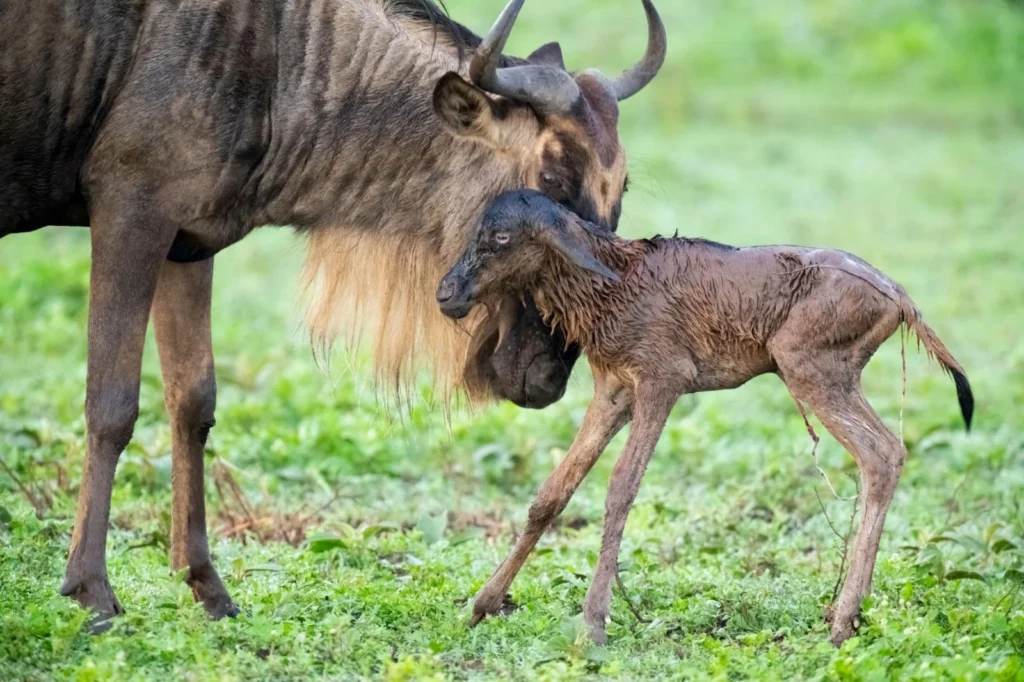
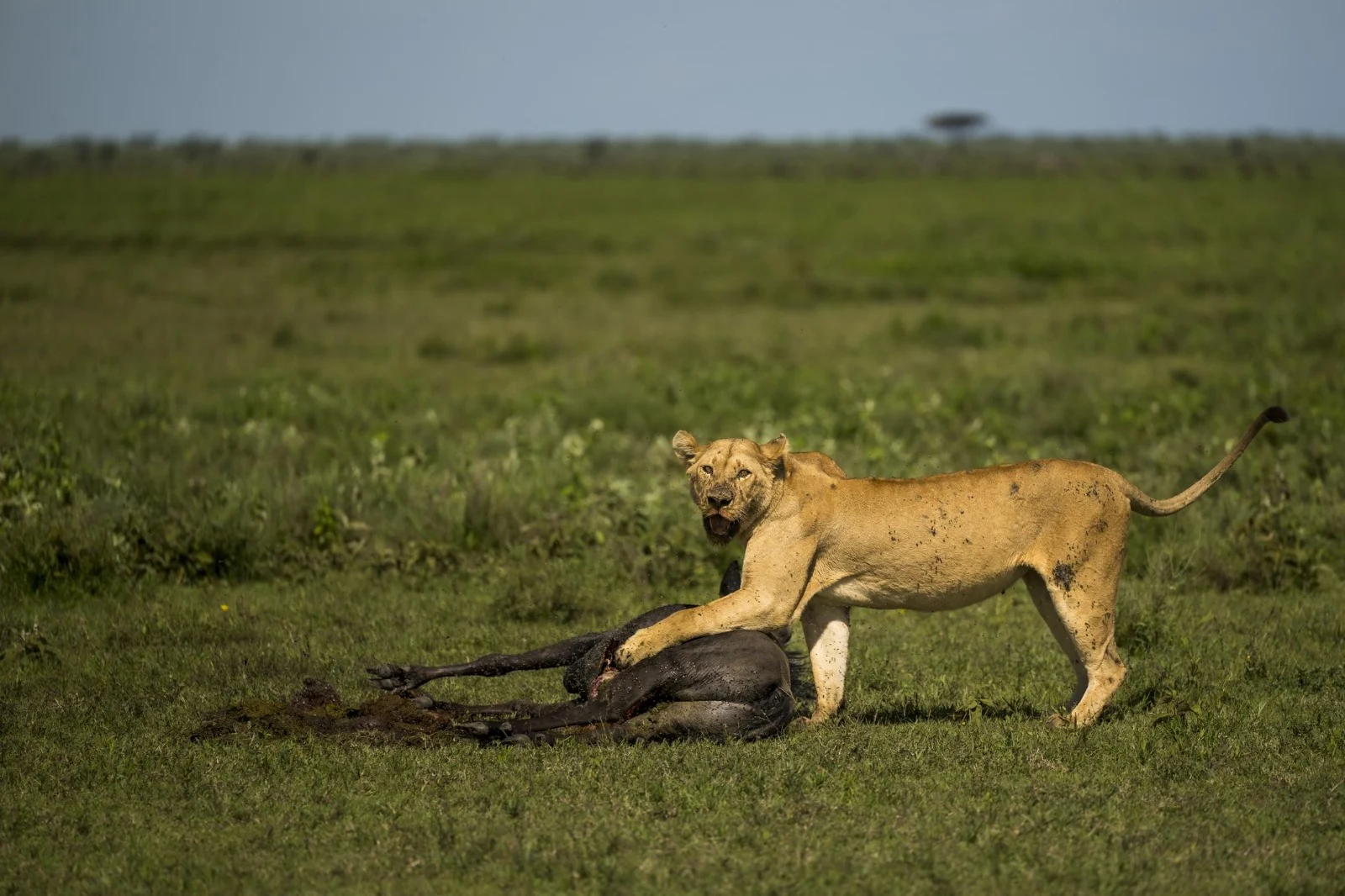
Lions During the Wildebeest Calving Season is a captivating wildlife experience that reveals the relationship between predators, newborn animals, and survival across Tanzania’s famous Serengeti ecosystem. Every year, enormous herds of wildebeest gather across the southern plains, particularly around the Ndutu region, to give birth to their calves. This seasonal concentration of wildlife attracts lions and other carnivores seeking food. As a result, the grasslands become an extraordinary setting for observing hunting strategies, maternal instincts, territorial behaviour, and the natural competition that shapes life in the African wilderness. For travellers who appreciate authentic wildlife encounters, this period provides an opportunity to witness nature without artificial staging or interference.
During the calving season, the arrival of thousands of newborn wildebeest creates favourable feeding opportunities for lions. Lionesses may search for vulnerable prey, while other members of a pride rest, patrol their territory, or remain close to their young. Meanwhile, migrating herds continue grazing across nutrient-rich plains, creating a constantly changing landscape. These interactions make Lions During the Wildebeest Calving Season particularly rewarding for photographers, wildlife enthusiasts, and visitors seeking meaningful Tanzania Adventures. Although hunting can be observed, it is never guaranteed, and many game drives focus on quieter moments that reveal equally important animal behaviour. Through carefully planned Tanzania Safaris, travellers can explore the southern Serengeti with knowledgeable guides who explain these ecological relationships and promote responsible wildlife viewing. Terenga Africa Safaris & Travel Ltd helps international visitors discover Tanzania through thoughtfully organised journeys that combine wildlife exploration, practical travel advice, and appreciation for Africa’s natural heritage.
What Makes Lions During the Wildebeest Calving Season So Special?
The southern Serengeti provides favourable conditions for lions during the annual wildebeest calving period. Seasonal rainfall encourages fresh grass growth, attracting migrating herbivores to feeding grounds that support pregnant females and nursing mothers. Consequently, large numbers of wildebeest, zebras, and gazelles can gather across the plains. This abundance creates opportunities for predators to hunt while providing wildlife observers with a chance to study different species within the same landscape. Lions are adaptable hunters that use strength, patience, cooperation, and careful positioning to capture prey. Depending on the circumstances, lionesses may work together to approach a herd or target an animal that becomes separated from the group. However, successful hunts depend on many factors, including prey behaviour, terrain, wind direction, and the condition of individual animals.
Beyond hunting, Lions During the Wildebeest Calving Season offers valuable opportunities to observe lion family life. Visitors may encounter lionesses resting with their cubs, males patrolling territorial boundaries, or pride members gathering after feeding. These moments help explain how social relationships contribute to survival in the wild. The calving season also demonstrates why predators and prey remain closely connected. Although newborn wildebeest are vulnerable, many survive because births occur within a concentrated period, leaving predators with more potential prey than they can capture. This natural process helps maintain the balance between grazing animals and carnivores. Travellers undertaking Tanzania Tours can learn how rainfall, vegetation, migration, and predator behaviour influence the ecosystem. With a skilled guide, even a quiet encounter with resting lions can reveal important details about their habits and the challenges they face.

Where Can You See Lions During the Wildebeest Calving Season?
The southern Serengeti plains and the Ndutu region are among the most rewarding places to observe Lions During the Wildebeest Calving Season. These landscapes attract migrating herds because seasonal grass provides nutritious grazing for adult wildebeest and their newborn calves. Open plains allow visitors to scan the horizon for lions, while scattered trees and rocky outcrops provide resting places and cover. Seasonal lakes and surrounding grasslands also support zebras, gazelles, birds, and other wildlife. This variety makes the region suitable for travellers who want more than a single-species encounter.
Ndutu includes areas within the Ngorongoro Conservation Area, while neighbouring calving grounds extend into the southern Serengeti National Park. Understanding these boundaries is useful when choosing accommodation and arranging daily game drives. The location of the herds can change with rainfall and grazing conditions, so flexible planning is important. Central Serengeti, particularly the Seronera area, also supports resident lion populations and can provide excellent wildlife viewing throughout the year. Nevertheless, the southern plains are often the preferred starting point for travellers visiting during the main calving period. A well-planned itinerary through Terenga Africa Safaris & Travel Ltd can prioritise these productive areas while allowing additional time for other destinations, depending on your interests and budget.
Which Other Wildlife Can You See Alongside Lions?
Lions During the Wildebeest Calving Season is part of a much broader wildlife spectacle. Cheetahs are frequently associated with open grasslands, where their speed helps them pursue prey. Spotted hyenas may hunt in groups, scavenge, or compete with other carnivores for food. Leopards also inhabit the wider Serengeti ecosystem, although their secretive behaviour can make sightings less predictable. Jackals and other smaller predators contribute to the region’s ecological diversity.
Alongside these carnivores, travellers may encounter zebras, Thomson’s gazelles, giraffes, elephants, buffaloes, and numerous bird species. Vultures may circle above the plains, while ostriches move through open grassland. Such encounters create excellent opportunities for photography and wildlife observation. Each species has its own feeding habits, social structure, and survival strategies, making the ecosystem particularly fascinating to explore.
Responsible guides can help visitors identify animals, interpret their behaviour, and understand how different species interact. During Tanzania Safaris, travellers should avoid asking drivers to crowd animals or disturb natural behaviour for photographs. Maintaining appropriate distances protects wildlife and allows other visitors to enjoy the experience. Ultimately, the richness of the Serengeti lies not only in its famous lions but also in the relationships connecting the entire ecosystem.
What Are the Expectations During This Safari?
A safari focused on Lions During the Wildebeest Calving Season typically includes early morning and afternoon game drives. These excursions allow visitors to explore different habitats while observing wildlife under changing light and weather conditions. Morning drives can be rewarding because some predators remain active after the night, while afternoon outings provide additional opportunities to locate lions, grazing herds, and other animals. Your guide may also explain territorial markings, hunting strategies, social behaviour, and the significance of wildebeest migration.
Wildlife sightings remain unpredictable because animals move freely across the landscape. Some days may provide several encounters with lions, while others offer more time to observe herbivores, birds, and scenic plains. Patience is therefore an important part of the experience. Travellers should also prepare for bumpy roads, dusty conditions, occasional rain, and extended periods inside a safari vehicle. The exact experience depends on accommodation, itinerary length, weather, and wildlife movements.
For photographers, Lions During the Wildebeest Calving Season can provide opportunities to capture lion prides, newborn calves, and interactions between predators and prey. Families and first-time visitors can also enjoy the educational aspects of the journey. However, sightings of births or successful hunts cannot be guaranteed. A rewarding safari combines realistic expectations, knowledgeable guiding, responsible viewing, and enough time to appreciate the natural environment.
When Is the Best Time to See Lions During the Wildebeest Calving Season?
January, February, and March generally provide the main opportunities to experience Lions During the Wildebeest Calving Season in southern Tanzania. Wildebeest begin gathering on the southern plains around the start of the calving period, with births commonly becoming concentrated in January and February. February is often particularly rewarding because large numbers of newborn calves may attract predators to the region. March can also offer excellent wildlife viewing, although herd locations and the frequency of births vary according to rainfall.
Weather conditions influence the appearance of the landscape and the comfort of game drives. The green season can produce lush grasslands and attractive photographic backgrounds, while occasional showers may make some roads muddy. Warm daytime temperatures and cooler mornings mean that adaptable clothing is useful. Travellers should consider spending three to four days around the southern Serengeti and Ndutu to allow time for exploring different areas. Booking accommodation early is advisable during popular periods, especially when seeking camps close to the calving grounds.
Although February is an excellent choice, the ideal dates depend on your travel preferences and the latest seasonal conditions. Consulting a knowledgeable safari operator before confirming your trip can help you select suitable accommodation and travel arrangements.
Why Choose Terenga Africa Safaris & Travel Ltd for This Safari?
Terenga Africa Safaris & Travel Ltd helps travellers plan meaningful Tanzania Adventures through personalised itineraries, practical travel guidance, and attention to individual preferences. Every visitor has different priorities, whether they want to photograph lions, observe wildebeest calving, enjoy comfortable accommodation, or combine several national parks. Understanding these interests allows a safari to balance game drives, travel time, relaxation, and wildlife education.
Planning Lions During the Wildebeest Calving Season requires particular attention to seasonal wildlife movements. The southern Serengeti and Ndutu region are strong starting points, but daily viewing locations may change as herds move. Travellers should also consider accommodation standards, transport arrangements, park fees, and the length of their stay. Our team can help you explore suitable options based on your preferred dates, budget, and travel style.
Responsible tourism is equally important. Visitors should follow park regulations, respect wildlife viewing distances, and avoid disturbing animals for photographs. By encouraging informed decisions and realistic expectations, Terenga Africa Safaris & Travel Ltd aims to help guests appreciate Tanzania’s wildlife while supporting responsible travel practices. Whether you are planning a private safari, a romantic holiday, or a wildlife photography adventure, a carefully designed itinerary can make your journey more comfortable and rewarding.
Visit www.terengasafaris.com to discuss your travel plans and explore available Tanzania safari options.
What Should You Pack for This Safari?
Preparing for Lions During the Wildebeest Calving Season begins with choosing practical clothing and equipment for changing weather conditions. Lightweight shirts, breathable trousers, and neutral colours such as khaki, olive, and beige are suitable for most game drives. A warm jacket or fleece helps during early morning departures, while a waterproof layer provides protection against occasional rain. Comfortable shoes are useful around camps and designated walking areas.
A wide-brimmed hat, sunglasses, sunscreen, and insect repellent can improve comfort during outdoor activities. Binoculars are valuable for observing distant animals, while a camera with a suitable zoom lens helps capture wildlife without approaching too closely. Photographers should consider spare batteries, extra memory cards, and protection against dust or moisture. Personal medication, toiletries, travel documents, and insurance information should also be packed.
Before departure, confirm luggage restrictions with your safari operator, particularly if your itinerary includes domestic flights. International travellers should check applicable visa requirements and current travel guidance before leaving home. Thoughtful preparation helps you remain comfortable throughout the journey and concentrate on the remarkable wildlife encounters that make Tanzania Safaris so memorable.

Conclusion: Experience Lions During the Wildebeest Calving Season
Lions During the Wildebeest Calving Season offers a remarkable opportunity to witness the relationship between predators, migrating herbivores, and newborn animals in Tanzania’s Serengeti ecosystem. The southern plains and Ndutu region are particularly rewarding during the main calving period, when abundant grazing attracts wildebeest and creates opportunities for predator activity. Beyond hunting encounters, visitors can observe lion family life, discover other wildlife species, and appreciate the natural processes that sustain this extraordinary environment.
For travellers seeking meaningful Tanzania Tours, the calving season combines wildlife observation, photography, education, and beautiful scenery. Choosing suitable travel dates, allowing enough time for game drives, and following responsible viewing practices can improve the overall experience. Terenga Africa Safaris & Travel Ltd invites wildlife enthusiasts, families, couples, and international explorers to discover Tanzania through carefully planned safari experiences.
Start planning your African adventure today. Visit www.terengasafaris.com to enquire about your preferred dates and explore the possibilities of a Serengeti safari.
Frequently Asked Questions
When is the wildebeest calving season in Tanzania?
The main calving period generally occurs from January through March, although rainfall and grazing conditions influence the timing each year.
Why do lions hunt during the calving season?
Newborn wildebeest provide additional prey opportunities for lions and other carnivores. However, predators continue to hunt other animals, and individual encounters remain unpredictable.
Where is the best place to see lions during calving season?
The southern Serengeti plains and Ndutu region are among the strongest choices, particularly during January and February.
Can visitors watch lions hunting wildebeest?
Yes, hunting behaviour may be observed, but successful hunts are not guaranteed. Visitors should maintain safe distances and follow their guide’s instructions.
How many days should I spend on a Serengeti safari?
Three to four days around the southern Serengeti and Ndutu region can provide a rewarding experience. Longer itineraries offer greater flexibility and opportunities to explore additional destinations.
Is this safari suitable for families?
Yes, families can enjoy the wildlife and educational opportunities. The itinerary should account for children’s ages, comfort requirements, and tolerance for extended game drives.
How can I book a safari with Terenga Africa Safaris & Travel Ltd?
Visit www.terengasafaris.com to discuss your travel dates, accommodation preferences, budget, and wildlife interests with the team.