
Understanding the Changing Movement of the Great Migration
September 23, 2026
How Drought Can Change the Wildebeest Migration Route?
September 24, 2026
Why Every Serengeti Migration Safari Is Different?
Why Every Serengeti Migration Safari Is Different becomes clear when you understand how nature controls the experience. The Great Migration follows seasonal rainfall, fresh grass, water, and changing wildlife conditions. Therefore, no two safari dates create exactly the same adventure.
The Serengeti covers a vast ecosystem with different landscapes and wildlife areas. Wildebeest, zebras, gazelles, predators, elephants, and many bird species share this remarkable environment. Their movements change throughout the year. Consequently, travelers can experience very different scenes during different months.
A Tanzania wildlife tour also depends on the specific area you visit. The western Serengeti differs from the northern Serengeti. Central Seronera provides different opportunities from the southern plains. Moreover, rainfall can influence where animals gather and how they move.
At Terenga Africa Safaris, we understand these seasonal differences. We design journeys around realistic wildlife patterns and traveler interests. Our planning considers timing, accommodation, routes, activities, and conservation.
Understanding Why Every Serengeti Migration Safari Is Different helps travelers plan with realistic expectations. It also encourages flexibility during wildlife encounters. Nature does not follow a fixed itinerary, and that creates the magic.
The Great Migration Never Follows One Fixed Route
Nature Creates the Safari Schedule
The Great Migration follows natural environmental conditions. Rainfall determines where fresh grass appears across the ecosystem. Wildebeest and zebras respond to these changing food sources.
Consequently, migration locations can change between seasons and years. Animals may arrive earlier or later than expected. Their exact positions can also change within a single day.
This natural movement explains Why Every Serengeti Migration Safari Is Different. A traveler may witness huge herds in one location. Another traveler may find smaller groups several kilometers away.
Safari guides constantly observe tracks, animal behavior, weather, and recent sightings. Their local knowledge helps travelers explore productive wildlife areas. Nevertheless, wildlife remains unpredictable.
That unpredictability creates authentic safari experiences. Every game drive becomes an opportunity to discover something unexpected.
Different Seasons Create Different Migration Experiences
January to March: Calving Season
The southern Serengeti becomes particularly important during the calving season. Large numbers of wildebeest gather around the short-grass plains.
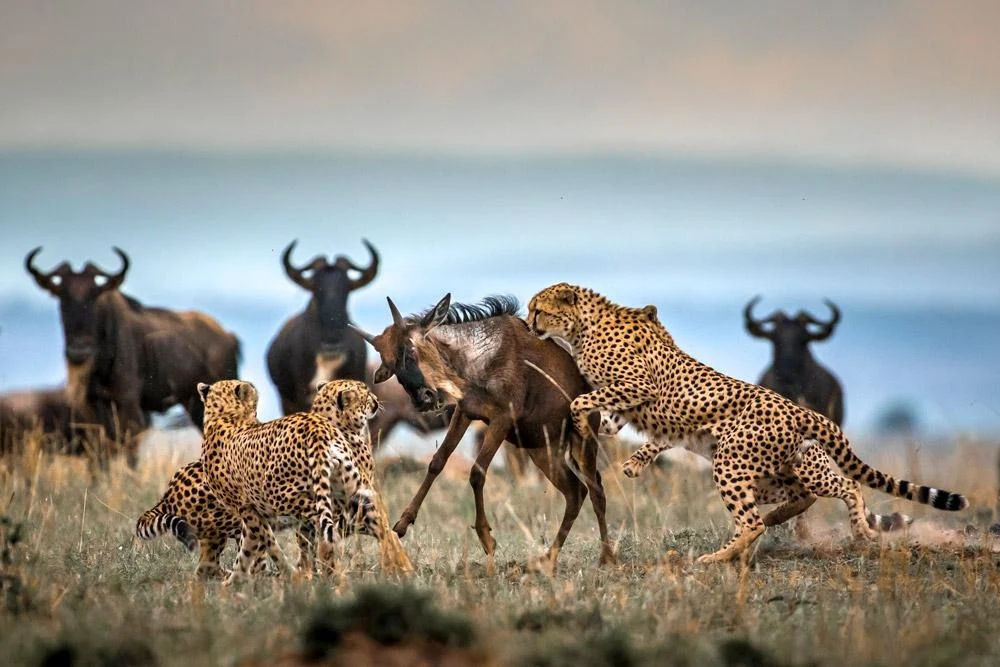
During this period, many calves arrive within a relatively short time. Predators also become active around the herds. Lions, cheetahs, hyenas, and other predators search for vulnerable young animals.
The landscape often looks green after seasonal rains. Wildflowers and fresh grasses can transform the plains. Bird activity can also increase around the ecosystem.
Therefore, a migration safari during this period feels different from a dry-season safari. Wildlife behavior, scenery, and predator activity all contribute to the experience.
This seasonal contrast explains another reason Why Every Serengeti Migration Safari Is Different.

5-Day Tanzania Best Wildlife Adventure
April to May: The Green Serengeti
Rainy Season Landscapes
April and May can bring heavier rainfall across parts of northern Tanzania. The Serengeti landscape can become lush and beautifully green.
Some travelers appreciate this period because the scenery looks exceptionally vibrant. Photography can also benefit from dramatic clouds, green plains, and fewer dusty conditions.
Migration movements continue as animals search for suitable grazing areas. However, rainfall can affect road conditions and daily safari plans.
A Tanzania wildlife safari during this period requires flexibility. Some roads may become challenging after heavy rainfall. Experienced safari planning helps reduce unnecessary travel complications.
Furthermore, fewer visitors in some areas can create a quieter wilderness atmosphere. Travelers who enjoy landscapes and photography may appreciate this seasonal character.
June to July: Migration Toward the North
Following the Herds
As dry conditions develop, large herds begin moving toward northern Serengeti areas. The migration can create spectacular concentrations of wildlife.
This period often attracts travelers interested in following the herds northward. However, migration timing varies each year.
Some herds may move gradually. Others can travel considerable distances within a short period. Weather conditions continue to influence their movements.
Therefore, choosing the right location requires careful itinerary planning. Staying several nights can increase opportunities for memorable encounters.
The northern Serengeti also offers excellent resident wildlife. Lions, leopards, elephants, giraffes, and buffalo remain present beyond migration herds.
This broader wildlife diversity makes northern Tanzania suitable for complete Tanzania safaris.
August to October: Northern Serengeti and River Crossings
A Famous Migration Moment
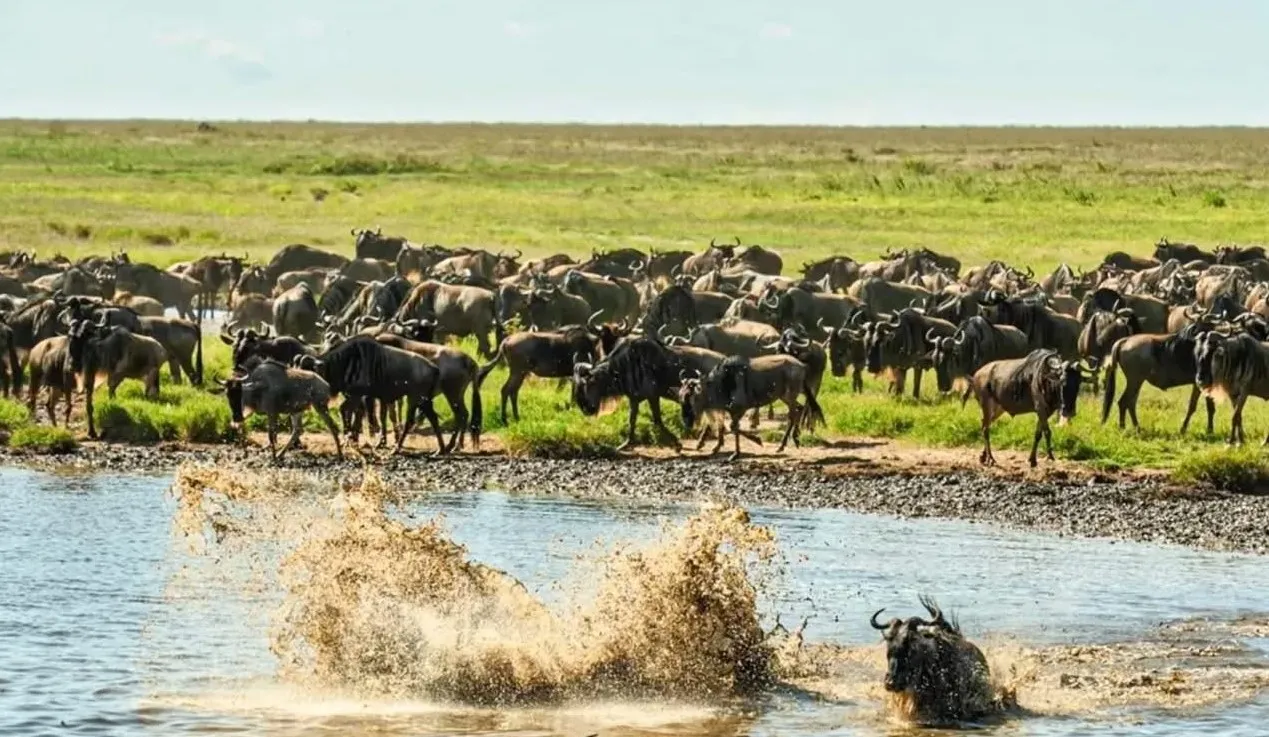
River crossings represent one of the most famous migration scenes. Wildebeest and zebras may approach rivers while searching for new grazing areas.
However, river crossings never happen according to a guaranteed schedule. Herds may gather for hours before moving. They may also change direction unexpectedly.
Travelers should therefore avoid treating a river crossing as a guaranteed event. A responsible safari focuses on the complete ecosystem rather than one particular sighting.
The Mara River provides a dramatic setting during northern migration movements. Strong currents, crocodiles, steep banks, and large herds create a powerful natural scene.
Yet the surrounding wilderness offers much more than crossings. Game drives can reveal predators, elephants, giraffes, hippos, and abundant birdlife.
That broader perspective helps explain Why Every Serengeti Migration Safari Is Different.
November to December: The Migration Begins Moving South
Following New Rains
Short rains can encourage wildlife to move toward southern Serengeti areas. Fresh vegetation attracts herds after rainfall.
This movement marks another fascinating stage of the annual migration cycle. Travelers can encounter changing herd formations and different landscapes.
The scenery can become greener as rainfall returns. Migratory animals may also spread across larger areas.
Consequently, late-year Tanzania adventure safaris can provide a different atmosphere from peak dry-season travel.
The migration remains a continuous ecological process. It does not begin and end on specific calendar dates.
For this reason, travelers should focus on seasonal patterns rather than fixed promises.
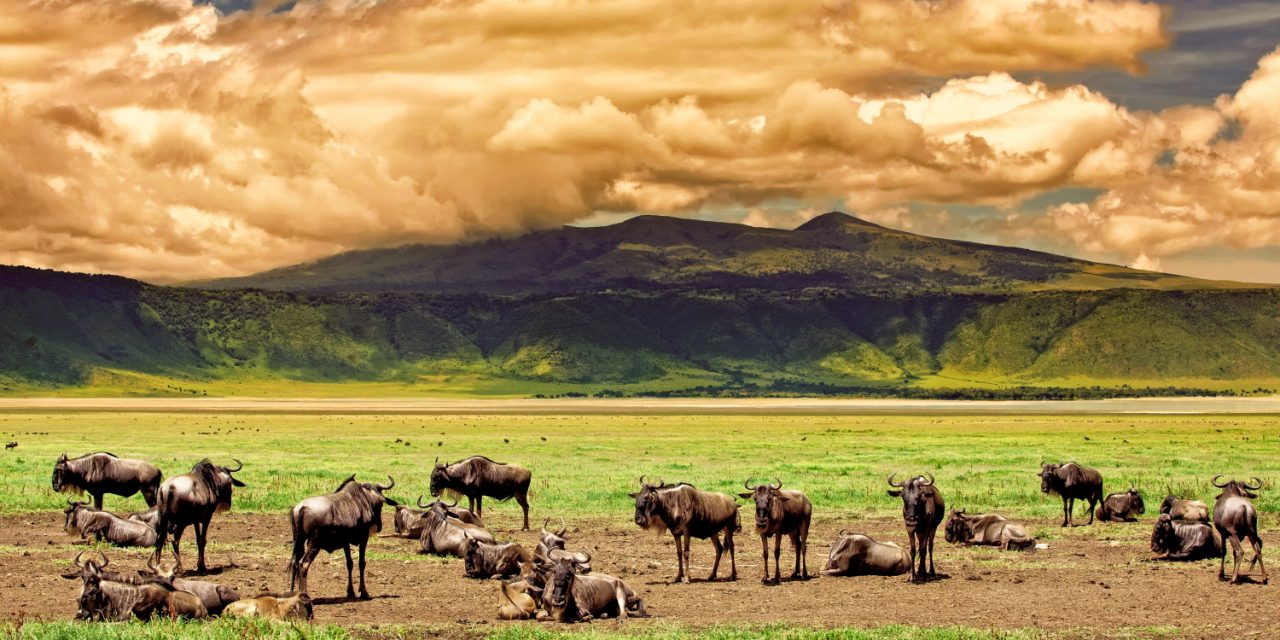
Why Every Serengeti Migration Safari Is Different From the Last
Weather Changes Wildlife Movements
Weather represents one of the most important influences on migration behavior. Rainfall determines grass growth and water availability.
Even small changes in rainfall can affect animal movements. A delayed rainfall pattern may shift the timing of migration activity.
Likewise, unexpected rain can create temporary grazing opportunities. Herds may remain in an area longer than anticipated.
These conditions make every Tanzania wildlife tour unique. Experienced safari operators monitor seasonal patterns while maintaining flexible plans.
However, no operator can control nature. Good safari planning therefore balances preparation with realistic expectations.
Your Safari Location Matters
Serengeti Regions Offer Different Experiences
The Serengeti contains several distinct wildlife areas. Central Serengeti offers excellent year-round wildlife opportunities.
Western Serengeti provides access to areas around the Grumeti ecosystem. Northern Serengeti offers access to the Mara River region.
Southern Serengeti provides important calving-season habitats. Each area creates a different safari atmosphere.
Therefore, choosing the right location can influence your experience significantly. A well-planned itinerary may combine several Serengeti regions.
Travelers should also consider transfer times between areas. Spending too much time driving can reduce valuable wildlife-viewing hours.
A knowledgeable safari company can create a practical route around seasonal conditions.
Your Safari Duration Also Matters
More Nights Create More Opportunities
A short safari provides limited time for exploring the ecosystem. Longer itineraries create greater flexibility.
Travelers staying several nights can explore different areas. They can also enjoy morning and afternoon game drives without rushing.
Moreover, longer stays reduce pressure to find specific wildlife on one particular drive. If conditions change, guides can adjust the following day’s plans.
A longer Tanzania safari can also include other destinations. Travelers may combine Serengeti with Ngorongoro, Tarangire, Lake Manyara, or other attractions.
This creates a broader understanding of northern Tanzania’s wildlife landscapes.
Why Every Serengeti Migration Safari Is Different for Photographers
Light Changes Throughout the Year
Photography conditions vary significantly across seasons. Green-season landscapes provide vibrant backgrounds and dramatic skies.
Dry-season conditions often create golden grasslands and excellent visibility. Early mornings can produce soft light across the plains.
Migration activity also creates different photographic opportunities. Calving season offers opportunities to photograph young animals and predator interactions.
River-crossing periods provide dramatic scenes when conditions align. However, patience remains essential for wildlife photography.
Professional photographers should also consider private vehicles. They provide greater flexibility for positioning and spending time at sightings.
Therefore, photography-focused Tanzania adventure safaris require careful planning.
Cultural Experiences Around Serengeti Safari Lodges
Maasai Community Visits
Serengeti travel can include meaningful cultural experiences alongside wildlife activities. Maasai communities live around several areas of the broader Serengeti ecosystem.
Visitors can experience traditional dances, crafts, village activities, and pastoral lifestyles. Community visits should always respect local customs and privacy.
Travelers can also support local artisans by purchasing authentic handmade products. Beaded jewelry, baskets, and traditional crafts provide popular options.
Such experiences add cultural depth to Tanzania safaris.
Traditional Food Experiences
Some lodges can arrange local food experiences for interested travelers. These activities may introduce guests to regional ingredients and cooking traditions.
Food provides another way to understand Tanzanian culture. Travelers can experience flavors that differ from standard international lodge menus.
Local Village Experiences
Depending on lodge location, travelers can arrange guided community visits. These visits may include schools, farms, markets, and local craft centers.
A responsible operator should coordinate such activities carefully. Community benefits and cultural respect should remain central.
Choosing the Right Serengeti Safari Lodge
Location and Seasonal Access
The location of your lodge can strongly influence your safari experience. A strategically located camp can reduce unnecessary driving.
Travelers should consider the seasonal migration route when choosing accommodation. Southern camps suit different periods from northern camps.
Mobile camps can also follow seasonal wildlife movements. Permanent lodges offer another option with established facilities and services.
Therefore, accommodation selection should match your travel dates and safari goals.
Comfort and Experience
Safari accommodation ranges from luxury lodges to comfortable tented camps. Each option creates a different atmosphere.
Some properties offer swimming pools, spas, private decks, and premium dining. Others focus on intimate wilderness experiences.
Travelers should consider comfort preferences, budget, location, and included activities.
A good lodge should complement the safari rather than dominate the experience.
Responsible Tourism During the Migration
Protecting Wildlife and Communities
Responsible tourism remains essential within the Serengeti ecosystem. Travelers should maintain respectful distances from wildlife.
Guides should follow park regulations and avoid disturbing animals. Guests should also avoid littering and unnecessary noise.
Supporting local communities can strengthen tourism benefits. Travelers can choose locally operated services and purchase authentic local products.
Furthermore, conservation fees contribute toward protecting protected areas and wildlife habitats.
Sustainable travel helps preserve the ecosystem for future generations.
Why Every Serengeti Migration Safari Is Different With Terenga Africa Safaris
At Terenga Africa Safaris, we understand the importance of seasonal safari planning. Our approach considers wildlife movements, accommodation locations, travel dates, and traveler interests.
We create journeys for couples, families, groups, photographers, and adventure travelers. Each itinerary can reflect different priorities and comfort requirements.
Our safari planning also considers realistic travel times between destinations. This approach helps travelers spend more time enjoying wildlife.
Most importantly, we respect the unpredictable nature of the Serengeti. We never treat wildlife sightings as guaranteed events.
Instead, we prepare travelers for the broader safari experience. Every game drive becomes part of a unique journey.
That philosophy explains Why Every Serengeti Migration Safari Is Different.
Safari Inclusions
- Accommodation
- Meals
- Private safari vehicle
- Professional safari guide
- Park entrance fees
- Game drives
- Airport transfers
- Drinking water
- Cultural experiences
- Government taxes
- Service charges
Safari Exclusions
- International flights
- Visa fees
- Travel insurance
- Personal expenses
- Alcoholic beverages
- Laundry
- Tips
- Souvenirs
- Optional activities
- Medical expenses
- Additional accommodation
- Items not listed under inclusions
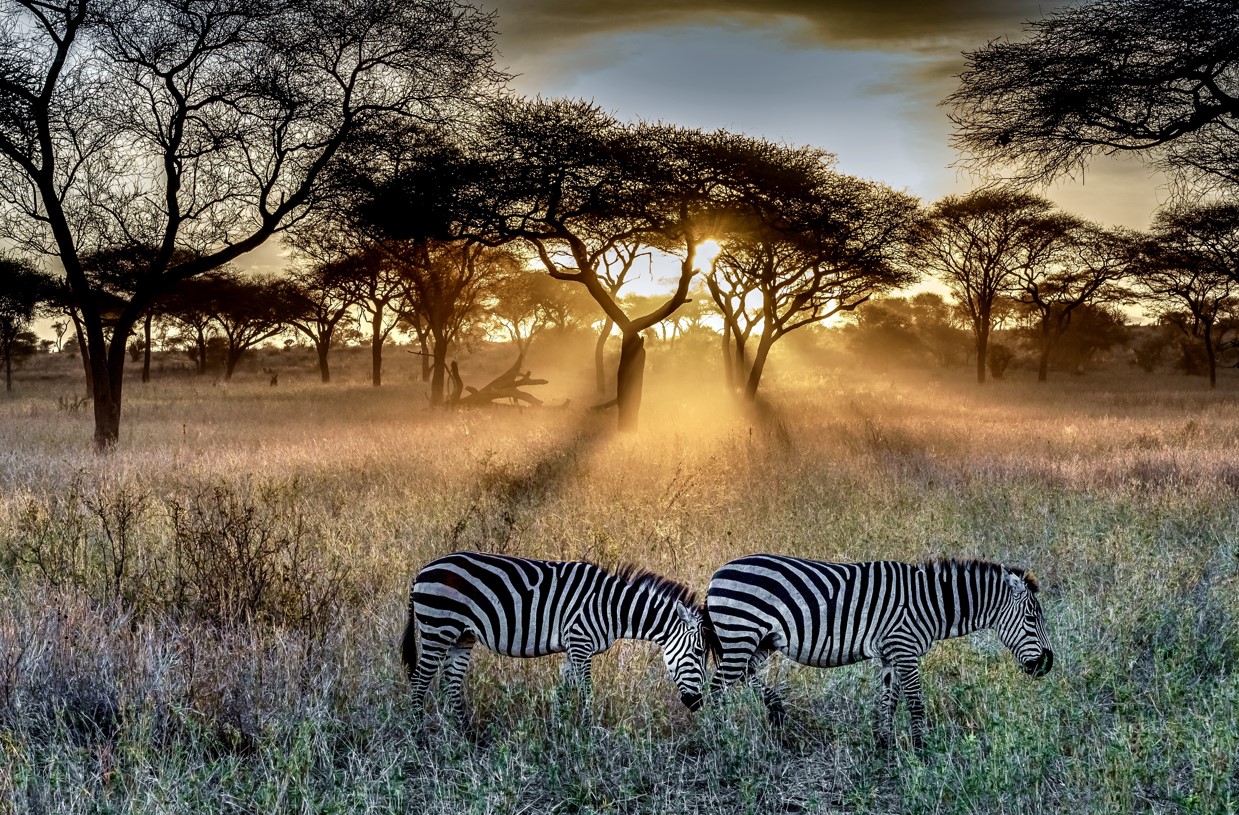
Why Every Serengeti Migration Safari Is Different
Why Every Serengeti Migration Safari Is Different comes down to nature, timing, location, weather, and wildlife behavior.
The Serengeti changes continuously throughout the year. Rainfall reshapes grazing conditions. Wildlife responds to those changes. Predators follow prey, while travelers follow the wildlife.
Your travel dates therefore influence the type of experience you may encounter. Your lodge location also influences the areas you explore.
Furthermore, your safari duration can determine how much flexibility you have. Longer stays provide more opportunities to explore different wildlife areas.
Cultural experiences add another important dimension. They connect travelers with the people and traditions surrounding Tanzania’s famous wilderness.
Ultimately, Why Every Serengeti Migration Safari Is Different reflects the true character of African safari travel. The Serengeti does not operate like a scheduled attraction.
Every sunrise brings new possibilities. Every game drive presents different wildlife behavior. Every season transforms the landscape.
For this reason, Why Every Serengeti Migration Safari Is Different remains an important question for anyone planning a Tanzania safari.
Understanding these factors helps travelers plan responsibly and appreciate the experience more deeply.
Tanzania wildlife safaris offer far more than checking animals from a list. They create opportunities to understand ecosystems, landscapes, cultures, and conservation.
Whether you seek a Tanzania wildlife tour, a photographic journey, or Tanzania adventure safaris, the Serengeti offers extraordinary possibilities.
At Terenga Africa Safaris, we help travelers explore those possibilities through carefully planned African journeys.
Why Every Serengeti Migration Safari Is Different is ultimately the reason each journey can become uniquely memorable.
Best Trending Tanzania Safari Holidays for 2027/2028
- 12-Day Tanzania Wildlife Safari
- 10-Day Tanzania Wildlife Safari & Zanzibar
- 10-Day Best Tanzania Honeymoon Luxury Safari and Zanzibar Beach Getaway
- 9-Day Ultimate Tanzania Wildlife Safari
- 9-Day Tanzania Adventure Safari
- 8-Day Tanzania Mid-Range Safari
- 8-Day Tanzania Northern Circuit Safari
- 7-Day Tanzania Wildlife Safari
- 7-Day Tanzania Wildlife Wonders Experience Tour
- 6-Day Majestic Tanzania Wildlife Luxury Safari
- 5-Day Kenya Wildlife Budget Safari
- 13-Day Tanzania Wildlife Tour & Zanzibar Beach Holiday
- 12-Day Tanzania Wildlife Safari Itinerary
- 11-Day Tanzania & Zanzibar Safari Adventure
- 11 Days Magical Kenya and Tanzania Safari
- 4-Day Tanzania Safari Extension Itinerary
- 5-Day Tanzania Safari Extension
- 9-Day Tanzania Wildlife Safari Adventure
- 7 Days Tanzania Safari Holiday
- 8 Days Tanzania Safari Holiday Itinerary