The Best Seasons to Follow the Wildebeest Migration
September 23, 2026
Why Every Serengeti Migration Safari Is Different?
September 24, 2026
Understanding the Changing Movement of the Great Migration
Understanding the Changing Movement of the Great Migration helps travelers plan more realistic Tanzania safari experiences. The Great Migration follows rainfall, fresh grazing, water, and natural environmental changes.
Millions of wildebeest move through the Serengeti ecosystem during this remarkable annual cycle. Zebras and gazelles also travel with the herds across different grazing areas.
The migration does not follow a fixed calendar. Weather patterns can change the timing and location of major herd movements.
Therefore, successful migration planning requires flexibility and destination knowledge. Travelers should understand seasonal patterns before selecting accommodation and travel dates.
Tanzania provides the largest portion of this extraordinary ecosystem. Serengeti National Park remains the central destination for migration-focused wildlife experiences.
Kenya’s Maasai Mara also forms part of the wider ecosystem. However, northern Tanzania offers important migration experiences during several stages.
Understanding the Changing Movement of the Great Migration allows travelers to appreciate nature’s unpredictability. It also helps visitors choose regions that match their preferred wildlife experiences.
At Terenga Africa Safaris, we combine destination knowledge with practical safari planning. Our approach helps travelers experience Tanzania with confidence, comfort, and realistic expectations.
Understanding the Changing Movement of the Great Migration in Tanzania
Tanzania offers exceptional opportunities to experience the Great Migration. The Serengeti ecosystem stretches across extensive grasslands, woodlands, rivers, and seasonal wetlands.
The herds move according to available food and water. Rainfall determines where fresh grass develops across the ecosystem.
Southern Serengeti commonly attracts large herds during the early months. Central areas can provide wildlife experiences during several periods.
Western Serengeti becomes important as herds move toward the Grumeti region. Northern Serengeti attracts migrating animals later in the annual cycle.
Understanding the Changing Movement of the Great Migration requires more than following a monthly calendar. Environmental conditions influence wildlife behavior every year.
Experienced safari guides monitor recent sightings and local conditions. They use tracks, animal behavior, rainfall patterns, and field observations.
Consequently, travelers should choose itineraries that allow some flexibility. Spending several nights within one region can improve migration viewing opportunities.
These principles also strengthen Tanzania wildlife safaris beyond migration viewing. Travelers can explore resident wildlife regardless of herd locations.
Understanding the Changing Movement of the Great Migration During Calving Season
Calving season provides one of the migration’s most fascinating stages. It usually occurs across the southern Serengeti plains during the early months.
Large numbers of wildebeest give birth during a relatively short period. The abundance of young animals attracts numerous predators.
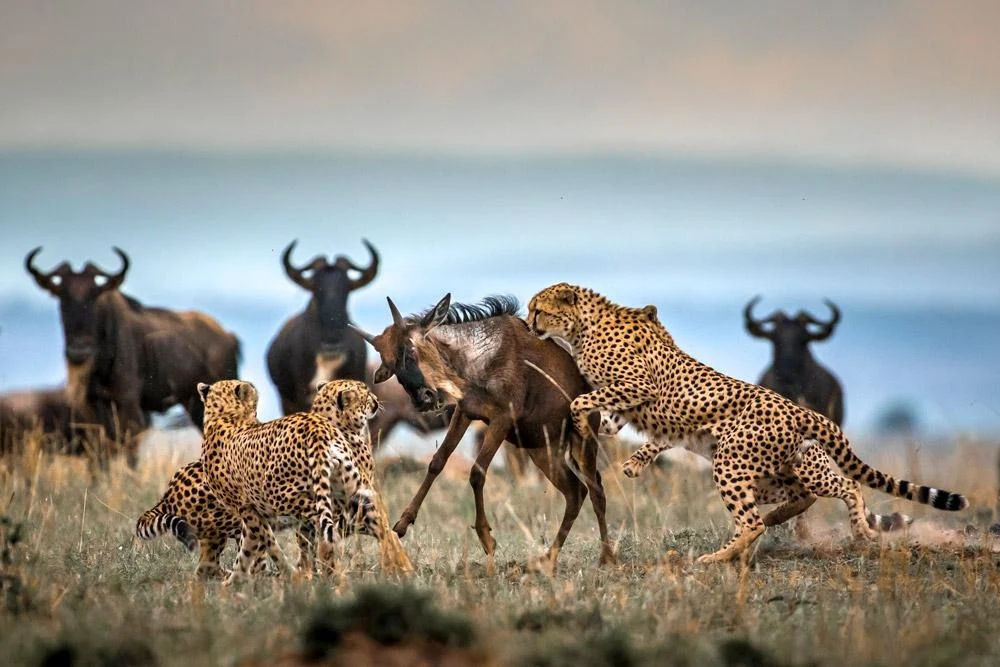
Lions, cheetahs, hyenas, and other predators remain active around the calving grounds. This activity creates exceptional opportunities to observe natural predator-prey interactions.
Fresh grass also transforms the landscape during this period. Green plains provide excellent grazing conditions for herbivores.
Understanding the Changing Movement of the Great Migration helps travelers appreciate why herds concentrate in southern areas.
The calving period offers more than dramatic wildlife sightings. It provides opportunities to observe animal behavior, maternal care, territorial activity, and predator strategies.
Travelers should maintain patience during game drives. Wildlife encounters develop naturally and cannot follow a fixed schedule.
A knowledgeable guide can identify tracks and recent activity. This expertise helps visitors make better use of every game drive.
Understanding the Changing Movement of the Great Migration Across Central Serengeti
Central Serengeti remains one of Tanzania’s most productive wildlife regions. The area contains permanent water sources that support wildlife throughout the year.
Seronera provides particularly strong opportunities for general wildlife viewing. Lions, leopards, cheetahs, elephants, giraffes, and buffaloes inhabit the region.
Migrating herds can also pass through central Serengeti during their annual movement. The timing depends heavily on rainfall and grazing conditions.
Understanding the Changing Movement of the Great Migration therefore requires attention to both migrating and resident wildlife.
Travelers can enjoy excellent game drives even when the main herds move elsewhere. This makes central Serengeti valuable for flexible safari planning.
The region also offers convenient access to several parts of the park. Travelers can explore different habitats without changing accommodation frequently.
For this reason, central Serengeti works well within broader Tanzania safaris. Visitors can combine migration viewing with predator encounters and landscape photography.
Understanding the Changing Movement of the Great Migration in Western Serengeti
Western Serengeti provides another important stage in the migration cycle. The region features woodland areas, open plains, and the Grumeti River.
Migrating herds can move toward the Grumeti region during suitable seasonal conditions. The surrounding landscape supports diverse resident wildlife as well.
Crocodiles inhabit river areas, while hippos occupy suitable pools and waterways. Elephants, giraffes, buffaloes, and numerous antelope species also occur throughout the region.
Understanding the Changing Movement of the Great Migration helps travelers appreciate western Serengeti’s seasonal importance.
The region can also provide a quieter wilderness atmosphere than heavily visited areas. This makes it attractive to travelers seeking immersive wildlife experiences.
Safari guides can monitor recent herd movements and adjust daily routes. Flexibility becomes particularly important when following unpredictable wildlife.
Travelers should also allow enough time for exploration. A rushed itinerary can limit opportunities to experience western Serengeti properly.
Understanding the Changing Movement of the Great Migration in Northern Serengeti
Northern Serengeti becomes especially important during the later migration stages. Herds move toward northern grazing areas before entering Kenya.
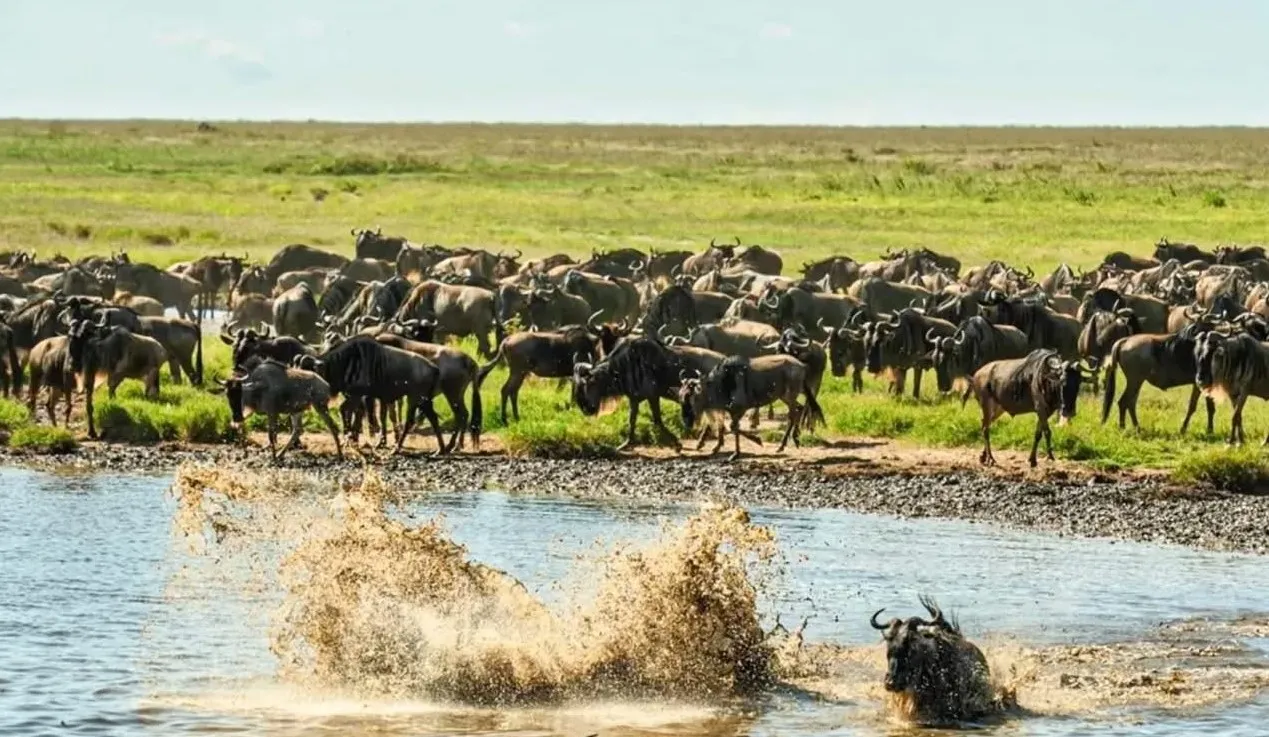
The region provides opportunities for dramatic river-crossing experiences. However, river crossings remain unpredictable natural events.
Herds may gather near riverbanks for long periods. Some animals cross quickly, while others hesitate before entering the water.
Crocodiles can create additional wildlife interest around river channels. Predators may also remain nearby while monitoring migrating herds.
Understanding the Changing Movement of the Great Migration means accepting this natural uncertainty.
No responsible safari operator can guarantee a river crossing on a specific day. Weather, water levels, herd behavior, and grazing conditions influence every crossing.
Travelers should therefore spend several nights in northern Serengeti when possible. Additional time creates more opportunities for observing natural herd behavior.
Experienced guides also help position vehicles responsibly. They follow park regulations while protecting wildlife and maintaining visitor safety.
Understanding the Changing Movement of the Great Migration and Rainfall
Rainfall represents one of the most important migration influences. Seasonal rains determine grass growth across different parts of the ecosystem.
When fresh grass develops, herbivores move toward areas with better grazing. As resources decline, herds continue searching for new feeding grounds.
Understanding the Changing Movement of the Great Migration therefore requires understanding Tanzania’s rainfall patterns.
However, rainfall does not follow identical patterns every year. Climate variability can influence grazing conditions and herd movements.
This uncertainty makes flexible safari planning extremely important. Travelers should avoid relying entirely on historical dates.
Destination knowledge can help identify suitable regions during different periods. Safari operators can also adjust routes according to recent field conditions.
The migration remains a natural process rather than a scheduled tourism event. That unpredictability forms part of its unique appeal.
Understanding the Changing Movement of the Great Migration and Predator Activity
Predators follow opportunities created by large concentrations of prey. Consequently, migration periods can provide excellent predator-viewing opportunities.
Lions often patrol areas containing large herbivore populations. Cheetahs may hunt across open grasslands where visibility remains high.
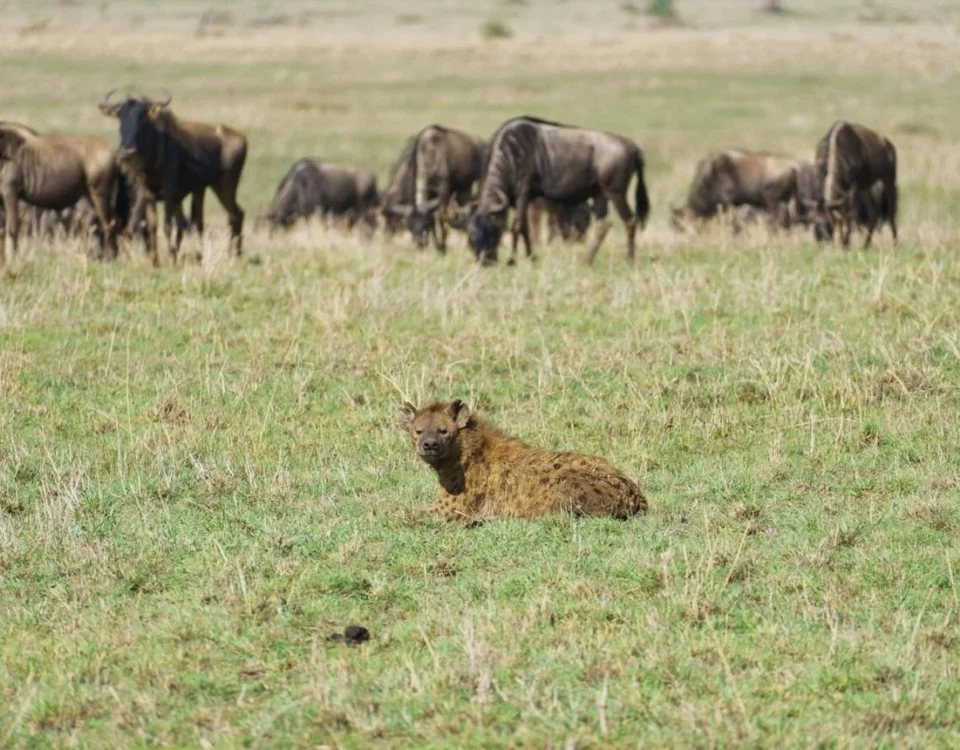
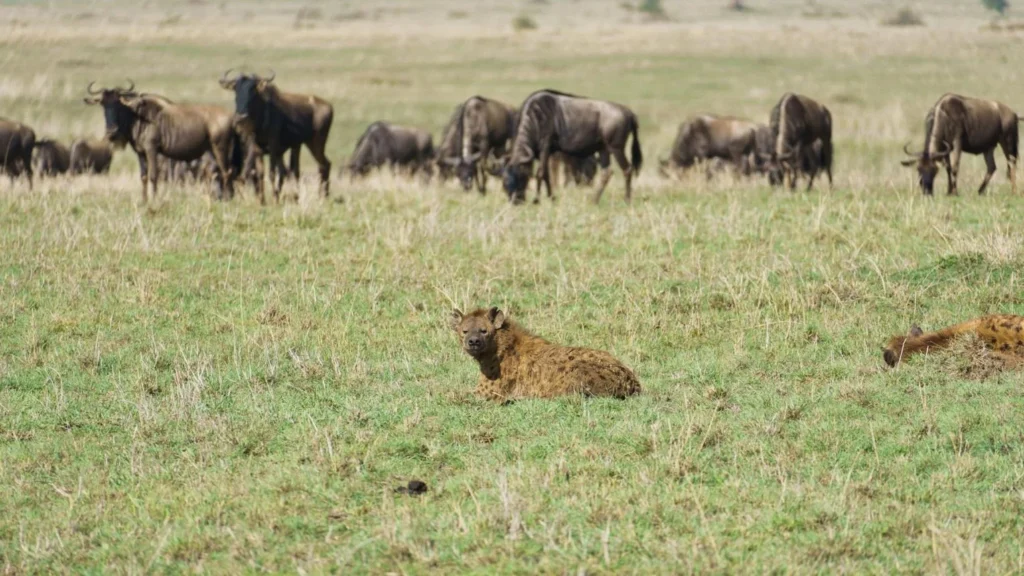
Hyenas also play important ecological roles within the Serengeti ecosystem. Leopards can be observed around woodland habitats and riverine areas.
Understanding the Changing Movement of the Great Migration helps travelers appreciate these wider ecological relationships.
The migration supports an interconnected food chain. Herbivores depend on grass, while predators depend on herbivore populations.
Visitors can observe these relationships through careful game drives. Guides explain animal behavior and help travelers understand the ecosystem.
Wildlife viewing should always respect natural behavior. Vehicles should maintain suitable distances and avoid surrounding animals.
Responsible observation protects wildlife while providing better long-term tourism experiences.
Understanding the Changing Movement of the Great Migration Through Photography
Migration photography requires patience, preparation, and realistic expectations. Wildlife can move unexpectedly, creating opportunities that last only seconds.
Early morning drives provide excellent natural light across the Serengeti. Evening drives can also create attractive photographic conditions.
Telephoto lenses allow photographers to capture wildlife without approaching too closely. Binoculars help identify distant animals before positioning vehicles.
Understanding the Changing Movement of the Great Migration can improve photography planning. Travelers can select destinations according to preferred subjects.
Calving areas suit photographers interested in young animals and predator activity. Northern Serengeti suits travelers interested in river environments and herd movement.
Landscape photographers may prefer green-season scenery. Dry-season conditions can provide clearer visibility across expansive plains.
Terenga Africa Safaris can help photographers design practical migration itineraries. We consider seasonal patterns, accommodation locations, driving time, and photography priorities.
Understanding the Changing Movement of the Great Migration and Cultural Experiences
Migration safaris can include meaningful cultural experiences around northern Tanzania. These activities provide important connections beyond wildlife viewing.
Maasai communities offer opportunities to learn about traditional pastoral lifestyles. Visitors can experience traditional dances, crafts, village life, and local food.
Cultural visits can also include opportunities to understand traditional livestock keeping. Community interactions should always respect local customs and privacy.
Local markets provide another way to experience Tanzanian culture. Travelers can discover handmade crafts, fabrics, artwork, and regional products.
Understanding the Changing Movement of the Great Migration becomes richer through cultural exploration.
Around selected Serengeti and Ngorongoro lodges, travelers can arrange community excursions. Some locations also provide guided cultural activities and nature experiences.
Supporting local artisans can contribute to community livelihoods. Travelers should choose authentic experiences that respect local traditions.
Terenga Africa Safaris encourages responsible cultural tourism throughout East Africa. Meaningful encounters should benefit both visitors and host communities.

15-Day Tanzania Classic Safari Adventure-
Understanding the Changing Movement of the Great Migration and Safari Lodges
Accommodation location can significantly influence migration experiences. Lodges positioned near seasonal wildlife areas can reduce unnecessary driving.
Permanent lodges provide reliable facilities and convenient access to established wildlife zones. Mobile camps can offer greater flexibility during seasonal migration movements.
Luxury properties can provide premium services and private safari experiences. Comfortable mid-range and budget options also exist across Tanzania.
Understanding the Changing Movement of the Great Migration should include careful accommodation planning.
Travelers should consider location, access, comfort, budget, and seasonal positioning. Selecting accommodation only by price can create longer daily drives.
Some safari lodges also provide cultural activities. These can include community visits, local cuisine, craft experiences, and guided nature walks.
Terenga Africa Safaris helps travelers select suitable accommodation for each itinerary. Our recommendations consider travel preferences and planned wildlife activities.
Understanding the Changing Movement of the Great Migration for Adventure Travelers
Tanzania offers much more than traditional game drives. Travelers can combine migration viewing with exciting Tanzania adventure safaris.
Hot-air balloon experiences provide spectacular aerial perspectives over the Serengeti. Walking safaris offer another way to appreciate smaller details within the ecosystem.
Mount Kilimanjaro provides a major adventure opportunity for travelers seeking active experiences. Cultural excursions can also add variety to a longer Tanzania itinerary.
Understanding the Changing Movement of the Great Migration allows travelers to build more diverse safari programs.
Adventure activities should match fitness levels, available time, and personal interests. Good planning creates a balanced journey without unnecessary rushing.
Combining wildlife and adventure experiences can make a Tanzania holiday more memorable. Travelers can enjoy active days followed by relaxing evenings at comfortable lodges.
Understanding the Changing Movement of the Great Migration: Responsible Tourism
Responsible tourism remains essential within the Serengeti ecosystem. Visitors should follow park regulations throughout every wildlife encounter.
Vehicles should maintain appropriate distances from animals. Drivers should avoid blocking wildlife routes or surrounding individual animals.
Travelers should never feed wild animals. Plastic waste and other rubbish should remain out of protected areas.
Supporting local communities also strengthens tourism benefits. Visitors can purchase locally produced crafts and use community-based tourism services.
Understanding the Changing Movement of the Great Migration includes recognizing the importance of conservation.
The migration depends on healthy ecosystems and functioning wildlife corridors. Protecting grasslands, rivers, wetlands, and surrounding communities supports the entire ecosystem.
Sustainable tourism can contribute to conservation financing. It can also create employment and business opportunities for local communities.
What to Pack
Proper preparation improves comfort during a migration safari. Lightweight clothing works well during warm daytime conditions.
Warm layers remain useful during early morning game drives. Comfortable closed shoes support approved walking activities.
A wide-brimmed hat protects against strong sunlight. Sunglasses and sunscreen also provide important protection.
Binoculars improve wildlife viewing across distant plains. Cameras should include spare batteries and adequate memory cards.
Reusable water bottles help reduce unnecessary plastic consumption. Insect repellent can improve comfort during certain activities.
Understanding the Changing Movement of the Great Migration also means preparing for changing weather conditions.
Safari Inclusions
- Airport transfers
- Private safari vehicle
- Professional safari guide
- Accommodation
- Meals as specified
- National park fees
- Game drives
- Cultural experiences
- Drinking water
- Government taxes
- Service charges
Safari Exclusions
- International flights
- Visa fees
- Travel insurance
- Personal expenses
- Laundry services
- Alcoholic beverages
- Tips
- Souvenirs
- Optional activities
- Medical expenses
- Additional accommodation
- Personal communication costs
Great Migration
Understanding the Changing Movement of the Great Migration With Terenga Africa Safaris
Understanding the Changing Movement of the Great Migration provides valuable insight into planning a successful Tanzania safari.
The migration follows nature rather than a fixed tourism timetable. Rainfall, grazing, water availability, and animal behavior influence its movement.
Therefore, travelers should approach migration planning with flexibility. Choosing the right region can matter more than choosing an exact calendar date.
Tanzania offers remarkable opportunities throughout the migration cycle. Serengeti provides exceptional wildlife experiences alongside diverse landscapes and cultural encounters.
Travelers can also combine migration experiences with Ngorongoro and Tarangire. This creates a broader northern Tanzania safari with varied wildlife experiences.
At Terenga Africa Safaris, we create journeys around your priorities. Our destination knowledge helps travelers make practical decisions about timing, accommodation, activities, and routes.
Whether you seek Tanzania safaris, Tanzania wildlife safaris, or Tanzania adventure safaris, we can tailor your journey.
Understanding the Changing Movement of the Great Migration helps you travel with realistic expectations. It also encourages deeper appreciation for Africa’s extraordinary natural systems.
Every migration journey offers different experiences. The changing movement of the herds forms part of the adventure itself.
Understanding the Changing Movement of the Great Migration is therefore more than choosing a travel month.
It means understanding nature, following seasonal patterns, respecting wildlife, and allowing Africa to reveal itself naturally.
Plan your migration journey with Terenga Africa Safaris and experience Tanzania through thoughtful, responsible, and expertly planned travel.
Best Trending Tanzania Safari Holidays for 2027/2028
- 12-Day Tanzania Wildlife Safari
- 10-Day Tanzania Wildlife Safari & Zanzibar
- 10-Day Best Tanzania Honeymoon Luxury Safari and Zanzibar Beach Getaway
- 9-Day Ultimate Tanzania Wildlife Safari
- 9-Day Tanzania Adventure Safari
- 8-Day Tanzania Mid-Range Safari
- 8-Day Tanzania Northern Circuit Safari
- 7-Day Tanzania Wildlife Safari
- 7-Day Tanzania Wildlife Wonders Experience Tour
- 6-Day Majestic Tanzania Wildlife Luxury Safari
- 5-Day Kenya Wildlife Budget Safari
- 13-Day Tanzania Wildlife Tour & Zanzibar Beach Holiday
- 12-Day Tanzania Wildlife Safari Itinerary
- 11-Day Tanzania & Zanzibar Safari Adventure
- 11 Days Magical Kenya and Tanzania Safari
- 4-Day Tanzania Safari Extension Itinerary
- 5-Day Tanzania Safari Extension
- 9-Day Tanzania Wildlife Safari Adventure
- 7 Days Tanzania Safari Holiday
- 8 Days Tanzania Safari Holiday Itinerary