How Safari Guides Track the Movement of Wildebeest?
October 3, 2026
January Safari Guide to the Serengeti Wildebeest Migration
October 5, 2026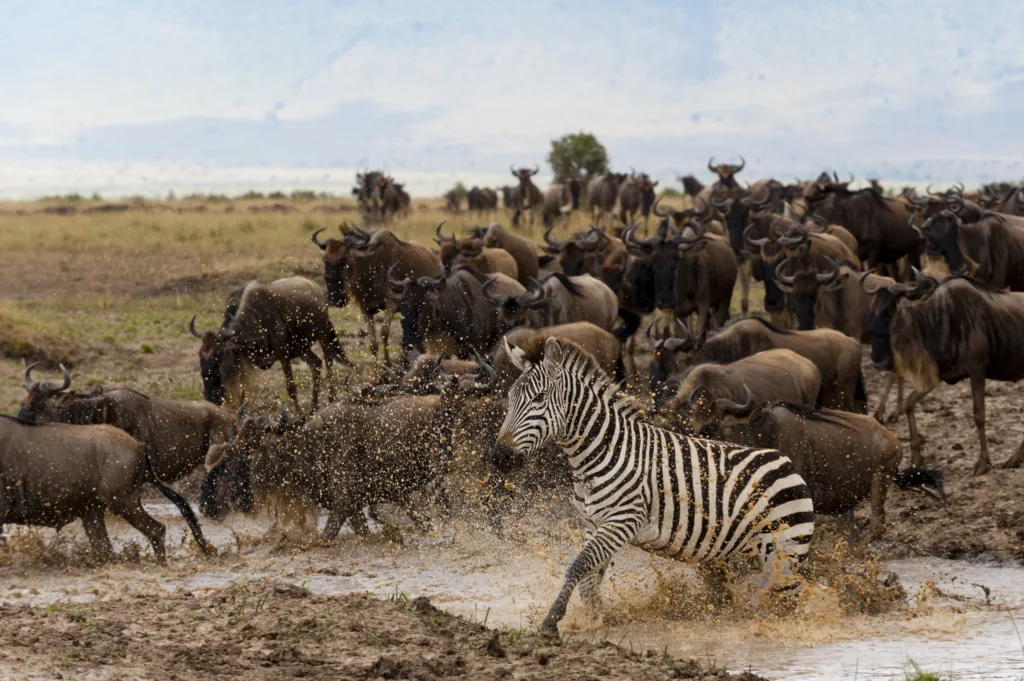
Where Is the Great Migration in January?
Where Is the Great Migration in January? January represents one of the most fascinating periods within the annual wildebeest migration cycle. During this month, substantial herds commonly concentrate across the southern Serengeti and neighboring Ngorongoro ecosystem. Fresh seasonal grasses attract thousands of wildebeest, zebras, and gazelles toward nutrient-rich grazing grounds. Rainfall determines the exact distribution because vegetation responds quickly to changing moisture conditions. Consequently, wildlife concentrations can shift between different plains throughout the month. Travelers planning Tanzania Safaris during January can therefore experience an extraordinary combination of abundant wildlife and dramatic landscapes. Southern Serengeti provides expansive grasslands where large herbivore groups gather and spread across the horizon. Nearby areas can also support predators that follow these enormous concentrations of prey. Lions, cheetahs, hyenas, and other carnivores often exploit opportunities created by abundant herbivore populations. January also introduces travelers to an important reproductive period within the broader migration cycle. Many wildebeest prepare for or participate in calving activities during this season. Such events create exceptional opportunities for observing natural behavior without disturbing wildlife. Visitors should remember that the migration follows environmental conditions rather than human calendars. Therefore, Where Is the Great Migration in January? is best answered through seasonal ecology rather than one fixed location. Professional guides monitor recent sightings, weather patterns, vegetation conditions, and animal movements. This knowledge helps create realistic itineraries that maximize opportunities across the southern Serengeti. Terenga Africa Safaris and Travel Ltd uses this seasonal understanding when planning personalized migration experiences for international travelers.
Why Is Southern Serengeti Important in January?
What Makes the Southern Plains Special During This Season?
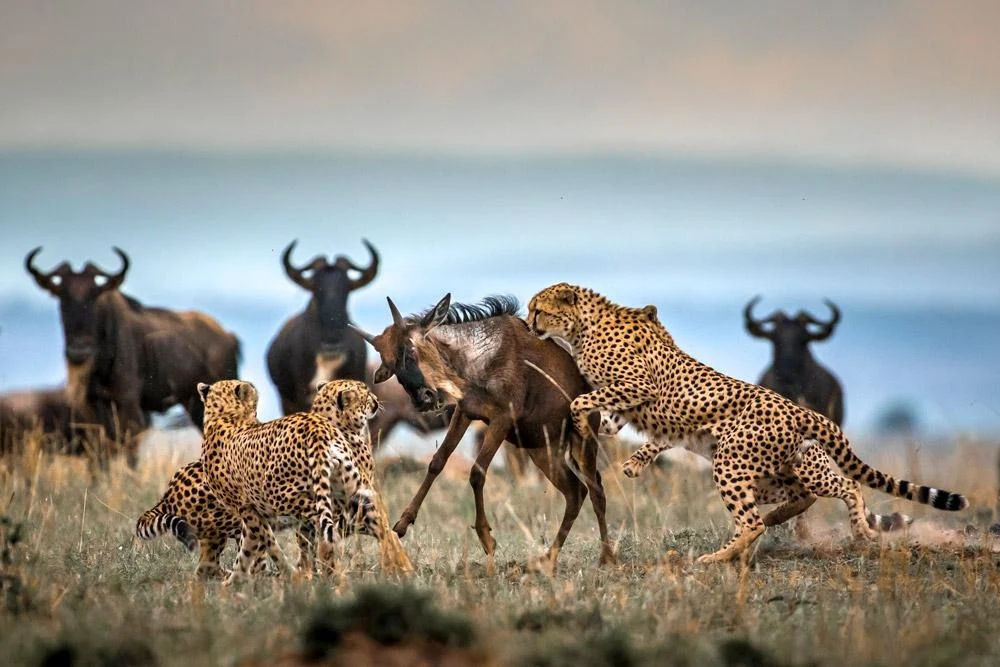
Where Is the Great Migration in January? The southern Serengeti usually becomes an important destination because seasonal rains encourage fresh grass growth. Short-grass plains provide nutritious forage for enormous herbivore populations. Wildebeest gather across these open landscapes while zebras and gazelles occupy neighboring grazing areas. Abundant food supports large concentrations of animals within relatively accessible regions. Meanwhile, predators recognize these gatherings as valuable hunting opportunities. Lions may patrol areas containing large herds, while cheetahs often use open terrain for hunting. Hyenas can also travel across the plains while searching for vulnerable prey. January therefore offers more than simple herd viewing because travelers can observe interconnected ecological relationships. Tanzania Great Migration Safaris during this period often provide opportunities to witness predator-prey interactions alongside enormous herbivore concentrations. Open terrain also creates excellent visibility for wildlife photography and observation. Furthermore, southern Serengeti landscapes can produce spectacular sunrise and sunset scenes. Travelers interested in Tanzania Birding Safaris can also discover diverse birdlife within grassland and wetland habitats. Raptors, ground birds, waterbirds, and seasonal species contribute additional interest during game drives. Cultural experiences can further enrich a January itinerary through carefully selected community visits. Guests may learn about local traditions, crafts, food, and livelihoods outside protected wildlife areas. Consequently, January provides an excellent opportunity to combine wildlife, photography, birdwatching, and cultural discovery. Understanding these ecological connections helps travelers appreciate why southern Serengeti remains significant during the early migration season.
What Happens During the January Calving Season?
Why Does Calving Make January Special?
Where Is the Great Migration in January? For many travelers, January becomes particularly attractive because of the calving season. Large numbers of wildebeest may give birth across the southern Serengeti during this period. Newborn calves create a powerful natural spectacle across the grasslands. Mothers remain close to their young while herds continue searching for fresh grazing. Predators recognize this abundance of vulnerable young animals and become increasingly active. Lions can approach herds strategically while cheetahs search for opportunities across open plains. Hyenas may also patrol grazing areas where young calves gather with their mothers. Where Is the Great Migration in January? therefore involves understanding both geography and animal behavior. Travelers can observe maternal behavior, herd protection, predator awareness, and survival strategies. Such observations reveal the complexity of life within the Serengeti ecosystem. Nevertheless, wildlife encounters remain unpredictable and no guide can guarantee a particular event. Responsible guides maintain appropriate distances and avoid interfering with natural behavior. January photography can also provide extraordinary opportunities for documenting young animals within their natural environment. Visitors should use long lenses rather than attempting to approach wildlife closely. Tanzania Best Safari experiences during this period can combine calving observations with broader wildlife exploration. Bird enthusiasts can also enjoy increased activity around seasonal water sources and grasslands. Cultural encounters provide an additional perspective on life around Tanzania’s protected areas. A professionally designed itinerary can therefore transform January into a comprehensive wildlife and cultural adventure.
How Does Rainfall Influence the January Migration?
Why Does Weather Matter So Much?
Where Is the Great Migration in January? Rainfall provides one of the most important answers because precipitation controls grass growth across the Serengeti ecosystem. Seasonal showers stimulate vegetation and create attractive feeding grounds for grazing animals. Wildebeest respond to these changing resources through continuous movement across suitable landscapes. Zebras and gazelles often travel alongside or near the larger wildebeest populations. Where Is the Great Migration in January? cannot therefore be separated from rainfall patterns and ecological conditions. Some areas may receive heavier rainfall than others during the same period. Consequently, herd concentrations can vary between different parts of southern Serengeti. Professional guides consider recent rainfall when selecting routes for daily game drives. Satellite information, local observations, tracks, vegetation, and previous field experience can all support route decisions. Travelers should understand that migration locations can change within days. Such movement represents natural behavior rather than an inconsistency in safari planning. Tanzania Safaris become more rewarding when visitors appreciate this dynamic relationship between weather and wildlife. January landscapes can appear greener than during the dry season, creating excellent photographic backgrounds. Clouds can also produce dramatic skies across expansive savannah plains. Birdwatching becomes rewarding because seasonal water and vegetation attract many species. Cultural activities can complement game drives during periods when wildlife moves beyond expected areas. Ultimately, flexibility remains essential for anyone seeking an authentic migration experience during January.
Where Should You Stay During a January Migration Safari?
Which Areas Provide Convenient Access to the Herds?
Where Is the Great Migration in January? Accommodation location plays an important role when planning a successful January safari. Lodges and camps positioned within or near southern Serengeti can provide convenient access to migration areas. Staying closer to wildlife concentrations can reduce unnecessary driving and create more time for observation. Different properties offer varying levels of comfort, privacy, accessibility, and wilderness atmosphere. Where Is the Great Migration in January? should therefore influence accommodation selection alongside budget and travel preferences. Luxury travelers may prefer premium lodges offering spacious rooms, private dining, and personalized services. Adventurous visitors might choose tented camps that provide a closer connection with the surrounding wilderness. Families can prioritize properties with suitable room configurations and practical facilities. Photographers may benefit from locations that allow flexible game-drive schedules. Tanzania Great Migration Safaris can incorporate different accommodation categories according to individual preferences. Travelers should also consider whether a property operates seasonally within the migration zone. Mobile camps can sometimes provide strategic positioning as wildlife patterns change. Permanent lodges may offer broader year-round facilities and additional amenities. Terenga Africa Safaris and Travel Ltd evaluates location, accessibility, service quality, and seasonal suitability when recommending accommodation. This approach helps travelers avoid choosing properties based only on photographs or general online popularity. The right accommodation can significantly improve comfort while supporting efficient wildlife exploration.
What Are the Expectations in This Safari?
What Should Travelers Realistically Expect in January?
Where Is the Great Migration in January? Understanding realistic expectations remains essential before beginning a January safari. Travelers can expect large concentrations of wildebeest, zebras, and gazelles across suitable southern grazing areas. However, wildlife movement can change quickly because animals respond to rainfall, grass, water, and environmental pressure. Where Is the Great Migration in January? should never imply that every traveler will witness a specific animal event. Nature controls the timing of births, predator encounters, herd movements, and other dramatic moments. Experienced guides improve opportunities through knowledge, observation, patience, and careful route planning. Visitors can expect early morning departures because wildlife often becomes active around cooler hours. Extended game drives may occur when significant wildlife activity develops farther from camp. Afternoon drives can provide additional opportunities for observing predators and large herbivore groups. Tanzania Safaris during January can also include elephants, giraffes, buffaloes, leopards, hippos, antelopes, and numerous bird species. Travelers should prepare for changing weather conditions and occasional rainfall. Comfortable clothing, suitable footwear, sun protection, and camera equipment can improve the experience. Patience remains especially important because remarkable encounters cannot follow a predetermined schedule. Terenga Africa Safaris and Travel Ltd prioritizes transparent communication so clients understand both opportunities and natural uncertainties. This honest approach helps travelers appreciate the authentic character of wildlife tourism.
When Is the Best Time for This Safari?
Does January Offer One of the Best Migration Experiences?
Where Is the Great Migration in January? January can provide one of the most compelling periods for travelers interested in the southern Serengeti. The combination of green landscapes, abundant herbivores, and calving activity creates a distinctive safari atmosphere. Travelers who prioritize newborn animals and predator activity may find this period particularly attractive. Where Is the Great Migration in January? remains relevant because seasonal movements can vary annually. February often continues the calving period, while March can bring further changes as rainfall patterns develop. May and June commonly represent transitional periods as herds move through central and western areas. July, August, September, and October often attract travelers interested in northern Serengeti and potential river-crossing activity. November and December can bring herds toward greener southern grazing areas again. Therefore, the best travel month depends on the experience each visitor wants. Tanzania Great Migration Safaris can be designed around calving, grazing movements, predator activity, photography, or broader wildlife exploration. Travelers seeking Tanzania Best Safari experiences should consider combining the Serengeti with other destinations. Ngorongoro, Tarangire, Lake Manyara, and other northern circuit attractions can provide additional ecological variety. Birdwatchers can incorporate Tanzania Birding Safaris into longer itineraries. Culture enthusiasts can add carefully selected Tanzania Cultural Safaris experiences. Terenga Africa Safaris and Travel Ltd can structure routes around individual interests rather than forcing every traveler into one standard program.
Why Choose Us For This Particular Safari?
How Can Terenga Africa Safaris Improve Your January Experience?
Where Is the Great Migration in January? Choosing the right safari company can make a major difference when exploring a constantly changing wildlife environment. Terenga Africa Safaris and Travel Ltd focuses on personalized planning, professional guiding, responsible tourism, and clear communication. Our approach recognizes that migration safaris require flexibility rather than rigid promises. Where Is the Great Migration in January? remains one of the first questions we address when developing an itinerary. Seasonal knowledge helps us recommend suitable regions, accommodation, travel durations, and game-drive strategies. Clients can also combine migration viewing with other experiences across Tanzania. Tanzania Safaris can include Serengeti wildlife, Ngorongoro landscapes, Tarangire elephants, Lake Manyara birdlife, and cultural encounters. Travelers seeking Tanzania Cultural Safaris can incorporate meaningful community experiences alongside wildlife activities. Birdwatchers can request specialized routes designed around diverse habitats and bird species. Families can receive carefully paced programs with suitable accommodation and transportation arrangements. Couples can choose private experiences emphasizing comfort, scenery, photography, and intimate wilderness moments. Adventure travelers can explore additional walking or nature-based activities where appropriate. Tanzania Great Migration Safaris require honest expectations, and our planning philosophy avoids guaranteeing events controlled by nature. Instead, we create the strongest practical opportunities for meaningful wildlife encounters. Professional guides interpret tracks, animal behavior, weather patterns, and landscape conditions throughout the journey. Such expertise allows daily plans to adapt when wildlife changes direction. This combination of local knowledge and personalized service supports a more rewarding safari experience.
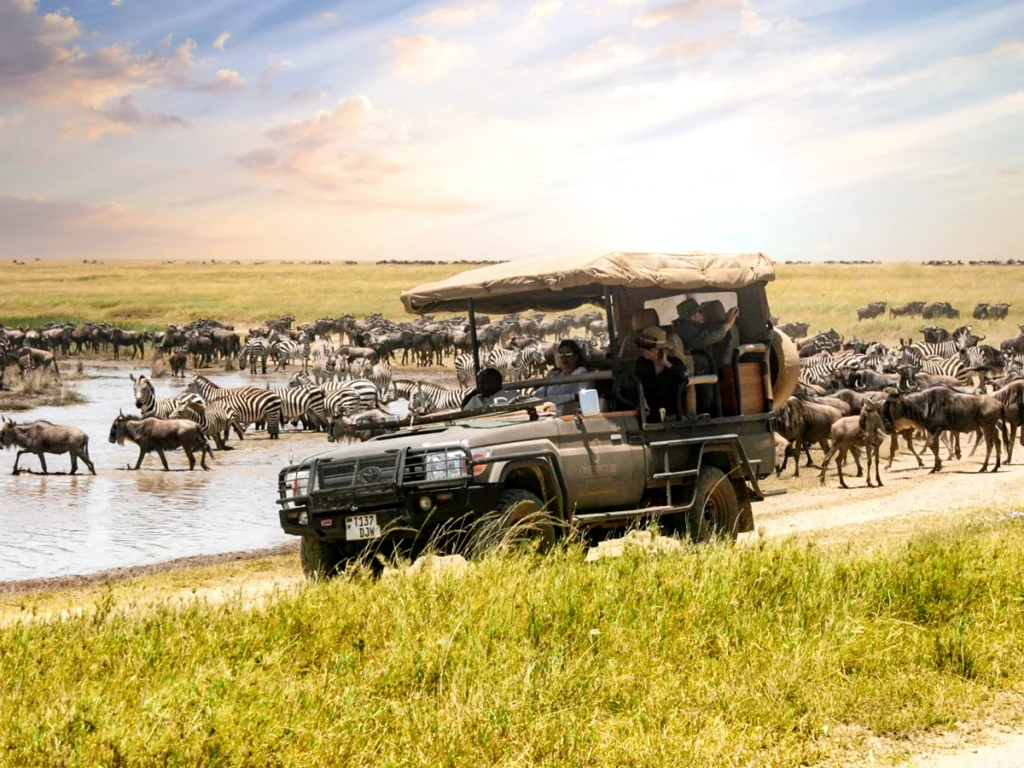
Serengeti
What Should You Pack for a January Migration Safari?
Which Items Are Essential for the Journey?
Where Is the Great Migration in January? January travel requires practical preparation because conditions can change throughout the day. Lightweight clothing works well during warmer daytime periods across the Serengeti plains. Warm layers remain useful during cool early mornings and evenings. Where Is the Great Migration in January? should therefore influence packing choices based on both weather and activity schedules. Neutral-colored clothing can help visitors blend naturally into the safari environment. Comfortable trousers and shirts provide practical protection during long game drives. Closed shoes become useful around lodges, camps, and approved walking activities. A wide-brimmed hat provides protection against strong sunlight during open-air excursions. Sunglasses and sunscreen can further improve comfort during extended outdoor activities. Binoculars remain valuable for viewing distant wildlife and smaller animals. Birdwatchers planning Tanzania Birding Safaris should prioritize quality binoculars because many species remain far from vehicles. Cameras require sufficient batteries, memory cards, and suitable lenses for wildlife photography. Lightweight rain protection can prove useful during January showers. Insect repellent may improve comfort around certain environments and accommodation areas. Reusable water bottles support responsible travel and reduce unnecessary plastic consumption. Personal medication should remain accessible throughout the safari. Travel documents, insurance details, and emergency contacts should remain secure. Terenga Africa Safaris and Travel Ltd can provide customized packing guidance based on accommodation, route, activities, and safari duration.
Can You Combine the January Migration With Other Tanzania Safaris?
What Other Destinations Can Complement Serengeti?
Where Is the Great Migration in January? Travelers do not need to limit their entire journey to southern Serengeti. Tanzania offers a remarkable range of ecosystems that can complement a migration-focused itinerary. Ngorongoro Conservation Area can provide exceptional scenery and diverse wildlife within a dramatic volcanic landscape. Tarangire National Park offers strong elephant viewing and impressive baobab scenery. Lake Manyara provides opportunities for birdwatching and varied habitat exploration. Where Is the Great Migration in January? can therefore become the central feature of a much broader Tanzania journey. Travelers interested in Tanzania Birding Safaris can add bird-rich wetlands, woodlands, and lakes to their route. Visitors seeking Tanzania Cultural Safaris can explore communities and traditional lifestyles around selected destinations. Photographers can combine open Serengeti plains with crater landscapes and ancient-looking baobabs. Adventure enthusiasts can extend their journey toward Mount Kilimanjaro or other suitable destinations. Beach lovers can continue toward Zanzibar after completing their mainland safari. Tanzania Best Safari planning should consider how each destination contributes to the overall experience. Combining multiple ecosystems also reduces dependence on one wildlife sighting. Travelers gain opportunities to encounter different habitats, species, cultures, and landscapes. Terenga Africa Safaris and Travel Ltd can create routes that balance wildlife viewing with relaxation and cultural discovery. Such planning allows international visitors to experience Tanzania as a complete destination rather than a single national park.
Can January Safaris Include Birdwatching?
Why Is January Interesting for Bird Enthusiasts?
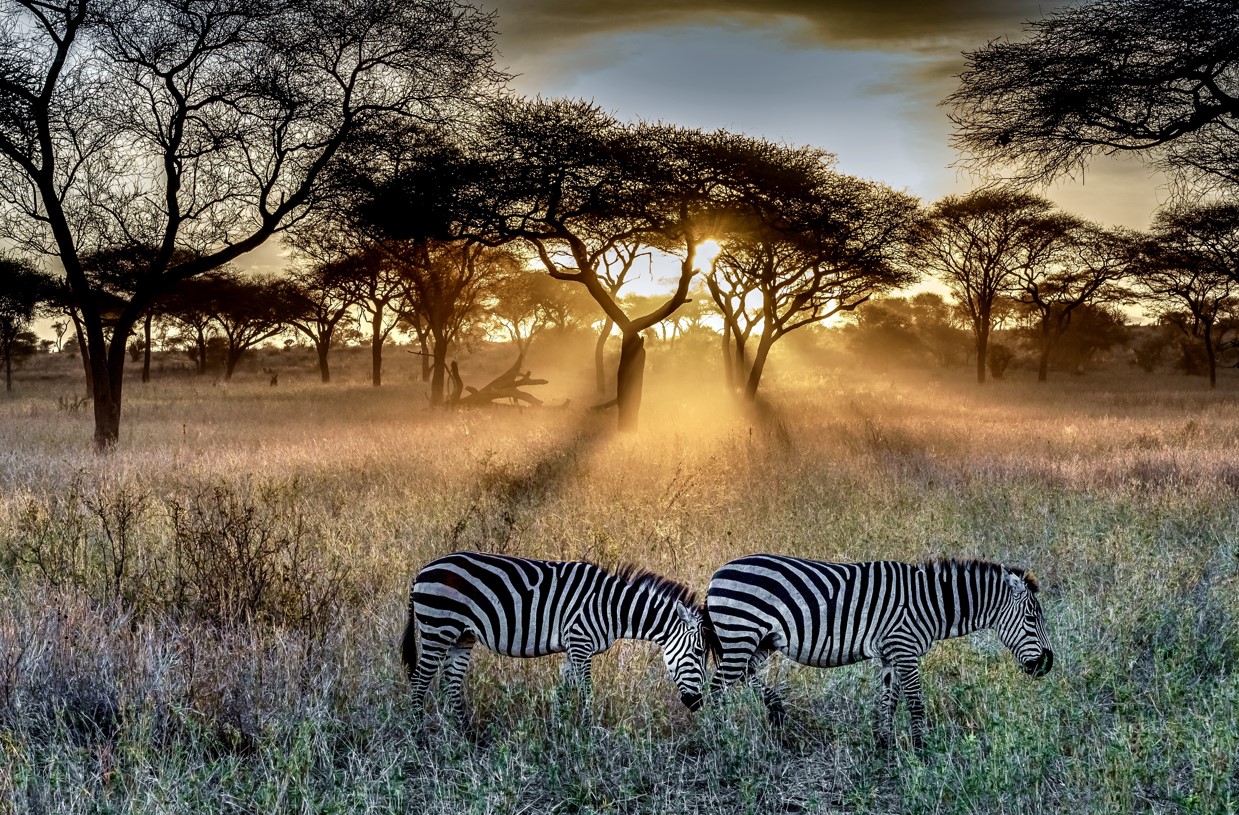
Where Is the Great Migration in January? The answer becomes even more interesting for travelers who appreciate birds and wildlife together. January can offer excellent birdwatching opportunities across grasslands, wetlands, woodland, and riverine habitats. Seasonal conditions provide food and water that support diverse bird communities. Where Is the Great Migration in January? therefore does not only concern large mammals. Travelers can observe raptors, waterbirds, grassland species, woodland birds, and other fascinating species during game drives. Some seasonal visitors can also increase the diversity encountered by dedicated birdwatchers. Tanzania Birding Safaris can be designed around specific habitats and birding interests. Guides with strong natural history knowledge can help identify calls, behavior, feeding patterns, and habitat preferences. Photography enthusiasts can combine birdwatching with larger wildlife subjects throughout the same journey. Wetlands may provide opportunities for observing species that rarely appear across open plains. Woodland zones can support completely different bird communities. Riverine habitats create additional opportunities for water-associated species. Where Is the Great Migration in January? consequently becomes a question connected to the entire ecosystem rather than wildebeest alone. Visitors can request specialized birding schedules with longer observation periods. Early morning hours can be particularly rewarding because many birds become active around sunrise. Terenga Africa Safaris and Travel Ltd can integrate birdwatching into broader wildlife itineraries for nature-focused travelers.
How Can Culture Enrich a January Migration Journey?
Why Add Cultural Experiences to a Wildlife Safari?
Where Is the Great Migration in January? becomes more meaningful when travelers also explore the people and traditions surrounding Tanzania’s wildlife areas. Wildlife represents only one part of the country’s extraordinary tourism heritage. Communities have developed diverse livelihoods and cultural traditions across northern Tanzania. Where Is the Great Migration in January? can therefore become the starting point for discovering both natural and human landscapes. Maasai cultural experiences can introduce visitors to pastoral traditions, crafts, food, music, and community life. Other communities offer distinct histories, languages, agricultural practices, and artistic traditions. Tanzania Cultural Safaris can provide respectful opportunities to learn directly through organized community experiences. Travelers may visit local markets, participate in traditional activities, or purchase locally produced crafts. Responsible operators should ensure that cultural encounters respect community values and personal privacy. Visitors should request permission before photographing people or private activities. Community tourism can also help distribute economic benefits beyond major accommodation providers. Tanzania Safaris become richer when travelers understand how communities interact with surrounding landscapes. Cultural experiences can also create meaningful breaks between long game drives. Terenga Africa Safaris and Travel Ltd can recommend suitable cultural activities according to each client’s interests. Such additions help create balanced journeys that combine wildlife, culture, education, and responsible tourism. Ultimately, the most memorable African journeys often connect natural wonders with authentic human experiences.
How Can Photographers Capture the January Migration?
What Makes January Valuable for Wildlife Photography?
Where Is the Great Migration in January? Photographers can find exceptional opportunities across the southern Serengeti during this season. Green landscapes provide vibrant backgrounds for images of wildebeest, zebras, gazelles, and newborn calves. Where Is the Great Migration in January? also offers opportunities to document predator behavior around concentrated prey populations. Early morning light can produce softer illumination across open plains. Late afternoon conditions can create dramatic landscapes and silhouettes around wildlife. Telephoto lenses allow photographers to capture detailed images while maintaining responsible distances. Tanzania Great Migration Safaris can provide opportunities for both documentary and artistic wildlife photography. Patience remains essential because animals rarely behave according to photographic expectations. Drivers should avoid crowding wildlife simply to obtain a closer image. Responsible photography protects animal behavior and supports ethical tourism principles. Bird photographers can also benefit from the varied habitats found across southern Serengeti. Tanzania Birding Safaris provide opportunities to photograph species that occupy different ecological niches. Travelers should carry spare batteries because charging opportunities can vary between camps. Additional memory cards can prevent missed opportunities during long game drives. Lens cleaning equipment becomes useful when dusty conditions affect photographic equipment. Terenga Africa Safaris and Travel Ltd can help photographers structure itineraries around flexible wildlife viewing opportunities. Longer stays generally provide greater opportunities for observing changing animal behavior and improving photographic results.
How Does Responsible Tourism Protect the Great Migration?
Why Is Conservation Important During Migration Safaris?
Where Is the Great Migration in January? Understanding conservation helps visitors appreciate the wider importance of the ecosystem. The Serengeti supports millions of animals through interconnected habitats, water sources, migration routes, and grazing grounds. Protecting these resources requires cooperation among conservation authorities, communities, tourism operators, guides, and visitors. Where Is the Great Migration in January? should therefore include consideration of how tourism affects wildlife. Safari vehicles must follow applicable park regulations and maintain responsible distances. Drivers should avoid blocking animals or creating unnecessary pressure around sensitive areas. Visitors should never feed wildlife because artificial food can alter natural behavior. Waste must remain controlled to protect animals and landscapes from pollution. Responsible accommodation providers can also contribute to conservation through local employment and environmental initiatives. Tanzania Cultural Safaris can support communities when tourism activities create meaningful local economic opportunities. Travelers can contribute by choosing professional operators committed to ethical wildlife practices. Conservation fees also help support the management of protected landscapes. Tanzania Safaris can therefore contribute positively when tourism operates responsibly. Terenga Africa Safaris and Travel Ltd promotes respectful wildlife observation throughout our safari experiences. Our guides help visitors understand appropriate behavior around animals and protected environments. Sustainable tourism protects the resources that make Tanzania exceptional. Preserving these landscapes ensures future travelers can continue experiencing the migration and its remarkable wildlife spectacle.
What Are the Main Safari Inclusions?
Where Is the Great Migration in January? can become part of a professionally organized safari package with services tailored to the selected itinerary. Exact inclusions depend on the duration, accommodation category, transportation arrangements, and activities selected by each traveler.
- Airport transfers
- Private safari transportation
- Professional safari guide
- Safari accommodation
- Meals according to itinerary
- National park entrance fees
- Conservation fees where applicable
- Game drives
- Migration-focused wildlife excursions
- Drinking water during game drives
- Cultural activities where included
- Birdwatching activities where included
- Government taxes
- Applicable concession fees
- Driver-guide services
- Safari planning assistance
What Are the Main Safari Exclusions?
Where Is the Great Migration in January? also requires travelers to understand expenses that may fall outside their selected safari package. Specific exclusions can vary according to the final itinerary and personal preferences.
- International flights
- Visa costs
- Travel insurance
- Personal purchases
- Alcoholic beverages
- Laundry services
- Souvenirs
- Tips
- Medical expenses
- Personal communication
- Optional activities
- Additional accommodation
- Excess baggage charges
- Personal shopping
- Expenses caused by itinerary changes outside the agreed program
Final Thoughts: Where Is the Great Migration in January?
Where Is the Great Migration in January? Southern Serengeti provides one of the most important seasonal answers for travelers planning a January wildlife adventure. Fresh grasses attract large concentrations of wildebeest, zebras, and gazelles across productive grazing areas. Calving activity can create remarkable opportunities to observe newborn animals and maternal behavior. Predators follow these concentrations, creating additional opportunities for observing natural ecological interactions. Where Is the Great Migration in January? nevertheless requires an understanding that wildlife never follows an exact timetable. Rainfall, grass availability, water, temperature, and environmental conditions influence animal movements throughout the season. Professional guides use field knowledge to locate wildlife while adapting routes to changing circumstances. Tanzania Great Migration Safaris can therefore provide extraordinary experiences when travelers approach the journey with patience and realistic expectations. January also provides opportunities for photography, birdwatching, cultural discovery, and broader wildlife exploration. Visitors can combine southern Serengeti with Ngorongoro, Tarangire, Lake Manyara, or other Tanzanian destinations. Tanzania Birding Safaris can add another dimension for travelers fascinated by the country’s remarkable avian diversity. Tanzania Cultural Safaris can connect visitors with communities, traditions, crafts, cuisine, and local lifestyles. Travelers seeking a Tanzania Best Safari should consider the complete experience rather than focusing exclusively on one migration event. Accommodation, transportation, guiding expertise, conservation practices, itinerary flexibility, and destination selection all influence safari quality.

10-Day Tarangire, Serengeti to Ndutu Migration & Ngorongoro
Plan Your January Migration Safari With Terenga Africa Safaris and Travel Ltd
Terenga Africa Safaris and Travel Ltd brings these elements together through carefully planned journeys designed around individual interests and expectations. Our goal involves creating meaningful experiences while respecting the wildlife, landscapes, and communities that make Tanzania exceptional. Ultimately, Where Is the Great Migration in January? is more than a geographical question. It represents an invitation to understand one of nature’s most remarkable annual movements. Choosing the right region, timing, guide, accommodation, and itinerary can transform a January visit into an unforgettable African adventure.
Where Is the Great Migration in January? Let the answer guide your next Tanzania adventure. Southern Serengeti offers exceptional opportunities for witnessing grazing herds, newborn calves, predators, dramatic landscapes, and extraordinary wildlife behavior. Terenga Africa Safaris and Travel Ltd can help design a personalized journey around your interests, travel dates, accommodation preferences, and safari expectations.