How Many Wildebeest Calves Are Born During Calving Season?
October 20, 2026
Lions During the Wildebeest Calving Season
October 21, 2026
Why February Is a Predator Paradise in the Serengeti?
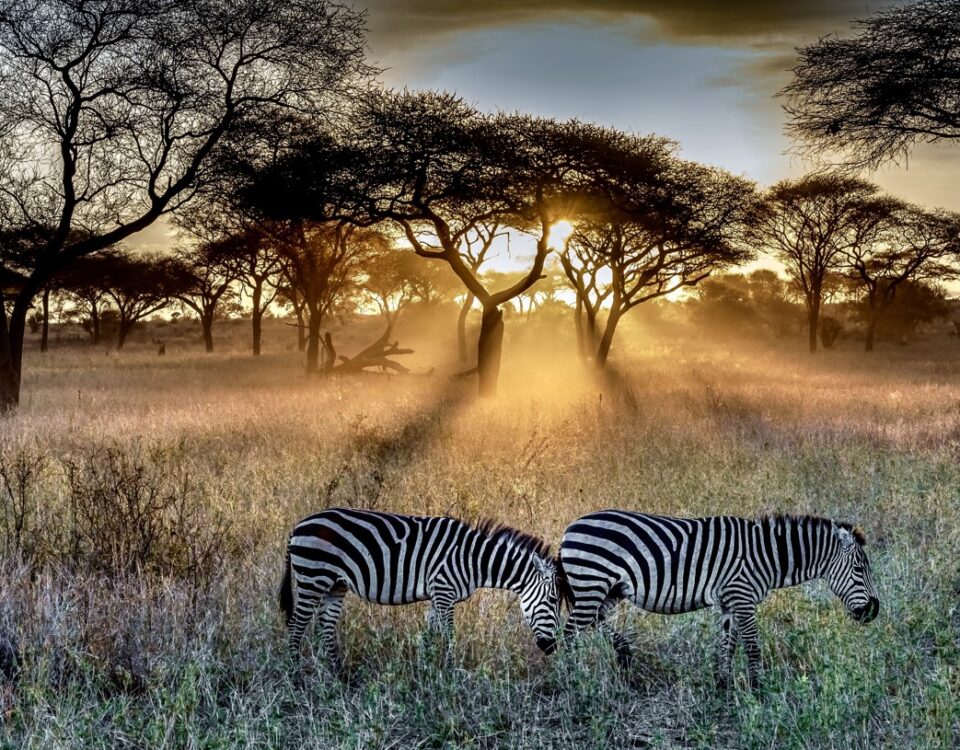
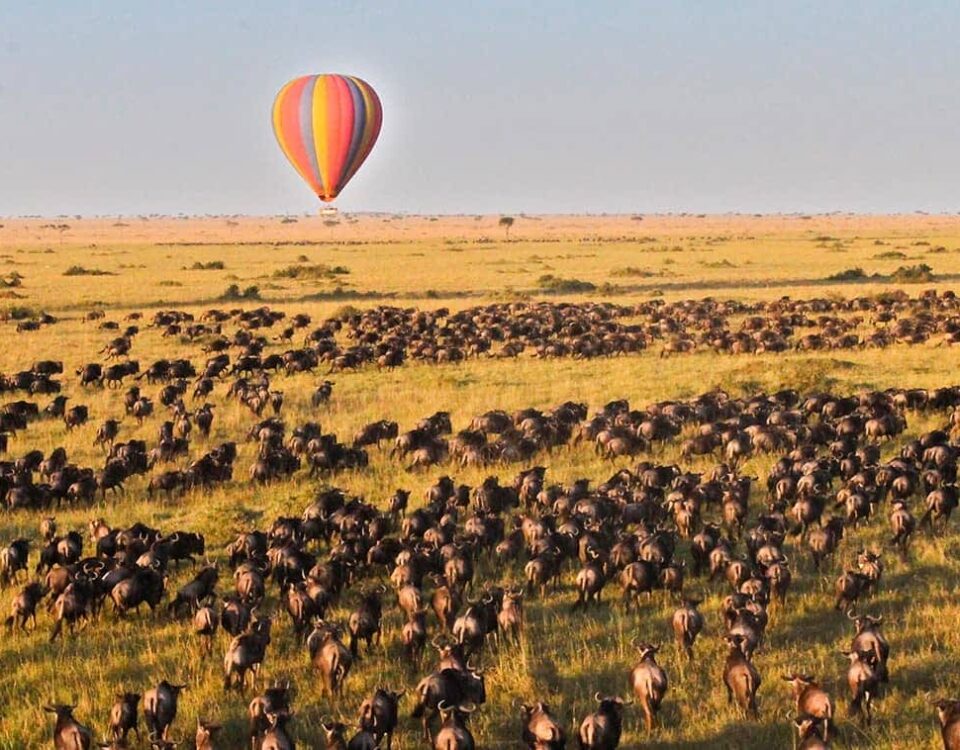
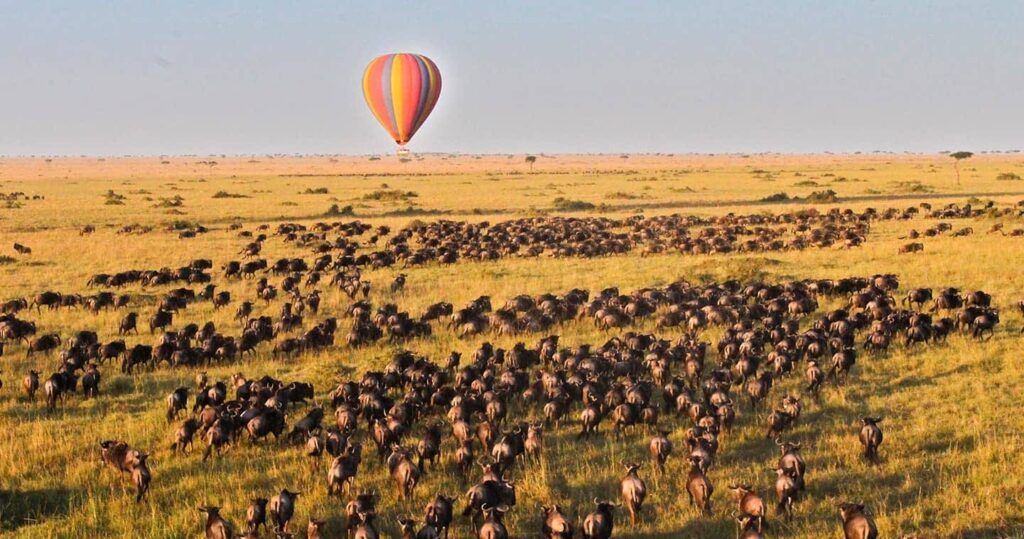
Why February Is a Predator Paradise in the Serengeti? This question introduces one of Tanzania’s most exciting seasonal wildlife experiences. Every year, the southern plains of Serengeti National Park and the neighbouring Ndutu region attract vast herds of wildebeest searching for fresh grazing. Zebras and gazelles join these migrating animals, creating a remarkable concentration of wildlife across the grasslands. Meanwhile, the calving season brings thousands of newborn wildebeest into the ecosystem, providing opportunities for predators to hunt. Lions patrol the plains, cheetahs scan open grasslands, and spotted hyenas search for vulnerable prey. Leopards and smaller carnivores also inhabit the wider region, adding further diversity to the wildlife experience.
For international travellers planning Tanzania Safaris, February combines excellent wildlife viewing opportunities with lush landscapes and fascinating animal behaviour. Seasonal rainfall encourages fresh grass growth, attracting migrating herds and supporting pregnant females and nursing mothers. During the broader calving period, hundreds of thousands of wildebeest calves are born, although estimates vary between years and counting methods. This concentration of newborn animals can attract predators, making the southern Serengeti especially rewarding for wildlife enthusiasts and photographers. Nevertheless, hunting events and individual animal sightings remain unpredictable.
Through carefully planned Tanzania Tours, visitors can explore these remarkable landscapes while learning about predator behaviour, migration patterns, and ecological balance. Terenga Africa Safaris & Travel Ltd helps travellers discover Tanzania’s natural treasures through thoughtfully organised journeys, practical travel advice, and responsible wildlife viewing. Whether you are a first-time visitor or an experienced wildlife enthusiast, a February safari offers an opportunity to experience the Serengeti beyond ordinary sightseeing.
What Makes February a Predator Paradise in the Serengeti?

February creates favourable conditions for predator activity because enormous numbers of grazing animals gather across the southern Serengeti ecosystem. Wildebeest, zebras, and gazelles provide abundant food sources for carnivores, while open plains offer excellent opportunities for hunting and wildlife observation. Lions often rely on teamwork, strength, and strategic positioning when pursuing prey. Cheetahs use their speed to chase animals across open terrain, whereas spotted hyenas combine hunting skills with opportunistic feeding. These different strategies reveal how predators adapt to their environment.
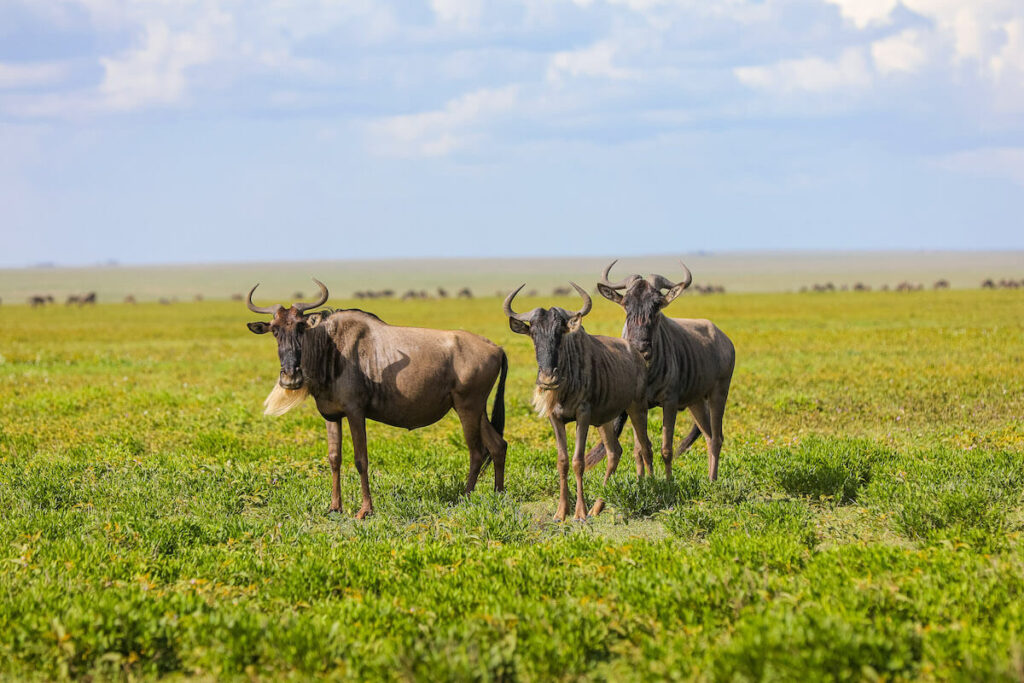
Another important factor is the annual wildebeest calving season. Newborn calves can stand and begin walking shortly after birth, but they remain vulnerable during their earliest days. Predators may target young animals that become separated from their mothers or struggle to keep pace with the herd. However, the simultaneous birth of thousands of calves also improves the survival prospects of many newborns because predators cannot capture every available animal.
Consequently, February offers a fascinating opportunity to observe the natural relationship between reproduction, hunting, and survival. Visitors undertaking Tanzania Adventures may witness lions resting after a meal, cheetahs scanning the plains, or hyenas moving through areas occupied by migrating herds. Although dramatic hunting scenes attract considerable attention, observing mothers protecting calves and herds moving together can be equally rewarding. Responsible guides explain these interactions while maintaining appropriate distances and following park regulations.
Which Predators Can You See During February?
Cheetahs provide a different wildlife experience. These slender cats favour open landscapes that allow them to identify potential prey and pursue it at high speed. Seasonal grasslands can offer excellent viewing conditions, particularly when vegetation remains low enough to reveal animals at a distance. Their alert posture, distinctive markings, and remarkable hunting adaptations make them especially attractive subjects for wildlife photography.
Spotted hyenas are equally fascinating because they hunt independently or in groups and also scavenge when opportunities arise. Leopards inhabit the wider Serengeti ecosystem, although their secretive behaviour and preference for cover can make sightings more challenging. Jackals and other smaller carnivores contribute further to the region’s ecological diversity.
During Tanzania Safaris, experienced guides can help visitors recognise different species, interpret their behaviour, and understand their roles in the ecosystem. Rather than focusing exclusively on the Big Five, travellers can discover a broader picture of African wildlife and appreciate how different predators coexist within the same landscape.
Where Should You Go for February Predator Viewing?

Ndutu is particularly important during the calving season because migrating herds gather across its seasonal grazing grounds. The area includes land within the Ngorongoro Conservation Area, while adjoining calving grounds extend into southern Serengeti National Park. Understanding these geographical differences helps travellers select accommodation and plan efficient game drives.
Central Serengeti, particularly the Seronera area, also supports resident wildlife populations and can provide rewarding sightings throughout the year. However, the distribution of migrating herds changes seasonally, so the southern plains are often a stronger starting point for February calving experiences.
Travellers with additional time may combine the Serengeti with Ngorongoro Crater or Tarangire National Park. Such combinations introduce different habitats, scenery, and wildlife encounters. Terenga Africa Safaris & Travel Ltd can help visitors compare routes, accommodation categories, and travel durations to create an itinerary suited to their interests and budget.
What Are the Expectations in This Safari?

A February predator safari combines guided game drives, wildlife tracking, photography, and opportunities to learn about animal behaviour. Early morning excursions often provide rewarding viewing conditions because temperatures are cooler and some predators remain active after the night. Afternoon drives offer additional opportunities to explore different areas as animals move, rest, and feed.
Beyond carnivores, visitors may encounter newborn wildebeest calves, zebras, gazelles, elephants, giraffes, buffaloes, ostriches, and numerous bird species. Seasonal greenery also creates beautiful photographic backgrounds, while expansive plains and rocky outcrops add character to the landscape.
Patience is essential because wildlife movements depend on weather, food availability, and natural behaviour. Some drives may produce several memorable sightings, while others involve longer periods of searching. A responsible guide will explain these realities and help guests appreciate the experience without promising specific encounters.
Most importantly, February provides more than an opportunity to watch predators. It reveals how animals compete for resources, protect their young, and respond to changing environmental conditions. For families, couples, photographers, and nature enthusiasts, this safari can become an educational and memorable journey into Tanzania’s wilderness.
When Is the Best Time for This Safari?

Weather conditions influence both the landscape and safari logistics. February falls within Tanzania’s green season, when grasslands can appear lush and skies may create dramatic photographic conditions. Occasional rain showers are possible, and some roads can become muddy. Warm daytime temperatures and cooler mornings make adaptable clothing particularly useful.
Travellers should consider spending at least three to four days around the southern Serengeti and Ndutu region. Additional time provides greater flexibility to explore different locations and search for wildlife as herds move. Booking accommodation early is advisable, especially for camps close to the calving grounds.
For the best results, coordinate travel dates, accommodation, and game drives around seasonal conditions rather than relying on fixed wildlife schedules.
Why Choose Us for This Particular Safari?
Terenga Africa Safaris & Travel Ltd aims to make your February Serengeti experience rewarding through personalised planning, practical travel guidance, and carefully considered itineraries. Every traveller has different priorities, whether they want to photograph big cats, witness wildebeest calving, enjoy comfortable accommodation, or explore several Tanzanian national parks.
Understanding these interests helps shape a safari around your preferred travel dates, budget, accommodation style, and available time. February requires particular attention to seasonal wildlife movements because the most productive viewing areas can change with rainfall and grazing conditions. An itinerary focused on the southern Serengeti and Ndutu region can provide a strong starting point.
International visitors may also need guidance on park fees, transportation, luggage restrictions, accommodation choices, and travel documentation. Families might prefer shorter driving periods, while wildlife photographers may appreciate additional time in productive areas. Couples can prioritise privacy and comfort, whereas experienced safari enthusiasts may prefer longer game drives.
Our goal is to help you make informed travel decisions and enjoy Tanzania’s natural heritage responsibly. We encourage respectful wildlife viewing and realistic expectations because animals should never be disturbed to secure a photograph or guarantee a sighting.
Visit www.terengasafaris.com to discuss your preferred dates and explore available Tanzania safari options.
What to Pack for a February Predator Safari?

Packing appropriately helps you remain comfortable during early departures, extended game drives, and changing weather conditions. Lightweight shirts, breathable trousers, and neutral colours such as khaki, beige, and olive are practical choices. A warm fleece or light jacket helps during cool mornings, while a waterproof layer provides protection against occasional showers.
Comfortable shoes are useful around camps and designated walking areas. A wide-brimmed hat, sunglasses, sunscreen, and insect repellent can also improve comfort. Binoculars help you observe distant wildlife, while a camera with a suitable zoom lens allows you to capture animals without approaching too closely.
Photography enthusiasts should consider carrying spare batteries, extra memory cards, and protection against dust or moisture. Personal medication, basic toiletries, travel insurance details, identification, and relevant travel documents should also be included.
Before departure, confirm luggage allowances for your transport arrangements and check the current entry requirements applicable to your nationality. Practical preparation allows you to focus on the wildlife experience rather than worrying about missing essentials.
Conclusion: Experience the Serengeti in February
Why February Is a Predator Paradise in the Serengeti? The answer lies in the concentration of migrating herbivores, the arrival of newborn wildebeest, and the opportunities these seasonal conditions create for predators. Lions, cheetahs, hyenas, and other carnivores inhabit a landscape where hunting, reproduction, and survival unfold naturally.
The southern Serengeti and Ndutu plains are particularly rewarding during this period, although sightings depend on weather, animal movements, and time spent exploring. Beyond predator encounters, February offers beautiful scenery, diverse wildlife, and valuable opportunities to understand one of Africa’s most celebrated ecosystems.
For travellers planning Tanzania Tours, this season combines wildlife viewing, photography, and meaningful exploration. With appropriate preparation, flexible planning, and responsible guiding, your safari can become a memorable introduction to Tanzania’s wilderness.
Discover Tanzania with Terenga Africa Safaris & Travel Ltd. Visit www.terengasafaris.com to start planning your next African adventure.
 Frequently Asked Questions
1. Is February the best month for predators in the Serengeti?
February is an excellent month for predator viewing in the southern Serengeti because wildebeest calving attracts carnivores. Other months also provide rewarding sightings in different parts of the ecosystem.
2. Can I see lions hunting during February?
Yes. Lions may hunt around areas with abundant prey, but hunting events are unpredictable and cannot be guaranteed.
3. Are cheetahs easy to spot during calving season?
Cheetahs inhabit the southern Serengeti and Ndutu plains. Open terrain can help visitors spot them, although sightings depend on location, vegetation, and animal movements.
4. How many days should I spend in the Serengeti?
Three to four days focused on the southern Serengeti and Ndutu region can provide a rewarding experience. Longer stays allow more flexibility.
5. Is February suitable for wildlife photography?
Yes. Green landscapes, newborn animals, and predator activity can provide excellent photographic opportunities. Waterproof equipment protection is useful during occasional showers.
6. Can I combine the Serengeti with other destinations?
Yes. Ngorongoro Crater and Tarangire National Park are popular additions to northern Tanzania itineraries, depending on your available time and interests.
7. How can I book this safari?
Visit www.terengasafaris.com to contact Terenga Africa Safaris & Travel Ltd about your travel dates, accommodation preferences, budget, and wildlife interests.