
The Best Way to Follow the Serengeti Migration Throughout the Year
October 3, 2026
Where Is the Great Migration in January?
October 5, 2026
How Safari Guides Track the Movement of Wildebeest?
How Safari Guides Track the Movement of Wildebeest? is one of the most important questions for travelers planning a Great Migration safari. Every year, millions of wildebeest move across the Serengeti-Mara ecosystem. Their journey follows rainfall, fresh grass, water availability, and changing environmental conditions. Consequently, the herds do not follow an identical route every year. Skilled safari guides understand these natural patterns and use several field signs to locate the animals. They combine experience, recent sightings, weather observations, animal tracks, vegetation conditions, and information from other guides. Modern communication tools can also improve the speed of information sharing across large safari areas. Nevertheless, guides still depend heavily on their knowledge of the land. How Safari Guides Track the Movement of Wildebeest? therefore involves much more than following a marked route. Experienced professionals read the ecosystem like a constantly changing map. Their expertise can help travelers spend more time in productive wildlife areas. Tanzania remains one of the world’s leading destinations for experiencing this phenomenon. Visitors can combine migration viewing with Tanzania Safaris, wildlife photography, cultural activities, birdwatching, and other adventures. Terenga Africa Safaris and Travel Ltd combines practical field knowledge with thoughtful itinerary planning. Our approach helps travelers understand migration behavior while enjoying a comfortable and responsible safari experience.
What Makes Wildebeest Movement So Difficult to Predict?
How Safari Guides Track the Movement of Wildebeest? becomes clearer when travelers understand the unpredictable nature of migration. Wildebeest respond to environmental conditions rather than human calendars. Rainfall can arrive earlier in one region and later in another area. Fresh grass then develops at different speeds across the ecosystem. Consequently, herds may change direction when better grazing becomes available. Water availability also influences how long animals remain within particular locations. Temperature, wind, predators, and herd behavior can influence movement as well. How Safari Guides Track the Movement of Wildebeest? therefore requires constant observation rather than simple date-based planning. Guides study recent conditions before each game drive. They also consider the previous movements of nearby herds. Tracks can reveal recent animal activity even when the animals themselves remain out of sight. Fresh dung, flattened grass, dust trails, and gathering birds can provide additional clues. Large herds also create visible changes across open landscapes. Experienced guides recognize these subtle signs through years of fieldwork. Travelers benefit when guides combine this knowledge with patience and flexibility. Tanzania’s vast ecosystems require careful route selection during every migration season. A skilled guide knows that wildlife viewing involves reading nature rather than controlling it. Such expertise forms an essential part of successful Tanzania Great Migration Safaris.
How Do Guides Use Rainfall to Predict Migration?
How Safari Guides Track the Movement of Wildebeest? often begins with rainfall patterns. Seasonal rain determines where fresh grazing develops across the Serengeti ecosystem. Wildebeest naturally seek nutritious grass after rainfall reaches suitable areas. Therefore, guides monitor clouds, recent storms, wet ground, and vegetation growth. Satellite weather information can provide broader regional context for safari planning. Local observations remain equally valuable because rainfall can vary significantly within short distances. How Safari Guides Track the Movement of Wildebeest? requires combining regional forecasts with conditions observed directly in the field. Guides may notice fresh green shoots developing after a storm. Herds can begin moving toward those areas when grazing becomes attractive. Water availability can then determine how long animals remain nearby. Seasonal rivers and temporary pools may influence local movement patterns. Experienced guides understand that rainfall does not automatically create an immediate migration. Herds need suitable grazing conditions before making significant movements. Furthermore, thousands of animals may move gradually rather than suddenly. Safari professionals therefore monitor environmental changes throughout the season. Travelers should choose operators who understand these ecological relationships. Tanzania’s migration ecosystem remains dynamic, which makes flexibility especially valuable. Such knowledge also benefits travelers planning broader Tanzania Safaris during changing seasonal conditions.
How Do Guides Read Wildebeest Tracks?
How Safari Guides Track the Movement of Wildebeest? also involves identifying physical evidence left by passing herds. Wildebeest leave numerous tracks across muddy ground, sandy roads, grasslands, and riverbanks. Fresh tracks can reveal direction, herd size, and approximate timing. Guides examine the sharpness and depth of individual hoof impressions. Softer ground can preserve tracks more clearly than dry surfaces. How Safari Guides Track the Movement of Wildebeest? becomes a practical field exercise when guides inspect these details. Multiple overlapping tracks can indicate movement by a large herd. Broken vegetation may reveal where animals recently passed through dense grass. Droppings can also help establish whether wildlife moved through an area recently. Birds gathering around fresh dung may provide additional clues. Dust clouds can sometimes reveal distant movement across open plains. Guides combine these signs instead of relying on one observation. This approach reduces the risk of following outdated information. Skilled professionals can also distinguish wildebeest tracks from those of other large herbivores. Their experience becomes particularly valuable when visibility remains limited. Travelers may therefore witness wildlife movements that would remain unnoticed without expert interpretation. Tanzania’s broad plains provide ideal conditions for studying these natural signs during Tanzania Great Migration Safaris.
How Do Guides Use Vegetation to Locate Herds?
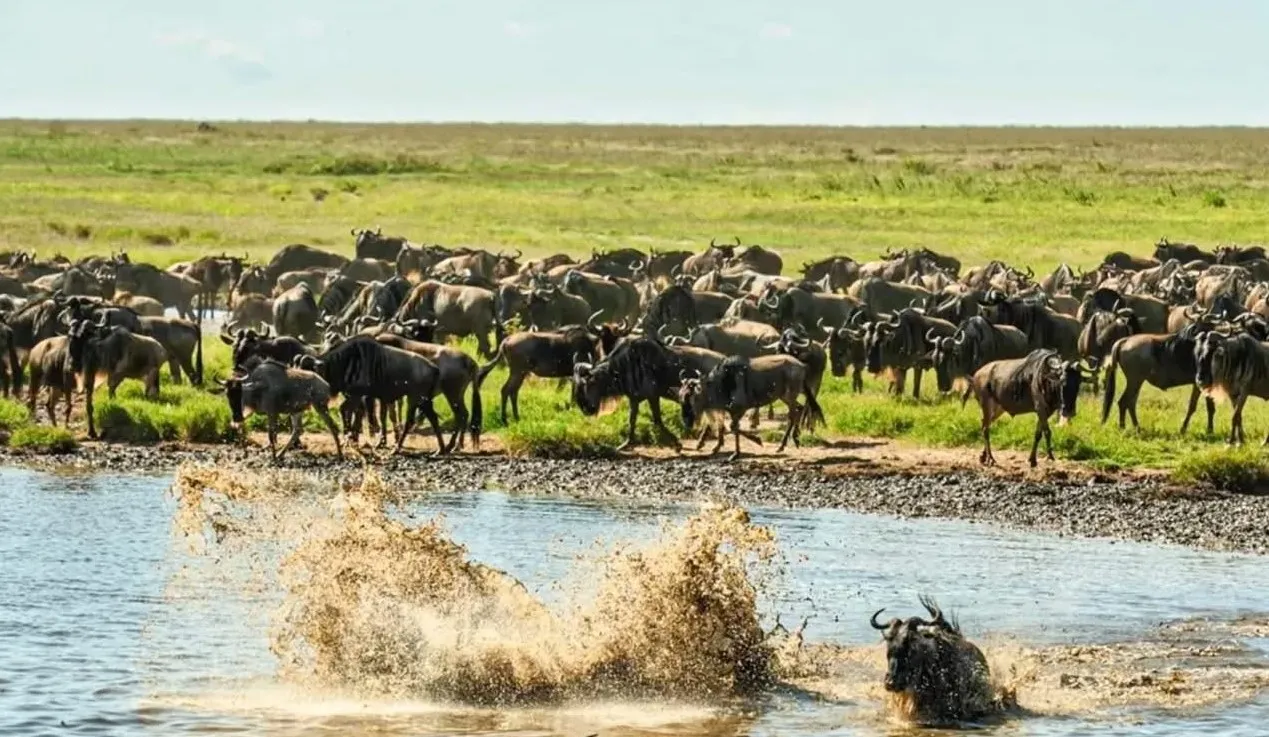
How Safari Guides Track the Movement of Wildebeest? depends strongly on understanding grassland ecology. Wildebeest require nutritious grazing areas to maintain their strength during migration. Fresh grass usually develops after adequate rainfall reaches suitable soils. Guides therefore inspect grass height, color, density, and freshness during game drives. How Safari Guides Track the Movement of Wildebeest? involves understanding why animals choose particular grazing areas. Short, fresh grass can attract large concentrations of herbivores. Older vegetation may provide less nutritional value and encourage herds to continue moving. Zebras often graze different grass layers before wildebeest reach the same areas. Such grazing patterns can create changing opportunities across the ecosystem. Guides also observe antelope concentrations because different herbivores respond to vegetation changes. How Safari Guides Track the Movement of Wildebeest? becomes more accurate when these relationships are understood. Soil conditions can influence how quickly grass regenerates after rainfall. Elevation and drainage can also affect vegetation growth across different regions. Experienced guides combine botanical knowledge with wildlife behavior. Travelers gain more than sightings when guides explain these ecological connections. Such interpretation transforms a game drive into an educational experience. Tanzania’s varied landscapes make vegetation knowledge particularly important for Tanzania Safaris.
How Does Local Guide Experience Improve Migration Tracking?
How Safari Guides Track the Movement of Wildebeest? cannot be explained entirely through technology. Years of experience create a valuable understanding of seasonal wildlife behavior. Local guides learn how animals respond to particular landscapes and weather patterns. They become familiar with river systems, plains, woodland areas, tracks, and seasonal water sources. How Safari Guides Track the Movement of Wildebeest? often depends on recognizing patterns that formal data cannot fully explain. Guides remember where herds gathered during previous environmental conditions. They also understand which roads provide practical access to different regions. Local knowledge can help reduce unnecessary driving across enormous protected areas. Experienced professionals know when to wait and when to explore another area. Patience becomes especially important around unpredictable river crossings. Guides also understand predator behavior around large concentrations of migrating herbivores. Their observations can reveal opportunities involving lions, cheetahs, hyenas, and crocodiles. Travelers benefit from this interpretation throughout the safari. Furthermore, experienced guides can explain conservation regulations and responsible wildlife viewing. Terenga Africa Safaris and Travel Ltd values knowledgeable guiding as a central part of our safari service. Our commitment supports informative, respectful, and rewarding Tanzania Great Migration Safaris.
How Does Technology Support Migration Tracking?
How Safari Guides Track the Movement of Wildebeest? now includes several modern technologies. Mobile communication allows guides to exchange recent wildlife observations across large regions. Radio systems can help safari teams communicate during daily game drives. Weather applications provide information about rainfall and changing conditions. Satellite imagery can reveal broader environmental patterns across the ecosystem. How Safari Guides Track the Movement of Wildebeest? becomes more efficient when technology supports field expertise. Nevertheless, digital information cannot replace direct observation. A weather application may show rainfall within a region without identifying exactly where herds are located. Satellite information can indicate environmental changes without confirming specific animal movements. Guides therefore compare digital information with evidence from the ground. Recent sightings can provide valuable confirmation before routes change. Responsible operators avoid creating false certainty from unverified information. Travelers should understand that migration tracking remains an evolving process. Technology improves communication, but nature ultimately controls the movement. How Safari Guides Track the Movement of Wildebeest? therefore involves a partnership between modern tools and traditional field knowledge. This combination strengthens safari planning across the Serengeti ecosystem. It also improves opportunities for travelers seeking Tanzania Great Migration Safaris.
How Do Guides Track Wildebeest Near River Crossings?
How Safari Guides Track the Movement of Wildebeest? becomes particularly challenging near major rivers. The Mara River and Grumeti River form important parts of the migration landscape. Herds may gather along riverbanks before attempting a crossing. How Safari Guides Track the Movement of Wildebeest? requires patience because animals control the timing themselves. Guides monitor large gatherings while avoiding unnecessary pressure on the herds. Herds may approach the water, retreat, and return later. Crocodiles can occupy river channels and create additional danger for crossing animals. Strong currents can also influence where animals attempt to enter the river. How Safari Guides Track the Movement of Wildebeest? requires careful observation of herd behavior before predicting potential movement. Guides look for changes in direction, gathering density, and animal alertness. Multiple groups may also approach different crossing points simultaneously. Experienced drivers position vehicles responsibly without blocking natural routes. Travelers should understand that no ethical operator can guarantee a river crossing. Patience creates a better opportunity than forcing an encounter. Wildlife behavior remains unpredictable even when thousands of animals gather together. Responsible guiding protects both the animals and the quality of the visitor experience. Tanzania’s river crossings therefore remain among the most exciting elements of Tanzania Great Migration Safaris.
What Are the Expectations in This Safari?
How Safari Guides Track the Movement of Wildebeest? shapes realistic expectations for migration travelers. Visitors should expect an active safari rather than a fixed wildlife schedule. Daily game drives can involve searching across extensive landscapes. Some days may produce enormous herds within a short distance. Other periods may involve longer searches before finding significant concentrations. How Safari Guides Track the Movement of Wildebeest? helps explain why flexibility matters throughout the journey. Travelers can expect encounters with more than wildebeest. Zebras, gazelles, elephants, giraffes, buffaloes, lions, cheetahs, leopards, and hyenas may appear along the route. Birdlife also adds another dimension to the experience. Travelers interested in Tanzania Birding Safaris can combine migration viewing with specialized birdwatching. Cultural experiences can also complement wildlife activities around selected safari lodges. Guests may explore Maasai communities, traditional crafts, local foods, and community projects. Tanzania Cultural Safaris can provide meaningful experiences between game drives. Comfortable lodges or mobile camps can provide peaceful evenings after long wildlife excursions. Travelers should also prepare for changing road conditions and variable weather. Patience, flexibility, and realistic expectations create a stronger migration experience. Every safari can differ because wildlife movement remains controlled by natural conditions.
When Is the Best Time for This Safari?
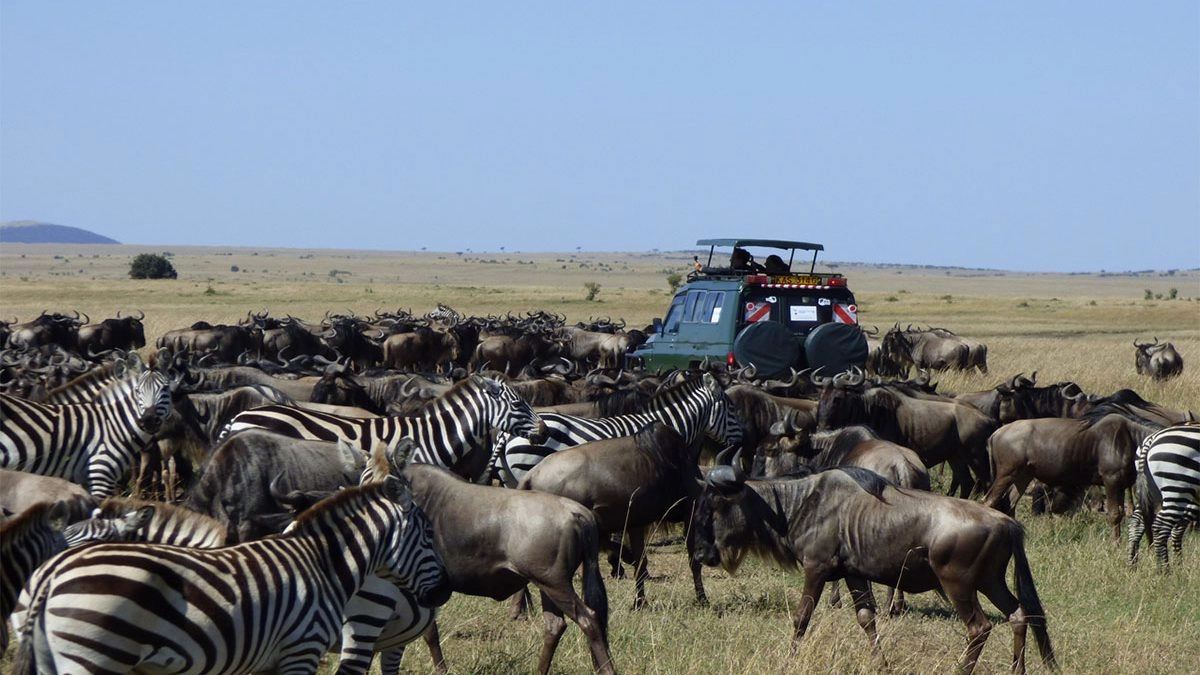
How Safari Guides Track the Movement of Wildebeest? becomes especially important when selecting travel dates. The migration occurs throughout the year across different parts of the Serengeti ecosystem. Therefore, there is no single month that guarantees the complete experience. January and February often provide important opportunities around southern Serengeti. Calving activity can attract large numbers of herbivores and predators. March and April can bring changing conditions as rainfall influences grazing patterns. May and June can create opportunities around central and western regions. July through October often attracts travelers interested in northern Serengeti and potential Mara River crossings. November and December can bring renewed movement toward greener grazing areas. How Safari Guides Track the Movement of Wildebeest? remains relevant during every seasonal phase. Rainfall can alter traditional patterns from one year to another. Travelers should therefore avoid treating migration calendars as guaranteed schedules. A knowledgeable safari planner can recommend regions according to current seasonal objectives. Tanzania Great Migration Safaris can also combine migration viewing with broader wildlife experiences. Travelers seeking a Tanzania Best Safari should consider more than migration alone. Wildlife diversity, accommodation, travel pace, cultural interests, and photography goals should influence the final itinerary.
Why Choose Us For This Particular Safari?
How Safari Guides Track the Movement of Wildebeest? requires experienced planning and honest communication. Terenga Africa Safaris and Travel Ltd combines destination knowledge with personalized safari design. Our approach considers seasonal conditions rather than relying solely on fixed migration dates. We evaluate route practicality, accommodation location, travel time, and wildlife objectives. How Safari Guides Track the Movement of Wildebeest? also requires understanding the broader Serengeti ecosystem. Our safari planning can incorporate wildlife, birding, culture, photography, and adventure interests. Travelers seeking Tanzania Safaris can therefore create journeys around multiple priorities. Bird enthusiasts can incorporate Tanzania Birding Safaris within broader wildlife programs. Cultural travelers can explore community experiences through Tanzania Cultural Safaris. Adventure enthusiasts can combine migration viewing with walking or other approved activities. Luxury travelers can select comfortable lodges and private safari vehicles where appropriate. Families can receive itinerary designs that consider travel pace and activity suitability. Photographers can request flexible game-drive schedules around preferred wildlife subjects. How Safari Guides Track the Movement of Wildebeest? remains central to our planning philosophy. We focus on realistic expectations rather than promising encounters that nature cannot guarantee. Our goal involves creating informed, comfortable, responsible, and memorable journeys across Tanzania.
What Can Travelers Experience Beyond the Wildebeest?
How Safari Guides Track the Movement of Wildebeest? opens the door to a much wider safari experience. The Serengeti supports an extraordinary range of wildlife beyond migrating herbivores. Lions frequently follow concentrations of prey across open grasslands. Cheetahs use open terrain where visibility supports their hunting strategy. Leopards often remain associated with woodland and riverine habitats. Hyenas can travel considerable distances while following available food. How Safari Guides Track the Movement of Wildebeest? therefore becomes part of a broader ecological story. Elephants may appear near water sources and woodland areas. Giraffes browse among trees across different habitats. Buffaloes gather in large herds and use both grasslands and woodland environments. Hippos remain closely associated with permanent water sources. Birds provide another important attraction throughout the ecosystem. Travelers can encounter raptors, waterbirds, woodland species, and migratory birds. These opportunities make Tanzania Birding Safaris valuable additions to migration itineraries. Cultural activities can further broaden the journey beyond wildlife. Maasai cultural experiences can introduce traditional lifestyles, crafts, music, food, and community activities. Tanzania Cultural Safaris can therefore complement migration-focused travel beautifully. A carefully planned itinerary reveals Tanzania as an ecosystem rather than a single wildlife spectacle.
What Cultural Experiences Can You Enjoy Around Safari Lodges?
How Safari Guides Track the Movement of Wildebeest? represents only one part of the Tanzanian safari experience. Cultural tourism can create meaningful connections with communities surrounding protected areas. Maasai cultural experiences provide opportunities to explore pastoral traditions and community life. Visitors may participate in traditional dances, craft activities, food experiences, and guided village visits. How Safari Guides Track the Movement of Wildebeest? can also connect travelers with the people living near these ecosystems. Local artisans may demonstrate traditional beadwork and other crafts. Community guides can explain agricultural practices and everyday livelihoods. Travelers can support local enterprises by purchasing authentic products directly from artisans. Responsible cultural tourism should respect community privacy and local customs. Photography should always involve appropriate permission during personal interactions. How Safari Guides Track the Movement of Wildebeest? therefore extends beyond animal tracking into broader destination understanding. Selected safari lodges can arrange cultural activities based on location and community partnerships. Guests can enjoy local cuisine and learn about regional ingredients. Some experiences may include nature walks led by community members. These encounters can strengthen the value of Tanzania Cultural Safaris. Terenga Africa Safaris and Travel Ltd can include suitable cultural activities within carefully structured itineraries.
What Should You Pack for a Migration Safari?
How Safari Guides Track the Movement of Wildebeest? involves long hours outdoors across changing landscapes. Travelers should therefore pack practical clothing and equipment for varied conditions. Lightweight neutral-colored clothing works well for daytime game drives. Warm layers remain useful during cool early mornings and evenings. Comfortable closed shoes support walking around lodges and approved activities. How Safari Guides Track the Movement of Wildebeest? may require patience during extended wildlife searches. A wide-brimmed hat can provide useful protection from strong sunlight. Sunglasses and high-quality sunscreen remain important throughout the day. Binoculars can greatly improve wildlife observation across open plains. Camera equipment should include spare batteries and adequate memory cards. A telephoto lens can help capture distant wildlife without approaching animals. How Safari Guides Track the Movement of Wildebeest? also requires preparedness for occasional rainfall. A lightweight waterproof jacket can provide useful protection during changing weather. Reusable water bottles can reduce single-use plastic during safari activities. Insect repellent may improve comfort in certain environments. Personal medication and essential toiletries should remain easily accessible. Travelers should also carry important travel documents securely. Good preparation contributes to comfort, safety, and responsible travel. Terenga Africa Safaris and Travel Ltd can provide additional packing guidance according to the selected route and season.
How Can Photography Improve the Migration Experience?
How Safari Guides Track the Movement of Wildebeest? provides photographers with numerous opportunities for storytelling. Large herds can create powerful wide-angle compositions across open Serengeti landscapes. Individual animals can also provide intimate portraits when viewed from suitable distances. Early morning light often creates softer conditions for wildlife photography. How Safari Guides Track the Movement of Wildebeest? can help photographers anticipate movement without disturbing animals. Guides may identify likely grazing areas based on recent environmental conditions. Patient observation can produce better photographs than rushed positioning. Dust clouds can sometimes create dramatic atmosphere around moving herds. Riverbanks can offer opportunities for documenting anticipation before potential crossings. Predators provide additional photographic subjects during migration periods. Tanzania Safaris can therefore appeal strongly to professional and amateur photographers. Bird photographers can also find valuable opportunities throughout the Serengeti ecosystem. Those interested in Tanzania Birding Safaris should communicate their priorities before departure. Appropriate lenses allow photographers to maintain respectful distances from wildlife. Visitors should avoid using photography techniques that disturb animals. Responsible photography protects natural behavior and preserves authentic experiences. Terenga Africa Safaris and Travel Ltd can help design itineraries around specific photographic interests.
How Do Guides Support Responsible Wildlife Viewing?
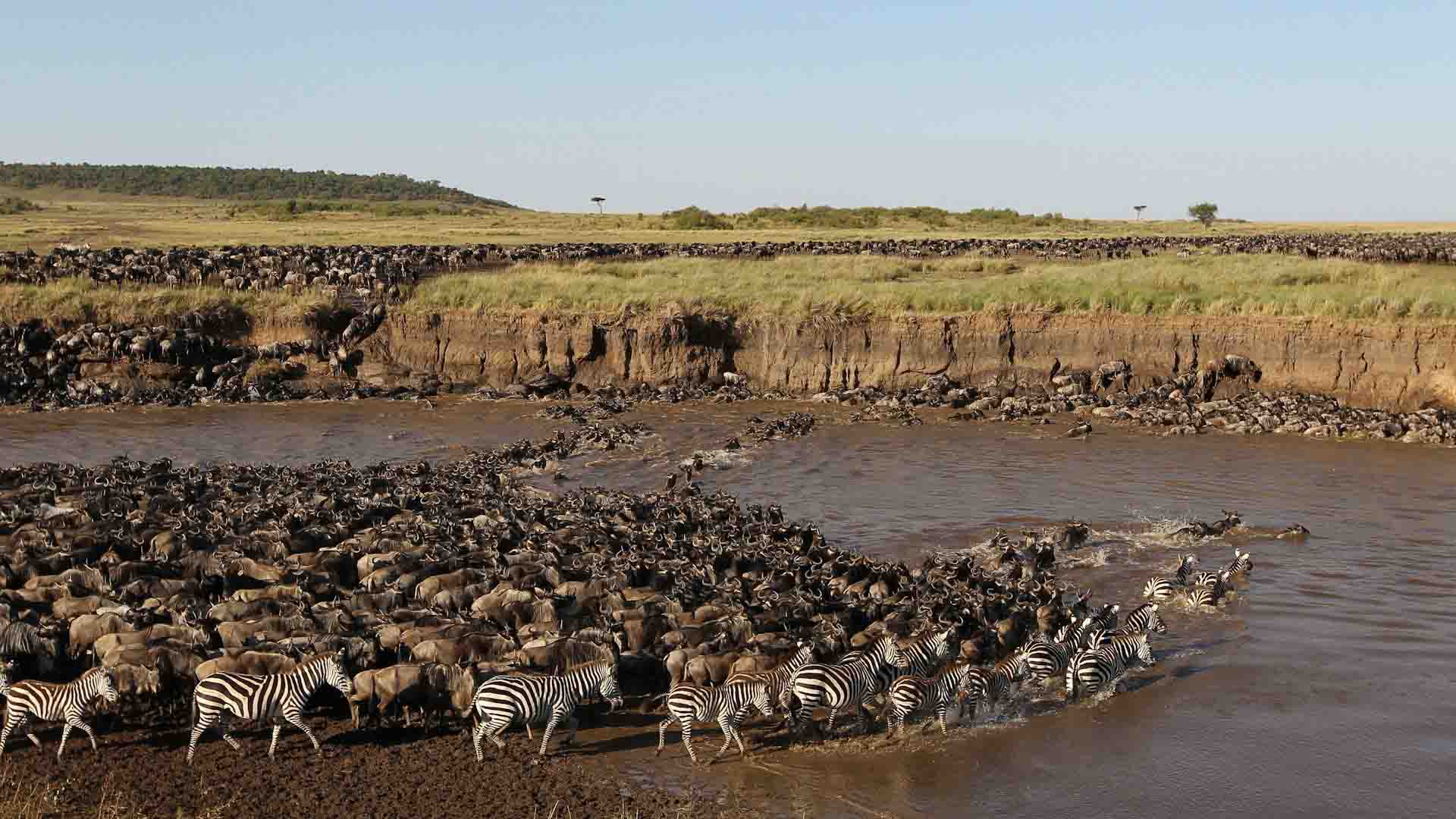
How Safari Guides Track the Movement of Wildebeest? should always include responsible wildlife practices. Safari vehicles must respect park regulations and appropriate viewing distances. Drivers should avoid surrounding animals or blocking natural movement routes. How Safari Guides Track the Movement of Wildebeest? becomes more valuable when observation does not interfere with wildlife behavior. Guides should also prevent unnecessary pressure around sensitive areas. River crossings require particular care because large groups of vehicles can create disturbance. Travelers can contribute by following instructions throughout every game drive. Feeding wildlife remains inappropriate and can create harmful behavioral changes. Plastic waste should never remain within protected areas. Reusable bottles provide a practical way to reduce unnecessary waste. How Safari Guides Track the Movement of Wildebeest? therefore connects wildlife knowledge with conservation responsibility. Tourism revenue can support protected areas, local employment, accommodation, guiding, and community enterprises. Responsible travelers can strengthen these benefits through thoughtful choices. Cultural activities should also respect local communities and personal boundaries. Tanzania Great Migration Safaris can contribute positively when operators prioritize conservation. Terenga Africa Safaris and Travel Ltd promotes respectful wildlife viewing throughout our safari experiences. Our goal involves protecting the natural environment while creating exceptional journeys for international travelers.
What Makes This Experience a Tanzania Best Safari?
How Safari Guides Track the Movement of Wildebeest? contributes to one of Tanzania’s most celebrated wildlife experiences. Yet a Tanzania Best Safari should offer more than one spectacular event. Travelers need reliable planning, knowledgeable guides, suitable accommodation, comfortable transportation, and realistic expectations. How Safari Guides Track the Movement of Wildebeest? provides a foundation for finding productive wildlife areas. Combining migration viewing with resident wildlife creates a more complete itinerary. Adding birdwatching can appeal to travelers seeking greater ecological diversity. Including cultural experiences can provide valuable human connections. Adventure activities can add physical variety to a longer journey. Tanzania Safaris can therefore become highly personalized rather than following one standard formula. Travelers can choose private or shared arrangements according to their preferences. Families may prioritize comfort and flexible schedules. Couples may prefer intimate lodges and private experiences. Photographers may request extended wildlife observation periods. Birdwatchers may allocate additional time to productive habitats. Cultural travelers can include community visits around selected safari destinations. A thoughtfully designed itinerary can therefore satisfy multiple interests within one journey. Terenga Africa Safaris and Travel Ltd focuses on this personalized approach. Our objective involves creating a safari that feels meaningful rather than simply covering destinations.
What Are the Safari Inclusions?
How Safari Guides Track the Movement of Wildebeest? can form part of a carefully organized safari package. Typical inclusions may vary according to itinerary length, accommodation category, and selected activities.
- Airport transfers
- Private safari vehicle
- Professional safari guide
- Safari accommodation
- Meals as specified
- National park fees
- Game drives
- Cultural experiences
- Birdwatching activities
- Drinking water
- Government taxes
- Service charges
- Applicable concession fees
- Emergency support
What Are the Safari Exclusions?
How Safari Guides Track the Movement of Wildebeest? also requires travelers to understand costs that may remain outside the package. Exact exclusions depend on the final itinerary and selected services.
- International flights
- Visa fees
- Travel insurance
- Personal expenses
- Laundry services
- Alcoholic beverages
- Tips
- Souvenirs
- Optional activities
- Medical expenses
- Additional accommodation
- Personal communication
- Private expenses
- Excess baggage charges
Great Migration
How Safari Guides Track the Movement of Wildebeest? — Final Travel Insights
How Safari Guides Track the Movement of Wildebeest? involves a sophisticated combination of field experience, ecological knowledge, environmental observation, communication, and patience. Rainfall provides important clues about where fresh grazing may develop. Vegetation reveals the quality and availability of food. Tracks indicate recent movement across roads, plains, riverbanks, and grazing areas. Animal behavior can reveal changes within the surrounding ecosystem. Technology can support this process through weather information and communication systems. Nevertheless, experienced guides remain essential because wildlife does not follow digital predictions. How Safari Guides Track the Movement of Wildebeest? therefore represents an ongoing process rather than a single technique. Travelers who understand this reality can approach migration safaris with better expectations. Tanzania provides extraordinary opportunities to witness this natural phenomenon throughout the year. Tanzania Great Migration Safaris can also include resident wildlife, birdwatching, cultural experiences, photography, and adventure. Visitors seeking Tanzania Birding Safaris can explore the ecosystem through its remarkable avian diversity. Those interested in Tanzania Cultural Safaris can connect with communities and traditions surrounding the national parks. Travelers seeking a Tanzania Best Safari should prioritize experience quality rather than chasing guaranteed sightings. At Terenga Africa Safaris and Travel Ltd, we create journeys around informed planning and authentic experiences. Our professional approach considers seasonal conditions, accommodation location, travel pace, wildlife priorities, and personal interests. How Safari Guides Track the Movement of Wildebeest? ultimately reflects the knowledge required to experience nature responsibly. Every migration season brings different conditions, different movements, and different opportunities. That unpredictability creates the true adventure of the Serengeti. With expert guidance, thoughtful preparation, and responsible travel, your journey can become an unforgettable chapter in Tanzania.
Best Trending Tanzania Safari Holidays for 2027/2028
- 12-Day Tanzania Wildlife Safari
- 10-Day Tanzania Wildlife Safari & Zanzibar
- 10-Day Best Tanzania Honeymoon Luxury Safari and Zanzibar Beach Getaway
- 9-Day Ultimate Tanzania Wildlife Safari
- 9-Day Tanzania Adventure Safari
- 8-Day Tanzania Mid-Range Safari
- 8-Day Tanzania Northern Circuit Safari
- 7-Day Tanzania Wildlife Safari
- 7-Day Tanzania Wildlife Wonders Experience Tour
- 6-Day Majestic Tanzania Wildlife Luxury Safari
- 5-Day Kenya Wildlife Budget Safari
- 13-Day Tanzania Wildlife Tour & Zanzibar Beach Holiday
- 12-Day Tanzania Wildlife Safari Itinerary
- 11-Day Tanzania & Zanzibar Safari Adventure
- 11 Days Magical Kenya and Tanzania Safari
- 4-Day Tanzania Safari Extension Itinerary
- 5-Day Tanzania Safari Extension
- 9-Day Tanzania Wildlife Safari Adventure
- 7 Days Tanzania Safari Holiday
- 8 Days Tanzania Safari Holiday Itinerary