The Circular Route of the Great Migration Explained
September 2, 2026
What Drives the Serengeti Wildebeest Migration?
September 7, 2026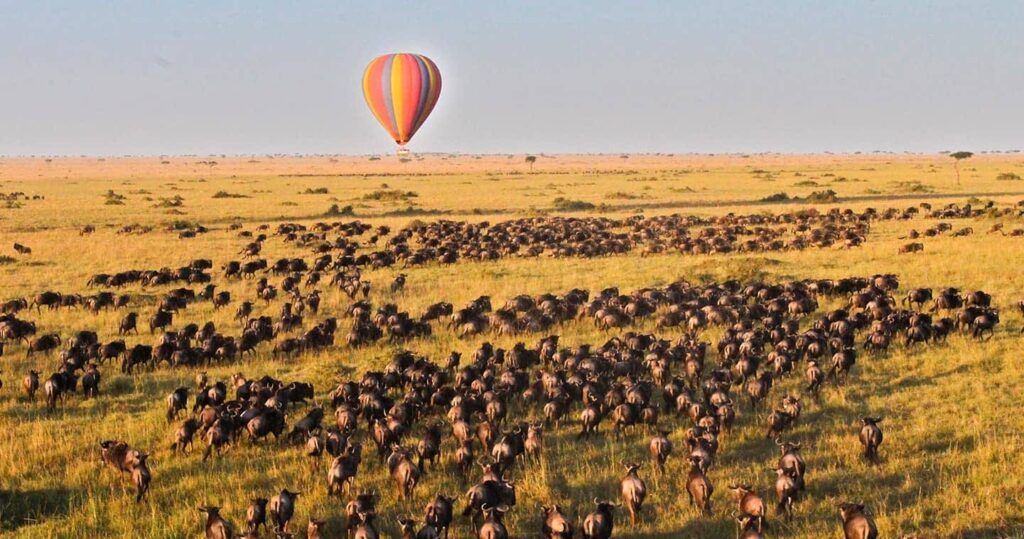
The Relationship Between the Serengeti and Maasai Mara Migration
The Relationship Between the Serengeti and Maasai Mara Migration represents one of Africa’s greatest natural stories. Every year, enormous herds move across the connected ecosystems of Tanzania and Kenya. Wildebeest, zebras, and gazelles follow seasonal rainfall and fresh grazing opportunities.
The journey connects Tanzania’s vast Serengeti National Park with Kenya’s famous Maasai Mara National Reserve. However, these destinations form part of one larger ecosystem. Wildlife moves according to natural conditions rather than political boundaries.
Therefore, understanding The Relationship Between the Serengeti and Maasai Mara Migration helps travellers plan better African safaris. The migration changes location throughout the year. Rainfall, grass availability, water, and seasonal conditions influence every movement.
Tanzania safaris provide exceptional opportunities to experience several stages of this remarkable journey. Travellers can witness calving, predator activity, massive herd movements, and dramatic river crossings.
At Terenga Africa Safaris and Travels Ltd, we believe accurate destination knowledge creates better safari experiences. This guide explains how the Serengeti and Maasai Mara connect through one extraordinary wildlife migration.
Best Trending Tanzania Safari Holidays for 2027/2028
- 12-Day Tanzania Wildlife Safari
- 10-Day Tanzania Wildlife Safari & Zanzibar
- 10-Day Best Tanzania Honeymoon Luxury Safari and Zanzibar Beach Getaway
- 9-Day Ultimate Tanzania Wildlife Safari
- 9-Day Tanzania Adventure Safari
- 8-Day Tanzania Mid-Range Safari
- 8-Day Tanzania Northern Circuit Safari
- 7-Day Tanzania Wildlife Safari
- 7-Day Tanzania Wildlife Wonders Experience Tour
- 6-Day Majestic Tanzania Wildlife Luxury Safari
- 13-Day Tanzania Wildlife Tour & Zanzibar Beach Holiday
- 12-Day Tanzania Wildlife Safari Itinerary
- 11-Day Tanzania & Zanzibar Safari Adventure
- 11 Days Magical Kenya and Tanzania Safari
- 4-Day Tanzania Safari Extension Itinerary
- 5-Day Tanzania Safari Extension
- 9-Day Tanzania Wildlife Safari Adventure
- 7 Days Tanzania Safari Holiday
- 8 Days Tanzania Safari Holiday Itinerary
Understanding One Connected Ecosystem
Wildlife Knows No Political Borders
The Relationship Between the Serengeti and Maasai Mara Migration begins with the ecosystem itself. The Serengeti and Maasai Mara connect naturally across the Tanzania-Kenya border.
Political boundaries divide the countries. However, wildlife does not follow human borders. Wildebeest move freely between suitable grazing areas when conditions allow.
The Serengeti forms the larger southern section of this ecosystem. The Maasai Mara represents an important northern extension.
Together, these landscapes support one of the world’s greatest concentrations of wildlife. Open grasslands, rivers, woodlands, and seasonal water sources support many animal species.
Consequently, the Great Migration depends on the health of both ecosystems. Changes in one area can affect wildlife movements elsewhere.
This connection makes conservation cooperation extremely important. Protecting migration routes helps maintain one of Africa’s greatest natural treasures.
The Serengeti: The Heart of the Migration
Where the Great Journey Develops
The Serengeti plays the largest role in The Relationship Between the Serengeti and Maasai Mara Migration. Most of the annual migration cycle takes place within Tanzania.
The southern Serengeti provides important grazing areas during seasonal rains. Fresh grasses attract enormous concentrations of wildebeest and other herbivores.
This region also becomes famous for calving. Thousands of wildebeest calves arrive during favourable seasonal conditions.
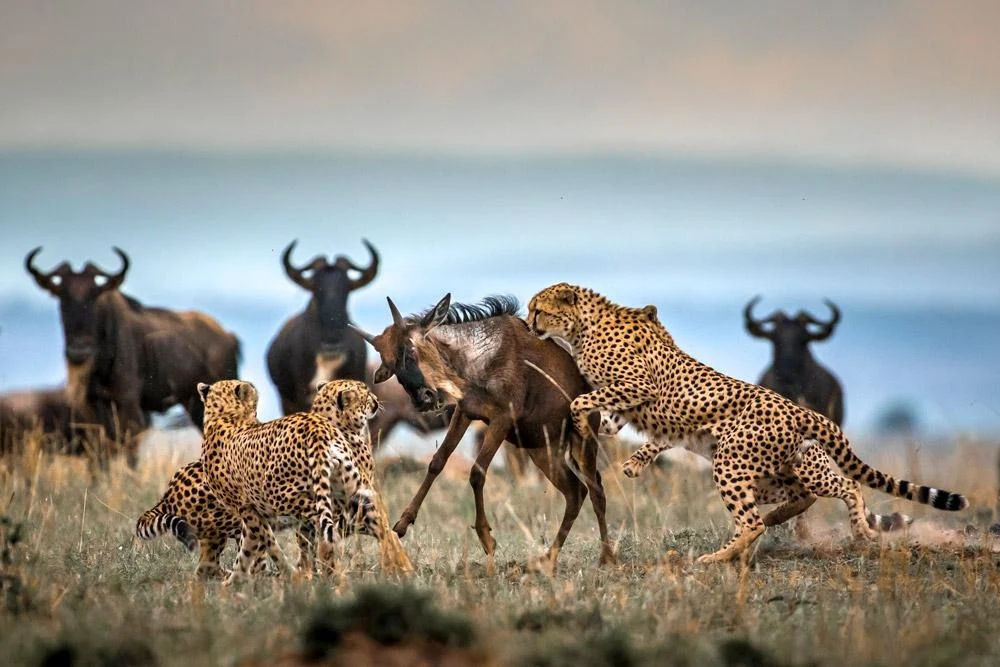
The abundance of young animals attracts predators. Lions, cheetahs, hyenas, and leopards benefit from increased hunting opportunities.
As grazing conditions change, the herds gradually move through central and western Serengeti areas. Their movement depends on environmental conditions rather than fixed dates.
Therefore, Tanzania wildlife safaris offer remarkable opportunities throughout the migration cycle.
The Serengeti remains the foundation of this enormous natural movement. Its size and ecological diversity support wildlife across changing seasons.
The Maasai Mara: A Vital Northern Extension
Seasonal Grazing Beyond Tanzania
The Maasai Mara provides an essential northern section of The Relationship Between the Serengeti and Maasai Mara Migration.
During suitable seasonal conditions, large herds can move north from Tanzania into Kenya. The Maasai Mara provides productive grazing areas and water resources.
This seasonal movement allows the animals to use a wider ecosystem. Access to different grasslands improves their chances of finding suitable food.
The Maasai Mara also supports impressive predator populations. Lions, leopards, cheetahs, and hyenas follow opportunities created by migrating herbivores.
Consequently, wildlife viewing can become exceptionally rewarding when large herds arrive.
However, the migration does not follow an exact timetable. Rainfall patterns can change the movement significantly.
Therefore, travellers should avoid expecting guaranteed migration events on specific dates. Nature determines the timing.
Understanding this reality helps visitors appreciate authentic Tanzania safaris and East African wildlife experiences.
Rainfall Connects the Serengeti and Maasai Mara
Following Fresh Grass
Rainfall creates one of the strongest connections within The Relationship Between the Serengeti and Maasai Mara Migration.
Wildebeest depend heavily on grass for survival. Fresh rainfall encourages nutritious vegetation across different sections of the ecosystem.
When grazing conditions improve in a new area, herds gradually respond. They move toward productive landscapes and better feeding opportunities.
As one region becomes dry, another may receive rainfall. This changing pattern encourages continuous seasonal movement.
Therefore, the migration follows the rhythm of nature.
Rainfall does not always arrive at the same time every year. Climate conditions can change the location of the herds.
Consequently, migration calendars should provide general guidance rather than guarantees.
Experienced Tanzania safari planners understand these natural variations. Flexible planning can improve opportunities for meaningful wildlife encounters.
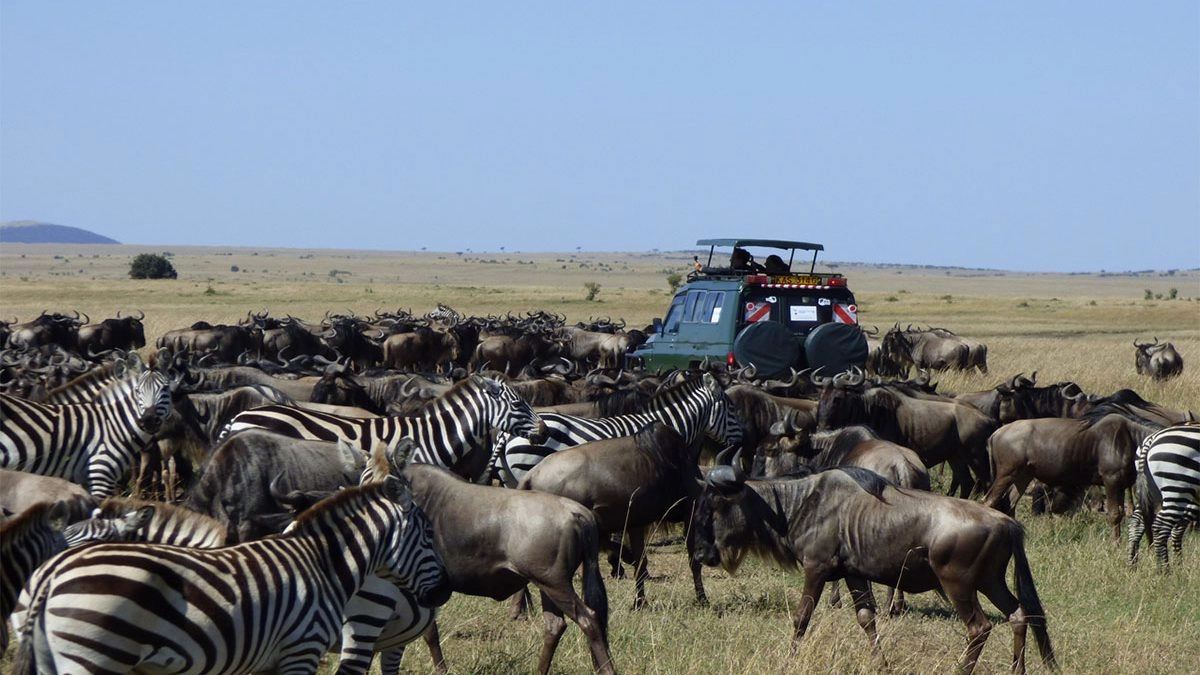
Wildebeest, Zebras, and Gazelles
A Multi-Species Migration
The Relationship Between the Serengeti and Maasai Mara Migration involves more than wildebeest.
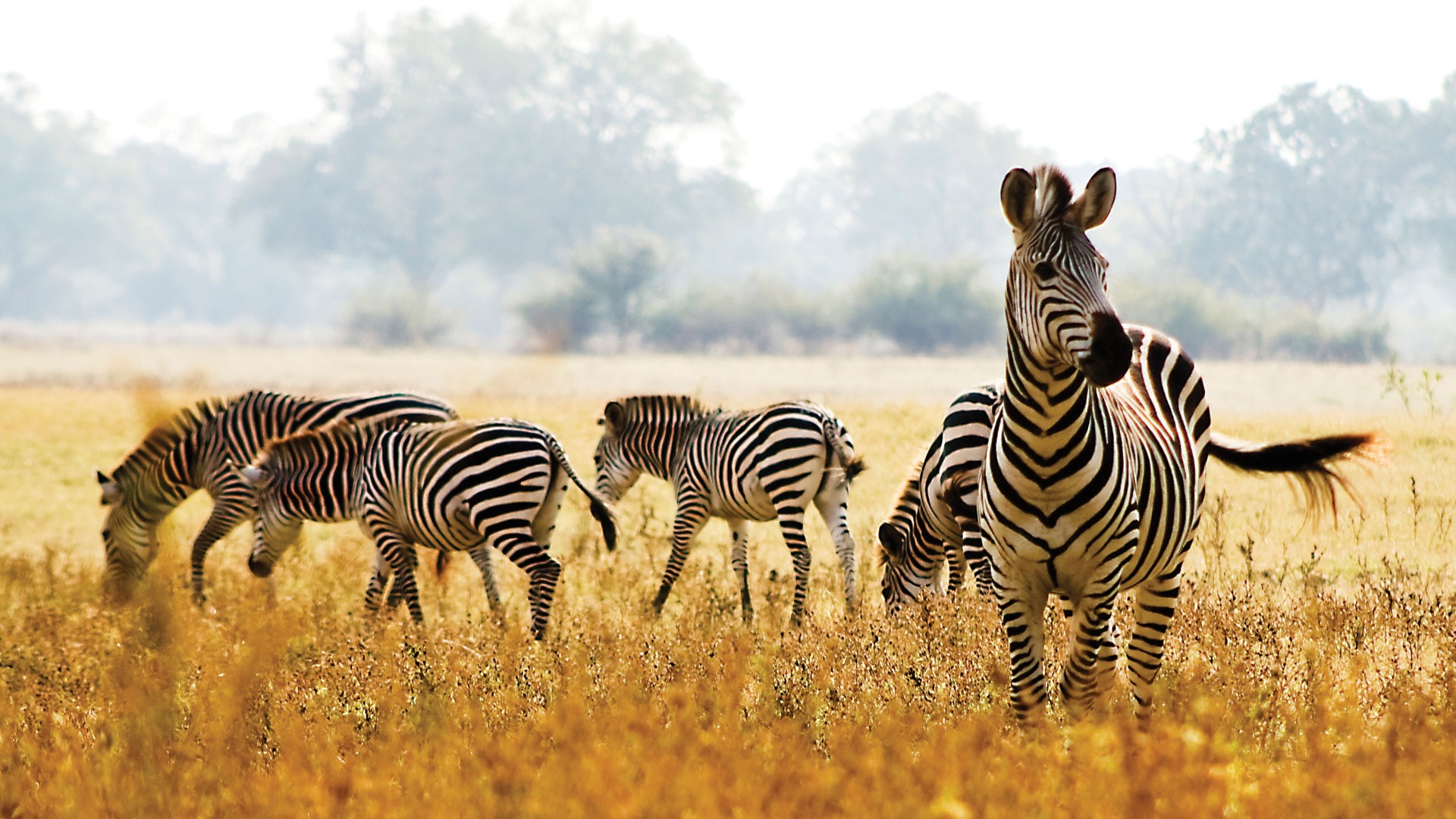
Large numbers of zebras and gazelles also travel through the ecosystem. Each species uses available vegetation differently.
Zebras can consume taller and tougher grasses. Wildebeest generally prefer shorter and nutritious grasses.
Gazelles use additional vegetation resources and benefit from changing grazing conditions.
This feeding relationship allows several species to travel through similar landscapes. Together, they create enormous concentrations of herbivores.
Their presence also supports predators and scavengers.
Lions follow the herds and hunt vulnerable animals. Cheetahs use open grasslands to pursue prey. Hyenas search for hunting and scavenging opportunities.
Therefore, Tanzania wildlife safaris reveal an interconnected system of survival.
The migration demonstrates how different species depend on the same landscapes while using resources in different ways.
Great Migration
The Mara River Connection
One of Africa’s Greatest Wildlife Challenges
The Mara River provides one of the most dramatic elements within The Relationship Between the Serengeti and Maasai Mara Migration.
The river flows through the wider ecosystem and creates a major obstacle for migrating animals.
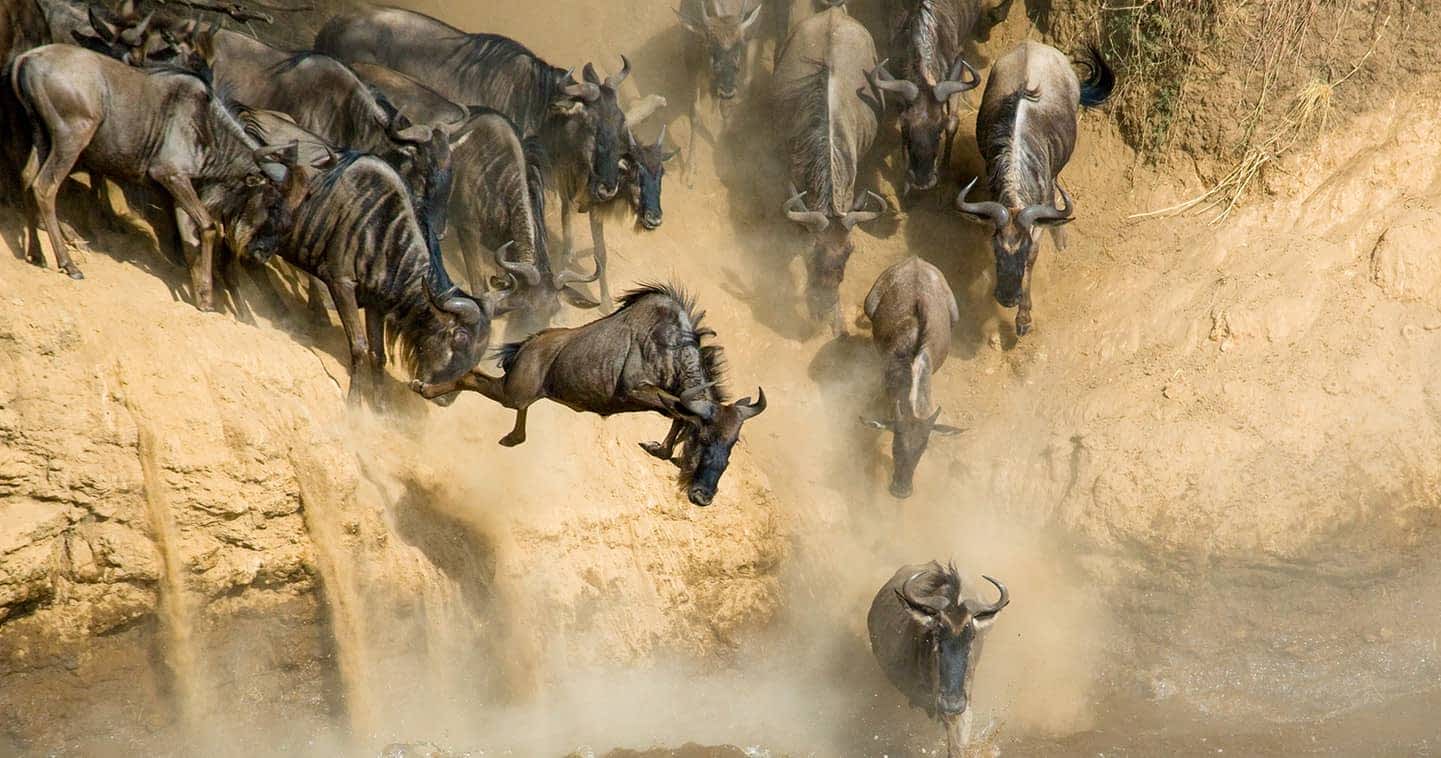
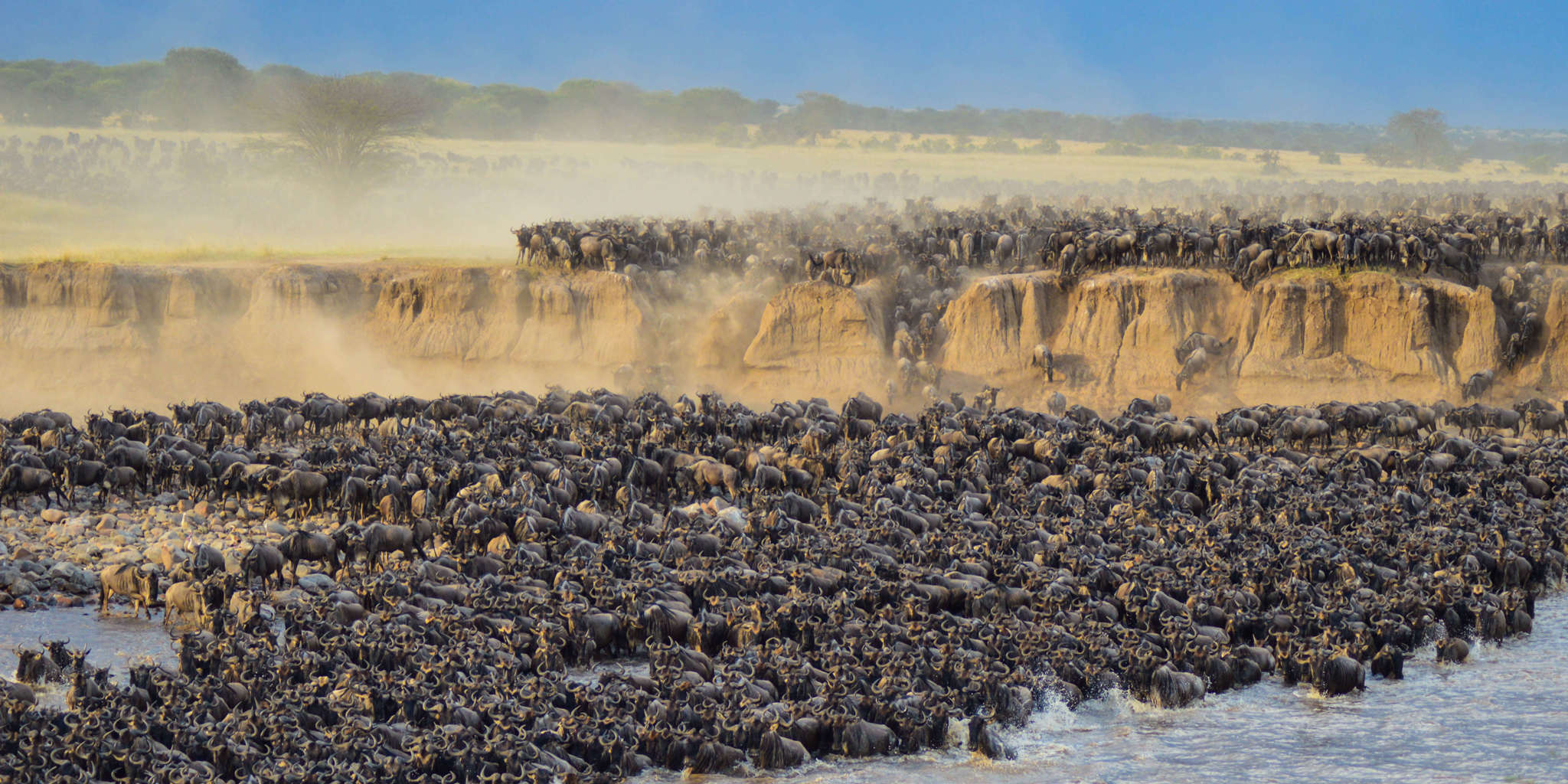
Wildebeest sometimes gather along the riverbanks before crossing. Thousands may wait for the right conditions.
However, crossings remain unpredictable.
Some animals enter the water quickly. Others hesitate and move away from the river.
Strong currents create serious dangers. Crocodiles also create additional risks for animals entering the water.
Despite these challenges, the herds continue searching for fresh grazing.
A Tanzania safari in the northern Serengeti can provide opportunities to observe this dramatic behaviour. Nevertheless, no responsible operator can guarantee a crossing.
Patience often becomes an important part of the experience.
The Border Does Not Stop the Migration
Nature Creates Its Own Routes
The Tanzania-Kenya border separates two countries. However, it does not define the natural migration system.
The Relationship Between the Serengeti and Maasai Mara Migration demonstrates this ecological reality clearly.
Animals move toward food, water, and favourable habitats. Their survival depends on environmental conditions rather than national boundaries.
The connected ecosystem therefore requires protection across both countries.
Wildlife corridors and grazing landscapes must remain available for seasonal movement.
Conservation challenges can affect migration routes. Human development, fences, and habitat changes may create pressure on natural wildlife movement.
Therefore, long-term conservation remains essential.
Responsible tourism can support these efforts by creating economic value for wildlife protection.
Travellers also play an important role by choosing ethical safari experiences.
Tanzania Safaris and Migration Experiences
Discovering the Journey in Tanzania
Tanzania safaris provide exceptional opportunities to understand the full migration story.
The southern Serengeti offers excellent opportunities during the calving period. Visitors can witness enormous herds and remarkable predator activity.
Central Serengeti provides excellent wildlife viewing throughout much of the year. Its landscapes support diverse animals and impressive predator populations.
The western corridor offers another stage of seasonal movement. Rivers and changing grasslands influence the journey.
Northern Serengeti attracts travellers interested in the Mara River ecosystem and large migrating herds.
Therefore, a Tanzania wildlife tour can focus on different regions depending on the season.
Each area provides a different perspective on The Relationship Between the Serengeti and Maasai Mara Migration.
Terenga Africa Safaris and Travels Ltd helps travellers select destinations according to their interests and travel dates.
Planning a Tanzania Safari Around the Migration
Choose Experiences, Not Guaranteed Dates
The best Tanzania safari depends on your travel interests.
Travellers interested in newborn animals may prefer the southern plains. Wildlife photographers may enjoy the green landscapes and dramatic predator encounters.
Visitors seeking large herd movements may choose different regions according to seasonal conditions.
Those interested in river ecosystems can consider northern Serengeti experiences.
However, flexibility remains important. Rainfall can influence migration movements unexpectedly.
Therefore, travellers should focus on the overall safari experience.
Tanzania offers exceptional wildlife beyond the migration. Elephants, lions, leopards, giraffes, buffaloes, and many other animals live across the ecosystem.
A successful Tanzania wildlife safari should therefore provide diverse experiences.
The migration becomes an extraordinary highlight rather than the only purpose of the journey.
Safari Lodges Along the Migration Route
Location Creates Better Experiences
Safari lodge selection plays an important role in migration planning.
A strategically located lodge can reduce long driving distances. It can also provide faster access to important wildlife areas.
Southern Serengeti camps offer convenient access to seasonal calving areas. Travellers can spend more time observing wildlife.
Central Serengeti lodges provide access to excellent year-round game viewing.
Northern Serengeti camps provide opportunities to explore remote wilderness landscapes and seasonal migration areas.
The right lodge should combine comfort, location, safety, and responsible tourism practices.
Terenga Africa Safaris and Travels Ltd considers accommodation location carefully when planning Tanzania safaris.
Good planning allows guests to enjoy wildlife without unnecessary travel.
Cultural Experiences Around Safari Lodges
Discover Tanzania Beyond Wildlife
A Tanzania wildlife tour becomes richer when travellers explore local cultures.
Around the Ngorongoro Conservation Area, visitors can enjoy meaningful Maasai cultural experiences.
Guests may learn about traditional homes, clothing, beadwork, music, dance, and pastoral lifestyles.
Community visits can also introduce travellers to local crafts and cultural traditions.
Around Lake Eyasi, visitors can experience cultural activities with Hadzabe and Datoga communities.
Respectful guided visits can provide insight into traditional knowledge, crafts, and livelihoods.
Northern Tanzania also offers coffee experiences around local farming communities.
Visitors can learn about coffee cultivation, harvesting, processing, and preparation.
Safari lodges can arrange village walks, cultural performances, and local food experiences.
These activities provide additional value to Tanzania adventure safaris.
Responsible cultural tourism should always respect local traditions, privacy, and community participation.
Tanzania Adventure Safaris Beyond Wildlife
Explore More of Tanzania
Tanzania adventure safaris offer experiences beyond traditional game drives.
Walking safaris allow travellers to explore nature at a slower pace. Guides can explain animal tracks, plants, insects, and smaller wildlife.
Hot air balloon safaris offer dramatic views across the Serengeti plains.
Sunrise flights can provide unforgettable views of wildlife and changing landscapes.
Travellers can also explore the Ngorongoro Crater and surrounding highlands.
Hiking experiences can add physical adventure to a longer Tanzania safari itinerary.
Therefore, Tanzania provides excellent opportunities for travellers seeking both wildlife and active experiences.
Responsible Tourism and Conservation
Protecting the Migration for Future Generations
The Relationship Between the Serengeti and Maasai Mara Migration depends on healthy ecosystems.
Protected landscapes require careful conservation and responsible tourism management.
Safari visitors should respect wildlife and follow professional guide instructions.
Vehicles should maintain appropriate distances from animals. Guides should avoid disturbing wildlife for photographs.
Travellers should also minimise waste and protect natural environments.
Responsible tourism can support local employment and conservation.
Safari spending can benefit guides, lodge employees, community businesses, and conservation initiatives.
Therefore, sustainable tourism helps create long-term value.
Terenga Africa Safaris and Travels Ltd believes responsible travel should protect destinations while creating meaningful visitor experiences.
Why the Serengeti and Maasai Mara Need Each Other
One Ecosystem, Shared Survival
The Relationship Between the Serengeti and Maasai Mara Migration shows why ecological connections matter.
The migration depends on access to different grazing areas throughout the year.
The Serengeti provides extensive southern and central habitats. The Maasai Mara provides important northern grazing areas during suitable conditions.
Together, these landscapes support seasonal wildlife movement.
Neither destination tells the complete migration story alone.
Therefore, protecting both ecosystems remains important for the survival of this natural phenomenon.
This shared connection also demonstrates the importance of regional conservation.
Wildlife protection requires cooperation, knowledge, and long-term planning.
Great Migration
The Best Time to Experience the Migration
Every Season Tells a Different Story
There is no single perfect time to experience The Relationship Between the Serengeti and Maasai Mara Migration.
Each season offers different wildlife opportunities.
The southern plains can provide exceptional calving experiences.
Central Serengeti offers diverse wildlife throughout much of the year.
Western areas can provide seasonal herd movements.
Northern Serengeti offers opportunities to experience the Mara River ecosystem.
Meanwhile, the Maasai Mara can become important during northern migration periods.
Therefore, travellers should choose their safari according to personal interests.
Professional planning can match travel dates with likely seasonal conditions.
Safari Inclusions
- Airport transfers
- Professional safari guide
- Private safari vehicle
- Accommodation
- Meals as scheduled
- Game drives
- National park entry fees
- Drinking water
- Cultural experiences
- Government taxes
- Activities listed in the itinerary
Safari Exclusions
- International flights
- Visa fees
- Travel insurance
- Alcoholic beverages
- Tips and gratuities
- Personal expenses
- Laundry services
- Souvenirs
- Optional activities
- Medical expenses
- Additional accommodation
- Items not listed in the itinerary
Conclusion: The Relationship Between the Serengeti and Maasai Mara Migration
The Relationship Between the Serengeti and Maasai Mara Migration represents one of the world’s most extraordinary ecological connections.
The Serengeti and Maasai Mara form parts of one connected wildlife ecosystem.
Rainfall influences fresh grass. Fresh grass attracts herbivores. Predators follow the large concentrations of animals.
This cycle creates a remarkable journey across Tanzania and Kenya.
The Relationship Between the Serengeti and Maasai Mara Migration also teaches travellers an important lesson.
Nature does not follow political boundaries or human calendars.
Wildlife follows the resources needed for survival.
Therefore, every migration season offers a unique experience.
Tanzania safaris provide exceptional opportunities to witness calving, predator activity, herd movements, and river ecosystems.
A carefully planned Tanzania wildlife tour can also include cultural encounters and adventure activities.
At Terenga Africa Safaris and Travels Ltd, we focus on providing meaningful, carefully planned African travel experiences.
Our destination knowledge helps travellers understand the landscapes they visit.
The Relationship Between the Serengeti and Maasai Mara Migration remains a story of movement, survival, and ecological balance.
It connects two countries through one of nature’s greatest journeys.
The Relationship Between the Serengeti and Maasai Mara Migration continues every year, guided by rainfall and changing landscapes.
Experience Tanzania’s extraordinary wildlife with Terenga Africa Safaris and Travels Ltd. Discover the Serengeti. Explore its cultures. Follow the migration. The Relationship Between the Serengeti and Maasai Mara Migration offers an unforgettable journey through the heart of East Africa.