
The Relationship Between the Serengeti and Maasai Mara Migration
September 2, 2026
How Climate Changes Affect the Great Migration?
September 7, 2026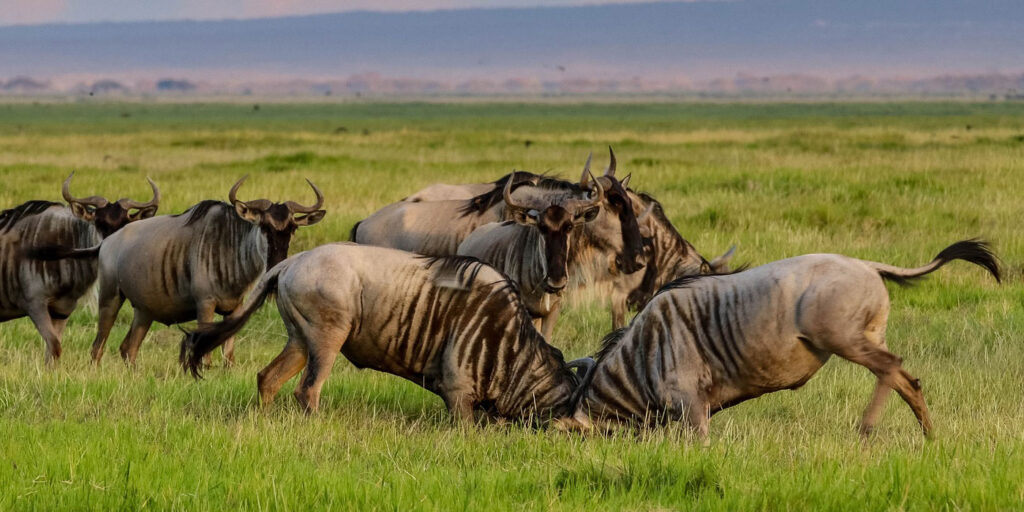
What Drives the Serengeti Wildebeest Migration?
What Drives the Serengeti Wildebeest Migration? This question explains one of Africa’s greatest wildlife spectacles. Every year, millions of wildebeest move across the Serengeti-Mara ecosystem. Their movement follows seasonal changes in rainfall, fresh grass, water, and breeding opportunities.
The migration does not follow a simple calendar. Instead, rainfall patterns influence grass growth across different areas. Wildebeest respond to these changing resources through continuous movement. Therefore, weather remains one of the strongest forces behind this remarkable natural cycle.
The Serengeti ecosystem stretches across northern Tanzania and southwestern Kenya. Its enormous grasslands support vast herds of wildebeest, zebras, and gazelles. Predators also follow these herds because migrating animals provide important food sources.
For travelers planning Tanzania safaris, the migration offers an exceptional wildlife experience. However, understanding its natural drivers makes the journey even more meaningful. A safari becomes more than watching animals move. It becomes an opportunity to understand an entire ecosystem.
This guide explores What Drives the Serengeti Wildebeest Migration? It examines rainfall, food, water, breeding, predators, geography, and seasonal movements. Terenga Africa Safaris and Travels Ltd provides this guide for travelers seeking informed and responsible Tanzania wildlife safaris.
Best Trending Tanzania Safari Holidays for 2027/2028
- 12-Day Tanzania Wildlife Safari
- 10-Day Tanzania Wildlife Safari & Zanzibar
- 10-Day Best Tanzania Honeymoon Luxury Safari and Zanzibar Beach Getaway
- 9-Day Ultimate Tanzania Wildlife Safari
- 9-Day Tanzania Adventure Safari
- 8-Day Tanzania Mid-Range Safari
- 8-Day Tanzania Northern Circuit Safari
- 7-Day Tanzania Wildlife Safari
- 7-Day Tanzania Wildlife Wonders Experience Tour
- 6-Day Majestic Tanzania Wildlife Luxury Safari
- 13-Day Tanzania Wildlife Tour & Zanzibar Beach Holiday
- 12-Day Tanzania Wildlife Safari Itinerary
- 11-Day Tanzania & Zanzibar Safari Adventure
- 11 Days Magical Kenya and Tanzania Safari
- 4-Day Tanzania Safari Extension Itinerary
- 5-Day Tanzania Safari Extension
- 9-Day Tanzania Wildlife Safari Adventure
- 7 Days Tanzania Safari Holiday
- 8 Days Tanzania Safari Holiday Itinerary
What Drives the Serengeti Wildebeest Migration? Rainfall
Rainfall Controls the Movement of Fresh Grass
Rainfall represents one of the most important answers to What Drives the Serengeti Wildebeest Migration? Seasonal rains transform dry landscapes into productive grazing areas.
Wildebeest depend heavily on fresh grass. Young grass contains valuable nutrients that support their energy needs. Therefore, herds move toward areas receiving recent rainfall.
The short rains can trigger changes in grazing conditions across the ecosystem. Later, longer rains create broader areas of nutritious pasture. As conditions change, the herds continue moving.
Rainfall does not fall evenly across the Serengeti. Some areas receive rain while others remain dry. Consequently, wildebeest must constantly respond to changing pasture conditions.
This natural relationship creates the foundation of the migration. Grass growth follows rainfall. Wildebeest follow the grass. Predators then follow the migrating herds.
Understanding this connection helps travelers appreciate the complexity of Tanzania wildlife safaris. The migration represents a living response to seasonal environmental changes.
What Drives the Serengeti Wildebeest Migration? Food
Fresh Grass Provides the Main Motivation
Food provides another major answer to What Drives the Serengeti Wildebeest Migration? Wildebeest require large amounts of grass to maintain their energy.
The herds constantly search for nutritious grazing areas. Fresh grass supports adult animals, pregnant females, and young calves. Therefore, feeding conditions strongly influence movement.
After rainfall, grasses grow quickly in different parts of the ecosystem. Herds take advantage of these temporary food-rich areas.
However, grass quality changes as plants mature. Older grass generally provides different nutritional value than fresh growth. This change encourages continued movement.
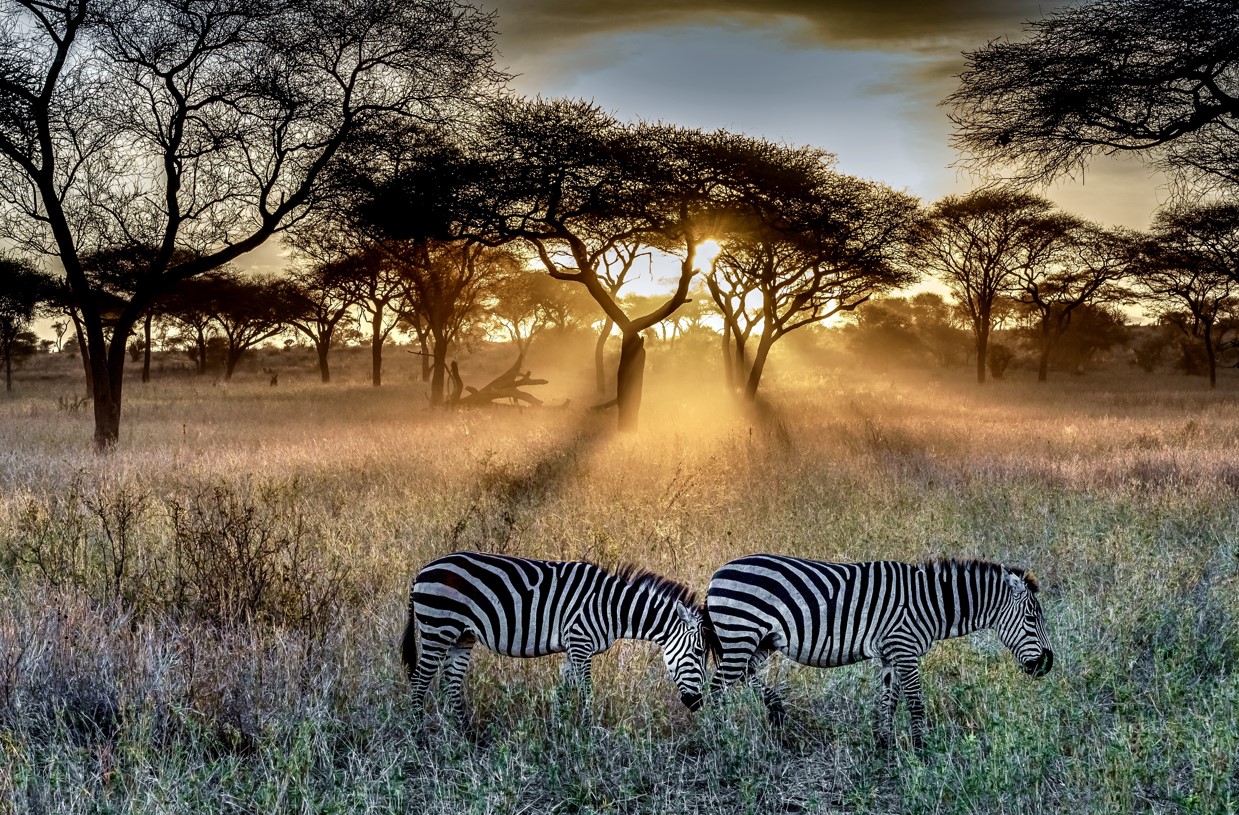
Zebras often travel alongside wildebeest. Their different feeding habits can complement each other. Gazelles also join the broader movement in certain areas.
For visitors, this creates remarkable scenes across the plains. Thousands of animals can move together while searching for new grazing grounds.
Consequently, Tanzania safaris during migration periods provide valuable lessons about animal behavior and ecosystem relationships.
What Drives the Serengeti Wildebeest Migration? Water
Water Availability Influences Movement
Rainfall also helps explain What Drives the Serengeti Wildebeest Migration? Wildebeest need reliable water sources, especially during dry periods.
Rivers, seasonal pools, and other water sources become important as the landscape dries. Herds may travel considerable distances between grazing areas and water.
Dry conditions can reduce available water across the ecosystem. Consequently, animals move toward areas with better access.
River crossings provide some of the migration’s most dramatic moments. However, these crossings do not occur because of a fixed annual schedule.
Instead, animals respond to environmental conditions and their immediate needs. Rainfall, food availability, water levels, and herd movement all influence timing.
This natural unpredictability makes the migration exciting. Travelers should avoid expecting an exact crossing date.
A professional guide can monitor seasonal conditions and recent wildlife movements. That approach improves the chances of experiencing significant migration activity.
What Drives the Serengeti Wildebeest Migration? Breeding
Reproduction Shapes the Annual Cycle
Breeding provides another important answer to What Drives the Serengeti Wildebeest Migration? Wildebeest organize their movements around periods of abundant food and favorable conditions.
The annual calving season creates one of the migration’s most fascinating periods. Large numbers of calves arrive within a relatively short period.
Fresh grass provides mothers with energy during lactation. Young calves also benefit from nutritious grazing areas.
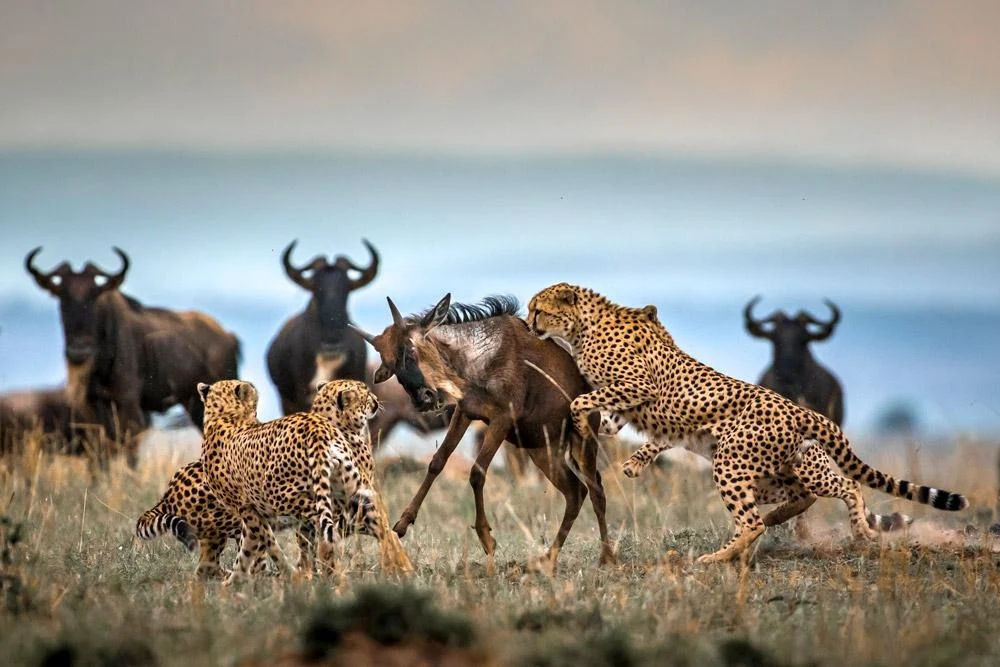
This concentration of vulnerable young animals attracts predators. Lions, cheetahs, hyenas, and other predators can take advantage of abundant prey.
Despite these dangers, synchronized calving provides an important survival advantage. Predators cannot capture every newborn calf within such a large concentration.
Breeding therefore influences both animal movement and predator activity. It also creates opportunities for travelers to observe fascinating wildlife behavior.
Visitors planning a Tanzania wildlife tour should consider the calving season when building their itinerary.
The Role of the Serengeti-Mara Ecosystem
One Connected Wilderness
The migration cannot exist without the wider Serengeti-Mara ecosystem. This interconnected landscape provides grazing areas, water sources, breeding grounds, and wildlife corridors.
The Serengeti covers a vast area in Tanzania. The ecosystem continues northward into Kenya’s Maasai Mara.
Consequently, wildebeest cross international boundaries during their natural movements. Political borders do not influence their migration.
Geography instead determines where animals can find suitable resources. This ecological connection demonstrates why conservation requires cooperation across national boundaries.
The ecosystem supports more than wildebeest. Zebras, gazelles, elephants, giraffes, predators, birds, and countless smaller organisms also depend on it.
Therefore, protecting migration routes benefits an entire network of wildlife.
For travelers, this creates a broader perspective on Tanzania safaris. The migration represents an ecosystem rather than a single wildlife event.
What Drives the Serengeti Wildebeest Migration? Geography
Landscapes Guide Natural Movement
Geography also contributes to What Drives the Serengeti Wildebeest Migration? The Serengeti contains different habitats that support wildlife during different seasons.
Southern plains provide important grazing areas. Central regions contain woodland, grassland, and river systems. Northern areas provide access toward the Mara ecosystem.
These landscapes experience different rainfall patterns. Consequently, their grazing conditions change throughout the year.
The herds move between these areas according to resource availability. Their route can shift depending on rainfall timing and pasture conditions.
This explains why migration predictions should remain flexible. Nature does not follow human calendars.
Experienced safari planners understand this uncertainty. They design itineraries that match seasonal patterns while allowing room for changing wildlife conditions.
As a result, travelers enjoy a more realistic and rewarding Tanzania wildlife safari.
What Drives the Serengeti Wildebeest Migration? Predators</h3>
Predators Follow the Moving</h4>
Herds</h4>
Predators do not
directly cause the migra
tion. However, they strongly influence the wider ecological drama surrounding it.
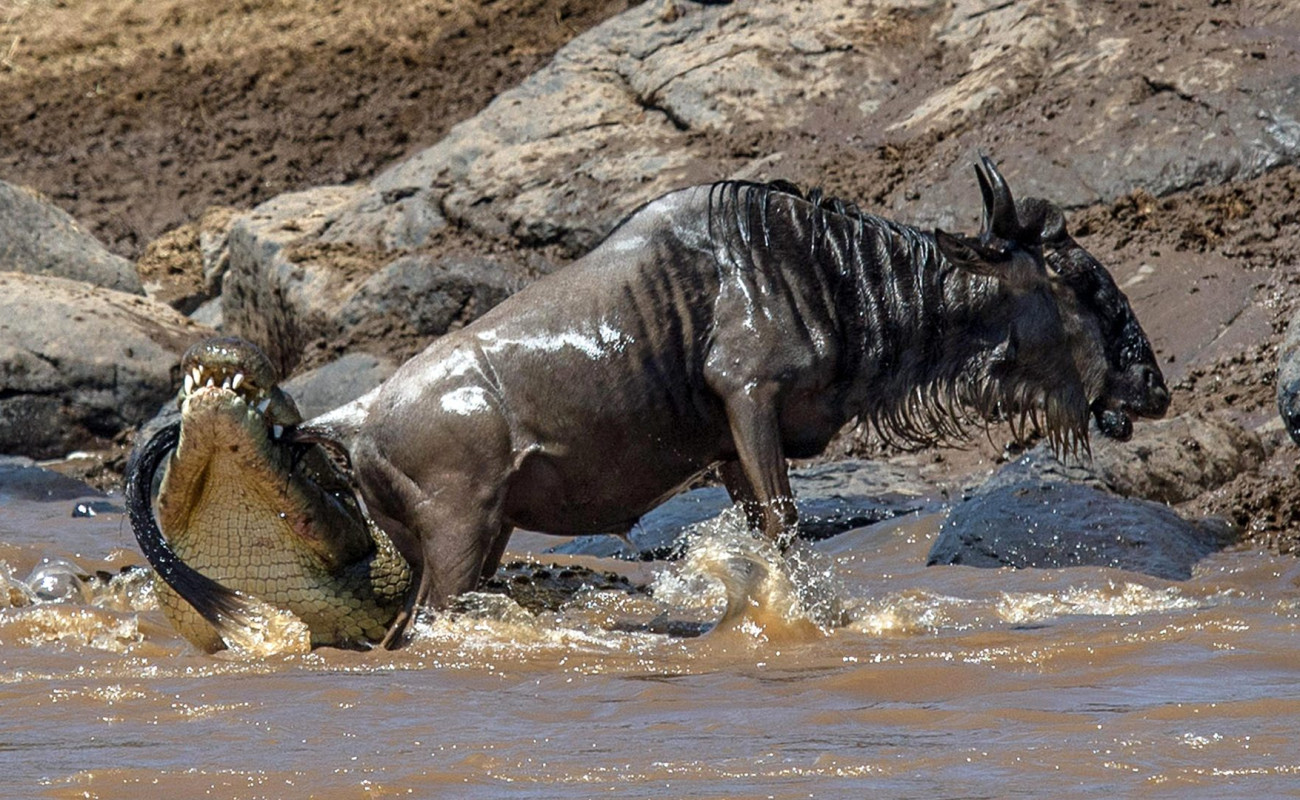
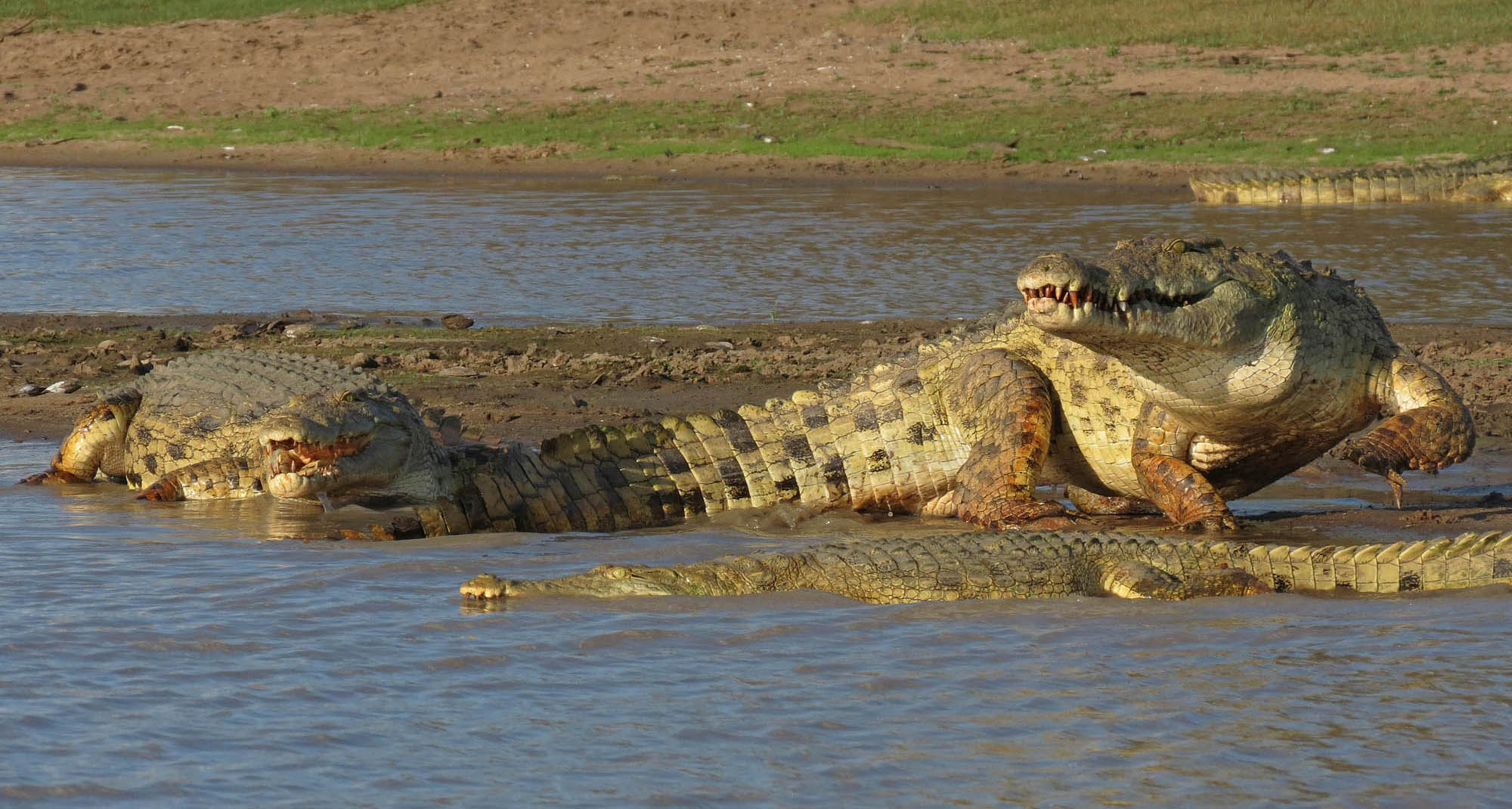
Lions, cheetahs, leopards, hyenas, and crocodiles depend on herbivores for food. Migrating wildebeest therefore create important feeding opportunities.
Predators often concentrate around areas containing large numbers of prey. River crossings can attract crocodiles when herds enter the water.
On open plains, lions and cheetahs may hunt young or vulnerable animals. Hyenas can also exploit opportunities around large herds.
Yet predators do not control the migration route. Environmental conditions remain the primary drivers.
This distinction matters when understanding What Drives the Serengeti Wildebeest Migration? Food and water influence movement first. Predators respond to the resulting concentration of prey.
A skilled guide can explain these relationships during game drives. Such interpretation transforms a wildlife sighting into a deeper learning experience.
The Role of Climate and Seasonal Changes
Nature Creates a Constantly Changing Journey
Climate patterns influence the migration in many ways. Rainfall timing determines where fresh grass develops. Temperature affects water availability and vegetation conditions.
Seasonal changes therefore create a moving cycle of resources. Wildebeest respond to these changes through their natural instincts.
Climate variability can also alter traditional movement patterns. Some years may bring early rainfall. Other years can produce delayed or uneven precipitation.
Therefore, no two migration seasons remain completely identical.
Travelers should understand this natural variation before booking their safari. A responsible operator should never guarantee a specific animal event.
Instead, safari planning should focus on the best seasonal opportunities. This approach creates realistic expectations and better travel experiences.
For international travelers, Tanzania adventure safaris provide opportunities to witness nature’s unpredictability firsthand.
What Drives the Serengeti Wildebeest Migration? The Calving Season
New Life Begins on the Southern Plains
The calving season represents one of the most remarkable chapters of What Drives the Serengeti Wildebeest Migration?
Large numbers of wildebeest calves arrive during the peak breeding cycle. Mothers require abundant nutrition during this demanding period.
Fresh grass provides essential energy for nursing mothers. Young calves also gain access to suitable grazing conditions.
The concentration of newborn animals creates intense predator activity. Visitors may witness hunting attempts, protective behavior, and dramatic survival struggles.
However, the calving season offers more than predator encounters. It reveals maternal care and the resilience of young animals.
Photography opportunities can become exceptional during this period. Early morning light often creates beautiful conditions across the plains.
Travelers seeking Tanzania wildlife safaris should consider adding the southern Serengeti to their itinerary during suitable seasonal periods.
What Drives the Serengeti Wildebeest Migration? River Crossings
The Dramatic Northern Movement
River crossings form some of the most famous scenes associated with What Drives the Serengeti Wildebeest Migration?
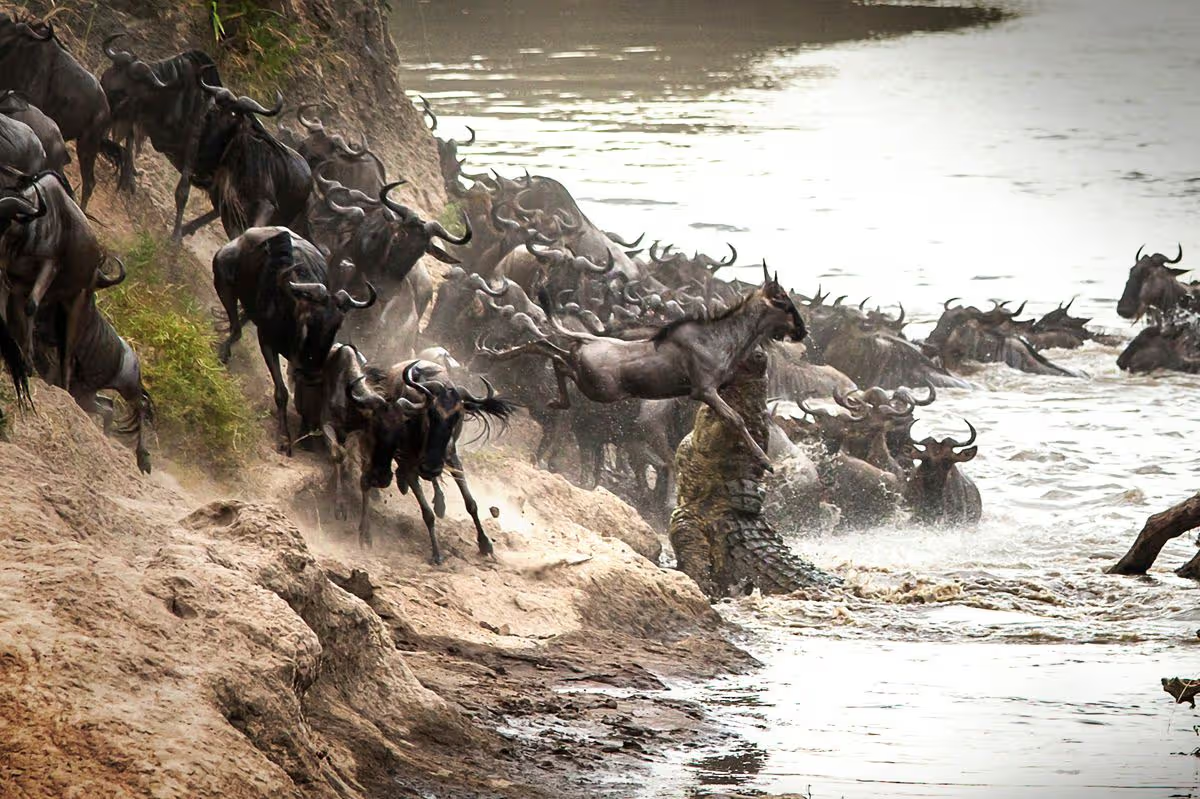
During the northern movement, herds encounter major rivers. These include the Grumeti River and Mara River within the broader ecosystem.
Crossing water presents significant challenges. Strong currents, steep banks, crocodiles, and panic can create dangerous conditions.
However, wildebeest do not cross rivers simply for spectacle. They cross because their natural movement takes them toward seasonal resources.
The timing remains unpredictable. Herds may gather near a river for hours or days before crossing.
For this reason, patience becomes essential during migration safaris. Travelers should prepare for long periods of observation.
When a crossing begins, the experience can become unforgettable. Thousands of animals may move together through dust, water, and grassland.
Such moments demonstrate why the Serengeti remains one of Africa’s greatest safari destinations.
Cultural Experiences During a Serengeti Safari
Connect with the Maasai Community
A Serengeti journey can include meaningful cultural experiences alongside wildlife viewing. The Maasai remain closely connected with the landscapes surrounding northern Tanzania.
Visitors can arrange respectful community experiences around suitable safari lodges. These visits may include cultural walks, traditional crafts, music, dance, and storytelling.
Local food experiences can also introduce travelers to traditional ingredients and preparation methods.
Community visits provide valuable insight into pastoral lifestyles. Visitors can learn about cattle keeping, family structures, traditional homes, and local livelihoods.
Craft markets can offer handmade beadwork and other locally produced items. Responsible purchasing can support local artisans and community businesses.
Cultural tourism should always respect local customs. Visitors should follow photography guidelines and community protocols.
Terenga Africa Safaris and Travels Ltd encourages meaningful cultural interactions. We aim to connect travelers with communities while promoting respectful tourism.
Cultural Experiences Around Your Safari Lodge
Add More Meaning to Your Stay
Your safari lodge can become more than a place to sleep. Many properties around the Serengeti can connect guests with nearby cultural experiences.
Community visits may introduce travelers to local traditions and daily activities. Guided cultural walks can provide deeper context about life around the ecosystem.
Traditional dance performances can add energy to an evening. Music also creates a memorable connection with local culture.
Craft demonstrations provide opportunities to learn about artistic traditions. Visitors can purchase selected handmade products directly through responsible community programs.
Food experiences can also enrich your stay. Local dishes introduce new flavors while creating opportunities to learn about Tanzanian cuisine.
Some lodges can arrange visits to schools or community projects. Such visits require responsible planning and appropriate permissions.
Before booking, travelers should confirm the activities available around their chosen lodge. Availability can vary according to location, season, and community partnerships.
Best Time to Experience the Wildebeest Migration
Plan According to Seasonal Movements
There is no single month that guarantees every migration experience. The herds move according to rainfall and pasture conditions.
Early-year periods often provide opportunities to witness calving in southern Serengeti areas. Later months can bring movement toward western and northern regions.
The northern movement can eventually connect with the Maasai Mara ecosystem. However, river crossings remain unpredictable.
Therefore, travelers should select travel dates based on broader seasonal patterns. A flexible itinerary can improve the overall experience.
Working with an experienced safari company provides valuable planning support. Local knowledge can help match routes with recent conditions.
Terenga Africa Safaris and Travels Ltd designs Tanzania safaris around seasonal wildlife opportunities. We also consider accommodation, travel time, comfort, and personal interests.
Why Choose a Tanzania Wildlife Safari During Migration?
Experience Nature on a Grand Scale
A migration safari offers much more than large herds. Travelers experience predator-prey relationships, breeding cycles, changing landscapes, birdlife, and conservation.
Every game drive provides opportunities for discovery. Some moments may involve thousands of wildebeest. Others may focus on a single lion or bird.
Moreover, the landscape itself becomes part of the experience. Sunrise and sunset transform the plains into extraordinary photographic environments.
Travelers can also combine migration experiences with other Tanzanian destinations. These may include Ngorongoro Conservation Area, Tarangire National Park, Lake Manyara, or Zanzibar.
Combining destinations creates a balanced itinerary. Wildlife experiences can then complement cultural and beach experiences.
Consequently, a migration journey can become one of the most complete Tanzania adventure safaris available.
Responsible Tourism During the Migration
Protect the Ecosystem You Come to Experience
Responsible tourism remains essential within the Serengeti ecosystem. Wildlife depends on healthy habitats and carefully managed tourism.
Visitors should maintain appropriate distances from animals. Safari vehicles should follow park regulations and guide instructions.
Avoiding unnecessary noise also helps reduce wildlife disturbance. Travelers should never attempt to influence animal behavior for photographs.
Waste management remains equally important. Visitors should avoid littering and reduce unnecessary plastic consumption.
Supporting conservation-focused lodges and responsible safari operators can also contribute to the ecosystem. Cultural respect matters as well. Travelers should approach local communities with humility and openness. A responsible Tanzania wildlife tour creates memories without compromising the destination.
Safari Inclusions
- Airport transfers
- Safari vehicle
- Professional safari guide
- Accommodation
- Meals as scheduled
- National park fees
- Game drives
- Bottled drinking water
- Cultural experiences
- Government taxes
- Selected activities
Safari Exclusions
- International flights
- Visa fees
- Travel insurance
- Personal expenses
- Alcoholic drinks
- Laundry services
- Tips and gratuities
- Optional activities
- Souvenirs
- Items of a personal nature
Why Choose Terenga Africa Safaris and Travels Ltd?
Expert Planning for Your African Adventure
Terenga Africa Safaris and Travels Ltd creates personalized journeys across Tanzania and the wider East African region.
Our approach combines careful planning, destination knowledge, and responsible tourism principles. We understand that every traveler has unique expectations.
Therefore, we consider travel dates, wildlife interests, accommodation preferences, budget, and available time.
Migration safaris require particular attention because wildlife movements remain naturally unpredictable. We plan around seasonal patterns rather than promising specific sightings.
Our goal remains simple. We want every traveler to experience Africa with confidence and meaningful expectations.
From Tanzania safaris to broader East African adventures, our team focuses on quality travel experiences.
What Drives the Serengeti Wildebeest Migration? Final Answer
What Drives the Serengeti Wildebeest Migration? Several natural forces work together. Rainfall remains the primary environmental driver. Fresh grass then provides the essential food resource.
Water availability also influences movement during dry periods. Breeding and calving add important biological pressures. Geography determines the available habitats and movement corridors.
Predators respond to the concentration of prey rather than controlling the migration. Climate variability can also influence the timing and location of movements.
Therefore, What Drives the Serengeti Wildebeest Migration? Nature itself provides the answer through an interconnected ecological cycle.
The migration demonstrates how wildlife responds to changing environmental conditions. It also highlights the importance of protecting connected ecosystems.
For travelers, witnessing this cycle creates an extraordinary African experience. A well-planned Tanzania safari can reveal far more than spectacular wildlife.
What Drives the Serengeti Wildebeest Migration? Food, water, rainfall, breeding, geography, and survival all contribute.
What Drives the Serengeti Wildebeest Migration? The answer lies within the delicate relationship between animals and their environment.
What Drives the Serengeti Wildebeest Migration? It is nature’s remarkable response to changing seasons across the Serengeti-Mara ecosystem.
Plan your journey with Terenga Africa Safaris and Travels Ltd. Discover the Serengeti, understand its wildlife, and experience one of Earth’s greatest natural spectacles.