How Far Do Wildebeest Travel During the Great Migration?
August 30, 2026
The Relationship Between the Serengeti and Maasai Mara Migration
September 2, 2026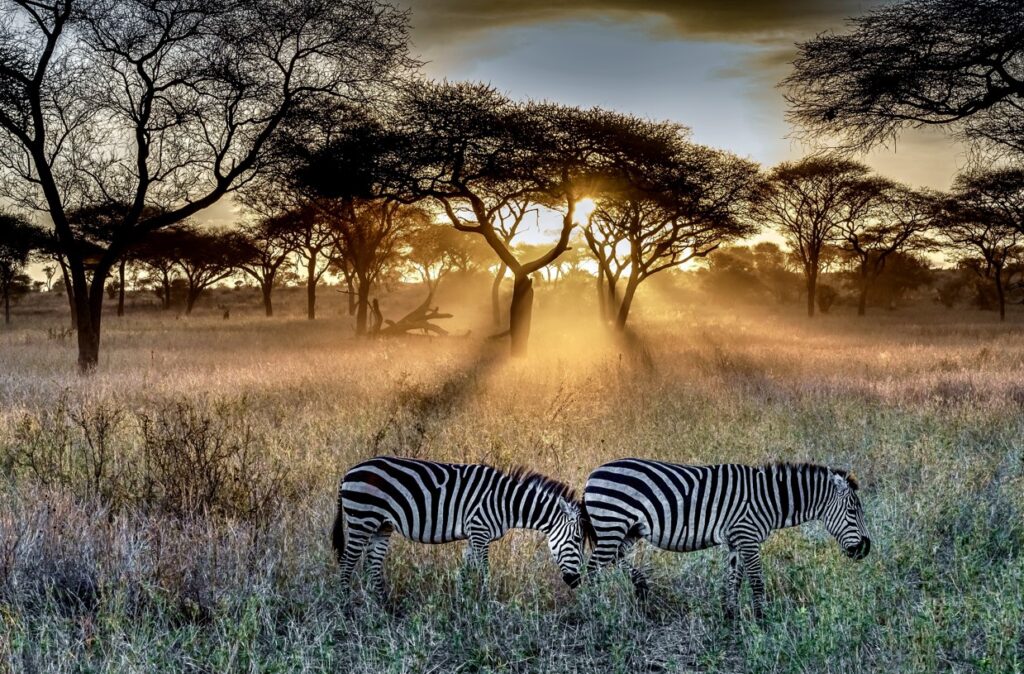
The Circular Route of the Great Migration Explained
The Circular Route of the Great Migration Explained reveals one of the world’s greatest wildlife movements. Every year, vast herds of wildebeest travel through the Serengeti ecosystem. Their journey follows rainfall, fresh grazing, water availability, and changing environmental conditions.
The Great Migration mainly involves wildebeest, zebras, and gazelles. Together, these animals travel across Tanzania’s Serengeti plains and into Kenya’s Maasai Mara. However, the migration does not follow an exact calendar.
Instead, nature controls the movement. Rainfall patterns can change the timing and direction of the herds. Therefore, every Tanzania safari can offer a different migration experience.
The circular journey creates spectacular wildlife encounters throughout the year. Travellers can witness calving seasons, predator action, long-distance movements, and dramatic river crossings.
The Circular Route of the Great Migration Explained helps visitors understand where the herds travel and why. At Terenga Africa Safaris and Travels Ltd, we believe informed travellers enjoy deeper and more meaningful Tanzania wildlife safaris.
Best Trending Tanzania Safari Holidays for 2027/2028
- 12-Day Tanzania Wildlife Safari
- 10-Day Tanzania Wildlife Safari & Zanzibar
- 10-Day Best Tanzania Honeymoon Luxury Safari and Zanzibar Beach Getaway
- 9-Day Ultimate Tanzania Wildlife Safari
- 9-Day Tanzania Adventure Safari
- 8-Day Tanzania Mid-Range Safari
- 8-Day Tanzania Northern Circuit Safari
- 7-Day Tanzania Wildlife Safari
- 7-Day Tanzania Wildlife Wonders Experience Tour
- 6-Day Majestic Tanzania Wildlife Luxury Safari
- 13-Day Tanzania Wildlife Tour & Zanzibar Beach Holiday
- 12-Day Tanzania Wildlife Safari Itinerary
- 11-Day Tanzania & Zanzibar Safari Adventure
- 11 Days Magical Kenya and Tanzania Safari
- 4-Day Tanzania Safari Extension Itinerary
- 5-Day Tanzania Safari Extension
- 9-Day Tanzania Wildlife Safari Adventure
- 7 Days Tanzania Safari Holiday
- 8 Days Tanzania Safari Holiday Itinerary
Understanding the Great Migration Cycle
A Journey Guided by Nature
The Circular Route of the Great Migration Explained begins with understanding one important fact. The migration follows a continuous ecological cycle.
The animals move because they need fresh grass and reliable water. Rainfall encourages new vegetation to grow across different parts of the ecosystem.
Consequently, the herds follow favourable grazing conditions. They do not travel in a perfectly organised line. Different groups can move at different speeds and directions.
The main migration route forms a broad circular pattern across northern Tanzania and southern Kenya. However, changing weather conditions can alter the exact movement.
This natural flexibility makes the migration extraordinary. It also makes professional safari planning extremely important.
Experienced guides monitor wildlife movements and seasonal conditions. Therefore, travellers can choose destinations that match their preferred migration experiences.
The Southern Serengeti: Where the Journey Begins
Calving Season on the Plains
The southern Serengeti and Ndutu areas play an important role in The Circular Route of the Great Migration Explained. These open grasslands attract large wildebeest herds during favourable wet-season conditions.
Fresh, nutritious grasses provide excellent grazing opportunities. Pregnant females benefit from the productive plains during this important period.
The area becomes famous for the annual calving season. Thousands of wildebeest calves arrive within a relatively short period.
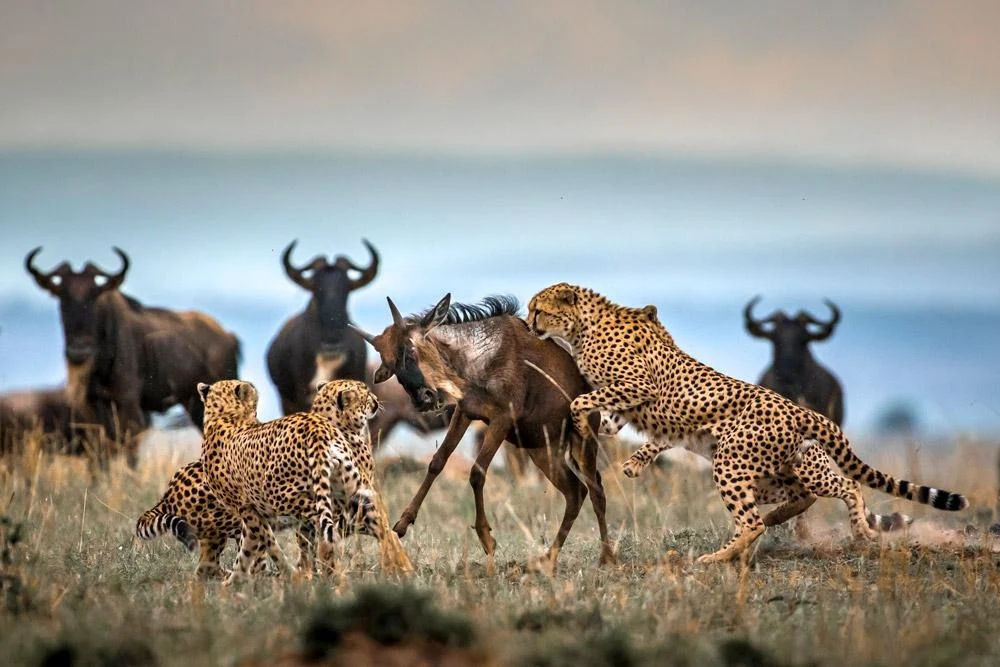
This creates remarkable wildlife viewing opportunities. However, the young animals also attract predators.
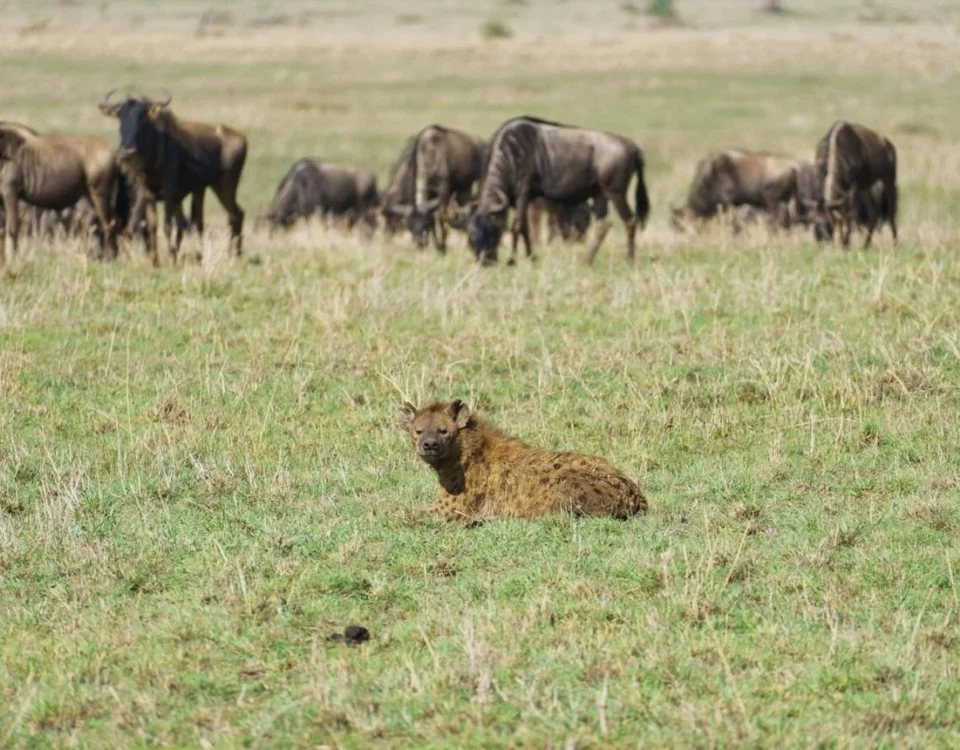
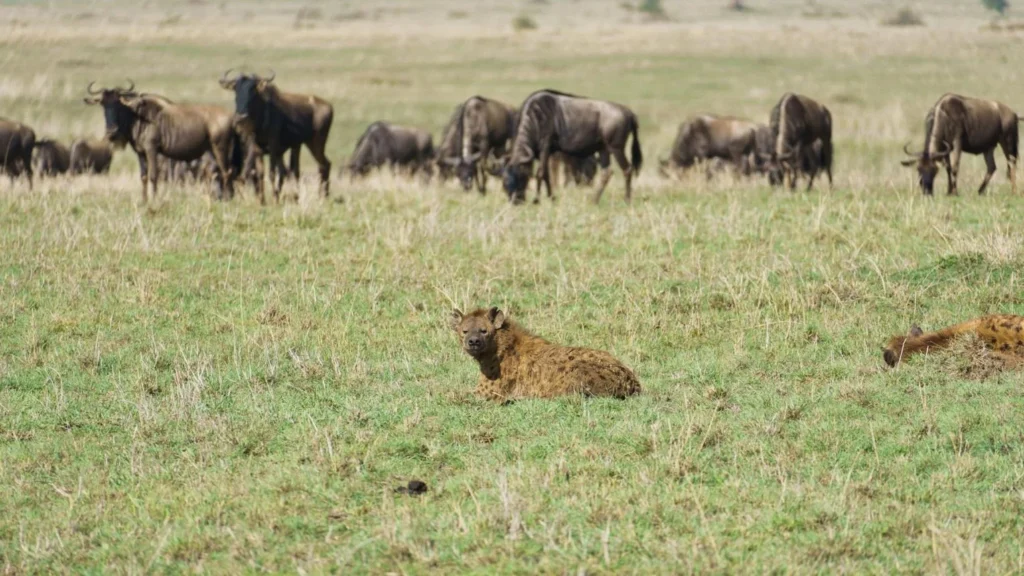
Lions, cheetahs, hyenas, and other predators search for vulnerable prey. Therefore, travellers can witness powerful examples of survival in the African wilderness.
A Tanzania wildlife tour during this period offers dramatic landscapes and abundant animal activity. The green plains also create beautiful photographic opportunities.
For many travellers, this stage provides the perfect introduction to The Circular Route of the Great Migration Explained.
Moving Toward the Central Serengeti
Following Fresh Grazing
As grazing conditions change, the herds gradually begin moving northward and westward. This movement represents another important stage of the migration cycle.
The central Serengeti offers excellent wildlife viewing throughout much of the year. Its location also makes it a strategic destination for many Tanzania safaris.
The Seronera area supports impressive populations of predators and herbivores. Lions often rest near rocky kopjes and hunt across surrounding grasslands.
Leopards can also appear around riverine forests and wooded areas. Cheetahs search for prey across the open plains.
Consequently, travellers can enjoy exceptional wildlife encounters even when the main migration herds move elsewhere.
The Circular Route of the Great Migration Explained demonstrates that the Serengeti remains exciting throughout the year. The migration represents one part of a much larger ecosystem.
Therefore, central Serengeti accommodation provides an excellent base for travellers seeking diverse Tanzania wildlife safaris.
The Western Corridor: A Challenging Journey
Rivers and Seasonal Movement
The western corridor forms another important section of The Circular Route of the Great Migration Explained. Wildebeest herds may move toward this region as they continue following grazing opportunities.
The landscape includes rivers and open grasslands. The Grumeti River creates one of the migration’s most challenging natural obstacles.
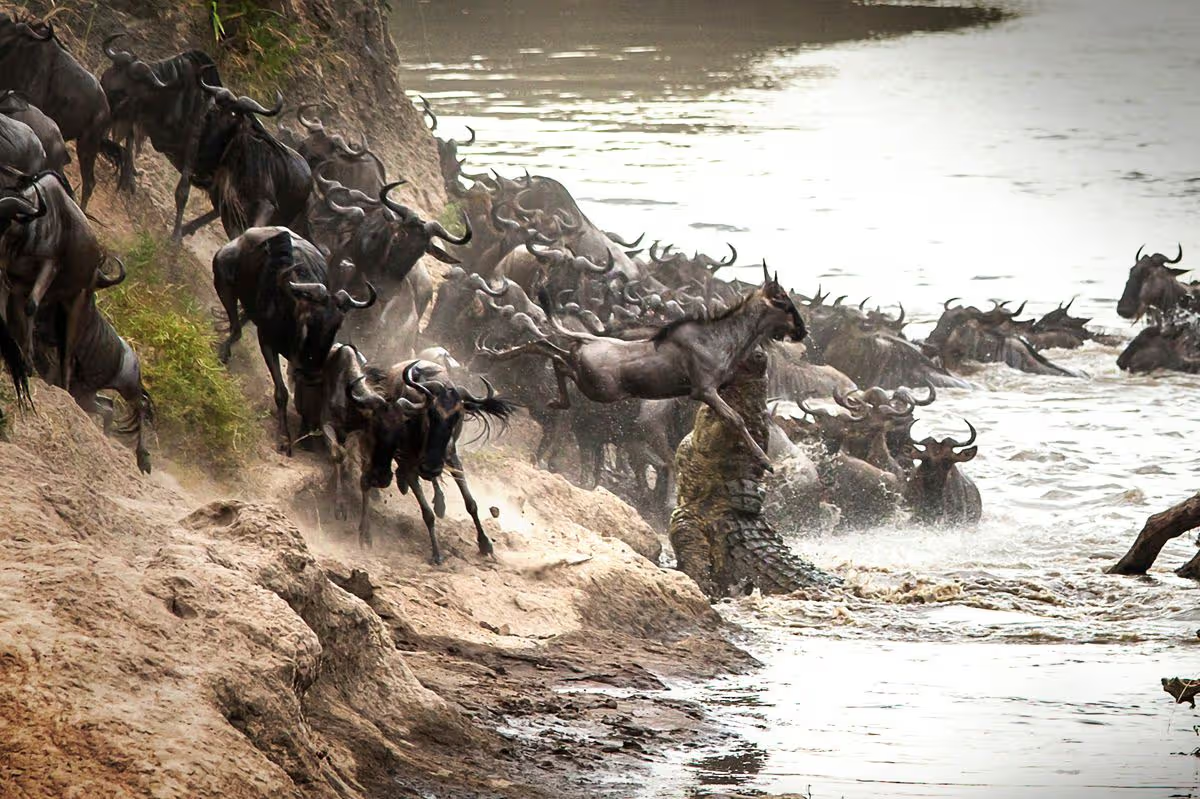
River crossings can involve considerable danger. Strong currents and crocodiles create serious risks for the animals.
However, wildebeest continue moving because survival requires access to better grazing areas. The crossing therefore becomes part of a much larger ecological journey.
Travellers visiting this region may witness large concentrations of wildlife. Yet, nature determines the exact timing of migration events.
No responsible Tanzania safari operator should guarantee a river crossing on a specific day. Wildlife movements remain unpredictable.
This unpredictability makes the migration authentic. Every journey unfolds according to natural conditions rather than human schedules.
The Northern Serengeti: A Famous Migration Destination
Approaching the Mara River
The northern Serengeti attracts international travellers seeking dramatic migration experiences. This region forms a major stage within The Circular Route of the Great Migration Explained.
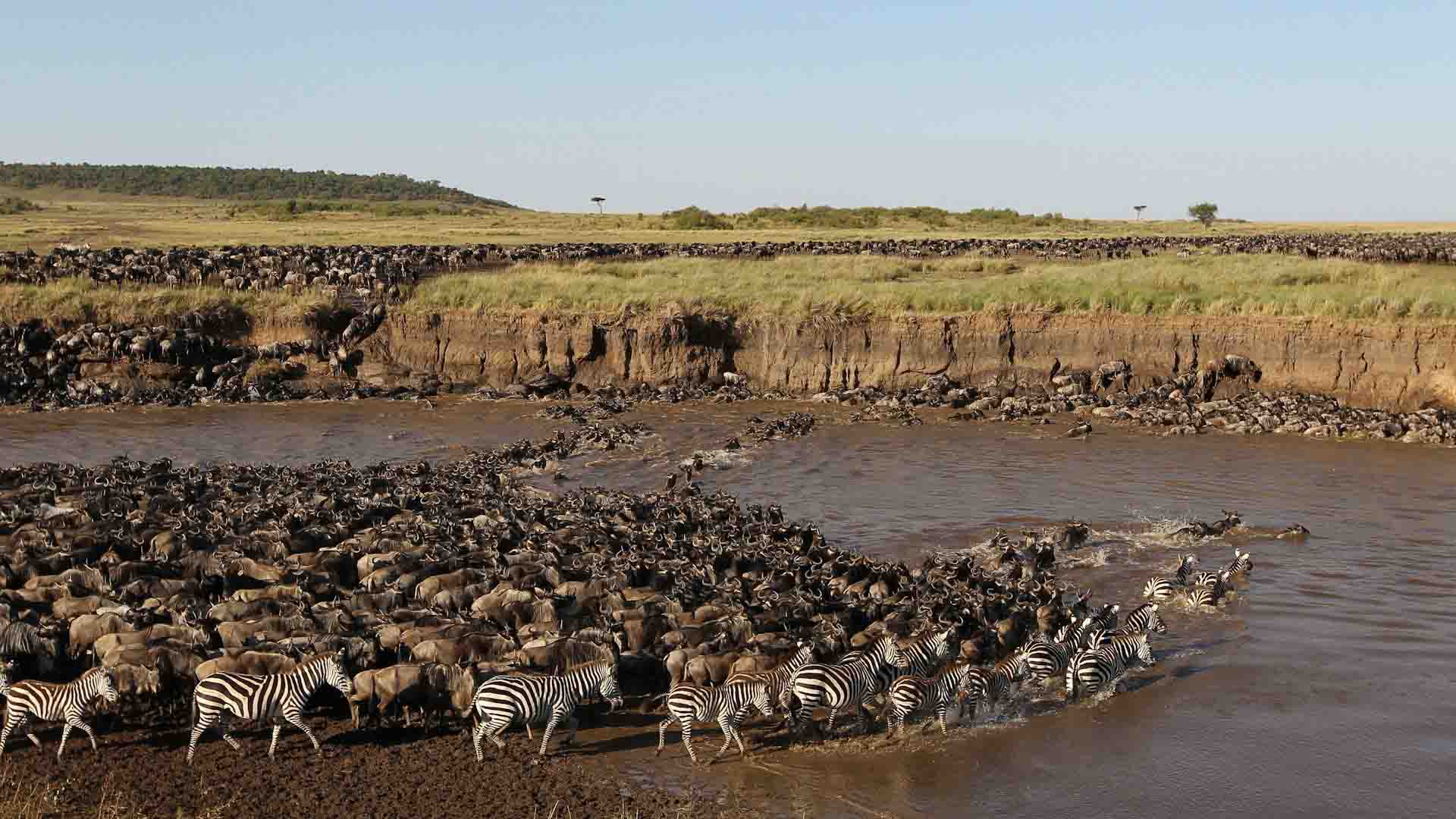
Large wildebeest herds can gather near the Mara River during seasonal movements. The animals must sometimes cross difficult river sections.
These crossings have become famous around the world. Thousands of animals may gather along riverbanks before entering the water.
Nevertheless, crossings remain unpredictable. A herd may approach the river and wait for long periods. Sometimes the animals change direction completely.
The river presents serious dangers. Crocodiles wait in the water, while strong currents challenge weaker animals.
Despite these risks, the herds continue their search for fresh grazing. Their determination demonstrates the power of natural survival instincts.
A northern Serengeti Tanzania safari can therefore provide extraordinary wildlife encounters. However, visitors should remain patient and appreciate the entire ecosystem.
Crossing Into Kenya’s Maasai Mara
The International Wildlife Journey
The migration can continue across the border into Kenya’s Maasai Mara ecosystem. Wildlife does not recognise political boundaries.
The Serengeti and Maasai Mara form connected ecosystems. Seasonal movements allow the animals to use grazing areas across this wider landscape.
This stage adds another dimension to The Circular Route of the Great Migration Explained. Travellers can experience one ecological journey across two famous African destinations.
The Maasai Mara offers productive grasslands and excellent wildlife viewing. Large predators also follow the migration and benefit from abundant prey.
Lions, leopards, cheetahs, and hyenas create exciting safari opportunities. Meanwhile, zebras and gazelles often travel alongside wildebeest.
Some travellers choose multi-country Tanzania safaris and Kenya safari combinations. This approach provides a broader understanding of the migration ecosystem.
However, Tanzania alone offers exceptional opportunities to experience several stages of the journey.
The Return Journey South
Completing the Circular Cycle
After spending time in northern grazing areas, the herds eventually begin moving south again. Seasonal rainfall gradually influences the next stage.
Fresh grass becomes available across the southern plains. Therefore, the animals begin returning toward productive grazing areas.
This southward movement completes the broad circular pattern. The cycle then prepares for another calving season.
The Circular Route of the Great Migration Explained therefore represents a continuous journey rather than a single event.
The animals do not simply migrate once and stop. Their movement continues as environmental conditions change.
Rainfall remains one of the most important influences throughout the cycle. Good rainfall creates new opportunities for grazing.
Consequently, travellers should view the Great Migration as a year-round natural phenomenon. Every season provides a different perspective.
Why Rainfall Controls the Migration
Nature Determines the Route
Rainfall plays a central role in The Circular Route of the Great Migration Explained. Wildebeest depend heavily on grass for survival.
Rain encourages fresh vegetation across the ecosystem. When one area becomes dry, another location may offer better grazing.
The herds respond to these changing opportunities. Their movement follows environmental conditions rather than fixed dates.
This explains why migration calendars should serve as general guides. They cannot guarantee exact wildlife locations.
An experienced Tanzania safari planner understands this reality. Safari itineraries should remain flexible whenever possible.
Travellers should also understand that unexpected movement can create exceptional wildlife encounters. A changing route can lead to discoveries beyond planned expectations.
Therefore, nature’s unpredictability adds value to Tanzania adventure safaris.
Wildlife That Travels With Wildebeest
More Than One Species
The Great Migration involves more than wildebeest. Large numbers of zebras and gazelles also participate in seasonal movements.
Each species uses the grasslands differently. This creates an important ecological relationship between grazing animals.
Zebras often consume taller grasses. Wildebeest prefer shorter and more nutritious vegetation.
Gazelles can feed on different plant materials and grass types. Consequently, these animals can share the same landscapes effectively.
Their combined presence attracts predators. Lions, leopards, cheetahs, and hyenas follow opportunities created by large concentrations of herbivores.
This relationship makes Tanzania wildlife safaris incredibly rewarding. Visitors can observe interactions between grazers, predators, scavengers, and birds.
The Circular Route of the Great Migration Explained therefore involves an entire ecosystem rather than only one animal species.
Tanzania Safaris and the Migration Experience
Choosing the Right Safari
Tanzania safaris provide different ways to experience the Great Migration. Your preferred season should influence your itinerary.
Travellers interested in calving can focus on southern Serengeti and Ndutu. Those seeking river crossings may consider northern areas during favourable migration periods.
Central Serengeti suits travellers seeking excellent wildlife throughout much of the year. The western corridor provides another seasonal migration opportunity.
Therefore, the best Tanzania safari depends on your interests. Some visitors prefer dramatic predator encounters. Others want enormous wildebeest herds or beautiful green landscapes.
A well-designed itinerary considers travel time and seasonal wildlife movements. It should also balance game drives with relaxation.
Terenga Africa Safaris and Travels Ltd helps travellers select experiences that match their interests and travel periods.
Kenya National Parks
Safari Lodges Along the Migration Route
Choosing the Right Location
Safari lodge location can greatly influence your experience. Lodges near migration areas reduce unnecessary driving and increase wildlife viewing opportunities.
Southern Serengeti camps provide convenient access during the calving period. Travellers can wake close to the action and explore productive grasslands.
Central Serengeti lodges provide access to diverse wildlife and important game-viewing areas. Their central location can suit several safari routes.
Northern Serengeti camps offer excellent access to remote landscapes and seasonal migration movements. Some properties also provide opportunities for peaceful wilderness experiences.
A good Tanzania safari lodge should offer comfort without separating guests from nature. Views, location, service, and responsible practices all matter.
Therefore, choosing accommodation requires careful planning.
Cultural Experiences Around Tanzania Safari Lodges
Discovering Tanzania Beyond Wildlife
A Tanzania wildlife tour becomes even more meaningful when travellers experience local cultures. Tanzania has rich traditions that complement its famous wildlife.
Around the Ngorongoro Conservation Area, visitors can experience Maasai cultural traditions. Community visits can introduce guests to traditional homes, clothing, music, dance, and beadwork.
Travellers may also visit local markets and craft center. These experiences provide opportunities to support artisans and small businesses.
Around Lake Eyasi, cultural experiences can introduce visitors to the Hadzabe and Datoga communities. Guided and respectful visits provide insight into traditional livelihoods and cultural practices.
Coffee experiences around northern Tanzania offer another cultural activity. Visitors can learn about growing, harvesting, processing, and preparing coffee.
Some safari lodges also organise village walks and traditional food experiences. These activities connect travellers with local communities.
Responsible cultural tourism requires respect, consent, and fair community participation. Terenga Africa Safaris and Travels Ltd encourages meaningful and respectful cultural encounters.
Tanzania Adventure Safaris Beyond Game Drives
Explore More of the Wilderness
Tanzania adventure safaris offer much more than wildlife viewing from vehicles. Travellers can enjoy walking experiences, cultural activities, and beautiful landscapes.
Walking safaris allow visitors to experience the environment at a slower pace. Professional guides help guests understand tracks, plants, birds, and smaller wildlife.
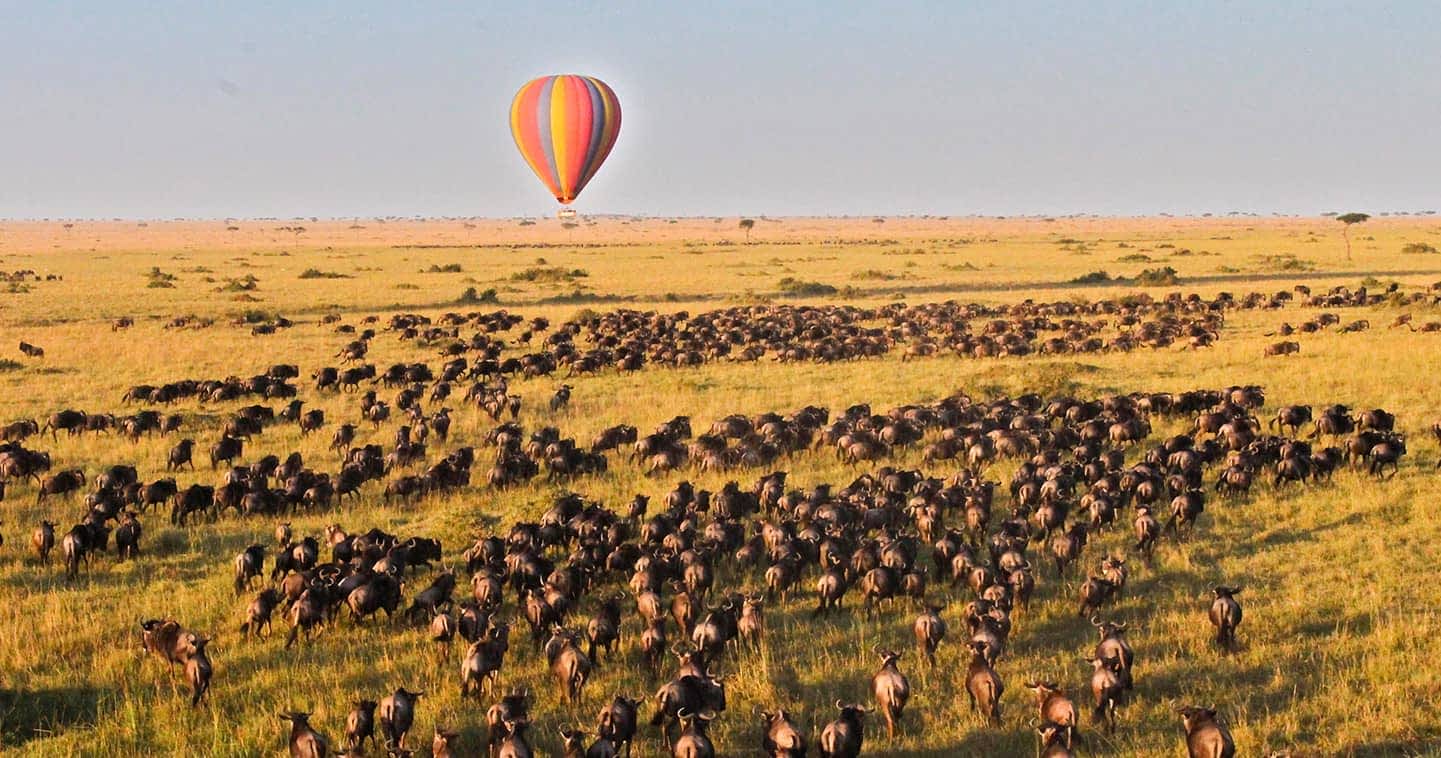
Hot air balloon experiences can provide dramatic views over the Serengeti plains. Sunrise flights create unforgettable perspectives of wildlife landscapes.
Travellers can also explore the Ngorongoro Crater and surrounding highlands. Hiking and scenic activities add variety to longer itineraries.
A Tanzania adventure safari can combine active experiences with comfortable accommodation. This balance appeals to travellers seeking both exploration and relaxation.
Responsible Tourism Along the Migration Route
Protecting Africa’s Natural Heritage
The Great Migration depends on healthy ecosystems. Grasslands, rivers, wildlife corridors, and protected areas require responsible management.
Tourism should support conservation rather than create unnecessary pressure. Visitors must follow park regulations and respect wildlife.
Safari vehicles should maintain appropriate distances from animals. Guides should avoid disturbing wildlife for photographs.
Travellers should also minimise waste and respect the natural environment. Small actions can create important benefits across popular destinations.
Responsible tourism also supports communities. Choosing locally produced crafts and authentic experiences can create meaningful economic opportunities.
The Circular Route of the Great Migration Explained reminds travellers that this wildlife journey depends on environmental balance.
Protecting the Serengeti means protecting one of the world’s greatest natural spectacles.
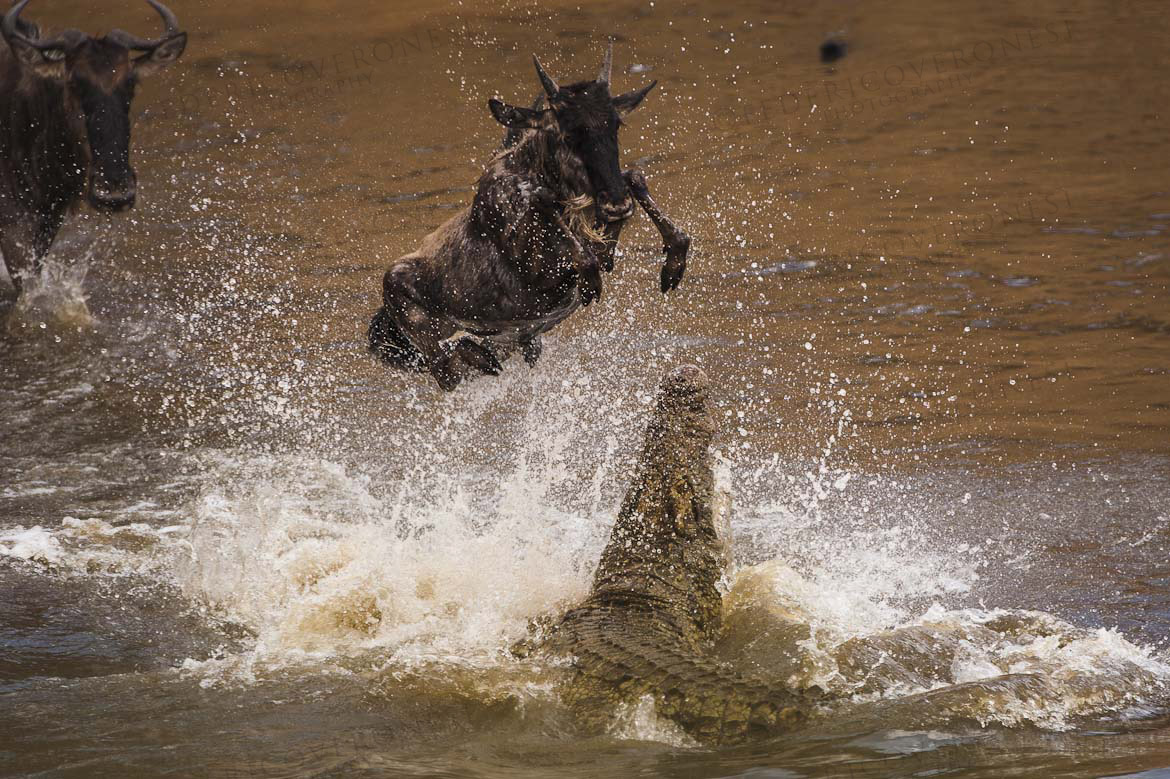
Nile Crocodile attacking Wildebeest calf during Mara river great migration crossing. MASAI MARA, KENYA
The Best Time for Tanzania Wildlife Safaris
Every Season Offers Something Different
There is no single perfect month for all Tanzania wildlife safaris. Every season offers different opportunities and landscapes.
The southern plains can provide exceptional calving experiences. Central areas offer reliable wildlife viewing throughout much of the year.
The western corridor can provide seasonal migration movements and river encounters. Northern regions attract visitors interested in the Mara River ecosystem.
Therefore, your ideal travel period depends on your personal interests.
Travellers should discuss expectations before booking. A knowledgeable safari company can recommend destinations based on seasonal conditions.
Flexibility also improves the experience. Wildlife movements can change because rainfall patterns vary.
This realistic approach creates trust and helps travellers enjoy their Tanzania safari without unrealistic expectations.
The Circular Route of the Great Migration Explained
A Journey of Survival
The Circular Route of the Great Migration Explained reveals a remarkable story of survival and adaptation.
Millions of animals respond to changing landscapes every year. Their journey follows rainfall and the search for fresh grazing.
The cycle includes birth, movement, danger, predators, rivers, and renewal. Every stage creates a different wildlife experience.
The southern plains provide new life through calving. Central regions offer abundant wildlife and predator encounters.
The western corridor introduces rivers and changing landscapes. Northern Serengeti provides dramatic migration movements and famous river crossings.
Eventually, seasonal rains encourage the herds to return south. The cycle begins again.
Safari Inclusions
- Airport transfers
- Professional safari guide
- Private safari vehicle
- Accommodation
- Meals as scheduled
- Game drives
- National park entry fees
- Drinking water
- Cultural experiences
- Government taxes
- Safari activities listed in the itinerary
Safari Exclusions
- International flights
- Visa fees
- Travel insurance
- Alcoholic beverages
- Tips and gratuities
- Personal expenses
- Laundry services
- Souvenirs
- Optional activities
- Medical expenses
- Additional accommodation
- Items not listed in the itinerary

Conclusion: The Circular Route of the Great Migration Explained
The Circular Route of the Great Migration Explained shows why the Serengeti remains one of Africa’s greatest safari destinations. The migration is not a simple journey from one location to another. Instead, it follows a continuous cycle shaped by nature. Rainfall encourages fresh grass. Fresh grass attracts herbivores. Predators follow the large concentrations of animals. This relationship creates one of the world’s most remarkable wildlife ecosystems.
The Circular Route of the Great Migration Explained also helps travellers plan better Tanzania safaris. Understanding seasonal movements allows visitors to choose experiences that match their interests. At Terenga Africa Safaris and Travels Ltd, we believe every Tanzania safari should provide accurate information and meaningful experiences. Our approach combines destination knowledge, responsible travel, wildlife understanding, and careful itinerary planning.
The Circular Route of the Great Migration Explained demonstrates the beauty of nature’s constant movement. Every season tells a different story. From southern calving grounds to northern rivers, the journey offers unforgettable moments. The Circular Route of the Great Migration Explained is more than a wildlife event. It is a living story of survival, adaptation, and ecological balance. Choose a carefully planned Tanzania wildlife tour with Terenga Africa Safaris and Travels Ltd. Experience the plains, wildlife, cultures, and extraordinary movement of Africa’s greatest natural journey. The Circular Route of the Great Migration Explained awaits every traveller ready to discover the true rhythm of the Serengeti.