Wildebeest, Zebras and Gazelles
August 26, 2026
The Difference Between the Serengeti Migration and Other Animal Migrations
August 27, 2026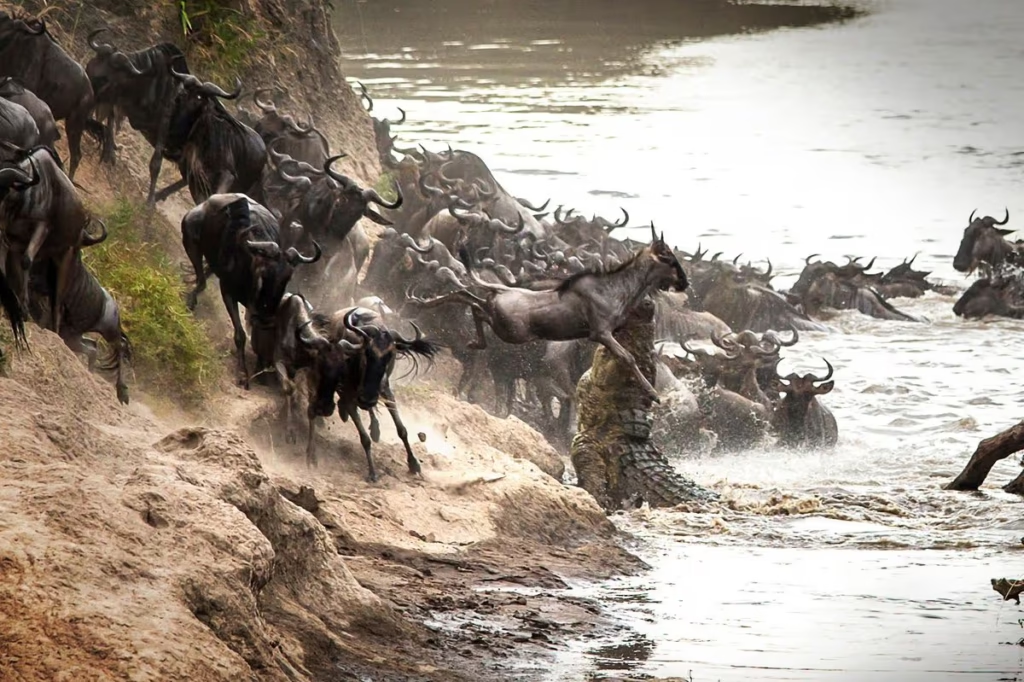
How Many Animals Take Part in the Great Migration?
How Many Animals Take Part in the Great Migration? This question attracts thousands of travelers planning unforgettable Tanzania safaris. The Great Migration ranks among the world’s greatest natural wildlife spectacles. Every year, enormous herds move across the Serengeti ecosystem in Tanzania and the Maasai Mara ecosystem in Kenya.
The migration involves far more than wildebeest alone. Zebras, gazelles, and several other animals move across the grasslands. Predators also follow the migrating herds and benefit from changing wildlife concentrations.
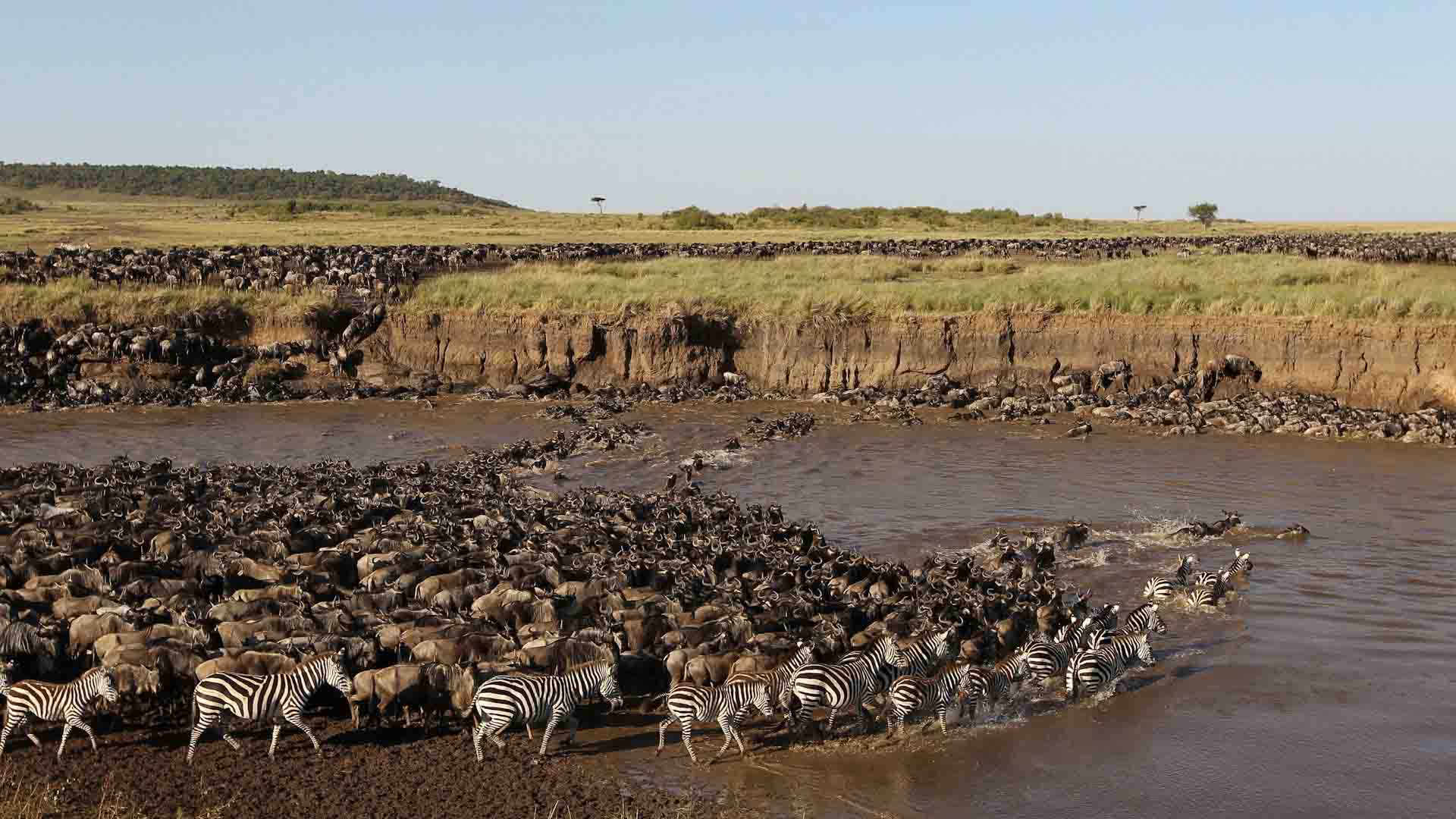
More than two million large grazing animals participate in the wider migration system. The exact numbers can change because wildlife populations naturally rise and fall. However, the spectacle generally includes approximately 1.3 to 1.5 million wildebeest. It also includes hundreds of thousands of zebras and gazelles.
Therefore, How Many Animals Take Part in the Great Migration? reveals the extraordinary scale of this natural event. The migration depends on rainfall, fresh grass, water availability, breeding cycles, and survival.
A Tanzania safari offers travelers an opportunity to witness this remarkable movement directly. At Terenga Africa Safaris and Travels Ltd, we help visitors understand the migration beyond photographs. We create meaningful Tanzania wildlife safaris based on knowledge, responsible tourism, and authentic African experiences.
How Many Animals Take Part in the Great Migration?
Understanding the Incredible Numbers
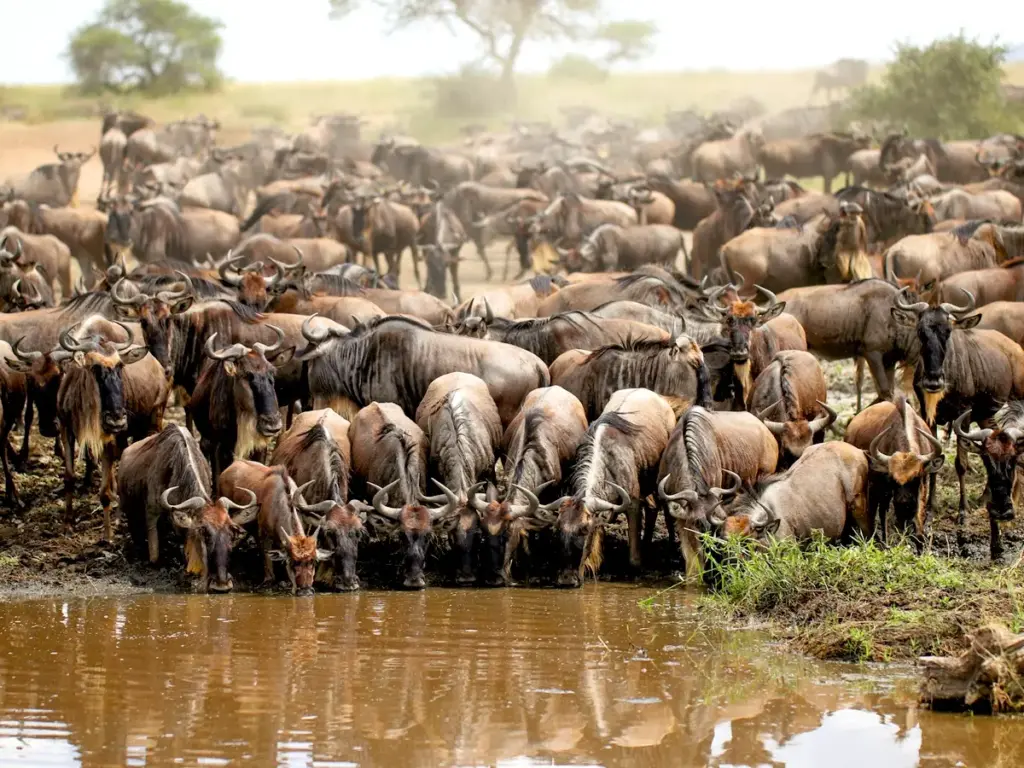
How Many Animals Take Part in the Great Migration? The answer begins with the wildebeest population. Wildebeest form the largest group within this extraordinary annual movement across East Africa.
The migration commonly involves around 1.3 to 1.5 million blue wildebeest. These animals travel across vast grasslands while searching for nutritious grazing and water.
However, wildebeest do not travel alone. Large groups of zebras move alongside them. Gazelles also form an important part of the wider migration ecosystem.
Many estimates place the total number of major migrating grazing animals above two million. This enormous population creates one of the largest terrestrial wildlife movements on Earth.
The exact figure changes over time. Rainfall, predation, disease, births, and environmental conditions influence wildlife populations.
Consequently, visitors should understand the Great Migration as a living natural system. It does not follow a perfectly fixed timetable or population number.
Wildebeest: The Largest Group
Over One Million Powerful Migrators
When asking How Many Animals Take Part in the Great Migration?, wildebeest provide the most important answer.
The blue wildebeest dominates the migration in both number and visibility. Vast herds can stretch across the Serengeti plains.
Their movement creates some of Africa’s most dramatic wildlife scenes. Thousands of animals may walk together through open grasslands.
Wildebeest depend heavily on fresh and nutritious grass. Seasonal rainfall stimulates new vegetation and influences their direction.
These animals can travel enormous distances during the yearly migration cycle. Their journey requires endurance, awareness, and strong herd behavior.
Furthermore, wildebeest play a major role within the Serengeti ecosystem. Their presence supports many predators and scavengers.
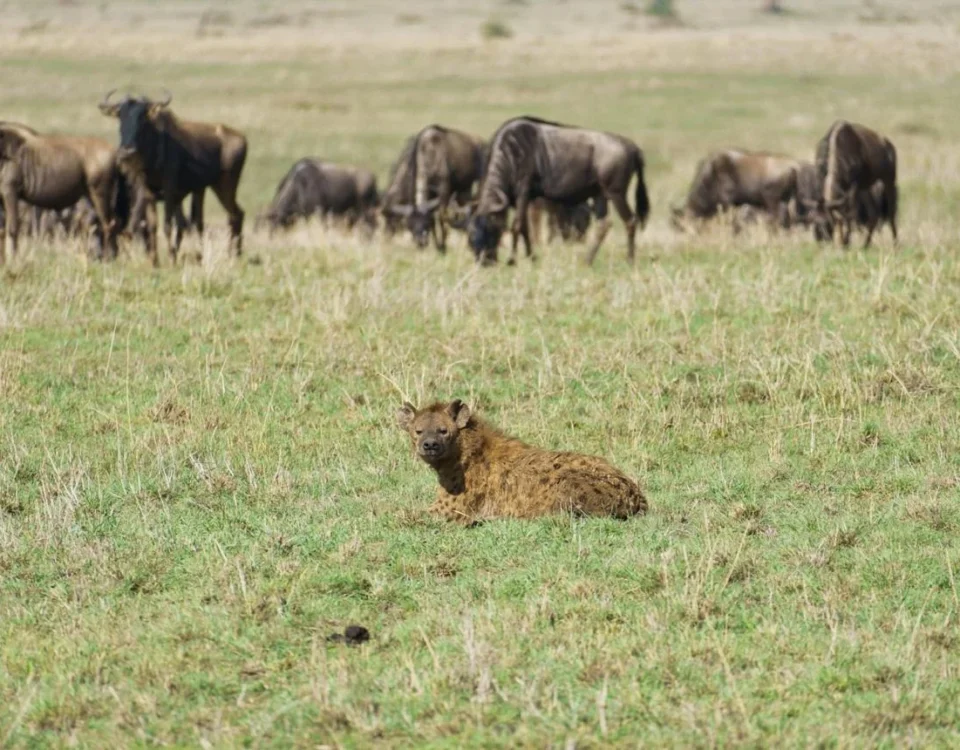
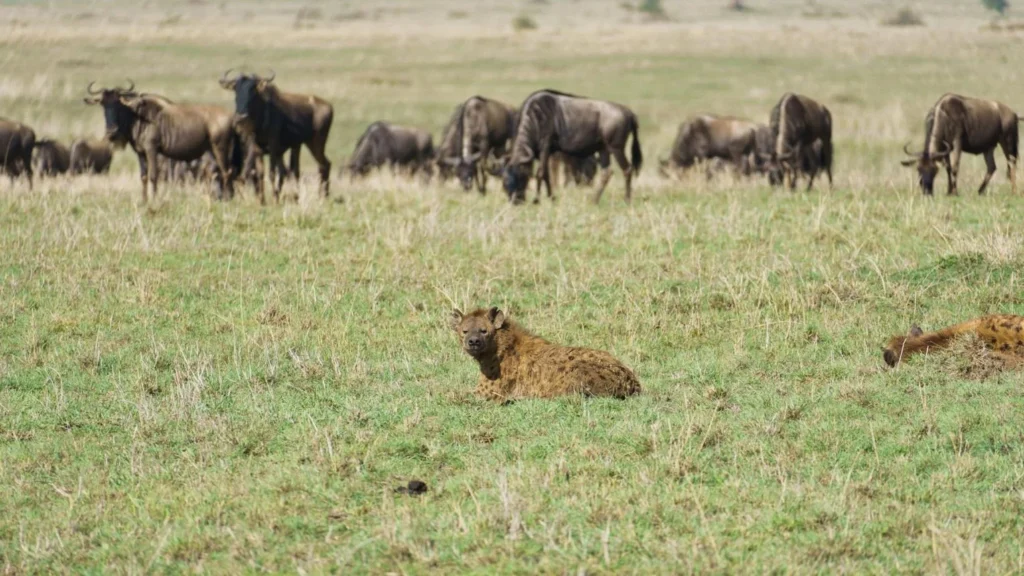
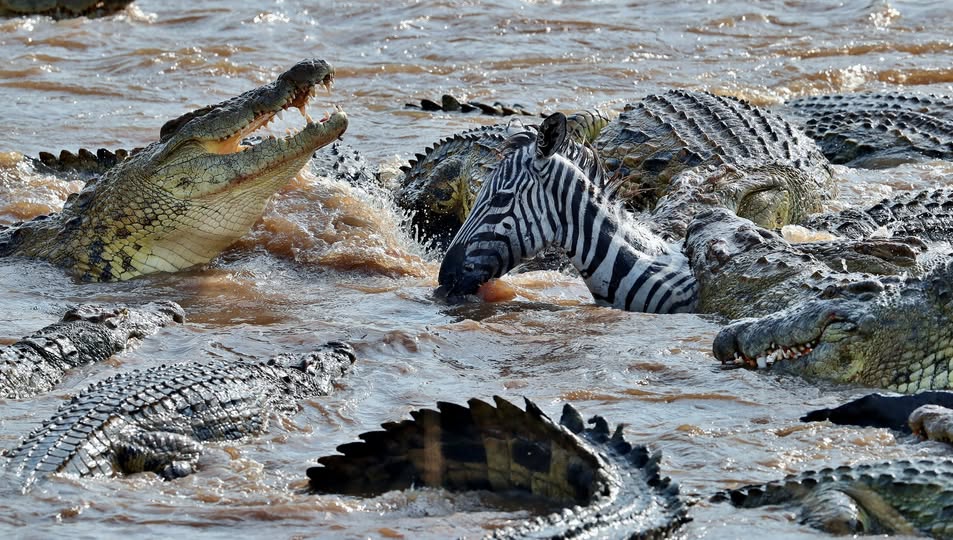
Lions hunt wildebeest across the grasslands. Hyenas also target vulnerable animals. Crocodiles wait near important river crossings.
Therefore, wildebeest influence the survival of many other species.
Zebras: Hundreds of Thousands Join the Journey
The Striped Migration Partners
How Many Animals Take Part in the Great Migration? The answer also includes large zebra populations.
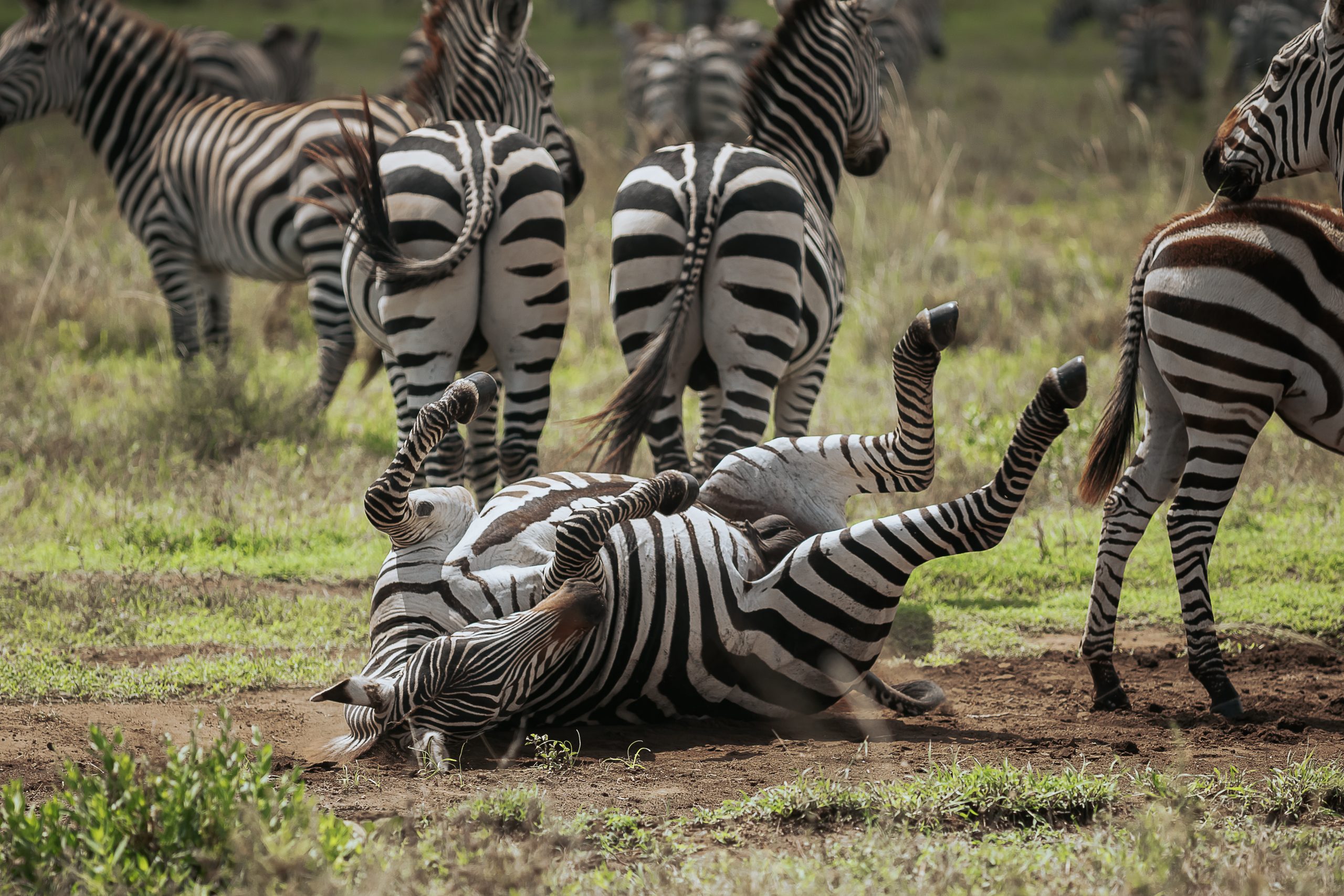
Approximately 200,000 zebras commonly participate in the wider migration movement. Their distinctive stripes make them easy to recognize among wildebeest herds.
Zebras have different feeding habits from wildebeest. They often eat taller and tougher grasses.
This feeding behavior creates an important ecological advantage. Wildebeest can then access shorter and more nutritious grass.
Consequently, zebras and wildebeest can share the same landscapes effectively.
Zebras also benefit from traveling in large groups. More eyes and ears can help detect approaching predators.
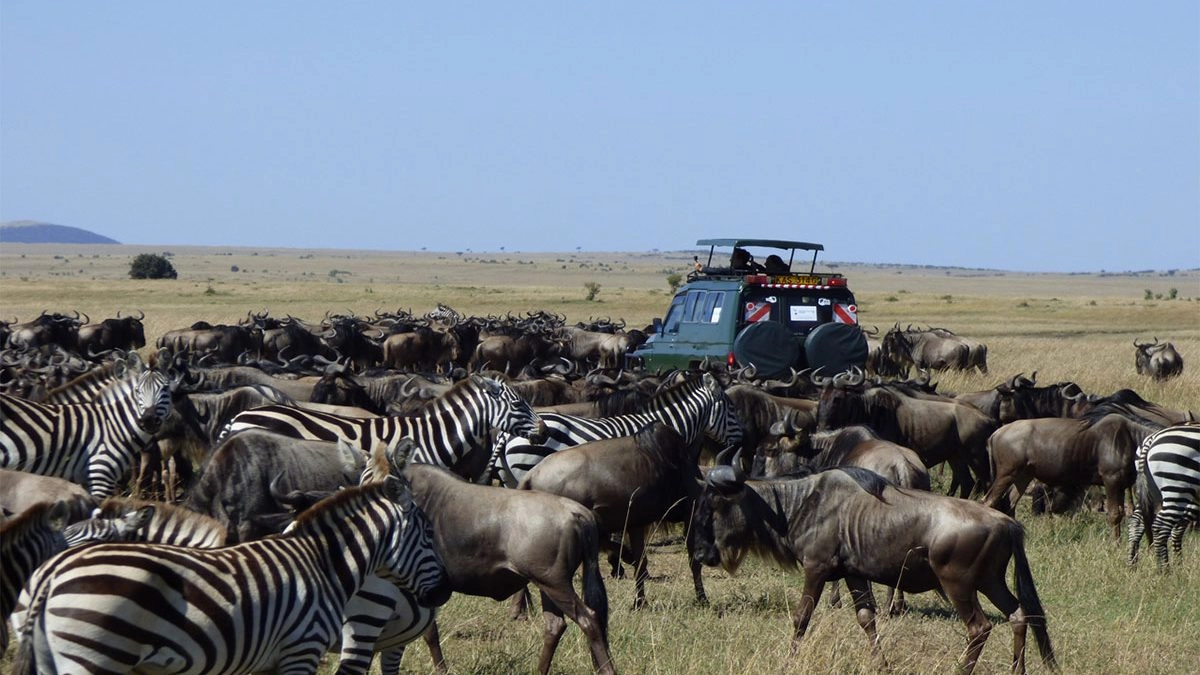
Their presence creates spectacular scenes during Tanzania wildlife safaris. Large mixed herds of zebras and wildebeest often move across the plains together.
A Tanzania wildlife tour during migration season offers excellent opportunities to observe these relationships.
Gazelles: Fast and Agile Migrating Animals
Thousands of Smaller Herbivores
Gazelles form another important part of the answer to How Many Animals Take Part in the Great Migration?
Thomson’s gazelles are strongly associated with the migration ecosystem. Their smaller bodies and specialized feeding habits help them use different vegetation.
Large populations of gazelles move across suitable grassland areas. Some estimates commonly place their numbers at several hundred thousand within the broader migration system.
Their movements may not always match wildebeest movements exactly. Nevertheless, gazelles remain closely connected to the changing seasonal ecosystem.
Grant’s gazelles also occur across the Serengeti. These animals can survive in relatively dry environments.
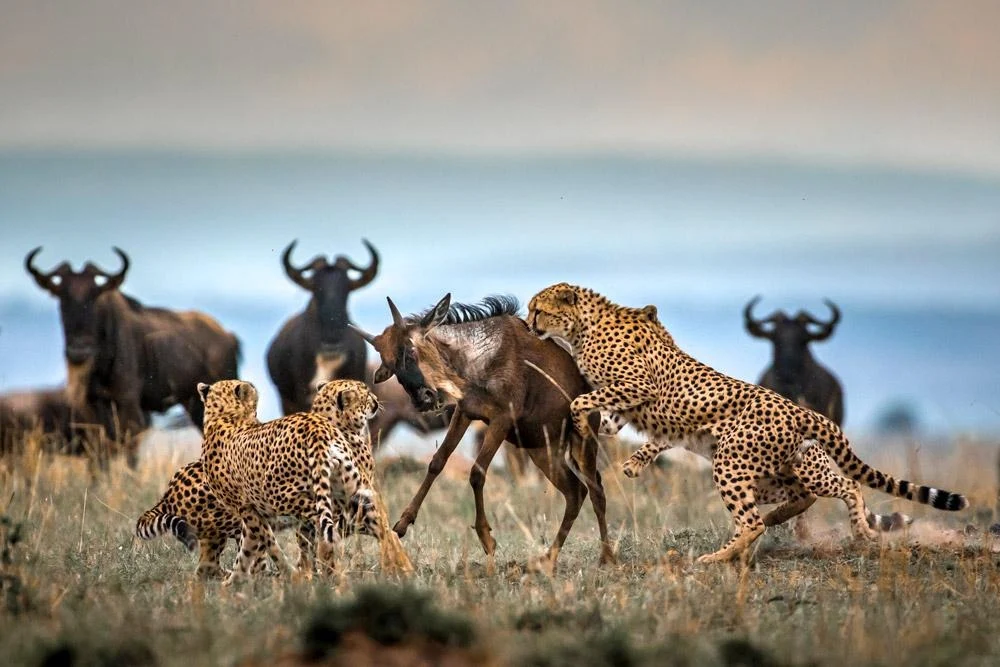
Gazelles provide important prey for predators. Cheetahs often hunt smaller antelopes across open plains.
Their speed and agility create exciting wildlife encounters during Tanzania safaris.
Therefore, gazelles add another important dimension to the Great Migration story.
The Total Number of Migrating Animals
More Than Two Million Animals
So, How Many Animals Take Part in the Great Migration? The commonly accepted answer exceeds two million major grazing animals.
The migration generally includes around 1.3 to 1.5 million wildebeest. It also includes approximately 200,000 zebras.
Several hundred thousand gazelles and other grazing animals contribute to the wider ecosystem movement.
Together, these populations create an extraordinary concentration of wildlife.
However, the migration does not involve every animal moving together at one moment. Herds spread across enormous areas.
Some groups move ahead of others. Different species respond differently to rainfall and food conditions.
Therefore, travelers may see massive concentrations in one region while other areas appear quieter.
This natural variation makes every Tanzania safari unique.
Why Do So Many Animals Move Together?
Following Rain and Fresh Grass
The answer to How Many Animals Take Part in the Great Migration? also depends on understanding why migration happens.
Rainfall remains one of the strongest influences on herd movement. Rain stimulates fresh grass growth across the Serengeti ecosystem.
Wildebeest can detect environmental changes and respond to new grazing opportunities.
As fresh grass appears, large herds gradually move toward productive areas.
Zebras and gazelles also respond to changing food conditions. However, each species uses vegetation differently.
This difference allows several herbivores to share the same ecosystem.
Water availability also influences movement. During dry periods, permanent water sources become increasingly important.
Therefore, the Great Migration follows nature’s changing rhythm.
How Far Do the Animals Travel?
A Journey Across Vast Landscapes
How Many Animals Take Part in the Great Migration? becomes even more impressive when travelers consider the journey’s distance.
The migration covers a vast annual circuit across Tanzania and Kenya. Individual animals can travel hundreds of kilometers.
The exact distance varies according to rainfall and changing environmental conditions.
Herds move through different sections of the Serengeti ecosystem throughout the year.
They travel across southern grasslands, central plains, western corridors, and northern landscapes.
Some herds eventually move toward the Maasai Mara ecosystem before returning south.
This continuous movement creates one of the greatest Tanzania adventure safaris available.
Visitors can witness different migration stages depending on travel dates.
The Great Migration Calving Season
Hundreds of Thousands of Newborns
The calving season provides another fascinating answer to How Many Animals Take Part in the Great Migration?
During the southern Serengeti season, large numbers of wildebeest gather on the nutrient-rich plains.
Many calves arrive within a relatively short period.
This synchronized birth period creates enormous concentrations of young animals.
Fresh grass provides valuable nutrition for mothers and their offspring.
However, newborn animals also attract predators.
Lions, hyenas, cheetahs, and other carnivores benefit from increased hunting opportunities.
Young calves must learn quickly. They need to stand, move, and remain close to their mothers.
A Tanzania wildlife safari during this season offers incredible opportunities to observe wildlife behavior.
Predators Also Follow the Migration
The Moving Food Chain
Although people focus on herbivores, predators also play an important role.
How Many Animals Take Part in the Great Migration? can include many species that follow migrating prey.
Lions remain among the most powerful predators of the Serengeti. They hunt wildebeest, zebras, and other suitable prey.
Hyenas also benefit from large wildlife concentrations. Their clans can hunt and scavenge across the ecosystem.
Cheetahs often focus on smaller and vulnerable prey. Open grasslands provide suitable areas for high-speed chases.
Leopards occupy suitable wooded habitats and riverine areas.
Crocodiles become especially important during river crossings.
Therefore, the Great Migration supports a moving food web across the landscape.
River Crossings and Huge Herds
A Dramatic Migration Experience
River crossings provide some of the most famous scenes during Tanzania wildlife safaris.
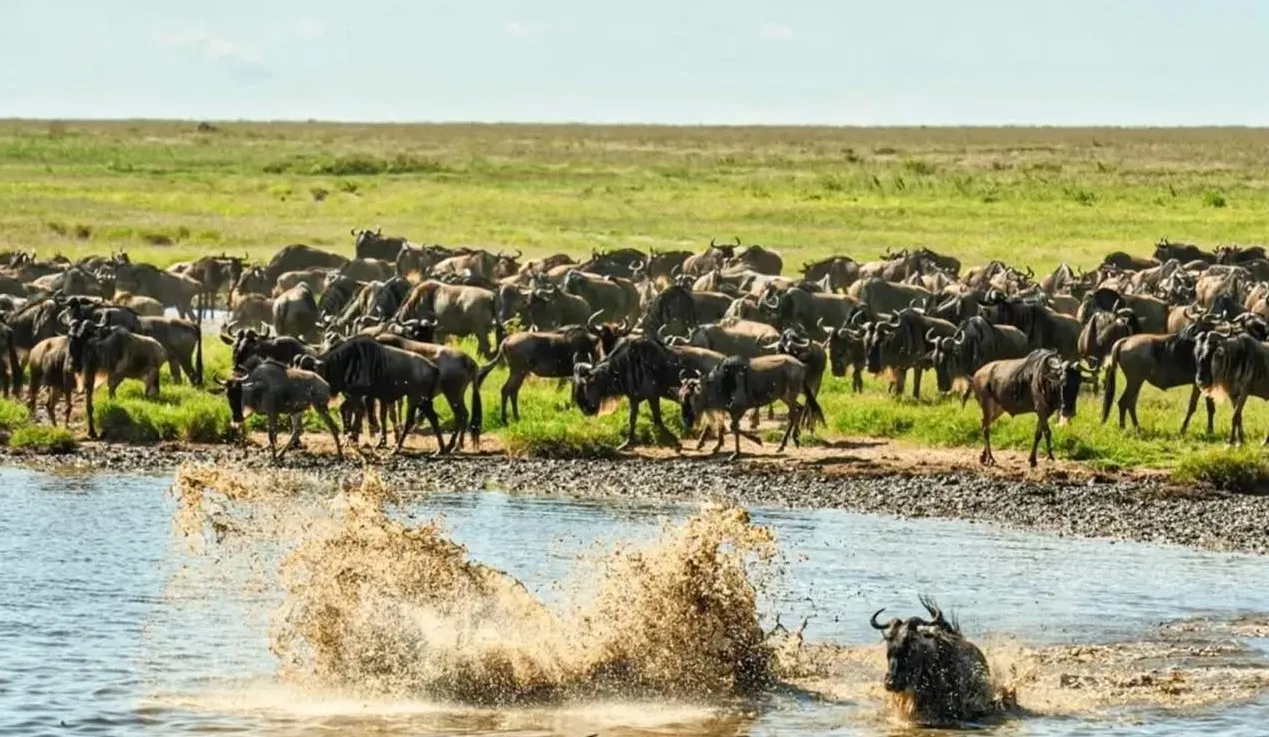
Thousands of animals may gather near important riverbanks.
However, animals often hesitate before entering the water. A herd may wait for hours or longer.
Suddenly, one animal enters. Others may quickly follow.
The crossing creates dramatic scenes involving wildebeest and zebras.
Strong currents, steep riverbanks, and crocodiles create serious challenges.
Not every crossing succeeds.
Therefore, travelers should understand that nature controls these events.
A professional guide can position visitors responsibly while respecting wildlife and park regulations.
How Animals Survive the Journey
Strength, Instinct, and Cooperation
How Many Animals Take Part in the Great Migration? matters because survival remains difficult for every participant.
The journey involves long distances and changing weather.
Animals must find food and water while avoiding predators.
Young animals face especially difficult conditions.
Herd behavior provides important advantages. Large groups can improve predator detection.
Wildebeest, zebras, and gazelles also benefit from different senses and feeding behaviors.
Zebras possess strong eyesight and hearing. Wildebeest contribute their own awareness and movement patterns.
Together, mixed herds create a complex survival system.
Nevertheless, nature does not guarantee survival.
Predation and environmental challenges remain essential parts of the ecosystem.
How Many Animals Take Part in the Great Migration?
Tanzania Safaris and the Great Migration
Why Tanzania Offers the Best Experience
Tanzania remains the heart of the Great Migration for much of the year.
The Serengeti provides enormous landscapes where travelers can experience the migration in different seasons.
A Tanzania safari can focus on the southern calving season. Another itinerary can target the central Serengeti.
Travelers can also visit the western corridor or northern Serengeti.
Each region offers different wildlife opportunities.
Therefore, Tanzania safaris provide exceptional flexibility.
Terenga Africa Safaris and Travels Ltd helps travelers choose destinations according to travel dates and interests.
We consider migration patterns, accommodation locations, driving distances, and desired activities.
The Best Time to See the Migration
Different Seasons, Different Experiences
There is no single perfect answer for every traveler.
The best time depends on the experience you want.
The southern Serengeti can offer spectacular calving experiences.
Central areas can provide excellent general wildlife viewing.
The western corridor becomes important during seasonal movements.
Northern areas may provide opportunities to witness dramatic river crossings.
However, rainfall can change migration timing.
Therefore, travelers should avoid relying on exact dates for wildlife events.
A flexible Tanzania wildlife tour provides the best opportunity to enjoy nature.
Cultural Experiences Around Serengeti Safari Lodges
Discover the Maasai Culture
A Tanzania safari becomes richer when travelers explore local culture.
Many areas around Serengeti safari regions offer opportunities to experience Maasai traditions.
Visitors can participate in respectful community-based cultural programs.
Traditional Maasai Dance
Cultural performances can introduce travelers to traditional songs, dancing, and community celebrations.
These experiences provide insight into local identity and heritage.
Maasai Village Experiences
Organized village visits can help travelers understand aspects of traditional pastoral life.
Visitors can learn about homes, livestock, crafts, and community traditions.
Respect remains essential during every cultural interaction.
Traditional Beadwork
Maasai artisans create beautiful handmade beadwork.
Travelers can purchase authentic crafts and support local artisans.
Local Food Experiences
Some lodges and communities offer culinary experiences.
Visitors can discover local ingredients and traditional cooking methods.
These activities create stronger connections between tourism and local communities.
Cultural Experiences Around Other Safari Lodges
More Than Wildlife
Tanzania offers many cultural opportunities beyond Maasai communities.
Visitors can explore local markets and meet skilled artisans.
Some regions offer coffee experiences and agricultural tours.
Community walks can introduce travelers to everyday life.
Cultural tourism should always remain respectful and community-led.
Travelers should support authentic experiences that provide local benefits.
Terenga Africa Safaris and Travels Ltd promotes responsible cultural tourism across East Africa.
Planning a Great Migration Safari
Choose the Right Accommodation
Accommodation location plays an important role in migration planning.
The Serengeti covers an enormous area.
A lodge near your target wildlife region can reduce long driving distances.
Mobile camps may follow seasonal wildlife movements in some areas.
Permanent safari lodges provide comfort and established facilities.
The right choice depends on travel style and budget.
Luxury Tanzania safaris can include premium tented camps and exclusive lodges.
Budget-conscious travelers can select simpler accommodation.
A carefully planned itinerary balances wildlife opportunities with comfort.
Responsible Tourism During the Migration
Protect the Wildlife Experience
How Many Animals Take Part in the Great Migration? also highlights the importance of responsible tourism.
Millions of animals depend on healthy ecosystems and protected migration routes.
Travelers should follow national park regulations.
Visitors should maintain safe distances from wildlife.
Safari vehicles should avoid disturbing animals during sensitive moments.
Guests should never feed wild animals.
Waste should never enter protected landscapes.
Responsible travel helps protect this extraordinary natural event.
Furthermore, supporting conservation-conscious tourism creates benefits for future generations.
The Final Answer
How Many Animals Take Part in the Great Migration? The answer is truly remarkable.
More than two million major grazing animals participate in the wider annual migration system.
Wildebeest form the largest population, with approximately 1.3 to 1.5 million animals.
Around 200,000 zebras add their strength and distinctive beauty.
Hundreds of thousands of gazelles and other herbivores contribute to the wider ecological movement.
Predators, scavengers, birds, and reptiles also respond to these changing wildlife concentrations.
Therefore, the Great Migration represents much more than animal movement.
It represents one of Earth’s greatest functioning ecosystems.
A Natural Wonder Worth Experiencing
How Many Animals Take Part in the Great Migration? reveals the incredible scale of Tanzania’s wildlife heritage.
Millions of animals move through landscapes shaped by rainfall and seasonal change.
Wildebeest search for fresh grass.
Zebras travel alongside them.
Gazelles move through suitable habitats.
Predators follow the opportunities created by abundant prey.
Every part of the ecosystem plays an important role.
How Many Animals Take Part in the Great Migration?
Why This Safari Matters
How Many Animals Take Part in the Great Migration? is a question that leads travelers toward a deeper understanding of Africa.
The migration demonstrates survival, adaptation, and ecological connection.
It also reminds visitors that wildlife does not exist separately from its environment.
Rainfall influences grass.
Grass supports herbivores.
Herbivores support predators and scavengers.
Therefore, protecting landscapes protects entire ecological systems.
Experience Tanzania With Terenga Africa Safaris
How Many Animals Take Part in the Great Migration? becomes even more meaningful when experienced in the Serengeti.
Standing before thousands of moving animals creates an unforgettable moment.
The sounds, dust, movement, and vast landscapes create a powerful safari experience.
Tanzania adventure safaris provide opportunities to witness this natural wonder firsthand.
At Terenga Africa Safaris and Travels Ltd, we help international travelers plan meaningful journeys across Tanzania.
Our approach combines destination expertise, practical planning, responsible tourism, and authentic experiences.
Great Migration
How Many Animals Take Part in the Great Migration?
Ultimately, How Many Animals Take Part in the Great Migration? has an extraordinary answer.
More than two million major grazing animals participate in this remarkable natural cycle.
Their movement creates one of the greatest wildlife spectacles on Earth.
A Tanzania safari provides the opportunity to understand this event beyond photographs.
A Tanzania wildlife safari reveals the connections between animals, landscapes, predators, rainfall, and survival.
For travelers seeking an unforgettable Tanzania wildlife tour, the Great Migration remains one of Africa’s greatest adventures.
Terenga Africa Safaris and Travels Ltd creates carefully planned Tanzania safaris for travelers seeking knowledge, comfort, adventure, and authentic wildlife experiences.
How Many Animals Take Part in the Great Migration? The answer is best understood by witnessing Africa’s extraordinary wildlife movement yourself.
Safari Inclusions
- Airport transfers
- Safari transportation
- Professional English-speaking safari guide
- Accommodation
- Meals
- Drinking water
- National park fees
- Game drives
- Great Migration viewing
- Cultural experiences
- Safari vehicle
- Government taxes
- Selected lodge activities
Safari Exclusions
- International flights
- Visa fees
- Travel insurance
- Personal expenses
- Alcoholic beverages
- Laundry services
- Tips and gratuities
- Souvenirs
- Optional activities
- Personal communications
- Medical expenses
- Additional accommodation
- Services not listed under inclusions
How Many Animals Take Part in the Great Migration?
About Terenga Africa Safaris and Travels Ltd
Terenga Africa Safaris and Travels Ltd creates exceptional travel experiences across Tanzania and East Africa.
We combine wildlife expertise, destination knowledge, responsible tourism, and personalized safari planning.
Our goal is to provide reliable Africa tourism information for travelers from around the world.
We design journeys that connect visitors with wildlife, landscapes, cultures, and conservation.
Best Trending Tanzania Safari Holidays for 2027/2028
- 12-Day Tanzania Wildlife Safari
- 10-Day Tanzania Wildlife Safari & Zanzibar
- 10-Day Best Tanzania Honeymoon Luxury Safari and Zanzibar Beach Getaway
- 9-Day Ultimate Tanzania Wildlife Safari
- 9-Day Tanzania Adventure Safari
- 8-Day Tanzania Mid-Range Safari
- 8-Day Tanzania Northern Circuit Safari
- 7-Day Tanzania Wildlife Safari
- 7-Day Tanzania Wildlife Wonders Experience Tour
- 6-Day Majestic Tanzania Wildlife Luxury Safari
- 13-Day Tanzania Wildlife Tour & Zanzibar Beach Holiday
- 12-Day Tanzania Wildlife Safari Itinerary
- 11-Day Tanzania & Zanzibar Safari Adventure
- 11 Days Magical Kenya and Tanzania Safari
- 4-Day Tanzania Safari Extension Itinerary
- 5-Day Tanzania Safari Extension
- 9-Day Tanzania Wildlife Safari Adventure
- 7 Days Tanzania Safari Holiday
- 8 Days Tanzania Safari Holiday Itinerary