
How Drought Can Change the Wildebeest Migration Route?
September 24, 2026
The Importance of Grass Growth During the Migration Cycle
September 25, 2026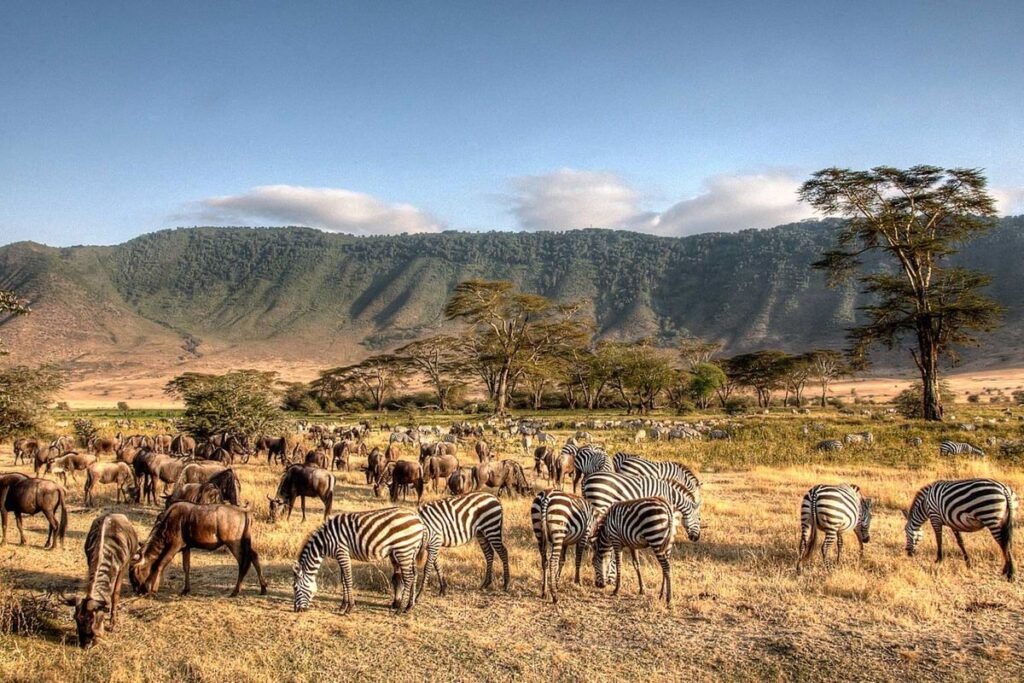
How Good Rainfall Creates New Migration Opportunities?
How Good Rainfall Creates New Migration Opportunities becomes easier to understand when you follow the relationship between rainfall, vegetation, water, and wildlife movement.
Across Tanzania, seasonal rainfall influences where herbivores find fresh grass and drinking water. Consequently, changing environmental conditions can shape wildlife distribution throughout the year.
The Great Wildebeest Migration remains one of Africa’s most remarkable natural spectacles. However, migration involves more than crossing rivers or moving across famous plains.
Wildebeest, zebras, and other herbivores constantly respond to available resources. Good rainfall can create fresh grazing areas and improve conditions across different landscapes.
For travelers planning Tanzania safaris, understanding these natural processes adds greater meaning to every game drive. You can observe migration as an ecological process rather than a single annual event.
At Terenga Africa Safaris, we design journeys around wildlife behavior, seasonal conditions, conservation areas, and authentic cultural experiences.
Therefore, How Good Rainfall Creates New Migration Opportunities offers valuable insight into planning responsible and rewarding wildlife journeys across Tanzania.
How Good Rainfall Creates New Migration Opportunities in Tanzania
Rainfall and Fresh Grazing
Rainfall represents one of the most important factors affecting wildlife movement across Tanzania’s ecosystems.
When rain reaches dry grasslands, dormant vegetation responds quickly. Fresh grasses emerge and provide valuable food for grazing animals.
Wildebeest and zebras follow these nutritious grazing areas as conditions change. Their movements can therefore extend across large landscapes.
Good rainfall can also fill seasonal water sources. Ponds, streams, wetlands, and shallow depressions may hold water for longer periods.
These resources reduce pressure on permanent water sources. Animals can then explore areas that previously offered limited food or water.
Consequently, How Good Rainfall Creates New Migration Opportunities relates directly to resource availability.
Wildlife does not follow a simple calendar. Instead, environmental conditions influence movements across the Serengeti ecosystem.
How Good Rainfall Creates New Migration Opportunities in the Serengeti
The Serengeti’s Dynamic Landscape
The Serengeti provides one of the world’s most famous wildlife landscapes. Its grasslands support enormous numbers of herbivores and predators.
Rainfall varies across the ecosystem throughout the year. Some areas receive rain earlier, while others remain dry for longer periods.
This variation encourages animals to move between grazing zones. Fresh grass can attract large herds toward recently watered areas.
The landscape also contains woodland, river systems, kopjes, plains, and seasonal wetlands. Each habitat provides different resources during changing conditions.
Therefore, How Good Rainfall Creates New Migration Opportunities becomes particularly relevant within the Serengeti ecosystem.
Travelers should understand that migration routes can change according to rainfall patterns. No single location guarantees the same wildlife experience every year.
Experienced guides monitor local conditions and recent wildlife movements. This knowledge helps create more informed safari itineraries.
6-Day Private Mara River Crossing Migration
How Good Rainfall Creates New Migration Opportunities for Wildebeest
Following Nutrient-Rich Grass
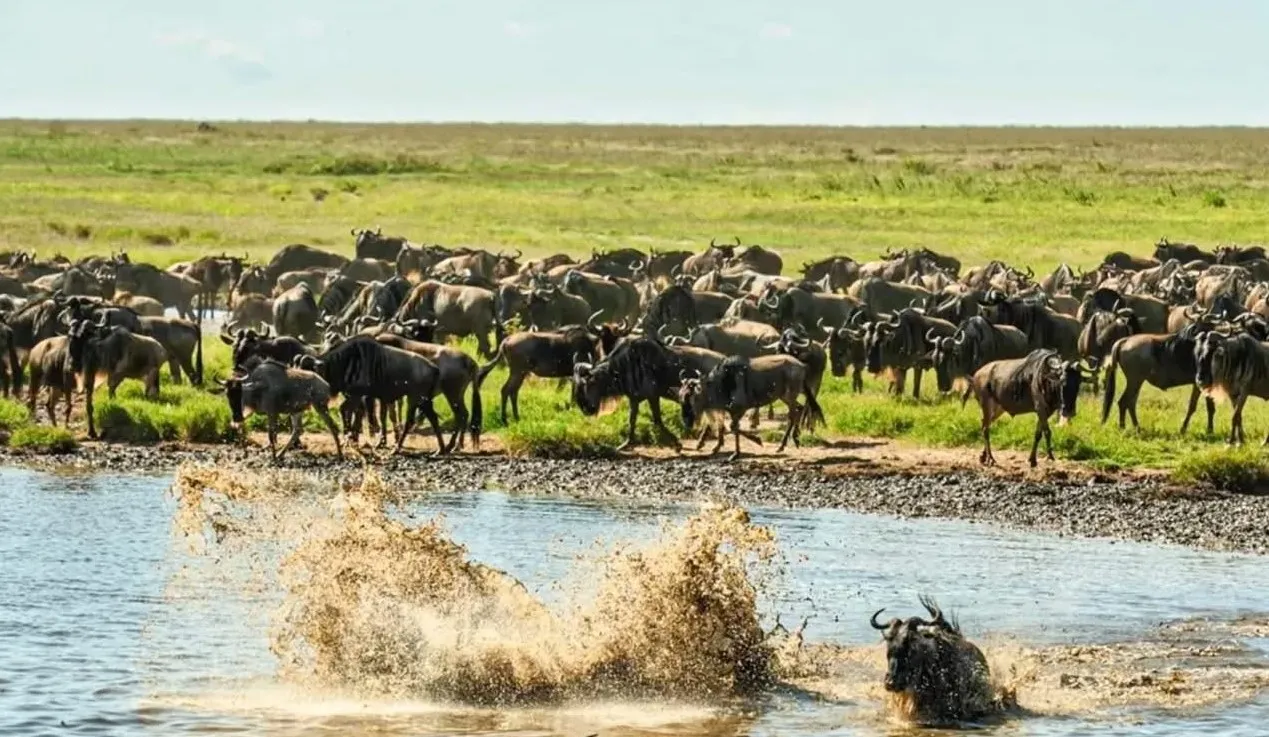
Wildebeest depend heavily on grasslands for food. Their movements often correspond with areas offering suitable grazing conditions.
Good rainfall encourages new grass growth across the plains. Fresh vegetation can provide important nutrients for large herbivore populations.
As grazing pressure increases, herds may continue moving toward other productive areas. This creates the continuous movement associated with the Great Migration.
Pregnant females also require sufficient nutrition during critical periods. Food availability can influence where herds spend significant periods.
Therefore, How Good Rainfall Creates New Migration Opportunities also connects rainfall with reproductive cycles and herd movements.
The migration involves millions of animals across the wider Serengeti-Mara ecosystem. Their movement creates opportunities for predators and scavengers as well.
Lions, cheetahs, hyenas, crocodiles, and other predators benefit from the abundance of prey.
How Good Rainfall Creates New Migration Opportunities for Zebras
Zebra Movement and Grass Quality
Zebras form an important part of the Great Migration. Their feeding behavior complements that of other grazing herbivores.
They can consume taller grasses and help expose shorter vegetation. Wildebeest can then access different portions of the grassland.
Rainfall supports this ecological interaction by encouraging vegetation growth. As grass conditions change, zebra herds may move alongside other herbivores.
This relationship demonstrates How Good Rainfall Creates New Migration Opportunities across interconnected ecosystems.
Travelers can observe mixed herds during suitable seasonal periods. Large concentrations of zebras can create spectacular photographic opportunities.
However, wildlife distribution changes naturally. Guides should therefore avoid making rigid promises about specific herd locations.
How Good Rainfall Creates New Migration Opportunities for Predators
Following the Herds
Predators respond to herbivore movements throughout the migration cycle. When prey concentrations increase, predators gain greater hunting opportunities.
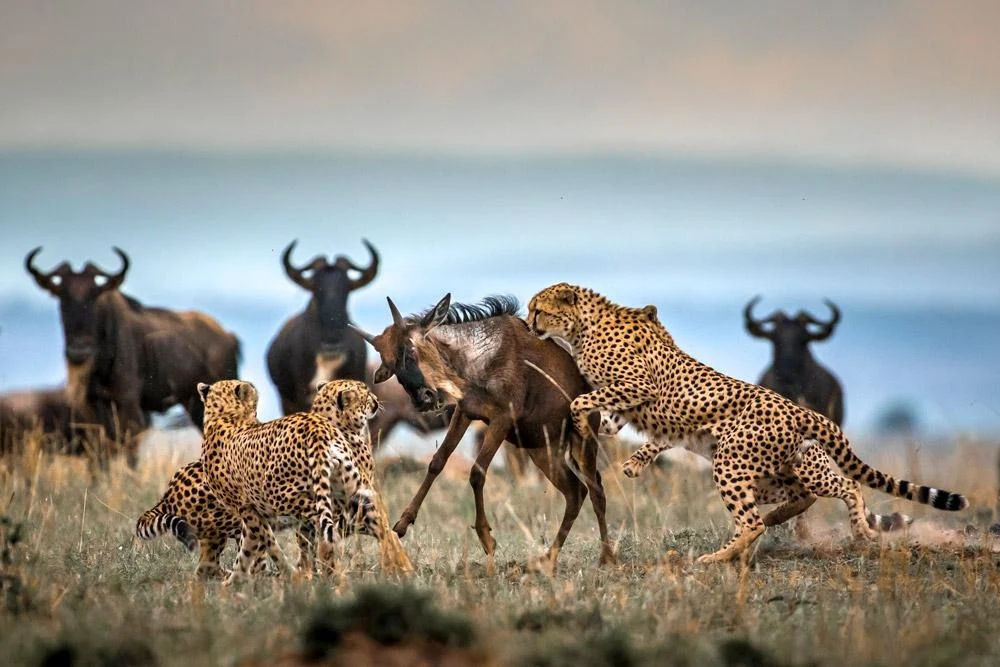
Lions often follow areas containing substantial numbers of wildebeest and zebras. Cheetahs may also use open plains where prey availability increases.
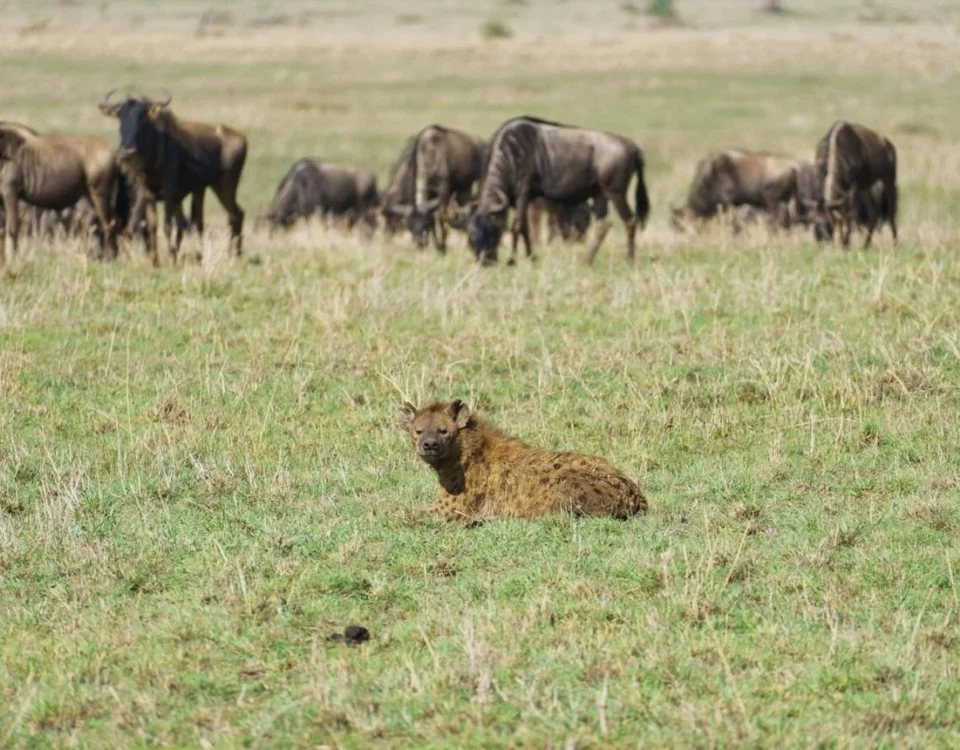
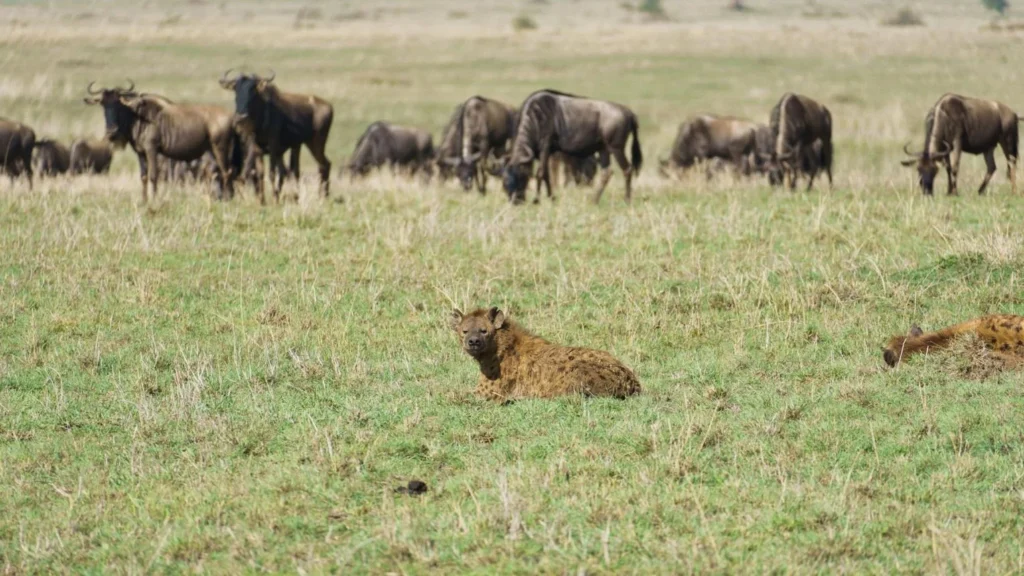
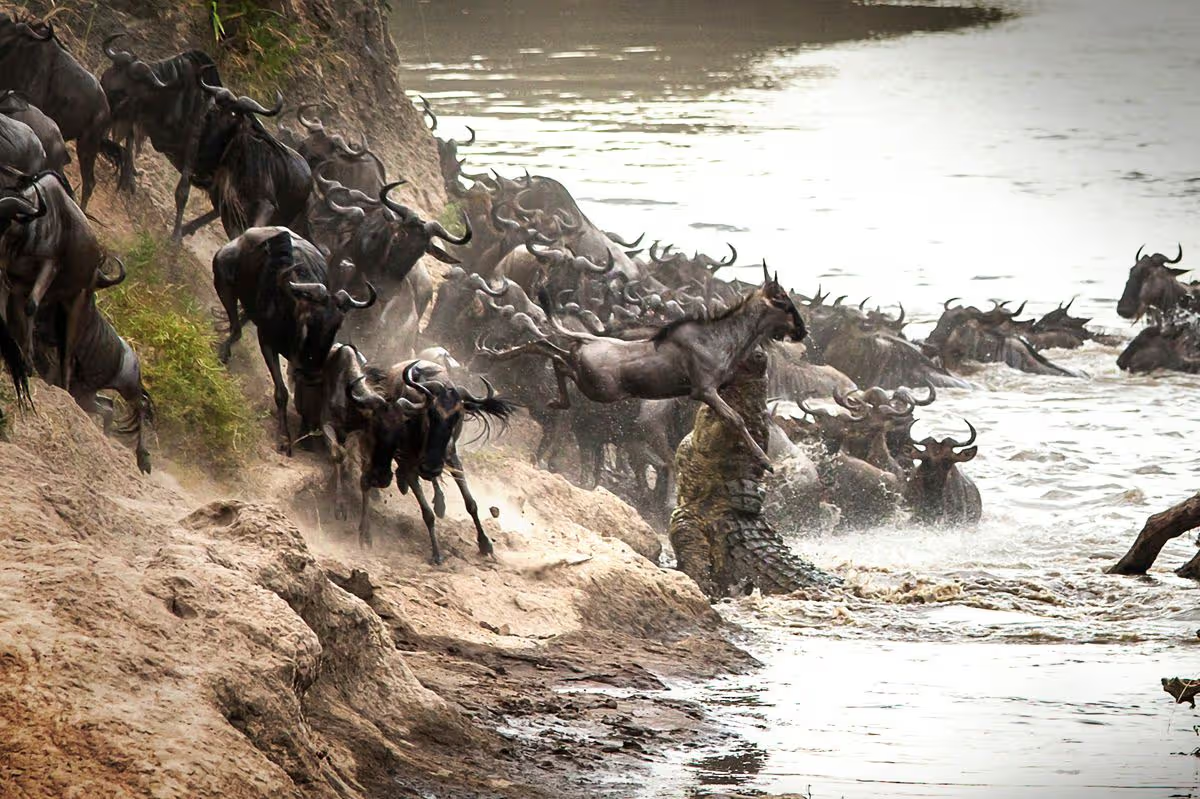
Hyenas can travel significant distances while following mobile herds. Crocodiles benefit when migrating animals approach river crossings.
Consequently, How Good Rainfall Creates New Migration Opportunities affects predators indirectly through prey availability.
Rainfall can therefore influence the entire food chain. Grass growth supports herbivores, while herbivores support carnivores and scavengers.
This ecological connection makes migration safaris especially rewarding for nature enthusiasts.
Instead of watching isolated wildlife sightings, travelers can observe relationships between weather, vegetation, herbivores, and predators.
How Good Rainfall Creates New Migration Opportunities Around Calving Areas
The Importance of Fresh Grass
The calving season represents one of the most important phases of the migration.
Large numbers of wildebeest gather in areas where nutritious grass supports mothers and young calves. Rainfall contributes to the development of these grazing conditions.
Newborn calves require energy and protection during their early lives. Mothers need sufficient nutrition to support lactation.
Fresh grass therefore becomes extremely valuable during this period.
How Good Rainfall Creates New Migration Opportunities becomes particularly important when rainfall arrives across southern Serengeti plains.
The exact timing can vary between seasons. Travelers should therefore consider current environmental conditions rather than relying only on fixed dates.
Calving areas also attract predators. Lions, cheetahs, hyenas, and other carnivores can exploit the abundance of vulnerable young animals.
How Good Rainfall Creates New Migration Opportunities Along Rivers
Water Shapes Wildlife Movement
Rivers play important roles within the migration ecosystem. They provide water and support vegetation across otherwise dry landscapes.
Seasonal rainfall can increase river levels and alter surrounding grazing conditions. These changes may influence how animals approach different areas.
River crossings create some of the most famous migration scenes. However, crossing activity depends on herd movement, river conditions, and animal behavior.
Travelers should avoid expecting crossings simply because they visit during a traditional migration season.
Therefore, How Good Rainfall Creates New Migration Opportunities requires understanding both rainfall and local geography.
The Grumeti River and Mara River represent important features within the broader migration ecosystem. Each provides unique ecological conditions and wildlife viewing opportunities.
Professional guides can help travelers understand current herd locations and environmental conditions.
How Good Rainfall Creates New Migration Opportunities for Tanzania Safaris
Planning Around Seasonal Conditions
Seasonal planning can significantly improve your Tanzania safari experience. Travelers should consider rainfall patterns alongside wildlife objectives.
The Serengeti provides different experiences throughout the year. Some periods emphasize calving, while others offer large herd movements.
Good rainfall can also improve landscape quality for photographers. Green grass, dramatic skies, and abundant wildlife create excellent visual opportunities.
For travelers seeking Tanzania wildlife safaris, flexible itineraries can provide greater opportunities to respond to changing conditions.
A knowledgeable safari operator can adjust routes according to current information. This approach creates a more realistic and responsible travel experience.
At Terenga Africa Safaris, we consider seasonal ecology when planning wildlife journeys.
Cultural Experiences Around Safari Lodges
Connecting Wildlife With Tanzanian Communities
Wildlife travel becomes richer when visitors experience Tanzania’s diverse cultures. Many safari regions connect travelers with communities living around protected areas.
Cultural visits can include traditional food experiences, village walks, craft demonstrations, and agricultural activities.
Around Serengeti lodges, travelers can explore community initiatives where available. Some experiences focus on local livelihoods and conservation relationships.
Visitors can also learn about traditional foods and regional cooking methods. Dishes may include ugali, rice, beans, vegetables, and locally prepared meats.
Craft experiences provide another way to support local artisans. Handmade baskets, carvings, beadwork, and textiles can offer meaningful souvenirs.
Traditional music and dance can also enrich selected cultural visits.
Responsible cultural tourism requires respect, permission, and fair community participation.
Cultural Activities Around Your Safari Lodge
Making Accommodation Part of the Journey
Your safari lodge should provide more than comfortable accommodation. The surrounding environment can become part of your Tanzania experience.
Lodges near Serengeti communities may offer cultural activities and guided nature experiences. Some properties can arrange village visits and community-based excursions.
Guests can enjoy traditional meals and learn about locally sourced ingredients. Coffee and food experiences can also introduce travelers to regional agricultural practices.
Nature walks around lodge areas may reveal birds, plants, insects, and smaller wildlife. These activities provide a slower alternative to game drives.
Evening cultural programs can add another dimension to your stay. Guests can experience local music, storytelling, and traditional performances where appropriate.
Choosing accommodation with community connections can strengthen the overall value of Tanzania safaris.

10-Day Tarangire, Serengeti to Ndutu Migration & Ngorongoro
How Good Rainfall Creates New Migration Opportunities for Photographers
Landscapes Full of Life
Photographers can benefit from the visual changes created by seasonal rainfall.
Green grasslands create strong contrasts against wildlife and distant horizons. Clouds can also produce dramatic skies across the Serengeti.
Fresh vegetation attracts large herbivore concentrations. Consequently, photographers may find excellent opportunities for herd and landscape images.
Wildlife photography requires patience and ethical practices. Maintain appropriate distances and follow your guide’s instructions.
Early mornings and late afternoons often provide favorable light. However, weather can change rapidly across open plains.
How Good Rainfall Creates New Migration Opportunities also highlights the importance of photographing ecosystems rather than individual animals.
Wide landscape images can reveal the scale of the migration. Close wildlife portraits can then capture individual behavior.
How Good Rainfall Creates New Migration Opportunities Beyond the Serengeti
Tanzania’s Wider Wildlife Landscapes
Tanzania offers more than the Serengeti. Travelers can combine migration experiences with several other remarkable destinations.
Ngorongoro Conservation Area provides exceptional landscapes and diverse wildlife. Tarangire National Park offers large elephant populations and seasonal wildlife movements.
Lake Manyara provides forest, wetland, and lakeshore habitats. Each destination contributes something different to a complete Tanzania wildlife journey.
Travelers seeking Tanzania adventure safaris can also explore cultural sites, mountains, walking experiences, and conservation areas.
Combining destinations creates a broader understanding of Tanzania’s ecosystems.
The migration can therefore form one part of a larger safari rather than the entire journey.
Best Time to Experience Migration Opportunities
Understanding Seasonal Movement
Migration timing changes with rainfall and local ecological conditions. Therefore, travelers should avoid treating migration dates as completely fixed.
Calving commonly occurs during periods of favorable grazing conditions in the southern Serengeti. Later movements can take herds toward other parts of the ecosystem.
Rainfall remains one of several factors affecting these movements. Grass availability, water, temperature, and herd behavior also contribute.
Travelers should discuss their preferred experience with an experienced safari planner. This approach allows itinerary planning around realistic seasonal expectations.
For Tanzania wildlife tours, flexibility can improve the overall experience.
Sample Migration Safari Itinerary
Day 1: Arusha Arrival
Arrive in Arusha and transfer to your hotel. Enjoy a relaxed evening before your safari.
Day 2: Tarangire National Park
Enjoy a full-day game drive through Tarangire. Look for elephants, giraffes, zebras, and seasonal wildlife.
Day 3: Ngorongoro Highlands
Travel toward the Ngorongoro Highlands. Enjoy scenic landscapes and a cultural experience.
Day 4: Serengeti National Park
Enter the Serengeti and begin exploring the surrounding plains.
Day 5: Migration Experience
Enjoy a full-day game drive focused on current herd movements.
Day 6: Serengeti Wildlife Safari
Explore different areas according to current wildlife conditions.
Day 7: Serengeti Exploration
Enjoy another full day exploring wildlife and migration landscapes.
Day 8: Departure
Transfer toward Arusha or continue with your selected Tanzania itinerary.
Safari Inclusions
- Accommodation
- Breakfast
- Lunch
- Dinner
- Professional safari guide
- Private safari vehicle
- Fuel
- Park entrance fees
- Game drives
- Migration viewing
- Cultural experiences
- Airport transfers
- Drinking water
- Government taxes
Safari Exclusions
- International flights
- Tanzania visa
- Travel insurance
- Personal expenses
- Alcoholic beverages
- Laundry
- Tips
- Souvenirs
- Optional activities
- Personal medical expenses
Responsible Migration Tourism
Protecting Tanzania’s Wildlife
Responsible tourism remains essential when visiting migration landscapes. Travelers should follow park regulations and maintain appropriate distances from wildlife.
Avoid disturbing animals during feeding, resting, mating, or crossing activities. Never encourage guides to chase wildlife for photographs.
Respect designated roads and protected habitats. These practices help reduce unnecessary pressure on sensitive ecosystems.
Supporting community-based tourism can also strengthen conservation relationships. Local communities benefit when tourism creates meaningful economic opportunities.
Terenga Africa Safaris promotes responsible travel across Tanzania’s wildlife destinations.
How Good Rainfall Creates New Migration Opportunities: Final Thoughts
How Good Rainfall Creates New Migration Opportunities demonstrates the powerful relationship between weather and wildlife.
Rain supports grass growth and water availability across Tanzania’s ecosystems. Herbivores respond to these resources through continuous movement.
Predators then follow prey concentrations, creating dramatic interactions throughout the ecosystem.
For travelers planning Tanzania safaris, understanding these relationships adds depth to every game drive.
A Tanzania wildlife safari becomes more meaningful when you understand why animals move. Each landscape provides clues about food, water, weather, and seasonal change.
Meanwhile, Tanzania adventure safaris can combine migration experiences with culture, hiking, photography, and other outdoor activities.
Ultimately, How Good Rainfall Creates New Migration Opportunities reminds travelers that migration remains a dynamic natural process.
At Terenga Africa Safaris, we use seasonal knowledge and practical planning to create meaningful African journeys.
How Good Rainfall Creates New Migration Opportunities therefore provides more than a wildlife lesson. It offers a foundation for understanding Tanzania’s remarkable ecosystems.
Best Trending Tanzania Safari Holidays for 2027/2028
- 12-Day Tanzania Wildlife Safari
- 10-Day Tanzania Wildlife Safari & Zanzibar
- 10-Day Best Tanzania Honeymoon Luxury Safari and Zanzibar Beach Getaway
- 9-Day Ultimate Tanzania Wildlife Safari
- 9-Day Tanzania Adventure Safari
- 8-Day Tanzania Mid-Range Safari
- 8-Day Tanzania Northern Circuit Safari
- 7-Day Tanzania Wildlife Safari
- 7-Day Tanzania Wildlife Wonders Experience Tour
- 6-Day Majestic Tanzania Wildlife Luxury Safari
- 5-Day Kenya Wildlife Budget Safari
- 13-Day Tanzania Wildlife Tour & Zanzibar Beach Holiday
- 12-Day Tanzania Wildlife Safari Itinerary
- 11-Day Tanzania & Zanzibar Safari Adventure
- 11 Days Magical Kenya and Tanzania Safari
- 4-Day Tanzania Safari Extension Itinerary
- 5-Day Tanzania Safari Extension
- 9-Day Tanzania Wildlife Safari Adventure
- 7 Days Tanzania Safari Holiday
- 8 Days Tanzania Safari Holiday Itinerary