How Good Rainfall Creates New Migration Opportunities?
September 25, 2026
The Green Season Vs the Dry Season Migration Experience
September 28, 2026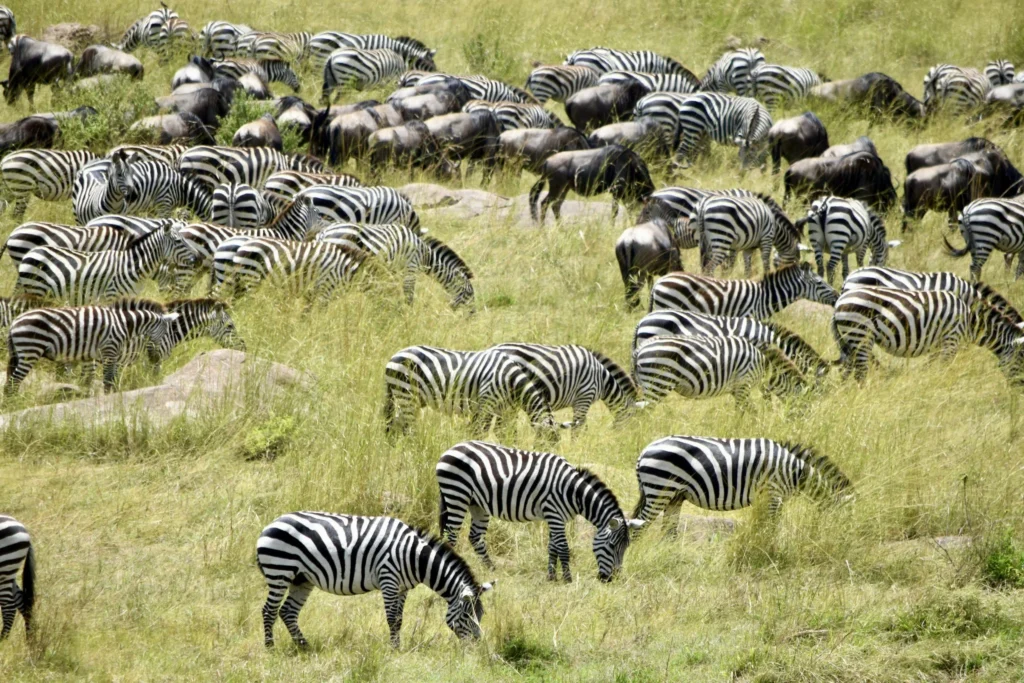
The Importance of Grass Growth During the Migration Cycle
The Importance of Grass Growth During the Migration Cycle lies at the heart of East Africa’s greatest wildlife spectacle. Grass provides essential food for wildebeest, zebras, and many other grazing herbivores.
Across the Serengeti-Mara ecosystem, rainfall stimulates fresh grass growth. Consequently, large herbivore herds move toward areas with better grazing conditions.
The Great Migration does not follow a simple calendar. Instead, wildlife responds to rainfall, grass quality, water availability, and seasonal changes.
Fresh grass also supports mothers during pregnancy and lactation. Calves require nutritious food as they grow and develop.
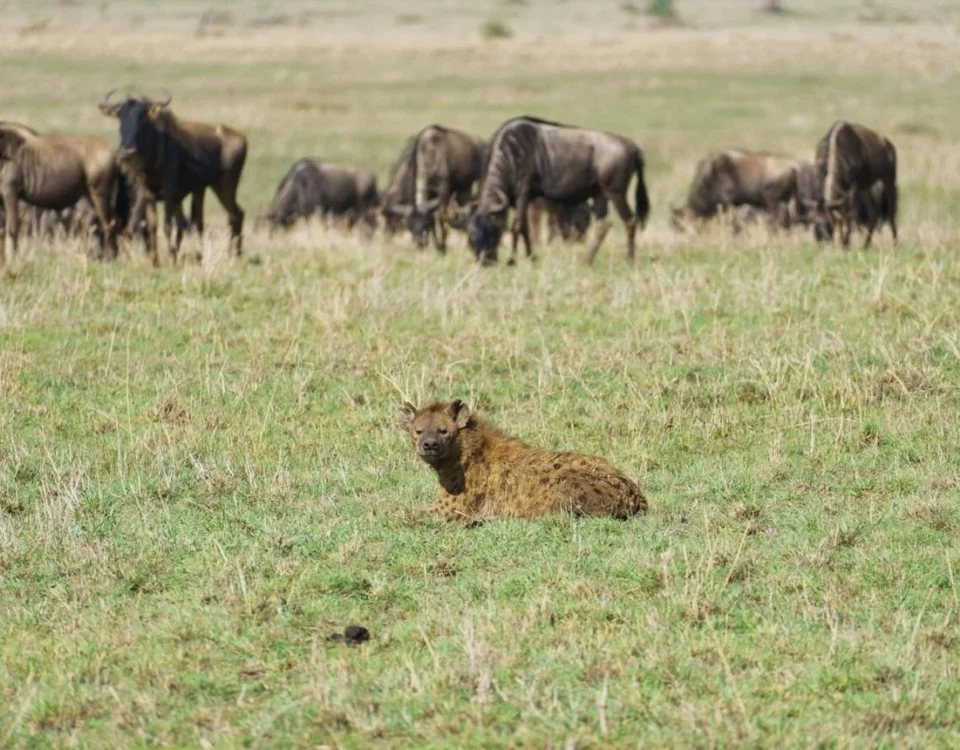
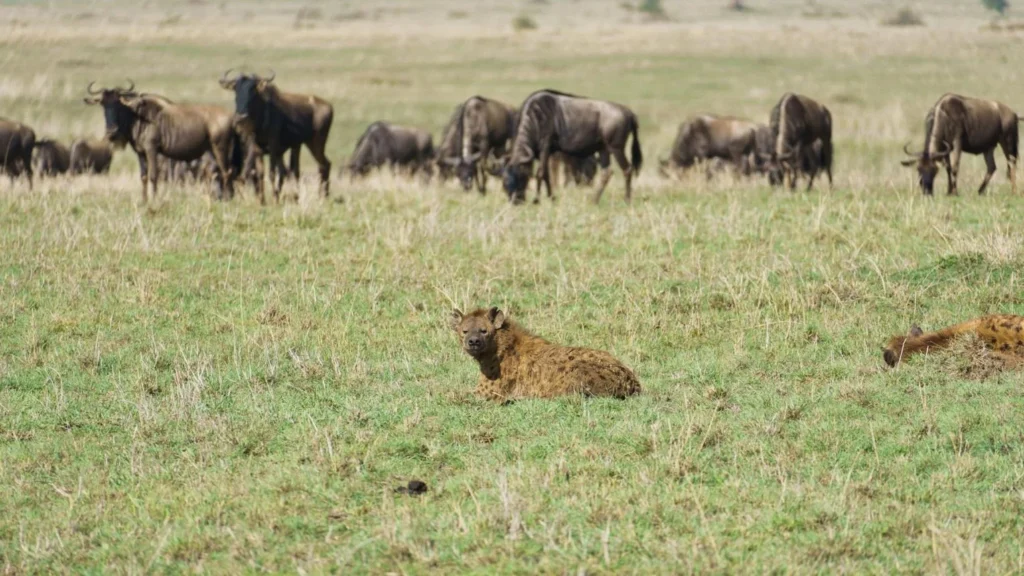
Furthermore, abundant herbivores create feeding opportunities for lions, cheetahs, hyenas, leopards, and other predators. This relationship connects vegetation directly with the wider ecosystem.
For travelers planning Tanzania safaris, understanding grass growth can transform the migration experience. Every herd movement reflects an ongoing ecological process.
At Terenga Africa Safaris, we connect travelers with Tanzania’s wildlife, landscapes, and communities. Our safari planning considers seasonal conditions and authentic experiences.
Therefore, The Importance of Grass Growth During the Migration Cycle deserves close attention from every serious wildlife enthusiast.
The Importance of Grass Growth During the Migration Cycle
Grass as the Foundation of the Migration
Grass forms the foundation of many grassland ecosystems across Tanzania. Wildebeest, zebras, gazelles, and other herbivores depend heavily on available vegetation.
Rainfall stimulates new grass growth across the plains. Fresh shoots often contain valuable nutrients that support growing herds.
As animals consume available grass, grazing pressure gradually increases. Herds then move toward areas offering better feeding opportunities.
This constant search creates the movement associated with the Great Migration. Therefore, The Importance of Grass Growth During the Migration Cycle extends beyond food alone.
Grass also influences where animals spend time, reproduce, and raise young. Changes in vegetation can affect entire wildlife communities.
The Serengeti provides an exceptional example of this ecological relationship. Vast grasslands support millions of herbivores across changing seasons.
Consequently, grass growth remains one of the key drivers behind the movement of wildlife throughout the ecosystem.

10-Day Tarangire, Serengeti to Ndutu Migration & Ngorongoro
Rainfall and Fresh Grass Growth
Nature’s Seasonal Connection
Rainfall provides the moisture needed for grasslands to regenerate. When seasonal rains arrive, dormant vegetation responds with renewed growth.
Different parts of the Serengeti receive rainfall at different times. This variation creates a shifting pattern of fresh grazing areas.
Wildebeest and zebras respond to these changing conditions. Their movements can therefore reflect recent rainfall and vegetation availability.
Good rainfall can also extend the period when grass remains nutritious. Herds may stay longer in areas offering sufficient food.
Conversely, declining grass quality can encourage animals to continue moving. This cycle helps distribute grazing pressure across extensive landscapes.
For Tanzania wildlife safaris, these natural patterns create different experiences throughout the year.
Travelers should understand that migration locations can change according to environmental conditions. Fixed dates cannot guarantee a specific herd location.
The Importance of Grass Growth During the Migration Cycle for Wildebeest
Supporting the World’s Great Herds
Wildebeest represent the most recognizable species within the Great Migration. Their large herds move across the Serengeti and Mara ecosystems.
These animals depend heavily on grasses for energy and nutrition. Fresh vegetation can provide valuable nutrients during demanding periods.
Pregnant females require sufficient food before giving birth. Lactating mothers also need adequate nutrition after calves arrive.
Therefore, The Importance of Grass Growth During the Migration Cycle becomes especially clear during reproduction.
Healthy grazing areas can support large concentrations of mothers and calves. These gatherings also create opportunities for predators.
Wildebeest movements can appear unpredictable from a traveler’s perspective. However, ecological conditions provide important explanations for these changes.
Experienced safari guides understand these relationships. They can help travelers interpret animal behavior and changing landscape conditions.
The Importance of Grass Growth During the Migration Cycle for Zebras
Complementary Grazing Patterns
Zebras play an important role in the migration ecosystem. Their feeding habits differ from those of wildebeest.
Zebras often consume taller and tougher grasses. Their grazing can open vegetation and create access to shorter grasses.
Wildebeest can then utilize different portions of the same grazing areas. This interaction demonstrates the complexity of grassland ecosystems.
Good rainfall supports vegetation that benefits both species. As grass quality changes, mixed herds can move toward new feeding areas.
Therefore, The Importance of Grass Growth During the Migration Cycle involves several interconnected herbivore species.
Zebras also contribute to predator activity across the ecosystem. Lions, hyenas, and other carnivores depend on abundant prey populations.
Travelers enjoying Tanzania wildlife tours can witness these ecological relationships during suitable seasonal periods.
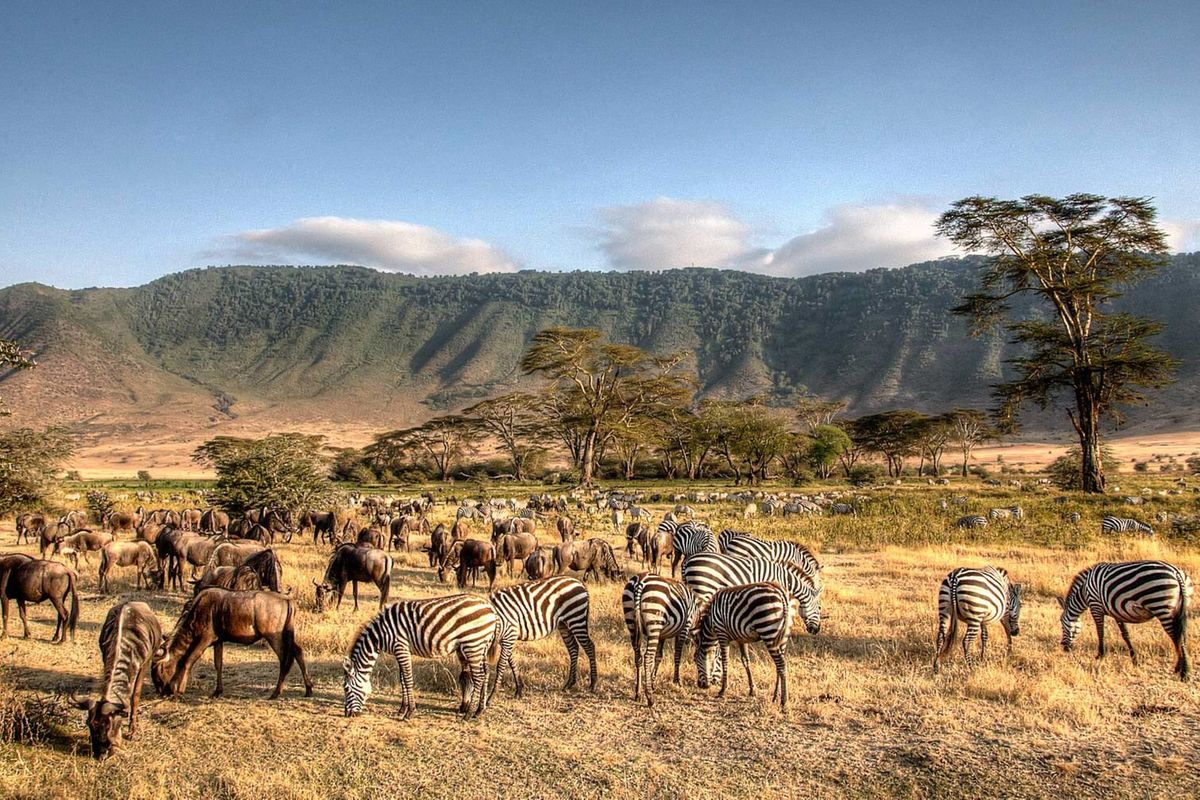
Great Migration
Grass Growth and the Calving Season
Fresh Grass for Mothers and Calves
The calving season represents a crucial stage within the migration cycle. Large numbers of wildebeest gather in areas with suitable grazing conditions.
Fresh grass provides important nutrition for pregnant females and lactating mothers. Newborn calves require strong maternal care during their early development.
Rainfall can stimulate vegetation growth across southern Serengeti plains. Consequently, favorable grazing conditions can support large breeding concentrations.
The Importance of Grass Growth During the Migration Cycle becomes particularly visible during this period.
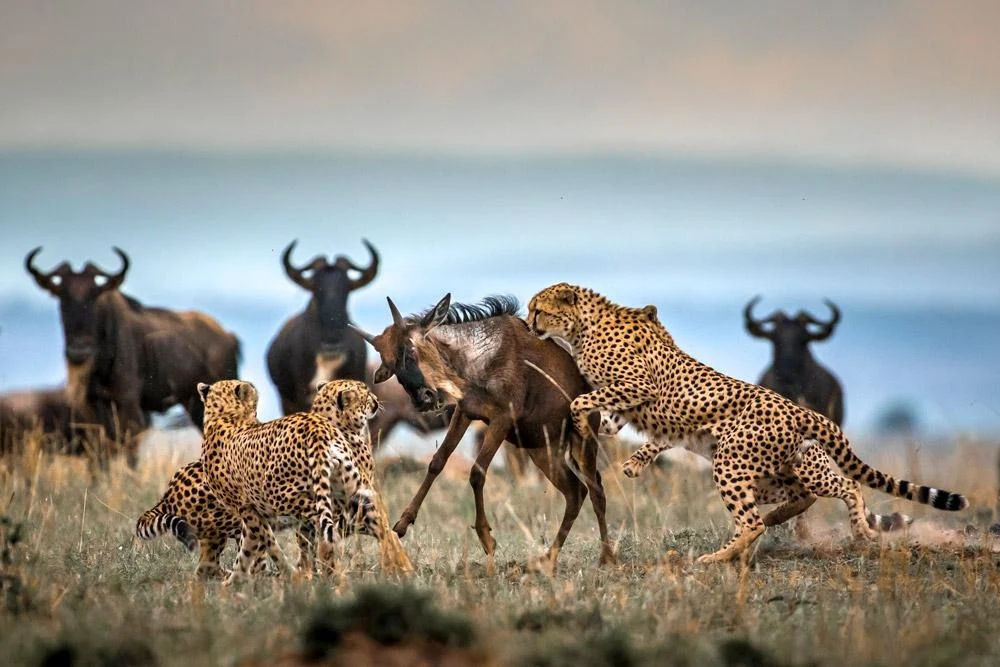
Calving also attracts predators. Lions, cheetahs, hyenas, and other carnivores exploit the abundance of vulnerable young animals.
This creates intense ecological interactions across the plains. Every predator and prey encounter forms part of the wider food web.
Travelers should observe these events respectfully and maintain appropriate distances from wildlife.
Grass Quality and Wildlife Movement
Why Animals Keep Moving
Wildlife does not move randomly across the Serengeti. Food quality, water availability, weather, and seasonal conditions influence movement.
Fresh grass provides stronger nutritional value than mature, heavily grazed vegetation. Large herds therefore seek areas with productive grazing.
As thousands of animals feed together, available grass gradually decreases. Herds must eventually search for new grazing grounds.
This natural process spreads grazing pressure across different parts of the ecosystem. It also allows vegetation to recover after intensive use.
Consequently, The Importance of Grass Growth During the Migration Cycle includes maintaining ecological balance.
Wildlife movement also creates opportunities for different species to share habitats. Grazers, predators, scavengers, birds, and insects interact within the same landscape.
A Tanzania safari becomes more rewarding when travelers understand these relationships.
Grasslands and the Predator Food Chain
From Grass to Predators
Grass sits at the beginning of a complex food chain. Herbivores consume vegetation and convert its energy into animal biomass.
Predators then depend on these herbivores for food. Lions, cheetahs, hyenas, and other carnivores follow areas with substantial prey.
Therefore, The Importance of Grass Growth During the Migration Cycle reaches far beyond grazing animals.
Good grass growth can support larger herbivore concentrations. These concentrations create more opportunities for predators to hunt.
Scavengers also benefit from carcasses left after successful hunts. Vultures and other scavenging species contribute to ecosystem processes.
This relationship demonstrates why vegetation remains central to wildlife conservation.
For travelers planning Tanzania safaris, migration viewing offers an opportunity to observe this food chain in action.
The Importance of Grass Growth During the Migration Cycle in the Serengeti
A Landscape Driven by Seasons
The Serengeti contains diverse grassland habitats. Short-grass plains, longer grass areas, woodlands, and river systems create different ecological conditions.
Rainfall affects these habitats differently. Some areas develop fresh grazing earlier, while others remain productive later.
Herds respond to these differences throughout the migration cycle. Their movements help distribute grazing pressure across the ecosystem.
Seasonal changes also affect water availability. Temporary pools can appear after rainfall and disappear during extended dry periods.
Together, grass and water create important movement corridors. Animals use these resources while traveling between different parts of the ecosystem.
The Importance of Grass Growth During the Migration Cycle therefore connects closely with the Serengeti’s seasonal geography.
Cultural Experiences Around Your Safari Lodge
Connecting Wildlife With Tanzanian Communities
A migration safari can include meaningful cultural experiences beyond wildlife viewing. Communities around Tanzania’s protected areas offer opportunities to explore local traditions.
Travelers can enjoy village visits, traditional cooking experiences, craft demonstrations, and community walks.
Food provides an especially engaging cultural connection. Guests can explore dishes prepared with grains, vegetables, beans, rice, and locally sourced ingredients.
Craft activities may include beadwork, basketry, carving, and other traditional skills. Purchasing appropriate local products can support community livelihoods.
Some lodges also arrange cultural evenings featuring music and dance. These activities can provide a respectful introduction to local heritage.
Travelers should choose experiences that prioritize community participation and fair economic benefits.
This approach strengthens the connection between Tanzania wildlife safaris and responsible tourism.
Cultural Experiences Around Your Safari Lodge
Making Accommodation Part of the Journey
Your safari lodge can become an important part of the overall Tanzania experience. Accommodation near wildlife areas often provides access to local activities.
Guests may enjoy guided nature walks around lodge surroundings. These walks can reveal birds, plants, insects, and smaller wildlife.
Some lodges arrange community visits and cultural demonstrations. Others offer locally inspired meals and traditional cooking experiences.
Around Serengeti communities, travelers can explore local crafts and agricultural practices. These experiences provide context for life beyond protected areas.
Lodge-based cultural programs can also create opportunities for traditional music and dance. Visitors should always respect community customs during these activities.
Therefore, choosing suitable accommodation can strengthen your understanding of The Importance of Grass Growth During the Migration Cycle.
Grass Growth and Responsible Safari Tourism
Protecting the Migration Ecosystem
Healthy grasslands require responsible tourism practices. Travelers should follow park regulations and remain on designated routes.
Excessive off-road driving can damage vegetation and increase pressure on fragile habitats. Responsible guides help minimize these impacts.
Visitors should also avoid disturbing wildlife during feeding and breeding periods. Maintaining appropriate distances protects natural animal behavior.
Supporting conservation initiatives can strengthen long-term protection. Community tourism can also create economic incentives for protecting wildlife habitats.
At Terenga Africa Safaris, we encourage responsible travel throughout Tanzania. Our approach considers wildlife welfare, environmental protection, and community participation.
Understanding The Importance of Grass Growth During the Migration Cycle encourages travelers to appreciate the entire ecosystem.
The Importance of Grass Growth During the Migration Cycle for Photographers
Capturing a Changing Landscape
Seasonal grass growth can transform the visual character of the Serengeti. Fresh green plains create striking backgrounds for wildlife photography.
Large herds can stand against open grasslands and dramatic skies. New vegetation can also highlight the contrast between animals and landscapes.
Photographers should remain patient and follow ethical wildlife viewing practices. Avoiding sudden movements helps reduce unnecessary disturbance.
Early morning and late afternoon often provide attractive natural light. However, changing weather can create equally dramatic photographic opportunities.
Wide landscape images can demonstrate the scale of the migration. Detailed wildlife images can capture feeding behavior and social interactions.
Therefore, The Importance of Grass Growth During the Migration Cycle extends into visual storytelling.
Best Time to Experience Grass Growth and Migration
Understanding Seasonal Patterns
Migration experiences vary according to rainfall and vegetation conditions. Travelers should therefore plan around ecological patterns rather than rigid dates.
Southern Serengeti often provides important calving experiences during periods with suitable grazing. Later movements can take herds toward central and western areas.
The northern Serengeti connects with the Mara ecosystem. Herds may move toward northern grazing areas and river systems during later stages.
Rainfall remains unpredictable, so conditions can vary between years. Flexible itineraries can help travelers respond to changing wildlife movements.
For Tanzania wildlife safaris, local knowledge remains valuable when selecting locations and travel dates.
Sample Tanzania Migration Safari Itinerary
Day 1: Arrival in Arusha
Arrive in Arusha and transfer to your selected hotel.
Day 2: Tarangire National Park
Enjoy a full-day game drive across Tarangire’s wildlife-rich landscapes.
Day 3: Ngorongoro Conservation Area
Explore scenic highlands before descending into the Ngorongoro Crater.
Day 4: Southern Serengeti
Travel toward the southern Serengeti and explore areas with fresh grazing.
Day 5: Migration Experience
Enjoy a full-day game drive focused on current herd movements.
Day 6: Serengeti Wildlife Exploration
Explore different grazing areas and observe predators and herbivores.
Day 7: Serengeti Safari
Continue exploring the Serengeti according to current wildlife conditions.
Day 8: Departure
Transfer toward Arusha or continue with your selected Tanzania itinerary.
Safari Inclusions
- Accommodation
- Breakfast
- Lunch
- Dinner
- Professional safari guide
- Private safari vehicle
- Fuel
- Park entrance fees
- Game drives
- Migration viewing
- Cultural experiences
- Airport transfers
- Drinking water
- Government taxes
Safari Exclusions
- International flights
- Tanzania visa
- Travel insurance
- Personal expenses
- Alcoholic beverages
- Laundry
- Tips
- Souvenirs
- Optional activities
- Personal medical expenses
Why Choose Terenga Africa Safaris?
Professional Tanzania Safari Planning
Terenga Africa Safaris creates customized journeys across Tanzania and East Africa. Our itineraries combine wildlife, landscapes, culture, adventure, and relaxation.
We understand that every traveler has different interests and expectations. Therefore, we consider travel dates, wildlife objectives, accommodation preferences, and available time.
Our services include Tanzania safaris, migration experiences, wildlife tours, cultural journeys, and adventure activities.
Travelers can combine Serengeti migration experiences with Ngorongoro, Tarangire, Lake Manyara, and other destinations.
Our safari planning emphasizes practical information and responsible travel. We aim to create experiences that remain meaningful long after your journey ends.
The Importance of Grass Growth During the Migration Cycle
The Importance of Grass Growth During the Migration Cycle reaches into every part of the Serengeti ecosystem.
Grass supports wildebeest, zebras, gazelles, and other herbivores. These animals then support predators and scavengers across the landscape.
Rainfall encourages fresh vegetation and influences grazing conditions. Wildlife responds through continuous movement across the Serengeti-Mara ecosystem.
Understanding these relationships makes a Tanzania wildlife tour more informative and rewarding.
Travelers can observe migration as a living ecological process rather than a single annual event.
Furthermore, Tanzania adventure safaris can combine migration viewing with cultural experiences, photography, nature walks, and conservation activities.
The experience becomes even richer when travelers understand the landscapes beneath the herds.
Ultimately, The Importance of Grass Growth During the Migration Cycle demonstrates how every part of an ecosystem remains connected.
At Terenga Africa Safaris, we help travelers discover these connections through carefully planned Tanzania safari experiences.
Best Trending Tanzania Safari Holidays for 2027/2028
- 12-Day Tanzania Wildlife Safari
- 10-Day Tanzania Wildlife Safari & Zanzibar
- 10-Day Best Tanzania Honeymoon Luxury Safari and Zanzibar Beach Getaway
- 9-Day Ultimate Tanzania Wildlife Safari
- 9-Day Tanzania Adventure Safari
- 8-Day Tanzania Mid-Range Safari
- 8-Day Tanzania Northern Circuit Safari
- 7-Day Tanzania Wildlife Safari
- 7-Day Tanzania Wildlife Wonders Experience Tour
- 6-Day Majestic Tanzania Wildlife Luxury Safari
- 5-Day Kenya Wildlife Budget Safari
- 13-Day Tanzania Wildlife Tour & Zanzibar Beach Holiday
- 12-Day Tanzania Wildlife Safari Itinerary
- 11-Day Tanzania & Zanzibar Safari Adventure
- 11 Days Magical Kenya and Tanzania Safari
- 4-Day Tanzania Safari Extension Itinerary
- 5-Day Tanzania Safari Extension
- 9-Day Tanzania Wildlife Safari Adventure
- 7 Days Tanzania Safari Holiday
- 8 Days Tanzania Safari Holiday Itinerary