How the Great Migration Begins Each Year?
August 24, 2026
How Wildebeest Know When It Is Time to Move?
August 25, 2026
Why the Great Migration Never Follows an Exact Calendar?
Why the Great Migration Never Follows an Exact Calendar? This question matters when planning a Tanzania safari around migrating wildebeest. The Great Migration follows nature’s conditions rather than fixed human dates. Rainfall, grass growth, water availability, temperature, predators, and reproduction influence animal movements.
More than one million wildebeest form the migration’s main population. Large numbers of zebra and gazelles travel alongside them. Their journey covers the Serengeti ecosystem and can extend into Kenya’s Maasai Mara.
The animals do not move as one perfectly synchronized herd. Different groups respond to local conditions across enormous distances. Consequently, one section of the migration can move while another group remains behind.
This natural variation explains Why the Great Migration Never Follows an Exact Calendar? A seasonal guide can indicate likely patterns. However, no responsible safari operator can guarantee a precise herd location.
At Terenga Africa Safaris and Travels Ltd, we build Tanzania safaris around realistic seasonal expectations. We consider wildlife behavior, accommodation location, recent conditions, and traveler interests.
Understanding Why the Great Migration Never Follows an Exact Calendar? helps travelers plan better. It also creates a more authentic understanding of Tanzania wildlife safaris.
What Drives the Great Migration?
Nature Controls the Movement
The Great Migration responds to changing environmental conditions. Rainfall represents one of the strongest influences on the annual cycle.
When rain arrives, fresh grass grows across previously dry landscapes. Wildebeest naturally move toward these productive grazing areas.
Water also plays a major role. Large herds require reliable drinking sources during long journeys.
Reproduction creates another important influence. Pregnant females need nutritious grazing grounds before calving. Newborn calves also require suitable feeding conditions.
Therefore, Why the Great Migration Never Follows an Exact Calendar? begins with several interconnected factors.
These factors rarely change at identical times across the entire ecosystem. Rain can fall in one region while another remains dry.
Consequently, herd movements can differ from one year to another.

Predators in Serengeti
Rainfall and the Migration Cycle
The Most Important Natural Trigger
Rainfall influences vegetation across the Serengeti. Short rains can transform dry plains into productive grazing areas.
The timing and intensity of rainfall vary annually. Some seasons receive early rains, while others experience delayed precipitation.
These differences affect grass growth and water availability. Wildebeest respond naturally to those changes.
Therefore, Why the Great Migration Never Follows an Exact Calendar? has a strong connection with weather.
A calendar can estimate seasonal patterns. It cannot predict every rainfall event with complete accuracy.
Travelers should understand this distinction before booking a migration safari.
Professional operators can monitor seasonal conditions and adjust expectations accordingly.
Grass Growth and Herd Movement
Following Nutritious Grazing
Fresh grass provides essential nutrition for wildebeest. The animals consume enormous quantities of vegetation during their journey.
Southern Serengeti offers important short-grass plains during the calving period. Rainfall encourages nutritious grass growth across these areas.
As grazing conditions change, herds begin moving toward new feeding grounds.
This process helps explain Why the Great Migration Never Follows an Exact Calendar?
Grass does not grow according to a fixed schedule. Rainfall determines its growth and distribution.
Consequently, wildebeest respond to environmental changes rather than predetermined dates.
The same principle applies to zebra and gazelles traveling alongside the herds.
Water Availability and Migration
Searching for Reliable Water
Water becomes increasingly important as the dry season progresses. Seasonal water sources can disappear during prolonged dry periods.
Large herds then seek permanent rivers and waterholes.
The Grumeti and Mara rivers become important during certain stages of the annual journey.
However, river locations alone do not determine migration timing. Herds need suitable grazing before and after crossing.
Therefore, Why the Great Migration Never Follows an Exact Calendar? also involves water availability.
A river can remain in the same location while herd timing changes.
This distinction makes migration prediction more complex than following a simple map.
The Calving Season and Timing
New Life Shapes the Journey
Calving represents one of the most important stages of the migration.
Large numbers of wildebeest give birth during the wet season. Southern Serengeti and surrounding areas often support these concentrations.
Fresh grass provides essential nutrition for mothers and young calves.
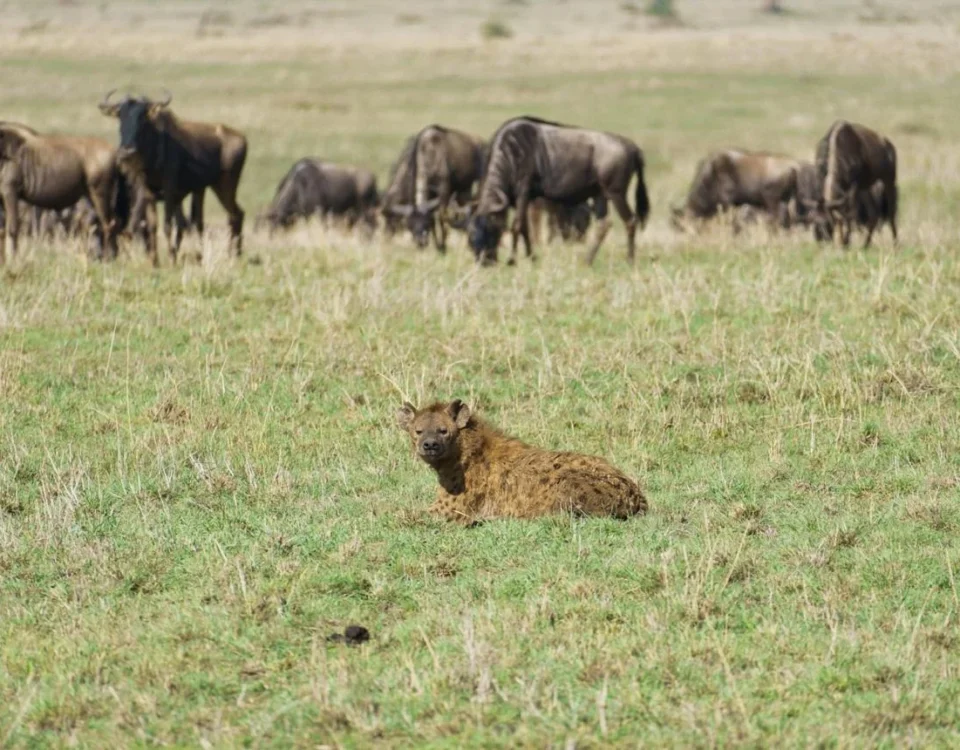
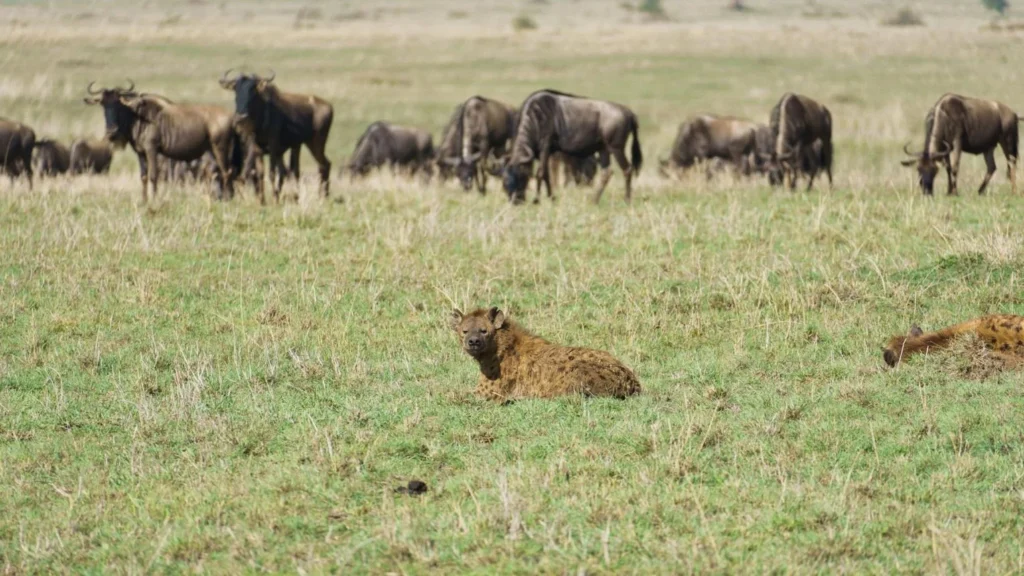
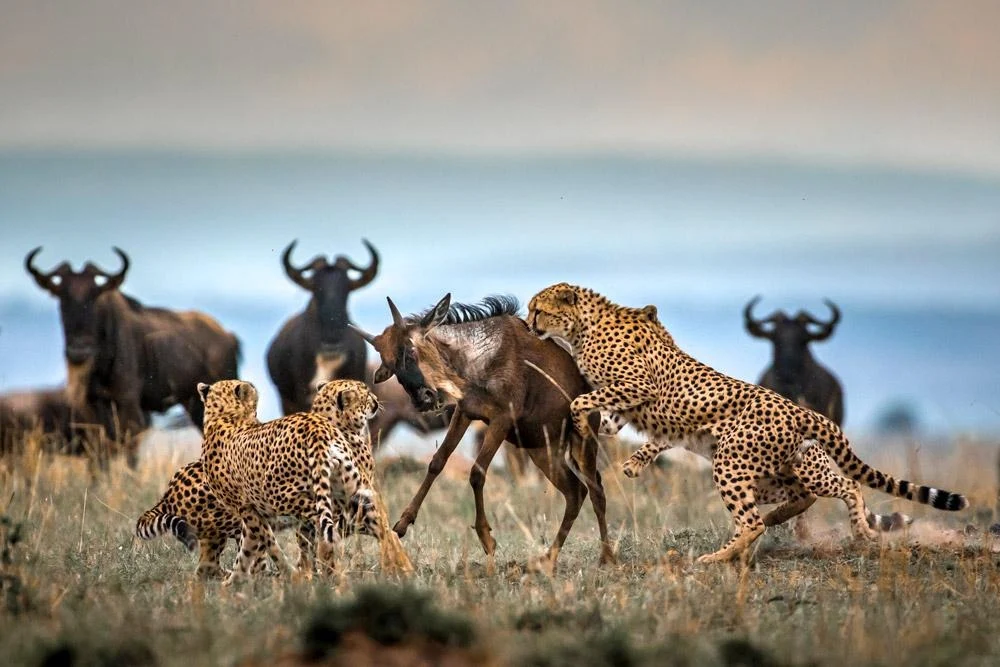
Predators also gather around calving areas. Lions, cheetahs, hyenas, and other predators search for vulnerable young animals.
Calving timing can change according to environmental conditions.
Therefore, Why the Great Migration Never Follows an Exact Calendar? also relates to reproduction.
Pregnancy and birth respond to ecological conditions rather than tourism schedules.
Travelers should therefore treat calving dates as seasonal windows.
Why the Herds Do Not Move Together
Millions of Animals, Many Groups
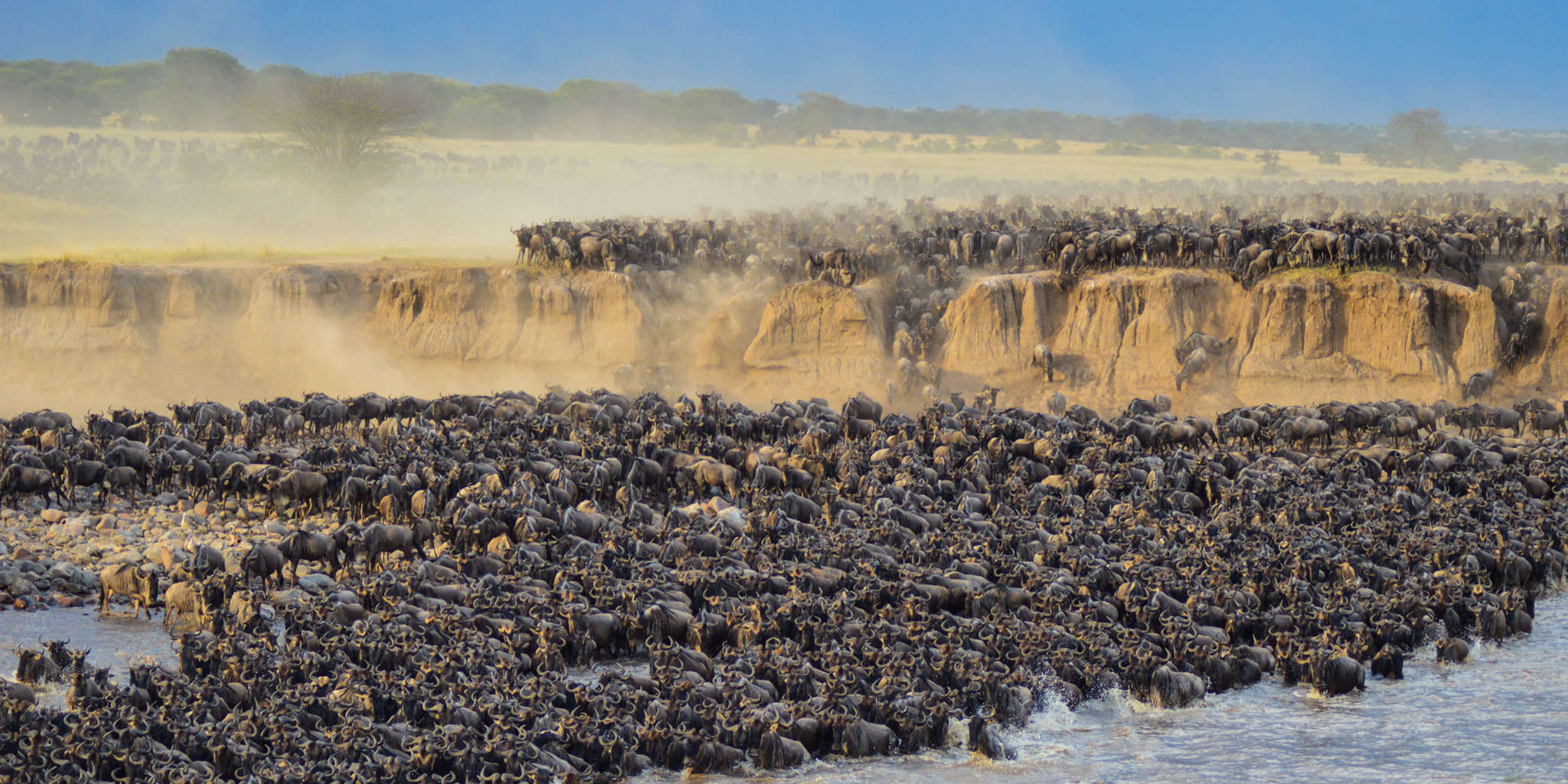
The Great Migration does not involve one single moving mass.
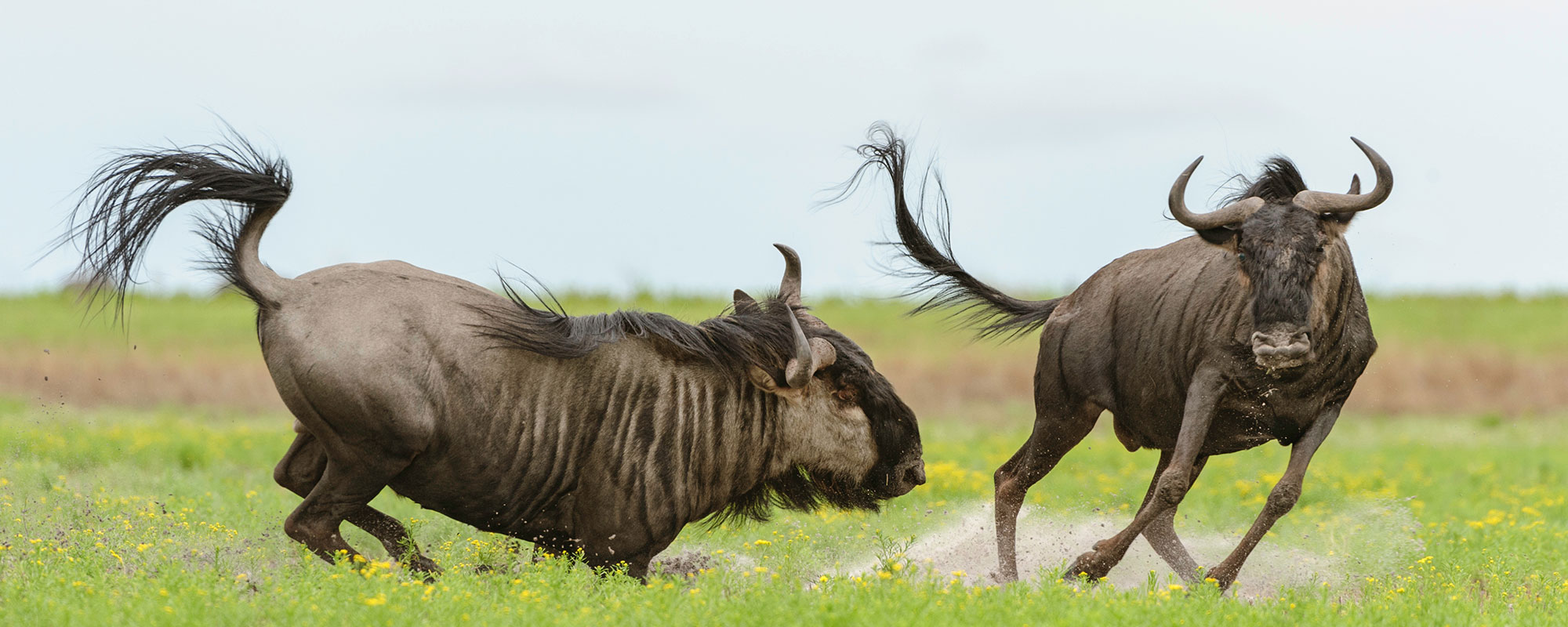
Wildebeest form numerous groups across the wider ecosystem. Some groups move ahead while others remain in productive grazing areas.
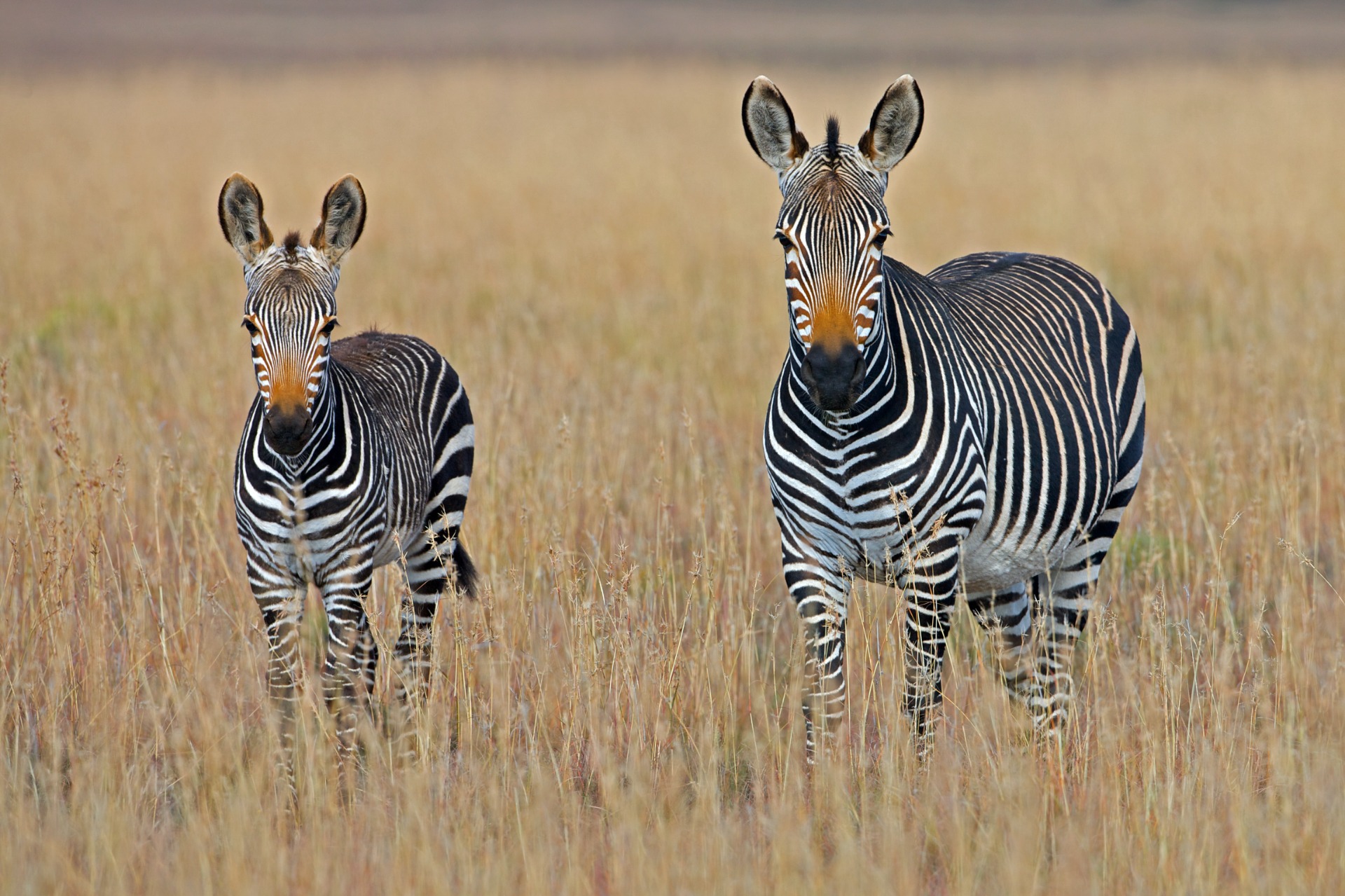
Zebra and gazelles also follow different movement patterns.
Local rainfall can create favorable conditions in one area. Another region may offer better grazing several weeks later.
Consequently, animals spread across enormous distances.
This behavior provides another answer to Why the Great Migration Never Follows an Exact Calendar?
A single calendar cannot accurately represent millions of animals responding to different environmental conditions.
The Role of Predators
Following the Prey
Predators influence animal behavior but do not control the migration.
Lions often follow large concentrations of wildebeest and zebra. Cheetahs prefer areas that provide suitable hunting conditions.
Hyenas can travel considerable distances while following prey concentrations.
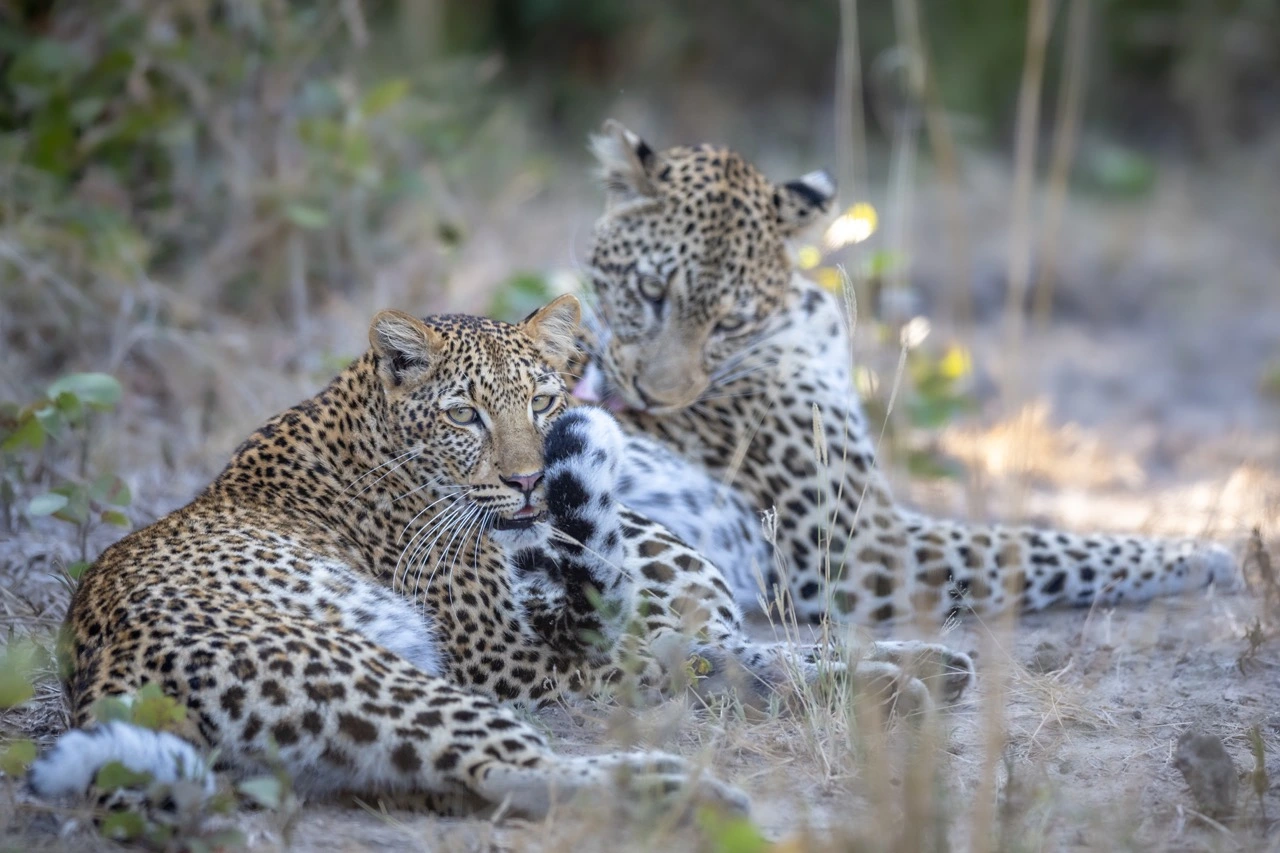
Leopards generally remain more closely associated with suitable woodland habitats.
Predator pressure can influence herd movement at local levels.
However, rainfall and food availability remain stronger drivers of the overall migration cycle.
This relationship makes Tanzania wildlife safaris particularly rewarding.
Travelers can observe predator-prey interactions while following the wider migration.
The Western Corridor
Moving Toward the Grumeti Region
After the calving period, many herds gradually move toward central and western Serengeti.
The Western Corridor provides important grazing areas during this stage.
The Grumeti River represents a significant geographical feature.
Some herds may gather around the river before crossing. Others may continue through surrounding areas.
River crossings can create dramatic wildlife scenes. Yet the timing remains unpredictable.
Therefore, Why the Great Migration Never Follows an Exact Calendar? becomes especially clear around the Grumeti region.
Travelers should never expect every herd to cross on a specific date.
The Northern Serengeti and Mara River
A Seasonal Wildlife Spectacle
Northern Serengeti becomes particularly important during the dry season.
Many herds move toward remaining grazing areas and permanent water sources.
Some groups reach the Mara River before crossing toward Kenya.
River crossings remain among the most famous Great Migration experiences.
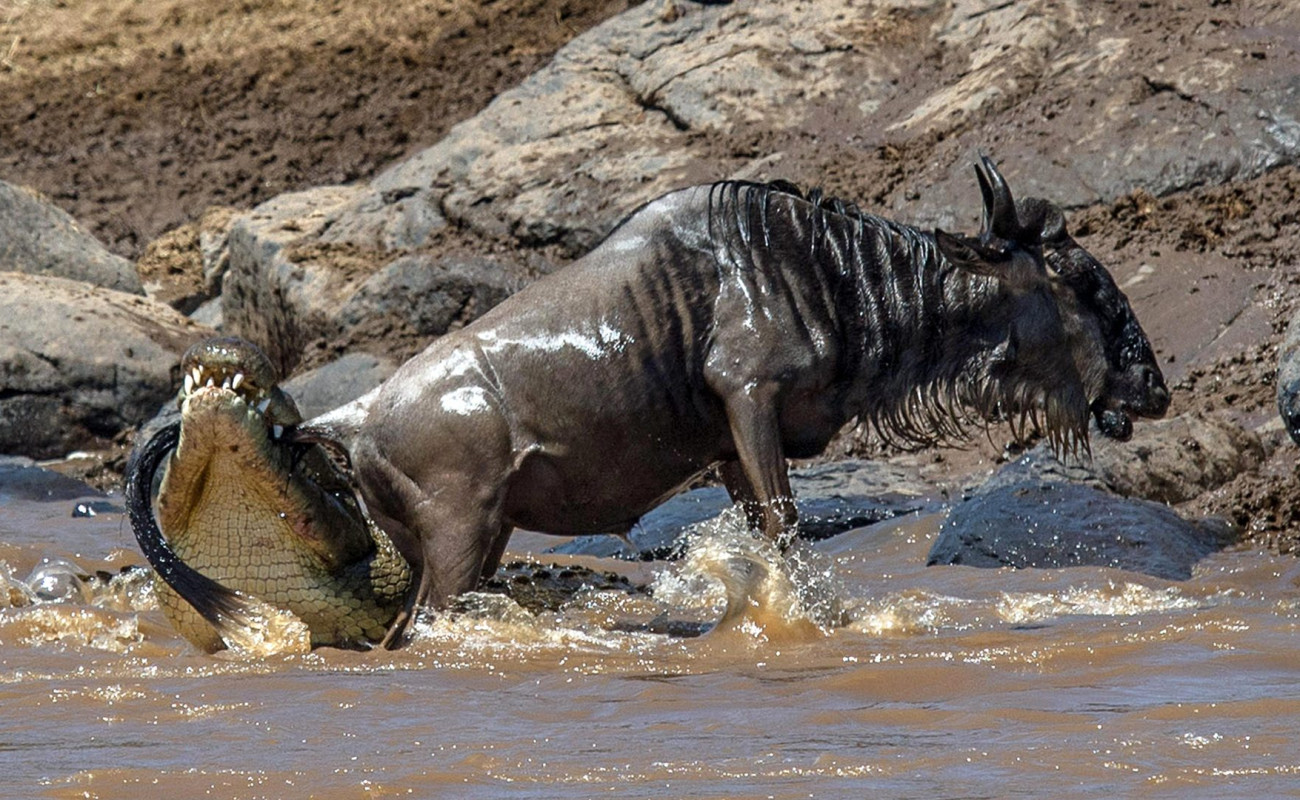
However, animals may gather at the river and wait for hours. They can also retreat or change direction.
Water levels, weather, predators, herd pressure, and animal behavior influence crossing decisions.
Consequently, Why the Great Migration Never Follows an Exact Calendar? has a clear answer.
Nature controls the moment.
Great Migration
Why River Crossings Cannot Be Guaranteed
Understanding Natural Behavior
River crossings involve genuine wildlife behavior rather than scheduled performances.
Wildebeest may reach a river and remain on the bank. Some groups may cross while others turn away.
Strong currents and crocodiles create genuine risks.
Animals respond instinctively to these conditions.
Therefore, responsible safari operators should never promise a specific crossing.
Travelers should instead appreciate the wider northern Serengeti experience.
Game drives can produce excellent wildlife encounters even without a river crossing.
Lions, elephants, leopards, buffaloes, giraffes, and many antelope species remain active.
This approach creates realistic expectations for Tanzania safaris.
Weather Changes Every Year
No Two Migration Seasons Are Identical
Weather patterns can vary considerably between years.
Rainfall intensity, timing, and distribution can change grass growth across the Serengeti.
One year may produce early rains. Another year may delay important vegetation growth.
These changes influence where animals find the best grazing.
Therefore, Why the Great Migration Never Follows an Exact Calendar? becomes easier to understand.
The environment changes every year.
A migration calendar provides useful guidance. It should never function as an absolute timetable.
Professional safari planning requires flexibility and recent destination knowledge.
Climate and Long-Term Migration Patterns
A Changing Natural Environment
Climate patterns can influence rainfall and vegetation over longer periods.
The Serengeti ecosystem responds continuously to environmental conditions.
Long-term changes can influence the timing and intensity of seasonal rains.
These changes can affect animal movement patterns.
Travelers should therefore avoid relying entirely on historical migration dates.
Current conditions matter more than old assumptions.
This approach supports responsible Tanzania wildlife tours.
It also helps travelers understand why experienced safari planning remains valuable.
Choosing the Best Time for a Migration Safari
Match Your Goals With the Season
The best migration period depends on your preferred experience.
January through March often suits travelers interested in calving and predator activity.
April and May can provide greener landscapes and northward movements.
June may offer opportunities around the Western Corridor.
July through October often attracts travelers interested in northern Serengeti and potential river crossings.
November and December can bring greener conditions and southward movements.
These periods provide useful planning windows rather than guarantees.
Therefore, travelers should select dates according to broader seasonal objectives.
Choosing the Right Safari Lodge
Location Can Improve Your Chances
Lodge location matters greatly during a migration safari.
Serengeti covers an enormous geographical area.
A southern lodge can suit travelers targeting calving areas. Central accommodation can provide access to resident wildlife and migration routes.
Western lodges can support Grumeti-focused itineraries. Northern properties can improve access to Mara River areas.
Mobile camps can also provide seasonal proximity to migrating herds.
At Terenga Africa Safaris and Travels Ltd, we match accommodation with travel objectives.
This approach reduces unnecessary driving and increases productive safari time.
Great Migration
Cultural Experiences Around Serengeti Lodges
Maasai Community Visits
Tanzania safaris can combine wildlife with meaningful cultural experiences.
Maasai communities live across parts of northern Tanzania. Visitors can experience traditional lifestyles through responsible community programs.
Activities may include traditional dances, storytelling, beadwork, and demonstrations.
Travelers can also learn about pastoral traditions and livestock keeping.
Such experiences create a deeper understanding of the Serengeti region.
Photography should always follow local consent.
Visitors should also respect community customs and private spaces.
Cultural experiences therefore add another dimension to Tanzania adventure safaris.
Traditional Food Experiences
Discovering Local Flavors
Food provides a simple way to connect with Tanzanian culture.
Some community programs provide opportunities to experience traditional meals and cooking methods.
Travelers can learn about local ingredients and agricultural practices.
Traditional dishes can include grains, vegetables, beans, meat, and locally prepared sauces.
Food experiences can complement a wildlife-focused itinerary.
A shared meal can create meaningful conversations and cultural connections.
Therefore, cultural dining adds value to a Tanzania wildlife tour.
Traditional Crafts and Beadwork
Supporting Local Communities
Traditional crafts provide another meaningful cultural experience.
Maasai beadwork represents an important form of artistic expression.
Visitors can purchase authentic crafts directly through responsible community programs.
These purchases can provide economic opportunities for local artisans.
Travelers should prioritize authentic handmade products.
Supporting local enterprises can strengthen the connection between tourism and community livelihoods.
Therefore, cultural shopping can become part of responsible Tanzania safaris.
Cultural Heritage Around Ngorongoro
Extending the Safari
Travelers can combine Serengeti with the Ngorongoro Conservation Area.
The region provides wildlife, landscapes, archaeology, and living cultural heritage.
Maasai communities continue maintaining pastoral traditions around the conservation area.
Olduvai Gorge also adds an important archaeological dimension.
This combination creates a more comprehensive northern Tanzania itinerary.
Travelers can therefore experience wildlife and cultural heritage within one journey.
Such extensions work particularly well for longer Tanzania adventure safaris.
Why Migration Uncertainty Creates Better Safaris
Embracing the Unexpected
Migration uncertainty can actually improve the safari experience.
Wildlife encounters become genuine because animals behave naturally.
A herd changing direction can create an unexpected discovery.
A predator appearing beside the vehicle can transform an ordinary game drive.
A river gathering can become fascinating even without a crossing.
Therefore, travelers should embrace uncertainty rather than fear it.
The best safari memories often come from unexpected moments.
This mindset creates a deeper connection with nature.
Beyond Wildebeest: Serengeti Wildlife
Year-Round Wildlife Viewing
The Serengeti offers exceptional wildlife beyond migrating wildebeest.
Lions remain among the park’s most recognizable predators.
Leopards inhabit woodland and riverine areas. Cheetahs thrive across open grasslands.
Elephants move through several habitats. Buffaloes gather around productive grazing areas and water.
Giraffes, hippos, zebras, gazelles, hyenas, warthogs, and numerous birds add further diversity.
Consequently, Tanzania wildlife safaris remain rewarding throughout the year.
A migration safari should therefore include time for resident wildlife.
This approach reduces dependence on one specific migration event.
Great Migration
Responsible Great Migration Tourism
Protecting the Serengeti
Responsible tourism supports the future of the Great Migration.
Drivers should follow park regulations and maintain safe wildlife distances.
Visitors should avoid shouting, feeding animals, or encouraging unnatural behavior.
Safari vehicles should also minimize environmental damage.
Travelers can contribute by choosing responsible operators and supporting conservation-focused tourism.
Community tourism provides additional benefits.
When communities gain from tourism, conservation can become more economically valuable.
Therefore, responsible Tanzania safaris can support wildlife and people simultaneously.
Planning a Tanzania Wildlife Safari
Create a Flexible Itinerary
A successful Tanzania wildlife tour should allow flexibility.
Longer itineraries provide more opportunities to experience different regions.
Serengeti can combine naturally with Ngorongoro and Tarangire.
Travelers can also include Lake Manyara or other northern Tanzania destinations.
Photographers may require additional days in preferred wildlife areas.
Families can choose shorter drives and comfortable lodges.
Couples can select private camps and personalized experiences.
Adventure travelers can add walking and cultural activities where available.
This flexible approach creates stronger Tanzania adventure safaris.
Safari Inclusions
- Airport transfers
- Private safari vehicle
- Professional safari guide
- Accommodation
- Meals
- Drinking water
- Park entrance fees
- Game drives
- Migration tracking
- Cultural experiences
- Community visits
- Government taxes
- Emergency support
Safari Exclusions
- International flights
- Tanzania visa
- Travel insurance
- Personal expenses
- Alcoholic beverages
- Laundry services
- Tips
- Souvenirs
- Optional activities
- Additional accommodation
- Personal medical expenses
- Travel upgrades
Why Choose Terenga Africa Safaris and Travels Ltd?
Experience and Professional Planning
Terenga Africa Safaris and Travels Ltd creates personalized African safari experiences.
Our approach combines destination knowledge, seasonal planning, accommodation selection, and responsible tourism.
We understand that migration movement cannot receive an exact guarantee.
Therefore, we provide realistic seasonal guidance.
Some travelers prioritize calving. Others prefer river crossings, photography, luxury, or cultural experiences.
Our itineraries reflect these different interests.
We also consider travel distances and lodge locations.
This approach helps travelers spend more time experiencing wildlife.
Trust begins with honest information.
Our goal involves creating memorable Tanzania safaris without unrealistic promises.
Great Migration
Final Thoughts: Why the Great Migration Never Follows an Exact Calendar?
Why the Great Migration Never Follows an Exact Calendar? The answer lies in nature.
Rainfall changes from year to year. Grass growth responds to rainfall. Water availability changes across the ecosystem.
Reproduction also influences seasonal movements. Predators create additional ecological pressures.
Different herds respond to different local conditions. Therefore, millions of animals cannot follow one precise timetable.
The Great Migration remains a living ecological process.
Calving begins another generation. Grazing movements follow changing vegetation.
The herds eventually reach western and northern regions. Some groups approach the Mara River.
Later, seasonal rainfall guides animals toward southern grazing areas again.
Therefore, Why the Great Migration Never Follows an Exact Calendar? Nature simply does not operate according to human schedules.
Travelers should embrace this reality.
A Tanzania safari becomes more rewarding when visitors understand natural uncertainty.
The Serengeti offers exceptional wildlife beyond the migration. Lions, elephants, leopards, buffaloes, cheetahs, giraffes, and many other species remain important attractions.
Cultural experiences can also deepen the journey. Maasai communities, traditional crafts, food, storytelling, and heritage sites provide meaningful connections.
For travelers planning Tanzania wildlife safaris, seasonal knowledge remains essential.
For adventure seekers, Tanzania adventure safaris can combine Serengeti with Ngorongoro, Tarangire, and cultural destinations.
Ultimately, Why the Great Migration Never Follows an Exact Calendar? is a lesson in nature’s independence.
The migration moves when conditions demand movement.
It stops when the environment provides enough food and water.
It changes direction when nature creates new opportunities.
That unpredictability makes the Great Migration one of Africa’s most extraordinary natural experiences.
Why the Great Migration Never Follows an Exact Calendar? Because the animals follow nature, not dates.