
The Best Time to See Wildebeest Calving in Serengeti
October 19, 2026
Why February Is a Predator Paradise in the Serengeti?
October 20, 2026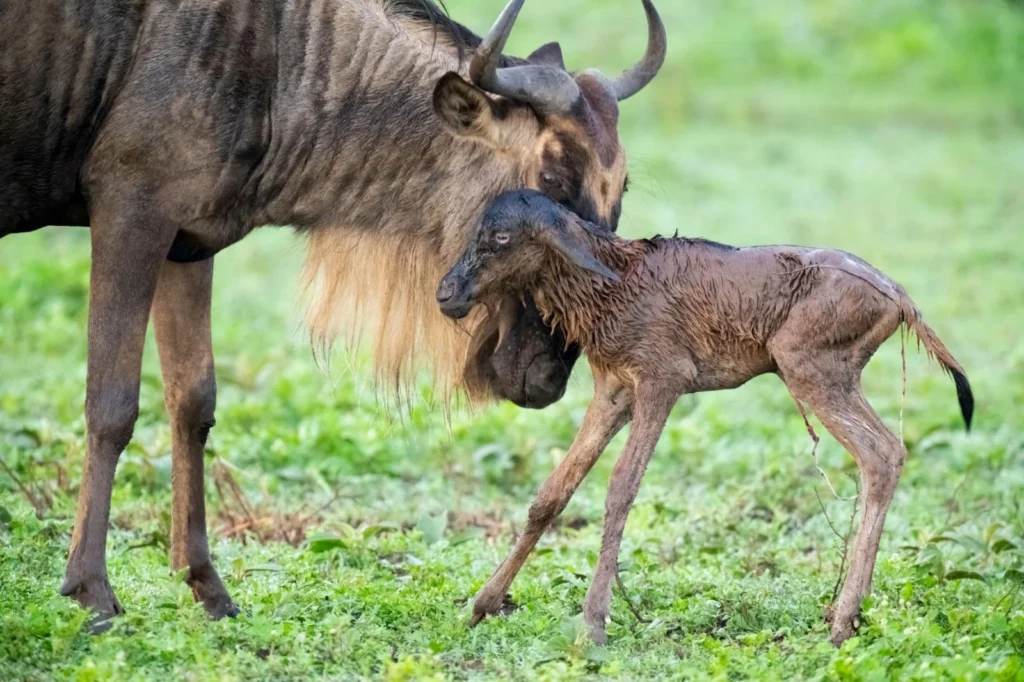
How Many Wildebeest Calves Are Born During Calving Season?
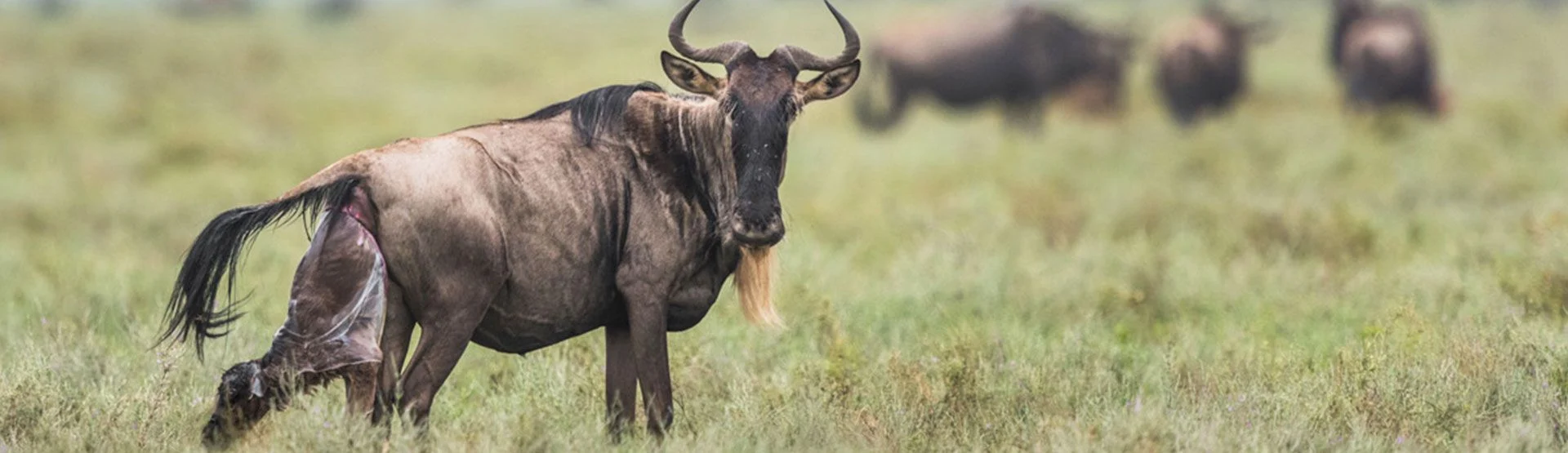
How Many Wildebeest Calves Are Born During Calving Season? This question introduces one of the most extraordinary wildlife spectacles in Africa. Every year, the southern plains of Tanzania’s Serengeti ecosystem become a vast natural nursery. Hundreds of thousands of wildebeest gather across the grasslands to give birth, creating an unforgettable display of wildlife, survival, and natural beauty. Estimates commonly place the number of newborn calves at around 250,000 to 500,000 during the annual calving period, depending on the source and counting method. At the height of the season, approximately 8,000 to 12,000 calves may be born in a single day. These remarkable figures make the Great Wildebeest Migration one of the most fascinating natural events for wildlife enthusiasts, photographers, researchers, and safari travellers. The Tanzania National Parks authority has also documented the extraordinary concentration of births during a short period on the southern plains.
For travellers planning Tanzania Safaris, witnessing this event offers much more than an opportunity to see newborn animals. Visitors can observe enormous herds, protective mothers, hunting predators, and the remarkable instincts that help young wildebeest survive. Furthermore, the experience reveals how rainfall, grassland conditions, migration patterns, and predator behaviour influence life across the Serengeti ecosystem. February usually provides excellent opportunities to witness concentrated calving activity, although births begin earlier and continue into March. The Ndutu plains and surrounding southern Serengeti provide some of the most rewarding locations for this seasonal adventure. Through carefully planned Tanzania Tours, visitors can explore these landscapes with experienced guides who understand wildlife movements and responsible viewing practices. Terenga Africa Safaris & Travel Ltd helps travellers discover the natural wonders of Tanzania through thoughtfully organised safari experiences, practical destination advice, and a strong appreciation for Africa’s wildlife heritage.
What Makes the Wildebeest Calving Season So Extraordinary?
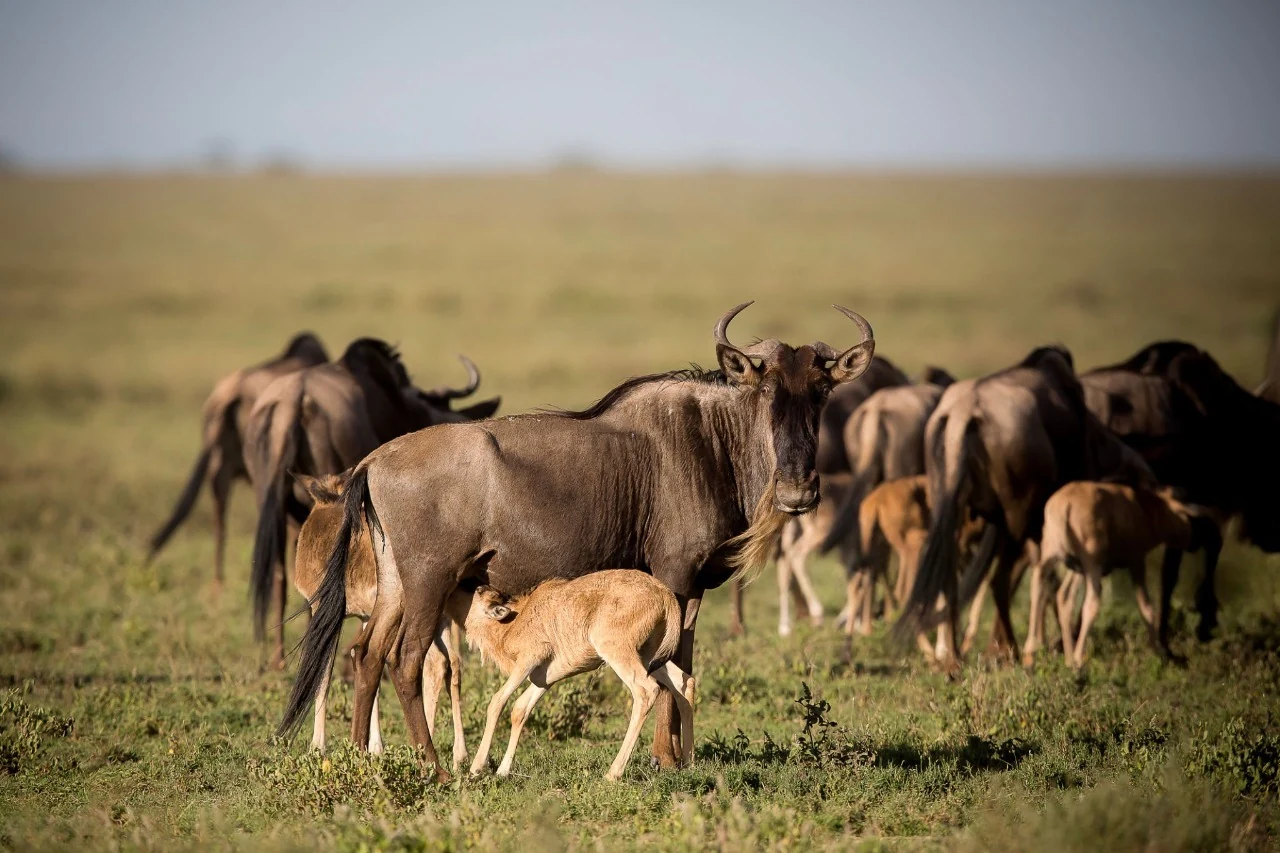
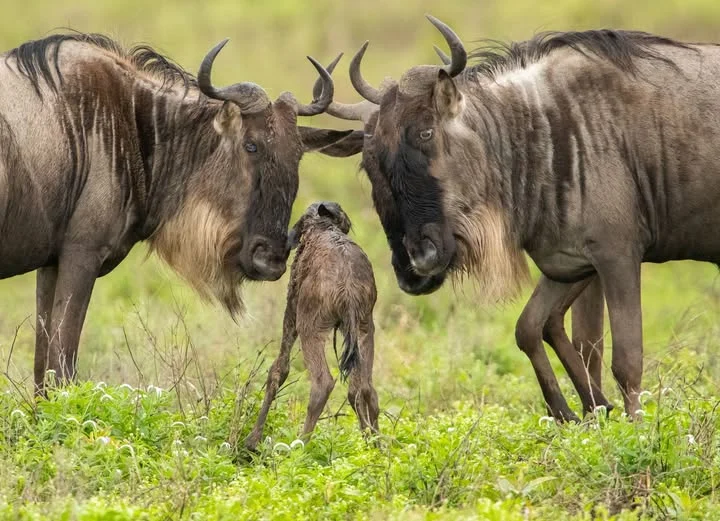
The wildebeest calving season stands out because an enormous number of births occur within a relatively short period. Rather than spreading deliveries evenly throughout the year, many female wildebeest give birth during the same seasonal window. This synchronised timing creates an extraordinary concentration of newborns across the southern Serengeti plains. The phenomenon also forms an essential stage of the Great Wildebeest Migration, an annual movement involving immense herds of wildebeest, zebras, and other grazing animals across Tanzania and Kenya. Seasonal rainfall encourages fresh grass growth, attracting migrating herds to feeding grounds that support pregnant females and nursing mothers. Consequently, the southern plains become a crucial habitat for reproduction and early calf development. Visitors undertaking Tanzania Adventures during this period may encounter herds extending across the horizon, with newborn calves learning to stand and follow their mothers. Such encounters offer valuable insight into the relationships between wildlife, vegetation, climate, and survival.
Where Does Wildebeest Calving Take Place in Tanzania?
The southern Serengeti plains and the Ndutu region are among the most important destinations for witnessing wildebeest calving. These areas form part of the wider Serengeti ecosystem, which extends across northern Tanzania and into southwestern Kenya. During the calving period, the herds concentrate around open grasslands where seasonal rainfall produces nutritious grazing. The landscape includes expansive plains, scattered acacia woodlands, rocky outcrops, seasonal water sources, and shallow lakes. Such varied habitats support numerous species beyond wildebeest, making the region rewarding for general wildlife observation. Depending on the season, visitors may also encounter zebras, Thomson’s gazelles, giraffes, elephants, buffaloes, and a rich variety of birdlife. Predators frequently patrol the grasslands because the abundance of grazing animals attracts hunting opportunities. These natural conditions create excellent possibilities for observing the interconnected relationships between herbivores and carnivores.
 What Are the Expectations During a Wildebeest Calving Safari?
A wildebeest calving safari combines wildlife observation, scenic exploration, photography, and educational experiences. During How Many Wildebeest Calves Are Born During Calving Season? research becomes a practical adventure, visitors can appreciate the answer by observing the herds across their natural habitat. Early morning game drives often provide excellent opportunities to watch animals while temperatures remain relatively cool. As the day progresses, guides may search different sections of the plains for newborn calves, grazing herds, resting lions, or hunting cheetahs. Afternoon excursions offer further opportunities to explore the ecosystem and photograph its changing landscapes. However, wildlife sightings depend on natural behaviour, weather conditions, and the daily movements of the animals. Patience is therefore essential, particularly when searching for predators or observing births. A responsible guide will explain what is happening without disturbing the animals or encouraging unsafe approaches.
When Is the Best Time to Witness Wildebeest Calving?
January, February, and March generally provide the main opportunities to witness wildebeest calving in Tanzania. Herds often begin gathering on the southern plains during December, while the concentration of births usually increases in January and peaks around February. March can still offer excellent wildlife viewing, although the distribution of herds and the frequency of births may change. Because rainfall influences the movement of migrating animals, the timing varies between years. Therefore, travellers should treat seasonal calendars as useful planning guides rather than fixed guarantees. February is often an excellent choice for visitors hoping to observe numerous newborn calves and active predators within the same landscape. However, late January and early March may also deliver rewarding encounters, depending on prevailing conditions.
Weather, accommodation availability, and individual travel preferences should also influence departure dates. The green season can bring lush vegetation, attractive photographic conditions, and occasional rainfall that changes the appearance of the plains. Visitors should expect warm daytime temperatures, cooler mornings, and possible showers. Roads may become muddy in some locations, so suitable vehicles and flexible itineraries are important. Booking accommodation early is advisable for travellers targeting February, when demand for well-positioned camps can increase. A safari lasting three or four days in the southern Serengeti and Ndutu area provides more opportunities to locate the herds than a single game-drive day. Travellers with additional time can combine calving season with the Ngorongoro Crater, Tarangire National Park, or other suitable northern Tanzania destinations. Such combinations create richer Tanzania Adventures by bringing together different landscapes, wildlife populations, and safari activities. For the best experience, consult a knowledgeable operator before confirming dates and accommodation.
Why Choose Terenga Africa Safaris & Travel Ltd for This Safari?
Choosing the right safari operator can make a substantial difference to the quality, comfort, and educational value of your journey. Terenga Africa Safaris & Travel Ltd approaches Tanzania Safaris with attention to itinerary planning, destination knowledge, guest expectations, and responsible wildlife viewing. Every traveller has different priorities, whether they want exceptional photography, family-friendly wildlife experiences, a private safari, or a comfortable adventure across Tanzania’s national parks. Understanding these priorities helps shape an itinerary that balances game drives, travel time, accommodation, and opportunities to explore the wilderness. For the wildebeest calving season, careful planning is particularly important because wildlife concentrations change and the best viewing areas depend on current conditions. Our aim is to help guests make informed decisions about travel dates, accommodation locations, transport arrangements, and safari duration. By explaining practical considerations before departure, we help travellers approach their journey with realistic expectations and greater confidence.
What Should You Pack for a Wildebeest Calving Safari?
Packing appropriately helps you remain comfortable during early departures, extended game drives, and changing weather conditions. Lightweight clothing in neutral colours, such as khaki, brown, olive, and beige, works well for most safari activities. A warm fleece or jacket is useful during chilly mornings, while a waterproof jacket protects against seasonal showers. Comfortable walking shoes are practical around camps and designated walking areas, although most wildlife viewing takes place inside a safari vehicle. A wide-brimmed hat, sunglasses, sunscreen, and insect repellent can improve comfort during outdoor activities. Travellers should also carry any personal medication, basic toiletries, and a reusable water bottle where permitted. Binoculars are particularly useful for spotting distant wildlife across the open plains, while a camera with a suitable zoom lens helps capture animal behaviour without approaching too closely.
Photography enthusiasts may wish to bring spare batteries, additional memory cards, and protective equipment for dust or rain. A small day bag can keep essential items organised during excursions. Personal identification, travel insurance information, relevant entry documents, and copies of important bookings should remain accessible throughout the journey. International visitors should also confirm current visa requirements, vaccination guidance, and other entry regulations through the appropriate official authorities before travelling. When choosing clothing, consider comfort and practicality rather than buying an entirely new wardrobe for the safari. Most importantly, pack according to your itinerary, the expected weather, and the luggage restrictions of your transport arrangements. Your safari operator can provide destination-specific recommendations before departure. Preparing thoughtfully allows you to focus on the experience itself: watching the herds move across the plains, observing newborn calves, and appreciating the extraordinary wildlife of Tanzania.
Conclusion: Experience the Wonder of Wildebeest Calving in Tanzania
How Many Wildebeest Calves Are Born During Calving Season? The answer is commonly estimated at approximately 250,000 to 500,000 calves across the annual calving period, with some of the busiest days recording thousands of births. These figures illustrate the remarkable scale of the event, although estimates vary and actual numbers are not identical every year. Beyond the statistics, the calving season reveals an extraordinary story of reproduction, survival, migration, and ecological balance. The southern Serengeti and Ndutu plains provide some of the best opportunities to witness this natural spectacle, particularly from January through March. February often offers the strongest concentration of births, while surrounding months can also provide excellent wildlife encounters.
For travellers seeking meaningful Tanzania Adventures, this seasonal experience combines extraordinary wildlife, beautiful landscapes, and valuable insights into the natural world. Thoughtful planning, knowledgeable guiding, suitable accommodation, and responsible viewing practices all contribute to a rewarding safari. Terenga Africa Safaris & Travel Ltd invites wildlife enthusiasts, couples, families, photographers, and international explorers to discover Tanzania’s remarkable wilderness. Plan your next journey around the Great Wildebeest Migration and experience one of nature’s most fascinating events in its natural setting. Visit www.terengasafaris.com to explore safari options and begin planning your Tanzanian wildlife adventure.
Frequently Asked Questions About Wildebeest Calving Season
How many wildebeest calves are born during calving season?
Estimates vary, but commonly cited figures range from approximately 250,000 to 500,000 calves during the annual calving period. The exact number depends on the population estimate, observation period, and counting method. At peak activity, thousands of calves can be born within a single day.
Where can I see wildebeest calving in Tanzania?
The southern Serengeti plains and the Ndutu region are among the leading destinations. These areas provide seasonal grazing that attracts large herds and supports the birth of young wildebeest.
Which month is best for a wildebeest calving safari?
February is often considered the best month for concentrated calving activity. January and March can also offer excellent opportunities, depending on rainfall and herd movements.
Can I see lions and cheetahs during calving season?
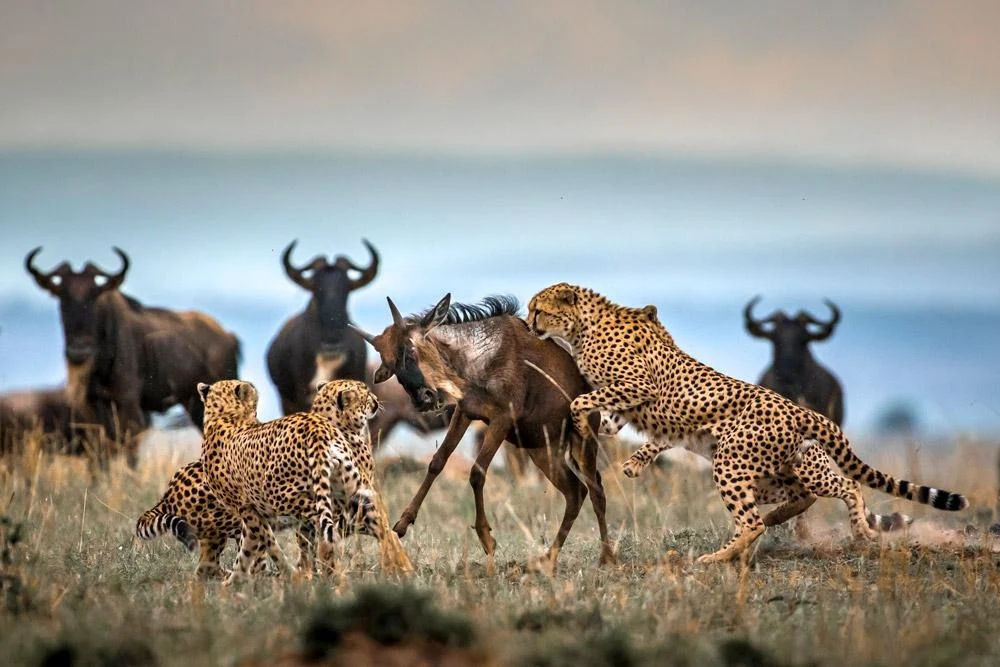
Yes. Lions, cheetahs, spotted hyenas, and other predators inhabit the region. The abundance of newborn wildebeest can attract predators, although specific sightings and hunting events cannot be guaranteed.
How many days should I spend on a calving safari?
Three to four days in the southern Serengeti and Ndutu region can provide a useful starting point. Additional time allows greater flexibility when searching for herds and exploring nearby wildlife areas.
Is wildebeest calving suitable for families?
Yes, many families can enjoy this experience when the itinerary matches their children’s ages, comfort needs, and interests. Parents should prepare children for early departures, extended game drives, and the realities of predator-prey interactions.
What makes Tanzania’s calving season different from the river crossings?
Calving season focuses on newborn animals, maternal behaviour, and concentrated predator activity across the southern plains. River-crossing safaris focus on migrating herds attempting to cross rivers, particularly in the northern Serengeti and Kenya’s Maasai Mara. Both experiences are extraordinary, but they occur in different parts of the migration cycle.
How can I book a wildebeest calving safari?
Contact Terenga Africa Safaris & Travel Ltd through www.terengasafaris.com to discuss your preferred dates, budget, accommodation style, and safari interests. Advance planning is recommended for travellers targeting February and other popular wildlife-viewing periods.
 Best Selling Combined East Africa Safari Holidays