Ndutu Versus Southern Serengeti During Calving Season
October 27, 2026
Wildlife Photography During the Wildebeest Calving Season
October 28, 2026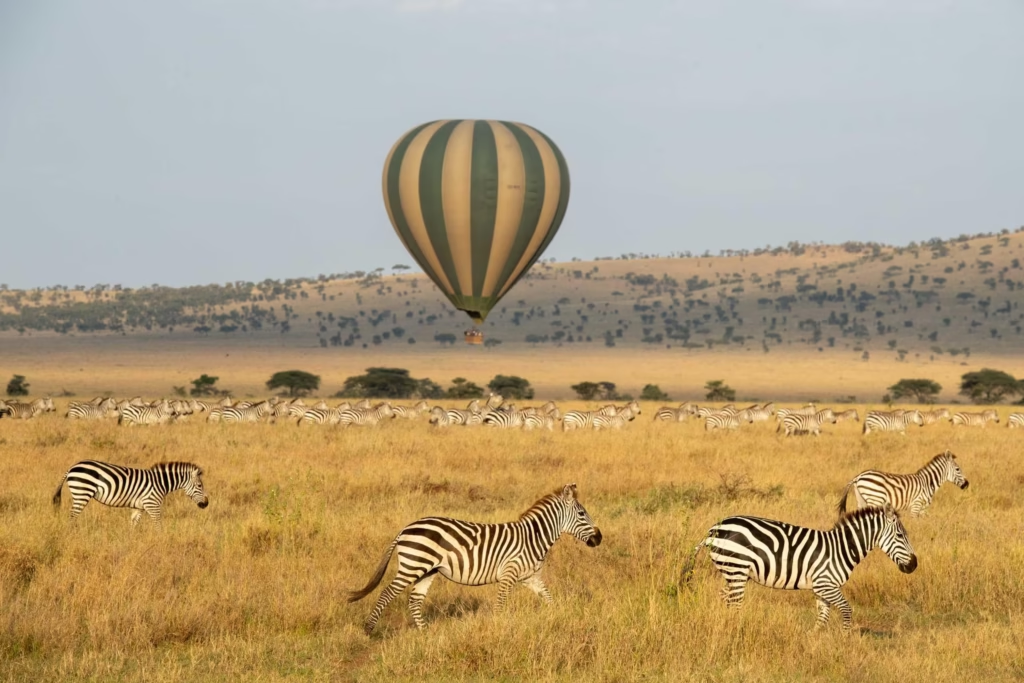
A Complete Guide to the February Great Migration Safari in Tanzania
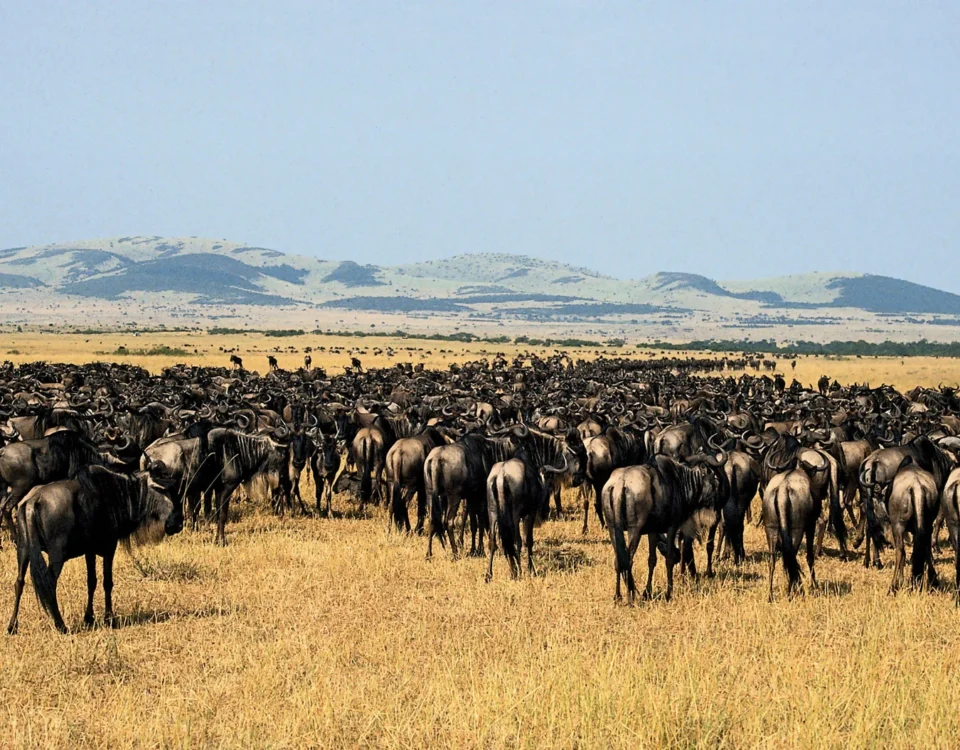
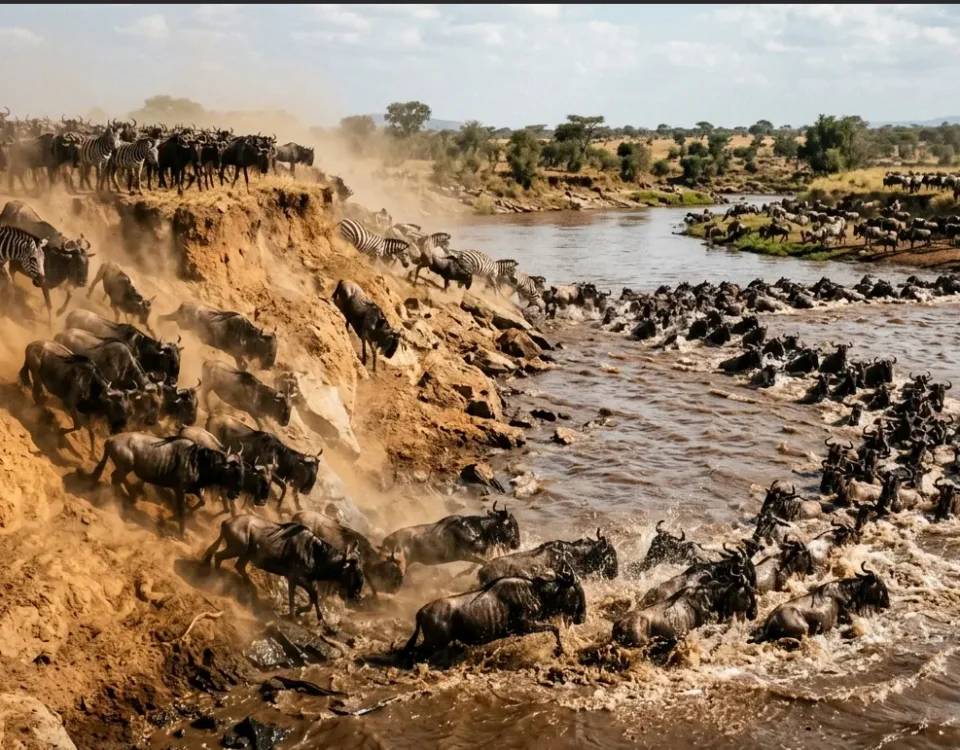
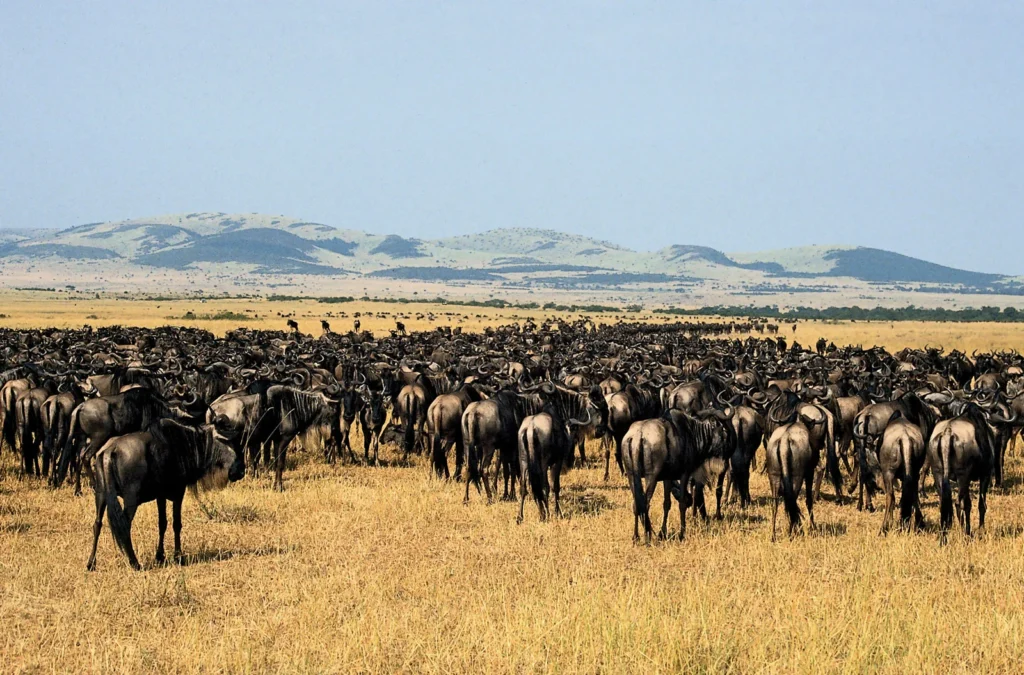
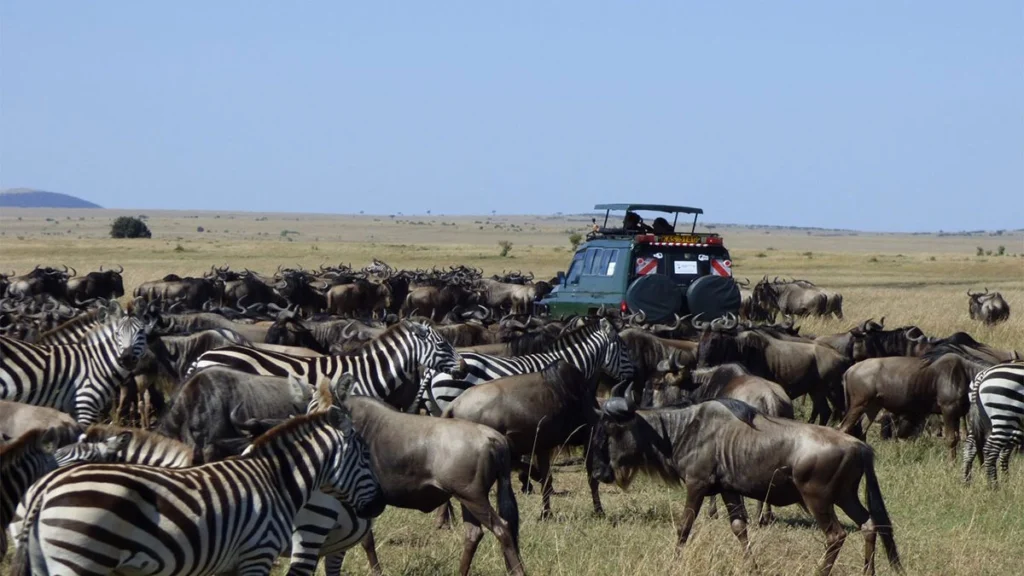
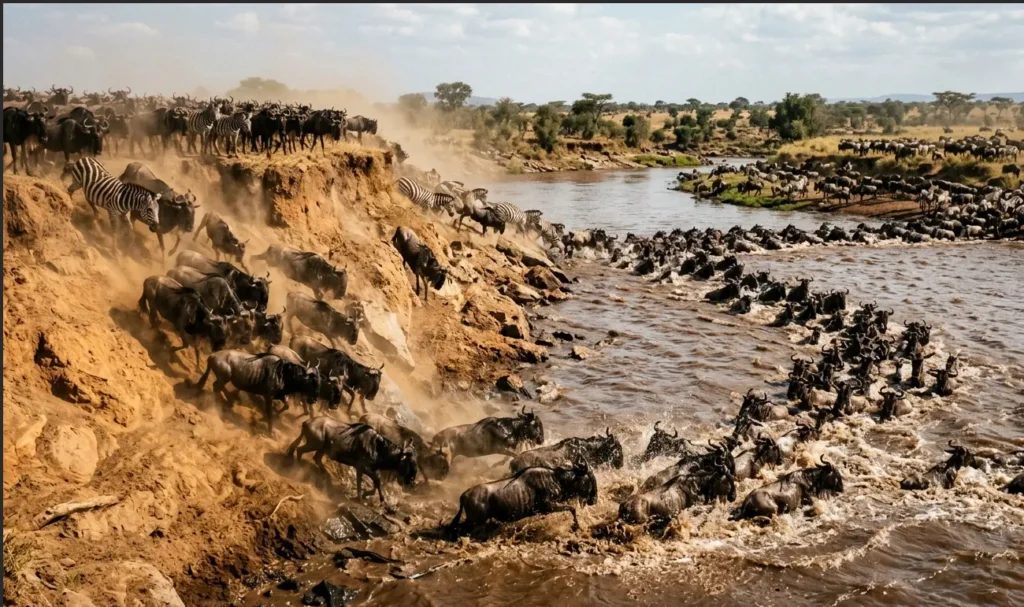
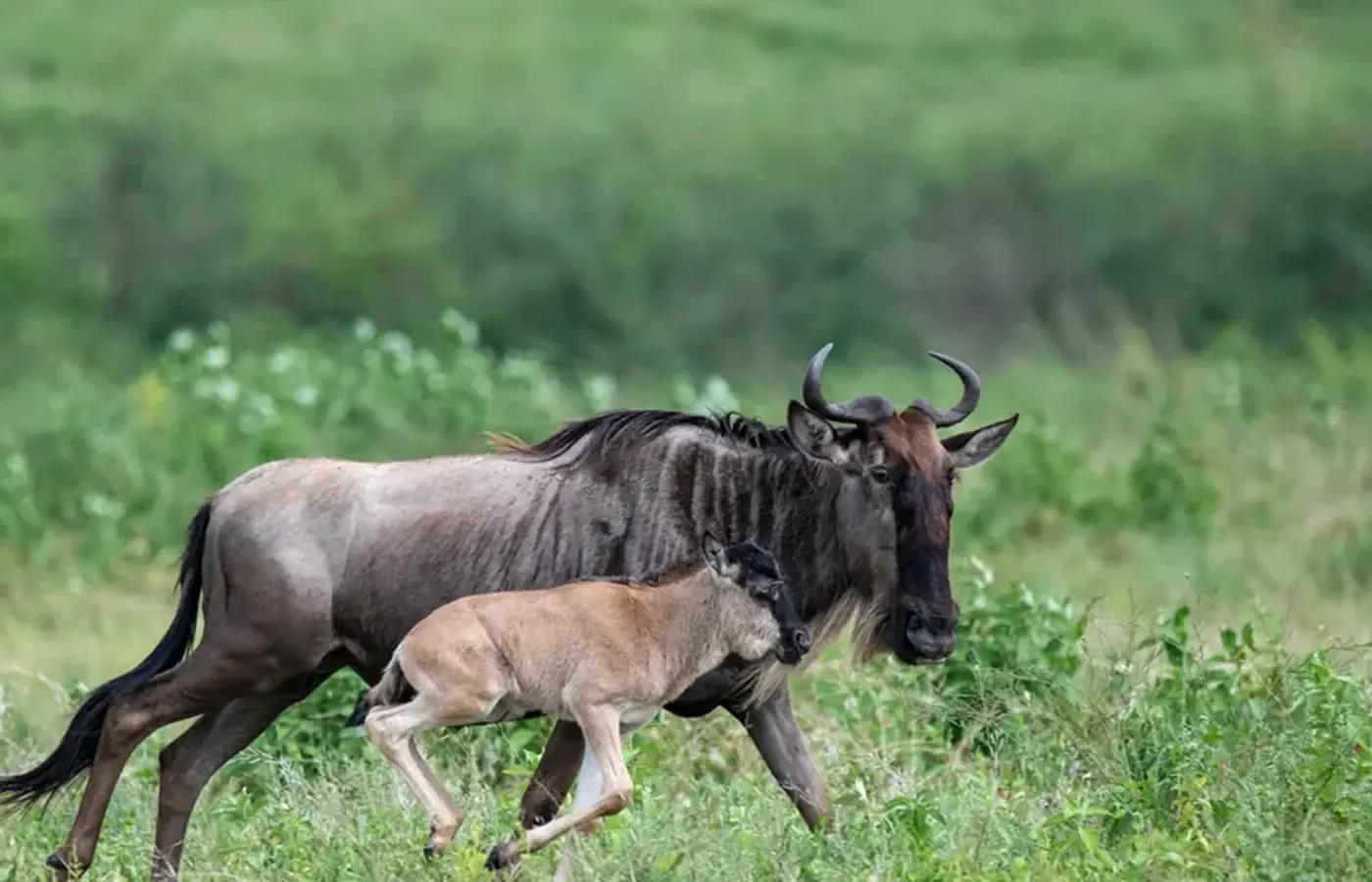
A Complete Guide to the February Great Migration Safari helps travellers understand why February is one of the most exciting periods to explore Tanzania’s Serengeti ecosystem. During this time, vast herds of wildebeest gather across the southern plains, where seasonal rainfall encourages fresh grass growth and provides suitable conditions for breeding. Thousands of calves may be born within a relatively short period, creating extraordinary opportunities to observe wildlife behaviour in its natural environment. From newborn wildebeest taking their first steps to predators searching the grasslands for food, February offers a fascinating look at the survival challenges that shape the Great Wildebeest Migration.
At Terenga Africa Safaris & Travel Ltd, we help international travellers plan Tanzania Safaris around seasonal wildlife movements, practical travel arrangements, and personal interests. This guide explains where to go, what to expect, how to reach the migration areas, when to travel, and how much a safari may cost. Whether you are planning your first Tanzania Tour or returning to experience the Great Migration from a different perspective, our aim is to help you make informed decisions and enjoy a well-organised, responsible African wildlife adventure.
Which Areas Should You Visit During a February Great Migration Safari?
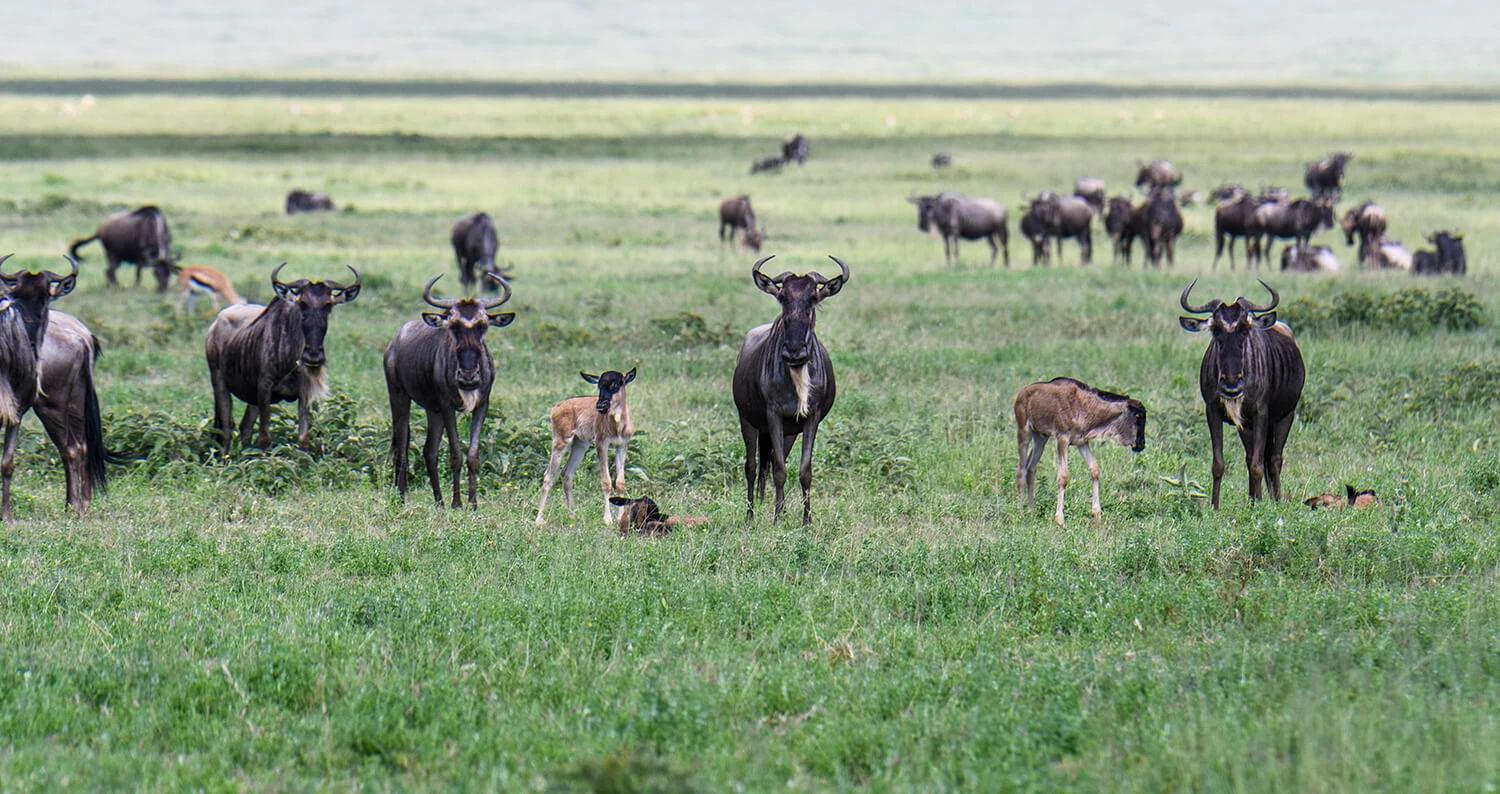
The most important destination for A Complete Guide to the February Great Migration Safari is the Ndutu area and the surrounding southern short-grass plains. These landscapes attract large concentrations of wildebeest during the calving season, offering excellent opportunities to observe herds, newborn calves, and predators. Ndutu lies within the wider Serengeti ecosystem, with parts of the area falling under the Ngorongoro Conservation Area rather than Serengeti National Park. This distinction matters because different authorities administer the respective areas, and applicable conservation fees and visitor regulations may differ.
Why should you spend time around Ndutu? The combination of open grassland, seasonal lakes, and accessible wildlife-viewing areas makes Ndutu an excellent base for a migration-focused safari. During February, your guide can explore different sections of the plains in search of active herds, predators, and photographic opportunities. Staying nearby can also reduce lengthy transfers between your accommodation and the main viewing areas. For travellers whose primary interest is calving, spending two or three nights in this region is a useful starting point, while three or four nights may provide greater flexibility.
For a well-designed February Great Migration Safari, accommodation placement is often more important than the number of destinations included. Spending sufficient time in the calving region can be more rewarding than rushing between distant areas simply to cover more ground.
Can You Enjoy Birding and Cultural Experiences During February?
Although the Great Migration is the main attraction, A Complete Guide to the February Great Migration Safari would be incomplete without recognising the region’s birdlife and cultural significance. Ndutu’s grasslands, lakes, and surrounding woodland support a variety of resident and seasonal birds. Visitors may encounter ostriches, kori bustards, secretarybirds, raptors, and colourful smaller species, depending on habitat and conditions. Seasonal wetlands can also attract waterbirds, while vultures and other scavengers may gather where food becomes available. These opportunities make February a worthwhile period for combining wildlife photography with selected Tanzania Birding Safaris activities.
Is February suitable for birdwatching? Yes. The green-season landscapes can support active birdlife, and binoculars help you identify species that may otherwise be difficult to observe. However, sightings depend on weather, habitat, and the precise areas visited. Bird enthusiasts should tell their safari planner about particular interests so the guide can allow extra time for identification, photography, and observation rather than concentrating exclusively on large mammals.
Combining wildlife viewing with birding and a respectful cultural encounter can make your February Great Migration Safari more varied and educational. Nevertheless, these activities should complement the main migration experience rather than create an itinerary so crowded that you have insufficient time to explore the calving grounds.
 How Do You Reach the February Great Migration Safari Destination?
Reaching the southern plains efficiently is an important part of A Complete Guide to the February Great Migration Safari, especially when you want to maximise time with wildlife. Most international travellers arrive through Kilimanjaro International Airport, with Arusha serving as a common starting point for northern Tanzania safari circuits. Depending on your international flight and itinerary, other arrival arrangements may also be suitable. From Arusha, you can travel by road in a 4×4 safari vehicle or book a light aircraft flight to an appropriate airstrip serving the Ndutu area or wider Serengeti ecosystem.
Is a road safari the right choice? Travelling overland offers scenic views of northern Tanzania and may suit visitors who prefer a conventional safari circuit. However, the journey can take several hours, and actual travel time depends on road conditions, stops, and your accommodation location. A transfer day should therefore be planned realistically, with game viewing included only where the schedule permits.
Would flying save time? A scheduled or chartered light aircraft can reduce transfer time and provide impressive views of the landscape. Flights must be confirmed for your dates, and you should check luggage limits, arrival times, and the cost of transfers between the airstrip and camp. The closest airstrip depends on your final accommodation, so it is important to confirm this detail before booking.
How Much Does a February Great Migration Safari Cost?
The total cost of A Complete Guide to the February Great Migration Safari depends on the number of nights, accommodation category, transport method, group size, and services included. February is a popular period for migration-focused travel, and camps near Ndutu may experience high demand. Booking early can improve your choice of accommodation, particularly if you require a specific level of comfort or a private vehicle.
The following figures are broad planning estimates per person per day, not confirmed live prices or quotations from a specific supplier.
Safari category |
Estimated cost per person per day |
| Budget camping safari | US$250–400 |
| Mid-range lodge or tented camp | US$400–750 |
| Luxury lodge or tented camp | US$750–1,500+ |
| Premium fly-in safari | US$1,000–2,000+ |
What affects the price most? Accommodation rates, park and conservation fees, transport, guiding, meals, and the length of your stay all contribute to the final quotation. Private safaris usually cost more per person than shared departures, while flying can reduce travel time but increase transport expenses. Additional costs may include international flights, travel insurance, visas, tips, premium drinks, and optional activities.
For an accurate quotation, provide your travel dates, group size, preferred accommodation level, and whether you want road transfers or flights. At Terenga Africa Safaris & Travel Ltd, we can use these details to develop an itinerary that balances comfort, wildlife-viewing time, and your available budget.
Serengeti National Park
What Should You Pack for a February Great Migration Safari?
Packing appropriately for A Complete Guide to the February Great Migration Safari helps you prepare for warm afternoons, cooler mornings, dusty tracks, and occasional rain. February falls within the green season, so conditions can change during your stay. Lightweight clothing works well during the day, while a fleece or warm jacket is useful for early-morning departures. Neutral colours such as khaki, olive, and beige are practical for game drives, and comfortable closed shoes are suitable for general camp activities.
Which items are essential?
- Binoculars for observing distant wildlife and identifying birds.
- A camera with a suitable zoom lens, spare batteries, and memory cards.
- A wide-brimmed hat, sunglasses, and high-SPF sunscreen.
- A lightweight waterproof jacket for possible showers.
- Insect repellent, personal toiletries, and any required medication.
- A reusable water bottle and a small daypack.
- Travel documents, insurance information, and suitable payment methods.
Photography enthusiasts should carry protective equipment for dust and moisture. Visitors using light aircraft must also check baggage restrictions before departure, as luggage allowances may be more limited than on road safaris. Bring comfortable layers rather than relying on a single heavy outfit, and ask your operator whether bedding, laundry services, and other practical amenities are provided at your chosen camp.
What Is Included and Excluded in the Safari Package?
When booking A Complete Guide to the February Great Migration Safari, always review the written quotation carefully. Packages differ, so confirm each service rather than assuming it is automatically covered.
Typical inclusions may include:
- Safari transport in a 4×4 vehicle, as specified.
- Services of a professional driver-guide.
- Accommodation for the confirmed number of nights.
- Meals listed in the itinerary.
- Game drives in the agreed wildlife areas.
- Park or conservation fees explicitly listed in the quotation.
- Drinking water during game drives, where provided.
- Airport or airstrip transfers, if included in the package.
Typical exclusions may include:
- International flights and applicable excess baggage charges.
- Visas, travel insurance, and personal medical expenses.
- Tips and personal purchases.
- Alcoholic beverages and premium drinks.
- Optional activities not listed in the itinerary.
- Domestic flights or charter services not included in the quotation.
- Additional accommodation before or after the safari.
- Fees or services expressly identified as excluded.
Why should you check the details? Ndutu and Serengeti National Park fall under different management arrangements in some areas, so applicable fees and regulations depend on your itinerary. Request a clear breakdown of the charges, accommodation, transport, and activities. Transparent booking conditions make it easier to compare Tanzania Safaris and understand exactly what you are paying for.
Why Choose Terenga Africa Safaris & Travel Ltd?
Choosing the right operator for A Complete Guide to the February Great Migration Safari can make a meaningful difference to your overall experience. Migration safaris require careful seasonal planning, suitable accommodation, realistic driving schedules, and guides who understand how wildlife movements influence daily game drives. Terenga Africa Safaris & Travel Ltd focuses on developing personalised African holidays that reflect each traveller’s interests, preferred comfort level, available time, and budget.
How do we help you plan confidently? We work with your travel requirements to shape a practical itinerary, explain the differences between accommodation options, and identify the services included in your quotation. Travellers interested in photography can request additional time for wildlife observation, while bird enthusiasts can discuss incorporating suitable birding opportunities. Families and couples can also communicate their preferences for accommodation, meal arrangements, and daily travel pace.
Our approach places importance on clear communication, realistic expectations, and responsible wildlife viewing. Although no operator can guarantee a particular animal sighting, a well-positioned camp and an adaptable itinerary can improve your opportunities. We also encourage guests to respect park regulations, maintain suitable distances from wildlife, and support responsible tourism practices.
Whether you prefer a camping adventure, a comfortable tented camp, or a luxury fly-in experience, our goal is to help you organise a memorable February Great Migration Safari with confidence.
Frequently Asked Questions About the February Great Migration Safari
Is February the best month to see the Great Migration?
February is generally one of the strongest months for witnessing wildebeest calving in Ndutu and the southern plains. However, the timing and location of the herds can change with rainfall and grazing conditions.
How many days should I spend on a February Great Migration Safari?
Four to six days can provide a useful introduction to the migration, depending on your arrival arrangements and whether you include other nearby destinations. Spending three or four nights near Ndutu can provide additional flexibility for game drives.
Can I see newborn wildebeest in February?
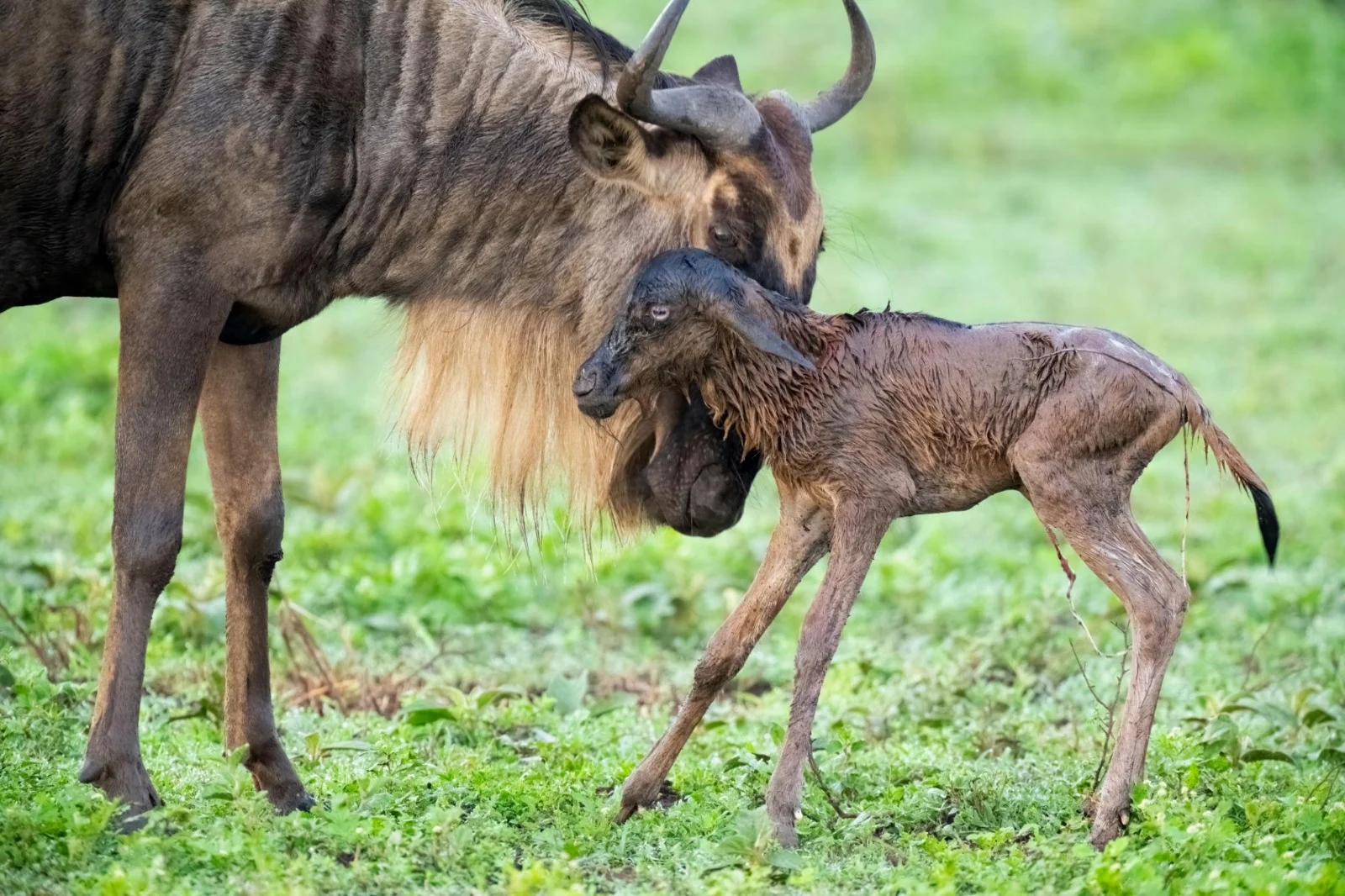
Yes. February is commonly associated with peak calving activity, so you may see newborn calves and their mothers across the southern plains. Actual sightings depend on natural conditions.
Is a February Great Migration Safari suitable for photographers?
Absolutely. Open landscapes, large herds, newborn animals, and potential predator encounters provide excellent photographic opportunities. A camera with a zoom lens and a flexible game-drive schedule can be particularly useful.
Should I book my safari in advance?
Yes. Advance booking is advisable because popular seasonal camps may fill up during February. Early planning also gives you more opportunities to compare accommodation, transport options, and package prices.
 Book Your February Great Migration Safari with Terenga Africa Safaris & Travel Ltd
Ultimately, A Complete Guide to the February Great Migration Safari demonstrates why Tanzania’s southern plains deserve special attention during the calving season. Ndutu and the surrounding Southern Serengeti offer opportunities to witness one of nature’s most remarkable wildlife events, from newborn wildebeest to the predators that depend on the migrating herds. Birdwatching, landscape photography, and respectful cultural encounters can add further depth to your journey.
At Terenga Africa Safaris & Travel Ltd, we help travellers turn these opportunities into carefully planned Tanzania Tours. We can tailor your itinerary around your preferred travel dates, accommodation category, budget, and wildlife interests.