Where Is the Great Migration in April?
November 12, 2026
Why April Can Offer Excellent Value for a Serengeti Safari?
November 16, 2026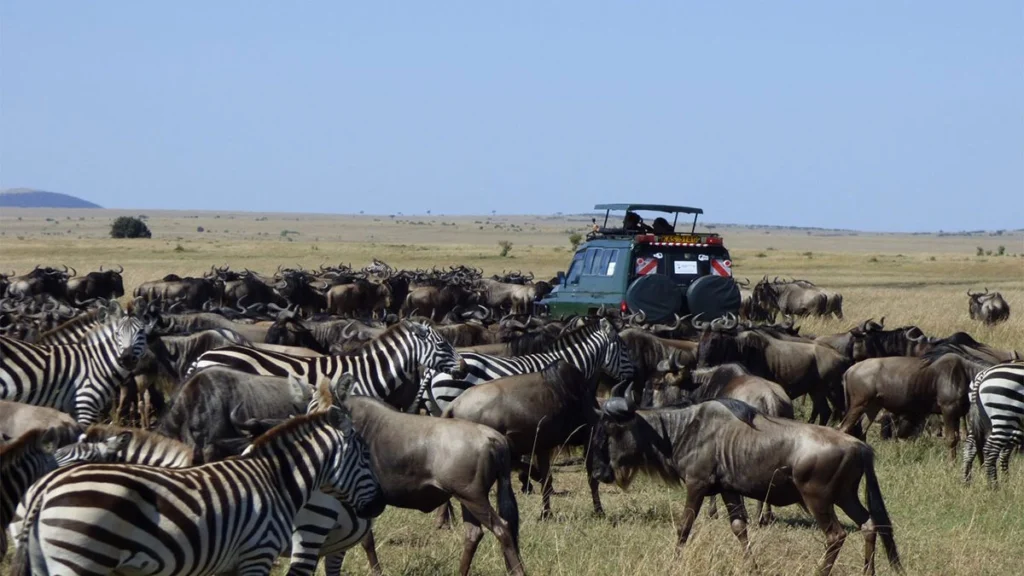
The Challenges of Safari Travel During April
The Challenges of Safari Travel During April are important considerations for anyone planning to explore Tanzania’s famous wildlife destinations during the long-rain season. April falls within one of the wettest periods of the year across much of northern Tanzania, including Serengeti National Park, Ngorongoro Conservation Area and other destinations along the Northern Safari Circuit. Seasonal rainfall transforms the landscape, encouraging fresh vegetation and creating beautiful green scenery. However, the same weather conditions can affect road accessibility, driving schedules, accommodation availability and the general experience of wildlife viewing. Travellers may encounter muddy tracks, cloudy skies, occasional heavy showers and longer journeys between safari locations. These conditions do not mean that Tanzania becomes unsuitable for tourism during April. Instead, they require careful preparation, realistic expectations and a flexible approach to safari planning.
Understanding the Long Rains, Road Conditions and Wildlife Viewing in Tanzania
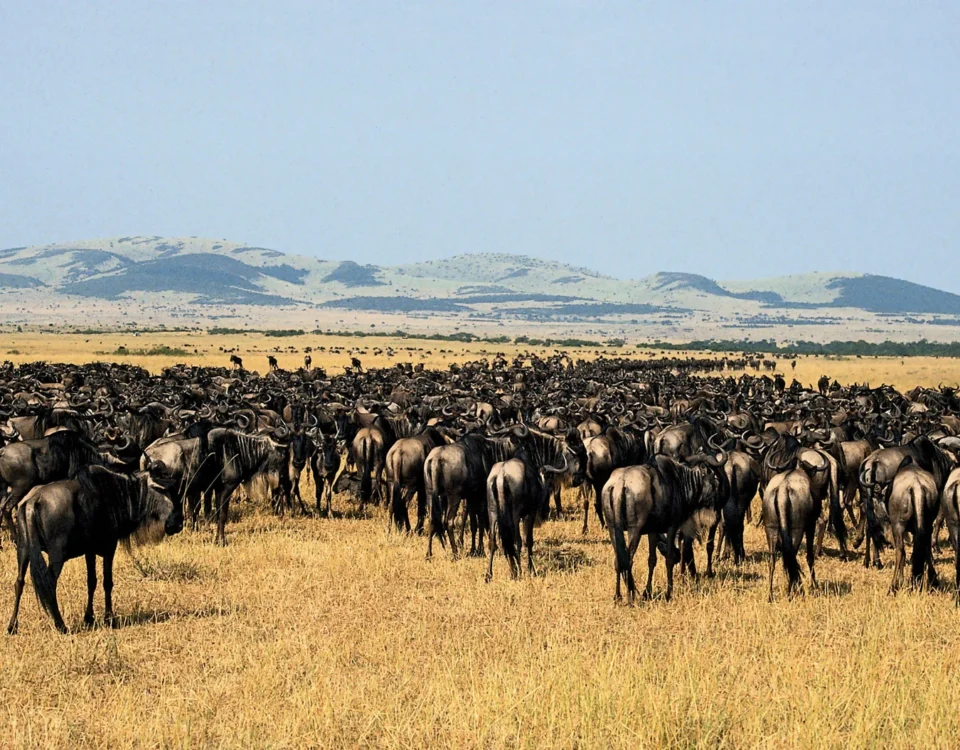
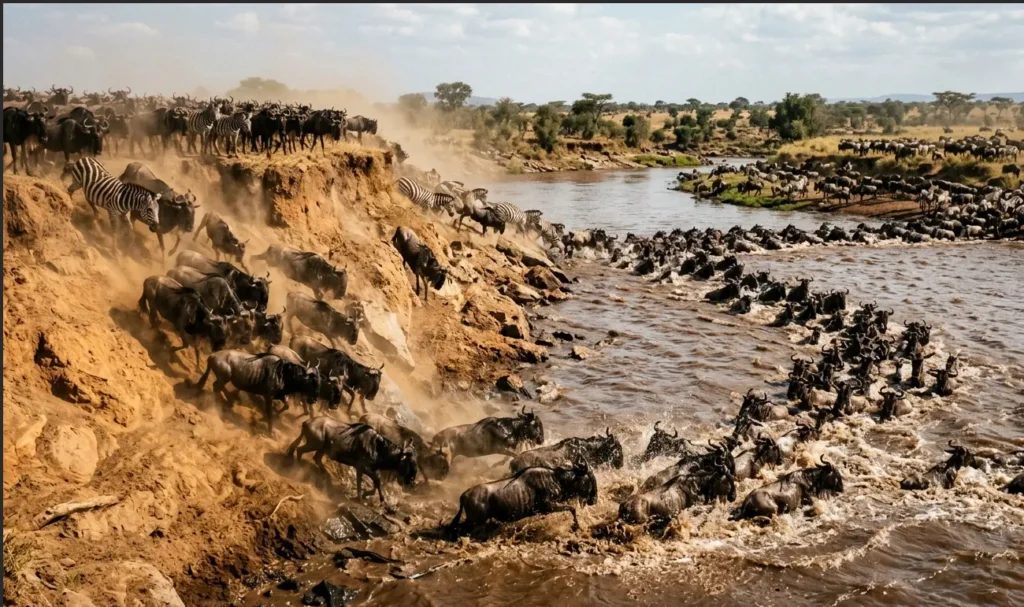
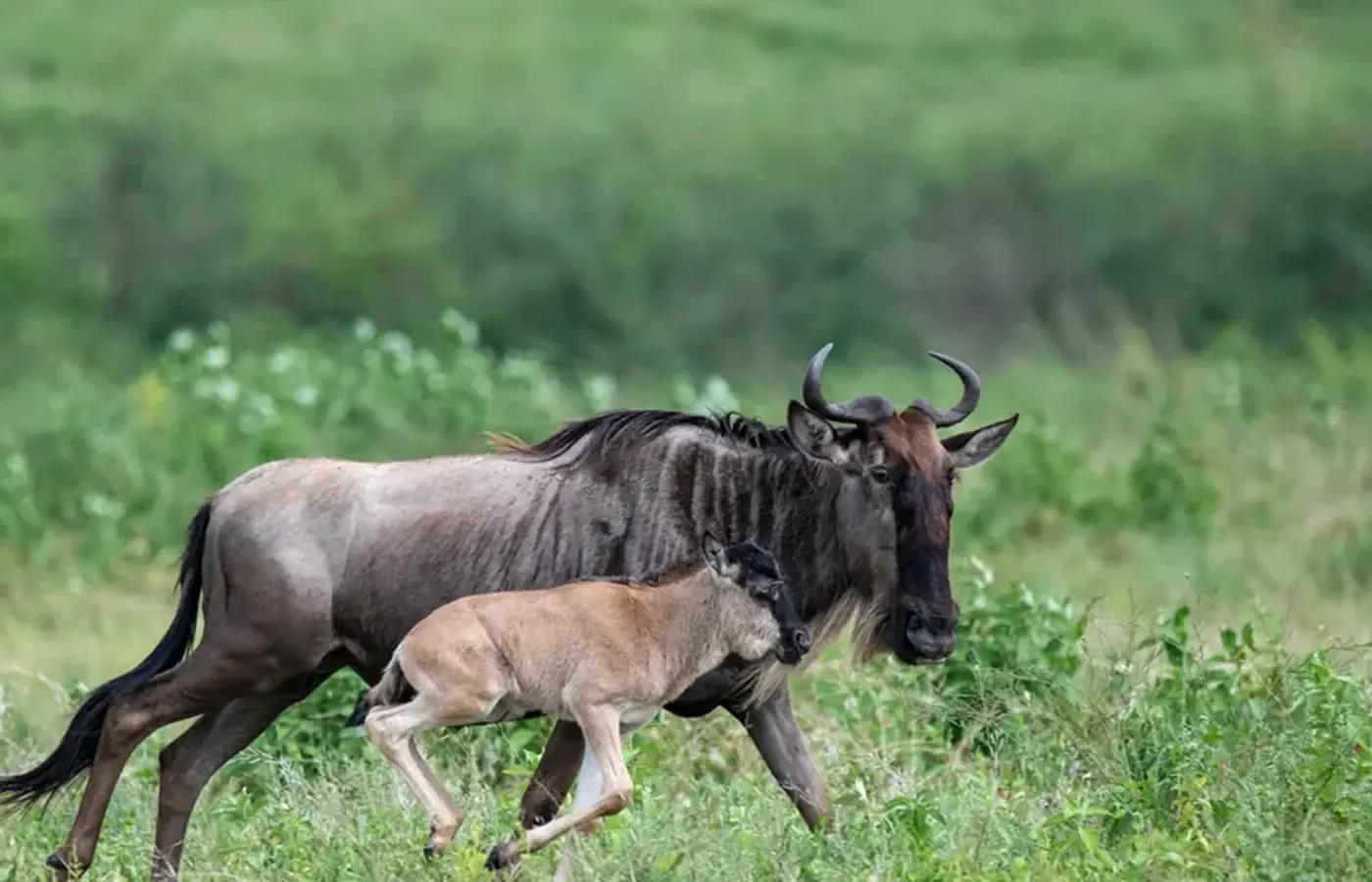
Serengeti National Park remains an important wildlife destination during the rainy season, supporting resident animals and migratory herds across its extensive grasslands, woodland habitats and river systems. During April, the Great Wildebeest Migration generally moves away from the southern plains and spreads towards central and western parts of the ecosystem, although its exact position changes according to rainfall and grazing conditions. Large concentrations of wildlife may therefore be harder to locate than during periods when herds gather in specific feeding or crossing areas. Despite these seasonal challenges, April offers attractive opportunities for nature photography, birdwatching and quieter game drives. At Terenga Africa Safaris & Travel Ltd, we believe travellers should understand both the advantages and limitations of travelling during this month. This guide explores The Challenges of Safari Travel During April, explains how they influence different parts of the journey and provides practical advice for planning a rewarding Tanzania safari.
The Challenges of Safari Travel During April
How Does Heavy Rainfall Affect Safari Activities During April?
One of the main challenges of safari travel during April is the possibility of frequent rainfall. The month falls within Tanzania’s long-rain season, generally extending from March to May, although the amount and distribution of rainfall vary between locations and years. Some days may begin with clear skies before afternoon showers develop, while other periods can experience prolonged rainfall. These changing conditions can influence the timing of game drives, outdoor activities and transfers between accommodation properties. Visitors travelling in open-sided safari vehicles may find wet conditions uncomfortable without suitable protection, especially during early morning or extended full-day excursions. Rain can also reduce visibility temporarily, making it more difficult to observe animals across distant grasslands.
Another consideration is the effect of rainfall on daily schedules. Safari guides may adjust departure times, shorten certain excursions or select alternative routes when weather conditions become unfavourable. Travellers should be prepared for occasional waiting periods while heavy showers pass or when a particular track requires assessment. Importantly, rainfall does not mean that all safari activities stop. Experienced guides can often continue game drives when conditions are suitable, choosing accessible areas and adjusting the day’s programme where necessary. According to Tanzania’s visitor guidance, April and May are generally the period of heaviest rainfall, with lush scenery, fewer visitors and the possibility of muddy roads and lodge closures. Understanding The Challenges of Safari Travel During April helps visitors prepare for changing weather rather than expecting every day to follow a fixed schedule.
Why Do Roads Become Difficult to Navigate During the Long Rains?
Road conditions are among the most significant challenges associated with The Challenges of Safari Travel During April, particularly in remote wildlife areas where many routes are unpaved. When heavy rain falls on loose soil, some tracks become muddy, slippery and deeply rutted. Low-lying sections may collect standing water, while certain routes can become difficult for ordinary vehicles to negotiate. Driving through these areas requires suitable four-wheel-drive safari vehicles, careful route selection and experienced drivers who understand local conditions. Even with appropriate vehicles, some journeys can take longer than expected because drivers must reduce speed, avoid unstable sections and select safer alternatives.
Conditions can vary considerably across the Serengeti ecosystem. Main routes around established central areas may remain usable for four-wheel-drive vehicles during much of April, while less-travelled tracks in remote southern or western areas can become more challenging after sustained rainfall. In particularly wet conditions, some sections may be temporarily inaccessible. This is why it is not accurate to assume that every road in the Serengeti becomes impassable during April. At the same time, travellers should not expect unrestricted access to every wildlife-viewing area. Safari operators need to check local conditions regularly and avoid routes that create unnecessary risks. The Challenges of Safari Travel During April can therefore be managed more effectively through sensible route planning, suitable vehicles and enough flexibility to adjust the itinerary when weather conditions change.
How Can Rainy Conditions Affect Wildlife Viewing?
Wildlife viewing remains possible during April, but the experience may differ from the dry season. Fresh grass and scattered water sources provide suitable feeding opportunities across a wider area, allowing herbivores to spread throughout different parts of the ecosystem. Consequently, locating large concentrations of wildebeest, zebras and other grazing animals may require more searching and longer game drives. In addition, taller vegetation can make some animals harder to spot, particularly smaller species or predators resting within the grass. Clouds and rainfall may also reduce visibility temporarily, limiting opportunities to observe wildlife from a distance.
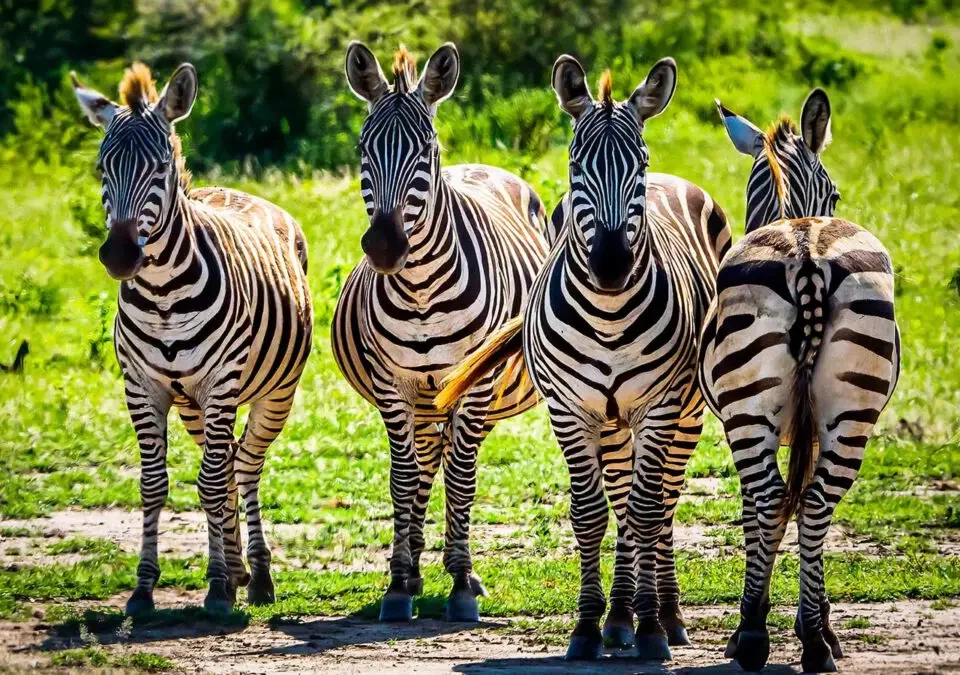
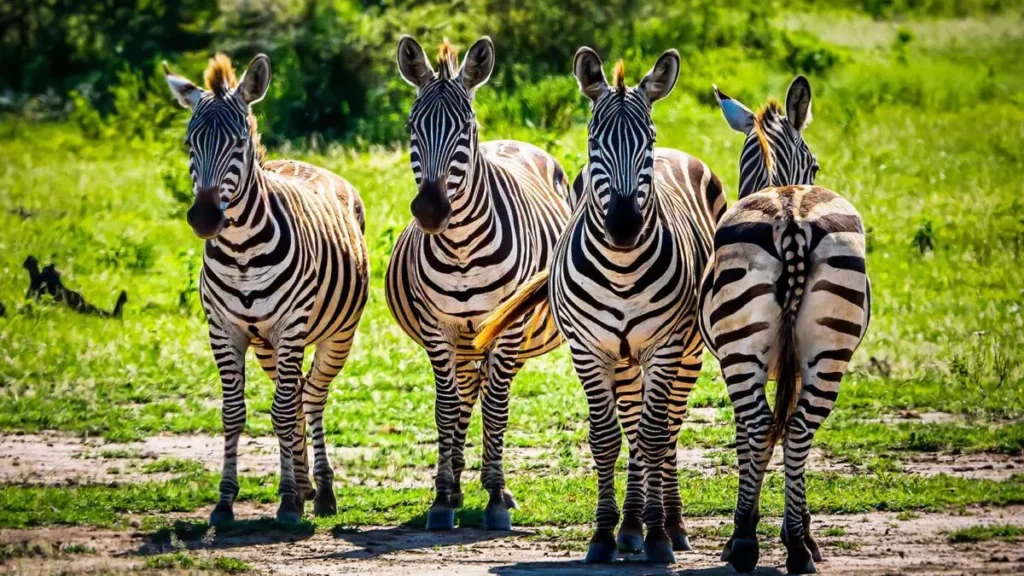
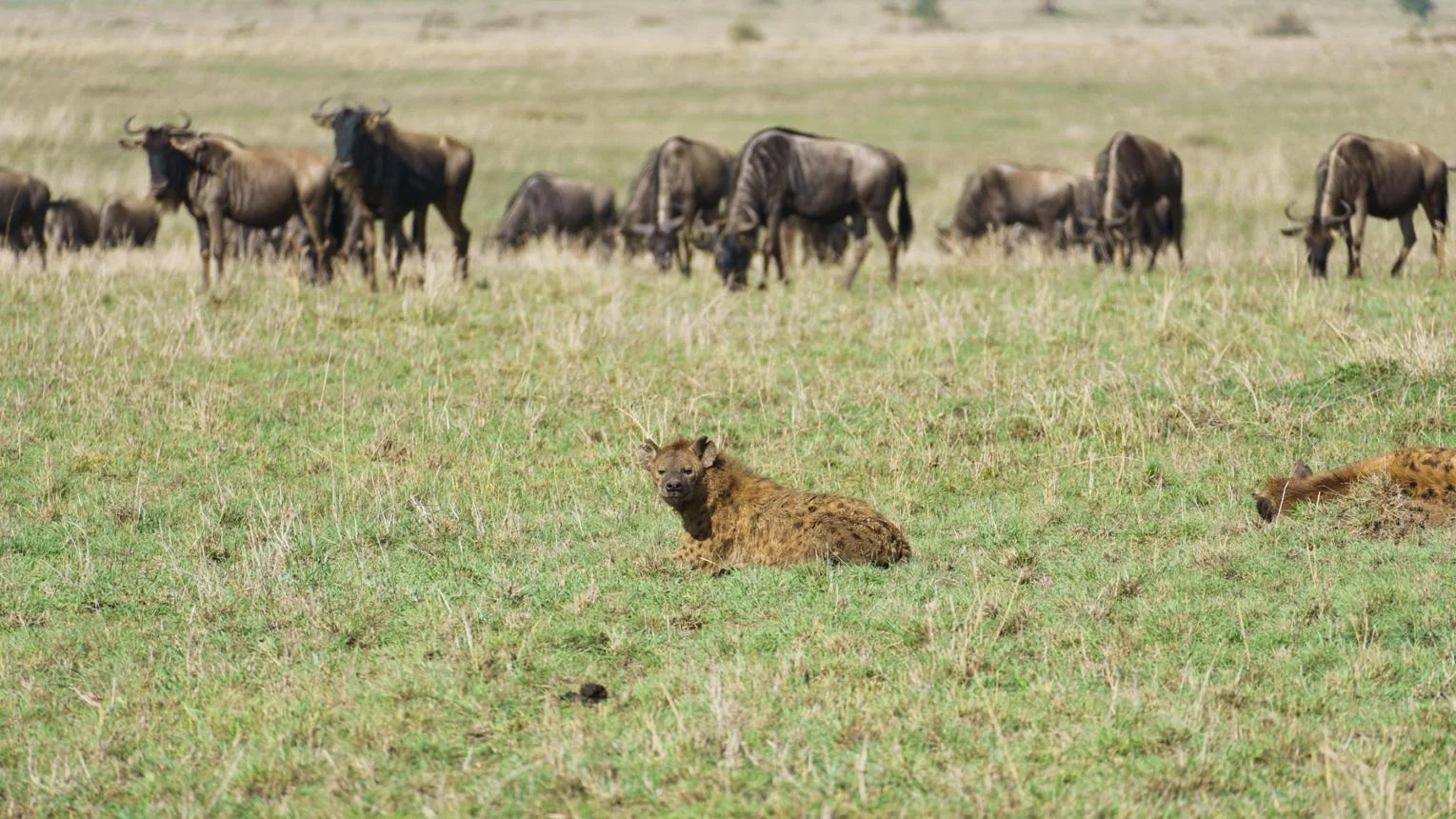
Nevertheless, The Challenges of Safari Travel During April should not be confused with an absence of wildlife. The Serengeti supports resident populations of lions, leopards, cheetahs, elephants, buffaloes, giraffes, hyenas and numerous antelope species throughout the year. Central Serengeti, especially the Seronera area, can remain valuable for game viewing because its resident wildlife does not depend entirely on the migrating herds. Birdwatchers may also appreciate the green-season environment, which supports a range of resident and migratory species. Visitors should allow sufficient time for searching, follow the advice of their guides and avoid expecting guaranteed sightings of particular animals. A successful safari is not measured only by the number of animals photographed, but also by the opportunity to appreciate wildlife behaviour and the wider natural environment.
Can Safari Transfers and Travel Times Become Longer in April?
Journey planning is another important consideration when examining The Challenges of Safari Travel During April. Northern Tanzania safaris often involve travel between Arusha, Tarangire National Park, Lake Manyara, Ngorongoro and the Serengeti. Some journeys cover considerable distances along a combination of paved highways, gravel roads and unpaved park tracks. During the rainy season, muddy sections, standing water and poor visibility can slow road transfers. A journey that might be completed more quickly during dry conditions may take longer after heavy rainfall. This can affect accommodation arrival times, planned activities and connections between different destinations.
Travellers should therefore avoid organising an itinerary with too many destinations and tightly scheduled transfers. Allowing extra time between locations creates flexibility when roads are slower or weather conditions change. Where appropriate and available, domestic flights to approved safari airstrips may reduce long road journeys, although flight schedules, baggage restrictions, weather and additional costs must be considered. Not every destination or accommodation property can be reached by air, and some road transfers may still be necessary. At Terenga Africa Safaris & Travel Ltd, we encourage clients to consider realistic travel distances and avoid overloading their itinerary. Understanding The Challenges of Safari Travel During April before departure can help prevent unnecessary pressure and make the overall experience more comfortable.
Are Some Safari Camps and Lodges Closed During April?
Accommodation availability can also influence the planning of a Tanzania safari during the long-rain season. Certain mobile camps and seasonal tented properties operate according to migration movements and may close, relocate or reduce operations during parts of April and May. Other permanent lodges and established camps may remain open throughout the year, subject to their individual operating schedules. These differences mean that travellers should not assume every property advertised for the Serengeti is available during April.
The location of accommodation is especially important for visitors interested in following the Great Wildebeest Migration. Some seasonal properties may be positioned near specific wildlife areas during peak migration periods, then close or move when the herds change location. Travellers should confirm the exact operating dates, room availability, meal arrangements, transfer requirements and cancellation conditions before paying for a reservation. Where a preferred property is unavailable, an alternative may need to be selected based on accessibility and the locations planned for game drives. The Challenges of Safari Travel During April can be reduced through early communication and careful accommodation selection. At Terenga Africa Safaris & Travel Ltd, we encourage visitors to review confirmed accommodation details rather than relying on general descriptions of seasonal availability.
How Does April Weather Affect Safari Photography?
Photography is another area where The Challenges of Safari Travel During April become noticeable. Rainfall, overcast skies and changing light conditions may affect the quality of wildlife photographs. Heavy clouds can reduce natural light, while rain on camera equipment can make outdoor photography more difficult. Wet roads and longer travel times may also limit access to some preferred photographic locations. Additionally, taller grass and thicker vegetation can obstruct views of animals, especially when they are resting or feeding at a distance. Photographers who expect the clear skies and open golden grasslands commonly associated with the dry season should understand that April provides a very different visual atmosphere.
However, the green season offers distinctive creative opportunities. Fresh vegetation, dramatic clouds, rainbows and softer light can produce beautiful landscape and wildlife photographs. Animals standing against green grasslands may create attractive compositions, while birds and other species can provide excellent subjects for nature photography. Visitors should bring waterproof camera covers, dry bags, spare batteries and suitable lenses. A flexible schedule also helps photographers wait for favourable light and weather conditions. Although The Challenges of Safari Travel During April may affect some photography plans, travellers who enjoy artistic landscapes and seasonal scenery can find the month rewarding in its own way.
 Does April Bring Fewer Tourists and Better Safari Value?
One potential advantage of travelling during April is the generally lower number of visitors in many safari destinations. Because the month is associated with the long rains, some international travellers prefer to visit Tanzania during the drier months. Consequently, certain areas may feel quieter, with fewer safari vehicles gathering around popular wildlife sightings. This can create a more peaceful atmosphere and allow visitors to enjoy the scenery without the same level of visitor activity experienced during peak travel periods.
Lower-season accommodation prices and special offers may also be available at participating lodges and camps. However, discounts are not universal, and rates depend on the property, booking conditions, travel dates and availability. Visitors should compare complete safari quotations rather than assuming that every April safari will automatically be inexpensive. Another important consideration is that a lower accommodation rate may not compensate for an itinerary that includes difficult transfers or properties far from the preferred wildlife areas. The Challenges of Safari Travel During April can therefore be balanced by potential cost savings and quieter conditions, provided that travellers choose arrangements suitable for the season. This month may appeal particularly to visitors who value flexibility, green scenery and a more peaceful safari atmosphere.
What Are the Expectations During an April Tanzania Safari?
Travellers planning an April safari should expect changing weather, possible road delays and adjustments to some daily activities. Game drives may take place in the morning and afternoon, depending on weather conditions and the itinerary. Full-day excursions may also be arranged where access and operating conditions allow. Visitors should remain flexible because heavy rain can affect particular routes, while wildlife movements may require guides to explore alternative areas. Accommodation arrangements should be confirmed in advance, and sufficient time should be allowed for transfers between destinations.
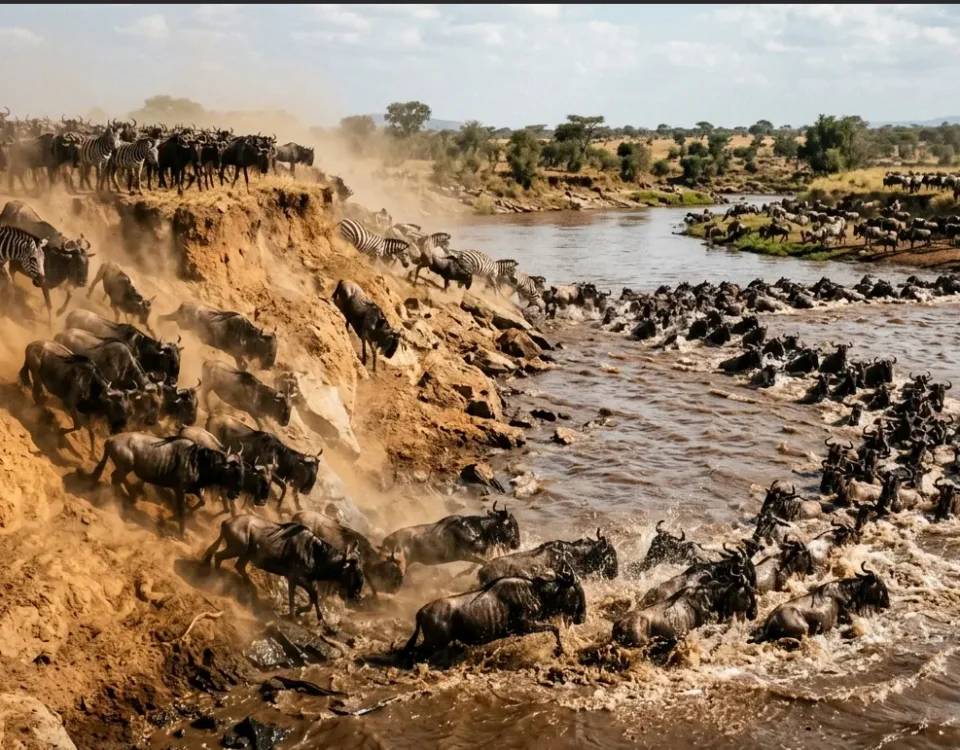
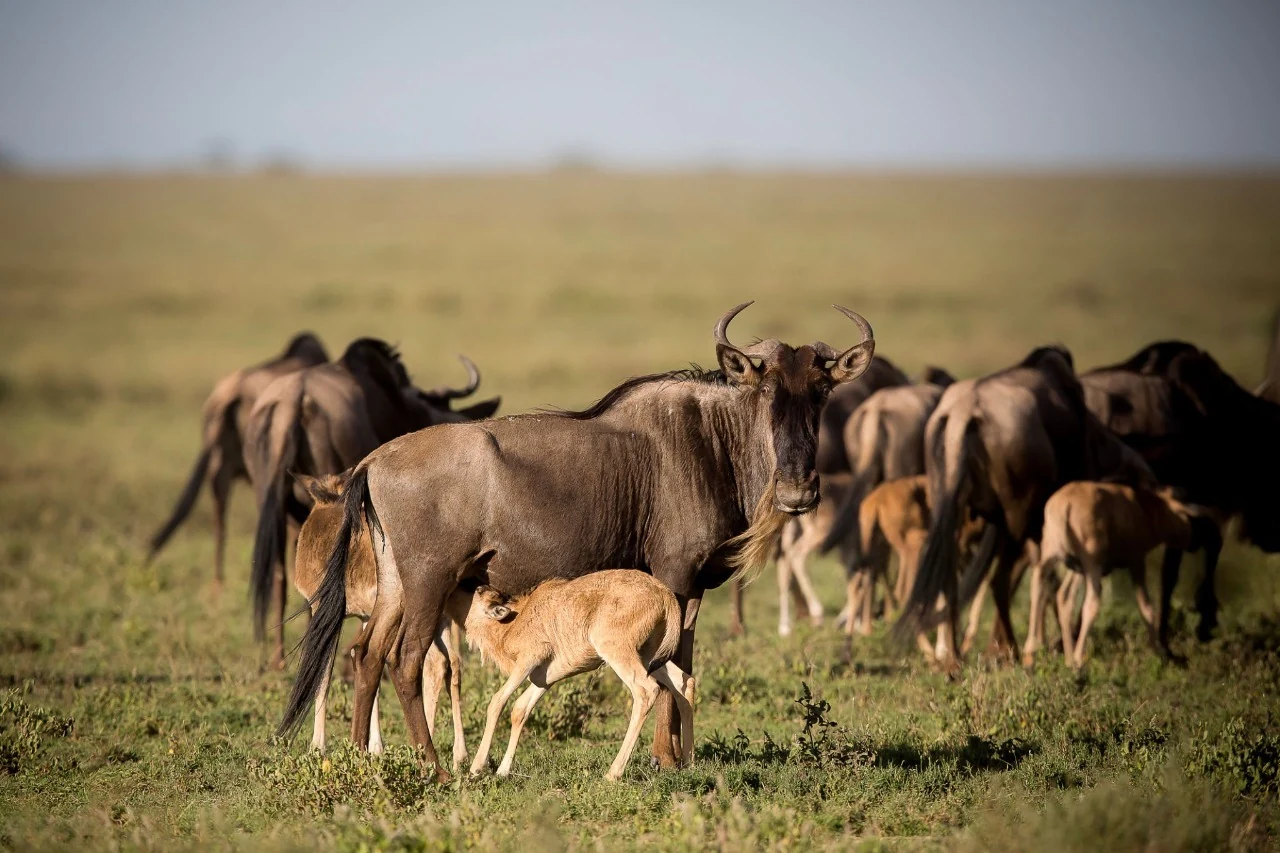
Another important expectation is that the Great Wildebeest Migration may be moving through different parts of the Serengeti ecosystem rather than gathering in one predictable location. April is not generally the main calving period on the southern plains, nor is it the peak month for the famous Mara River crossings. Travellers whose main objective is to observe a particular migration event should consider whether their preferred dates match the seasonal wildlife pattern. Nevertheless, resident wildlife, green scenery and birdwatching opportunities can make April worthwhile for suitable visitors. Understanding The Challenges of Safari Travel During April allows you to make informed decisions and appreciate the experiences that the season can offer.
When Is the Best Time to Travel During April?
There is no guaranteed best week for every traveller because rainfall patterns and wildlife movements vary between years. Early April may offer a combination of green landscapes and opportunities to explore central and southern Serengeti, while later weeks can bring more frequent rainfall in some locations. Local road conditions and accommodation availability should therefore influence the final itinerary. Travellers who are concerned about rain should speak with their safari planner before confirming travel dates and ask which areas are suitable for the expected conditions.
For visitors who prefer drier roads, clearer skies and more predictable game-drive conditions, June to October is generally a more suitable period for many northern Tanzania safari experiences. Those interested in the calving season on the southern plains may prefer January to February, while visitors hoping for the Mara River crossings usually consider the later migration season. Tanzania’s visitor guidance identifies June to October as the dry season and April to May as the long-rain period. The Challenges of Safari Travel During April do not make the month unsuitable for everyone; they simply mean that travellers should select their dates according to their priorities, comfort level and willingness to accept seasonal uncertainty.
Why Choose Terenga Africa Safaris & Travel Ltd for an April Safari?
A safari during the rainy season requires careful coordination of accommodation, transport, game drives and destination selection. At Terenga Africa Safaris & Travel Ltd, we aim to help travellers plan suitable Tanzania safaris based on their preferred experiences, available time, group size and budget. Our planning approach considers the seasonal conditions that may influence April travel, including road accessibility, accommodation operating schedules and the changing location of the Great Wildebeest Migration. We encourage clients to discuss their expectations before booking so that the proposed itinerary reflects the realities of the season.
Depending on your travel interests, your safari may combine Serengeti National Park with Ngorongoro Crater, Tarangire National Park or Lake Manyara. Accommodation can be considered across different comfort categories, subject to availability, while transport arrangements can be planned around road conditions and your preferred travel style. We also aim to communicate inclusions, exclusions, payment requirements and booking conditions clearly before confirmation. Our goal is to help you understand The Challenges of Safari Travel During April while identifying practical ways to enjoy the wildlife and scenery of Tanzania. Responsible wildlife viewing, respect for park regulations and realistic expectations remain important parts of every safari we arrange.
 What Should You Pack for an April Safari?
Packing appropriately can make The Challenges of Safari Travel During April easier to manage. Lightweight clothing in neutral colours is suitable for warm daytime game drives, while a light fleece or jacket can provide additional comfort during cool mornings and evenings. A waterproof jacket or raincoat is essential because showers can occur during outdoor activities. Comfortable closed shoes are useful around camps and lodges, particularly where paths may become wet or muddy. A small day bag can help keep personal essentials organised during game drives.
Additional items include sunscreen, sunglasses, a wide-brimmed hat, insect repellent and a reusable water bottle. Photography enthusiasts should bring suitable camera lenses, spare batteries, memory cards and waterproof equipment covers. Binoculars can improve wildlife viewing across open grasslands. Travellers should also carry personal medication, basic toiletries, a compact first-aid kit and suitable travel insurance details. Passports, visas, booking confirmations and other important documents should be stored securely. Where domestic flights are included, confirm baggage size and weight restrictions with the relevant airline before departure. Preparing for both sunshine and rainfall will help you enjoy the safari without carrying unnecessary luggage.
Plan Your April Safari with Terenga Africa Safaris & Travel Ltd
April offers a different way to discover Tanzania’s extraordinary wildlife destinations. Although heavy rainfall, muddy roads, changing migration movements and seasonal accommodation arrangements can create challenges, the month also brings green landscapes, fewer visitors in many areas and opportunities for a quieter safari. The key to enjoying this season is choosing suitable destinations, allowing flexibility and understanding what conditions may be like before departure.
Terenga Africa Safaris & Travel Ltd welcomes travellers from around the world who wish to explore Tanzania during the green season. Share your preferred travel dates, group size, accommodation expectations and wildlife interests with our team. We will help you consider suitable safari options and plan a journey that matches your expectations.
Terenga Africa Safaris & Travel Ltd
Website: www.terengasafaris.com
Email: info@terengasafaris.com
WhatsApp / Telephone: +256 768 697963
Travel in Comfort. Explore in Style. Experience the Adventure of a Lifetime.