What Happens When the Migration Arrives Late?
September 29, 2026
Understanding the Natural Uncertainty of the Great Migration
September 30, 2026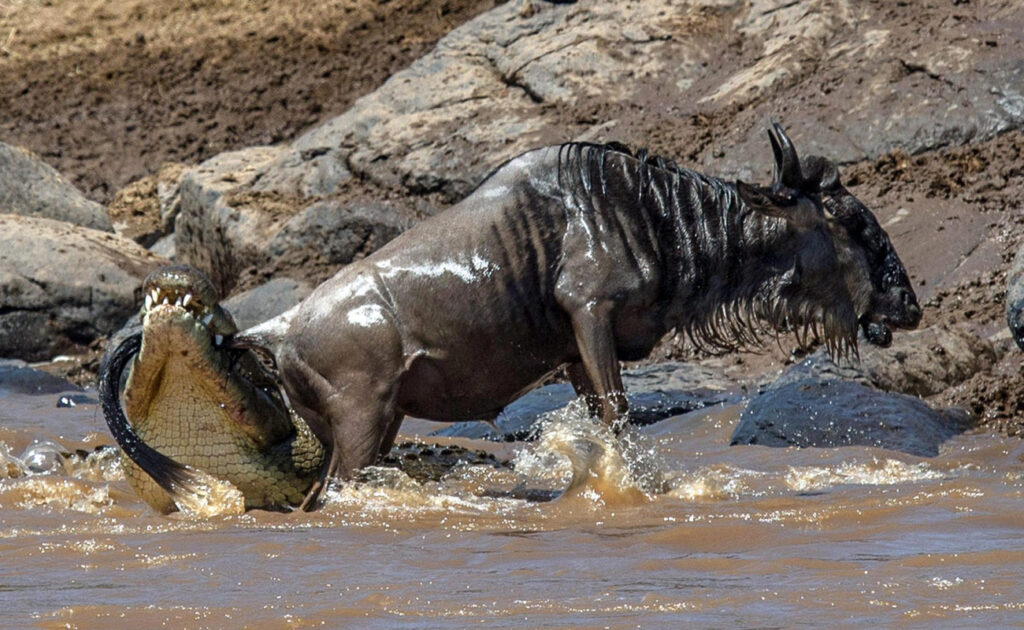
Why Migration Predictions Can Change Before Your Safari?
The Great Wildebeest Migration ranks among Africa’s most remarkable natural spectacles. Millions of wildebeest, zebras, and gazelles move across the Serengeti ecosystem each year.
However, migration movements do not follow a fixed timetable. Rainfall, pasture quality, water availability, temperature, and animal behavior influence their movements.
Therefore, Why Migration Predictions Can Change Before Your Safari? is an important question for every traveler planning a migration safari.
Migration forecasts provide useful seasonal guidance. They cannot guarantee an exact location on a particular day. Wildlife follows environmental conditions rather than human schedules.
At Terenga Africa Safaris, we encourage travelers to understand this natural uncertainty before booking. Good safari planning combines seasonal knowledge, experienced guides, flexible routes, and realistic expectations.
Tanzania offers exceptional opportunities beyond the migration itself. The Serengeti supports lions, elephants, cheetahs, leopards, giraffes, buffaloes, hippos, and hundreds of bird species.
Consequently, Why Migration Predictions Can Change Before Your Safari? should not create anxiety. Instead, it should encourage better preparation.
A well-planned Tanzania safari remains rewarding even when herds change direction or arrive later than expected.
Understanding the Great Migration
A Natural Movement
The Great Migration involves enormous herds moving through the Serengeti and Maasai Mara ecosystems. These animals search for fresh grazing and reliable water.
Rainfall determines where new grass develops. Consequently, herds often follow areas offering better feeding conditions.
The migration therefore represents a continuous ecological process. It does not operate according to a strict annual timetable.
Understanding this pattern helps travelers interpret migration forecasts correctly.
Seasonal Patterns Still Matter
Although exact movements remain unpredictable, broad seasonal patterns provide useful planning guidance.
The calving season generally attracts large concentrations around southern Serengeti and the Ndutu area. Later movements can take herds toward central and western Serengeti.
Northern Serengeti often becomes important during later seasonal movements. River crossings may occur around the Mara River during suitable conditions.
However, Why Migration Predictions Can Change Before Your Safari? becomes clearer when you understand these patterns.
Seasonal calendars provide guidance. They do not control wildlife.
Why Migration Predictions Can Change Before Your Safari?
Rainfall Changes Everything
Rainfall represents one of the strongest influences on migration movements. Even small changes in rainfall patterns can affect grass growth.
Early rainfall can encourage herds to move toward newly productive areas. Delayed rainfall can keep animals in their current locations.
Heavy rainfall can also create temporary water sources across the landscape. This may influence herd movements in unexpected ways.
Therefore, migration predictions can change as weather patterns develop.
Pasture Availability
Wildebeest require enormous quantities of nutritious grass. Their movements often reflect changes in grazing conditions.
When one area offers sufficient food, herds may remain there longer. Once grazing becomes less productive, movement can accelerate.
This ecological relationship makes precise predictions difficult.
Water Sources
Water availability also influences wildlife movement. Seasonal rivers, pools, and wetlands can attract large concentrations of animals.
Changes in water levels can affect how quickly herds leave one region.
As a result, Why Migration Predictions Can Change Before Your Safari? has strong ecological foundations.
Climate Variability and Migration Timing
Weather Patterns Differ Each Year
No two migration seasons develop in exactly the same way. Annual rainfall can vary significantly across the Serengeti ecosystem.
Some years bring earlier rains. Other seasons experience delayed or irregular rainfall.
Such variations influence grass growth, water availability, and wildlife distribution.
Therefore, previous migration dates should not become absolute expectations for future safaris.
Changing Environmental Conditions
Climate conditions can influence vegetation and water patterns across the ecosystem.
These changes may affect both migratory and resident wildlife.
Travelers should therefore view historical migration calendars as useful references rather than guarantees.
This approach creates more realistic expectations for Tanzania wildlife safaris.
The Role of Wildlife Behavior
Animals Make Their Own Decisions
Wildlife responds continuously to environmental conditions. Herds may change direction when they encounter better grazing opportunities.
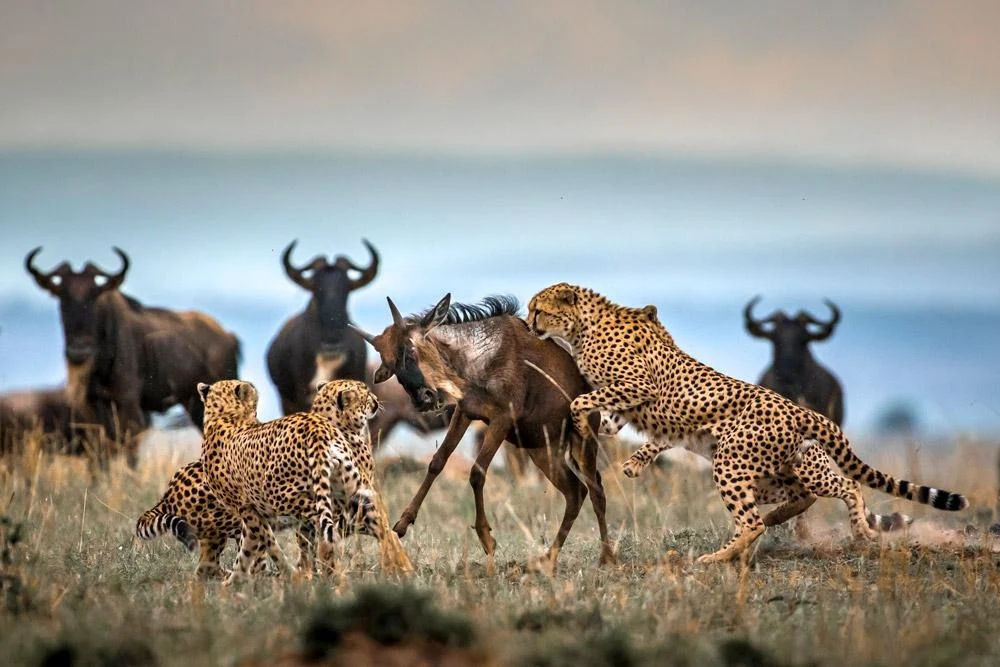
Predators can also influence herd behavior. Large carnivore concentrations may affect how prey animals move through particular landscapes.
Additionally, individual herds may behave differently from larger groups.
Consequently, Why Migration Predictions Can Change Before Your Safari? involves more than weather forecasts.
Herds Do Not Move as One Unit
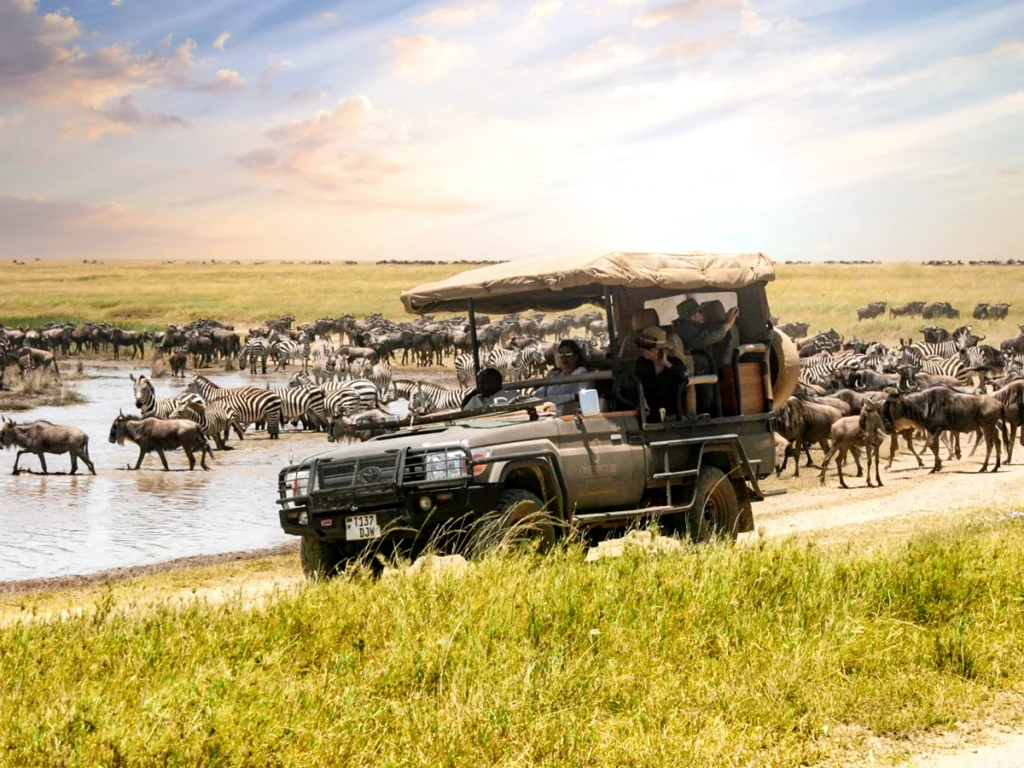
The Great Migration involves numerous herds spread across enormous areas.
Different groups can move at different speeds. Some animals may remain behind while others travel ahead.
Therefore, travelers can encounter migration activity even when the largest concentrations occupy another region.
Why River Crossings Remain Difficult to Predict
The Mara River
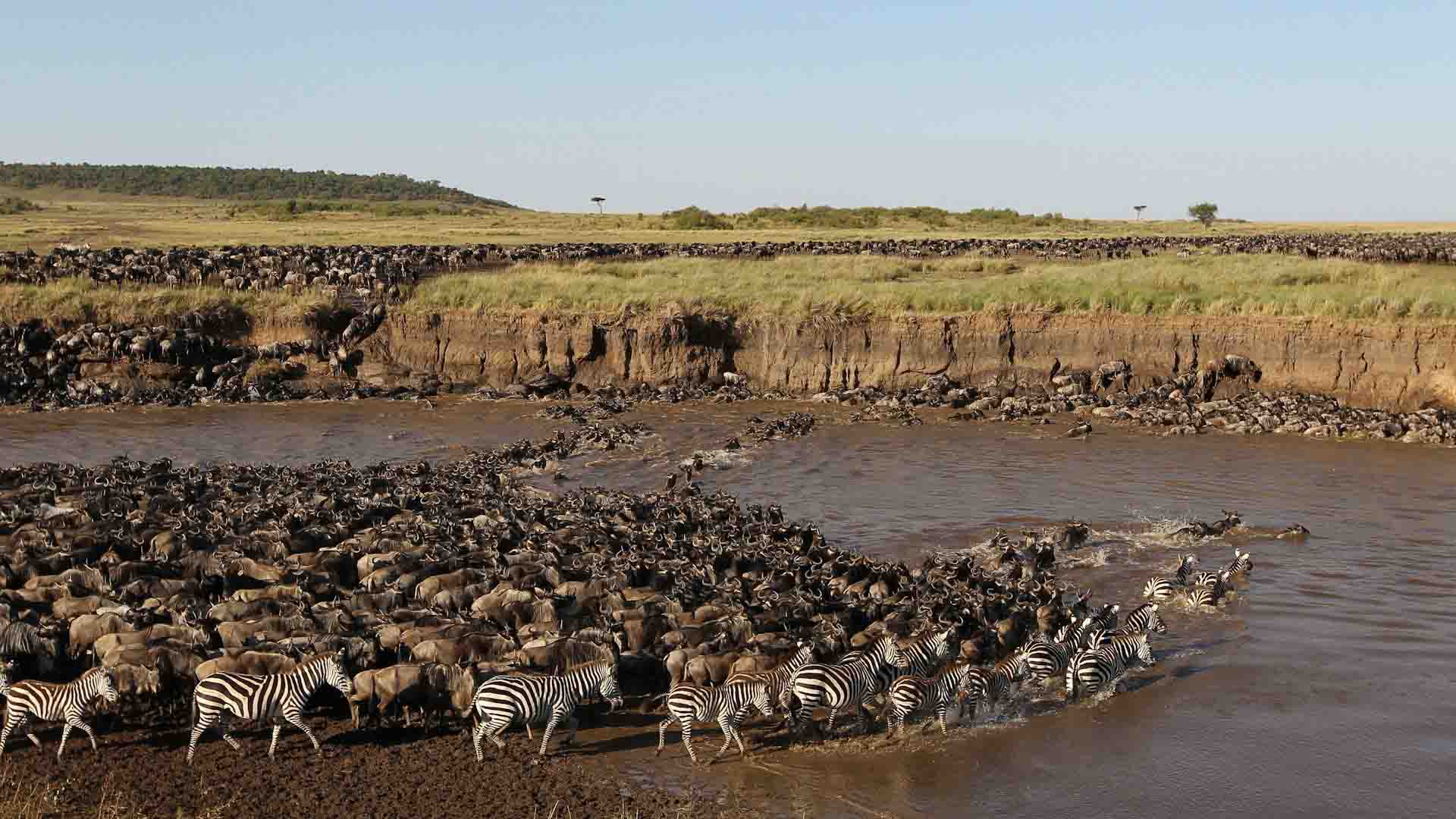
Mara River crossings represent some of the most dramatic moments in the migration cycle.
However, crossings remain unpredictable. Herds may gather near the river without crossing immediately.
Animals may also approach a crossing point before changing direction.
Strong currents, water levels, predators, and herd behavior can influence decisions.
For this reason, responsible safari companies never guarantee a river crossing.
Patience Creates Opportunities
Travelers seeking river crossings should allow several days in northern Serengeti.
Additional time gives guides more opportunities to locate active herds.
Patience also allows travelers to appreciate other wildlife around the river ecosystem.
How Experienced Safari Operators Adapt
Flexible Itinerary Planning
Experienced safari operators monitor seasonal patterns and adjust routes when appropriate.
A flexible itinerary can include several nights in key wildlife areas. This approach reduces dependence on one specific migration event.
At Terenga Africa Safaris, we consider wildlife seasons when planning routes. We also consider accommodation locations, road conditions, travel times, and traveler interests.
Experienced Guides
Professional guides provide valuable local knowledge. They understand animal behavior, wildlife habitats, park roads, and seasonal changes.
Their field experience helps travelers make better decisions during daily game drives.
Consequently, choosing an experienced operator becomes an important part of planning Tanzania safaris.
Choose Accommodation Carefully
Strategic Lodge Locations
Accommodation location can significantly influence your safari experience.
Lodges and camps near productive wildlife areas can reduce unnecessary travel. They also provide easier access to morning and afternoon game drives.
Mobile camps can provide another useful option during seasonal migration periods.
Cultural Experiences Near Safari Lodges
A safari lodge can also serve as a gateway to local communities.
Travelers around northern Tanzania can experience Maasai culture through responsible community visits.
Activities may include traditional dance, craft demonstrations, village walks, livestock experiences, and cultural storytelling.
Some communities also offer opportunities to learn about traditional food preparation and local livelihoods.
These experiences create meaningful connections between tourism and local communities.
Cultural Experiences to Add to Your Safari
Maasai Community Visits
Maasai communities remain an important part of northern Tanzania’s cultural landscape.
Travelers can learn about traditional livestock keeping, family structures, crafts, and daily life.
Responsible visits should respect local customs and provide fair benefits to participating communities.
Traditional Crafts
Handmade beadwork and other crafts provide meaningful souvenirs.
Buying directly through responsible community initiatives can support local livelihoods.
Local Food Experiences
Some cultural programs include traditional cooking demonstrations.
Travelers can discover local ingredients and preparation methods while learning about regional food traditions.
Community Nature Walks
Some areas offer guided walks around community lands.
These activities can provide insight into medicinal plants, traditional knowledge, and local landscapes.
Such experiences add cultural depth to Tanzania adventure safaris.
Look Beyond the Migration
Resident Wildlife
The Serengeti offers excellent wildlife viewing throughout the year.
Lions, elephants, leopards, cheetahs, giraffes, buffaloes, hippos, and hyenas inhabit the ecosystem.
Therefore, a safari should never depend entirely on seeing a particular migration event.
Diverse Landscapes
The Serengeti contains open plains, woodlands, rivers, rocky outcrops, and seasonal wetlands.
Each habitat supports different wildlife species and behaviors.
Exploring these landscapes creates a more complete safari experience.
Birdwatching
Bird enthusiasts can discover numerous species across Tanzania.
Raptors, waterbirds, ground birds, and colorful woodland species add another dimension to wildlife journeys.
Serengeti
How Travelers Can Prepare for Changing Predictions
Remain Flexible
Travelers should remain open to reasonable itinerary adjustments.
Flexible dates can provide additional opportunities when planning migration-focused journeys.
Allow Enough Time
Longer stays increase opportunities for different wildlife experiences.
Spending several nights within the Serengeti can create more flexibility than changing locations every day.
Avoid Guaranteed Claims
Responsible safari planning should never promise a specific crossing or herd location.
Instead, operators should explain seasonal probabilities and natural uncertainty.
This approach builds trust between travelers and safari professionals.
Why Migration Predictions Can Change Before Your Safari?
Migration forecasts evolve because nature remains dynamic.
Rainfall can change. Pasture can improve. Water levels can rise or fall. Herds can change direction.
Wildlife behavior can also produce unexpected movements.
Therefore, Why Migration Predictions Can Change Before Your Safari? has a simple foundation.
Nature does not follow a human timetable.
The best safari planning respects this reality while maximizing opportunities through experience and flexibility.
A Flexible Great Migration Safari Itinerary
Day 1: Arrival in Arusha
Arrive in Arusha and transfer to your selected accommodation.
Day 2: Arusha to Tarangire
Enjoy a game drive through Tarangire National Park.
Day 3: Tarangire to Ngorongoro
Explore wildlife areas before continuing toward the Ngorongoro Conservation Area.
Day 4: Ngorongoro Crater
Enjoy a full crater game drive and wildlife viewing experience.
Day 5: Ngorongoro to Serengeti
Enter the Serengeti and begin exploring its diverse landscapes.
Day 6: Central Serengeti
Enjoy morning and afternoon game drives.
Day 7: Serengeti Wildlife Exploration
Explore areas with current wildlife activity.
Day 8: Flexible Serengeti Day
Allow your guide to adjust the route according to wildlife movements.
Day 9: Northern Serengeti
Travel toward northern Serengeti and explore surrounding wildlife areas.
Day 10: Migration Exploration
Spend the day searching for active herds and other wildlife.
Day 11: Northern Serengeti
Continue exploring the region with flexible game drives.
Day 12: Serengeti to Arusha
Begin your return journey toward Arusha.
Day 13: Departure
Transfer to the airport for your onward journey.
Safari Inclusions
- Airport transfers
- Accommodation
- Meals
- Safari vehicle
- Professional safari guide
- Park entrance fees
- Conservation fees
- Game drives
- Crater fees
- Bottled drinking water
- Cultural experiences
- Government taxes
- Service charges
Safari Exclusions
- International flights
- Visa fees
- Travel insurance
- Personal expenses
- Alcoholic beverages
- Laundry
- Tips
- Souvenirs
- Telephone charges
- Optional activities
- Medical expenses
- Additional accommodation

Wildebeest Migration
Why Choose Terenga Africa Safaris?
Terenga Africa Safaris provides professionally planned journeys across Tanzania and wider Africa.
Our approach combines destination knowledge, practical logistics, experienced guides, and personalized itinerary planning.
We understand the importance of honest communication when planning migration-focused journeys.
Therefore, we avoid presenting wildlife movements as guaranteed events. Instead, we explain seasonal patterns and natural possibilities.
Our Tanzania safaris can include the Serengeti, Ngorongoro, Tarangire, Lake Manyara, and other remarkable destinations.
Travelers seeking Tanzania wildlife safaris can enjoy diverse ecosystems and exceptional wildlife encounters.
Those seeking Tanzania adventure safaris can combine wildlife with cultural experiences, nature walks, and broader East African exploration.
Most importantly, we help travelers understand what makes African safaris genuinely special.
Best Trending Tanzania Safari Holidays for 2027/2028
- 12-Day Tanzania Wildlife Safari
- 10-Day Tanzania Wildlife Safari & Zanzibar
- 10-Day Best Tanzania Honeymoon Luxury Safari and Zanzibar Beach Getaway
- 9-Day Ultimate Tanzania Wildlife Safari
- 9-Day Tanzania Adventure Safari
- 8-Day Tanzania Mid-Range Safari
- 8-Day Tanzania Northern Circuit Safari
- 7-Day Tanzania Wildlife Safari
- 7-Day Tanzania Wildlife Wonders Experience Tour
- 6-Day Majestic Tanzania Wildlife Luxury Safari
- 5-Day Kenya Wildlife Budget Safari
- 13-Day Tanzania Wildlife Tour & Zanzibar Beach Holiday
- 12-Day Tanzania Wildlife Safari Itinerary
- 11-Day Tanzania & Zanzibar Safari Adventure
- 11 Days Magical Kenya and Tanzania Safari
- 4-Day Tanzania Safari Extension Itinerary
- 5-Day Tanzania Safari Extension
- 9-Day Tanzania Wildlife Safari Adventure
- 7 Days Tanzania Safari Holiday
- 8 Days Tanzania Safari Holiday Itinerary