How to Plan a Flexible Great Migration Safari?
September 29, 2026
Why Migration Predictions Can Change Before Your Safari?
September 30, 2026
What Happens When the Migration Arrives Late?
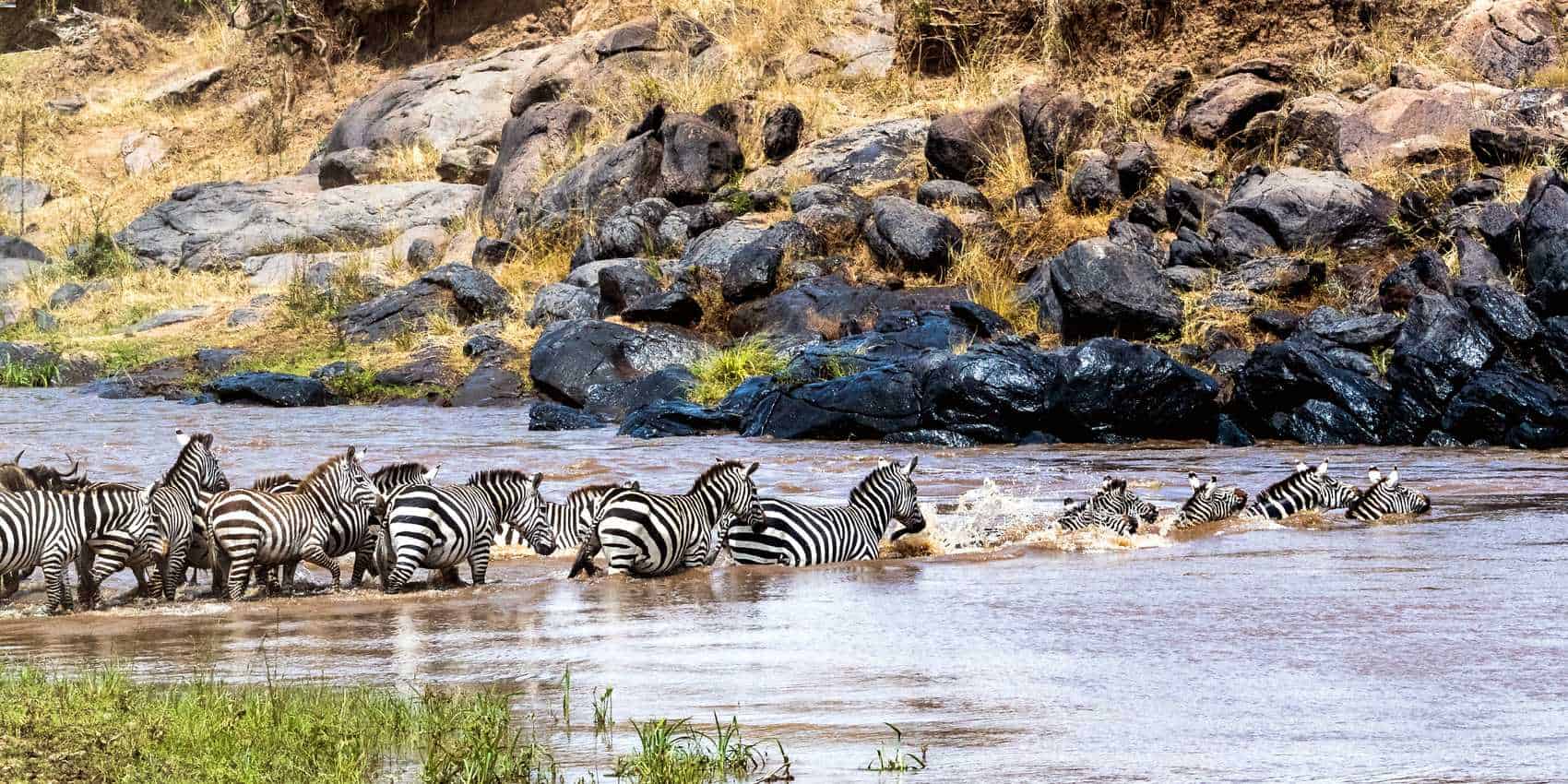
The Great Wildebeest Migration remains one of Africa’s most remarkable wildlife spectacles. However, nature follows its own calendar. Weather, rainfall, pasture conditions, and river levels can influence animal movements. Therefore, What Happens When the Migration Arrives Late? becomes an important question for safari travelers.
A delayed migration does not mean a disappointing Tanzania safari. Instead, it creates different wildlife opportunities across the Serengeti ecosystem. Travelers can still experience exceptional game viewing, dramatic landscapes, predator encounters, and authentic cultural experiences.
At Terenga Africa Safaris, we understand that responsible safari planning requires flexibility. Our Tanzania wildlife safaris consider seasonal conditions rather than relying only on fixed dates. This approach helps travelers enjoy rewarding experiences throughout the year.
Understanding What Happens When the Migration Arrives Late? also helps visitors set realistic expectations. The migration involves millions of wildebeest, zebras, and other grazing animals. Their movement depends heavily on environmental conditions.
Consequently, travelers should view the migration as a natural process rather than a scheduled event. Tanzania offers remarkable wildlife experiences even when herds reach a destination later than expected.
What Causes the Migration to Arrive Late?
Rainfall Controls the Movement
Rainfall plays an important role in determining where migrating herds move. Fresh rainfall encourages new grass growth across different parts of the ecosystem.
When rains arrive later, nutritious pasture may develop later. As a result, wildebeest can remain in an area longer than expected.
Conversely, early rainfall can accelerate movement toward newly green grazing areas. These changes make precise migration predictions difficult.
Grassland Conditions Matter
Wildebeest require large quantities of fresh grass during their annual movement. Their route often follows areas offering better grazing opportunities.
Therefore, dry conditions can delay movement toward particular regions. The herds may remain where adequate food and water remain available.
This natural flexibility explains What Happens When the Migration Arrives Late? Wildlife does not stop simply because the calendar changes.
What Happens When the Migration Arrives Late?
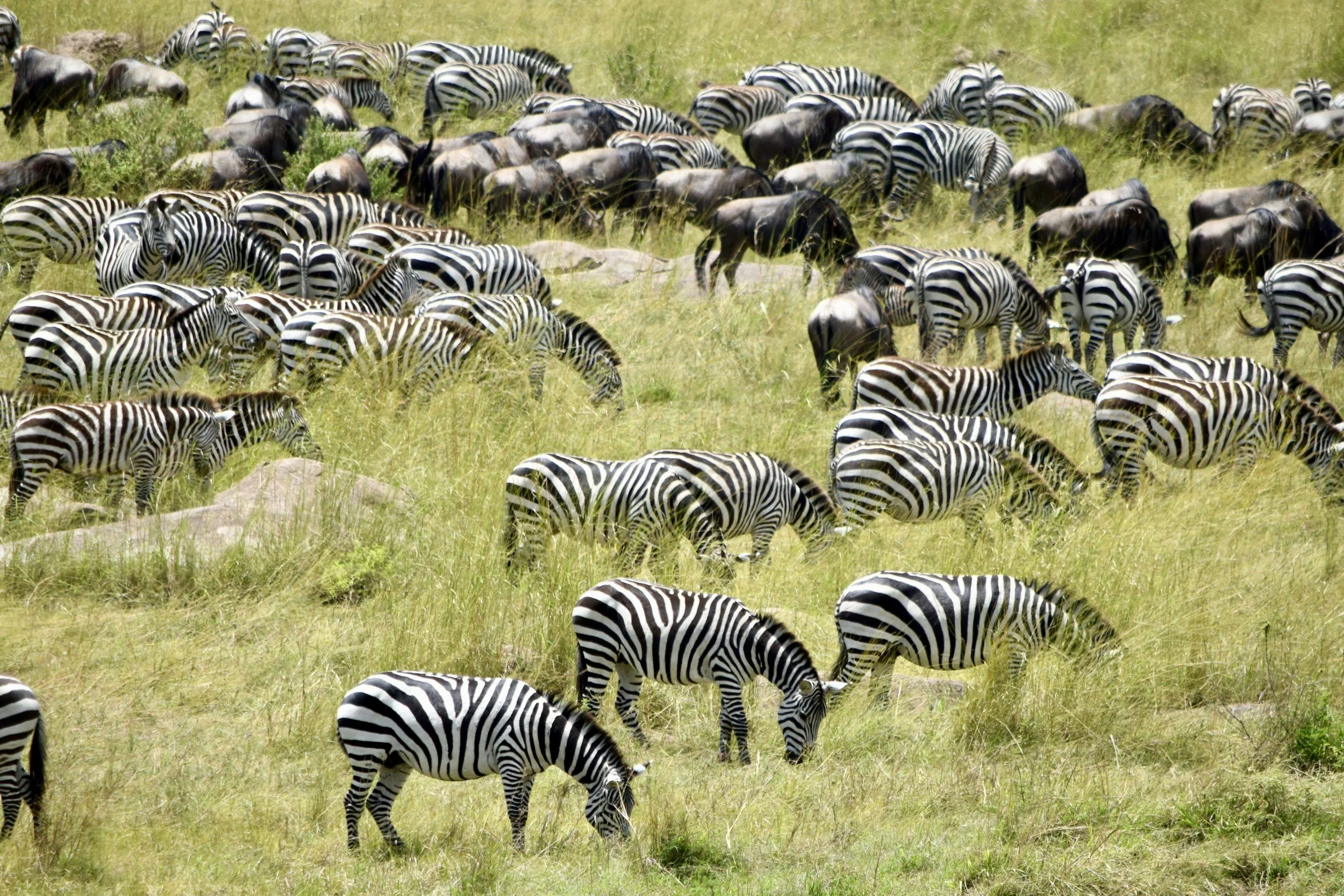
When migration movements occur later than expected, travelers may still encounter enormous herds. The location simply differs from the expected seasonal pattern.
For example, some herds may remain within central or western Serengeti areas longer. Other groups may move gradually toward northern grazing grounds.
This creates opportunities for extended wildlife viewing in areas that might receive less attention during peak migration periods.
Moreover, resident wildlife continues living across the Serengeti. Lions, leopards, cheetahs, elephants, giraffes, hippos, and numerous antelope species remain present.
Therefore, What Happens When the Migration Arrives Late? Travelers continue enjoying a complete Tanzania wildlife safari. The experience simply develops according to natural conditions.
Does a Late Migration Ruin a Tanzania Safari?
A late migration does not automatically reduce the quality of a Tanzania safari. In fact, travelers can experience excellent wildlife encounters outside the most publicized migration moments.
The Serengeti supports resident wildlife throughout the year. Predators maintain territories, elephants move between feeding areas, and herbivores continue seasonal movements.
Furthermore, fewer visitors may concentrate around certain areas during quieter periods. This can create more relaxed game-viewing experiences.
A professional safari operator can also adjust the itinerary when conditions change. Such flexibility forms an important part of responsible Tanzania adventure safaris.
At Terenga Africa Safaris, we focus on the broader safari experience rather than one wildlife event.
How Safari Operators Adapt to Migration Changes
Flexible Safari Planning
Experienced safari planning begins with flexibility. Fixed assumptions can create unrealistic expectations about wildlife movements.
Instead, professional guides assess current environmental conditions and recent wildlife activity. They then adjust daily game drives where practical.
This approach helps travelers maximize their opportunities while respecting park regulations.
Choosing the Right Safari Area
The Serengeti covers an enormous landscape. Different regions offer different wildlife experiences throughout the year.
Central Serengeti provides strong year-round wildlife opportunities. Northern Serengeti becomes especially important during certain migration periods.
Western Serengeti also supports significant wildlife activity during seasonal movements. The best area depends on rainfall, pasture, herd location, and travel dates.
Consequently, What Happens When the Migration Arrives Late? becomes less concerning when travelers use flexible regional planning.
Wildlife Experiences Beyond the Migration
Predator Encounters
The Serengeti supports one of Africa’s most impressive predator populations. Lions remain among the most frequently encountered predators.
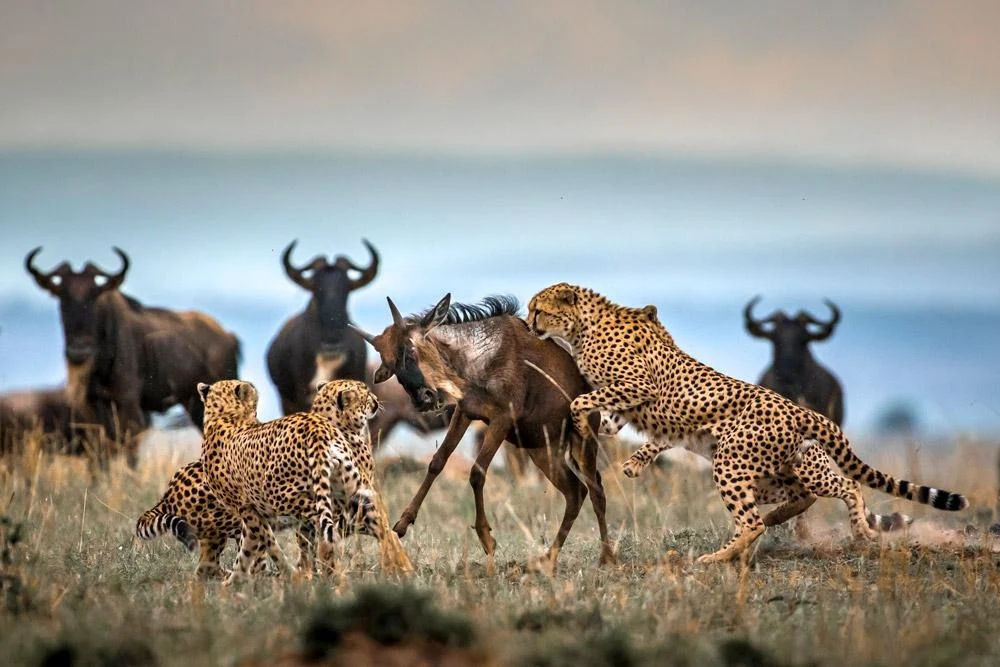
Cheetahs thrive across open grasslands where visibility supports hunting. Leopards often inhabit areas with trees and rocky cover.
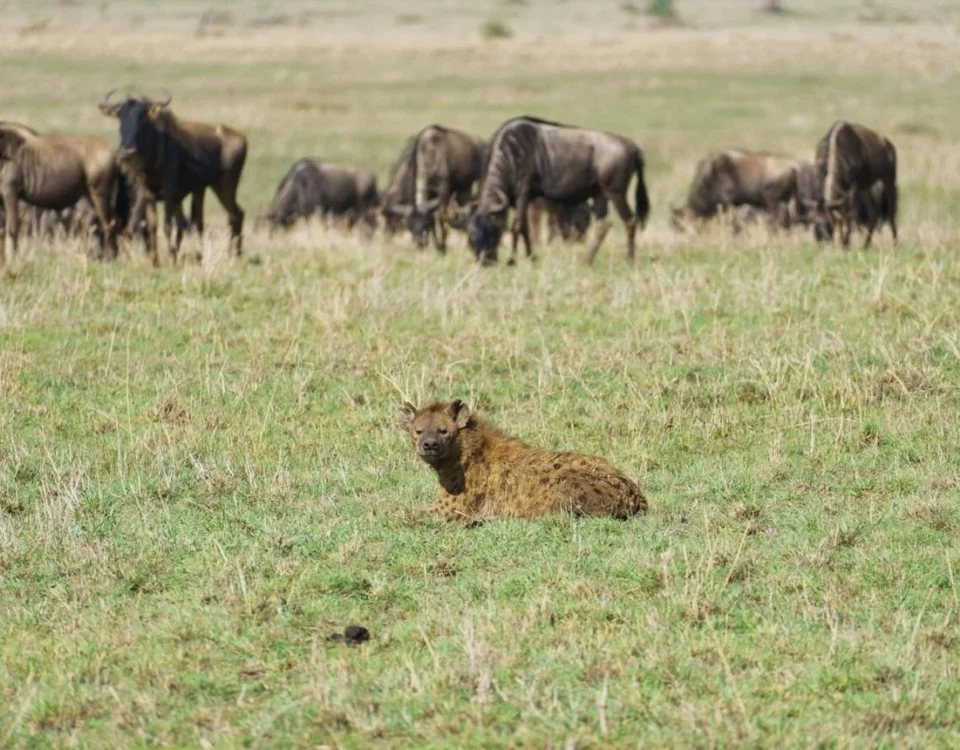
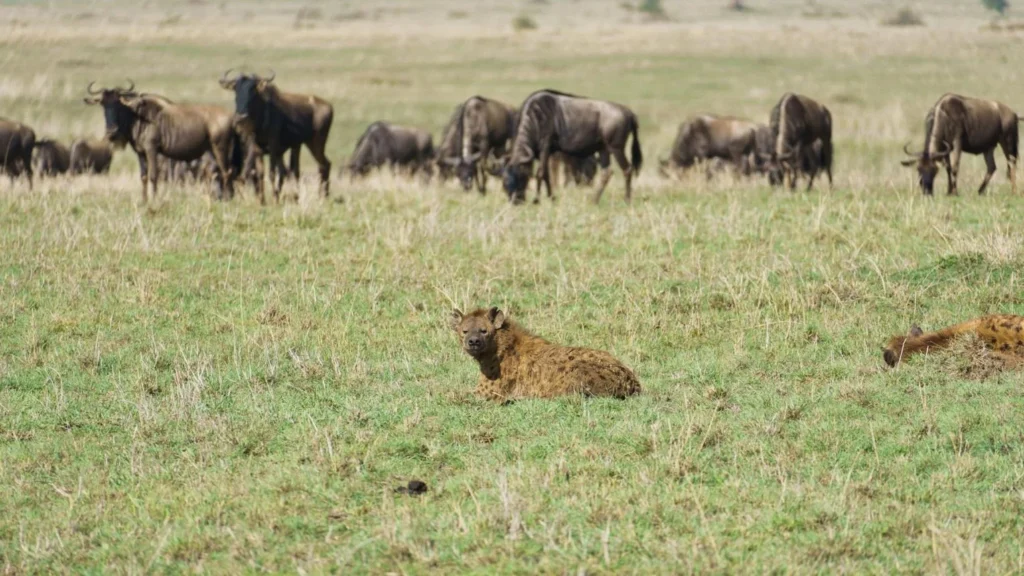
Hyenas also play an important role within the ecosystem. Their presence adds another fascinating dimension to Tanzania wildlife safaris.
Therefore, travelers should not measure a safari only by wildebeest numbers. The wider predator-prey ecosystem creates exceptional experiences throughout the year.
Resident Wildlife
Resident wildlife provides another reason to remain positive when migration timing changes.
Elephants, giraffes, buffaloes, hippos, zebras, gazelles, and numerous bird species inhabit the Serengeti ecosystem.
These animals offer excellent photographic opportunities during game drives. Their presence also demonstrates the ecological richness of Tanzania.
Cultural Experiences Around Safari Lodges
A Tanzania safari becomes even more meaningful when travelers connect with local communities.
Maasai Cultural Experiences
Many safari regions around northern Tanzania provide opportunities to experience Maasai culture.
Visitors can learn about traditional lifestyles, livestock keeping, crafts, music, dance, and community structures.
Responsible cultural visits should respect community traditions and provide meaningful benefits to local people.
Traditional Crafts and Community Markets
Travelers can also explore locally produced crafts around selected safari destinations.
Beaded jewelry, handmade decorations, textiles, and traditional artwork offer memorable souvenirs.
Purchasing authentic local products can support community-based livelihoods when travelers choose responsible sellers.
Village and Community Visits
Some safari itineraries include guided community visits near conservation areas.
These experiences provide insight into how communities interact with wildlife and tourism.
They also create opportunities to understand the relationship between conservation, culture, livestock, and tourism.
Consequently, What Happens When the Migration Arrives Late? can become an opportunity to explore deeper dimensions of Tanzania.
Photography During a Late Migration
Wildlife photography does not depend entirely on seeing enormous herds.
Smaller groups can create excellent photographic compositions. Predators, landscapes, birds, elephants, and giraffes provide diverse subjects.
Morning game drives often offer beautiful light and active wildlife. Afternoon drives can provide dramatic landscapes and changing atmospheric conditions.
Additionally, experienced guides understand animal behavior and positioning. Their knowledge can help photographers find compelling scenes without disturbing wildlife.
Therefore, What Happens When the Migration Arrives Late? should not discourage travelers carrying professional cameras or smartphones.
Why Timing Should Remain Flexible
Migration timing changes naturally from one year to another. Rainfall patterns rarely follow identical schedules.
Consequently, travelers should avoid treating migration calendars as guaranteed timetables.
A flexible itinerary creates opportunities to adjust locations and activities when conditions change.
Professional operators can also recommend alternative parks when appropriate. Tarangire, Ngorongoro, Lake Manyara, and other northern Tanzania destinations offer exceptional wildlife experiences.
This broader approach strengthens the overall value of Tanzania safaris.
How to Prepare for a Late Migration
Choose Experienced Safari Experts
Select a safari company with strong destination knowledge and flexible planning practices.
An experienced operator should understand seasonal wildlife patterns, park logistics, accommodation options, and regional travel conditions.
Keep Expectations Realistic
Migration experiences remain unpredictable because wildlife follows environmental conditions.
Travelers should therefore focus on experiencing the ecosystem rather than chasing one specific wildlife moment.
Consider Flexible Accommodation
Strategically selected lodges and camps can make itinerary adjustments easier.
Accommodation near different wildlife zones can also reduce unnecessary travel time.
Allow Room for Changes
Flexible travel dates can increase opportunities for migration-focused experiences.
However, fixed travel dates can still produce excellent Tanzania wildlife safaris with thoughtful planning.
What Happens When the Migration Arrives Late? The Bigger Picture
The most important lesson remains simple. A late migration does not mean a failed safari.
Nature constantly changes. Wildlife responds to rainfall, food availability, water sources, temperature, and environmental conditions.
A safari should therefore celebrate the entire ecosystem rather than one predicted movement.
At Terenga Africa Safaris, we help travelers understand these natural variations before departure. Our approach combines destination knowledge, practical planning, conservation awareness, and personalized safari design.
As a result, What Happens When the Migration Arrives Late? becomes a question about adaptation rather than disappointment.
Travelers can still discover extraordinary wildlife, breathtaking landscapes, rich cultures, and unforgettable moments.
Safari Inclusions
- Accommodation
- Daily meals
- Safari vehicle
- Professional safari guide
- Game drives
- Park entrance fees
- Airport transfers
- Bottled drinking water
- Cultural experiences
- Lodge or camp accommodation
- Government taxes
- Service charges
Safari Exclusions
- International flights
- Visa fees
- Travel insurance
- Personal expenses
- Alcoholic beverages
- Laundry services
- Tips
- Souvenirs
- Telephone expenses
- Optional activities
- Personal medical expenses
- Additional accommodation
Why Choose Terenga Africa Safaris?
Terenga Africa Safaris creates professionally planned journeys across Tanzania and wider Africa.
Our destination knowledge supports travelers seeking Tanzania safaris, Tanzania wildlife safaris, and Tanzania adventure safaris.
We understand that every journey requires careful planning. Therefore, our team considers travel dates, wildlife seasons, accommodation preferences, activities, and personal interests.
Our safari planning also embraces the unpredictable nature of wildlife. Rather than promising guaranteed sightings, we prepare travelers for authentic experiences within natural ecosystems.
That approach supports responsible tourism and realistic expectations.
Whether you seek the Great Wildebeest Migration, Serengeti wildlife, cultural encounters, or broader East African adventures, Tanzania offers remarkable possibilities.
Ultimately, What Happens When the Migration Arrives Late? The safari continues.
The landscape remains alive. Predators continue hunting. Herds continue moving. Communities continue sharing their cultures. Nature continues creating unexpected moments.
For this reason, What Happens When the Migration Arrives Late? should encourage flexibility rather than concern.
A professionally designed itinerary can still deliver exceptional wildlife experiences when nature changes its schedule.
At Terenga Africa Safaris, we believe the greatest safari experiences come from understanding nature, respecting its rhythms, and travelling responsibly.
Best Trending Tanzania Safari Holidays for 2027/2028
- 12-Day Tanzania Wildlife Safari
- 10-Day Tanzania Wildlife Safari & Zanzibar
- 10-Day Best Tanzania Honeymoon Luxury Safari and Zanzibar Beach Getaway
- 9-Day Ultimate Tanzania Wildlife Safari
- 9-Day Tanzania Adventure Safari
- 8-Day Tanzania Mid-Range Safari
- 8-Day Tanzania Northern Circuit Safari
- 7-Day Tanzania Wildlife Safari
- 7-Day Tanzania Wildlife Wonders Experience Tour
- 6-Day Majestic Tanzania Wildlife Luxury Safari
- 5-Day Kenya Wildlife Budget Safari
- 13-Day Tanzania Wildlife Tour & Zanzibar Beach Holiday
- 12-Day Tanzania Wildlife Safari Itinerary
- 11-Day Tanzania & Zanzibar Safari Adventure
- 11 Days Magical Kenya and Tanzania Safari
- 4-Day Tanzania Safari Extension Itinerary
- 5-Day Tanzania Safari Extension
- 9-Day Tanzania Wildlife Safari Adventure
- 7 Days Tanzania Safari Holiday
- 8 Days Tanzania Safari Holiday Itinerary