
March Rainfall and Wildebeest Movement
November 3, 2026
The Best Areas to See Wildebeest in March
November 5, 2026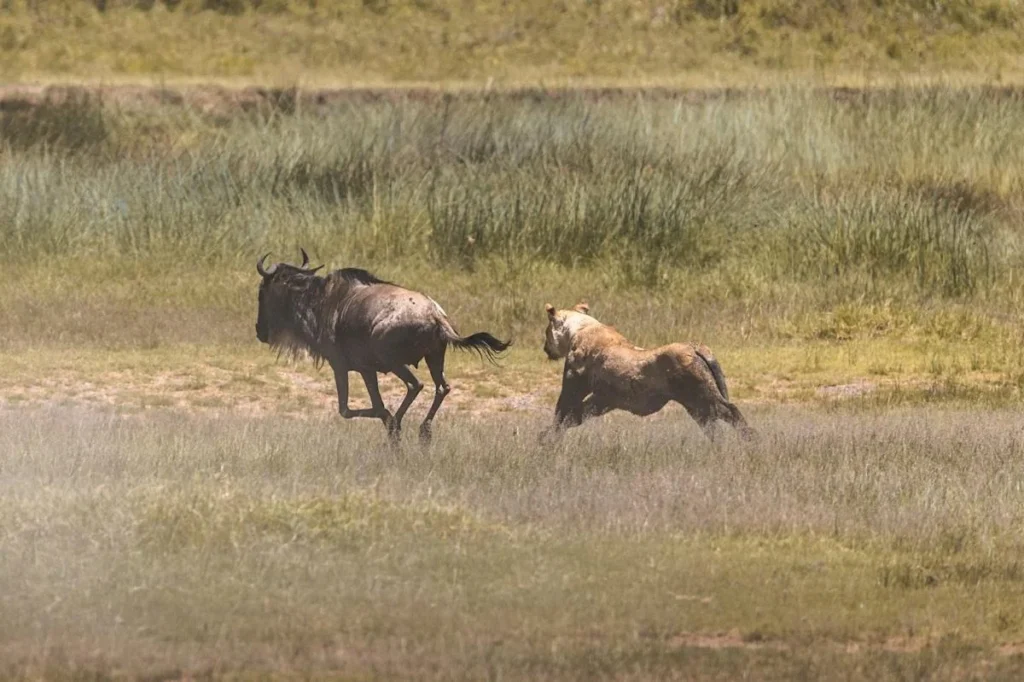
Why March Offers Excellent Wildlife Photography in Africa?
Understanding Why March Offers Excellent Wildlife Photography in Africa begins with appreciating the remarkable transformation that takes place across many African landscapes following seasonal rainfall. During this period, destinations in East Africa become greener, rivers and waterholes receive fresh supplies of water, vegetation flourishes and wildlife habitats take on a beautiful appearance that creates exceptional photographic opportunities. For international travellers, March offers a different perspective of Africa compared with the traditionally popular dry-season safari months. Rather than focusing exclusively on dry grasslands and animals gathering around limited water sources, visitors can experience flourishing vegetation, dramatic cloud formations, colourful scenery and fascinating animal behaviour. Tanzania’s Serengeti ecosystem becomes particularly attractive during the wildebeest calving season, especially in the southern plains and neighbouring Ndutu area, where thousands of newborn wildebeest may be encountered alongside zebras and gazelles. These concentrations of young animals also attract predators, creating opportunities to photograph lions, cheetahs, hyenas and other carnivores displaying natural hunting and social behaviours. Meanwhile, Kenya’s wildlife destinations offer beautiful green landscapes, resident wildlife and rewarding birdwatching experiences. Uganda and Rwanda provide additional opportunities for nature photographers interested in forest biodiversity, primates, mountain scenery and birdlife. Although rainfall can occur during March, the changing weather can create dramatic photographic backgrounds, soft natural lighting and reflections across seasonal wetlands. At Terenga Africa Safaris & Travel Ltd, we recognise that wildlife photography requires more than simply visiting a national park. Successful photographic experiences depend on understanding seasonal conditions, selecting appropriate destinations, allowing sufficient time for wildlife observation and working with knowledgeable safari guides. Whether you are a professional photographer, an enthusiastic beginner or a traveller wishing to capture memorable African wildlife moments, March can offer a rewarding combination of natural beauty, wildlife activity and distinctive photographic opportunities.
Why Does March Create Beautiful Photography Conditions Across African Landscapes?
One of the main reasons Why March Offers Excellent Wildlife Photography in Africa is the attractive transformation of natural landscapes during the green season. Seasonal rainfall encourages vegetation growth, giving grasslands, woodlands and wetlands a fresh appearance that creates beautiful photographic backgrounds. Unlike the predominantly dry landscapes associated with certain other safari periods, March often presents visitors with vibrant shades of green, colourful wildflowers, fresh leaves and striking contrasts between vegetation and wildlife. These conditions are particularly appealing to photographers who want to capture animals within their natural environments rather than relying exclusively on close-up wildlife portraits. Early morning and late afternoon can provide soft natural lighting that enhances the colours and textures of the landscape. Furthermore, changing cloud formations may create dramatic skies, allowing photographers to experiment with landscape compositions and wide-angle images. Rain showers can also produce temporary reflections in waterlogged areas, adding depth and visual interest to wildlife photographs. In certain destinations, the atmosphere following rainfall can create particularly beautiful photographic scenes, especially when sunlight breaks through clouds over open savannahs. However, photographers should understand that March weather varies considerably between different African destinations and elevations. Some areas experience regular rainfall, while others may remain relatively dry during parts of the month. Equipment protection is therefore essential, especially when travelling through dusty roads or wet environments. A weather-resistant camera bag, protective covers and lens-cleaning materials can help maintain photography equipment throughout the journey. For travellers planning Kenya Safaris or Tanzania Safaris, March offers an opportunity to explore landscapes that are visually different from those encountered during the dry season. The result can be a distinctive collection of photographs that captures Africa’s natural beauty from a fresh seasonal perspective.
Can You Photograph the Great Wildebeest Migration in March?
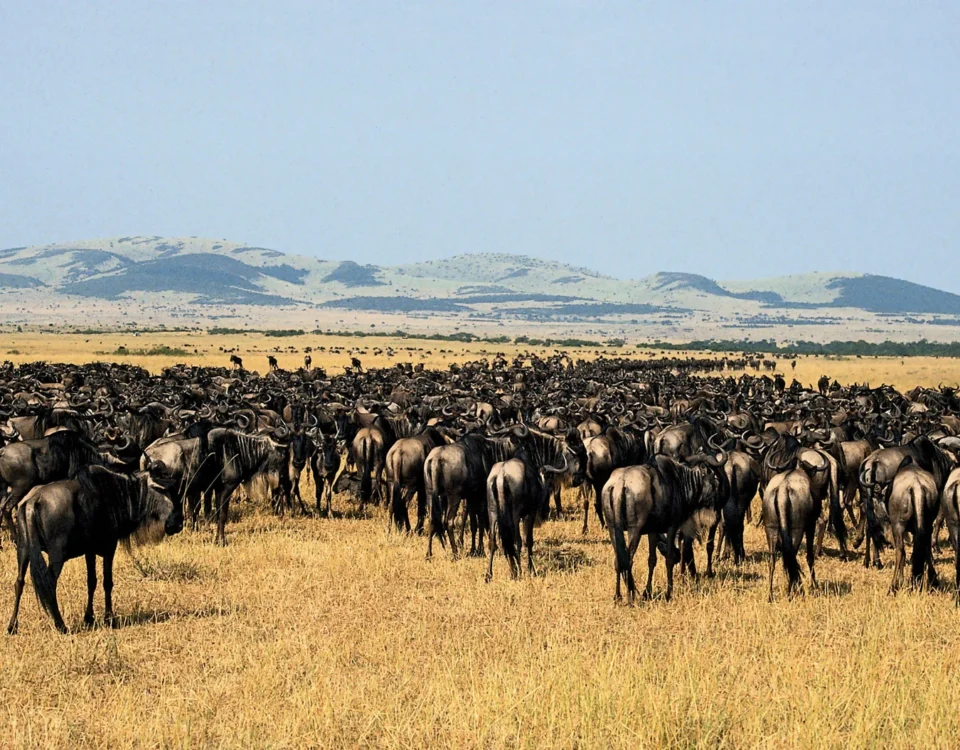
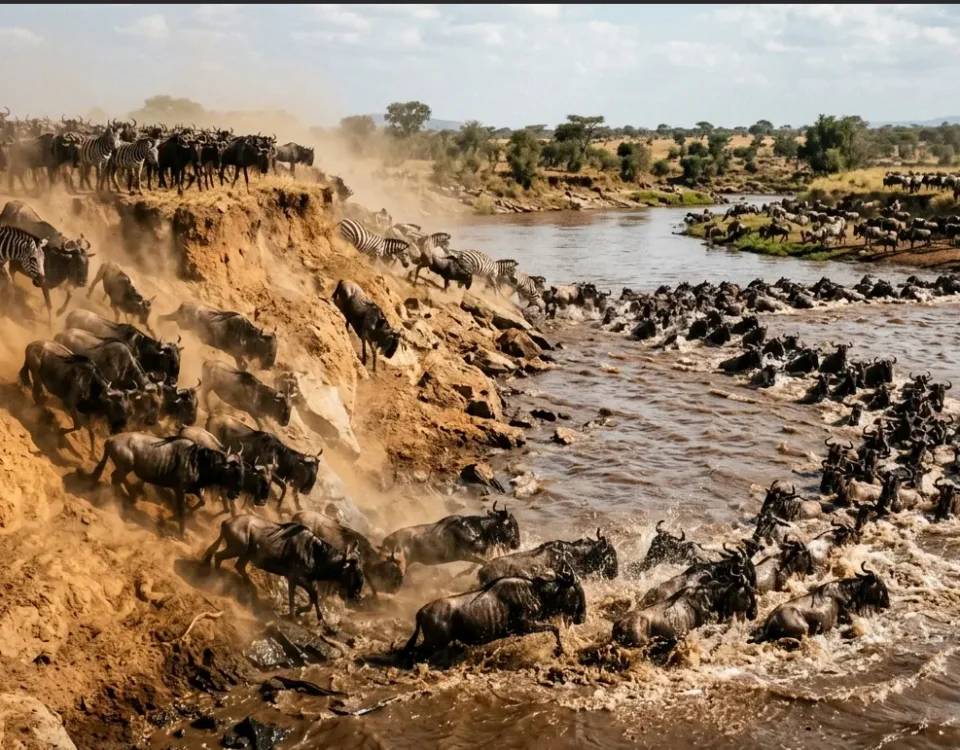
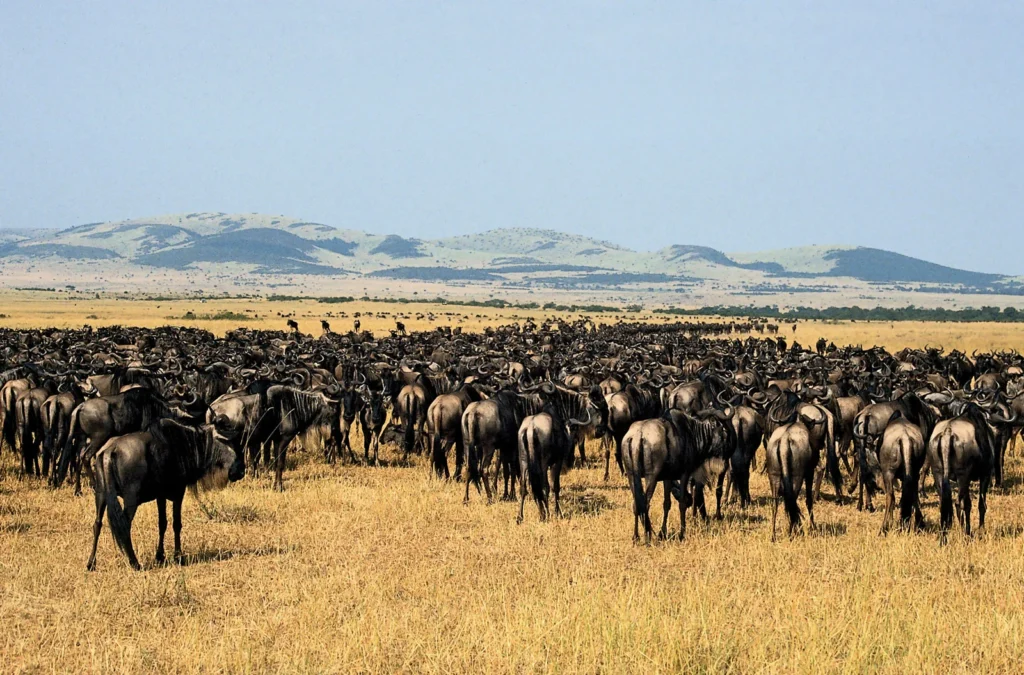
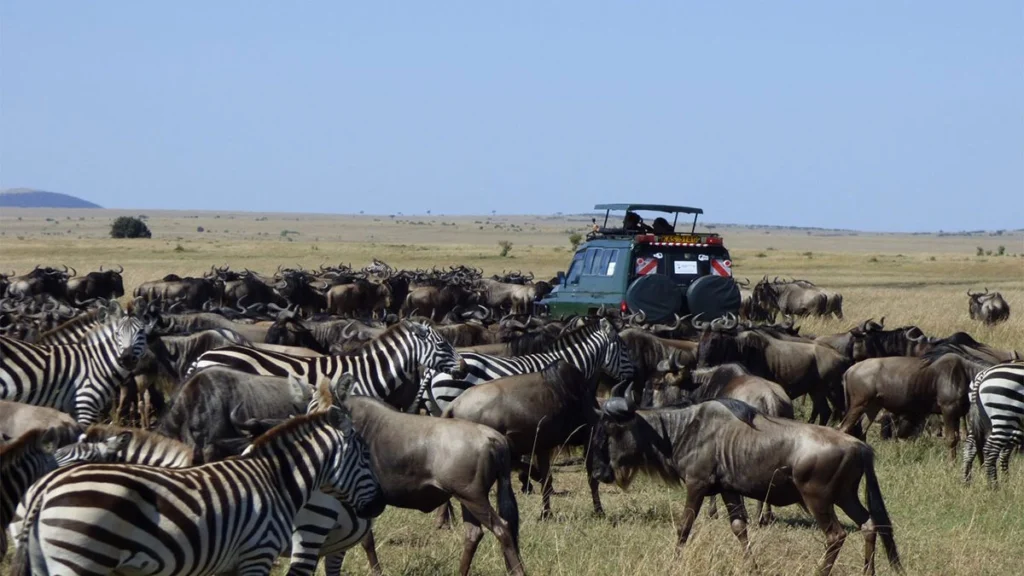
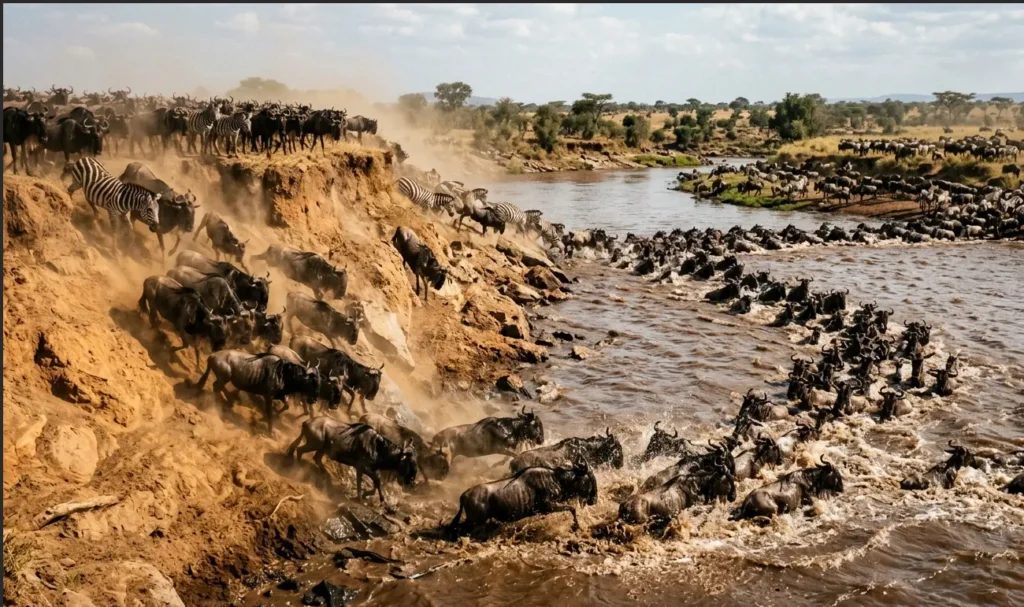
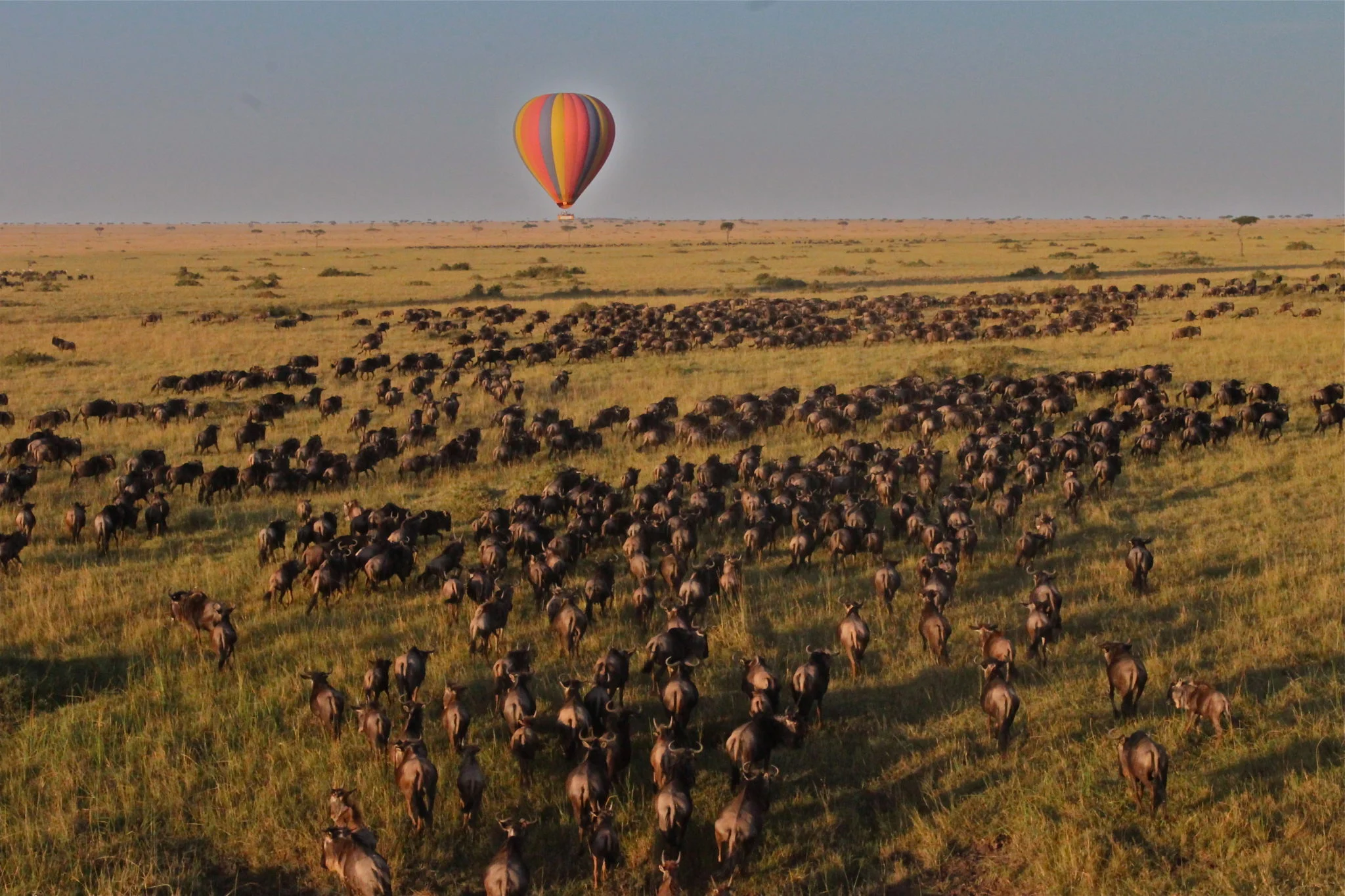
Another important reason Why March Offers Excellent Wildlife Photography in Africa is the opportunity to witness the Great Wildebeest Migration during one of its most fascinating stages. In Tanzania, the southern Serengeti plains and neighbouring Ndutu region become important locations for wildebeest calving, with large numbers of newborn animals appearing during the main calving period, particularly in January and February and sometimes extending into March. This concentration of wildlife creates exceptional photographic opportunities for visitors interested in capturing animal families, newborn calves and predator-prey interactions. Wildebeest mothers can often be observed caring for their young, while zebras and gazelles contribute to the impressive diversity of animals moving across the grasslands. The presence of vulnerable newborn animals also attracts predators, including lions, cheetahs, hyenas and leopards, providing opportunities to document natural behaviour. Nevertheless, wildlife photography should always be conducted responsibly, without disturbing animals or interfering with their activities. During March, the migrating herds may begin shifting away from the southern plains as seasonal rainfall and grazing conditions change. Their exact movements vary from year to year, meaning visitors should not assume that every herd will remain in one location throughout the month. Experienced safari guides can help photographers identify suitable wildlife-viewing areas and understand the seasonal movement patterns. Longer photographic sessions may be particularly valuable because interesting animal behaviour often develops gradually rather than occurring immediately. For photographers interested in combining Kenya Safaris with Tanzania Safaris, understanding the wider Serengeti-Mara ecosystem provides valuable context for planning a migration-focused holiday. At Terenga Africa Safaris & Travel Ltd, we encourage travellers to organise their journeys around seasonal wildlife movements and allow flexibility when pursuing particular photographic subjects.
Why Is March Excellent for Bird Photography in Africa?
Birdwatching and avian photography are additional reasons Why March Offers Excellent Wildlife Photography in Africa. Across many East African habitats, seasonal rainfall supports fresh vegetation, insect activity and improved feeding opportunities for numerous bird species. Wetlands, lakeshores, forests and grasslands become attractive environments for both resident and migratory birds. Depending on the destination and local conditions, photographers may encounter African fish eagles, kingfishers, herons, egrets, bee-eaters, storks, hornbills, weavers, cranes and numerous smaller species. Some migratory birds may also be present during this period, adding variety to the birdwatching experience. Tanzania’s wetlands and savannah ecosystems offer opportunities to photograph waterbirds and birds of prey, while Kenya’s lakes and grassland habitats provide excellent environments for observing different avian species. Uganda is particularly rewarding for bird enthusiasts because its varied ecosystems include wetlands, tropical forests and open savannahs. Visitors undertaking Uganda Safaris may discover remarkable bird diversity in destinations such as Queen Elizabeth National Park, Murchison Falls National Park and the Mabamba wetland region. Rwanda also offers impressive birdwatching opportunities within its forests, lakes and mountainous conservation areas. For photographers, March can provide attractive backgrounds created by fresh foliage, flowering plants and seasonal water sources. Carrying a camera with a suitable telephoto lens, a stable support system and binoculars can improve the quality of bird photography. Patience is equally important because birds may move quickly, remain concealed in vegetation or change feeding locations. Experienced guides can help identify promising bird habitats and recognise species through their calls, colours and flight patterns. Whether your interest is photographing large birds of prey or capturing colourful forest species, March provides opportunities to explore Africa’s extraordinary avian diversity.
Which African Destinations Are Best for Wildlife Photography in March?
Choosing the right location is essential when understanding Why March Offers Excellent Wildlife Photography in Africa, because seasonal conditions and wildlife concentrations differ across the continent. Tanzania is among the strongest choices for visitors interested in the Great Wildebeest Migration, particularly the southern Serengeti and Ndutu plains during the calving season. The Ngorongoro Conservation Area can also provide remarkable opportunities for photographing large mammals, open landscapes and dramatic volcanic scenery. In Kenya, destinations such as Amboseli National Park, Tsavo National Parks and the Maasai Mara offer different wildlife and landscape experiences. Amboseli is especially recognised for its elephant herds and impressive views of Mount Kilimanjaro, while the Maasai Mara supports diverse predators and large populations of grazing animals. Although migration herds are generally associated with the Maasai Mara during the later part of the year, its resident wildlife remains attractive for photography in March. Uganda provides a contrasting experience through its forest ecosystems, savannah parks vand primate habitats. Photographers interested in gorillas and chimpanzees may explore suitable trekking experiences in Bwindi Impenetrable National Park or Kibale National Park, subject to permit availability and current conditions. Rwanda is another excellent option, particularly for visitors interested in mountain gorilla photography, forest landscapes and birdlife. Volcanoes National Park provides opportunities for guided gorilla trekking, while Akagera National Park offers savannah wildlife photography. Importantly, gorilla photography is subject to strict conservation regulations, including restrictions on flash photography and minimum viewing distances. Travellers considering Rwanda Safaris or Rwanda Tours should therefore understand the relevant permit requirements before confirming their plans. Each destination provides different photographic subjects, making it important to select locations according to personal interests, equipment and available travel time.

10-Day Tarangire, Serengeti to Ndutu Migration & Ngorongoro
What Are the Expectations During a March Wildlife Photography Safari?
Understanding what to expect helps photographers appreciate Why March Offers Excellent Wildlife Photography in Africa and prepare for the distinctive conditions associated with travelling during this month. Most photographic safaris begin early in the morning, when temperatures are generally cooler and wildlife activity can be rewarding. Following breakfast, guests normally travel through selected wildlife areas with a professional driver-guide who understands animal behaviour, seasonal habitats and suitable photography locations. Depending on the itinerary, full-day game drives may be arranged to provide additional time for observing wildlife and waiting for interesting photographic moments. Unlike conventional sightseeing holidays, wildlife photography safaris often require patience because animals do not follow predictable schedules. A photographer may spend considerable time observing a particular animal before capturing the desired image. During March, changing weather conditions may introduce occasional rain showers, muddy roads or cloudy skies, depending on the destination. Nevertheless, these conditions can create beautiful photographic opportunities when managed appropriately. Travellers should also expect variations in wildlife visibility because vegetation may be taller and denser than during the dry season. Professional guidance becomes particularly valuable when identifying animals concealed within grasslands or woodland habitats. Accommodation options range from comfortable safari camps to luxury lodges, with facilities varying according to location and budget. Photography-focused itineraries may also involve longer periods in the field, making comfortable clothing, suitable equipment and adequate rest important. Visitors should follow park regulations, maintain safe distances from wildlife and avoid disturbing animals for the sake of obtaining photographs. At Terenga Africa Safaris & Travel Ltd, we encourage travellers to approach photographic safaris with realistic expectations, flexibility and respect for the natural environment. The most memorable photographs often come from patient observation rather than rushing between wildlife sightings.
When Is the Best Time to Visit Africa for Wildlife Photography?
Although March offers excellent opportunities, understanding Why March Offers Excellent Wildlife Photography in Africa also requires comparing it with other seasons. The best travel period ultimately depends on the wildlife species, landscapes and photographic experiences a visitor wishes to capture. In Tanzania, January through March is particularly interesting for travellers hoping to photograph wildebeest calving and predator activity in the southern Serengeti ecosystem. March may provide a combination of newborn wildlife, green landscapes and diverse birdlife, although rainfall conditions can vary. June to October generally offers drier conditions in many East African savannah destinations, with shorter vegetation and favourable opportunities for spotting animals. These months are especially popular for visitors interested in large mammals and the later stages of the Great Migration in northern Tanzania and Kenya’s Maasai Mara. November and December may introduce fresh greenery following seasonal rainfall, creating attractive landscapes and rewarding birdwatching conditions in several locations. In Uganda and Rwanda, gorilla and chimpanzee trekking is available during different periods of the year, subject to park regulations, permits and local weather conditions. March can be a wetter period in some forest destinations, which may influence hiking conditions and photography arrangements. Nevertheless, rain can also contribute to beautiful forest scenery and lush vegetation. Photographers should consider the balance between weather, accessibility, wildlife movements and personal interests before choosing travel dates. At Terenga Africa Safaris & Travel Ltd, we recommend developing a travel plan around the subjects you most want to photograph rather than assuming that one season is ideal for every destination. A well-planned itinerary can combine different ecosystems and photographic opportunities into one rewarding African holiday.
Why Choose Terenga Africa Safaris & Travel Ltd for Your March Photography Safari?
Choosing a knowledgeable safari operator is an important part of understanding Why March Offers Excellent Wildlife Photography in Africa and ensuring that your photographic holiday is organised effectively. At Terenga Africa Safaris & Travel Ltd, we recognise that wildlife photography requires careful preparation, destination knowledge and an appreciation of seasonal wildlife behaviour. Our approach focuses on helping international travellers identify suitable destinations, organise practical itineraries and enjoy meaningful encounters with Africa’s natural heritage. Whether your priority is photographing the Great Wildebeest Migration, capturing elephants against Mount Kilimanjaro, documenting African birds or experiencing guided primate encounters, itinerary planning should reflect your photographic objectives. Selecting appropriate accommodation and allocating enough time for game drives can make a significant difference to the overall experience. Furthermore, our commitment to responsible tourism means encouraging respectful wildlife observation and adherence to conservation regulations. We believe that professional safari experiences should combine clear communication, realistic expectations, knowledgeable guidance and attention to traveller comfort. Visitors planning wider East African journeys can also explore Kenya Adventures, Tanzania Safaris, Uganda Safaris and Rwanda Safaris, each offering distinctive wildlife and photographic opportunities. From the open savannahs of Kenya and Tanzania to Uganda’s tropical forests and Rwanda’s mountain landscapes, East Africa presents remarkable diversity for nature enthusiasts. Our objective is to help travellers make informed decisions and discover the destinations that best match their interests. By combining a passion for African tourism with thoughtful travel planning, Terenga Africa Safaris & Travel Ltd aims to provide memorable safari experiences that celebrate the beauty, diversity and conservation importance of Africa.
 What Should You Pack for a March Wildlife Photography Safari?
Proper preparation is essential for enjoying Why March Offers Excellent Wildlife Photography in Africa without unnecessary difficulties during your journey. Since March can bring changing weather conditions, travellers should pack lightweight clothing that can be layered according to temperature and rainfall. Neutral-coloured shirts, comfortable safari trousers, breathable socks and closed walking shoes are practical choices for game drives and outdoor activities. A lightweight waterproof jacket or rain poncho is particularly useful when visiting destinations that experience seasonal rainfall. Photographers should pay special attention to camera equipment, including telephoto lenses, wide-angle lenses, additional batteries, memory cards and protective storage bags. A waterproof camera cover and silica gel packs can help protect valuable equipment against moisture. Lens-cleaning cloths and a small cleaning kit are also useful for dealing with dust, water droplets and fingerprints. Binoculars can improve wildlife observation, while a comfortable camera strap or support system may reduce fatigue during extended photography sessions. Other important items include sunscreen, sunglasses, a wide-brimmed hat, insect repellent, a reusable water bottle and personal medication. Visitors undertaking gorilla or chimpanzee trekking should consider sturdy hiking boots, gardening-style gloves and suitable waterproof