How Young Wildebeest Join the Great Migration?
November 3, 2026
Why March Offers Excellent Wildlife Photography in Africa?
November 4, 2026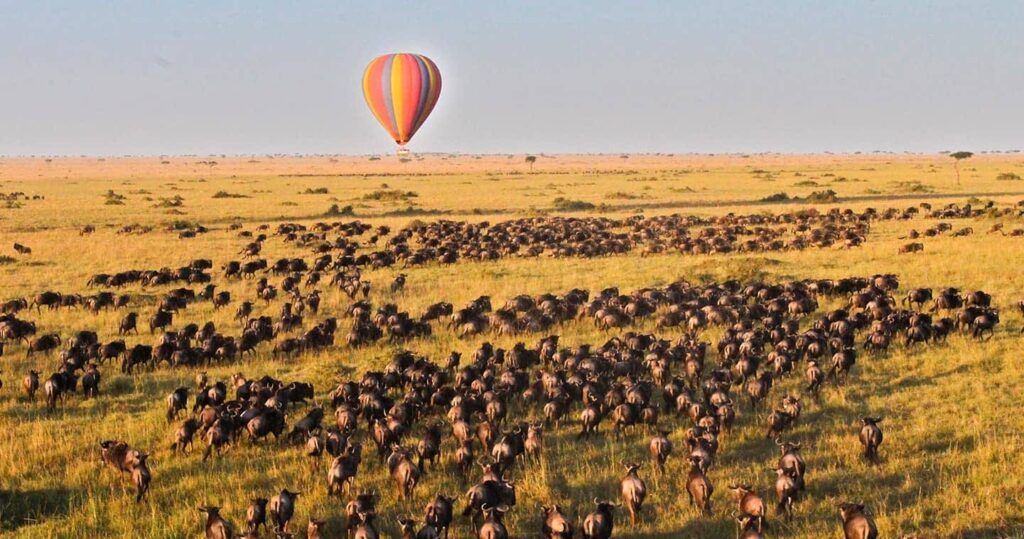
March Rainfall and Wildebeest Movement: Understanding the Great Migration in the Serengeti
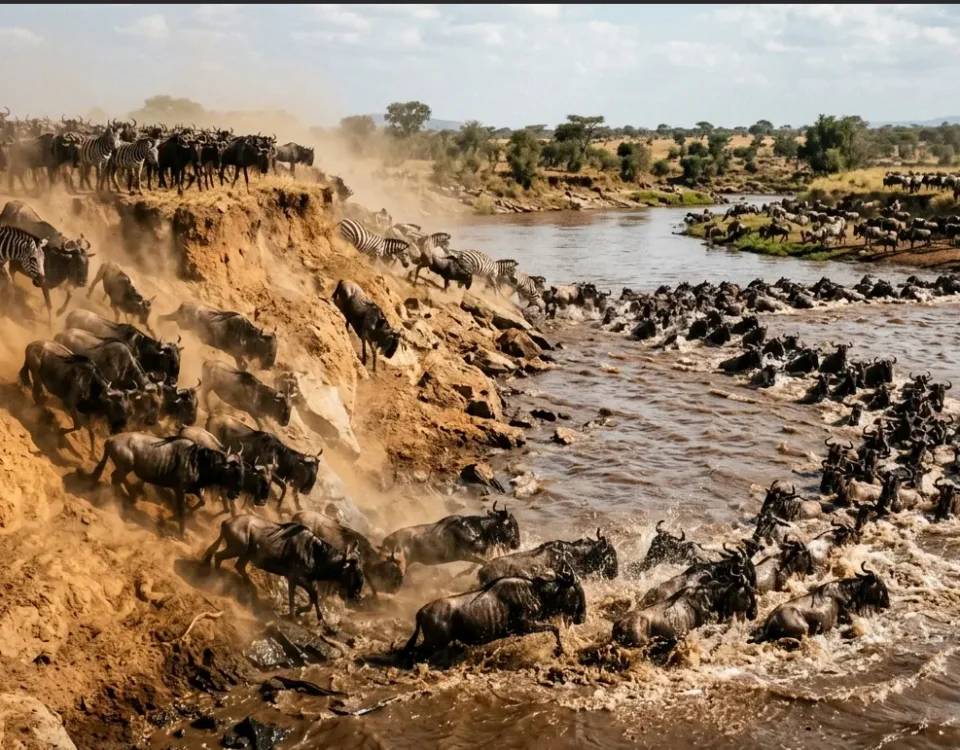
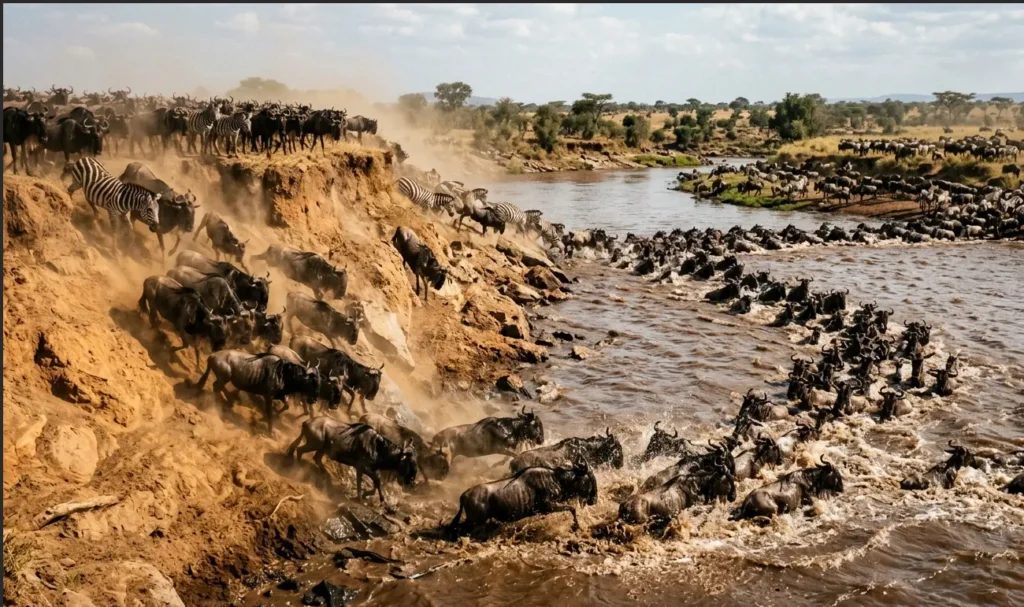
March Rainfall and Wildebeest Movement are closely connected to one of Africa’s most remarkable wildlife events: the Great Wildebeest Migration. Every year, millions of wildebeest, accompanied by zebras and gazelles, move across the Serengeti ecosystem in search of fresh grazing and reliable water sources. Although the migration follows a broad seasonal pattern, it does not operate according to a fixed timetable. Instead, rainfall, grass availability, soil conditions, and changing weather patterns influence where the herds gather and when they begin moving. For visitors planning Tanzania Safaris, understanding this relationship provides valuable insight into the wildlife experience available during March. The month often represents an important transition in the migration cycle because the southern Serengeti and Ndutu region may still support large concentrations of wildebeest following the calving season, while some groups begin responding to changing environmental conditions.
Unlike a conventional wildlife tour that focuses on visiting a particular park, a Great Migration safari involves understanding an extensive ecosystem that crosses different habitats within Tanzania and Kenya. During March, seasonal showers can encourage fresh vegetation, attracting grazing animals to areas where nutritious grass is available. However, rainfall is rarely uniform across the Serengeti, meaning herds may remain concentrated in certain locations while others begin dispersing. This natural variation makes March Rainfall and Wildebeest Movement particularly interesting for wildlife enthusiasts, photographers, researchers, and travellers seeking a deeper understanding of animal behaviour. Through carefully planned Tanzania Tours, visitors can explore the southern plains, observe wildlife interactions, and learn how environmental changes influence the movement of large herbivore populations. At Terenga Africa Safaris & Travel Ltd, we encourage travellers to approach the Great Migration as a dynamic natural process rather than an event that can be predicted with absolute certainty.
How Does March Rainfall Affect the Great Wildebeest Migration?
March Rainfall and Wildebeest Movement demonstrate how strongly wildlife depends on seasonal changes in the natural environment. Across the Serengeti, rainfall influences the growth of grasses that provide food for wildebeest, zebras, and other grazing animals. When showers arrive, dormant vegetation begins to grow, creating feeding opportunities in areas that receive sufficient moisture. These fresh grasslands can attract herds because young vegetation is generally more nutritious and easier for grazing animals to digest than older, dry grass. Nevertheless, the amount of rainfall differs from one part of the ecosystem to another, so the availability of grazing is not identical throughout the region. As a result, wildebeest do not necessarily move together in one enormous group. Instead, smaller herds and larger concentrations respond to local conditions, gradually shifting between grazing areas as resources change.
For travellers interested in Tanzania Adventures, March provides an opportunity to appreciate the connection between climate and wildlife behaviour. Rain showers may create temporary pools, replenish seasonal water sources, and transform sections of the open plains into greener landscapes. Such conditions can influence grazing patterns and the distribution of animals across the ecosystem. However, rainfall alone does not determine migration routes. Wildebeest movement also depends on the condition of the grass, the availability of water, the nutritional needs of the herds, and the wider seasonal cycle. Furthermore, some areas may receive rain while nearby locations remain relatively dry. Consequently, visitors should avoid assuming that every herd will move northward or westward at a particular time in March.
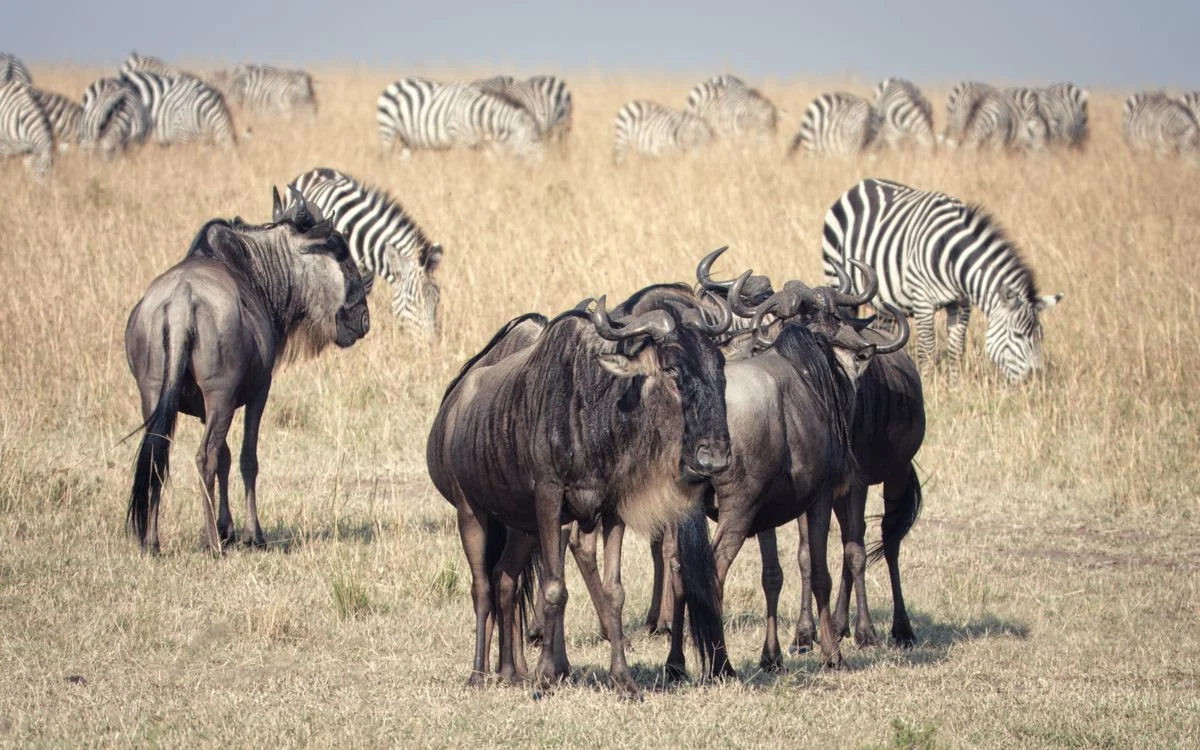 Where Are the Wildebeest Herds During March?
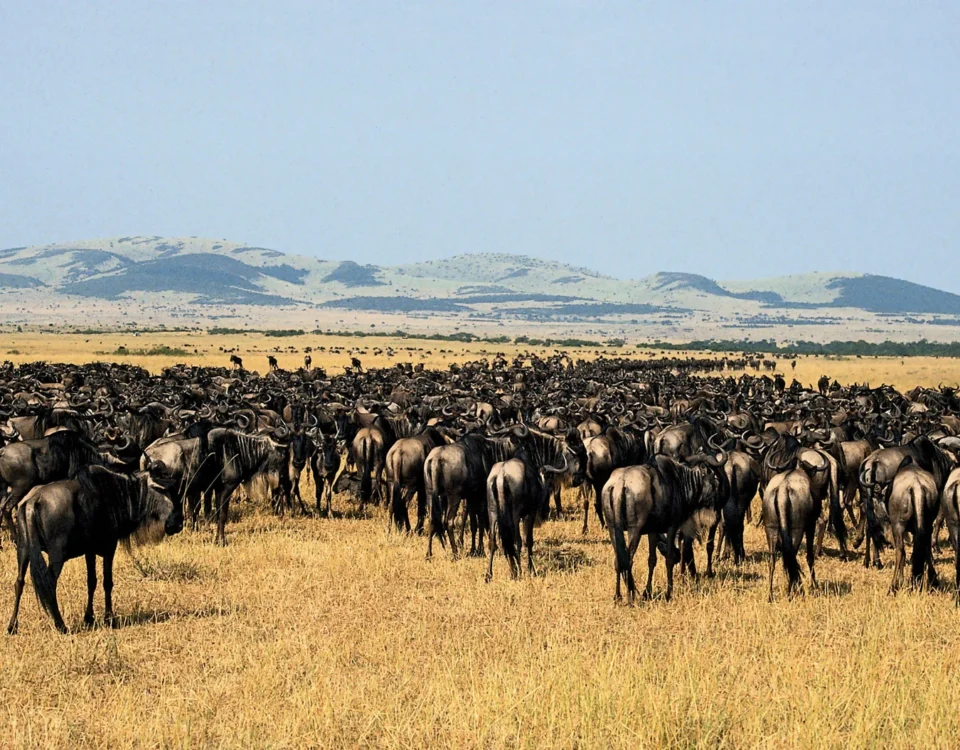
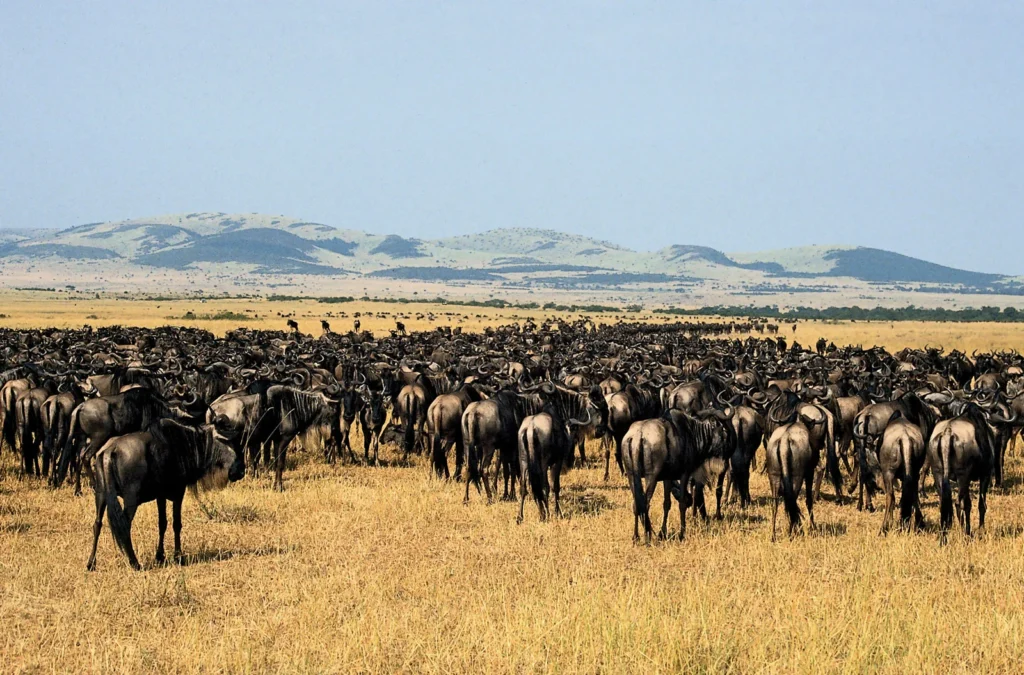
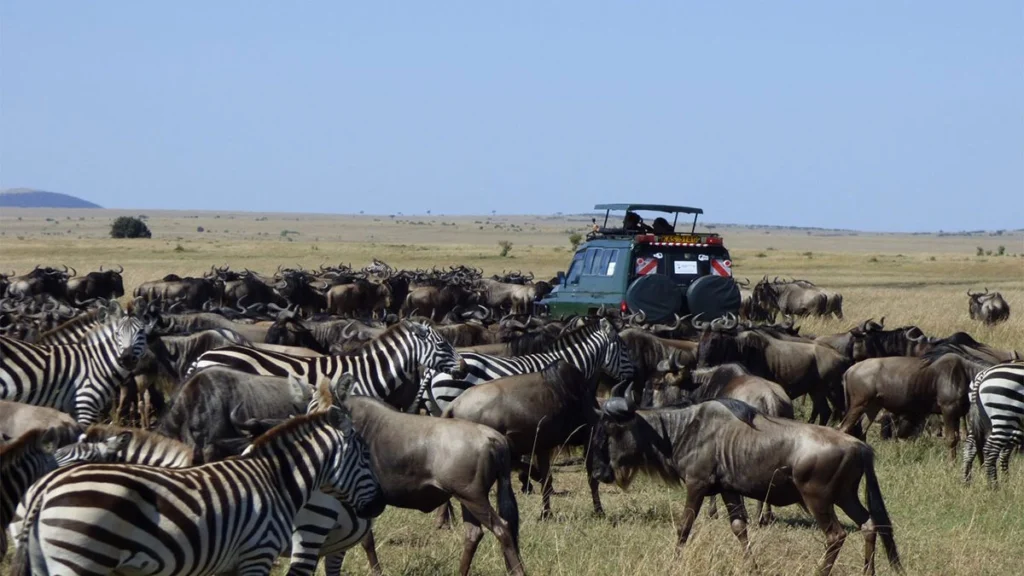
March Rainfall and Wildebeest Movement are especially relevant when choosing where to experience the Great Migration in Tanzania. During this period, the southern Serengeti and the Ndutu area are important wildlife-viewing locations because they support substantial grazing opportunities following the main calving season. Ndutu lies within the wider ecosystem shared by the Ngorongoro Conservation Area and southern Serengeti, making it an excellent base for exploring the seasonal movements of wildebeest. Depending on rainfall and grass conditions, sizeable concentrations may remain around these plains during March. Visitors can encounter wildebeest grazing in open landscapes, zebras moving alongside the herds, and predators searching for opportunities among the migrating animals. Nevertheless, the distribution of wildlife changes from year to year, and some groups may already be spreading towards other parts of the Serengeti.
Central Serengeti, particularly the Seronera region, can also contribute to a rewarding safari experience during March. Its combination of grasslands, river systems, woodland, and permanent water sources supports a variety of wildlife throughout the year. Although it is not possible to guarantee that the main migration herds will be concentrated there, the region offers opportunities to encounter resident animals, including lions, leopards, elephants, giraffes, buffaloes, and numerous antelope species. Travellers planning Tanzania Safaris can therefore consider combining southern and central Serengeti destinations when their schedule allows. This approach provides a broader wildlife experience instead of relying entirely on the precise location of the migrating herds.
Why Do Wildebeest Move After the Calving Season?
The relationship between March Rainfall and Wildebeest Movement becomes easier to understand when considering what happens after the calving season. During the early months of the year, large numbers of wildebeest calves are born across the southern Serengeti and Ndutu plains. These open grasslands can provide nutritious grazing that supports lactating females and their young. Following birth, calves develop quickly and become increasingly capable of travelling with their mothers and the wider herd. As the season progresses, nutritional requirements, changing grass conditions, and rainfall patterns influence where the animals search for food. When grazing becomes less suitable in one location, herds may gradually begin moving towards areas offering better feeding opportunities.
Importantly, wildebeest do not leave the southern Serengeti simply because March has arrived. Their movements depend on the actual condition of the landscape, and some groups may remain in the south while others begin dispersing. This staggered movement is one reason the Great Migration is difficult to describe through fixed monthly dates. Predators also play an important role in the ecosystem. Lions, cheetahs, spotted hyenas, and leopards may take advantage of the large concentrations of grazing animals, particularly where young calves are present. However, predator activity varies according to location, prey availability, and individual animal behaviour. During a safari, observing these interactions can help visitors understand the natural balance between predators and herbivores. For anyone interested in March Rainfall and Wildebeest Movement, the period offers an opportunity to witness how wildlife responds to changing resources while continuing one of the longest and most impressive land migrations on Earth.
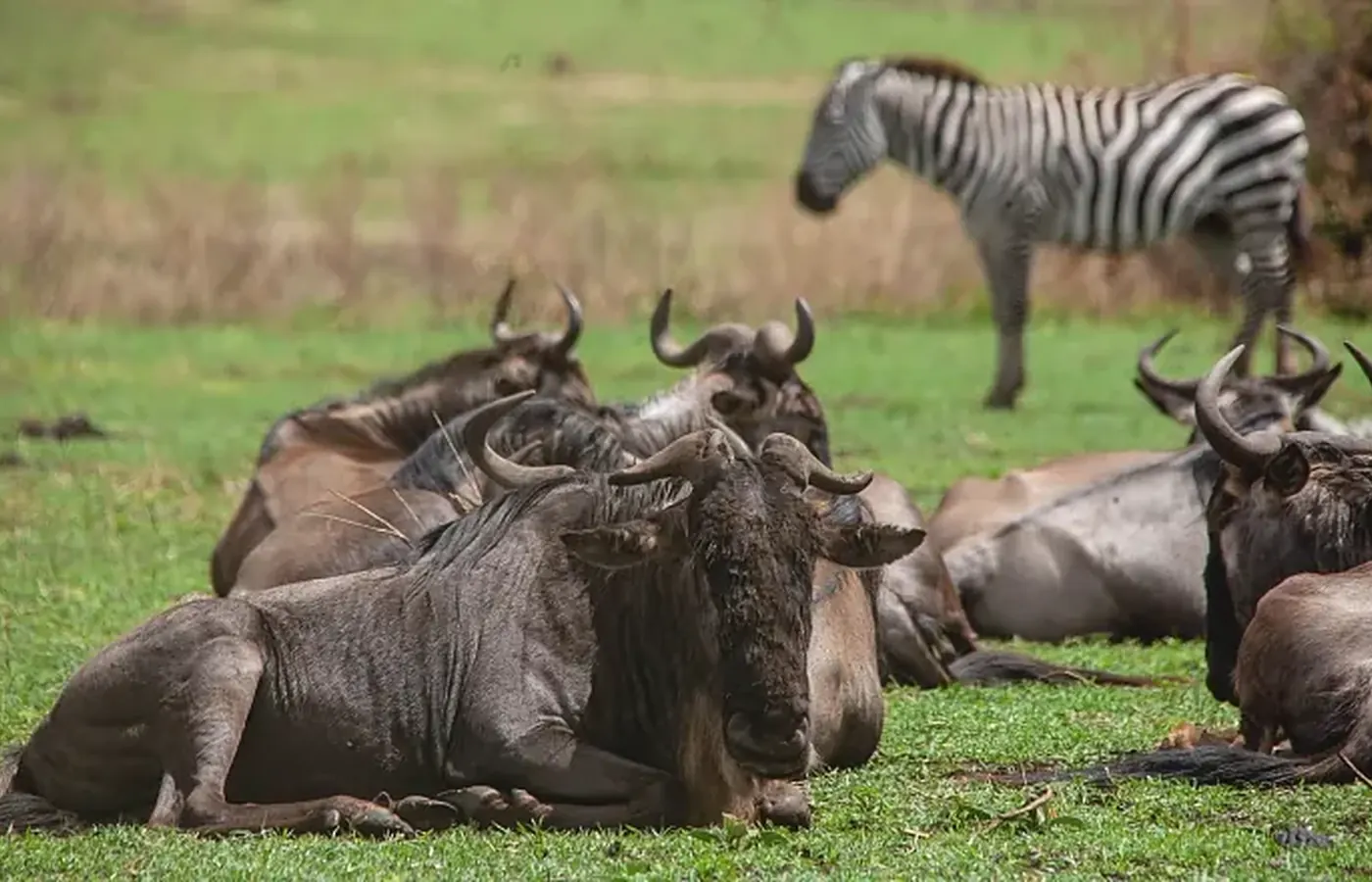
Where Is the Great Migration in February
What Wildlife Can You Expect to See During March?
A safari focused on March Rainfall and Wildebeest Movement offers much more than opportunities to observe migrating animals. The southern Serengeti and surrounding areas support a rich variety of wildlife, making March an interesting time for photography and nature observation. Wildebeest may be encountered in large concentrations or smaller groups, depending on the location of the herds. Zebras frequently graze alongside them, while Thomson’s gazelles and other antelope species occupy suitable grassland habitats. These herbivores form an important part of the ecosystem because they provide food for several large predators. Lions may be seen resting beneath trees or moving through the plains, while cheetahs sometimes use open terrain to search for prey. Spotted hyenas are also common predators in the Serengeti, and visitors may encounter them travelling, feeding, or returning to their dens.
Beyond the migrating herds, the Serengeti offers opportunities to observe elephants, giraffes, buffaloes, warthogs, jackals, ostriches, and a wide range of bird species. Seasonal water sources and green vegetation can attract different animals, although sightings depend on weather, habitat conditions, and the time spent exploring. Birdwatchers may appreciate the presence of resident and migratory species, particularly around suitable wetlands, woodland, and open grassland habitats. Photographers can also benefit from the changing scenery associated with seasonal rainfall. Fresh vegetation, dramatic skies, and wildlife moving across open plains can create memorable photographic opportunities. Nevertheless, responsible safari planning should never promise particular animal sightings because wildlife moves freely within its natural environment. By choosing suitable locations and allowing sufficient time for game drives, visitors can improve their chances of enjoying a varied experience.
Travellers joining a safari centred on March Rainfall and Wildebeest Movement should expect an experience shaped by wildlife observation, changing weather, and flexible exploration. Most days begin early, when cooler temperatures and favourable light create good conditions for searching for animals. After breakfast, a professional driver-guide takes visitors through selected sections of the Serengeti, explaining animal behaviour, habitats, seasonal grazing patterns, and the relationship between rainfall and wildlife distribution. Depending on recent conditions, game drives may focus on the Ndutu plains, southern Serengeti, central Serengeti, or other accessible areas where wildlife activity is promising. Visitors may spend time observing grazing herds, watching predators, photographing landscapes, and learning about the ecological importance of the Great Migration.
Afternoon activities may include additional game drives, wildlife photography, or time to relax at the selected accommodation. Some travellers prefer full-day game drives with packed lunches, allowing them to explore areas farther from their lodge or camp. Others may choose shorter excursions that provide more time to enjoy the surrounding environment. Since March can bring rainfall, visitors should also prepare for occasional wet roads, muddy sections, and changing visibility. The exact conditions vary, so a suitable vehicle and an experienced guide are important considerations. Depending on the itinerary, travellers may combine the Serengeti with other destinations such as the Ngorongoro Crater, where different habitats support a remarkable variety of wildlife. March Rainfall and Wildebeest Movement can therefore form the central theme of a wider Tanzania safari, with each destination contributing a different perspective on the country’s natural heritage.
When Is the Best Time for This Safari?
Although March Rainfall and Wildebeest Movement make March a particularly interesting period for exploring the southern Serengeti, the best travel dates depend on the wildlife experience you want. January, February, and March are generally associated with the southern Serengeti’s calving season, although the timing and concentration of births vary with rainfall and grazing conditions. February is often a particularly important month for observing newborn wildebeest, while March can offer opportunities to see older calves travelling with their mothers and herds responding to changing vegetation. During this transition, some concentrations may remain around Ndutu and the southern plains, while other groups begin moving towards different grazing areas. Travellers who want to experience the calving season should therefore consider the broader January-to-March period rather than relying on one exact date.
For visitors planning March Rainfall and Wildebeest Movement, early or mid-March may be suitable, but no particular week can guarantee the presence of large herds in a specific location. Rainfall patterns can change from one year to another, influencing the availability of fresh grass and the movement of animals. The longer rainy season commonly develops around March and continues into the following months, although its arrival and intensity vary. Travellers should also consider road conditions, accommodation availability, photography preferences, and the length of their holiday. A safari of four to six days can provide a useful introduction to the Serengeti and Ngorongoro, while longer itineraries allow more time to explore different wildlife habitats.
Why Choose Us for This Particular Safari?
Planning a successful March Rainfall and Wildebeest Movement safari requires more than selecting a famous national park. Travellers need an itinerary that considers seasonal wildlife distribution, driving distances, accommodation locations, road conditions, and the amount of time available for game viewing. At Terenga Africa Safaris & Travel Ltd, we aim to help visitors make informed travel decisions through personalised safari planning and clear communication. Our approach begins with understanding each traveller’s interests, preferred travel dates, group size, accommodation expectations, and budget. These details help us recommend a suitable route, whether the main objective is observing wildebeest, photographing predators, exploring the Serengeti’s landscapes, or combining wildlife viewing with other experiences in Tanzania.
Furthermore, our safari planning considers the fact that the Great Migration is a natural process that changes with environmental conditions. Rather than promising that every herd will be in one particular location, we encourage travellers to use recent wildlife information when selecting destinations and accommodation. Our team can help organise transport, accommodation, game drives, and destination combinations according to the agreed itinerary. Visitors interested in broader East African experiences can also discuss combining Tanzania Safaris with selected Uganda Safaris, creating opportunities to discover different wildlife habitats and activities across the region. Depending on travel time and interests, such combinations may include savannah game viewing, chimpanzee tracking, or mountain gorilla trekking in Uganda.
 What Should You Pack for a March Serengeti Safari?
Preparing properly for March Rainfall and Wildebeest Movement helps visitors remain comfortable while exploring the Serengeti during a period of changing weather. Lightweight clothing is useful for warm daytime conditions, while a fleece jacket or sweater can provide extra warmth during early morning game drives. Since occasional showers may occur, a waterproof jacket or light raincoat is an important addition to your luggage. Comfortable walking shoes or closed outdoor footwear are recommended for lodge surroundings and approved walking activities. Neutral-coloured clothing, such as khaki, brown, olive, and beige, is practical for safari environments because it blends naturally with the landscape. A wide-brimmed hat, sunglasses, and sunscreen can also provide protection from the sun when the weather becomes clear.
Photography equipment should be packed according to your interests. Travellers who enjoy wildlife photography may benefit from a camera with a suitable telephoto lens, spare batteries, memory cards, and a protective camera bag. Binoculars are valuable for observing distant animals, birds, and wildlife behaviour without disturbing them. In addition, a reusable water bottle, personal medication, insect repellent, hand sanitiser, and basic toiletries can make the journey more comfortable. A small day bag is useful for carrying essential items during game drives, while waterproof covers can protect electronic equipment during unexpected showers. Before departure, check your airline’s luggage restrictions and confirm any specific requirements with your safari organiser. Packing for March Rainfall and Wildebeest Movement should focus on versatility rather than carrying excessive clothing. A well-prepared traveller can enjoy changing conditions while concentrating on the wildlife, landscapes, and memorable experiences that make the Serengeti special.
Discover the Great Migration with Terenga Africa Safaris & Travel Ltd
March Rainfall and Wildebeest Movement reveal the remarkable connection between seasonal weather, fresh grazing, and the survival strategies of Africa’s wildlife. From the open plains of Ndutu to the diverse habitats of central Serengeti, March offers opportunities to understand the Great Migration during an important stage of its annual cycle. Although the precise location of the herds can change according to rainfall and local conditions, careful planning can help visitors explore suitable wildlife areas and enjoy a broader experience of Tanzania’s natural heritage.
Whether you are planning your first African holiday, returning to photograph the Great Migration, or combining several destinations through Tanzania Tours and Uganda Safaris, Terenga Africa Safaris & Travel Ltd can help you plan a journey that reflects your interests, schedule, and budget. Our goal is to make African travel informative, comfortable, and memorable while encouraging respect for wildlife and the natural environment.
Best Trending Tanzania Safari Holidays for 2027/2028
- 12-Day Tanzania Wildlife Safari
- 10-Day Tanzania Wildlife Safari & Zanzibar
- 10-Day Best Tanzania Honeymoon Luxury Safari and Zanzibar Beach Getaway
- 9-Day Ultimate Tanzania Wildlife Safari
- 9-Day Tanzania Adventure Safari
- 8-Day Tanzania Mid-Range Safari
- 8-Day Tanzania Northern Circuit Safari
- 7-Day Tanzania Wildlife Safari
- 7-Day Tanzania Wildlife Wonders Experience Tour
- 6-Day Majestic Tanzania Wildlife Luxury Safari
- 5-Day Kenya Wildlife Budget Safari
- 13-Day Tanzania Wildlife Tour & Zanzibar Beach Holiday
- 12-Day Tanzania Wildlife Safari Itinerary
- 11-Day Tanzania & Zanzibar Safari Adventure
- 11 Days Magical Kenya and Tanzania Safari
- 4-Day Tanzania Safari Extension Itinerary
- 5-Day Tanzania Safari Extension
- 9-Day Tanzania Wildlife Safari Adventure
- 7 Days Tanzania Safari Holiday
- 8 Days Tanzania Safari Holiday Itinerary
Plan your March Serengeti safari with Terenga Africa Safaris & Travel Ltd.
Website: www.terengasafaris.com
Email: info@terengasafaris.com Or travel@terenga-africasafaris.com
WhatsApp: +256 768 697963
Terenga Africa Safaris & Travel Ltd
Travel in Comfort. Explore in Style. Experience the Adventure of a Lifetime.