Why March Offers Excellent Wildlife Photography in Africa?
November 4, 2026
Predator Encounters During the March Migration
November 5, 2026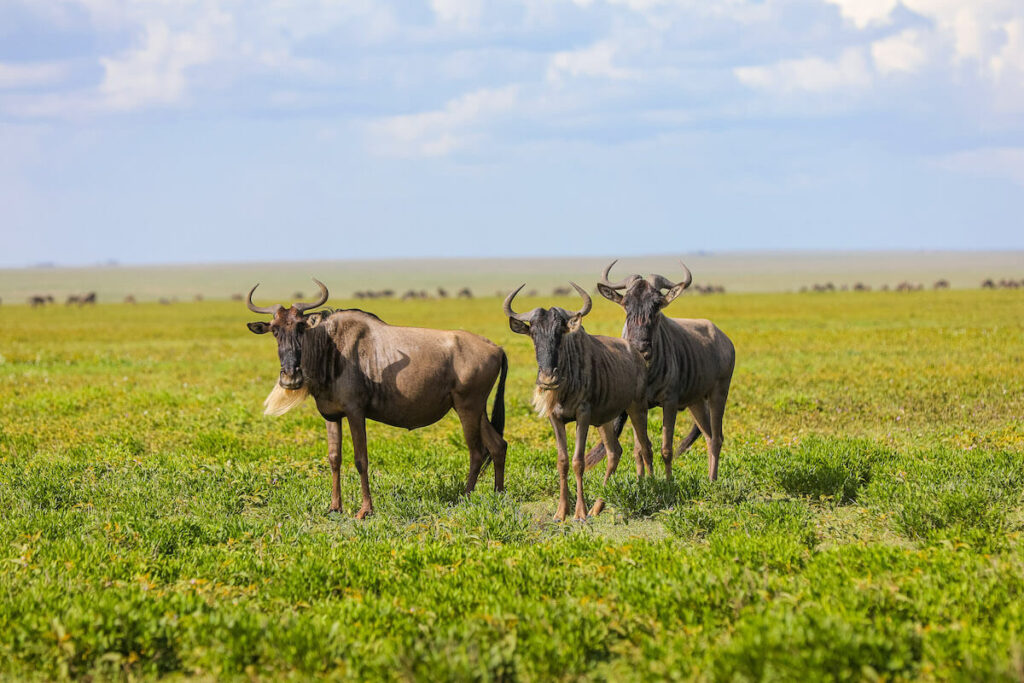
The Best Areas to See Wildebeest in March
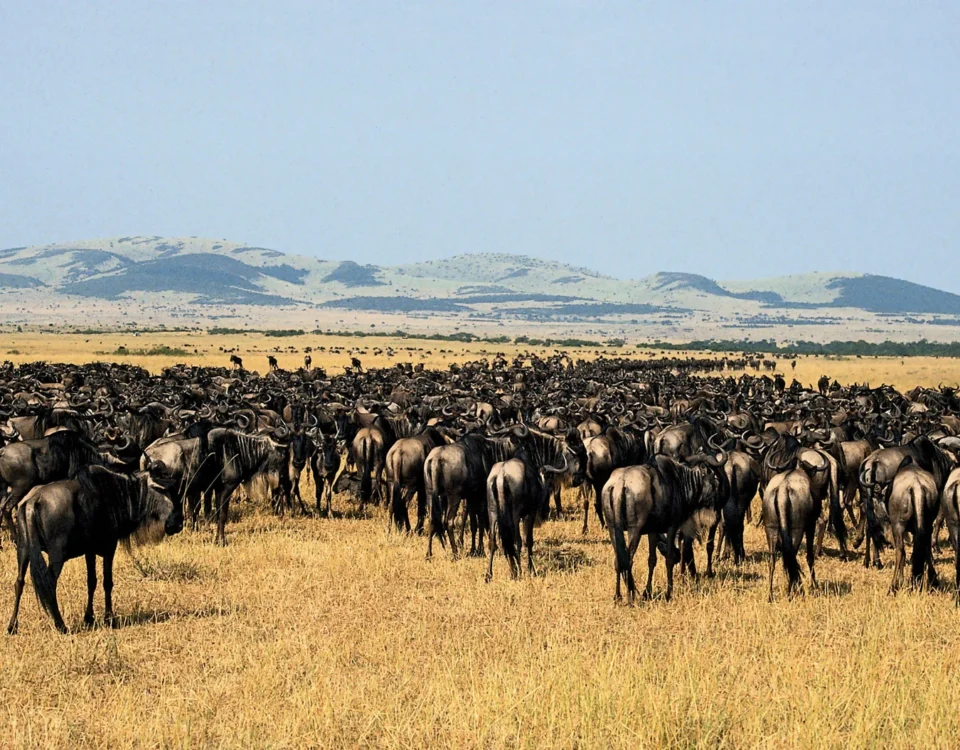
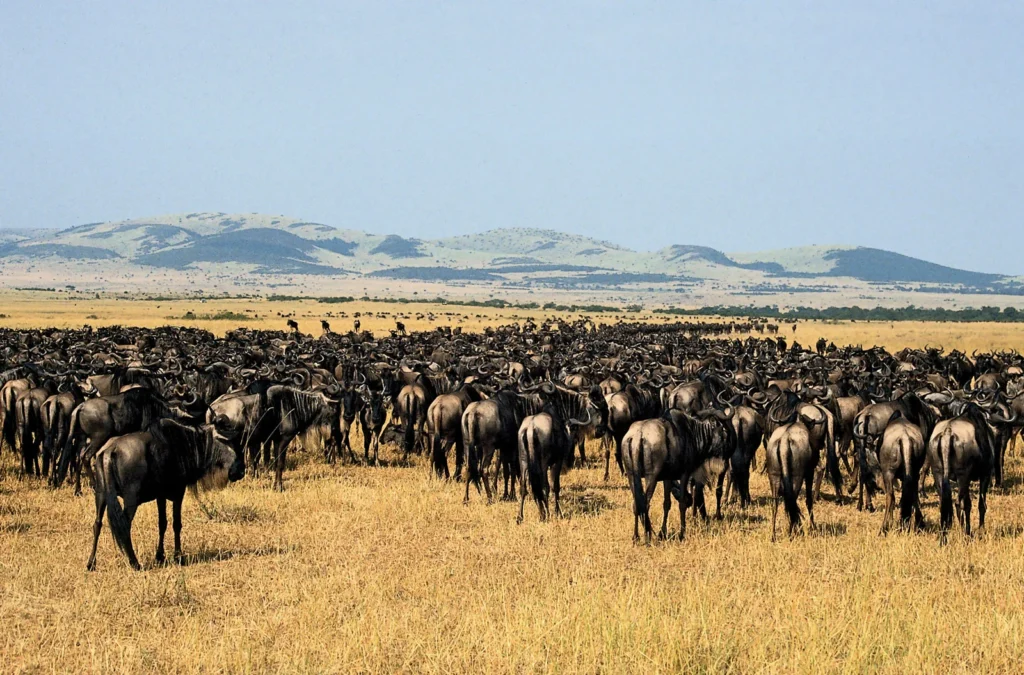
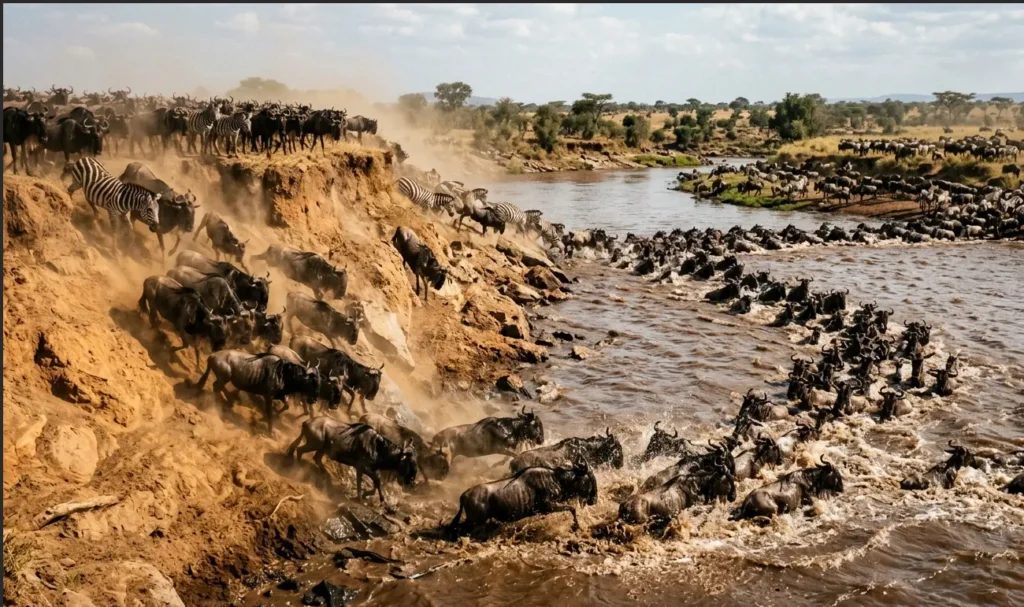
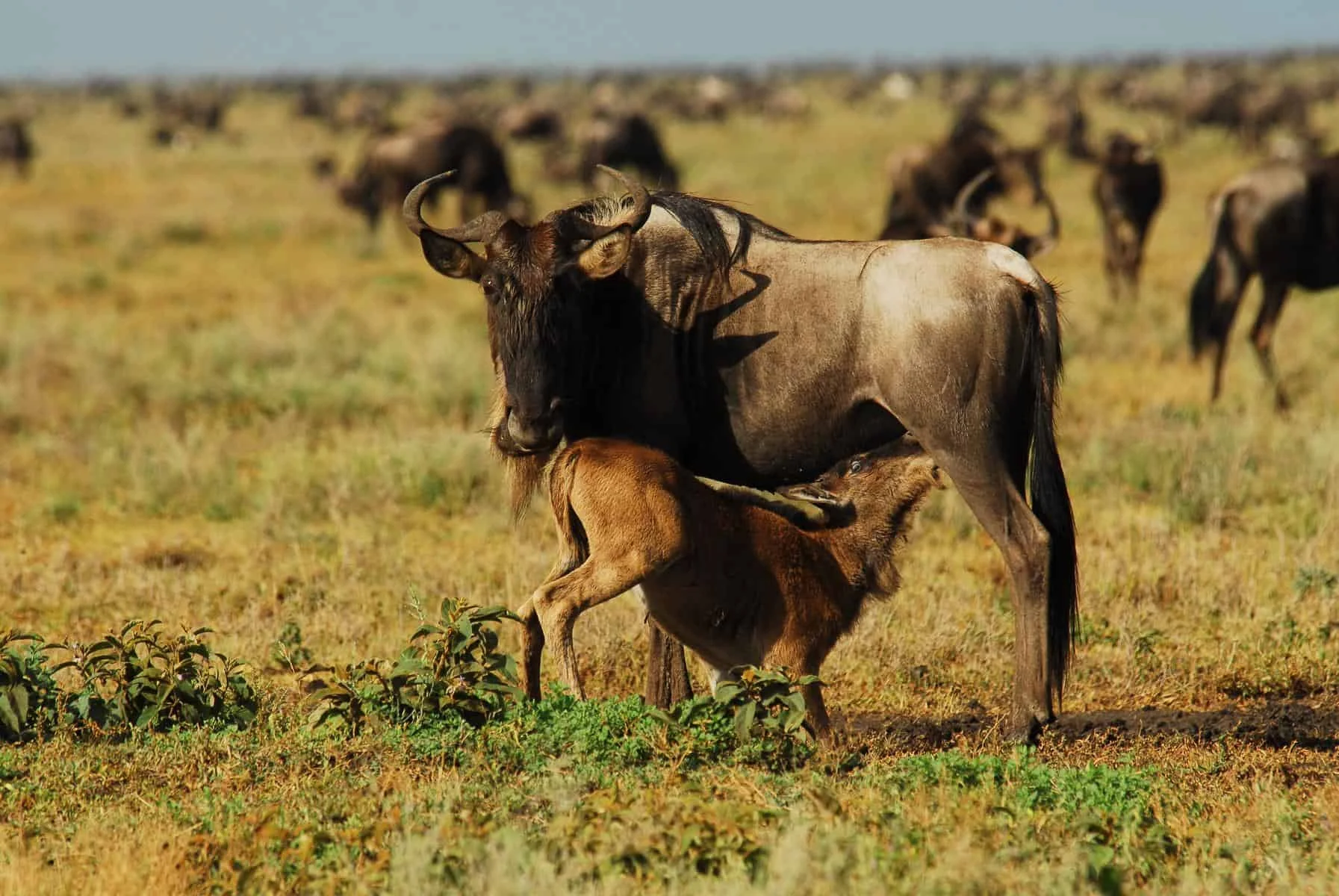
The Best Areas to See Wildebeest in March are mainly found across the southern Serengeti ecosystem, including the famous Ndutu plains and surrounding grasslands of northern Tanzania. During this period, the Great Wildebeest Migration is often entering an important transition following the calving season, when thousands of newborn calves have joined the herds. Across the open plains, wildebeest move in search of fresh grazing, while zebras and gazelles share the same landscapes. Their presence attracts predators such as lions, cheetahs, spotted hyenas, and leopards, creating opportunities to observe the natural relationships that shape one of Africa’s most remarkable wildlife events. For international travellers planning Tanzania Safaris, March offers a rewarding opportunity to explore the migration while learning how rainfall, grass growth, and seasonal conditions influence animal movements.
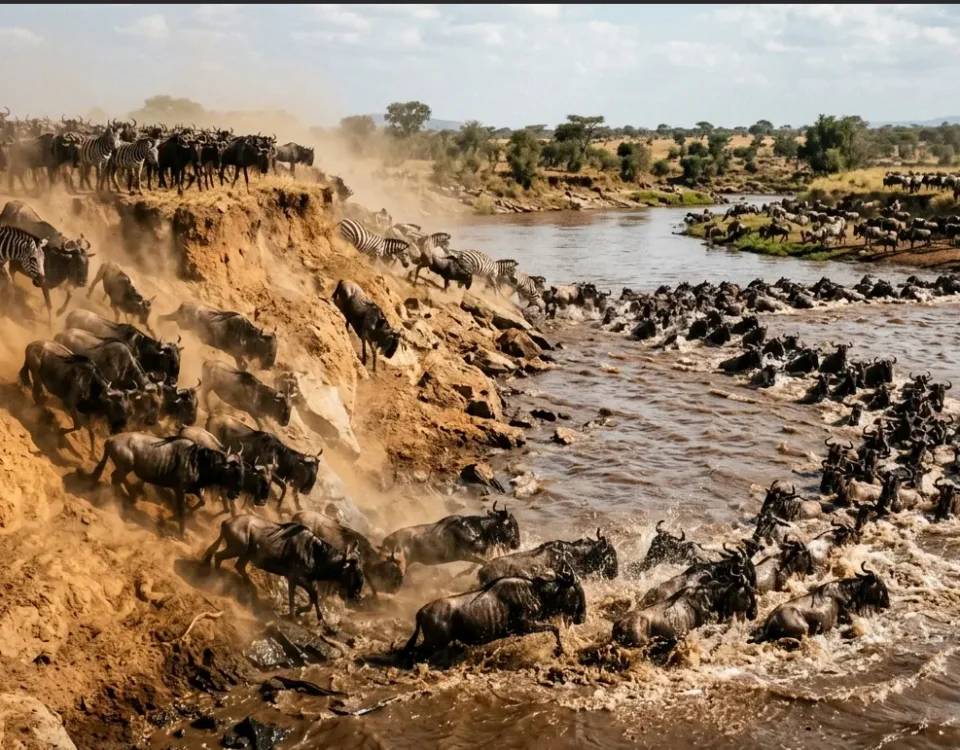
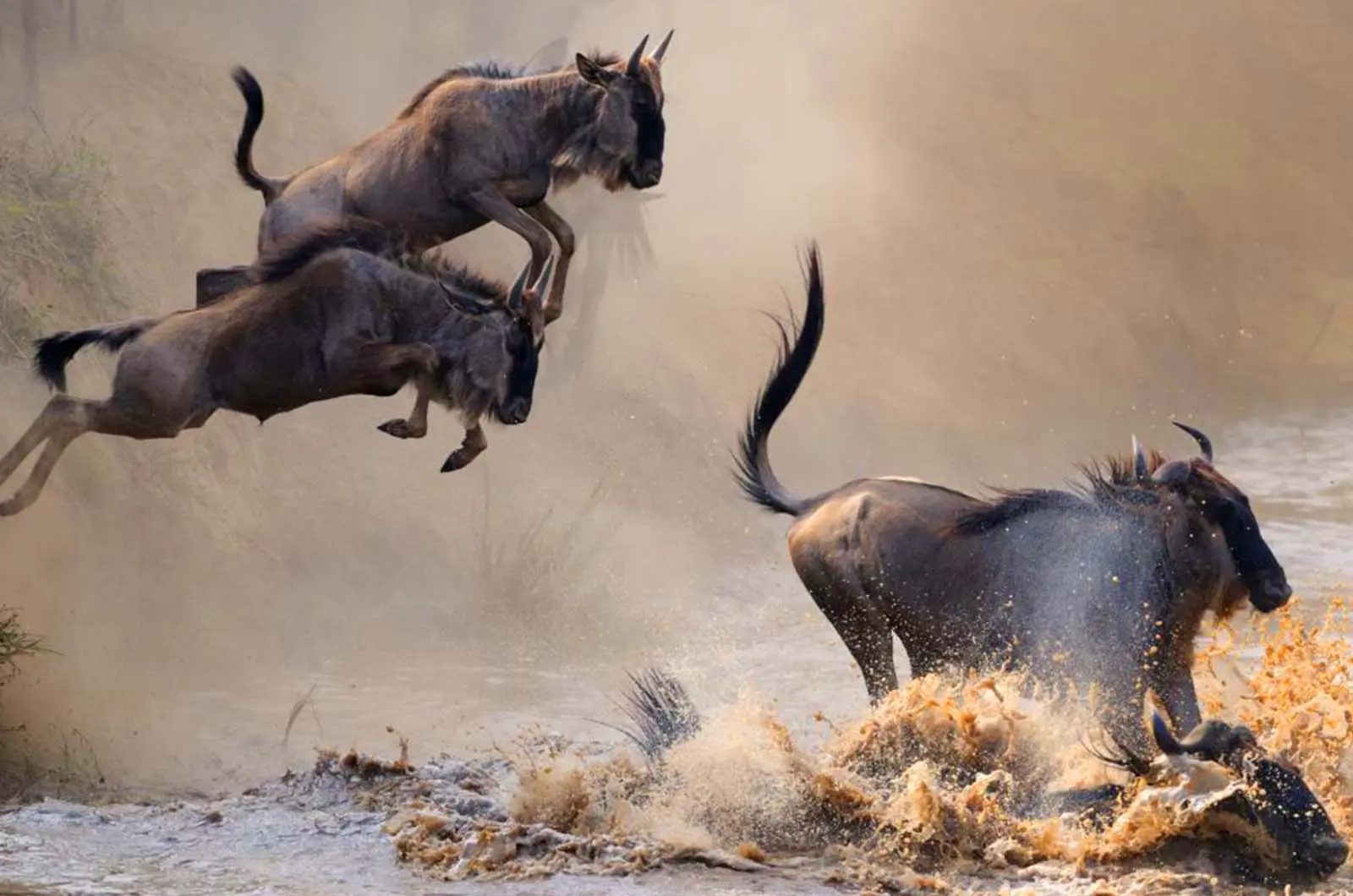
Unlike a wildlife attraction that remains in one fixed location, the Great Migration covers an extensive area and involves millions of animals moving through the Serengeti ecosystem and into Kenya’s Maasai Mara at different times of the year. During March, substantial concentrations of wildebeest may still be found around Ndutu and the southern Serengeti, although some groups can begin dispersing towards central areas as conditions change. This makes choosing the right safari location particularly important. Visitors who understand the seasonal pattern can make better decisions about accommodation, game-drive routes, and the number of days to spend in the region. Through carefully organised Tanzania Tours, travellers can explore different habitats, observe wildlife behaviour, and appreciate the ecological importance of this annual movement.
Ndutu Plains: Why Are They Among the Best Places to See Wildebeest in March?
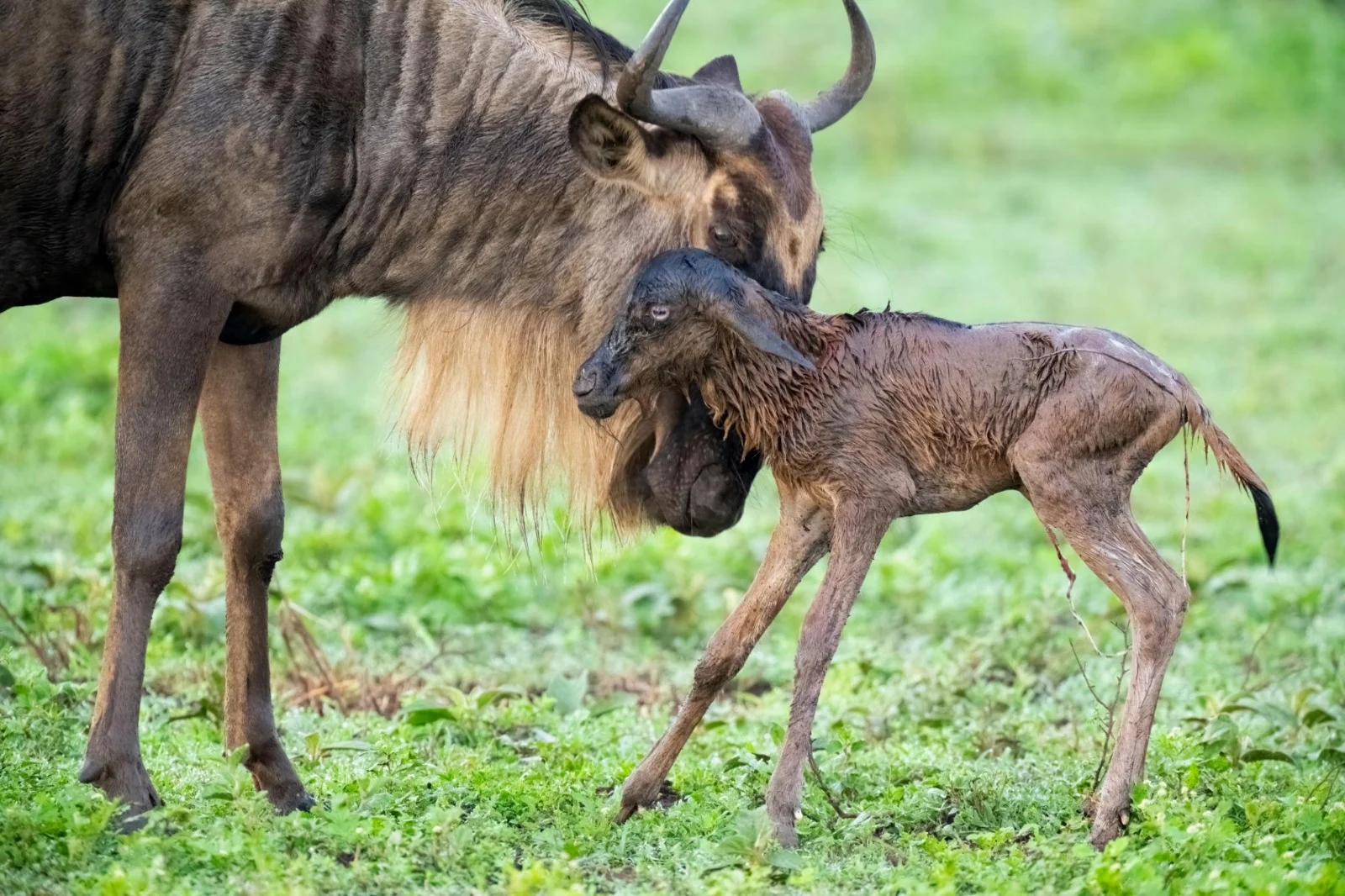
The Best Areas to See Wildebeest in March often begin with the Ndutu plains, one of the most important seasonal wildlife locations in the southern Serengeti ecosystem. Situated between the Ngorongoro Conservation Area and southern Serengeti National Park, Ndutu offers open grasslands, seasonal wetlands, woodland patches, and shallow water sources that attract a wide variety of animals. During the calving season, which generally takes place from January to March, large concentrations of wildebeest gather in this region to take advantage of nutritious grass. Although February is often associated with particularly intense calving activity, herds may remain in the area during March, with young calves increasingly able to travel alongside their mothers. The open terrain also makes it easier for visitors to observe animal movements across the plains, especially during early morning and late afternoon game drives.
For wildlife photographers, Ndutu can provide excellent opportunities to capture interactions between animals against a backdrop of wide grasslands and changing seasonal skies. Lions may be encountered resting in the shade or moving through the vegetation, while cheetahs sometimes use the open plains to search for prey. Spotted hyenas are also part of the ecosystem and may be observed travelling or feeding. Nevertheless, predator sightings and hunting events are never guaranteed, and responsible guides allow animals to behave naturally without disturbance. Accommodation in or around Ndutu can be particularly useful because it reduces the time spent travelling to seasonal wildlife-viewing areas. When considering The Best Areas to See Wildebeest in March, visitors should understand that the exact concentration of herds depends on rainfall and grazing conditions in that particular year.
Southern Serengeti: What Makes This Region Important in March?
Another excellent destination among The Best Areas to See Wildebeest in March is the wider southern Serengeti, where expansive grasslands support large grazing populations during the early months of the year. The region forms an important part of the migration route because its seasonal vegetation provides feeding opportunities for wildebeest, zebras, and other herbivores. During March, herds may still be spread across the southern plains, although their distribution can change as rainfall and grass conditions develop. Unlike the idea of one enormous herd moving together, the migration consists of many groups that respond to local environmental conditions. Some animals may remain around areas with suitable grazing, while others gradually begin moving towards different parts of the ecosystem. This natural variation makes southern Serengeti particularly interesting for visitors who want to understand the migration as an ongoing ecological process rather than a single event.
Beyond wildebeest, the southern Serengeti supports an impressive range of wildlife. Large predators follow the availability of prey, while giraffes, elephants, buffaloes, and several antelope species occupy suitable habitats throughout the wider region. Birdlife is also diverse, with species using the grasslands, woodland, and seasonal water sources. Travellers can enjoy extended game drives, photography stops, and opportunities to learn about the relationships between vegetation, herbivores, and predators. For those planning Tanzania Adventures, southern Serengeti can be combined with Ndutu or central Serengeti to provide a wider understanding of the ecosystem. However, driving distances, road conditions, and accommodation locations should be considered carefully when designing the itinerary. The Best Areas to See Wildebeest in March are not determined by popularity alone; the most suitable location is the one that offers practical access to the herds based on current seasonal conditions.
Central Serengeti: Can You See Wildebeest Around Seronera in March?
Central Serengeti, particularly the Seronera region, is another destination worth considering when exploring The Best Areas to See Wildebeest in March. Although the southern plains are often more closely associated with the calving season, central Serengeti provides important wildlife habitats throughout the year. Its landscape includes open savannah, rocky outcrops known as kopjes, river valleys, and areas of woodland. These varied environments support resident wildlife, including lions, leopards, elephants, giraffes, buffaloes, and numerous antelope species. The Seronera River and other water sources help sustain wildlife even when seasonal conditions change. Consequently, visitors who do not encounter large concentrations of migrating wildebeest in central Serengeti can still enjoy rewarding game drives and a diverse range of animal sightings.
As March progresses, some wildebeest groups may begin spreading away from the southern plains, depending on rainfall and grazing availability. However, it would be misleading to suggest that all herds reach Seronera during a particular week or that central Serengeti always offers the largest concentrations at this time. Migration movements are gradual and vary across the ecosystem. A well-planned itinerary may therefore include central Serengeti as a complementary destination, especially for travellers who have several days available. The area also offers excellent opportunities for observing predators and resident wildlife, making it valuable beyond the migration itself. When comparing The Best Areas to See Wildebeest in March, central Serengeti is a practical option for travellers seeking a combination of migration-related exploration and general wildlife viewing. Selecting the right accommodation and allowing sufficient time for game drives can make the experience more productive.
Ngorongoro Conservation Area: What Wildlife Experiences Can You Add?
Although the Ngorongoro Conservation Area is not always the main location for the largest migrating wildebeest concentrations in March, it is an excellent addition to a safari exploring The Best Areas to See Wildebeest in March. Its landscapes include highland forests, open grasslands, volcanic features, and the world-famous Ngorongoro Crater. The crater supports a rich variety of wildlife within a relatively compact area, making it a rewarding destination for travellers who want to see different species during one safari. Visitors may encounter lions, elephants, buffaloes, zebras, wildebeest, hippos, hyenas, and several antelope species. The crater is also recognised for its population of black rhinoceroses, although sightings are not guaranteed. Its combination of habitats creates a different wildlife experience from the open migration plains of Ndutu and southern Serengeti.
For travellers with additional time, combining the Ngorongoro Crater with the southern or central Serengeti creates a more varied Tanzania safari. The journey allows visitors to experience both the seasonal movement of grazing animals and a distinct highland ecosystem. However, it is important to understand that the crater is not a substitute for staying close to the migration herds. Travellers whose main objective is observing wildebeest should prioritise accommodation and game drives in locations where recent reports indicate suitable herd concentrations. A visit to Ngorongoro can then complement the migration experience with different wildlife habitats and scenic landscapes. The Best Areas to See Wildebeest in March should therefore be selected according to the traveller’s main interests, available time, and preferred balance between migration viewing and general wildlife exploration.
What Are the Expectations in This Safari?
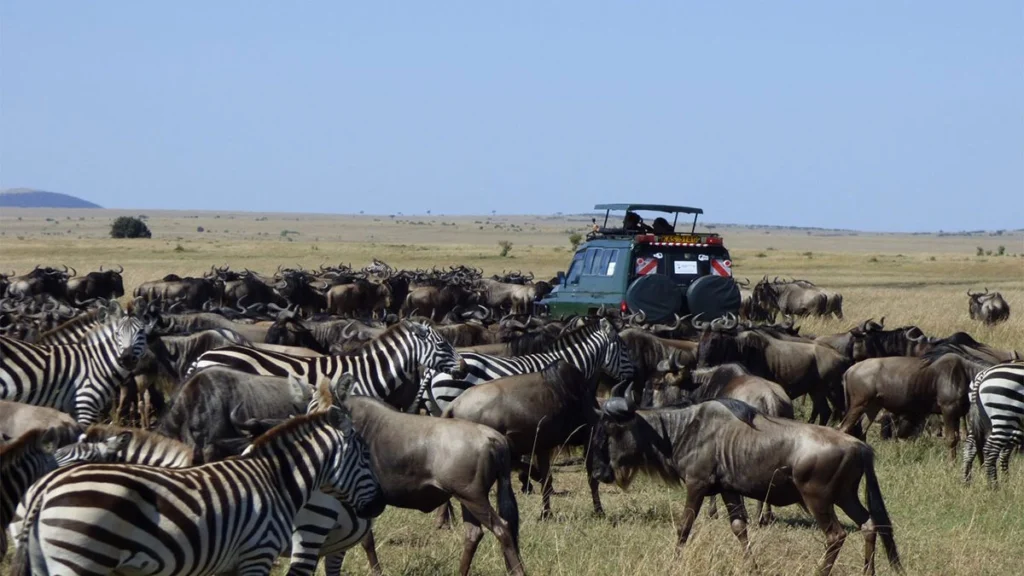
A journey to The Best Areas to See Wildebeest in March offers more than simply driving through the Serengeti in search of large herds. Visitors should expect an active wildlife experience involving early starts, changing weather, long game drives, and opportunities to observe animals in their natural environment. Most safari days begin with breakfast before departure, when cooler temperatures and favourable light can provide excellent conditions for photography and wildlife observation. Depending on the location of the herds, your guide may recommend exploring Ndutu, southern Serengeti, or central Serengeti. During these excursions, you may encounter wildebeest grazing across the plains, zebras moving between feeding areas, and predators following the availability of prey. Guides also explain how seasonal rainfall influences grass growth, why animals move between habitats, and how different species depend on one another within the ecosystem.
Afternoon activities may involve further game drives, a return to the lodge for relaxation, or a full-day excursion with a packed lunch. Travellers should understand that wildlife viewing requires patience because animals move freely and sightings can change from one hour to another. March may also bring occasional showers, which can affect road conditions and visibility in certain areas. A suitable safari vehicle and an experienced driver-guide help make journeys more comfortable and allow adjustments when conditions change. Depending on your itinerary, you may also visit the Ngorongoro Crater or other destinations to experience a wider variety of landscapes. Ultimately, The Best Areas to See Wildebeest in March provide an opportunity to appreciate the Great Migration as part of a much larger natural system. Visitors who remain flexible, respect wildlife, and allow enough time for exploration are more likely to enjoy a meaningful safari.
When Is the Best Time for This Safari?
The ideal period for visiting The Best Areas to See Wildebeest in March depends on the type of migration experience you hope to enjoy. The southern Serengeti and Ndutu region are generally important during the January-to-March calving season, when many wildebeest give birth and young calves begin developing the strength needed to travel with the herds. February is often a particularly active month for calving, while March can offer opportunities to observe families and herds responding to changing grazing conditions. Nevertheless, the timing of births and the distribution of animals vary from year to year. Rainfall, vegetation growth, and local environmental conditions influence how long the herds remain in particular locations.
Visitors planning a March safari should avoid relying on fixed dates or promises of guaranteed sightings. Early, middle, and late March can offer different conditions, and the best location may change as the month progresses. The longer rainy season commonly develops around March and continues into the following months, but the arrival and intensity of rainfall are not identical every year. Before booking, travellers should consider recent migration information, the location of suitable accommodation, road accessibility, and the time available for game drives. A safari of four to six days may allow visitors to explore the southern Serengeti and Ngorongoro, while a longer journey can include central Serengeti and additional destinations. For The Best Areas to See Wildebeest in March, flexibility is one of the most valuable parts of planning. An itinerary designed around seasonal conditions is more useful than one based only on a fixed calendar.
 Why Choose Us for This Particular Safari?
Choosing the right operator is an important part of planning a journey to The Best Areas to See Wildebeest in March. The Great Migration covers a large ecosystem, and successful safari arrangements require attention to seasonal wildlife distribution, accommodation location, driving distances, road conditions, and individual travel preferences. At Terenga Africa Safaris & Travel Ltd, we aim to make the planning process clear and straightforward by understanding what each traveller wants to experience. Whether your priority is observing wildebeest, photographing predators, exploring the Serengeti’s landscapes, or combining several national parks, we can help develop an itinerary around your available dates, group size, accommodation expectations, and budget.
Our planning approach recognises that wildlife movements are influenced by nature and cannot be guaranteed according to a fixed schedule. We therefore encourage travellers to consider recent seasonal information and select accommodation that offers practical access to promising wildlife-viewing areas. Depending on your preferences, your Tanzania safari can include Ndutu, southern Serengeti, central Serengeti, and the Ngorongoro Conservation Area. Visitors interested in exploring more of East Africa may also discuss combining Tanzania Safaris with selected Uganda Safaris, subject to travel time and itinerary requirements. Such combinations can introduce travellers to different experiences, including savannah wildlife viewing, chimpanzee tracking, and mountain gorilla trekking. Our aim is to provide helpful guidance, transparent communication, and carefully considered travel arrangements so that every guest understands what their journey involves.
What Should You Pack for a March Wildebeest Safari?
Preparing the right clothing and personal equipment will help you enjoy The Best Areas to See Wildebeest in March more comfortably. March can bring a mixture of warm sunshine, cloudy conditions, and occasional rainfall, so versatile clothing is recommended. Lightweight shirts and trousers are useful during the day, while a fleece jacket or sweater can provide warmth during early morning game drives. A waterproof jacket or light raincoat is advisable because showers may occur without much warning. Closed walking shoes or comfortable outdoor footwear are suitable for lodge surroundings and approved activities. Neutral colours such as khaki, brown, olive, and beige are practical choices for safari clothing, while a wide-brimmed hat, sunglasses, and sunscreen offer protection from the sun.
Photography enthusiasts should consider bringing a camera with a suitable zoom lens, spare batteries, memory cards, and a protective bag. Binoculars are particularly useful for observing distant wildlife and birds. Other helpful items include insect repellent, personal medication, hand sanitiser, a reusable water bottle, and basic toiletries. A small day bag can keep essential belongings organised during game drives, while waterproof covers help protect cameras and electronic devices during unexpected showers. Before departure, check your airline’s luggage allowance and confirm any specific packing advice with your safari organiser. The most important principle when preparing for The Best Areas to See Wildebeest in March is to pack for changing conditions without carrying unnecessary items. Comfortable, practical preparation allows you to focus on wildlife encounters and the beautiful landscapes of Tanzania.
Plan Your March Great Migration Safari with Terenga Africa Safaris & Travel Ltd
Exploring The Best Areas to See Wildebeest in March provides an opportunity to witness one of the world’s most fascinating wildlife movements while discovering the ecological importance of Tanzania’s Serengeti ecosystem. From the calving landscapes of Ndutu to the extensive plains of southern Serengeti and the wildlife-rich habitats of central Serengeti, each destination offers a different perspective on the Great Migration. Although the exact location of the herds changes with rainfall and grazing conditions, informed planning can help you select suitable areas and make the most of your time in Tanzania.
Whether you are arranging your first African safari, returning to experience the Great Migration, or considering a wider East African holiday, Terenga Africa Safaris & Travel Ltd can help you plan a journey that reflects your interests, travel dates, and budget. Discover the beauty of Tanzania through carefully planned Tanzania Tours and Tanzania Adventures, with the possibility of extending your holiday to other East African destinations.
Contact Terenga Africa Safaris & Travel Ltd to start planning your March wildebeest safari.
Website: www.terengasafaris.com
Email: info@terengasafaris.com
WhatsApp: +256 768 697963
Terenga Africa Safaris & Travel Ltd
Travel in Comfort. Explore in Style. Experience the Adventure of a Lifetime.