Where Is the Great Migration in March?
November 2, 2026
How Young Wildebeest Join the Great Migration?
November 3, 2026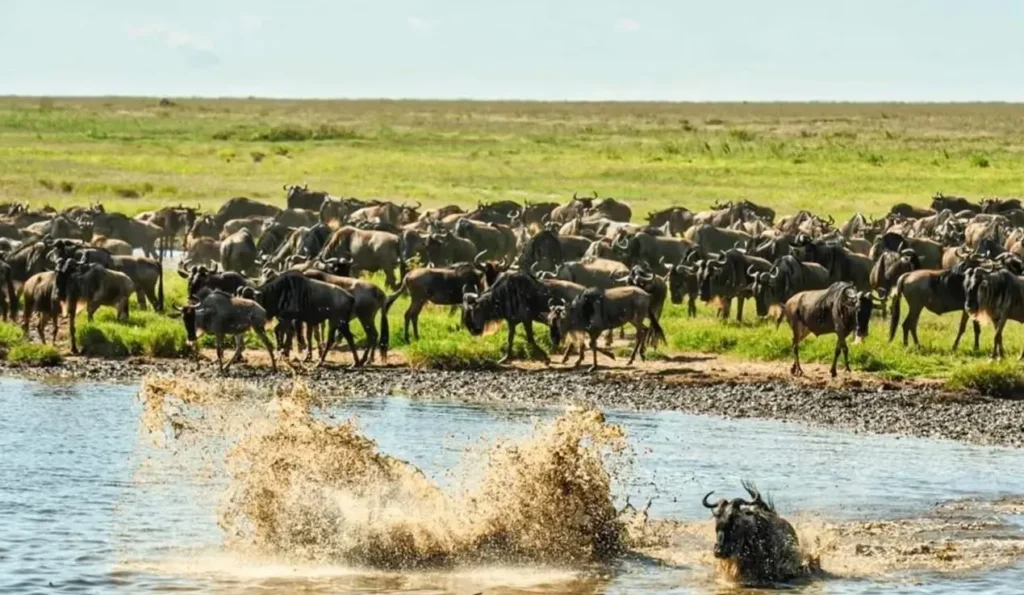
March in the Serengeti: The Transition After Calving – Exploring the Great Wildebeest Migration in Tanzania
Discover the changing rhythms of the Serengeti in March, when the Great Wildebeest Migration gradually moves beyond its peak calving season, newborn animals grow stronger, and vast herds begin preparing for their next journey across Tanzania’s spectacular wilderness.
March in the Serengeti – The Transition After Calving
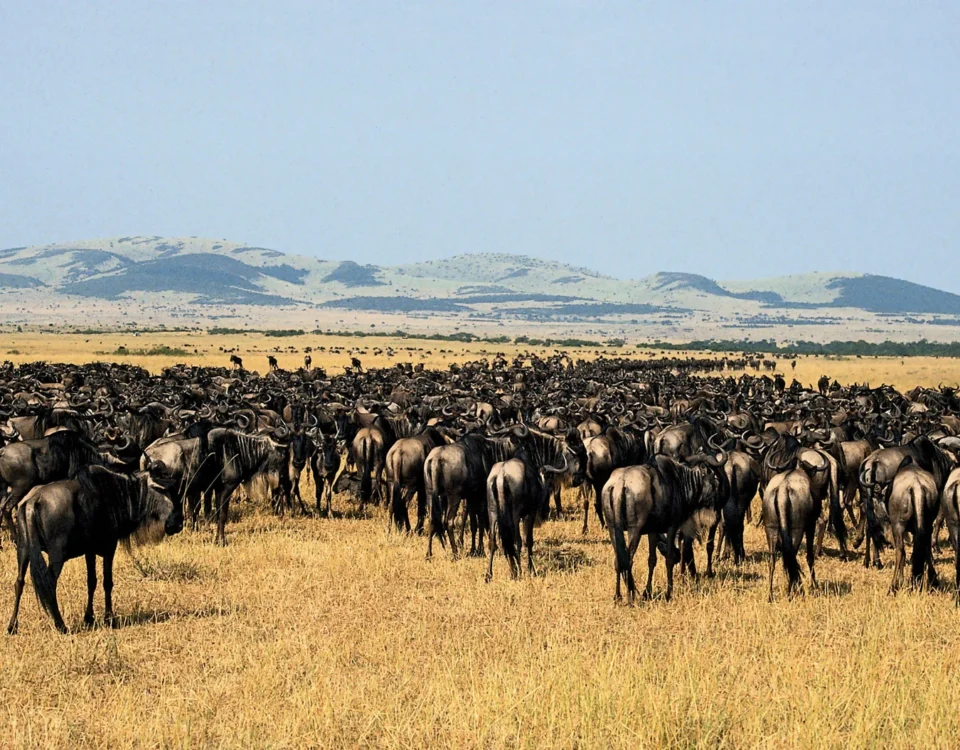
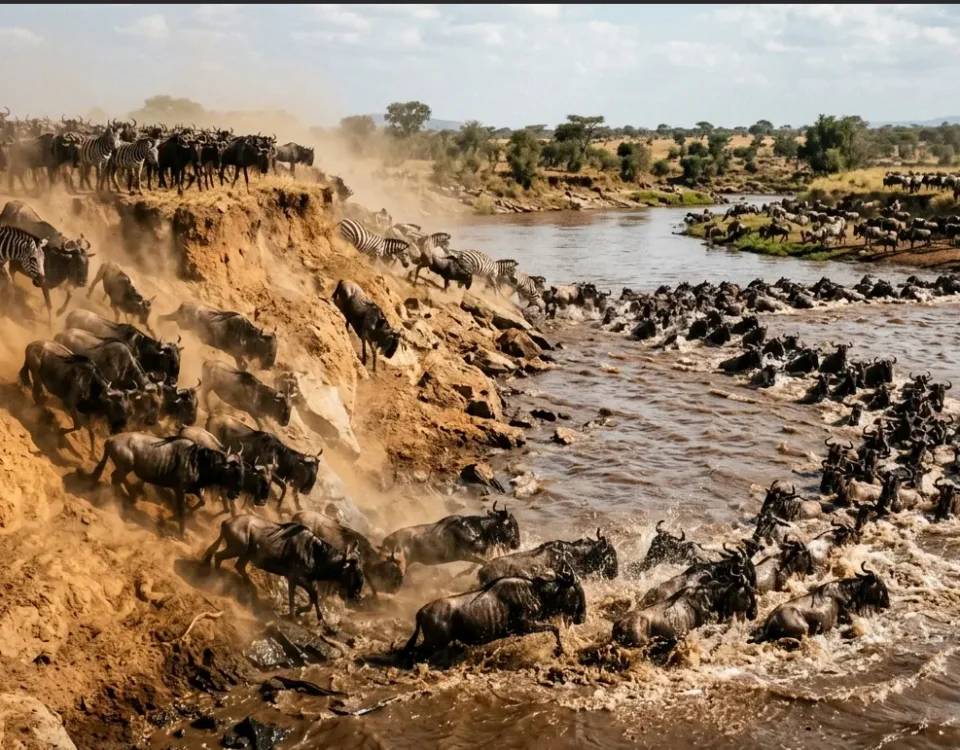
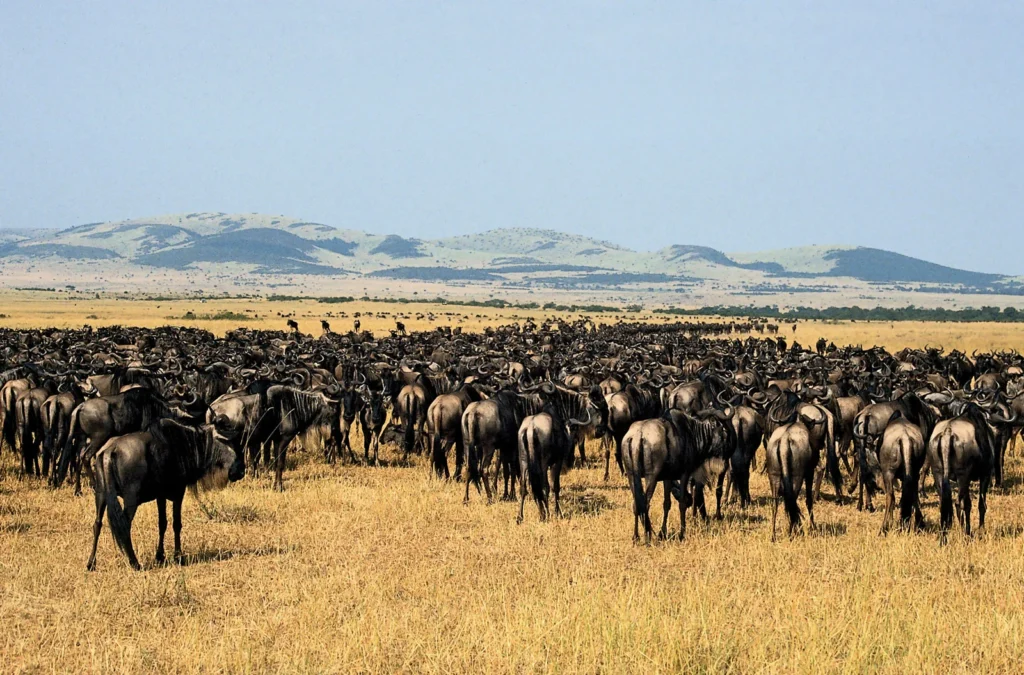
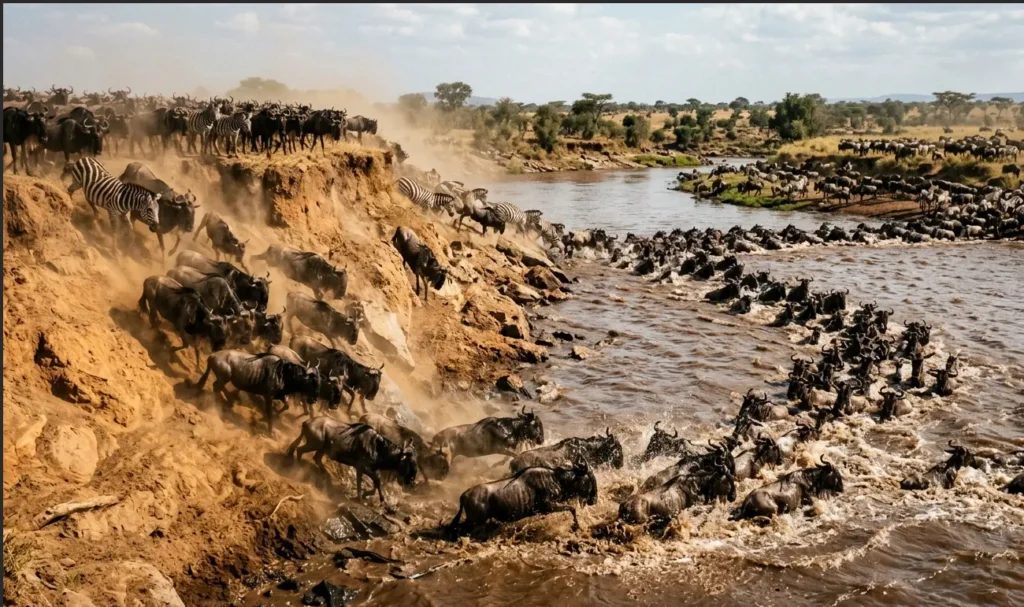
March is a fascinating month to explore Serengeti National Park, particularly for travellers interested in understanding the different stages of the Great Wildebeest Migration. Following the spectacular calving season that takes place mainly between January and February, the southern Serengeti and neighbouring Ndutu plains continue to support large concentrations of wildebeest, zebras, and other grazing animals. During this period, thousands of newborn wildebeest gradually become stronger, learning to move alongside their mothers as they adapt to the challenges of the African wilderness. Meanwhile, the adult herds spend considerable time feeding on nutrient-rich grasslands before gradually preparing for their next seasonal movement. This natural transition creates a rewarding wildlife experience for visitors who want to explore the Serengeti beyond the famous river crossings and witness the remarkable relationships between migrating animals and their environment. March in the Serengeti: The Transition After Calving introduces travellers to a particularly interesting stage of the migration cycle, when the southern plains remain important feeding grounds while changing environmental conditions influence the movement of different herds. Depending on rainfall patterns, some groups may begin spreading towards the central Serengeti in search of fresh grazing opportunities. Throughout this period, predators such as lions, cheetahs, and spotted hyenas remain active around the migrating herds, creating excellent opportunities for observing natural wildlife behaviour. For international visitors planning Tanzania Safaris, March offers a combination of wildlife encounters, beautiful green landscapes, and fewer crowds in certain areas compared with the busiest migration periods. At Terenga Africa Safaris & Travel Ltd, we help travellers experience Tanzania through carefully organised safari holidays that combine knowledgeable guides, suitable accommodation, and personalised itineraries. Whether you are a first-time visitor or an experienced African safari enthusiast, March provides an excellent opportunity to discover the seasonal beauty of the Serengeti.
What Happens in the Serengeti After the Calving Season?
The period following the main wildebeest calving season is an important stage in the annual migration cycle. Between January and February, large numbers of wildebeest give birth across the southern Serengeti and Ndutu plains, where short, nutritious grass provides favourable feeding conditions. By March, many of these newborn animals have developed greater strength and mobility, allowing them to follow their mothers across increasingly extensive grazing areas. Although calving activity may continue during the month, the most concentrated period of births generally takes place earlier in the year. Consequently, March is characterised by growing herds, continued feeding, and the gradual preparation for the next stage of migration. Adult wildebeest must maintain sufficient energy reserves to support their young while responding to changing rainfall patterns and vegetation conditions. As the grasslands begin experiencing seasonal changes, different groups may spread across the southern plains and gradually move towards central Serengeti. However, migration movements are not strictly controlled by the calendar, and the location of individual herds depends heavily on local environmental conditions. Another important aspect of this period is the survival of young animals. Although newborn wildebeest develop quickly, predators continue to present natural challenges. Lions, cheetahs, hyenas, and other carnivores remain active around the migration routes, taking advantage of opportunities created by large concentrations of grazing animals. For wildlife enthusiasts, this creates an opportunity to observe the natural balance between predators and herbivores. March in the Serengeti: The Transition After Calving is therefore much more than a period between two migration seasons. It represents an important stage in the development of young wildebeest and the continued movement of one of the world’s largest wildlife populations. Visitors undertaking Tanzania Adventures during this month can gain valuable insights into animal survival, feeding patterns, reproduction, and the ecological relationships that sustain the Serengeti ecosystem.

6-Day Tanzania Great Migration Safari
Which Areas of the Serengeti Are Best to Explore in March?
Selecting the right location is essential when organising a March safari because the Great Wildebeest Migration moves across different sections of the Serengeti ecosystem throughout the year. During the early part of March, the southern Serengeti and Ndutu plains generally remain among the most rewarding places to explore. These areas provide suitable grazing conditions for migrating wildebeest and other herbivores, particularly where recent rainfall has encouraged fresh vegetation growth. Ndutu is especially significant because it extends across the southern Serengeti National Park and the Ngorongoro Conservation Area, creating an important wildlife landscape that attracts migrating herds during the calving season. Visitors exploring this region may encounter large groups of wildebeest grazing across open plains, zebras moving between feeding areas, and predators monitoring the surrounding grasslands. As March progresses, some herds may gradually begin moving towards the central Serengeti, particularly around the Seronera region. This area is well known for its diverse wildlife populations, permanent water sources, and extensive network of game-viewing tracks. Although the largest migration concentrations may not always be found in central Serengeti during March, the region provides excellent opportunities to encounter resident lions, leopards, elephants, giraffes, and numerous other species. Seasonal conditions can also influence access to certain tracks, especially towards the beginning of the long-rains period. Therefore, choosing accommodation based on expected migration movements and road conditions is an important part of safari planning. March in the Serengeti: The Transition After Calving requires a flexible approach because wildlife distribution can change from one week to another. At Terenga Africa Safaris & Travel Ltd, we consider seasonal information, accommodation locations, travel distances, and visitor interests when recommending the most suitable safari routes. This approach helps travellers maximise their wildlife viewing opportunities while enjoying a comfortable and well-organised journey.
What Wildlife Can You Expect to See During March?
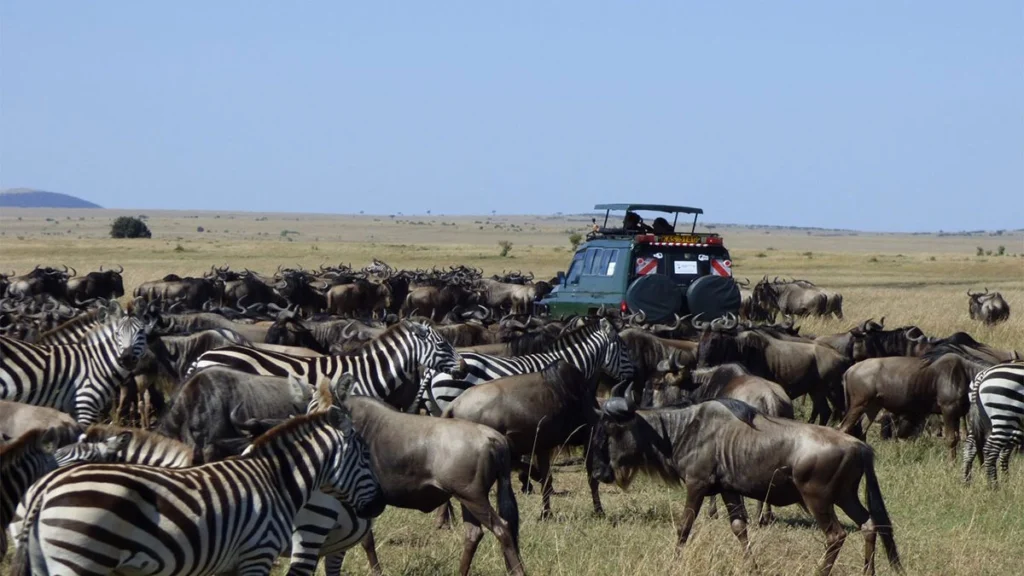
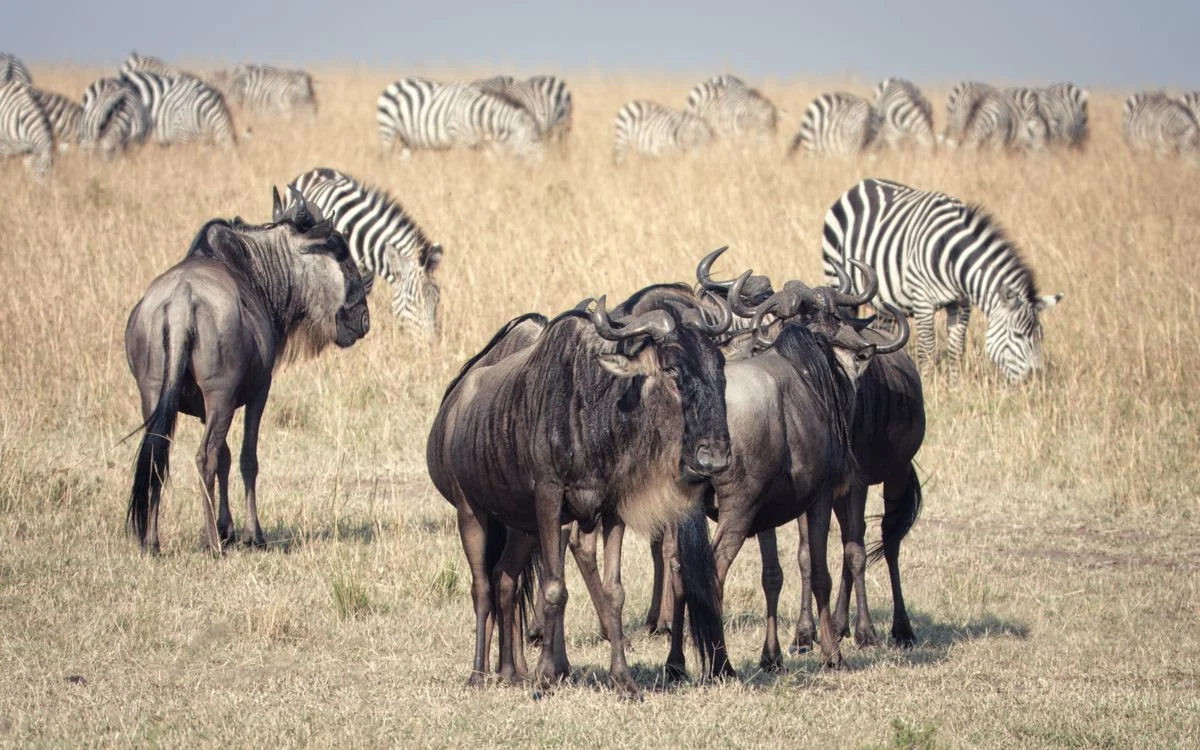
March offers rewarding wildlife viewing opportunities because the Serengeti supports a remarkable diversity of animals throughout the year. Although the Great Wildebeest Migration remains the main attraction, visitors can encounter numerous other species across the grasslands, woodlands, river systems, and seasonal wetlands. Large herds of wildebeest continue grazing across the southern plains, often accompanied by zebras and gazelles. These herbivores create important feeding opportunities for predators, making the region particularly interesting for wildlife enthusiasts and photographers. Lions are among the most frequently encountered carnivores and can often be seen resting beneath acacia trees or moving through the grasslands in search of prey. Cheetahs are also present in suitable open habitats, where their exceptional speed and eyesight make them highly effective hunters. Meanwhile, spotted hyenas patrol migration routes and feeding grounds, sometimes competing with other predators for food. Leopards may be spotted in areas with suitable woodland cover, although their solitary and secretive behaviour makes sightings less predictable. Beyond the migrating herds, the Serengeti is home to elephants, giraffes, buffaloes, warthogs, jackals, and several other mammals. Birdwatching is another rewarding activity, with opportunities to observe ostriches, secretary birds, kori bustards, vultures, eagles, and colourful smaller species. Seasonal vegetation also creates beautiful photographic backgrounds, particularly when fresh green grass contrasts with the animals’ natural colours. March in the Serengeti: The Transition After Calving offers an interesting opportunity to observe how different wildlife species interact during a changing seasonal period. Even when some migrating herds begin moving away from particular locations, resident wildlife ensures that game drives remain rewarding. Experienced safari guides can help identify animal tracks, explain predator behaviour, and locate productive wildlife areas while maintaining appropriate viewing distances and respecting park regulations.
What Are the Expectations in This Safari?
A March Serengeti safari combines exciting wildlife encounters, scenic exploration, and opportunities to learn about the natural processes that shape the African wilderness. Depending on your selected itinerary, the adventure may begin in Arusha, Tanzania’s popular safari gateway, before travelling towards the Serengeti through the northern safari circuit. Travellers with limited holiday time may also consider domestic flights to suitable airstrips within the national park. Upon arrival, guided game drives introduce you to the remarkable landscapes and wildlife populations of the Serengeti. Early morning excursions are particularly rewarding because cooler temperatures often encourage animals to become more active. Afternoon drives provide additional opportunities to explore different habitats and observe wildlife as it moves between grazing and resting areas. Throughout your journey, professional guides explain the Great Migration, seasonal vegetation changes, animal behaviour, and the ecological importance of the calving grounds. Depending on your travel dates and location, you may encounter young wildebeest staying close to their mothers, large grazing herds, or groups beginning their gradual movement towards central Serengeti. Photography enthusiasts can enjoy opportunities to capture wildlife against the expansive plains, especially during sunrise and sunset. Accommodation choices range from affordable camping facilities to comfortable safari lodges and luxury tented camps. Many seasonal camps are strategically positioned near important wildlife areas, helping visitors spend more time exploring the surrounding environment. In addition to game drives, travellers can enjoy the peaceful atmosphere of the African wilderness, freshly prepared meals, and welcoming hospitality at their accommodation. March in the Serengeti: The Transition After Calving offers a distinctive experience for travellers interested in seeing how wildlife adapts following the main calving season. At Terenga Africa Safaris & Travel Ltd, we organise safari arrangements according to your available days, preferred accommodation standards, group size, and budget. Our objective is to provide a rewarding journey that balances wildlife exploration, comfort, and practical travel arrangements.
Can You Combine March Serengeti Safaris with Other Tanzania Adventures?
Tanzania is home to several outstanding wildlife destinations that can complement a March Serengeti safari. Combining different national parks provides a broader understanding of the country’s natural diversity while allowing travellers to encounter different landscapes and wildlife species. One of the most popular additions is the Ngorongoro Conservation Area, particularly the magnificent Ngorongoro Crater. This extraordinary volcanic caldera supports a high concentration of wildlife, including lions, elephants, buffaloes, zebras, hippos, and the endangered black rhinoceros. Another excellent destination is Tarangire National Park, famous for its impressive elephant populations, ancient baobab trees, and seasonal wildlife movements around the Tarangire River. Lake Manyara National Park offers a contrasting environment characterised by groundwater forests, open grasslands, lakeshore habitats, and diverse birdlife. Travellers interested in extending their holiday beyond wildlife viewing can continue towards Zanzibar for beautiful beaches, traditional Swahili culture, historic Stone Town, and marine adventures. These combinations create an excellent balance between wildlife exploration and relaxation. Furthermore, visitors with additional time can extend their African holiday to neighbouring countries. Uganda Safaris introduce travellers to mountain gorilla trekking in Bwindi Impenetrable National Park, chimpanzee tracking in Kibale Forest, and exceptional wildlife viewing in Queen Elizabeth National Park. Rwanda Adventures provide opportunities to encounter mountain gorillas and golden monkeys in Volcanoes National Park while exploring the country’s remarkable landscapes and cultural attractions. March in the Serengeti: The Transition After Calving can therefore become the starting point for a wider African holiday covering several destinations. Our team at Terenga Africa Safaris & Travel Ltd helps international visitors coordinate practical multi-destination itineraries while considering travel distances, border requirements, accommodation, and domestic flight connections.
When Is the Best Time for This Safari?
March is a particularly interesting month for exploring the Serengeti because it follows the main calving season while introducing visitors to the changing movements of migrating herds. Generally, the wildebeest calving season takes place between January and March, with the largest concentration of births commonly occurring during January and February. However, rainfall patterns influence the availability of fresh grass and can affect the timing of animal movements. During early March, substantial numbers of wildebeest may still occupy the southern Serengeti and Ndutu plains. As the month progresses, different groups may begin spreading towards central and western sections of the ecosystem. Weather conditions should also be considered when planning your safari. March is generally part of the transition towards Tanzania’s long rainy season, which typically becomes more established from late March through April and May. Therefore, visitors may experience sunshine, occasional showers, and changing road conditions. These rains can transform the grasslands into beautiful green landscapes, providing attractive photographic opportunities. Nevertheless, some tracks may become muddy, and travel times can occasionally increase. Travellers who specifically want to witness the highest concentration of wildebeest births may prefer January or February. Those interested in the transition after calving, however, will find March particularly rewarding. March in the Serengeti: The Transition After Calving is best experienced with flexible planning that considers current wildlife movements rather than relying entirely on fixed seasonal assumptions. We recommend confirming migration conditions before selecting your accommodation, particularly if you want to stay close to the southern herds. Booking early is also advisable for visitors seeking seasonal tented camps in popular migration areas.
What Should You Pack for a March Serengeti Safari?
Preparing suitable clothing and personal equipment is important for enjoying a comfortable safari during March. Since the month may bring warm afternoons, cooler mornings, and occasional rainfall, lightweight clothing that can be layered is particularly useful. Neutral colours such as khaki, brown, olive, and beige are practical for game drives because they blend naturally with the surrounding environment. A lightweight waterproof jacket or raincoat is advisable, especially for visitors travelling towards the end of March when rainfall may become more frequent. Comfortable walking shoes or lightweight hiking boots are useful around safari camps, while sandals are suitable for relaxing at your accommodation. Additionally, carry a wide-brimmed hat, sunglasses, and sunscreen to protect yourself from strong sunlight during outdoor activities. Wildlife photographers should bring cameras with suitable zoom lenses, extra batteries, and sufficient memory cards to capture the remarkable animals and landscapes. Binoculars are equally useful for observing wildlife at a distance without disturbing animals. Other essentials include insect repellent, personal toiletries, prescribed medications, reusable water bottles, and important travel documents. A small daypack can help keep frequently used items organised during game drives. Travellers using small domestic aircraft should also confirm baggage restrictions because some safari flights have strict luggage weight limits and require soft-sided bags. March in the Serengeti: The Transition After Calving can involve different weather and road conditions depending on your travel dates and accommodation location. At Terenga Africa Safaris & Travel Ltd, we provide practical pre-departure guidance to help our guests prepare for their safari activities and seasonal conditions.
 Why Choose Terenga Africa Safaris & Travel Ltd for This Particular Safari?
Choosing an experienced safari company is an important part of planning a successful African wildlife holiday. At Terenga Africa Safaris & Travel Ltd, we understand that every traveller has different interests, expectations, budgets, and accommodation preferences. Our approach focuses on creating personalised itineraries that combine professional organisation, destination knowledge, knowledgeable guides, and attentive customer service. When planning March Serengeti Safaris, we consider seasonal wildlife movements, current migration information, accommodation locations, road conditions, and the time required to explore different areas. This helps us recommend practical routes for visitors interested in experiencing the transition after the calving season. Furthermore, we recognise the importance of transparent communication when arranging international travel. Before confirming your safari, we help explain the proposed itinerary, accommodation categories, park fees, transportation arrangements, included activities, and other relevant details. Whether you prefer budget camping, comfortable midrange lodges, or luxury tented accommodation, we can customise your experience according to your requirements. Our wider African tourism experience also allows us to arrange Uganda Safaris, Tanzania Tours, Rwanda Adventures, and multi-country holidays across East Africa. Travellers interested in wildlife photography, honeymoon experiences, family holidays, cultural activities, or private safaris can benefit from carefully planned travel arrangements. Responsible tourism is equally important to our approach. We encourage respectful wildlife viewing, compliance with national park regulations, appreciation of local cultures, and support for conservation initiatives. March in the Serengeti: The Transition After Calving deserves proper preparation because the quality of your experience depends on understanding seasonal wildlife movements and selecting suitable safari locations. Our goal is to help you explore Tanzania confidently while enjoying the comfort, hospitality, and natural beauty that make African safaris unforgettable.
Experience the Changing Serengeti with Terenga Africa Safaris
March presents an excellent opportunity to discover the Serengeti during an important stage of the Great Wildebeest Migration. Following the spectacular calving season, young wildebeest become stronger, grazing herds gradually spread across the southern plains, and changing environmental conditions begin influencing the next phase of their journey. Visitors can enjoy remarkable wildlife encounters involving wildebeest, zebras, lions, cheetahs, elephants, and numerous bird species while exploring Tanzania’s beautiful landscapes. Beyond the migration, combining your safari with Ngorongoro Crater, Tarangire, Lake Manyara, or Zanzibar creates a more comprehensive African holiday. Travellers with additional time can also discover the mountain gorillas of Uganda and Rwanda, making their journey even more memorable. At Terenga Africa Safaris & Travel Ltd, we are passionate about introducing international visitors to Africa through professionally organised, informative, and personalised safari experiences. Whether you are planning a short wildlife holiday or an extended East African adventure, our team is ready to help you select suitable travel dates, destinations, accommodation, and activities. March in the Serengeti: The Transition After Calving offers a wonderful opportunity to appreciate the natural rhythms of the African wilderness while discovering the extraordinary wildlife heritage of Tanzania. Contact our team today and begin planning your next African safari.
Best Trending Tanzania Safari Holidays for 2027/2028
- 12-Day Tanzania Wildlife Safari
- 10-Day Tanzania Wildlife Safari & Zanzibar
- 10-Day Best Tanzania Honeymoon Luxury Safari and Zanzibar Beach Getaway
- 9-Day Ultimate Tanzania Wildlife Safari
- 9-Day Tanzania Adventure Safari
- 8-Day Tanzania Mid-Range Safari
- 8-Day Tanzania Northern Circuit Safari
- 7-Day Tanzania Wildlife Safari
- 7-Day Tanzania Wildlife Wonders Experience Tour
- 6-Day Majestic Tanzania Wildlife Luxury Safari
- 5-Day Kenya Wildlife Budget Safari
- 13-Day Tanzania Wildlife Tour & Zanzibar Beach Holiday
- 12-Day Tanzania Wildlife Safari Itinerary
- 11-Day Tanzania & Zanzibar Safari Adventure
- 11 Days Magical Kenya and Tanzania Safari
- 4-Day Tanzania Safari Extension Itinerary
- 5-Day Tanzania Safari Extension
- 9-Day Tanzania Wildlife Safari Adventure
- 7 Days Tanzania Safari Holiday
- 8 Days Tanzania Safari Holiday Itinerary
Plan Your Tanzania Safari with Terenga Africa Safaris & Travel Ltd
-
Website: www.terengasafaris.com
-
Email: info@terengasafaris.com
-
Booking Email: terengasafaris@gmail.com
Terenga Africa Safaris & Travel Ltd – Travel in Comfort. Explore in Style. Experience the Adventure of a Lifetime.