The Green Landscapes of Serengeti in March
November 10, 2026
How the Long Rains Affect the Wildebeest Migration?
November 11, 2026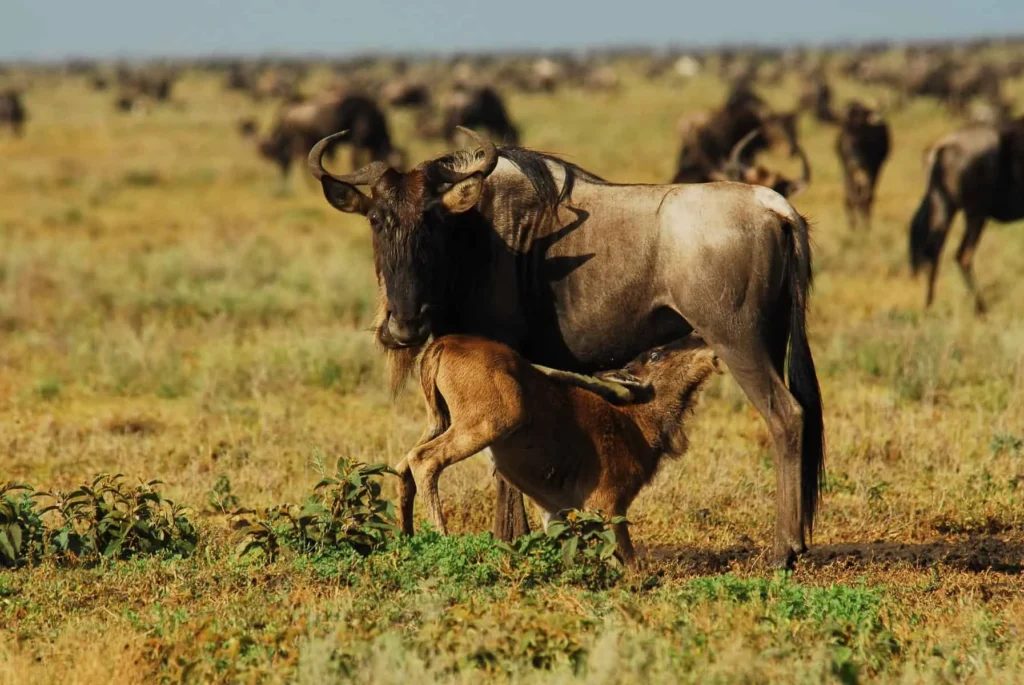
April Migration Across the Southern and Central Serengeti
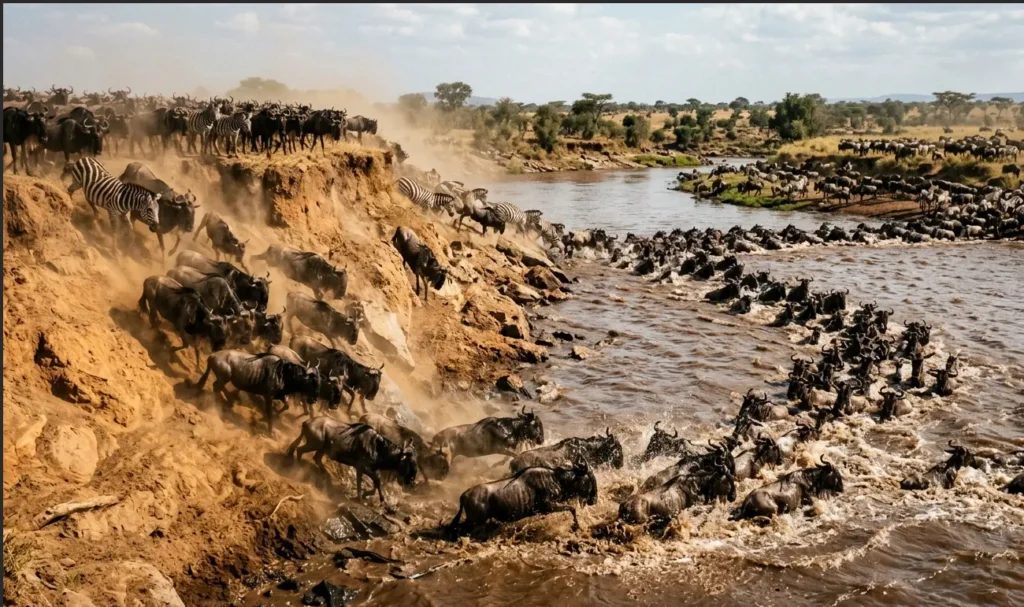
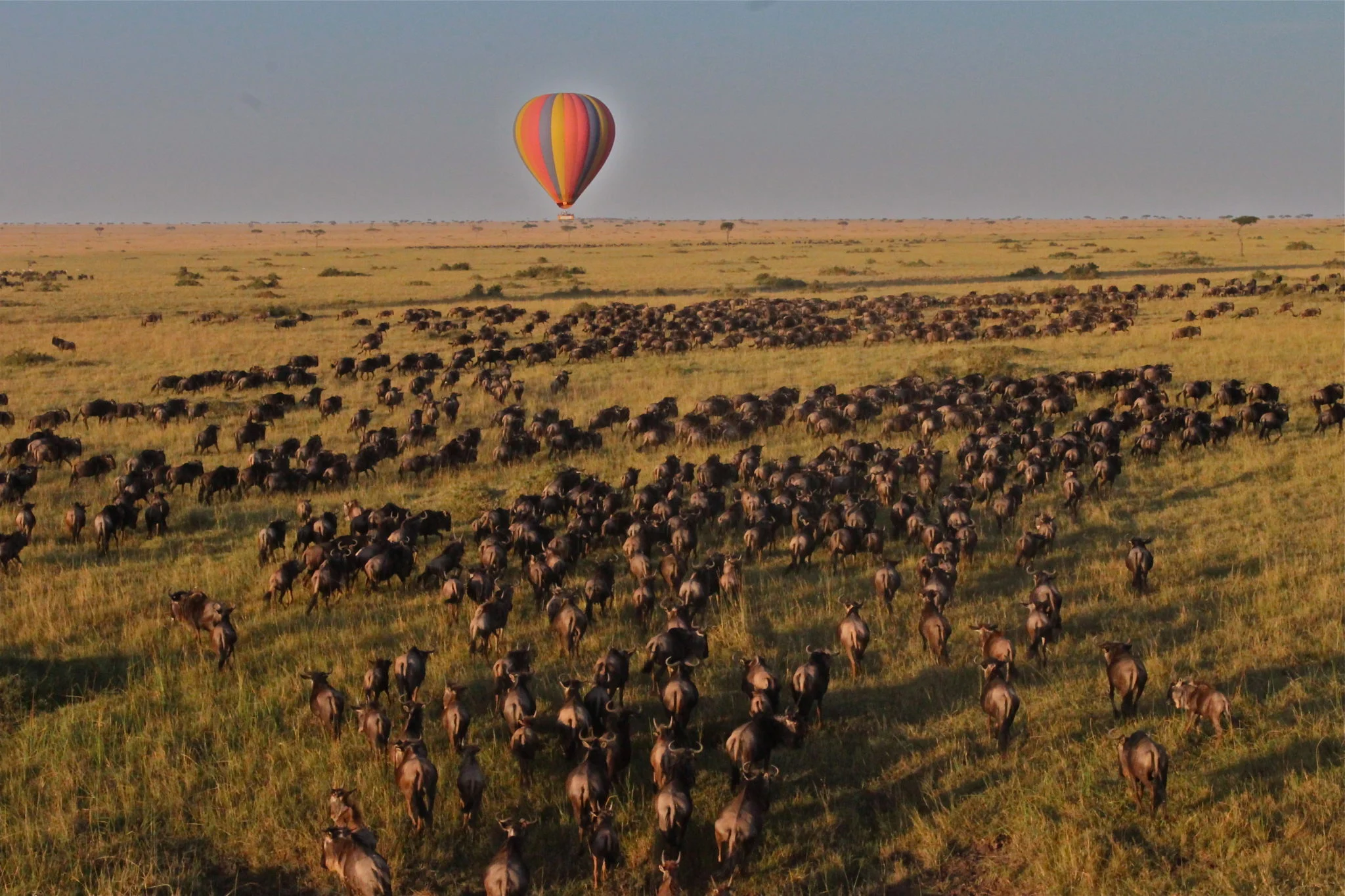
April Migration Across the Southern and Central Serengeti offers an interesting opportunity to explore one of Africa’s most remarkable wildlife events during a period of changing weather, fresh vegetation and shifting animal movements. Every year, millions of wildebeest, accompanied by zebras and gazelles, travel across the greater Serengeti-Mara ecosystem in search of nutritious grazing and suitable water sources. This extraordinary journey is influenced by seasonal rainfall, which determines the availability of fresh grass and affects the distribution of wildlife across different habitats. During April, the migration generally enters a transitional stage as many herds gradually move away from the southern Serengeti and neighbouring Ndutu plains towards central and western grazing areas. Nevertheless, some groups may remain in the south depending on rainfall patterns and the availability of suitable pasture. The central Serengeti, particularly the wider Seronera region, provides an important environment for observing migrating animals alongside resident wildlife populations.
Meanwhile, the southern plains may continue supporting groups of wildebeest, zebras and other herbivores that benefit from seasonal vegetation.Beyond the impressive animal concentrations, April transforms much of the landscape through seasonal rainfall, creating greener grasslands, temporary water sources and dramatic African skies. These conditions make the period attractive to wildlife photographers, birdwatchers and nature enthusiasts seeking a different safari experience from the traditional dry-season holiday. Although occasional rainfall can affect road conditions, the green season provides rewarding opportunities to appreciate the Serengeti’s ecological diversity and natural beauty. For international travellers planning Tanzania Safaris, understanding the migration’s seasonal movements is essential for selecting suitable locations and accommodation. At Terenga Africa Safaris & Travel Ltd, we believe that an outstanding safari combines accurate wildlife information, knowledgeable guidance, responsible tourism and carefully planned travel arrangements to create meaningful African experiences.
What Happens to the Great Migration Across the Southern Serengeti in April?
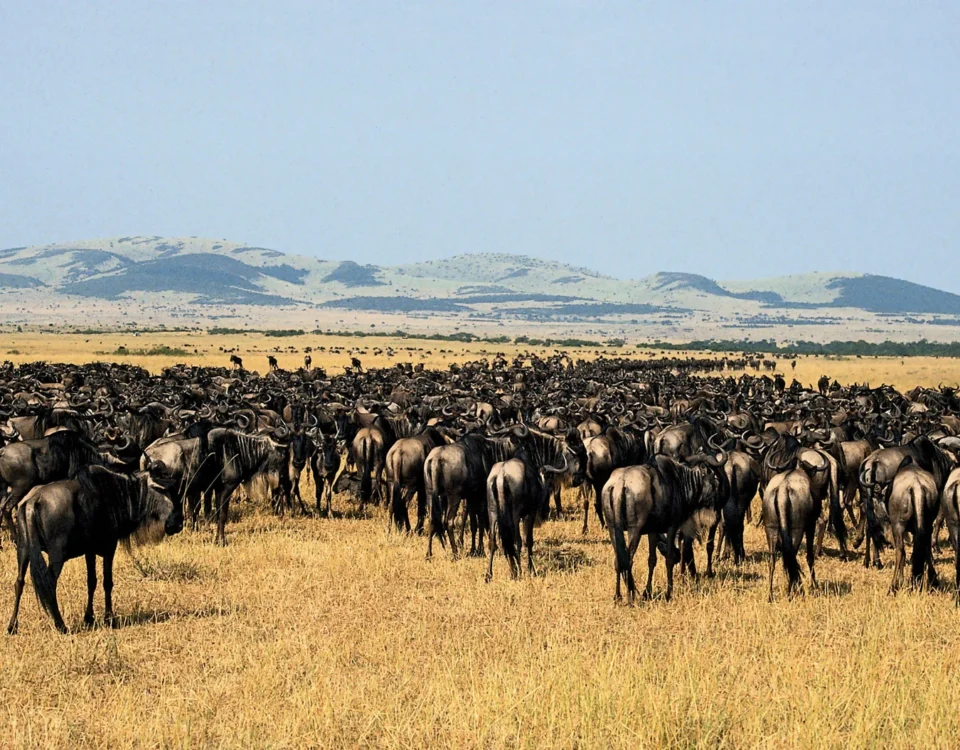
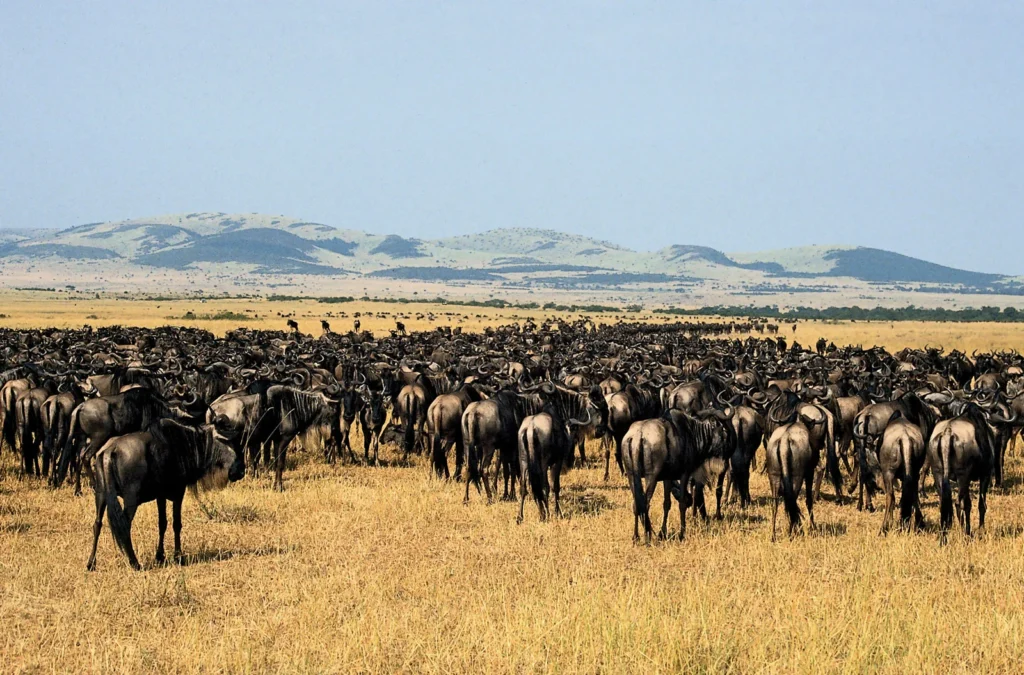
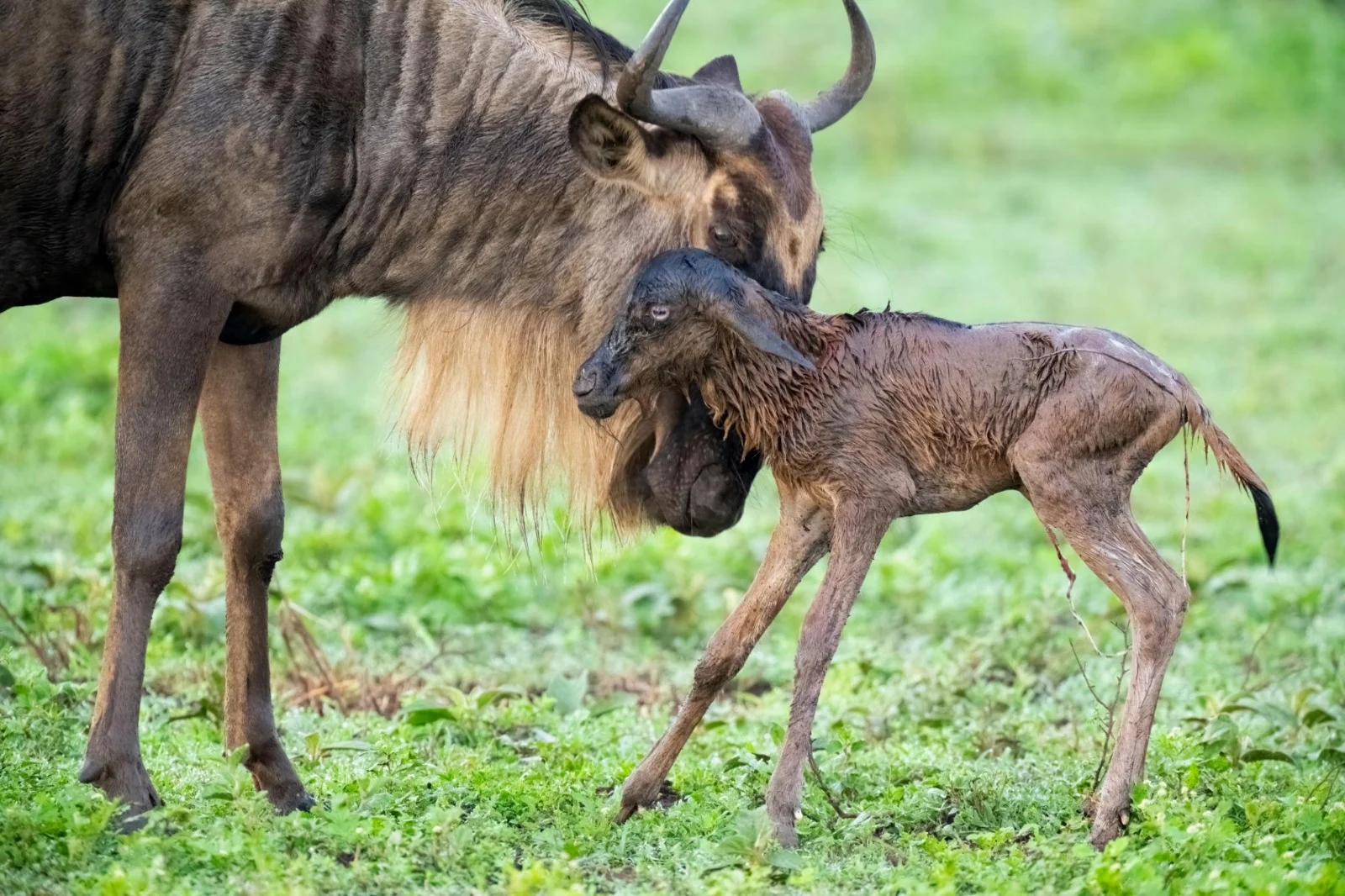
Understanding April Migration Across the Southern and Central Serengeti begins with examining the changing role of the southern plains during this transitional period. The southern Serengeti and neighbouring Ndutu region are particularly famous for hosting large concentrations of wildebeest during the calving season, which generally reaches its peak between January and February. By April, the main calving period has usually passed, although young wildebeest may still be encountered among the migrating herds. As the rainy season progresses, fresh vegetation develops across different parts of the ecosystem, influencing where animals search for food. Consequently, many wildebeest gradually begin leaving the southern grazing grounds and moving towards central and western sections of the Serengeti. However, this movement is not uniform, and some groups may remain in the southern areas for longer when grazing conditions continue to be favourable.
The region also offers impressive photographic scenery, particularly when fresh green grasslands contrast with scattered acacia trees and distant hills. Although the concentrations of wildebeest may differ from those experienced during peak calving season, the southern ecosystem remains an important part of the migration’s annual journey. Professional safari guides can help visitors identify suitable wildlife-viewing areas by considering recent rainfall, vegetation conditions and animal movements. For travellers booking Tanzania Tours, including the southern Serengeti in an April itinerary can provide a broader understanding of the migration instead of concentrating exclusively on one location. At Terenga Africa Safaris & Travel Ltd, we encourage visitors to appreciate the southern plains as part of a connected ecosystem whose wildlife movements change naturally throughout the year.
Why Is the Central Serengeti Important During the April Migration?
One of the most interesting aspects of April Migration Across the Southern and Central Serengeti is the increasing importance of the central Serengeti as migrating herds gradually move away from the southern plains. This region includes the famous Seronera area, which is recognised for its diverse wildlife habitats, permanent water sources and impressive populations of resident animals. During April, some migrating wildebeest groups may pass through or spread across central grazing areas while searching for fresh pasture. The precise distribution of animals varies according to rainfall and vegetation conditions, making local knowledge particularly valuable when planning game drives. Central Serengeti is also an excellent destination for observing wildlife that remains in the ecosystem throughout the year. Lions are frequently associated with the region, while leopards may be encountered around suitable woodland habitats and riverine vegetation. Cheetahs, hyenas, elephants, giraffes, buffaloes and several antelope species contribute to the area’s remarkable biodiversity.
Unlike destinations that are primarily associated with one seasonal attraction, the central Serengeti provides opportunities to enjoy a broader wildlife experience. Visitors may spend their mornings observing grazing herds before exploring rocky outcrops, open grasslands and woodland environments in search of predators and other resident animals. Birdlife also adds considerable value, with numerous species inhabiting the region’s varied ecosystems. For international travellers interested in Tanzania Adventures, central Serengeti offers an excellent combination of migration viewing, predator encounters, photography and general wildlife exploration. Staying within or near the region can also help reduce unnecessary driving between different wildlife-viewing locations. Terenga Africa Safaris & Travel Ltd recommends considering the central Serengeti when organising April migration holidays because its resident wildlife provides rewarding safari opportunities even when migrating herds are spread across different parts of the ecosystem.
How Do Seasonal Rains Influence Wildlife Movements in April?
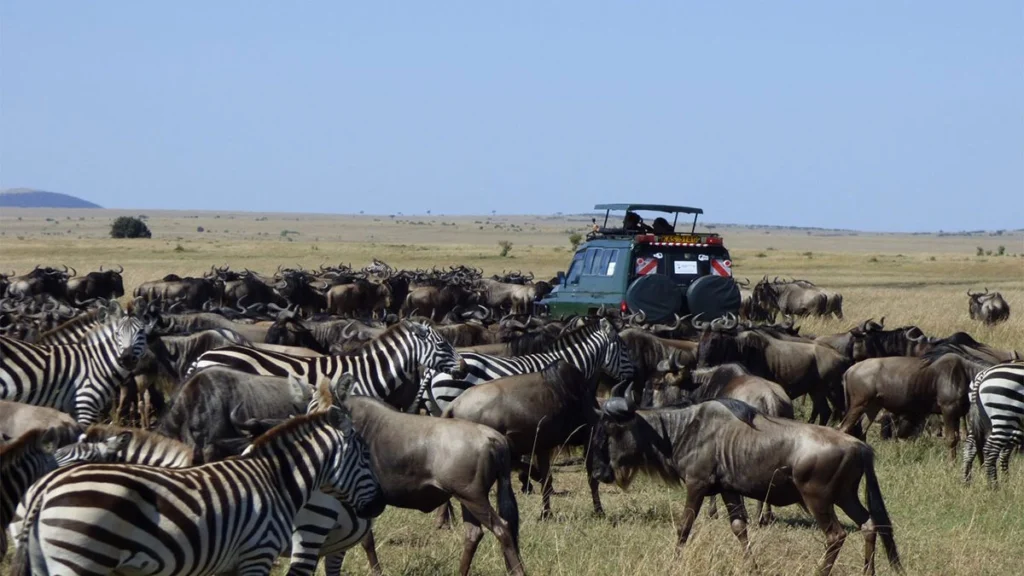
The relationship between rainfall and wildlife distribution is central to understanding April Migration Across the Southern and Central Serengeti. April generally falls within Tanzania’s long rainy season, when rainfall encourages fresh grass growth and replenishes seasonal water sources across the Serengeti ecosystem. These environmental changes influence the availability of suitable feeding grounds, encouraging migrating wildebeest to adjust their movements according to local grazing conditions. Different groups may travel at different speeds, depending on where nutritious vegetation is available. As a result, the migration should not be viewed as a single organised line of animals moving through a fixed route. Instead, it consists of numerous herds that spread across the landscape, sometimes separating and later gathering into larger concentrations. Zebras frequently travel alongside wildebeest because their different feeding preferences allow them to use the same grasslands efficiently. Gazelles and other herbivores also benefit from fresh vegetation and improved water availability.
Although rainfall supports the ecosystem, excessive or uneven showers can influence road accessibility and the distribution of animals. Certain areas may become muddy, while temporary streams and pools can change the condition of unpaved tracks. Such conditions require safari operators to make practical adjustments to driving routes. Nevertheless, the rainy season provides a beautiful opportunity to observe the natural relationship between climate, vegetation and animal behaviour. Visitors undertaking Tanzania Safaris during April can learn how wildlife responds to seasonal environmental changes rather than simply observing animals in isolation. Knowledgeable guides can explain the importance of rainfall, grazing patterns and water availability while helping guests identify promising wildlife-viewing locations. This ecological understanding makes an April safari especially valuable for travellers interested in conservation and the natural processes that sustain Africa’s wildlife.
 Which Animals Can You Expect to See During the April Migration?
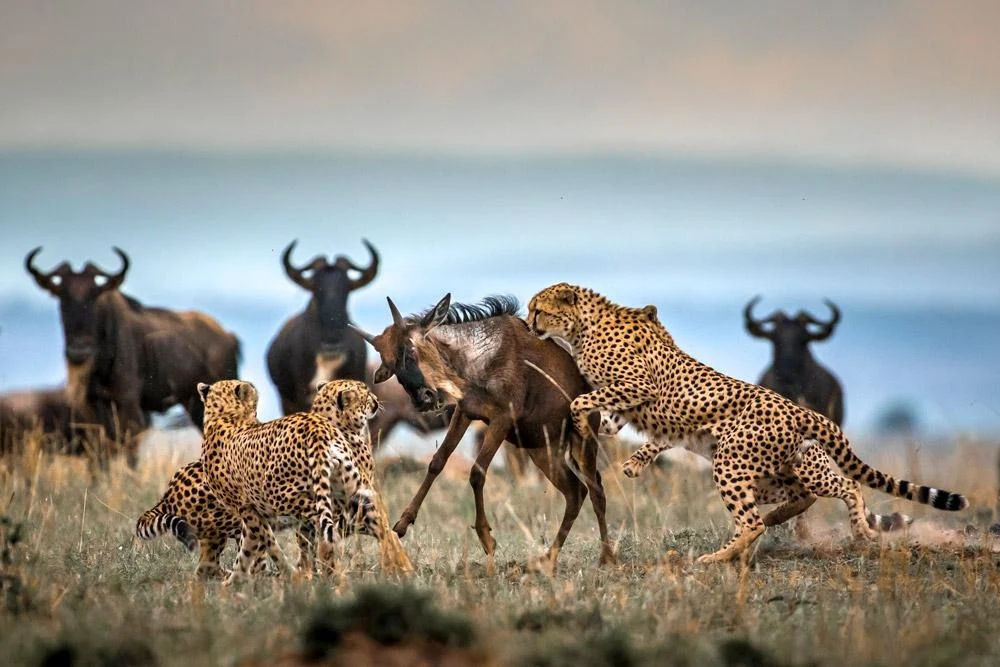
Wildlife diversity is another major attraction of April Migration Across the Southern and Central Serengeti, offering visitors opportunities to encounter numerous species across different habitats. Wildebeest remain the principal attraction, with migrating groups moving between grazing areas as seasonal conditions change. Zebras are commonly observed alongside these herds, while Thomson’s gazelles and Grant’s gazelles contribute to the diversity of grazing animals across the plains. Young wildebeest may still be present during April, although the main calving season generally takes place earlier in the year. Beyond the migrating herbivores, the Serengeti supports impressive populations of carnivores. Lions may be seen resting beneath trees, moving through open grasslands or interacting within their prides. Cheetahs are particularly fascinating to observe because of their hunting techniques and preference for open habitats.
Leopards are more elusive and are often associated with woodland and riverine environments where they can remain concealed. Spotted hyenas are also important members of the ecosystem, displaying complex social behaviour and adaptable feeding strategies. In addition, visitors may encounter elephants, giraffes, buffaloes, warthogs and several smaller mammals during game drives. Bird enthusiasts can enjoy observing ostriches, secretary birds, eagles, vultures, storks, hornbills and numerous other species. Seasonal vegetation and water sources create attractive environments for different birds, making April an interesting period for combining mammal viewing with birdwatching. However, wildlife sightings are influenced by natural behaviour, weather and the areas explored. No particular animal can be guaranteed on every game drive. Experienced safari guides improve the experience through careful observation and an understanding of animal habitats.
What Are the Expectations During an April Migration Safari?
Knowing what to anticipate during April Migration Across the Southern and Central Serengeti helps travellers prepare for the practical realities of visiting Tanzania during the green season. Most safari activities begin early in the morning, when temperatures are cooler and wildlife may be particularly active. Guests normally travel in specialised four-wheel-drive safari vehicles accompanied by professional driver-guides who understand the landscape and local wildlife behaviour. Depending on the itinerary, full-day game drives may be organised to explore different areas and allow sufficient time for wildlife observation. During these excursions, visitors may encounter migrating wildebeest, zebras, resident herbivores and predators. Nevertheless, the location and concentration of animals can change throughout the month, so flexibility is important. April is generally associated with the long rains, meaning occasional showers, muddy roads and changing weather conditions should be expected.
Certain routes may become difficult to access after heavy rainfall, making local driving knowledge essential. Accommodation options include comfortable permanent lodges and seasonal tented camps, with different facilities and locations to suit various budgets. Travellers should confirm whether their preferred accommodation operates throughout April and whether its access roads are suitable during the rainy season. Another important expectation is that wildlife photography and observation require patience. Animals do not follow fixed schedules, and some sightings may involve waiting quietly for natural behaviour to develop. Guests should also follow park regulations, maintain safe distances from wildlife and respect the guidance of their safari professionals. At Terenga Africa Safaris & Travel Ltd, we believe that a successful April safari should combine realistic expectations, responsible wildlife viewing and enough flexibility to appreciate the natural diversity of the Serengeti.
When Is the Best Time to Experience the Southern and Central Serengeti Migration?
Understanding April Migration Across the Southern and Central Serengeti requires considering the wider annual migration calendar because different periods provide different wildlife experiences. January and February are generally associated with the main wildebeest calving season in the southern Serengeti and Ndutu plains. During these months, large concentrations of animals gather around nutrient-rich grasslands, creating opportunities to observe newborn calves and predator activity. March often provides continued calving-season experiences alongside the beginning of changing herd movements. April and May are important transitional months, when many animals may move through central and western sections of the Serengeti in search of suitable grazing. June and July generally bring further movement towards northern areas, with possible concentrations in the western corridor and northern Serengeti.
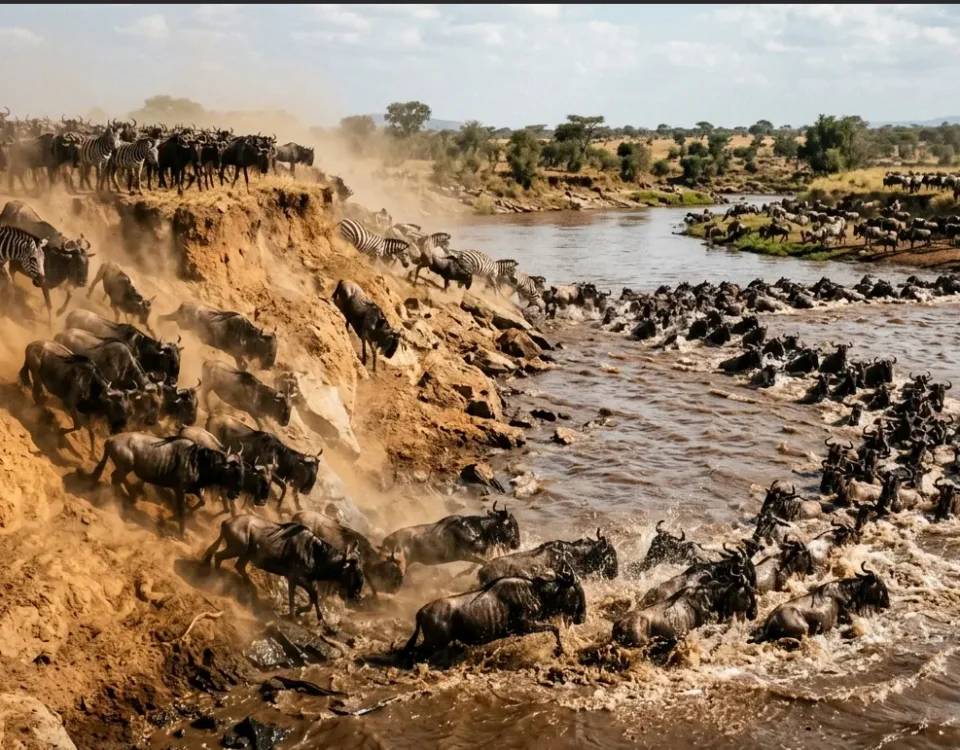
Between approximately July and October, visitors may have opportunities to witness the famous Mara River crossings, although their timing is unpredictable and depends on environmental conditions. November and December often involve the gradual movement of herds back towards southern grazing areas as short rains encourage fresh vegetation growth. For travellers interested in experiencing green landscapes and the changing distribution of wildebeest across southern and central regions, April can be an attractive choice. However, those prioritising newborn calves may prefer January or February, while visitors hoping to see possible river crossings should consider later months. The best travel period ultimately depends on individual interests, available time and budget. Terenga Africa Safaris & Travel Ltd encourages guests to select dates according to their preferred wildlife experiences rather than assuming that the migration follows an exact timetable every year.
 Why Choose Terenga Africa Safaris & Travel Ltd for Your April Migration Safari?
Selecting a knowledgeable safari operator is an important part of planning April Migration Across the Southern and Central Serengeti, especially because wildlife movements and weather conditions can influence the success of a seasonal itinerary. At Terenga Africa Safaris & Travel Ltd, we recognise that international travellers want reliable information, suitable accommodation and professionally organised experiences that match their expectations. Our approach focuses on helping visitors understand the migration calendar, select appropriate wildlife-viewing areas and appreciate the importance of flexibility during the rainy season. Choosing the right location is particularly important in April because herds may be distributed across different sections of the Serengeti. Accommodation placement, driving distances and current road conditions should therefore be considered when developing an itinerary. We also believe that a quality safari should provide meaningful information about wildlife conservation, local ecosystems and responsible tourism practices.
Visitors deserve clear communication about what their safari includes, the facilities available and the seasonal conditions they may encounter. Beyond the Serengeti, travellers can extend their Tanzania Adventures to other northern circuit destinations, including Ngorongoro Conservation Area and Tarangire National Park. Those interested in broader East African holidays may also explore Kenya Safaris, with opportunities to discover the Maasai Mara, Amboseli and other remarkable wildlife destinations. Our goal is to help international guests appreciate Africa through informative travel planning, responsible wildlife encounters and memorable journeys. By combining attention to traveller needs with a passion for Tanzania’s natural heritage, Terenga Africa Safaris & Travel Ltd aims to make every safari a valuable and enjoyable experience.
What Should You Pack for an April Migration Safari?
Preparing appropriate travel essentials is important for enjoying April Migration Across the Southern and Central Serengeti, particularly because the long rainy season can bring changing weather conditions. Lightweight clothing in neutral colours such as khaki, olive, beige and brown is recommended for game drives. Breathable shirts, comfortable safari trousers and suitable socks help maintain comfort during extended excursions. Since early mornings may be cool, a fleece or lightweight jacket is useful. A waterproof jacket or rain poncho is particularly important because showers may occur during the day. Closed shoes with good grip are recommended for walking around camps and outdoor areas that may become muddy. Photographers should carry a camera with suitable telephoto lenses, spare batteries, additional memory cards and protective storage equipment. Waterproof camera covers and lens-cleaning materials are valuable for protecting equipment against moisture and dust. Binoculars can improve wildlife observation, especially when viewing animals across distant plains.
Other useful items include sunscreen, sunglasses, insect repellent, a wide-brimmed hat, reusable drinking water bottles and personal medication. Travellers should also carry essential documents, including a valid passport, relevant visa documentation, travel insurance and any required health certificates. Those using domestic safari aircraft should confirm luggage restrictions before departure because small aircraft may have limited baggage allowances. Additionally, checking accommodation facilities and consulting your safari operator about current road conditions can help you prepare more effectively. Thoughtful packing allows you to concentrate on wildlife observation, photography and enjoying the beautiful landscapes of Tanzania without unnecessary discomfort.
Experience April Migration Across the Southern and Central Serengeti with Terenga Africa Safaris & Travel Ltd
April Migration Across the Southern and Central Serengeti provides a fascinating opportunity to experience the changing movements of wildebeest during Tanzania’s green season. From the southern plains and their seasonal grazing grounds to the central Serengeti and its diverse wildlife habitats, April offers a different perspective of the Great Migration. Seasonal rainfall encourages fresh vegetation, influences animal movements and transforms the landscape into a beautiful natural environment. Visitors may encounter migrating wildebeest, zebras, gazelles, predators and numerous bird species while learning about the ecological relationships that sustain this remarkable ecosystem. Although wildlife distribution and weather conditions vary from year to year, a carefully planned safari can provide meaningful opportunities to explore the Serengeti’s natural beauty. Whether you are a first-time visitor, an experienced wildlife enthusiast or a photographer seeking distinctive African landscapes, Tanzania offers an unforgettable safari experience.
Plan Your April Serengeti Migration Safari with Terenga Africa Safaris & Travel Ltd.
Discover the southern and central Serengeti, experience the beauty of the green season and explore one of Africa’s most extraordinary wildlife journeys with a safari designed around your interests.