The Best Places to See Calving Wildebeest in Ndutu
October 26, 2026
Ndutu Versus Southern Serengeti During Calving Season
October 27, 2026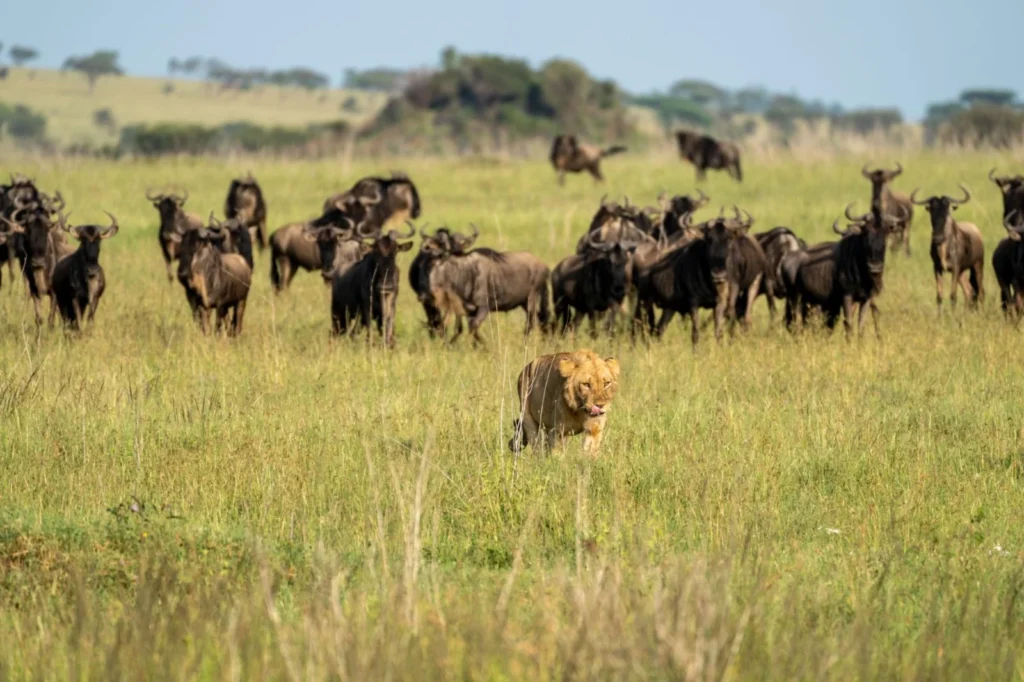
Why February Is One of the Best Months for Serengeti Safaris?
Why February Is One of the Best Months for Serengeti Safaris is a question worth exploring if you want to experience Tanzania’s wildlife during one of the most remarkable periods of the Great Wildebeest Migration. February falls within the southern Serengeti’s calving season, when large herds of wildebeest gather across open grasslands to feed, give birth, and raise their newborn calves. Seasonal rainfall supports fresh pasture, attracting grazing animals and creating opportunities to observe fascinating wildlife behaviour. For travellers seeking an authentic African safari, this period combines remarkable animal encounters, beautiful green landscapes, and excellent opportunities for nature photography.
Unlike a safari focused only on searching for the Big Five, a February visit can reveal the relationships between wildlife, weather, and survival. Newborn wildebeest learn to stand and follow their mothers, zebras graze alongside migrating herds, and predators such as lions, cheetahs, and spotted hyenas search the plains for food. Although individual sightings cannot be guaranteed, the concentration of herbivores during the calving season can create rewarding conditions for observing animal behaviour. Bird enthusiasts may also enjoy the varied species found across grasslands, seasonal lakes, and surrounding habitats.
At Terenga Africa Safaris & Travel Ltd, we help international visitors plan Tanzania Safaris around seasonal wildlife movements, accommodation locations, travel preferences, and realistic budgets. This guide explains why February is an excellent time to visit, which areas deserve attention, how to reach the Serengeti, and what to expect from your journey. Whether you are planning your first Tanzania Tour, a photographic adventure, or a return visit to Africa, understanding the advantages and limitations of February will help you make a confident and informed decision.
Why Is February Special for the Great Wildebeest Migration?
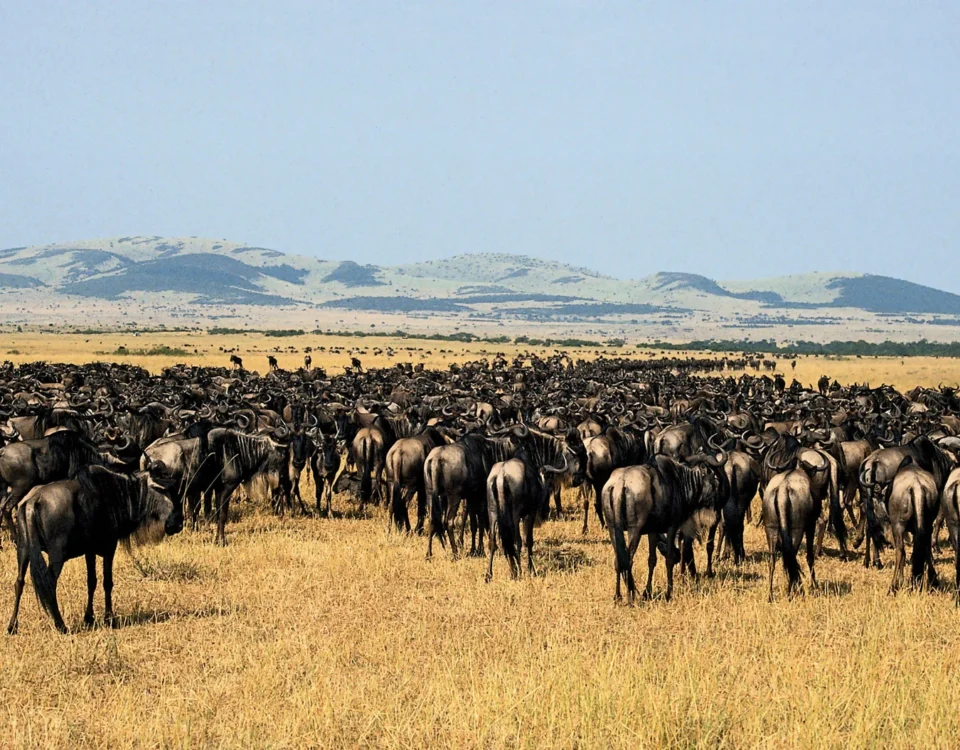
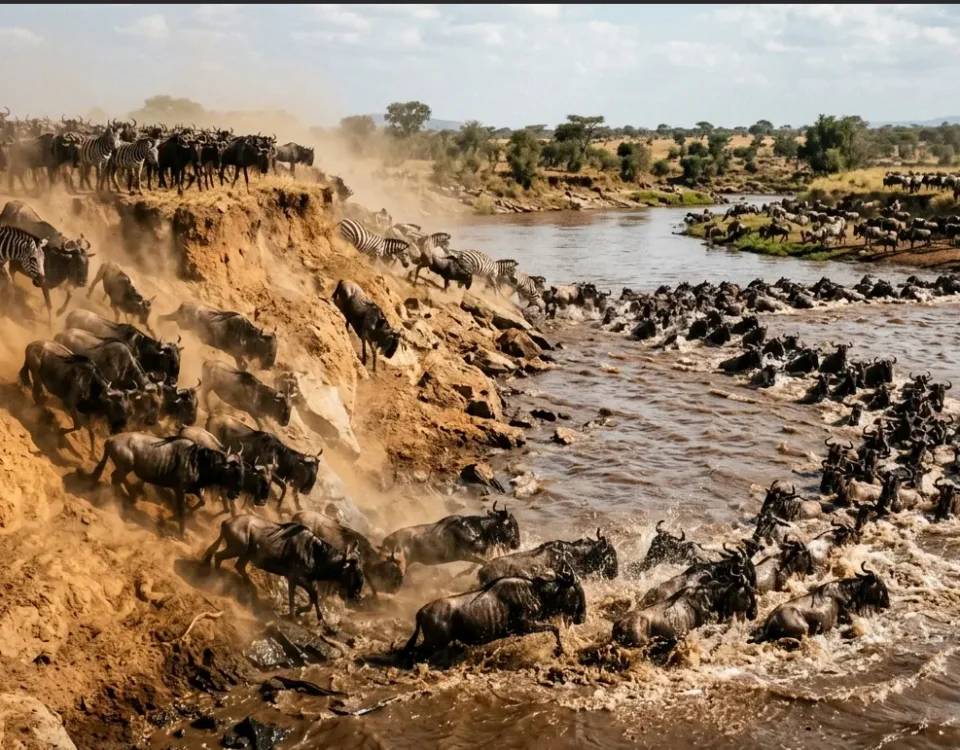
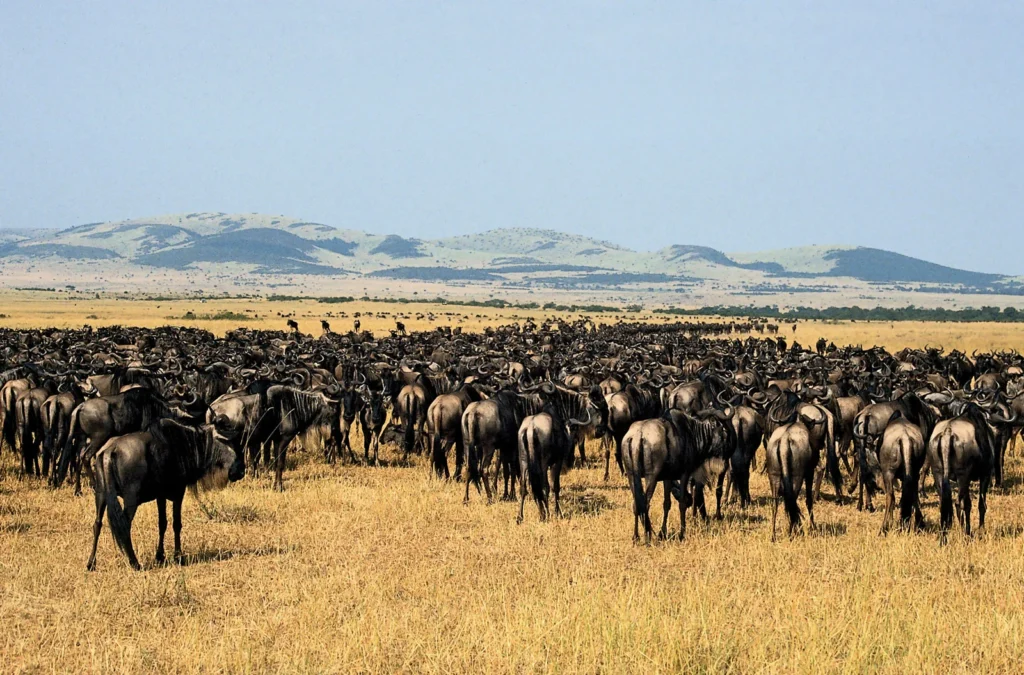
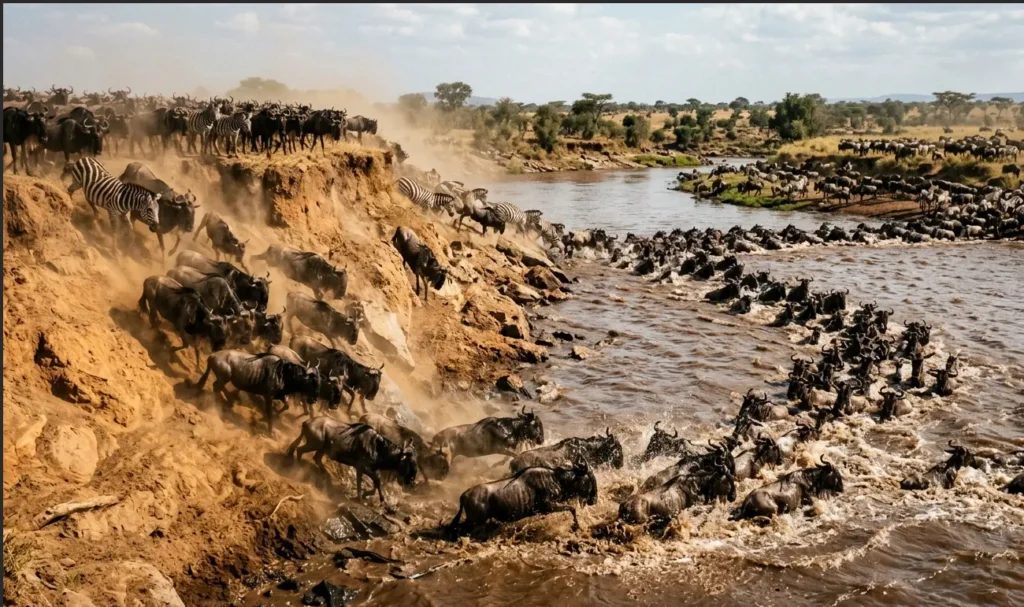
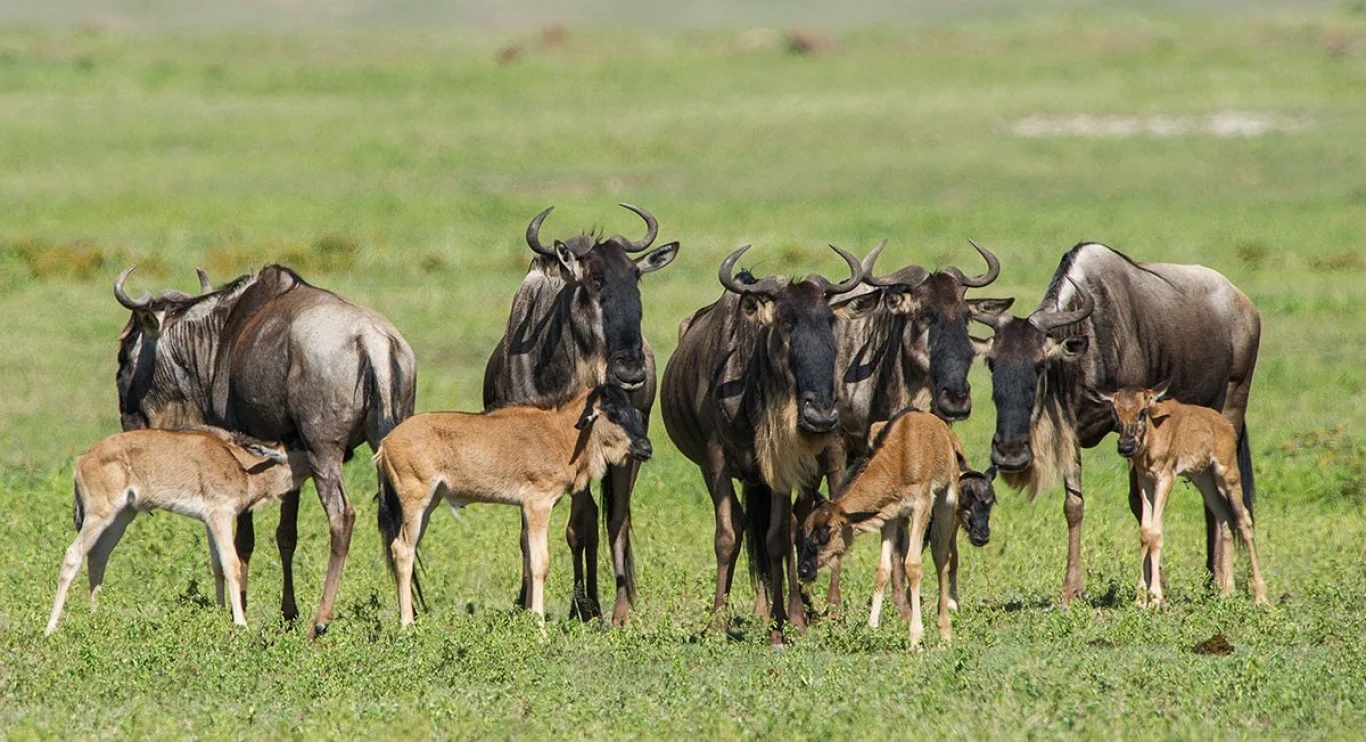
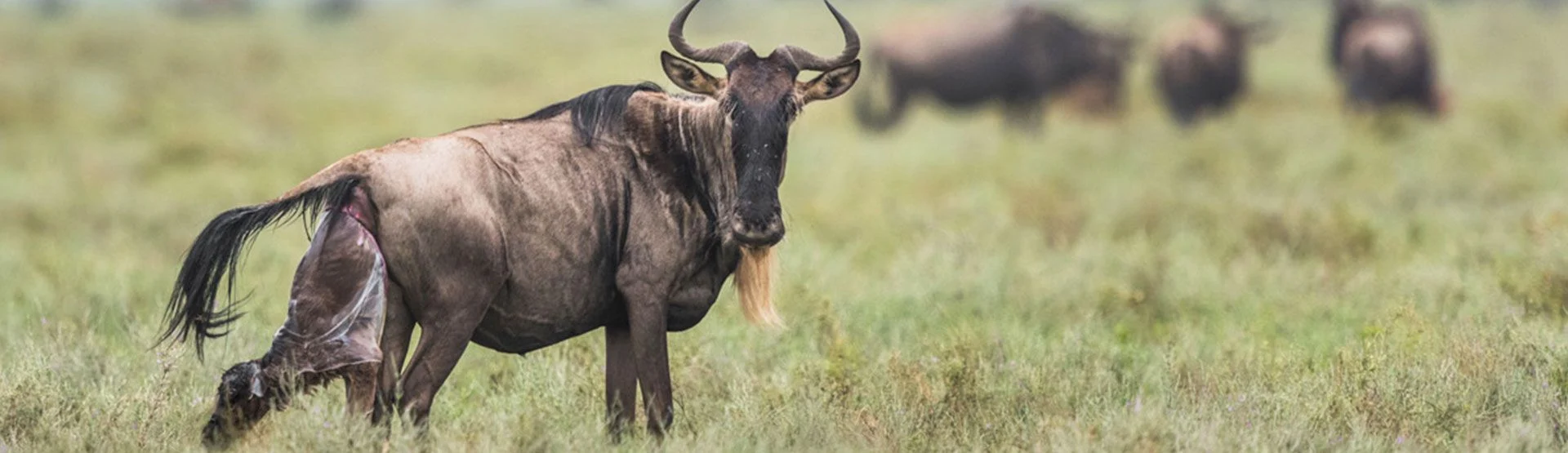
One major reason Why February Is One of the Best Months for Serengeti Safaris is the abundance of wildlife associated with the annual calving season. During this period, migrating wildebeest gather across the southern Serengeti ecosystem, particularly around Ndutu and the surrounding short-grass plains. These grasslands provide nutritious grazing when seasonal rainfall supports fresh vegetation. Many female wildebeest give birth within a relatively concentrated period, allowing visitors to observe mothers caring for calves, young animals learning to walk, and large herds moving across the landscape. This combination of wildlife density and natural behaviour makes February especially attractive to photographers and travellers interested in understanding the Great Migration beyond its famous river crossings.
What makes the calving season different from other migration periods? Rather than focusing primarily on long-distance herd movements, February offers opportunities to witness the early stages of life and the challenges young animals face. Lions, cheetahs, spotted hyenas, and other predators may follow the concentrations of herbivores, creating possibilities for observing natural predator-prey relationships. However, hunting events are unpredictable, and responsible safari planning never promises specific encounters. Wildlife sightings depend on rainfall, animal movements, and the daily conditions encountered by your guide.
Another advantage is the appearance of the landscape. Following seasonal showers, sections of the southern plains can become green and visually striking, providing beautiful settings for wildlife photography. Open terrain also allows guides to scan broad areas for herds and predators. For travellers seeking the Tanzania Best Safari experience during February, spending several nights near Ndutu can provide greater flexibility than visiting the region for only a few hours. The key is to combine appropriate timing, well-positioned accommodation, and patient wildlife observation.
Why Is Ndutu the Best Area to Explore in February?
Understanding Why February Is One of the Best Months for Serengeti Safaris also means knowing where to position yourself during the calving season. Ndutu is one of the most important areas to consider because its grasslands and seasonal lakes attract large concentrations of wildebeest. Located within the wider Serengeti ecosystem near the boundary of Serengeti National Park and the Ngorongoro Conservation Area, Ndutu provides access to productive wildlife-viewing areas during the early months of the year. Its relatively open landscapes can make it easier to observe herds, follow animal movements, and photograph wildlife against expansive natural backgrounds.
Why should you stay near Ndutu? Accommodation in or near the calving grounds can reduce travel time and make early-morning game drives more practical. This is valuable when your primary interest is watching newborn calves, photographing predators, or observing herds during favourable light. Seasonal tented camps and permanent lodges offer different comfort levels, so the best choice depends on your budget, preferred facilities, and the location of the wildlife-viewing areas during your visit. Since February is popular, reserving suitable accommodation in advance is advisable.
The wider Southern Serengeti also deserves consideration because migrating herds may spread across different plains as grazing conditions change. A knowledgeable guide can adjust daily routes according to recent sightings and road conditions. Rather than assuming every animal will remain close to a particular camp, allow flexibility in your itinerary.
For travellers planning Tanzania Tours specifically around the calving season, Ndutu should usually be the main focus. Additional locations within the southern ecosystem can be included when they offer genuine value, but unnecessary transfers should not take time away from wildlife viewing. The best itinerary is one that follows the seasonal opportunities rather than attempting to visit as many places as possible.
 What Wildlife Can You See During February Serengeti Safaris?
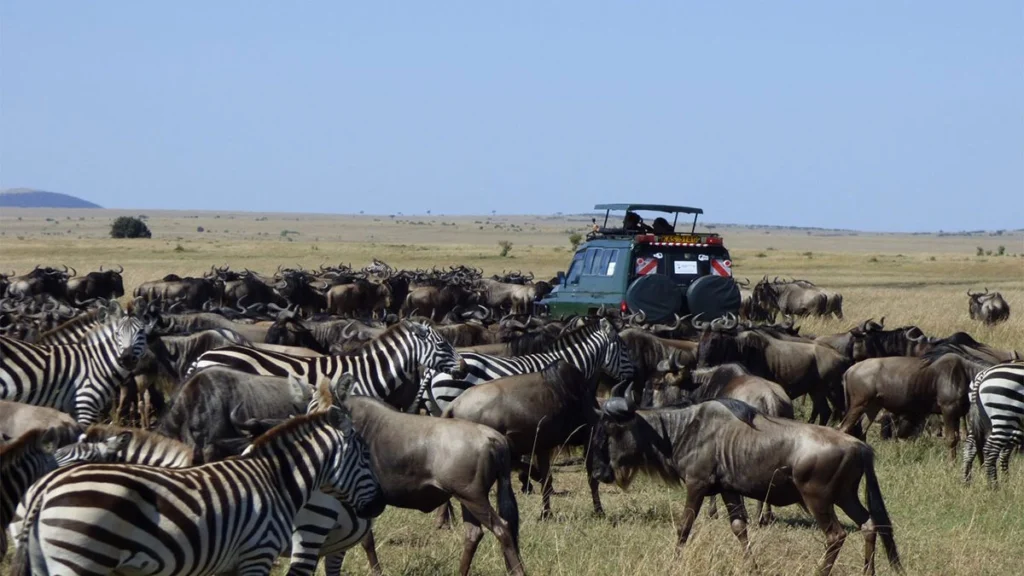
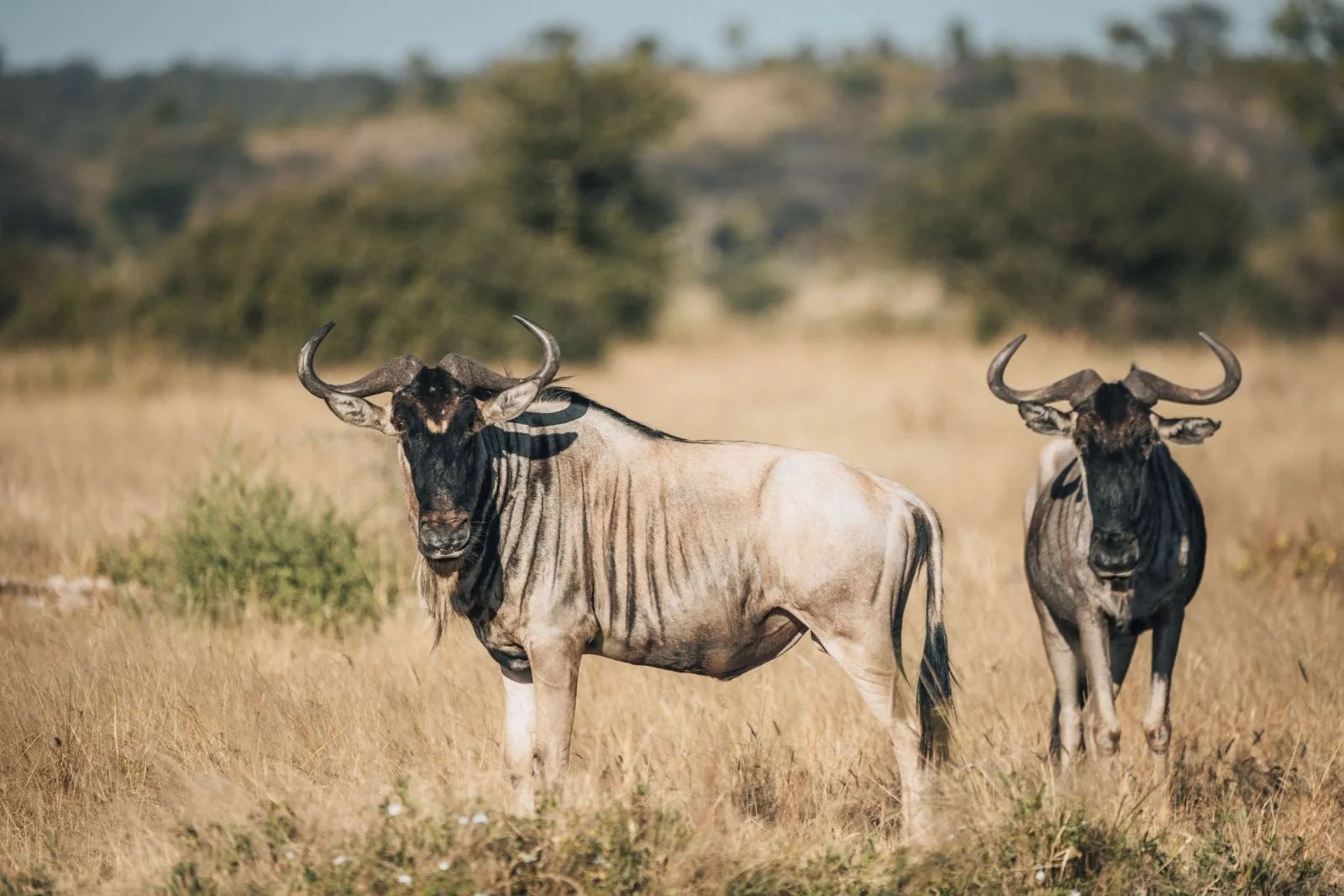
A further reason Why February Is One of the Best Months for Serengeti Safaris is the variety of wildlife encounters available across the southern plains. Wildebeest are the main attraction during the calving season, but they share the landscape with zebras, gazelles, and numerous other species. Their movements support a complex ecosystem in which grazing animals, predators, scavengers, and birds interact. During game drives, you may encounter mothers nursing their calves, herds gathering to graze, or young animals following adults across the grasslands. These moments offer a deeper understanding of the migration than simply counting the number of animals seen.
Which predators should you look for? Lions may be found resting in shaded areas or moving near grazing herds, while cheetahs often use open terrain to search for prey. Spotted hyenas can travel across extensive areas, and jackals may appear around feeding sites. Vultures and other scavenging birds also play an important ecological role. Although leopard sightings are possible in the wider Serengeti ecosystem, these elusive cats are less predictable and should not be considered a guaranteed part of the calving-season experience.
Birdlife adds another dimension for visitors interested in Tanzania Birding Safaris. Depending on the habitat and conditions, you may observe ostriches, secretarybirds, kori bustards, raptors, and species associated with seasonal wetlands. Bringing binoculars and allowing time to identify birds can make game drives more rewarding for nature enthusiasts.
Wildlife activity changes throughout the day, so early-morning and afternoon drives often provide useful opportunities for observation. Your guide should interpret animal behaviour, follow local regulations, and maintain a respectful distance from wildlife. February can provide exceptional viewing, but a responsible safari recognises that animals are wild and sightings remain uncertain. Patience, flexibility, and sufficient time in the region are essential for a satisfying experience.
What Is the Weather Like in February?
Weather is another important consideration when exploring Why February Is One of the Best Months for Serengeti Safaris. February falls within the green season in the southern Serengeti, when rainfall helps maintain grasslands that support migrating herds. Conditions can include sunny periods, warm afternoons, cloudy skies, and occasional showers. The landscape may appear lush and colourful, offering attractive photographic backgrounds that differ from the drier appearance of some other safari periods.
Will rain affect your game drives? Occasional showers can make unpaved tracks muddy or difficult to navigate, depending on the location and severity of the weather. Experienced guides select suitable routes and adjust plans when necessary. Travellers should allow flexibility in their schedules and avoid arranging transfers so tightly that a short delay disrupts the entire itinerary.
Morning temperatures can feel cool, particularly when travelling in an open vehicle before sunrise, while afternoons are often warmer. Lightweight clothing, a warm layer, sun protection, and a waterproof jacket are therefore practical choices. Weather conditions also influence wildlife distribution because rainfall affects grass growth and the availability of water.
For visitors comparing seasons, February offers a different experience from the dry months, when vegetation may be thinner in some areas. Green-season scenery can be especially rewarding for photographers and travellers who appreciate vibrant landscapes. However, the best choice ultimately depends on whether your priorities are calving-season wildlife, dry-weather travel, particular photographic conditions, or another stage of the migration.
When Is the Best Time to Visit the Serengeti?
Although the focus of Why February Is One of the Best Months for Serengeti Safaris is the calving season, January through March can all provide rewarding opportunities in the southern Serengeti ecosystem. February is frequently associated with peak wildebeest calving, but the timing varies according to seasonal rainfall and grazing conditions. Travellers should therefore treat migration calendars as useful planning guides rather than fixed promises about where the herds will be on a particular date.
Should you travel in January, February, or March? January can be rewarding as herds gather across the southern plains and calving activity develops. February is often an excellent choice for visitors hoping to see newborn calves and observe predator activity. March can still offer substantial wildlife concentrations, although changing rainfall and herd movements may influence viewing locations. December may also provide opportunities to see migrating herds gathering in the south before the main calving period.
For travellers interested in wildlife photography, February offers the possibility of capturing green landscapes, newborn animals, and changing light conditions. Birdwatchers may also enjoy the range of species found around grasslands and seasonal water sources. Those seeking a particular experience should communicate their priorities before confirming travel dates.
Choosing the right accommodation is equally important. A camp close to productive viewing areas may save valuable time compared with staying far away and travelling long distances for every game drive. For the most rewarding February Serengeti Safari, allow several nights in the southern region and keep the daily schedule flexible enough to follow current wildlife movements.
 How Do You Reach the Serengeti in February?
Practical transport planning is central to understanding Why February Is One of the Best Months for Serengeti Safaris, because every hour spent travelling reduces the time available for wildlife viewing. Many international visitors arrive through Kilimanjaro International Airport and continue to Arusha, a common gateway for northern Tanzania safari circuits. Your onward journey can be arranged by road in a 4×4 safari vehicle or by scheduled or chartered light aircraft, depending on availability, budget, and the location of your accommodation.
Is an overland safari suitable? Road travel allows you to experience the landscapes of northern Tanzania and can work well for visitors who prefer a traditional safari journey. However, reaching the southern Serengeti can involve a lengthy transfer, with actual travel times influenced by road conditions, stops, and your final destination. A realistic itinerary should account for this journey rather than promising extensive game viewing on every transfer day.
Can you fly to the migration area? Light aircraft services can shorten travel time when suitable routes and seats are available. The most convenient airstrip depends on your camp, and an additional road transfer may still be required. Before booking, confirm baggage restrictions, flight schedules, and all ground transfers.
At Terenga Africa Safaris & Travel Ltd, we recommend coordinating flights, accommodation, and game drives as one plan. This helps minimise unnecessary travel and gives you more time to explore the calving grounds during your stay.
What Can You Expect on a February Serengeti Safari?
The experience described in Why February Is One of the Best Months for Serengeti Safaris combines early-morning game drives, wildlife observation, scenic landscapes, and relaxing evenings at your chosen accommodation. Most safari days begin early, when temperatures are cooler and wildlife may be active. After exploring the plains, you can return to camp for meals and rest before another afternoon excursion, depending on your itinerary and accommodation arrangements.
What accommodation options are available? Visitors can choose from camping safaris, comfortable tented camps, and luxury lodges. Seasonal camps near Ndutu can be particularly useful for migration-focused travel because of their location. Facilities vary, so confirm bathroom arrangements, meal plans, charging facilities, and other important amenities before booking.
Beyond wildlife viewing, you may enjoy landscape photography, birdwatching, and opportunities to learn about the Serengeti ecosystem from your guide. Travellers interested in Tanzania Cultural Safaris can ask about appropriate community visits in the wider region, provided these activities are available and can be arranged respectfully. Such experiences should be planned separately where necessary and should not compromise the time allocated to the migration.
Wildlife encounters remain unpredictable, and not every drive will produce dramatic activity. Some outings may reveal large herds, while others involve patiently searching for animals across the plains. Keeping expectations realistic and allowing sufficient time in the region can make the journey more enjoyable.
How Much Does a February Serengeti Safari Cost?
Understanding Why February Is One of the Best Months for Serengeti Safaris also means budgeting for accommodation, transport, guiding, meals, and conservation fees. February can be a busy period for camps near the calving grounds, so prices depend on availability, travel dates, and the standard of service you select. The estimates below are broad planning ranges per person per day, not confirmed supplier quotations.
Safari category |
Estimated daily cost |
| Budget camping safari | US$250–400 |
| Mid-range lodge or tented camp | US$400–750 |
| Luxury lodge or tented camp | US$750–1,500+ |
| Premium private fly-in safari | US$1,000–2,000+ |
What determines the total cost? The main factors include the number of nights, accommodation category, group size, private or shared transport, and the applicable park or conservation fees. Fly-in safaris can save travel time but usually increase transport expenses. International flights, visas, insurance, tips, and optional activities may be additional costs.
For an accurate quotation, provide your preferred dates, group size, accommodation level, and transport preferences. Terenga Africa Safaris & Travel Ltd can then help you compare suitable options and understand the services included in your proposed itinerary.
What Is Included and Excluded in the Safari Package?
Before booking a trip based on Why February Is One of the Best Months for Serengeti Safaris, review your quotation carefully to understand the services covered. Inclusions differ between operators and accommodation categories, so the following lists are examples rather than a guarantee of what every package provides.
Typical inclusions may cover:
- Safari transport in a 4×4 vehicle, as specified.
- Services of a professional driver-guide.
- Accommodation for the confirmed number of nights.
- Meals listed in the itinerary.
- Game drives in the agreed wildlife areas.
- Park and conservation fees explicitly listed in the quotation.
- Drinking water during game drives, where provided.
- Airport or airstrip transfers, where included.
Typical exclusions may cover:
- International flights and excess baggage charges.
- Visas, travel insurance, and personal medical expenses.
- Tips and personal purchases.
- Alcoholic drinks and premium beverages.
- Optional activities not specified in the itinerary.
- Domestic or charter flights not included in the package.
- Additional accommodation before or after the safari.
- Services and fees expressly identified as excluded.
Why is written confirmation important? Different areas of the Serengeti ecosystem can have different management arrangements and applicable fees. Ask for an itemised quotation that identifies accommodation, meals, transport, game drives, and relevant conservation charges. Clear documentation makes it easier to compare Tanzania Safaris and avoid unexpected expenses.
What Should You Pack for a February Serengeti Safari?
Preparing for Why February Is One of the Best Months for Serengeti Safaris requires clothing and equipment suitable for warm afternoons, cooler mornings, dust, and occasional rain. Lightweight neutral-coloured clothing is practical for game drives, while a warm jacket helps during early departures. Comfortable closed shoes and a lightweight waterproof layer are also useful.
Which essentials should you bring?
- Binoculars for observing wildlife and identifying birds.
- A camera, suitable zoom lens, spare batteries, and memory cards.
- A wide-brimmed hat, sunglasses, and sunscreen.
- A lightweight waterproof jacket.
- Insect repellent and personal toiletries.
- A reusable water bottle and small daypack.
- Personal medication and travel documents.
- Suitable charging equipment for your electronics.
Photography enthusiasts should protect their equipment against dust and moisture. Travellers using light aircraft should confirm baggage limits before packing, as restrictions may be stricter than those for road transfers. Packing practical layers will help you remain comfortable as the weather changes throughout the day.
Why Choose Terenga Africa Safaris & Travel Ltd?
Choosing the right operator for Why February Is One of the Best Months for Serengeti Safaris can influence how effectively you use your time in the migration area. Seasonal wildlife travel requires careful consideration of herd movements, accommodation locations, transport arrangements, and realistic game-drive schedules. Terenga Africa Safaris & Travel Ltd helps travellers develop personalised itineraries that reflect their interests, comfort preferences, available time, and budget.
How do we help you plan your safari? We can help you compare accommodation options near the southern plains, consider suitable transport arrangements, and structure game drives around your main wildlife interests. Travellers interested in newborn wildebeest, predator photography, or birdwatching can communicate these priorities when planning their itinerary. We also explain package inclusions and exclusions so that you can make informed decisions before confirming your booking.
Our approach emphasises clear communication, responsible wildlife viewing, and realistic expectations. Although no safari operator can guarantee particular animal sightings, appropriate planning can improve your opportunities to explore productive wildlife areas. We encourage visitors to respect park regulations, follow their guide’s instructions, and avoid disturbing animals for photographs.
Whether you prefer a budget camping adventure, a comfortable tented camp, or a luxury fly-in experience, our goal is to help you organise a rewarding Tanzania Safari.
Frequently Asked Questions About February Serengeti Safaris
Is February a good month for first-time safari travellers?
Yes. February can provide excellent wildlife-viewing opportunities, particularly for visitors interested in the Great Migration and wildebeest calving. Suitable accommodation and a well-paced itinerary help make the experience comfortable for first-time visitors.
Can I see the Big Five in February?
February offers opportunities to see several iconic African animals, including lions, elephants, and buffaloes. However, sightings of all five traditionally recognised species are not guaranteed, particularly during a short visit focused on the southern calving grounds.
Is February suitable for Tanzania Birding Safaris?
Yes. The southern Serengeti’s grasslands, seasonal lakes, and surrounding habitats support varied birdlife. Visitors interested in birdwatching should allow time for observation and bring binoculars.
How many nights should I spend in the Serengeti?
Three or four nights near Ndutu can provide a useful introduction to the calving season. Longer stays offer more flexibility to explore different areas and adapt to changing wildlife movements.
Should I book my February safari in advance?
Advance booking is advisable because accommodation near the calving grounds can be in high demand. Early planning also gives you more time to compare packages, check availability, and organise suitable transport.
Book Your February Serengeti Safari with Terenga Africa Safaris & Travel Ltd
Ultimately, Why February Is One of the Best Months for Serengeti Safaris comes down to the remarkable opportunities offered by the calving season. The southern Serengeti and Ndutu provide a setting where newborn wildebeest, large grazing herds, predators, and green landscapes combine to create memorable wildlife experiences. With suitable accommodation, knowledgeable guiding, and enough time in the field, February can be an excellent choice for travellers seeking an authentic African adventure.
At Terenga Africa Safaris & Travel Ltd, we help you plan Tanzania Tours around your travel dates, wildlife interests, preferred accommodation, and budget.
 Start planning your February Serengeti Safari today.
- Website: www.terengasafaris.com
- Email: info@terengasafaris.com
Discover the Great Migration and experience Tanzania’s extraordinary wildlife with a safari planned around your travel goals.