20 Days Ultimate Zambia Safari & Victoria Falls Explorer
September 21, 2026
How the Short Rains Influence Wildebeest Movement?
September 21, 2026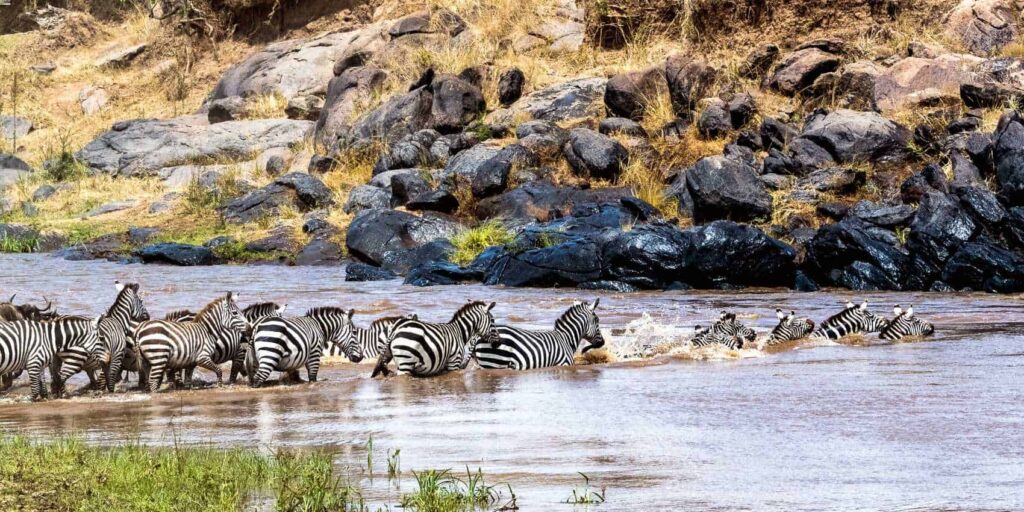
Where the Migration Is Located During the Rainy Season?
Where the Migration Is Located During the Rainy Season? is an important question for safari travelers. The answer depends on rainfall, grass growth, and seasonal wildlife movements.
The Great Wildebeest Migration moves continuously through the Serengeti ecosystem. Herds follow fresh grazing and water across Tanzania’s vast grasslands.
During the rainy season, southern Serengeti often becomes especially important. Fresh grass attracts large concentrations of wildebeest, zebras, and gazelles.
The exact location can change each year. Rainfall does not arrive with identical timing or intensity every season.
Therefore, travelers should understand migration patterns rather than depend on fixed dates. This approach creates realistic expectations and better Tanzania safari planning.
Where the Migration Is Located During the Rainy Season? also depends on the specific rainy period. The short rains and long rains influence different stages.
Southern Serengeti can become important during the calving season. Central and western areas can become relevant as herds continue their annual journey.
At Terenga Africa Safaris, we consider seasonal conditions when designing Tanzania safaris. Our approach combines destination knowledge, wildlife expertise, comfort, flexibility, and responsible tourism.
Understanding the Great Wildebeest Migration
A Continuous Natural Movement
The Great Wildebeest Migration involves millions of wildebeest and other grazing animals. Zebras and gazelles often travel alongside the main herds.
These animals move through the Serengeti-Mara ecosystem throughout the year. Their movements respond primarily to rainfall and vegetation.
Fresh grass provides important nutrients for grazing animals. Water availability also influences where herds spend time.
Consequently, migration locations can change quickly. A region with large herds today may have fewer animals later.
This natural movement makes every Tanzania wildlife safari unique. Travelers experience wildlife within a constantly changing ecosystem.
Why Rainfall Matters
Rainfall determines where nutritious grass grows. Grass quality strongly influences herbivore movement across the Serengeti.
Rain also replenishes water sources across the landscape. Together, food and water create favorable conditions for wildlife.
Therefore, understanding rainfall helps explain migration patterns. It also helps safari planners select suitable regions for different travel periods.
Where the Migration Is Located During the Rainy Season? In Southern Serengeti
The Calving Grounds
During the wetter period associated with the calving season, southern Serengeti becomes highly significant.
Fresh grass provides valuable nutrition for pregnant wildebeest and nursing mothers. The area can support large concentrations of grazing animals.
Calves arrive during a remarkable period of wildlife activity. Thousands of young wildebeest can appear across the plains.
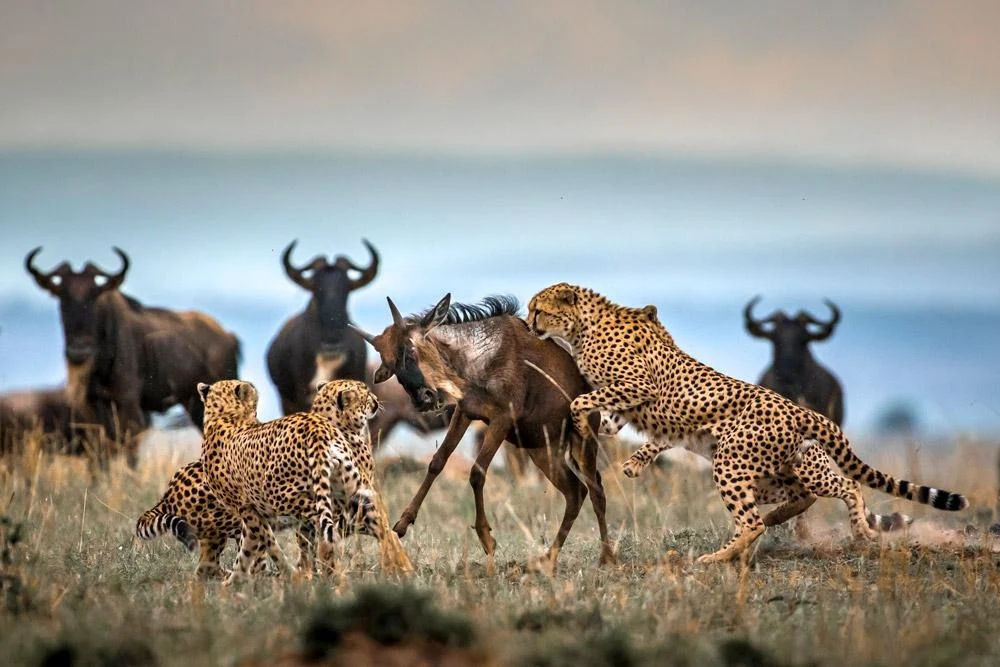
Predators also become active around these concentrations. Lions, cheetahs, hyenas, and other carnivores search for vulnerable prey.
For travelers, this creates powerful wildlife viewing opportunities. However, nature remains unpredictable and no encounter can receive a guarantee.
The Importance of Fresh Grass
Southern Serengeti contains important short-grass plains. Rainfall can transform these areas into productive grazing grounds.
Wildebeest respond to this increase in food availability. Large herds can remain within the region while grazing conditions remain favorable.
Other herbivores also benefit from the fresh vegetation. Zebras and gazelles frequently form part of the seasonal wildlife spectacle.
Where the Migration Is Located During the Rainy Season? In Central Serengeti
A Key Wildlife Region
Central Serengeti remains an important wildlife area throughout much of the year. Its location provides access to diverse habitats.
The region supports resident wildlife alongside migrating herds. Lions, elephants, giraffes, buffaloes, leopards, and numerous antelope species live here.
During periods of changing migration patterns, central Serengeti can provide excellent game viewing. The area also offers varied landscapes for photography.
A Tanzania wildlife tour can therefore include central Serengeti even when migration herds move elsewhere.
This creates a broader safari experience. Travelers can enjoy resident wildlife while following seasonal migration opportunities.
Flexible Safari Planning
Central Serengeti can also provide a practical base for exploring surrounding areas. Experienced guides can adjust daily routes according to wildlife activity.
Such flexibility becomes valuable during unpredictable weather. Rainfall can change road conditions and wildlife distribution.
Terenga Africa Safaris considers these factors when planning personalized itineraries. Our goal remains efficient travel without compromising the safari experience.
Where the Migration Is Located During the Rainy Season? In Western Serengeti
Following the Migration Route
Western Serengeti becomes increasingly important as herds continue their annual movement. Wildlife gradually follows changing grazing conditions.
The region contains diverse habitats and wildlife opportunities. Rivers and woodland areas provide habitat for different animal species.
During suitable periods, travelers can encounter large herds alongside resident wildlife. The landscape also creates excellent opportunities for wildlife photography.
Migration movement remains unpredictable, however. Rainfall patterns can alter the speed and direction of the herds.
A Rich Wildlife Ecosystem
Western Serengeti supports more than migrating wildebeest. Lions, leopards, elephants, giraffes, buffaloes, and numerous antelope species inhabit the region.
Birdlife also contributes to the area’s biodiversity. Travelers can enjoy birdwatching alongside traditional game drives.
Therefore, a Tanzania safari should not focus only on finding migrating herds. The wider ecosystem provides rewarding wildlife experiences throughout the year.
Where the Migration Is Located During the Rainy Season? Around the Serengeti-Mara Ecosystem
Migration Crosses Borders
The Great Migration extends beyond Tanzania. The Serengeti connects naturally with Kenya’s Maasai Mara ecosystem.
Herds move between these landscapes according to seasonal conditions. Political boundaries do not influence their natural movement.
Tanzania remains central to many important stages of the migration. The Serengeti provides extensive grazing areas and critical habitats.
Understanding the wider ecosystem helps travelers appreciate migration complexity. It also prevents unrealistic expectations about exact animal locations.
Natural Movement Takes Priority
The migration follows ecological conditions rather than tourism schedules. Rainfall, grass, water, predators, and animal behavior all influence movement.
Consequently, no responsible safari company can promise an exact location months ahead. Seasonal knowledge can guide planning, but nature controls the final outcome.
This uncertainty forms part of the adventure. Every Tanzania adventure safari offers an opportunity to experience nature without artificial control.
Wildlife Experiences During the Rainy Season
Wildebeest and Zebras
Wildebeest remain the central attraction during migration periods. Their enormous herds create impressive scenes across open plains.
Zebras frequently travel with wildebeest. Their presence adds further diversity to migration landscapes.
Gazelles also contribute to the seasonal movement. Together, these herbivores form an important part of the Serengeti food chain.
Travelers can observe feeding, resting, movement, and social behavior during game drives.
Predators Follow the Herds
Large concentrations of herbivores attract predators. Lions often patrol areas containing abundant prey.
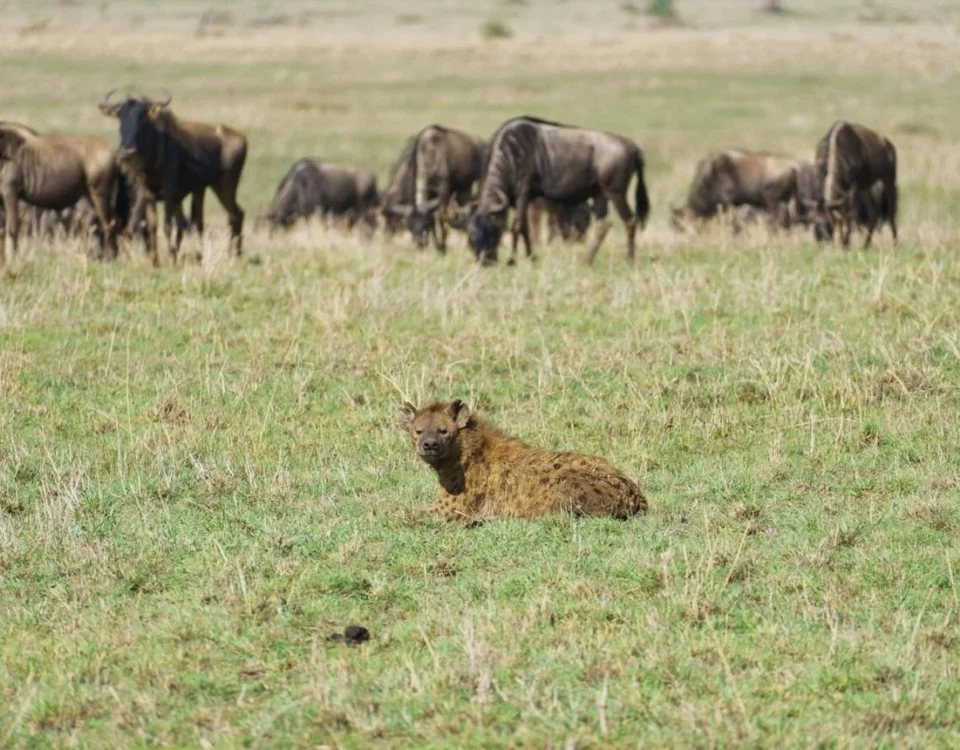
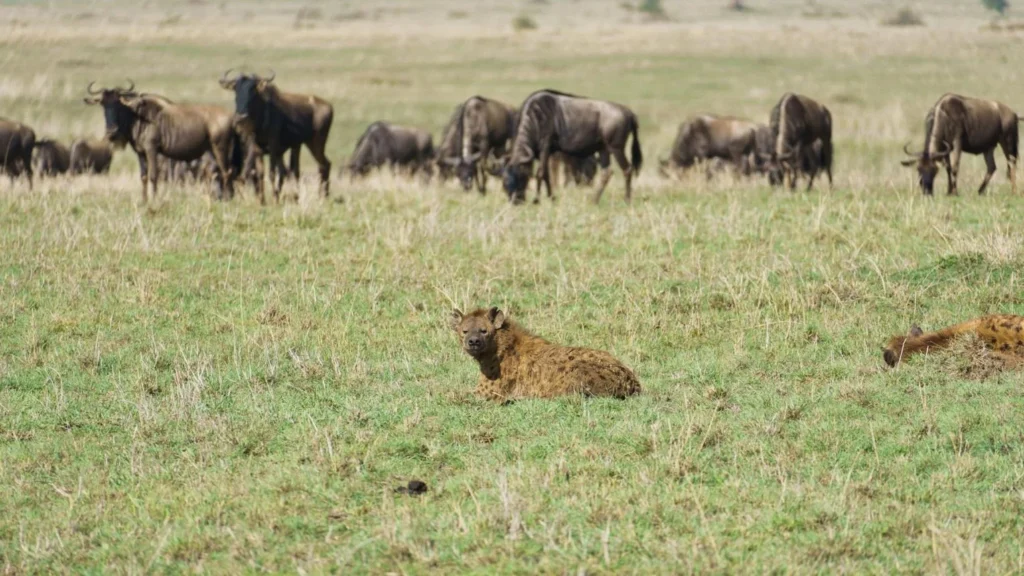
Cheetahs may search for suitable hunting opportunities across open grasslands. Hyenas also remain active throughout the ecosystem.
Leopards occupy more secluded habitats. Their sightings can require patience and careful observation.
These predator encounters create memorable Tanzania wildlife safaris. They also demonstrate the interconnected nature of the Serengeti ecosystem.
Photography During the Rainy Season
Green Landscapes
Rain transforms the Serengeti into a vibrant landscape. Green grass creates a striking background for wildlife photography.
Cloud formations can also add depth to photographs. Sunrise and sunset can create beautiful light across the plains.
Wildebeest herds provide impressive subjects for landscape compositions. Zebras, giraffes, elephants, and predators create additional opportunities.
Photographers should always maintain safe distances. Wildlife welfare must remain more important than obtaining a particular photograph.
Capturing Natural Moments
Patience often creates better wildlife photographs. Animals can display fascinating behavior when visitors remain quiet.
Private safari vehicles can provide additional flexibility. Photographers can spend more time observing suitable scenes.
Experienced guides can help identify promising locations. Their knowledge can improve both photography and wildlife understanding.
Cultural Experiences Around Safari Lodges
Maasai Community Experiences
Where the Migration Is Located During the Rainy Season? also connects with communities surrounding the Serengeti.
Maasai communities form an important part of northern Tanzania’s cultural landscape. Travelers can arrange respectful cultural visits during suitable safari itineraries.
Activities may include traditional music, dance, crafts, storytelling, and community interactions. Visitors can also learn about livestock keeping and traditional livelihoods.
These experiences create a broader understanding of the region. Wildlife becomes part of a larger story involving people, land, culture, and conservation.
Traditional Crafts
Local artisans create products using traditional techniques. Beaded jewelry, baskets, carvings, and textiles can provide memorable souvenirs.
Visitors can learn about the meaning and skills behind different crafts. Purchasing genuine products can support local livelihoods.
Cultural experiences therefore add value to Tanzania safaris. They also encourage deeper connections between travelers and local communities.
Local Food Experiences
Food provides another valuable cultural connection. Local dishes reflect agriculture, traditions, and regional ingredients.
Depending on the safari lodge, travelers may enjoy locally inspired dishes. Some arrangements can include cooking demonstrations or community meals.
Rice, bananas, vegetables, meat, and traditional sauces feature in many Tanzanian meals.
These culinary experiences add variety to Tanzania adventure safaris. They also allow travelers to experience Tanzania beyond wildlife.
Choosing the Right Safari Lodge
Location During the Rainy Season
Accommodation location matters when following migration patterns. A strategically located lodge can reduce unnecessary daily travel.
Travelers should select accommodation according to their safari objectives. Southern Serengeti accommodation can suit travelers targeting calving-season experiences.
Central properties can provide broader access to resident wildlife. Western areas can become useful during later migration stages.
Therefore, lodge selection should consider both comfort and geography.
Comfort and Seasonal Conditions
Rain can affect roads and safari schedules. Comfortable accommodation provides a welcome environment after long game drives.
Travelers should also consider drainage, accessibility, dining facilities, and relaxation spaces. These details can improve the overall safari experience.
Terenga Africa Safaris considers seasonal logistics when planning accommodation. We aim to combine practical locations with comfortable stays.
Responsible Tourism During the Migration
Protecting the Serengeti
The Serengeti remains a globally important wildlife ecosystem. Responsible tourism helps protect its natural resources.
Visitors should follow park regulations during every game drive. Maintain appropriate distances from wildlife and avoid unnecessary noise.
Never feed animals or attempt to attract their attention. Avoid littering and respect designated routes.
These practices protect wildlife and habitats for future generations. They also support sustainable Tanzania wildlife safaris.
Supporting Local Communities
Tourism can provide valuable economic opportunities around protected areas. Travelers can contribute through responsible cultural experiences and local purchases.
Supporting community-based activities can strengthen local livelihoods. It can also encourage the preservation of traditional skills.
Responsible travel creates benefits beyond the safari vehicle. It connects conservation, tourism, culture, and community development.
Planning Your Tanzania Wildlife Tour
Choose Your Travel Period
Travel dates remain one of the most important safari planning decisions. Migration locations change throughout the year.
Rainfall can also vary between seasons. Therefore, travelers should use seasonal patterns rather than exact predictions.
A knowledgeable safari company can help match travel dates with desired experiences. Flexibility can also improve the overall wildlife experience.
Combine Several Destinations
A Tanzania safari can include several destinations. Combining parks creates greater wildlife and landscape diversity.
Tarangire offers impressive elephant encounters and distinctive scenery. Ngorongoro provides dramatic landscapes and concentrated wildlife viewing.
The Serengeti delivers migration experiences across enormous open plains. Zanzibar can add beaches, history, and cultural experiences.
This combination creates a balanced Tanzania adventure safari. Travelers can experience wildlife, culture, landscapes, and relaxation within one journey.
Where the Migration Is Located During the Rainy Season? With Terenga Africa Safaris
Where the Migration Is Located During the Rainy Season? requires more than checking a calendar.
Rainfall patterns, grass availability, wildlife behavior, and geography all influence migration locations. Therefore, safari planning should consider several environmental factors.
At Terenga Africa Safaris, we use practical destination knowledge when designing Tanzania safaris. Our itineraries focus on realistic seasonal expectations.
We create journeys for travelers with different interests and travel styles. Families, couples, groups, photographers, and solo travelers can receive personalized safari planning.
Every journey can combine wildlife with cultural experiences. We also prioritize responsible tourism and respectful wildlife viewing.
Our expertise extends beyond locating migrating herds. We help travelers understand the ecosystems surrounding the migration.
This creates a richer Tanzania wildlife tour. You do not simply watch wildlife. You understand the natural forces shaping its movement.
Safari Inclusions
- Accommodation
- Airport transfers
- Private safari transportation
- Professional safari guide
- Park entrance fees
- Game drives
- Migration viewing
- Cultural experiences
- Meals as specified
- Drinking water
- Government taxes
- Service charges
- Selected activities
Safari Exclusions
- International flights
- Visa fees
- Travel insurance
- Personal expenses
- Alcoholic beverages
- Laundry services
- Tips
- Souvenirs
- Optional activities
- Medical expenses
- Personal communication costs
- Items not listed under inclusions
Conclusion: Where the Migration Is Located During the Rainy Season?
Where the Migration Is Located During the Rainy Season? has no single answer throughout the year.
The Great Migration responds continuously to rainfall, grass growth, water availability, and natural animal behavior.
Southern Serengeti can become important during the calving season. Central Serengeti remains valuable for resident wildlife and seasonal movement.
Western Serengeti can become increasingly relevant as herds continue their journey. Eventually, the migration connects with Kenya’s Maasai Mara ecosystem.
Therefore, travelers should plan around seasonal patterns rather than fixed wildlife guarantees.
A Tanzania wildlife safari during the rainy season can offer vibrant landscapes and exceptional biodiversity. Cultural experiences can add further meaning to the journey.
Where the Migration Is Located During the Rainy Season? also highlights the importance of expert safari planning.
Nature controls the migration. Expert knowledge helps you experience its seasonal rhythms responsibly.
At Terenga Africa Safaris, we create authentic African journeys built around comfort, expertise, flexibility, and responsible tourism.
Our goal remains simple. We help you explore Tanzania while creating meaningful connections with wildlife, landscapes, and communities.
Where the Migration Is Located During the Rainy Season? can become the starting point for your next African adventure.
Travel in comfort. Explore in style. Experience the adventure of a lifetime with Terenga Africa Safaris.
Best Trending Tanzania Safari Holidays for 2027/2028
- 12-Day Tanzania Wildlife Safari
- 10-Day Tanzania Wildlife Safari & Zanzibar
- 10-Day Best Tanzania Honeymoon Luxury Safari and Zanzibar Beach Getaway
- 9-Day Ultimate Tanzania Wildlife Safari
- 9-Day Tanzania Adventure Safari
- 8-Day Tanzania Mid-Range Safari
- 8-Day Tanzania Northern Circuit Safari
- 7-Day Tanzania Wildlife Safari
- 7-Day Tanzania Wildlife Wonders Experience Tour
- 6-Day Majestic Tanzania Wildlife Luxury Safari
- 13-Day Tanzania Wildlife Tour & Zanzibar Beach Holiday
- 12-Day Tanzania Wildlife Safari Itinerary
- 11-Day Tanzania & Zanzibar Safari Adventure
- 11 Days Magical Kenya and Tanzania Safari
- 4-Day Tanzania Safari Extension Itinerary
- 5-Day Tanzania Safari Extension
- 9-Day Tanzania Wildlife Safari Adventure
- 7 Days Tanzania Safari Holiday
- 8 Days Tanzania Safari Holiday Itinerary