The Serengeti Calving Season Explained
October 16, 2026
Why Wildebeest Give Birth in the Southern Serengeti?
October 19, 2026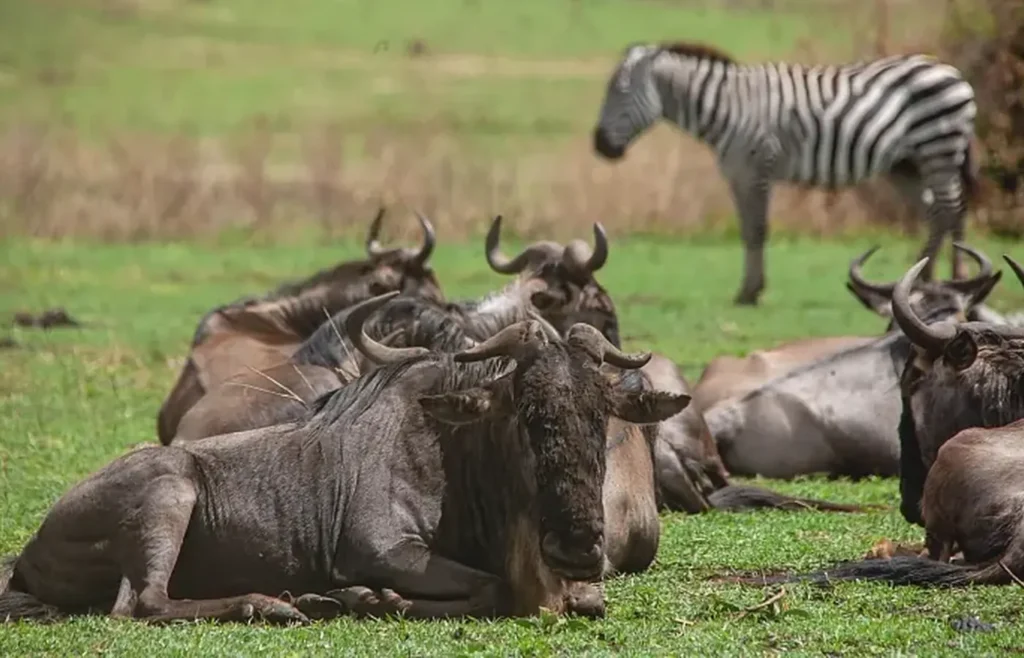
Where Is the Great Migration in February?
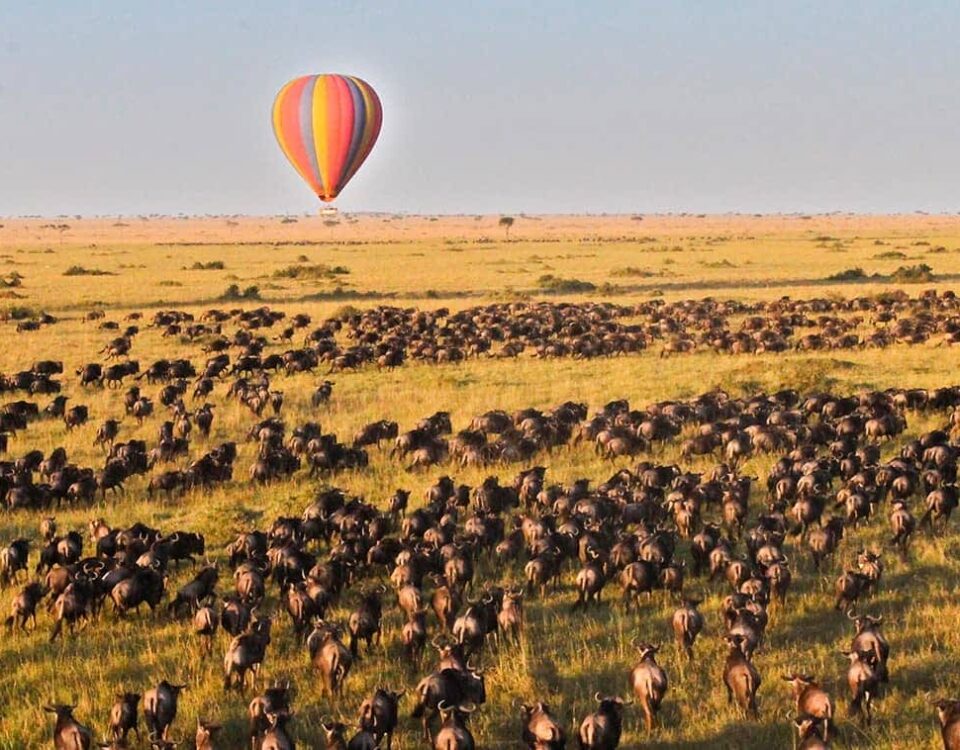
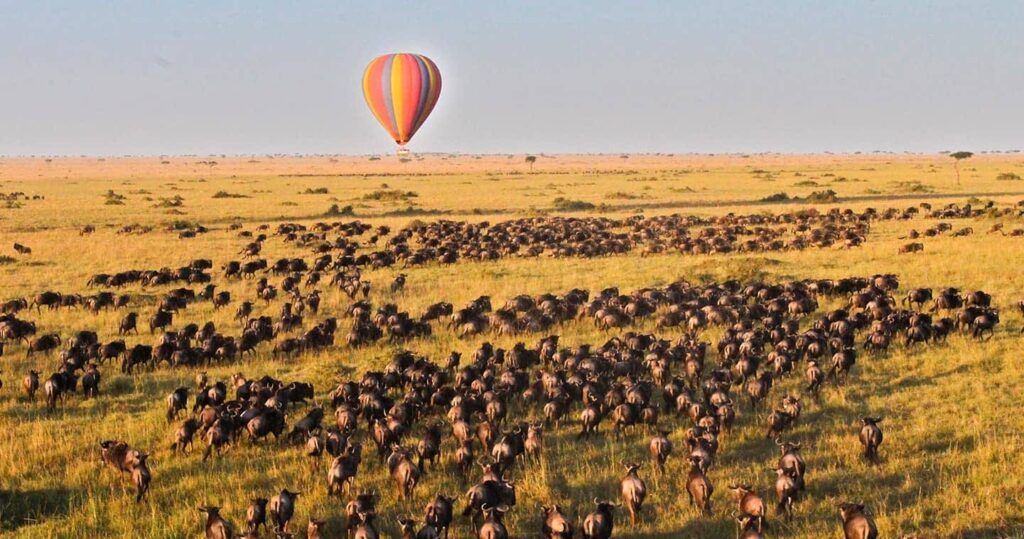
Where Is the Great Migration in February? is an important question for travellers planning Tanzania Safaris during one of East Africa’s most fascinating wildlife seasons. In February, the Great Wildebeest Migration is commonly concentrated across the southern Serengeti ecosystem in northern Tanzania, particularly around the Ndutu plains and nearby grasslands. During this period, large herds of wildebeest and zebras gather where fresh grass provides essential nutrition. Seasonal rainfall influences these movements, creating changing patterns of wildlife activity across the open plains, woodlands, and seasonal water sources.
For visitors interested in Tanzania Tours, February is especially appealing because it often coincides with the peak of the wildebeest calving season. Thousands of calves may be born across the southern plains during this period, although the exact timing and distribution vary with rainfall and grazing conditions. These young animals attract predators such as lions, cheetahs, spotted hyenas, and occasionally other carnivores. Consequently, travellers may witness remarkable natural behaviour, including mothers caring for their young, predators searching for prey, and enormous herds moving across the grasslands.
Beyond the wildlife spectacle, Tanzania Adventures in February offer beautiful green landscapes, excellent opportunities for wildlife photography, and rewarding experiences for nature enthusiasts. The southern Serengeti provides a different atmosphere from the dry-season savannah, with fresh vegetation, dramatic skies, and active wildlife. However, the migration is a natural event rather than a fixed procession, so sightings depend on current environmental conditions. No specific herd location or predator encounter can be guaranteed.
At Terenga Africa Safaris & Travel Ltd, we encourage travellers to understand the seasonal patterns before choosing their safari dates. Knowledgeable guiding, suitable accommodation locations, flexible game drives, and realistic expectations can make a significant difference to the experience. Whether you are planning your first African holiday or returning to explore more of the continent, understanding where the migration gathers in February helps you prepare for a rewarding journey through Tanzania’s extraordinary wilderness.
Where Exactly Is the Great Migration in February?
Which Areas of the Serengeti Should You Visit?
When asking Where Is the Great Migration in February?, the southern Serengeti ecosystem is generally the best starting point. The Ndutu area, which lies across the southern Serengeti and adjoining Ngorongoro Conservation Area landscape, is particularly well known for seasonal wildebeest concentrations. Nearby short-grass plains provide nutritious grazing that supports pregnant wildebeest and their newborn calves.
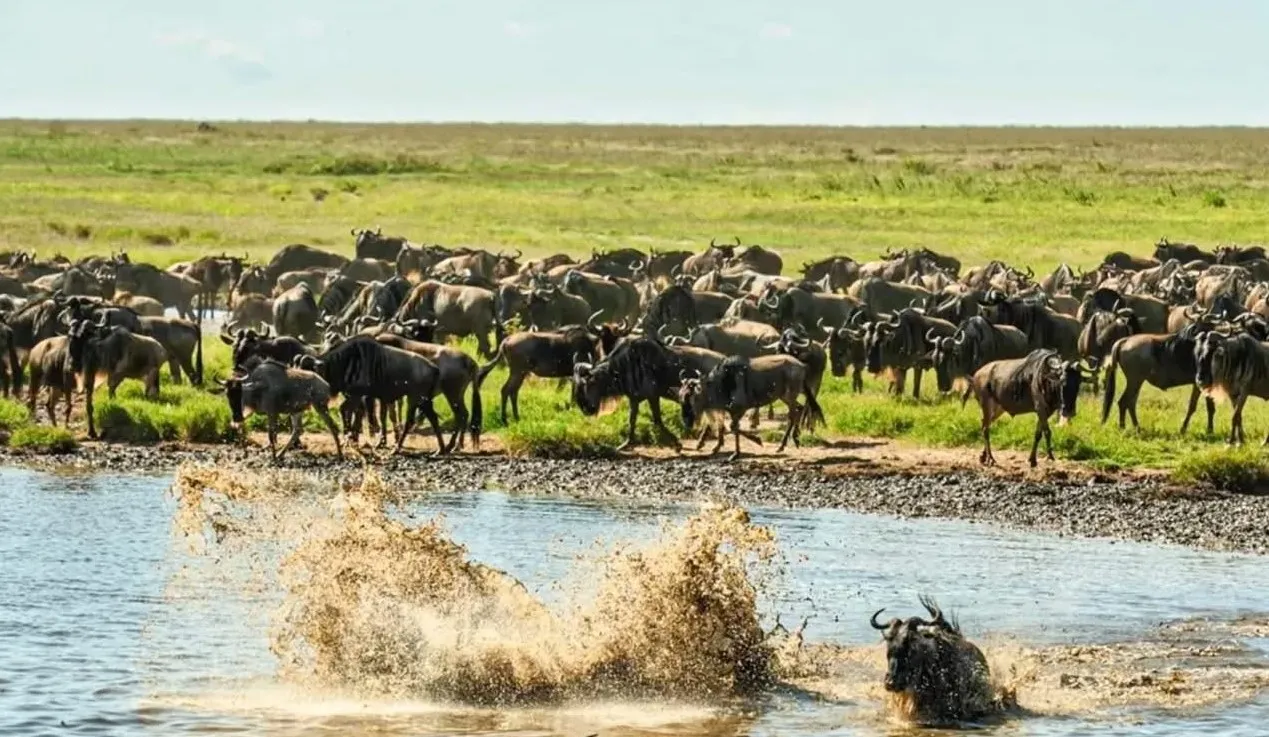
During February, visitors may find large herds spread across open grasslands, moving between feeding areas and water sources. The precise distribution changes according to rainfall, vegetation growth, and the availability of fresh grazing. Some days may offer impressive concentrations of animals in one area, while other drives require more searching across the wider landscape.
Ndutu is attractive because its open terrain can provide excellent visibility for wildlife observation. Travellers may see wildebeest, zebras, gazelles, and predators sharing the same ecosystem. Meanwhile, scattered acacia trees, rocky outcrops, and shallow seasonal wetlands add variety to the scenery. These habitats create opportunities to observe wildlife behaviour and photograph animals against the beautiful backgrounds of Tanzania’s southern plains.
For Tanzania Safaris, choosing accommodation near the expected migration area can reduce unnecessary driving and allow more time for game viewing. However, visitors should remember that the herds may shift between locations during their stay. A flexible itinerary gives guides more freedom to respond to local conditions and recent sightings.
Why Does the Migration Gather in Southern Tanzania During February?
The answer to Where Is the Great Migration in February? begins with food. Wildebeest move across the Serengeti ecosystem in response to rainfall, fresh grass, and changing grazing conditions. The southern plains often provide nutritious short grass during the calving season, making them important feeding grounds for large herds.
Pregnant wildebeest require adequate nutrition to support their developing calves. After giving birth, mothers also need sufficient food to produce milk and regain strength. The availability of fresh grass therefore influences where many animals gather during this important stage of their annual cycle. Zebras and other herbivores often share parts of the same landscape, although their feeding preferences may differ.
Rainfall patterns help shape the movement of these herds, but the process does not follow an exact calendar. A wet or dry period can change the availability of grazing and encourage animals to spread across different areas. As a result, February may bring large concentrations to Ndutu and the southern plains, but local conditions can affect the precise location of the animals.
Understanding this natural process makes Tanzania Adventures more meaningful. Instead of treating the migration as a single event at a fixed location, visitors can appreciate it as an ongoing movement shaped by food, water, weather, and survival. This perspective also explains why experienced guides monitor conditions and adapt game-drive routes throughout the safari.
What Wildlife Can You See During the February Migration?
Can You See Newborn Wildebeest and Zebras?
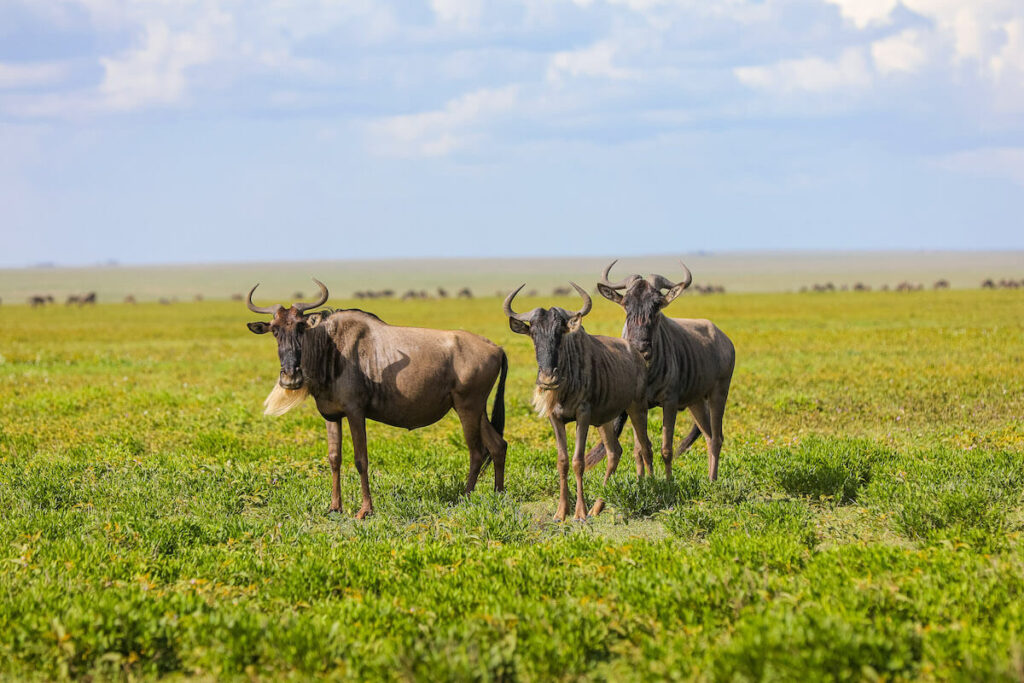
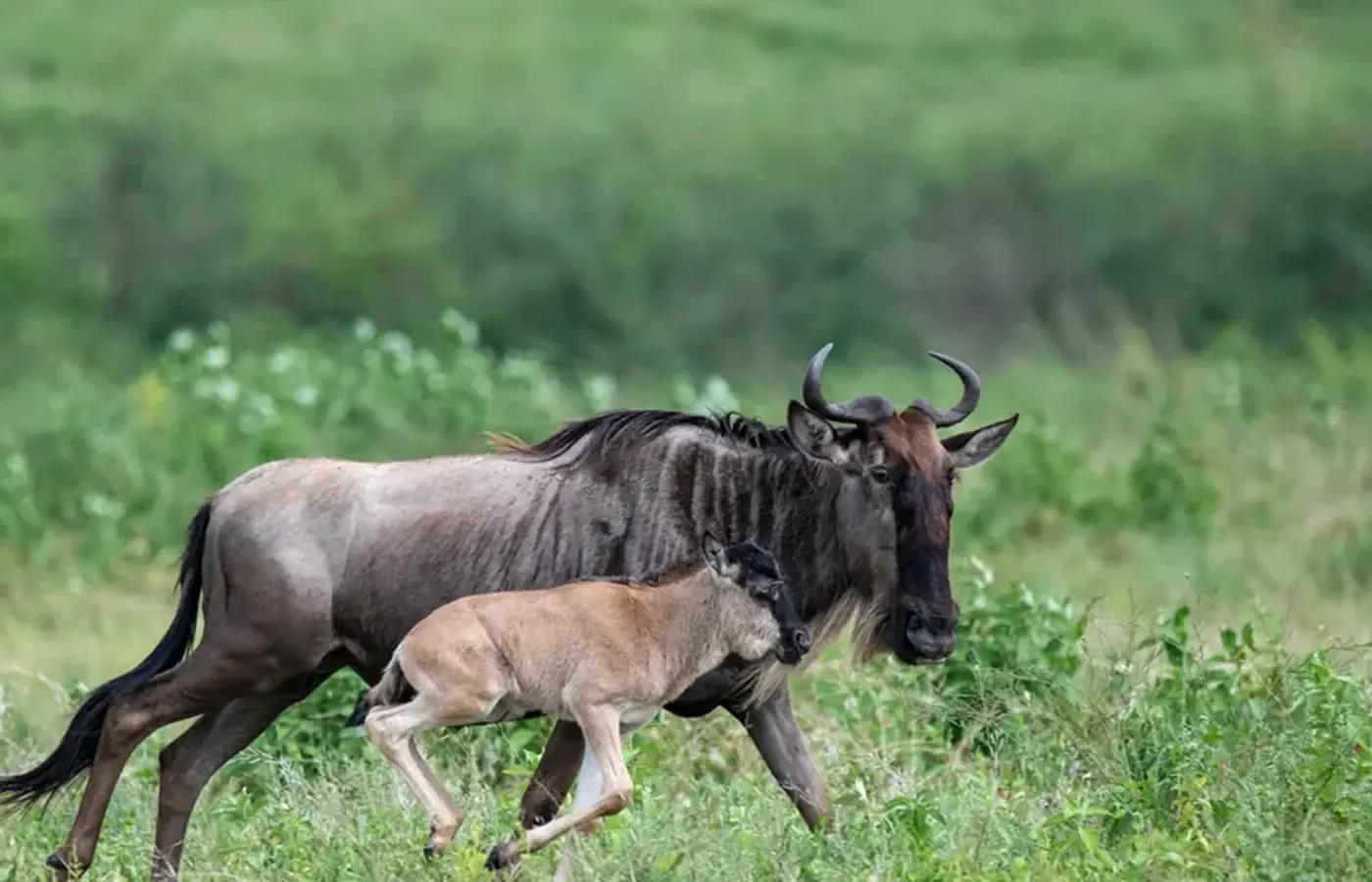
For travellers researching Where Is the Great Migration in February?, the calving season is often a major attraction. February commonly falls within the period when many wildebeest give birth across the southern Serengeti ecosystem. Newborn calves may be seen standing beside their mothers, learning to move with the herd, or resting among other young animals.
This period provides fascinating opportunities to observe maternal behaviour and the rapid development of young wildlife. Wildebeest calves need to stand and move soon after birth because remaining separated from the herd can expose them to danger. Mothers stay attentive to their young while herds continue moving in search of suitable grazing.
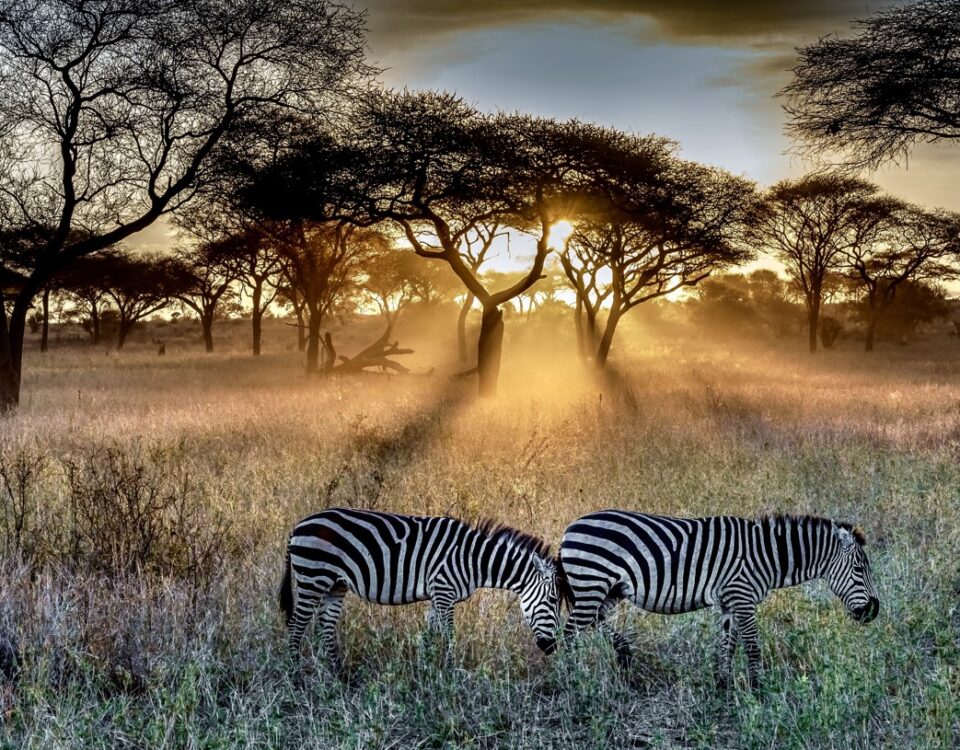
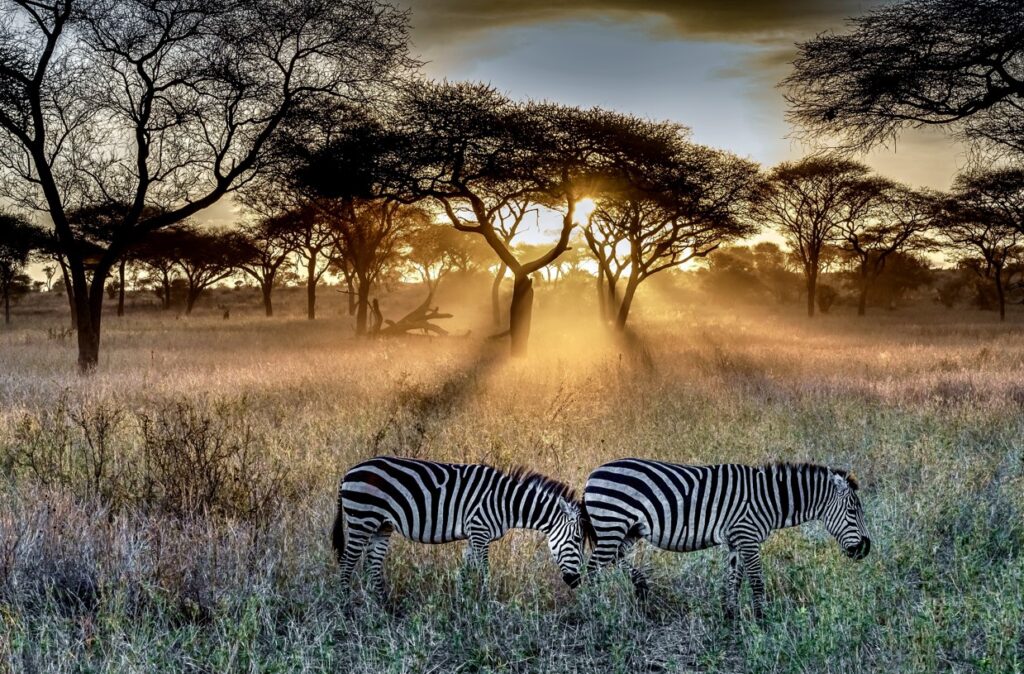
Zebras may also be present among the migrating herbivores, creating varied wildlife encounters across the plains. Their distinctive stripes make them attractive photographic subjects, especially when herds gather against green grass and dramatic skies. Depending on the location, visitors may also encounter gazelles, giraffes, elephants, buffaloes, and numerous bird species.
Although the calving season can be productive for wildlife viewing, births do not occur everywhere at the same time. Travellers should therefore avoid expecting newborn animals at every location. Patient observation, several game drives, and guidance from experienced safari professionals can improve the opportunities to appreciate this remarkable stage of the migration.
Which Predators Follow the Migration in February?
The concentration of herbivores makes the southern Serengeti an important area for predator activity. Travellers exploring Where Is the Great Migration in February? may encounter lions, cheetahs, spotted hyenas, and other carnivores searching for food across the plains. The presence of young wildebeest can create additional hunting opportunities, although predator behaviour varies according to local conditions.
Lions may be seen resting beneath trees, moving between hunting areas, or interacting with pride members. Cheetahs often favour open terrain where they can spot potential prey and use their speed during a hunt. Spotted hyenas are adaptable predators that hunt as well as scavenge, while leopards may inhabit suitable woodland and rocky habitats within the wider ecosystem.
Watching these animals provides insight into the relationship between prey availability and predator survival. Nevertheless, hunting scenes are unpredictable, and visitors should never expect a particular encounter. Wildlife viewing is most rewarding when travellers appreciate natural behaviour without pressuring guides to approach animals too closely or disturb their activities.
For Tanzania Safaris, responsible guiding is essential. Drivers should follow park regulations, maintain appropriate distances, and avoid blocking wildlife movements. These practices protect animals while allowing visitors to observe their behaviour in a natural setting. Even when predators are resting rather than hunting, their presence contributes to a deeper understanding of the Serengeti’s ecological balance.
What Are the Expectations During a February Migration Safari?
Understanding Where Is the Great Migration in February? helps travellers plan a safari that matches their interests and expectations. Visitors can often anticipate large herbivore herds, green landscapes, opportunities to see newborn wildebeest, and the possibility of observing predators. However, wildlife movements change naturally, and no operator can promise specific animal sightings or hunting events.
Morning and late-afternoon game drives often provide good opportunities to observe wildlife during cooler parts of the day. Depending on the weather and animal movements, guides may explore open plains, woodland edges, seasonal wetlands, or other suitable habitats. Some drives produce several exciting encounters, while others involve longer periods of searching.
Travellers should prepare for occasional rain, muddy tracks, and changing road conditions. February generally falls within Tanzania’s warmer green season, although temperatures and rainfall vary by location. Comfortable clothing, reliable transport, suitable accommodation, and a flexible itinerary help make the experience more enjoyable.
A stay of several nights in the southern Serengeti or Ndutu area can provide more opportunities than a brief visit. Extra time allows guides to respond to fresh sightings and gives visitors a chance to observe wildlife at different times of day. For a broader holiday, Tanzania Tours can also combine the migration experience with other destinations, depending on travel dates, budget, and available time.

10-Day Tarangire, Serengeti to Ndutu Migration & Ngorongoro
When Is the Best Time to See the Great Migration?
The question Where Is the Great Migration in February? is closely connected to the best time for planning a visit. February is commonly an excellent month for travellers interested in the wildebeest calving season, especially across the southern Serengeti and Ndutu plains. However, rainfall and grazing conditions influence the timing and distribution of the herds each year.
January and February are generally associated with calving activity in the southern Serengeti ecosystem. March may also provide opportunities to see migrating herds in the southern areas, depending on environmental conditions. As the season changes, animals gradually respond to shifting rainfall and grazing availability, and their movements may extend into other parts of the Serengeti ecosystem.
Travellers seeking river crossings should understand that these are more commonly associated with later migration phases. February is not generally the main season for the famous Mara River crossings. Choosing the right month therefore depends on whether your priority is newborn calves, predator activity, vast herds, dramatic landscapes, or river-crossing behaviour.
For Tanzania Safaris, advance planning is especially helpful during popular travel periods. Booking accommodation and arranging transport early can improve the choice of available options. Nevertheless, it remains important to confirm current seasonal advice before departure and maintain flexibility because wildlife does not follow an exact timetable.
What Should You Pack for a February Migration Safari?
Knowing Where Is the Great Migration in February? helps you choose suitable clothing and equipment for the southern Serengeti’s seasonal conditions. February can bring warm days, cooler early mornings, and occasional rainfall. Lightweight clothing, a warm layer, and a waterproof jacket help you adapt to changing weather during game drives.
Neutral-coloured clothing in shades of brown, green, beige, or khaki works well for safari activities. Comfortable closed shoes are useful around lodges and camps, while a hat, sunglasses, and sunscreen help protect against the sun. Insect repellent and any necessary personal medication can also be useful during the trip.
Wildlife enthusiasts may wish to bring binoculars and a camera with a suitable zoom lens. Extra batteries, memory cards, and a protective camera bag help keep equipment ready throughout the journey. A small day bag can hold travel essentials, while a reusable water bottle supports hydration during long outings.
Rain protection is particularly useful because showers may affect roads and outdoor activities. Before departure, confirm luggage restrictions with your safari operator, especially if your itinerary includes small aircraft transfers. Packing carefully helps you enjoy Tanzania Adventures without carrying unnecessary items or risking damage to important equipment.
Why Choose Terenga Africa Safaris & Travel Ltd for This Safari?
Planning around Where Is the Great Migration in February? requires attention to seasonal patterns, accommodation locations, travel distances, and the time available for wildlife viewing. Terenga Africa Safaris & Travel Ltd helps travellers organise Tanzania Safaris according to their interests, preferred travel dates, comfort requirements, and budgets.
For a February migration journey, choosing accommodation near the expected wildlife concentration can provide more time for game drives. A well-considered itinerary should also allow flexibility because herds may shift in response to rainfall and grazing conditions. We encourage travellers to prioritise realistic expectations and sufficient time in the field rather than relying on guaranteed sightings.
Depending on the duration and interests of your holiday, Tanzania Tours can include the Serengeti alongside destinations such as Ngorongoro Conservation Area, Tarangire National Park, or Lake Manyara National Park. Each area offers distinctive scenery and wildlife-viewing opportunities. Combining destinations should take account of driving times, accommodation availability, park fees, and the overall pace of the journey.
Reliable safari planning includes clear information about inclusions, exclusions, accommodation standards, transport, park charges, and optional activities. Travellers should know what their package covers before confirming a booking. Through thoughtful preparation, clear communication, and responsible wildlife-viewing practices, Terenga Africa Safaris & Travel Ltd aims to help international visitors explore Tanzania with confidence.
How Can You Enjoy the Great Migration Responsibly?
Responsible tourism matters when considering Where Is the Great Migration in February? because large wildlife concentrations can attract many safari vehicles. Visitors should follow park regulations, listen to their guides, and avoid actions that interfere with natural animal behaviour. Maintaining a suitable distance allows wildlife to feed, rest, and care for their young without unnecessary disturbance.
Drivers should never surround animals, block their movement, or leave authorised routes to obtain a photograph. Visitors should also avoid shouting, feeding wildlife, or attempting to attract predators. Quiet observation often creates better opportunities to appreciate natural behaviour while protecting animal welfare.
Choosing responsible Tanzania Safaris can also support conservation through regulated tourism and local employment. Travellers can reduce waste, respect camp guidelines, and treat staff and nearby communities with consideration. These simple actions contribute to a more positive travel experience and help preserve the landscapes that make Tanzania special.
 Conclusion: Where Should You Go for the Great Migration in February?
Where Is the Great Migration in February? In most years, the southern Serengeti ecosystem, particularly the Ndutu plains and surrounding grasslands, is a leading area to consider. February often brings large wildebeest herds, newborn calves, predator activity, and beautiful seasonal landscapes. However, the exact location of the animals depends on rainfall, fresh grazing, and changing environmental conditions.
For travellers planning Tanzania Adventures, this period offers an opportunity to experience one of Africa’s most remarkable wildlife events. Choosing suitable accommodation, allowing several game drives, packing for changing weather, and travelling with realistic expectations can help make the journey more rewarding.
With careful planning from Terenga Africa Safaris & Travel Ltd, visitors can explore the Serengeti while appreciating the natural processes that shape the Great Migration. Whether this is your first safari or another journey into Africa’s wilderness, February can provide a memorable introduction to Tanzania’s exceptional wildlife heritage.
Best Trending Tanzania Safari Holidays for 2027/2028
- 12-Day Tanzania Wildlife Safari
- 10-Day Tanzania Wildlife Safari & Zanzibar
- 10-Day Best Tanzania Honeymoon Luxury Safari and Zanzibar Beach Getaway
- 9-Day Ultimate Tanzania Wildlife Safari
- 9-Day Tanzania Adventure Safari
- 8-Day Tanzania Mid-Range Safari
- 8-Day Tanzania Northern Circuit Safari
- 7-Day Tanzania Wildlife Safari
- 7-Day Tanzania Wildlife Wonders Experience Tour
- 6-Day Majestic Tanzania Wildlife Luxury Safari
- 5-Day Kenya Wildlife Budget Safari
- 13-Day Tanzania Wildlife Tour & Zanzibar Beach Holiday
- 12-Day Tanzania Wildlife Safari Itinerary
- 11-Day Tanzania & Zanzibar Safari Adventure
- 11 Days Magical Kenya and Tanzania Safari
- 4-Day Tanzania Safari Extension Itinerary
- 5-Day Tanzania Safari Extension
- 9-Day Tanzania Wildlife Safari Adventure
- 7 Days Tanzania Safari Holiday
- 8 Days Tanzania Safari Holiday Itinerary