
Photography Opportunities During the January Migration
October 15, 2026
Where Is the Great Migration in February?
October 16, 2026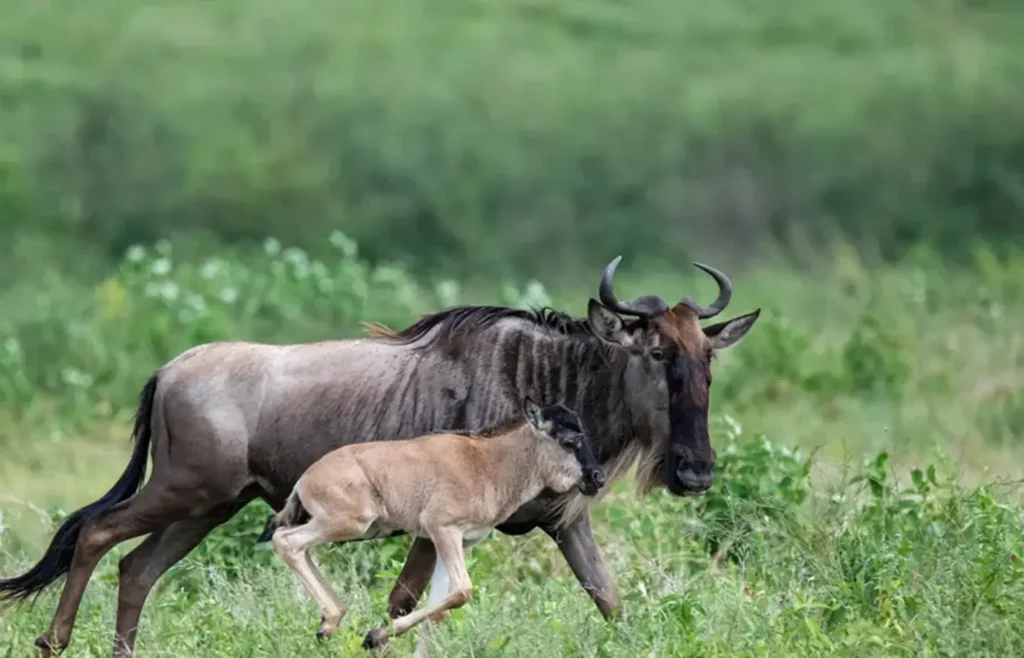
The Serengeti Calving Season Explained: A Complete Guide to Tanzania’s Great Migration
The Serengeti Calving Season Explained begins with one of Africa’s most remarkable natural events: the birth of thousands of wildebeest calves across the southern Serengeti ecosystem. Every year, seasonal rainfall and fresh grass influence the movement of migrating herds through northern Tanzania. During the calving period, large concentrations of wildebeest gather across the southern Serengeti plains and the Ndutu area, where nutritious grazing supports pregnant females and newborn calves. This extraordinary wildlife spectacle attracts nature enthusiasts, photographers, families, and international travellers seeking authentic Tanzania Safaris.
For visitors planning Tanzania Tours, the calving season offers a unique opportunity to observe the Great Wildebeest Migration beyond the movement of enormous herds. Newborn calves take their first steps, mothers protect their young, and predators search the grasslands for food. These interactions reveal the delicate balance between survival, reproduction, and the changing environment. Although wildlife encounters vary from day to day, the southern plains often provide excellent opportunities to observe the natural behaviour of migrating animals.
Beyond the excitement of wildlife viewing, Tanzania Adventures during the calving season offer beautiful scenery and valuable opportunities to learn about ecology. Fresh green grass, scattered acacia trees, dramatic skies, and distant rocky outcrops create distinctive landscapes for photography. Meanwhile, lions, cheetahs, spotted hyenas, and other predators demonstrate how different species respond to the seasonal concentration of prey. Understanding these relationships helps travellers appreciate the Serengeti as a living ecosystem rather than simply a destination for animal sightings.
At Terenga Africa Safaris & Travel Ltd, we believe a rewarding safari begins with accurate information, thoughtful planning, and realistic expectations. Knowing when and where calving usually occurs helps visitors select suitable accommodation, organise game drives, and make better use of their time. Whether you are a first-time safari traveller or an experienced wildlife enthusiast, understanding the Serengeti calving season can help you prepare for an unforgettable journey through Tanzania’s extraordinary wilderness.
What Is the Serengeti Calving Season?
When Do Wildebeest Give Birth in the Serengeti?
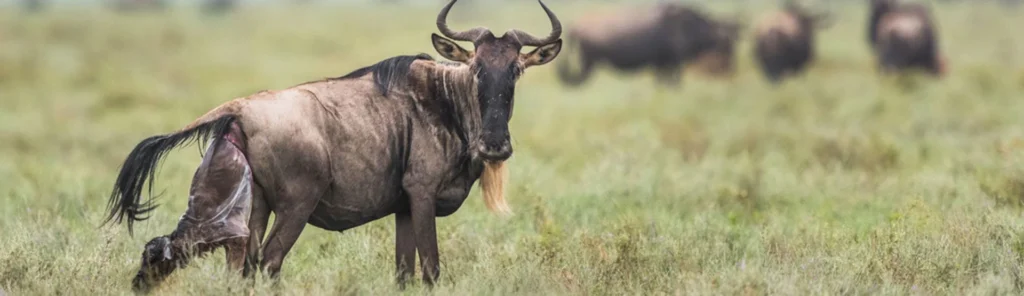
The Serengeti Calving Season Explained involves understanding the annual breeding cycle of wildebeest and the environmental conditions that influence births. The main calving period commonly occurs between January and February, although births can begin earlier or continue later depending on seasonal conditions. During this time, many wildebeest gather across the southern Serengeti and Ndutu plains, where short grasses provide valuable nutrition.
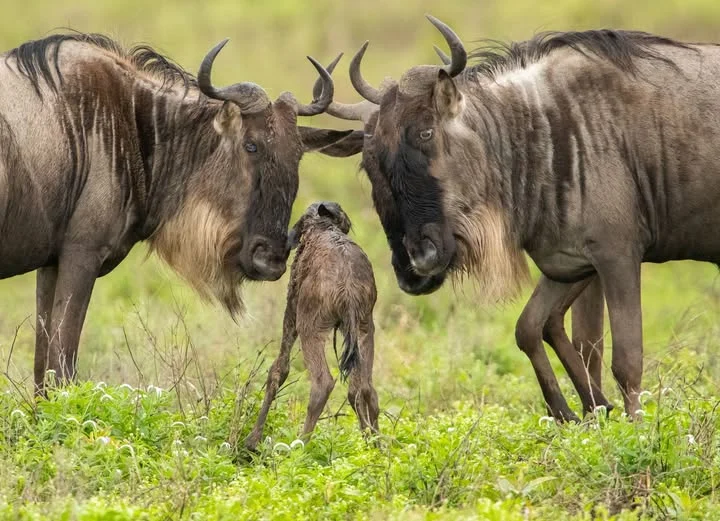
Female wildebeest typically give birth to a single calf after a pregnancy lasting approximately eight and a half months. Newborn calves develop quickly, often standing and attempting to move shortly after birth. This rapid development helps them remain close to their mothers and the herd, reducing the risk of separation in a landscape filled with predators.
The concentration of births creates an extraordinary spectacle for travellers undertaking Tanzania Safaris. Rather than searching only for individual animals, visitors may observe large herds containing mothers, newborn calves, and other migrating herbivores. Zebras frequently share the wider ecosystem, while gazelles and other grazers contribute to the area’s rich wildlife diversity.
However, the calving season does not follow an exact calendar. Rainfall, grass growth, and local conditions influence where wildebeest gather and when individual females give birth. For this reason, travellers should plan around the expected seasonal pattern while remaining flexible. A knowledgeable guide can adjust game drives according to current sightings and help visitors understand the natural processes shaping the migration.
Why Do Wildebeest Choose the Southern Serengeti?
Understanding The Serengeti Calving Season Explained requires looking at the connection between rainfall, grass quality, and wildlife movement. Seasonal showers encourage fresh vegetation to grow across the southern plains, creating feeding opportunities for large herds. Nutrient-rich grass supports pregnant females and helps nursing mothers maintain the energy needed to care for their calves.
Unlike permanent wildlife enclosures, the Serengeti is a vast natural ecosystem. Wildebeest move in response to changing environmental conditions rather than following a fixed route. When grazing becomes less suitable in one area, herds may gradually move towards other feeding grounds. These movements influence where travellers are most likely to find large concentrations of animals during Tanzania Tours.
The Ndutu area is especially well known for its open grasslands and seasonal importance during the calving period. Its landscape can support substantial herbivore populations when rainfall creates favourable grazing conditions. Nevertheless, animal distribution can change quickly, and not every herd remains in the same location throughout February.
For Tanzania Adventures, understanding these patterns helps visitors appreciate why flexible planning matters. Choosing accommodation near the expected migration area can reduce unnecessary driving and create more time for wildlife observation. Spending several nights in the southern ecosystem may also improve opportunities to encounter different herds and observe changing animal behaviour.
What Wildlife Can You See During the Calving Season?
Can You Watch Newborn Wildebeest and Their Mothers?
The Serengeti Calving Season Explained would be incomplete without examining the behaviour of newborn wildebeest. During the main calving period, visitors may see calves standing beside their mothers, nursing, resting, or attempting to keep pace with the herd. These encounters provide insight into the early stages of life for one of Africa’s most important migrating herbivores.
Newborn calves face several challenges immediately after birth. They must develop coordination quickly, recognise their mothers, and remain close to the moving herd. Adult females protect their young while continuing to feed, creating a constant balance between nourishment and safety. Observing these behaviours can be especially rewarding for wildlife photographers and travellers interested in animal behaviour.
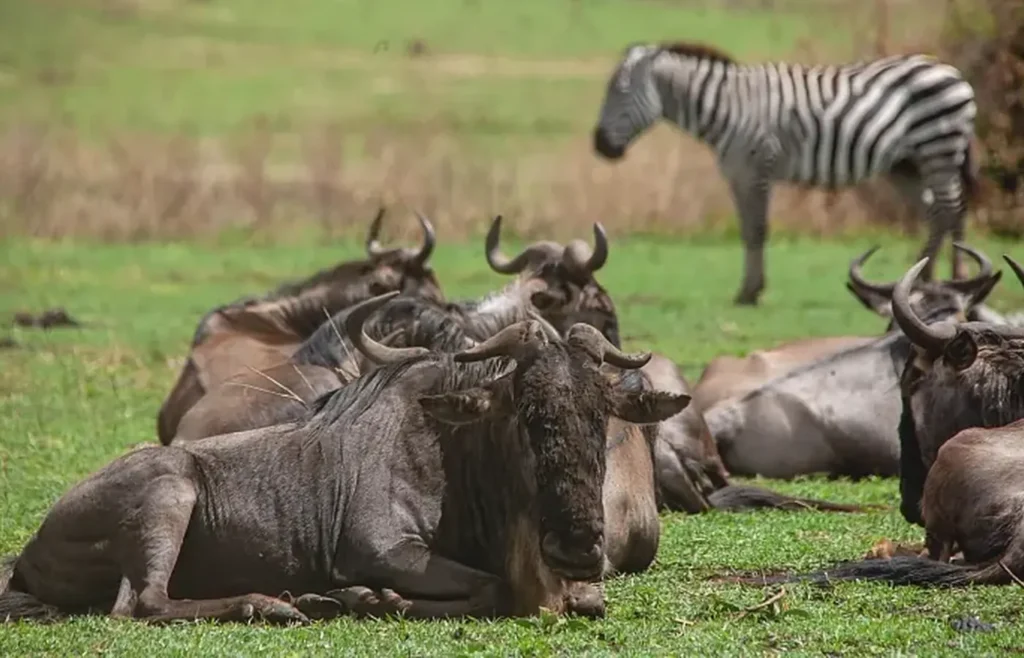
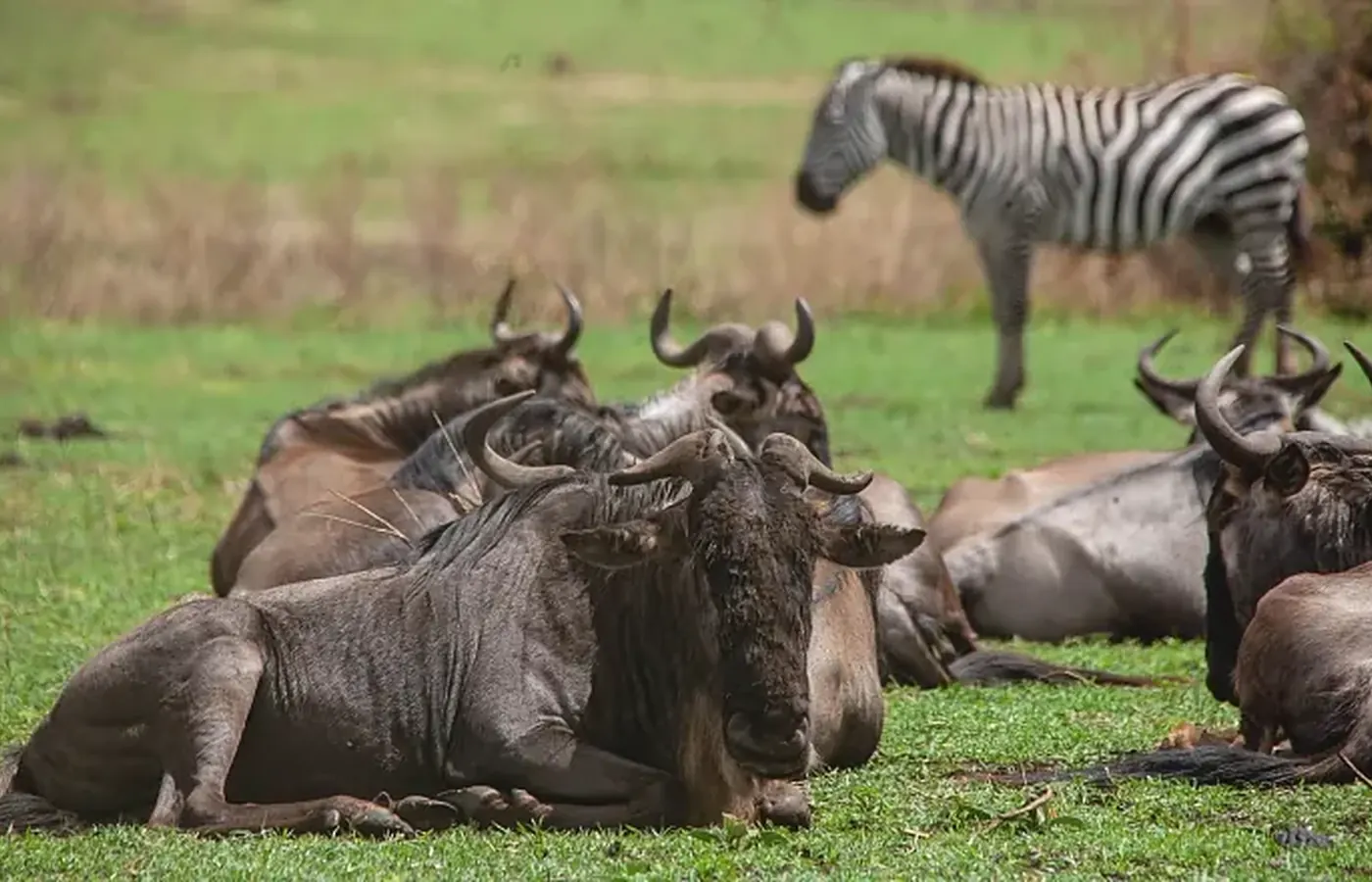
Although wildebeest dominate the calving-season story, other herbivores also contribute to the experience. Zebras may graze near migrating herds, while gazelles and other antelope occupy suitable habitats across the plains. Their presence creates a varied wildlife landscape and demonstrates how different species share the same ecosystem while relying on different feeding strategies.
Visitors should remember that births occur across a wide area rather than at one guaranteed viewing point. Some drives may reveal many calves, while others focus on grazing herds or other wildlife. Patient observation and responsible guiding help make Tanzania Safaris rewarding without placing unrealistic expectations on individual sightings.

10-Day Tarangire, Serengeti to Ndutu Migration & Ngorongoro
Which Predators Become Active During the Calving Season?
The arrival of newborn wildebeest can attract predators to areas where prey is plentiful. During Tanzania Safaris, visitors may encounter lions resting near grasslands, cheetahs scanning open terrain, or spotted hyenas moving through the herds. Leopards may also occur in suitable habitats across the wider Serengeti ecosystem, although they can be difficult to locate.
Each predator uses different hunting strategies. Lions may cooperate within prides, while cheetahs often rely on speed and careful positioning. Spotted hyenas hunt as well as scavenge, and leopards frequently use cover to approach prey. Their behaviour reflects the varied ways carnivores survive in a landscape where food availability changes with the migration.
The calving season can create opportunities to observe predator-prey relationships, but dramatic hunting scenes are never guaranteed. Predators may rest for long periods, hunt outside the immediate viewing area, or remain hidden in vegetation. Travellers should appreciate natural encounters without asking guides to chase animals or interfere with their behaviour.
Responsible Tanzania Adventures prioritise wildlife welfare and visitor safety. Maintaining suitable distances, following park regulations, and observing quietly allow animals to behave naturally. These practices also help visitors gain a deeper understanding of the Serengeti’s ecological balance.
What Are the Expectations During a Serengeti Calving Safari?
The Serengeti Calving Season Explained helps travellers understand what they may experience during a visit to the southern plains. Guests can often expect large herbivore herds, green seasonal landscapes, opportunities to see newborn wildebeest, and the possibility of observing predators. However, the number of animals visible during each game drive depends on current conditions and wildlife movements.
Morning and late-afternoon drives often provide productive opportunities to observe wildlife during cooler periods. Guides may search open grasslands, woodland edges, and seasonal water sources while monitoring recent sightings. Some outings bring several exciting encounters, while others require patience and longer periods of searching.
Travellers should prepare for occasional rain, changing road conditions, and warm daytime temperatures. The green season can make the landscape particularly attractive, but showers may affect driving times or outdoor activities. Comfortable accommodation, suitable clothing, reliable transport, and a flexible itinerary help make the experience more enjoyable.
A stay of several nights in the southern Serengeti or Ndutu area can provide more opportunities than a short visit. Additional time allows visitors to observe different locations and gives guides greater flexibility when wildlife movements change. Depending on your interests and available time, Tanzania Tours may also include Ngorongoro Conservation Area or other northern circuit destinations.
When Is the Best Time to Experience the Serengeti Calving Season?
The best time for The Serengeti Calving Season Explained is generally January through February, when many wildebeest give birth across the southern Serengeti ecosystem. However, seasonal rainfall influences the timing, and the main calving activity may begin earlier or continue later in some years.
January often provides opportunities to see the herds gathering across the southern plains as the calving period develops. February is commonly associated with substantial calving activity, although wildlife distribution can vary. March may still offer rewarding encounters, depending on rainfall, grass availability, and the movement of the herds.
Travellers interested in newborn calves and predator activity should consider spending sufficient time in the southern Serengeti. Those hoping to witness famous river crossings should understand that these generally occur during other phases of the annual migration, often later in the year. Selecting travel dates according to your main interests helps create a more suitable itinerary.
For Tanzania Safaris, advance planning is useful because popular accommodation near productive wildlife areas can become limited during busy travel periods. Nevertheless, visitors should confirm current seasonal advice before departure and remember that no particular wildlife event can be guaranteed on a specific date.
What Should You Pack for a Calving Season Safari?
The Serengeti Calving Season Explained also involves preparing for changing weather and long hours outdoors. January and February can bring warm days, cooler mornings, and occasional rainfall. Lightweight clothing, a warm layer, and a waterproof jacket help you adapt to different conditions during game drives.
Neutral-coloured clothing in shades of brown, green, beige, and khaki works well for safari activities. Comfortable closed shoes, a hat, sunglasses, and sunscreen provide practical protection. Insect repellent and any necessary personal medication may also be useful throughout the journey.
Wildlife enthusiasts should consider bringing binoculars and a camera with a suitable zoom lens. Extra batteries, memory cards, and a protective camera bag help keep equipment ready for unexpected sightings. A small day bag and reusable water bottle can make long outings more comfortable.
Rain protection is particularly helpful because showers may affect unpaved roads and outdoor plans. Travellers taking small aircraft transfers should confirm luggage limits before packing. Preparing carefully allows visitors to focus on the wildlife experience rather than worrying about missing equipment or unsuitable clothing.
Why Choose Terenga Africa Safaris & Travel Ltd for This Safari?
Planning The Serengeti Calving Season Explained into a successful holiday requires more than choosing a travel date. Accommodation location, game-drive timing, transport arrangements, park fees, and the flexibility to respond to wildlife movements all influence the overall experience. Terenga Africa Safaris & Travel Ltd helps travellers organise Tanzania Safaris around their interests, available time, comfort preferences, and budgets.
For visitors interested in calving-season wildlife, selecting accommodation near the expected migration area can create more opportunities for game viewing. A well-planned itinerary should also allow enough time to explore different parts of the southern ecosystem. Because herds move in response to environmental conditions, flexibility remains important throughout the journey.
Depending on the length of your holiday, Tanzania Tours may combine the Serengeti with Ngorongoro Conservation Area, Tarangire National Park, or Lake Manyara National Park. These destinations provide different landscapes and wildlife experiences. The right combination depends on your interests, available days, accommodation preferences, and overall budget.
Trustworthy planning includes clear information about package inclusions, exclusions, accommodation standards, transport, park charges, and optional activities. We encourage travellers to ask questions and understand the arrangements before confirming their booking. Through clear communication, thoughtful preparation, and responsible wildlife viewing, Terenga Africa Safaris & Travel Ltd aims to help international guests explore Tanzania with confidence.
How Can You Experience the Calving Season Responsibly?
Responsible tourism is essential when exploring The Serengeti Calving Season Explained, particularly because many animals are caring for newborn young. Visitors should follow park regulations, listen to their guides, and maintain suitable distances from wildlife. Vehicles must not block animals, surround predators, or interfere with natural movements.
Photographers should avoid shouting, using flash when it may disturb animals, or pressuring drivers to approach too closely. Quiet observation helps protect wildlife while allowing visitors to appreciate natural behaviour. Guests should also remain inside authorised vehicles unless their guide identifies a safe and permitted place to leave them.
Respect for the environment extends beyond animal encounters. Travellers can reduce waste, follow camp guidelines, and treat park staff and local communities with consideration. Choosing responsible tourism practices helps support conservation and the long-term protection of Tanzania’s natural heritage.
The Serengeti Calving Season Explained
Conclusion: Why Should You Experience the Serengeti Calving Season?
The Serengeti Calving Season Explained reveals why January and February can be such rewarding months for exploring Tanzania’s wildlife. Large wildebeest herds, newborn calves, active predators, and fresh green landscapes combine to create a remarkable natural experience. Although wildlife sightings vary with rainfall and seasonal conditions, the southern Serengeti often provides an excellent starting point for calving-season safaris.
For travellers planning Tanzania Adventures, understanding the migration’s seasonal patterns helps with choosing dates, selecting accommodation, and setting realistic expectations. Allowing enough time for game drives and respecting wildlife can make the journey more meaningful.
With thoughtful planning from Terenga Africa Safaris & Travel Ltd, visitors can discover the Serengeti while appreciating the ecological relationships that sustain this extraordinary landscape. Whether you are visiting Africa for the first time or returning to explore its wilderness, the calving season offers a memorable opportunity to connect with nature.
Best Trending Tanzania Safari Holidays for 2027/2028
- 12-Day Tanzania Wildlife Safari
- 10-Day Tanzania Wildlife Safari & Zanzibar
- 10-Day Best Tanzania Honeymoon Luxury Safari and Zanzibar Beach Getaway
- 9-Day Ultimate Tanzania Wildlife Safari
- 9-Day Tanzania Adventure Safari
- 8-Day Tanzania Mid-Range Safari
- 8-Day Tanzania Northern Circuit Safari
- 7-Day Tanzania Wildlife Safari
- 7-Day Tanzania Wildlife Wonders Experience Tour
- 6-Day Majestic Tanzania Wildlife Luxury Safari
- 5-Day Kenya Wildlife Budget Safari
- 13-Day Tanzania Wildlife Tour & Zanzibar Beach Holiday
- 12-Day Tanzania Wildlife Safari Itinerary
- 11-Day Tanzania & Zanzibar Safari Adventure
- 11 Days Magical Kenya and Tanzania Safari
- 4-Day Tanzania Safari Extension Itinerary
- 5-Day Tanzania Safari Extension
- 9-Day Tanzania Wildlife Safari Adventure
- 7 Days Tanzania Safari Holiday
- 8 Days Tanzania Safari Holiday Itinerary