How the Long Rains Affect the Wildebeest Migration?
November 11, 2026
Where Is the Great Migration in April?
November 12, 2026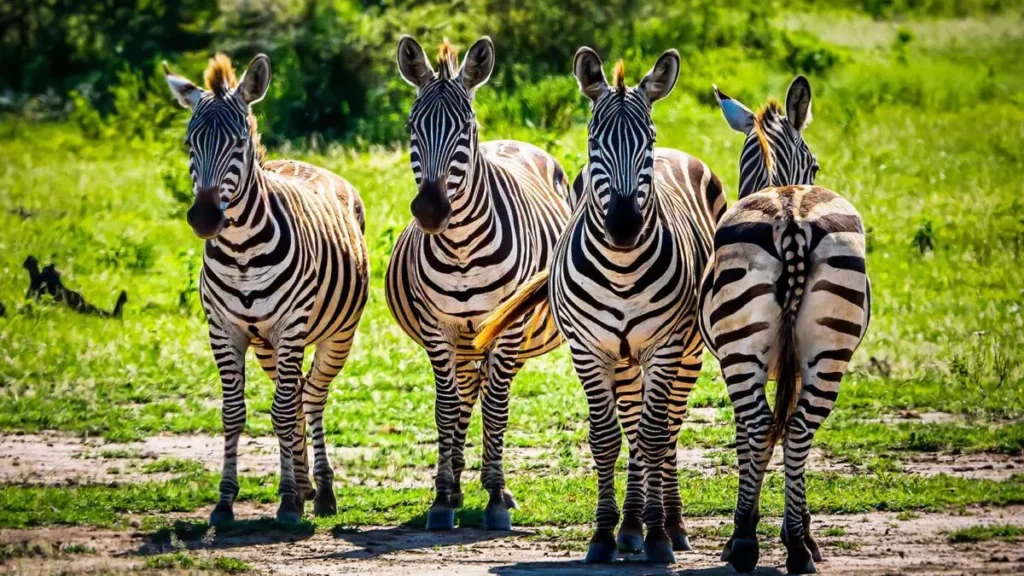
What to Expect from the Great Migration in March?
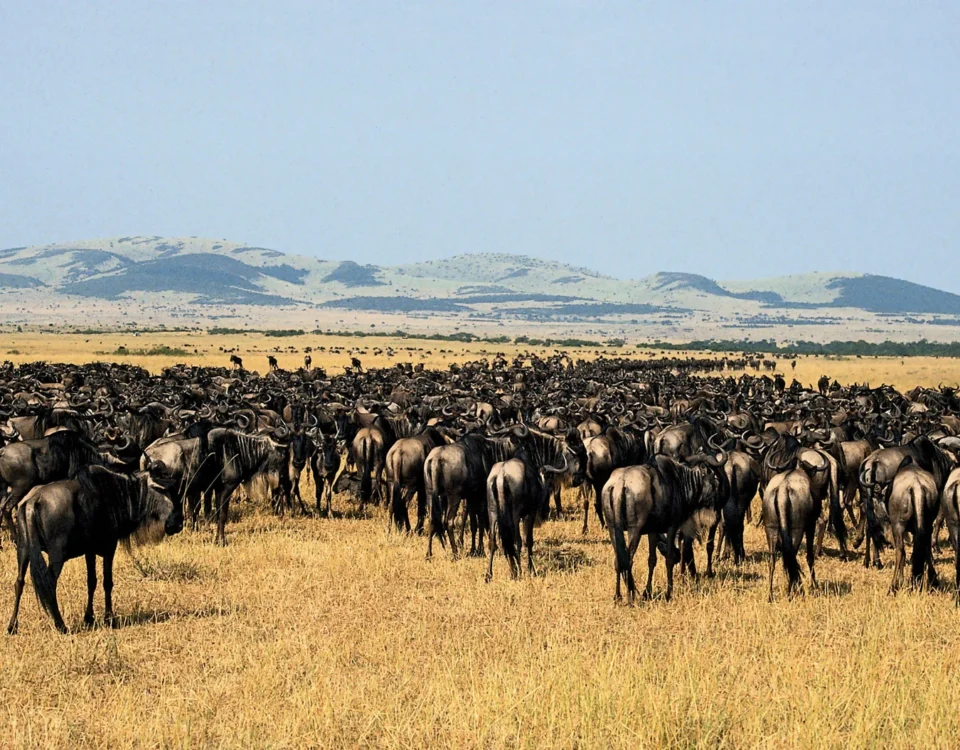
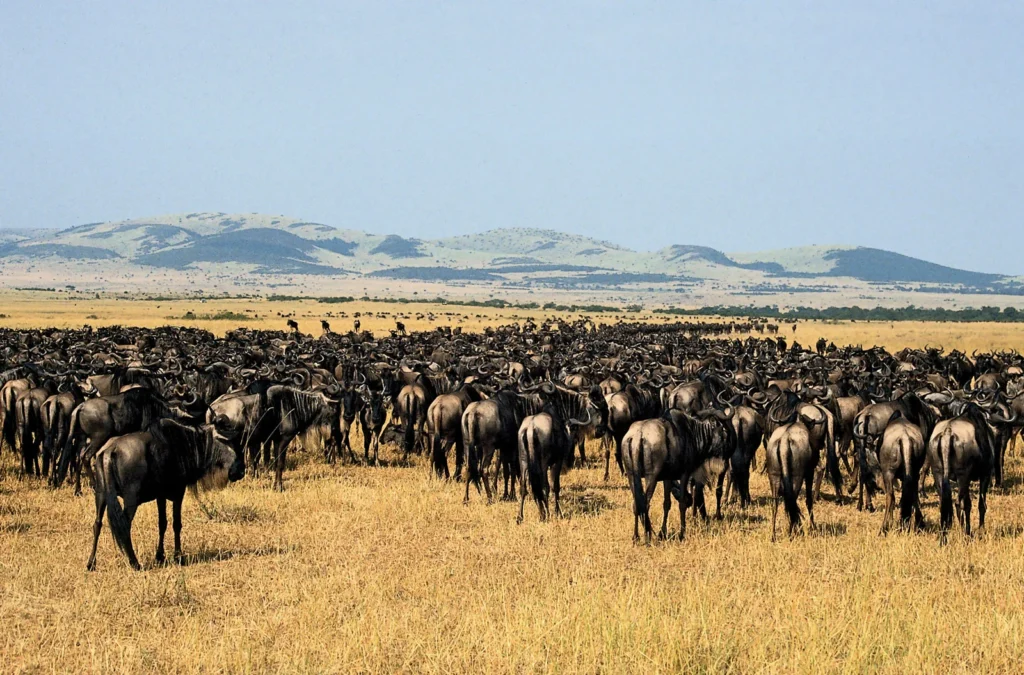
Understanding What to Expect from the Great Migration in March begins with discovering one of Africa’s most extraordinary natural events: the annual movement of millions of wildebeest across the Serengeti-Mara ecosystem. March is an especially interesting period for experiencing this remarkable wildlife phenomenon because large numbers of wildebeest are generally found across the southern Serengeti plains and neighbouring Ndutu region, where the calving season attracts wildlife enthusiasts, photographers and nature lovers from around the world. During this period, thousands of newborn wildebeest may be observed taking their first steps across the grasslands, while their mothers remain close to protect and nurture them. Zebras and gazelles also move through the surrounding landscapes, creating impressive concentrations of grazing animals. This seasonal abundance attracts predators such as lions, cheetahs, leopards and spotted hyenas, providing opportunities to observe fascinating interactions within the natural food chain. Beyond the wildlife itself, March introduces travellers to a beautiful green landscape characterised by fresh vegetation, seasonal water sources and dramatic African skies. The southern Serengeti becomes particularly attractive for visitors interested in understanding animal behaviour, capturing wildlife photographs and experiencing the ecological processes that sustain this extraordinary ecosystem. Although the Great Migration moves continuously in response to rainfall and grazing conditions, March is generally associated with rewarding calving-season experiences rather than the famous Mara River crossings that are more commonly associated with later months. For international visitors planning Tanzania Safaris, this period offers an excellent opportunity to explore the Serengeti from a different seasonal perspective. At Terenga Africa Safaris & Travel Ltd, we believe that an exceptional migration safari should combine accurate seasonal knowledge, professional guidance, responsible wildlife viewing and carefully selected accommodation to create a memorable African adventure.
What Happens During the Great Migration in March?
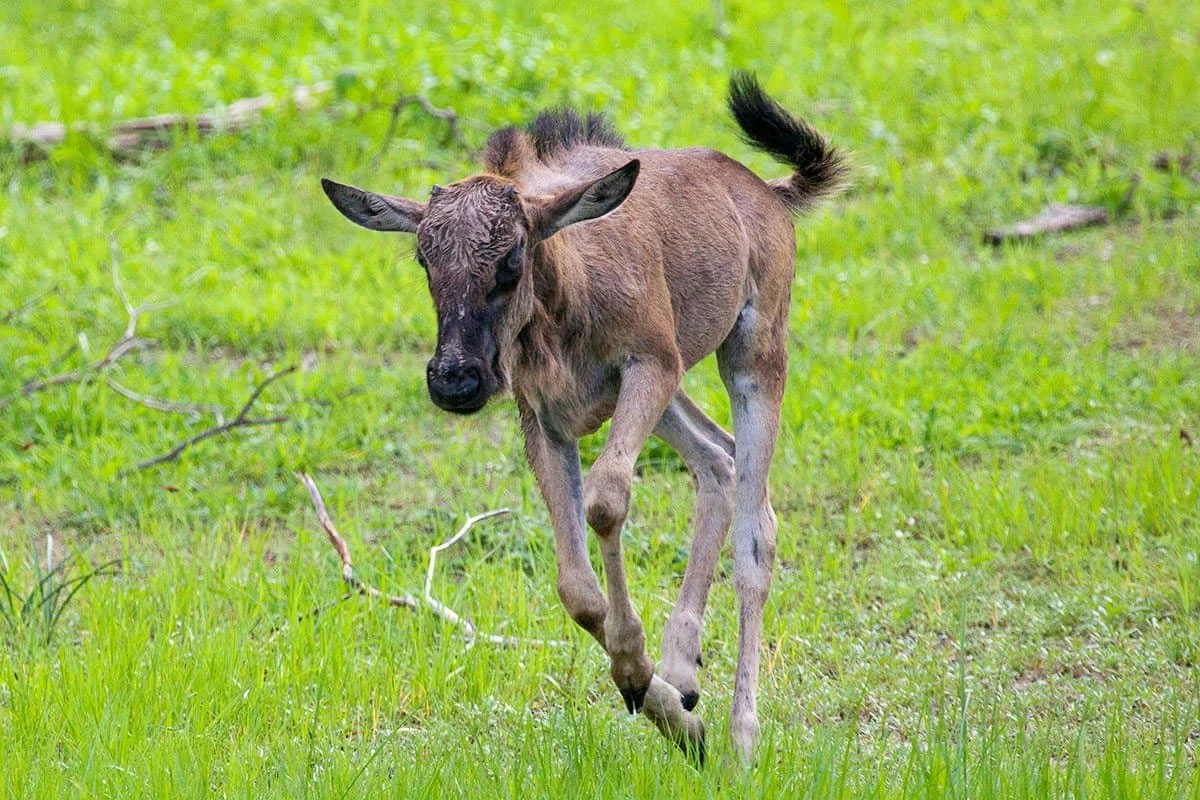
One of the most fascinating aspects of What to Expect from the Great Migration in March is the opportunity to witness the continuation of the wildebeest calving season across the southern Serengeti ecosystem. Following the main calving period in January and February, substantial numbers of newborn wildebeest may still be encountered during March, depending on rainfall patterns and the movement of the herds. This natural event involves enormous concentrations of wildebeest gathering across nutrient-rich grasslands where fresh vegetation provides essential nourishment for mothers and their young. Within a relatively short period, many calves are born, creating an impressive spectacle of new life across the African plains. Newborn wildebeest are remarkably active and can usually stand and begin walking shortly after birth, an important adaptation that helps them remain close to their mothers and move with the herd. Zebra and gazelle populations also contribute to the diversity of animals found throughout the migration ecosystem. During game drives, visitors may encounter large herds grazing peacefully, mothers caring for their young and animals moving between feeding areas. However, the exact distribution of wildlife changes according to local rainfall, vegetation conditions and water availability. Consequently, not every part of the southern Serengeti will contain equal numbers of migrating animals throughout March. The Ndutu area, including parts of the wider Ngorongoro Conservation Area and neighbouring Serengeti ecosystem, can be particularly rewarding for migration viewing during this season. Experienced safari guides help visitors understand these movements and identify promising locations for wildlife observation. For travellers interested in Tanzania Tours, March provides an opportunity to appreciate the migration as a continuous ecological process rather than a single spectacular event.
Can You See Newborn Wildebeest During the Great Migration in March?
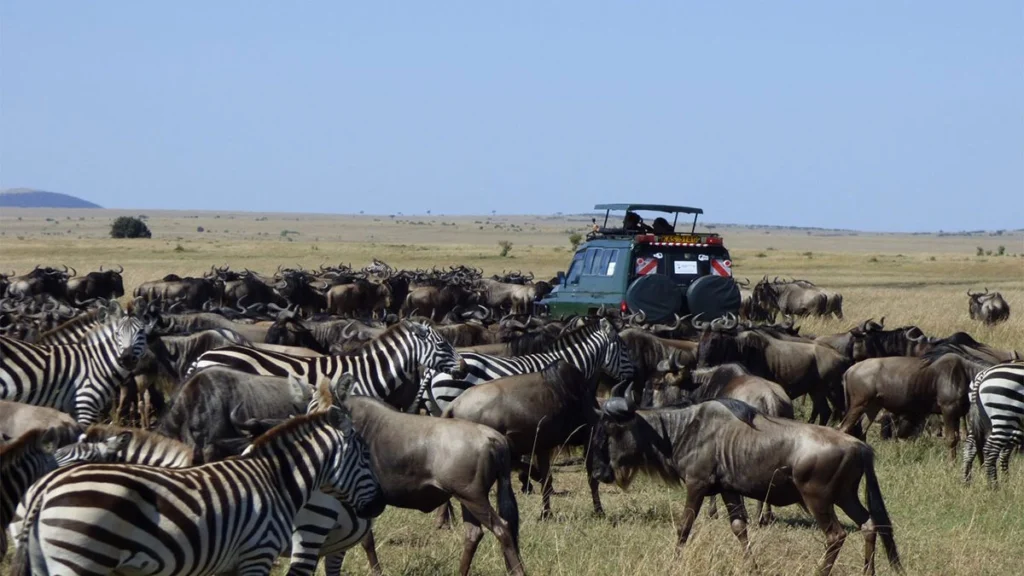
Among the most memorable experiences associated with What to Expect from the Great Migration in March is observing newborn wildebeest and their mothers across the southern plains. Calving season is one of the most important stages of the migration because it introduces a new generation into the Serengeti ecosystem. During the peak birthing period, large numbers of calves are born within a relatively concentrated timeframe, attracting visitors who are interested in animal behaviour, wildlife photography and conservation. March can still provide opportunities to encounter young calves moving alongside their mothers, although the number of births generally decreases after the main January-February period. Watching a newborn wildebeest stand for the first time, follow its mother or join other young animals is a particularly rewarding wildlife experience. Such encounters also demonstrate the importance of the herd’s social structure, where animals benefit from remaining within larger groups. Adult females provide essential care, while the collective movement of the herd helps reduce individual vulnerability to predators. Visitors may also observe young zebras and gazelles sharing grazing areas with wildebeest. These interactions create excellent photographic opportunities, particularly when the animals are framed against green grasslands and open African skies. Nevertheless, responsible wildlife viewing is essential. Safari vehicles should maintain appropriate distances, avoid blocking animal movements and follow the guidance of professional drivers. Newborn animals are especially vulnerable, and visitors should never attempt to approach, touch or interfere with them. For photographers, a telephoto lens allows detailed images without compromising wildlife welfare. At Terenga Africa Safaris & Travel Ltd, we encourage travellers to appreciate these moments through patient observation and ethical photography, ensuring that the natural behaviour of wildlife remains undisturbed.
Which Predators Can You Expect to See During the March Migration?
Another exciting element of What to Expect from the Great Migration in March is the increased opportunity to observe predators attracted by the seasonal abundance of young grazing animals. The southern Serengeti and Ndutu plains support important populations of carnivores, including lions, cheetahs, leopards and spotted hyenas. During calving season, these predators benefit from the concentration of wildebeest and other herbivores across suitable feeding grounds. Lions may be encountered resting beneath acacia trees, moving through grasslands or hunting as part of a pride. Cheetahs are particularly fascinating to photograph because their speed, body structure and hunting techniques make them among Africa’s most specialised land predators. Open plains provide suitable environments for these animals to search for prey, although successful hunts are never guaranteed. Leopards are more difficult to locate because of their secretive behaviour and preference for areas with trees and dense vegetation. Spotted hyenas are also important members of the ecosystem, displaying complex social behaviour and remarkable hunting abilities. Watching these animals interact with their surroundings provides valuable insight into predator-prey relationships and the natural balance of the Serengeti. Although March can be rewarding for predator photography, visitors should understand that wildlife behaviour is unpredictable. Some animals may remain hidden for extended periods, while others may be active at different times of the day. Knowledgeable safari guides help identify promising areas and interpret animal behaviour without interfering with natural activities. For international travellers planning Tanzania Adventures, these encounters provide an opportunity to experience the dramatic side of African wildlife while learning about the ecological relationships that sustain the migration.
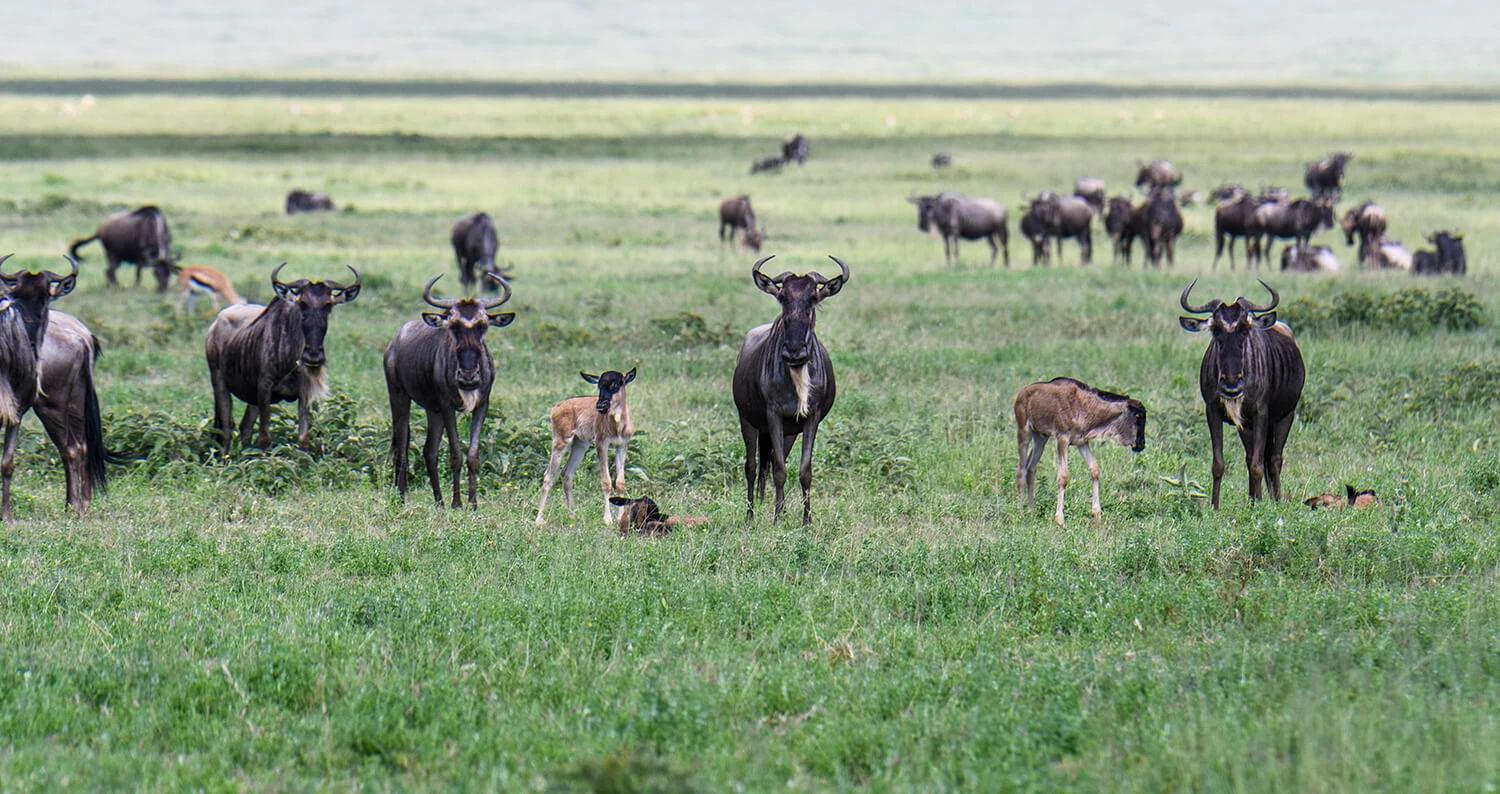
Serengeti National Park
What Are the Landscapes and Photography Opportunities Like in March?
The Great Migration in March offers a distinctive photographic experience because the southern Serengeti landscape often takes on a fresh appearance following seasonal rainfall. Green grasslands, flowering vegetation, seasonal water sources and dramatic cloud formations create beautiful backgrounds for photographing wildlife. Unlike the predominantly dry landscapes experienced during certain other months, March can provide rich colours and striking contrasts between animals and their natural surroundings. Wildlife photographers may capture newborn wildebeest, grazing zebras, predator activity and large herds moving across open plains. Furthermore, early mornings and late afternoons frequently provide attractive natural lighting, helping photographers capture animal details and landscape compositions. The changing weather can also produce interesting photographic conditions, including cloud shadows, rainbows and reflections around seasonal water sources. Ndutu and the southern Serengeti are particularly attractive for photographers interested in combining wildlife portraits with wide landscape images. Bird photography can also be rewarding because wetlands, grasslands and woodland habitats support numerous resident and migratory species. However, rainfall can occasionally affect road conditions, and vegetation growth may make some animals more difficult to locate. Travellers should therefore carry appropriate equipment, including telephoto lenses, spare batteries, memory cards and protective camera bags. A waterproof cover and lens-cleaning materials are useful when weather conditions change. Patience remains essential because some of the most interesting wildlife moments develop gradually. Photographers should also respect park regulations and avoid disturbing animals simply to obtain a better image. For visitors considering Tanzania Safaris during the green season, March provides a wonderful opportunity to document the Serengeti’s natural beauty from a perspective that differs significantly from the traditional dry-season safari experience.
What Are the Expectations During a Great Migration Safari in March?
Understanding What to Expect from the Great Migration in March helps visitors prepare for the practical realities of a seasonal wildlife adventure in Tanzania. Most safari days begin early in the morning, when temperatures are cooler and wildlife activity can be particularly rewarding. After breakfast, guests usually depart with an experienced driver-guide for game drives across selected sections of the southern Serengeti or Ndutu region. Depending on the itinerary, visitors may enjoy extended excursions with picnic lunches, allowing additional time to explore different wildlife habitats. Throughout the journey, opportunities may arise to encounter wildebeest herds, newborn calves, zebras, gazelles and predators. However, sightings are never guaranteed because wildlife moves naturally according to environmental conditions. Another important expectation is travelling across considerable distances, particularly when searching for migrating herds that have shifted to different grazing areas. Accommodation choices range from permanent safari lodges to seasonal tented camps positioned near important wildlife-viewing locations. Seasonal camps can be particularly convenient for migration-focused safaris because their locations may be selected according to anticipated animal movements. Nevertheless, visitors should confirm the operating dates, facilities and exact location of their chosen accommodation before booking. March can bring occasional rainfall, so muddy roads and changing weather conditions should be considered when planning daily activities. Photography enthusiasts should allow sufficient time at wildlife sightings rather than expecting every game drive to produce immediate results. Professional guides can provide valuable information about animal identification, seasonal movements and conservation. Ultimately, the best migration experiences combine flexibility, patience, realistic expectations and a genuine interest in understanding Africa’s natural environment.
When Is the Best Time to Experience the Great Migration?
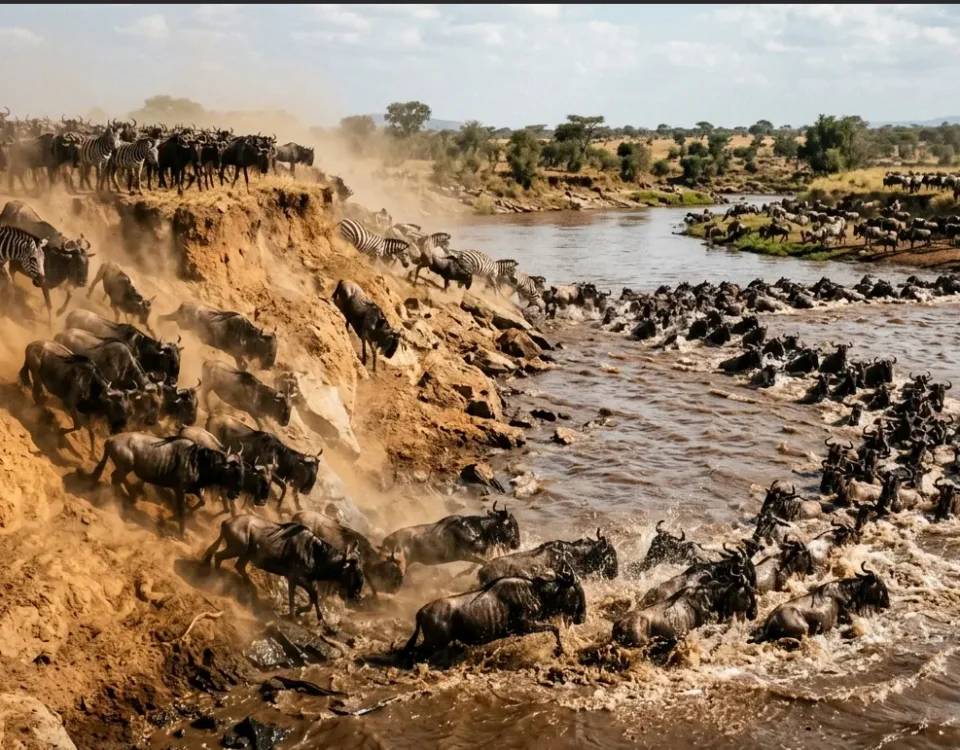
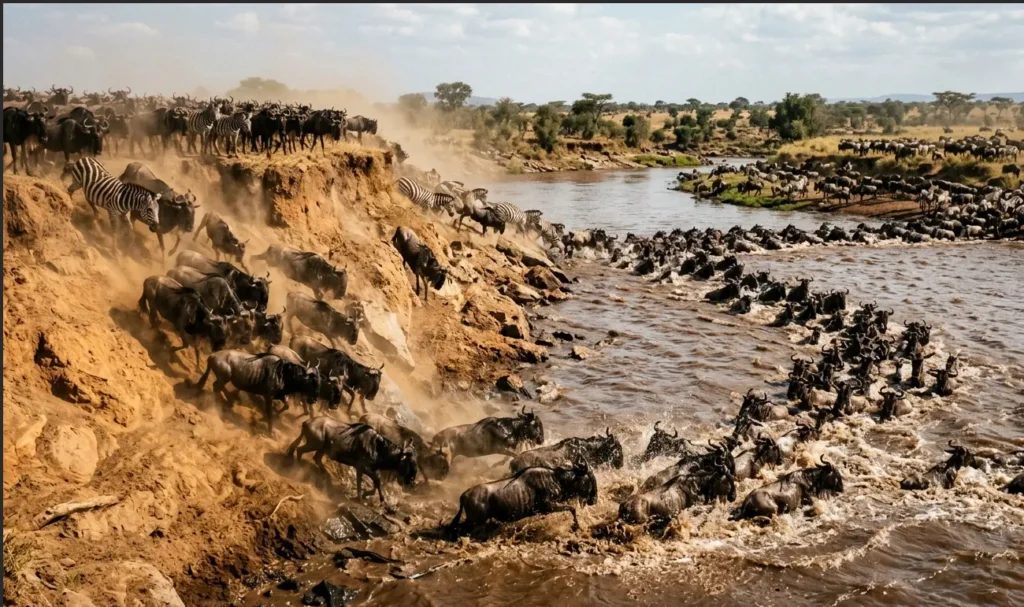
Although March is particularly rewarding, understanding What to Expect from the Great Migration in March becomes easier when the entire annual migration cycle is considered. The Great Migration takes place throughout the year, with different sections of the Serengeti-Mara ecosystem becoming important at different times. January and February are generally associated with the main wildebeest calving season across the southern Serengeti and Ndutu plains. March often provides continued opportunities to observe young calves, although the herds may gradually begin shifting towards western grazing areas as seasonal conditions change. April and May are commonly associated with the long rains and the movement of herds towards the western and central parts of the Serengeti. June and July may bring increasing concentrations of animals along the western corridor and their gradual movement towards northern areas. Between approximately July and October, northern Serengeti and Kenya’s Maasai Mara can offer opportunities to witness possible Mara River crossings. These crossings are unpredictable and depend on rainfall, grazing conditions and the movements of individual herds. November and December generally involve the gradual movement of animals towards the southern plains as seasonal rains encourage fresh vegetation growth. For visitors specifically interested in calving season and newborn wildebeest, January through March is an important travel window. Travellers hoping to photograph possible river crossings should consider later months instead. At Terenga Africa Safaris & Travel Ltd, we recommend selecting travel dates according to your preferred wildlife experience, available time and accommodation budget. Careful planning helps ensure that your itinerary matches the natural rhythm of the migration.
Why Choose Terenga Africa Safaris & Travel Ltd for Your March Migration Safari?
Choosing a reliable safari operator is essential when planning What to Expect from the Great Migration in March, particularly because successful migration viewing depends on understanding seasonal wildlife movements and selecting appropriate accommodation locations. At Terenga Africa Safaris & Travel Ltd, we recognise that every traveller has different expectations, whether they are interested in photographing newborn wildebeest, observing predators, experiencing the Serengeti’s green landscapes or enjoying a luxury African holiday. Our approach focuses on helping visitors make informed travel decisions through thoughtful itinerary planning, practical guidance and an appreciation of responsible wildlife tourism. Selecting the right areas to explore is especially important during March because migrating herds can move between different grazing grounds according to rainfall and vegetation conditions. Suitable accommodation, realistic driving distances and sufficient time for game viewing all contribute to a rewarding experience. We also believe that responsible safari tourism should respect wildlife, support conservation awareness and recognise the importance of local communities. Visitors should receive clear information about travel arrangements, accommodation facilities, seasonal conditions and realistic expectations before departure. Beyond the Serengeti, travellers can extend their African adventure through other remarkable destinations. Tanzania Tours may include the Ngorongoro Conservation Area, Tarangire National Park and other northern circuit attractions. Kenya Safaris can introduce visitors to the Maasai Mara and Amboseli, while other Tanzania Adventures may combine wildlife experiences with cultural visits and scenic exploration. Our goal is to help international guests discover the richness of African tourism through memorable, carefully organised journeys. With a passion for Tanzania’s natural heritage and a commitment to informative travel planning, Terenga Africa Safaris & Travel Ltd aims to make your migration experience enjoyable, meaningful and unforgettable.
What Should You Pack for the Great Migration in March?
Preparing suitable travel essentials will help you enjoy What to Expect from the Great Migration in March comfortably, particularly because weather conditions can change during the green season. Lightweight clothing in neutral colours such as khaki, olive, beige and brown is recommended for daytime game drives. Breathable shirts, comfortable safari trousers and closed walking shoes are practical choices for exploring the wilderness. Since early mornings can be cool, carrying a warm fleece or lightweight jacket is advisable. A waterproof jacket or rain poncho is also useful because occasional showers may occur during March. Photography enthusiasts should bring a camera with an appropriate telephoto lens, spare batteries, additional memory cards and protective equipment against dust and moisture. Binoculars can improve wildlife observation, especially when watching animals across distant grasslands. Other important essentials include sunscreen, sunglasses, a wide-brimmed hat, insect repellent, a reusable water bottle and personal medication. A small backpack is useful for carrying daily supplies during game drives. Travellers should also pack essential documents, including a valid passport, relevant visa documentation, travel insurance and any required health certificates. Those using domestic safari aircraft should confirm baggage weight restrictions because smaller planes may have limited luggage allowances. Before departure, check your accommodation facilities and ask your safari operator about specific seasonal requirements. Proper preparation allows you to concentrate on the extraordinary wildlife, beautiful landscapes and memorable moments that make the March migration experience so special.
 Conclusion: Experience the Great Migration in March with Terenga Africa Safaris & Travel Ltd
Understanding What to Expect from the Great Migration in March reveals why this period is one of the most fascinating times to explore Tanzania’s Serengeti ecosystem. From newborn wildebeest and protective mothers to spectacular predator encounters, beautiful green landscapes and rewarding photography opportunities, March provides an exceptional opportunity to appreciate the natural processes that sustain one of Africa’s greatest wildlife spectacles. Although the migration’s movements and wildlife sightings depend on seasonal conditions, carefully planned travel can provide memorable encounters across the southern Serengeti and Ndutu region. Whether you are a first-time safari visitor, an experienced wildlife photographer or a nature enthusiast, this remarkable experience offers a deeper appreciation of Africa’s biodiversity and conservation heritage. At Terenga Africa Safaris & Travel Ltd, we are passionate about helping international travellers discover Tanzania through professionally organised safaris, responsible wildlife encounters and personalised travel experiences.
Plan Your Great Migration Safari in March with Terenga Africa Safaris & Travel Ltd.
Discover the beauty of Tanzania’s calving season, witness remarkable wildlife encounters and experience the unforgettable magic of the Serengeti.