A Month-by-Month Guide to the Serengeti Migration
September 18, 2026
The Dry Season and the Great Wildebeest Migration
September 20, 2026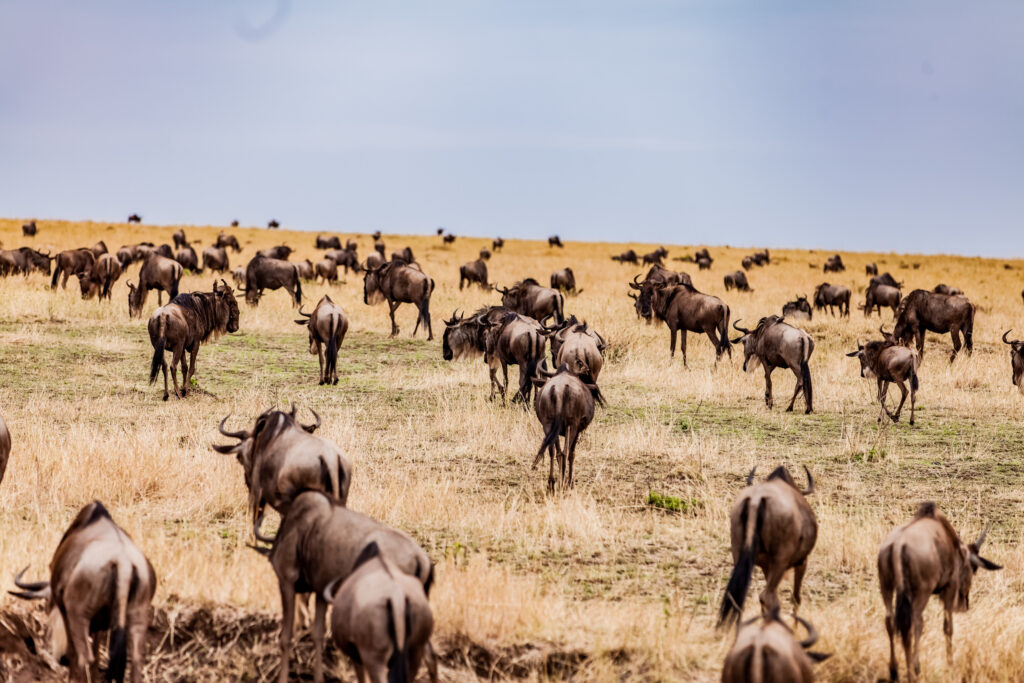
The Great Migration During Tanzania’s Green Season
The Great Migration During Tanzania’s Green Season offers a remarkable way to explore Tanzania’s wilderness. The season transforms the Serengeti into a vibrant landscape filled with fresh vegetation. Wildebeest, zebras, and gazelles move through areas with abundant grazing.
Tanzania’s green season usually includes periods of seasonal rainfall. The exact timing and intensity can vary each year. These rains support fresh grass across the Serengeti ecosystem. Consequently, large herbivore populations find valuable feeding grounds.
For international travelers, this season provides several unique advantages. The landscapes become greener, quieter, and highly photogenic. Wildlife remains abundant across many areas of the ecosystem. Birdwatching also becomes especially rewarding during this period.
The Great Migration During Tanzania’s Green Season also provides excellent opportunities for photography. Dramatic clouds can create striking backgrounds across the plains. Fresh vegetation adds depth and color to wildlife photographs. Newborn animals can also appear during the calving period.
At Terenga Safaris, we understand the importance of seasonal safari planning. Wildlife movements respond to rainfall, grazing, water availability, and environmental conditions. Therefore, our itineraries focus on realistic expectations and flexible wildlife experiences.
Understanding Tanzania’s Green Season
What Makes the Green Season Special?
Tanzania’s green season brings renewed life across the Serengeti. Seasonal rains stimulate grass growth across open plains. Trees and shrubs also regain their vibrant appearance.
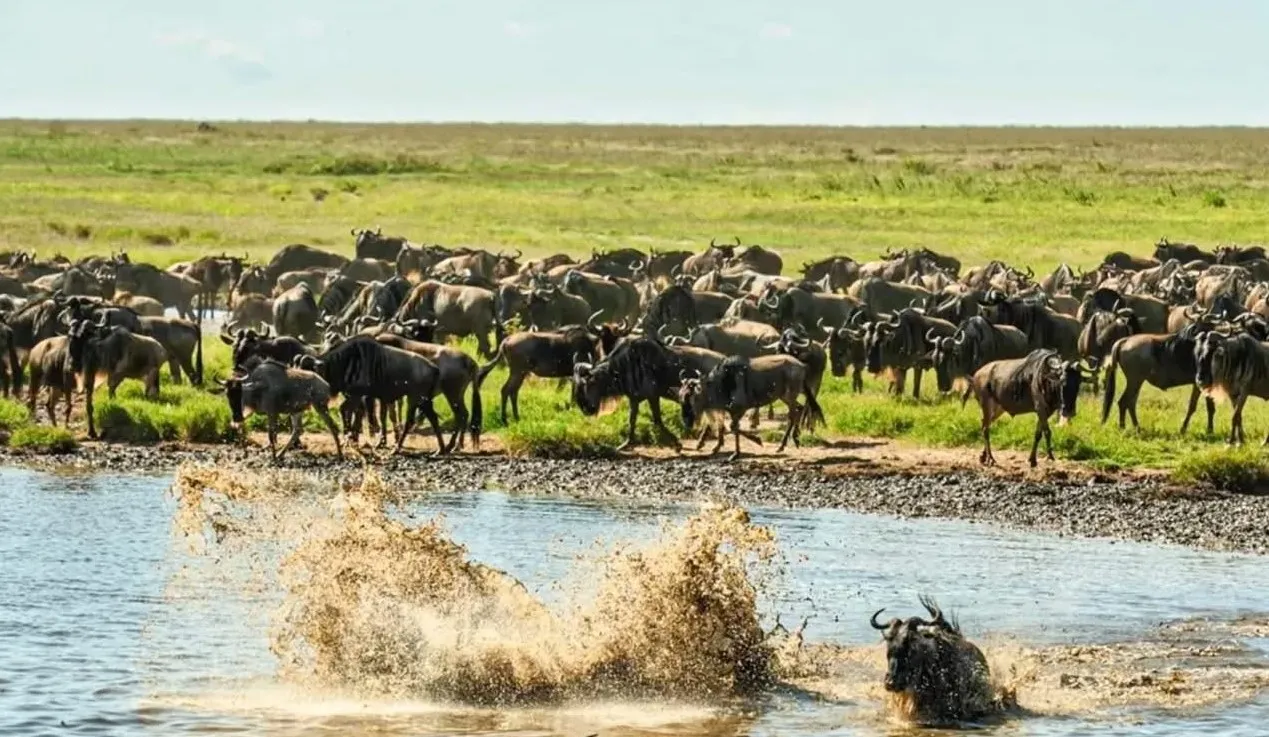
During this period, the ecosystem supports large numbers of herbivores. Wildebeest, zebras, gazelles, and antelopes search for nutritious grazing. Predators follow these concentrations because prey remains abundant.
Furthermore, the green season creates impressive scenery for travelers. Golden plains become green landscapes after seasonal rainfall. Clouds often add dramatic character to the horizon.
The Great Migration During Tanzania’s Green Season therefore offers more than animal sightings. It combines wildlife, landscapes, photography, birds, and cultural experiences.
Travelers can also enjoy a more peaceful safari atmosphere. Some areas receive fewer visitors than during peak dry-season periods. This can create quieter game drives and more personal wildlife encounters.
January: Wildlife Returns to the Southern Plains
Calving Season Begins
January often brings important migration activity around the southern Serengeti. The Ndutu area can become particularly significant during this period. Fresh grass provides valuable nutrition for large herbivore herds.
Wildebeest gather across the plains before the main calving period. Zebras and gazelles also share these productive grazing areas. Predators remain active around the concentrated prey populations.
Early morning game drives offer excellent viewing opportunities. The soft light also creates beautiful conditions for wildlife photography. Bird species become increasingly noticeable across the green landscape.
The Great Migration During Tanzania’s Green Season becomes especially attractive for photographers during this period. Green vegetation provides natural backgrounds for wildlife portraits. Newborn animals can also create memorable safari moments.
Travelers staying around southern Serengeti camps can enjoy convenient access. However, choosing accommodation near seasonal wildlife areas remains important.

February: The Heart of the Calving Season
New Life Across the Serengeti
February can become one of the most exciting periods of The Great Migration During Tanzania’s Green Season. Large numbers of wildebeest gather across the southern plains.
Calving activity can become particularly noticeable around Ndutu. Thousands of newborn animals may appear across the grasslands. Predators often remain nearby because young animals face greater natural risks.
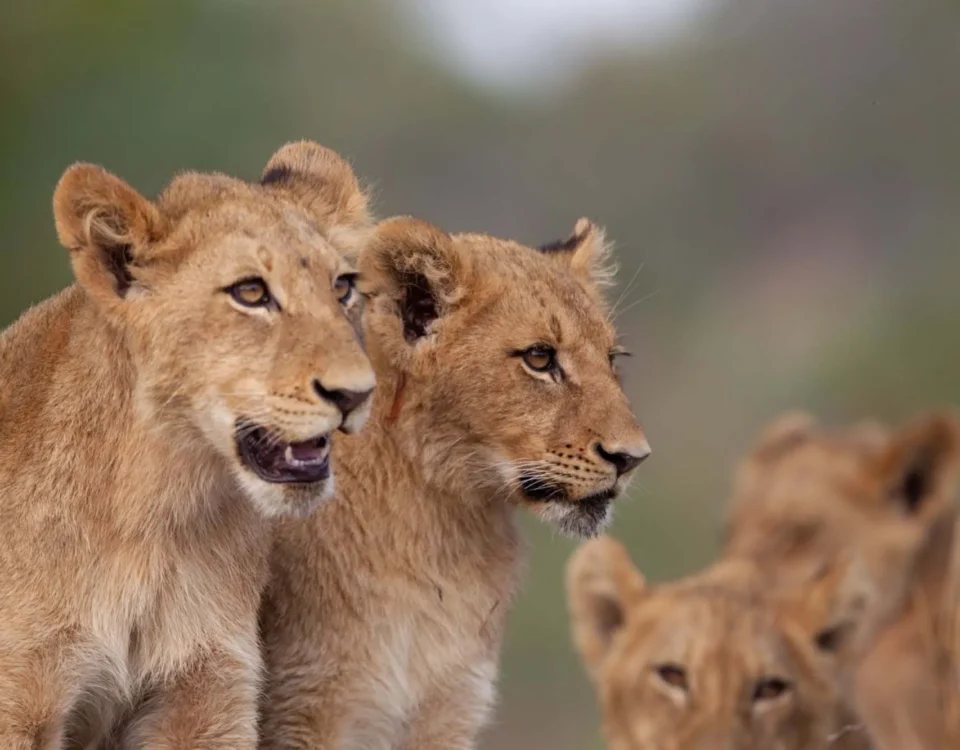
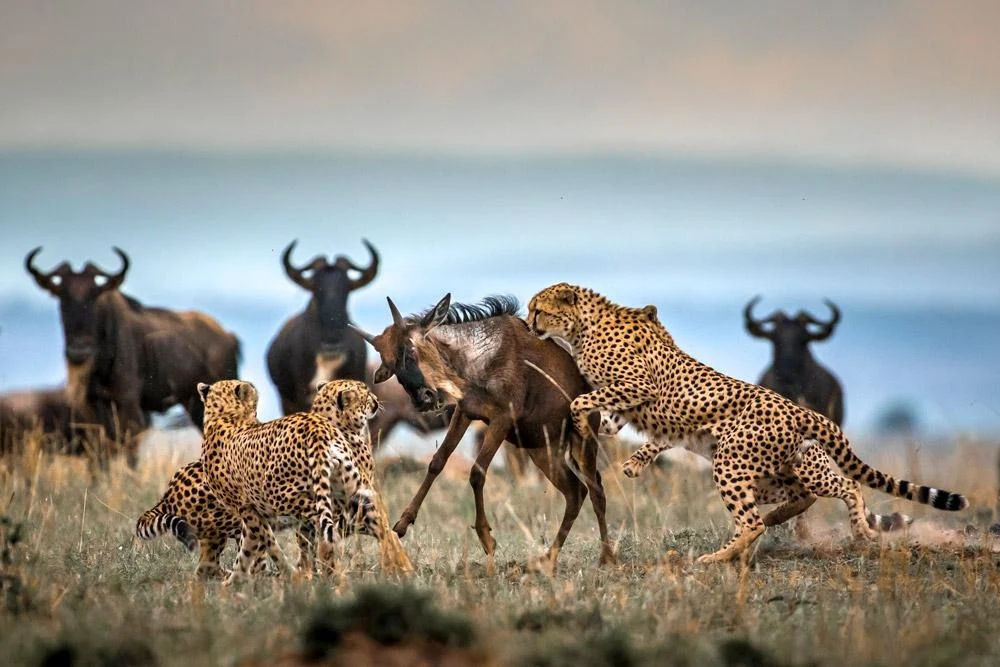
Lions, cheetahs, hyenas, and other predators inhabit these regions. Game drives can therefore provide varied predator and herbivore sightings.
The green landscape also supports excellent birdwatching. Migratory birds can join resident species across the ecosystem. Bird enthusiasts can therefore combine wildlife viewing with dedicated birdwatching.
Tanzania safari experiences during February can include flexible game-drive schedules. Early departures help travelers maximize cooler morning conditions. Afternoon drives provide additional opportunities for exploration.
March: Exploring the Green Serengeti
Fresh Grazing and Wildlife Encounters
March can continue the productive green-season experience. Herbivore herds remain around areas with suitable grazing. Their movement depends heavily on rainfall and grass conditions.
Travelers can expect diverse wildlife during game drives. Giraffes, elephants, buffaloes, lions, and numerous antelope species inhabit the ecosystem.
The landscape remains attractive for photographers and nature enthusiasts. Morning light can create beautiful scenes across the open plains. Rain clouds may also produce dramatic photographic compositions.
The Great Migration During Tanzania’s Green Season provides opportunities beyond migration viewing. Travelers can explore the broader Serengeti ecosystem during their stay.
A longer Tanzania wildlife tour can include several wildlife regions. This approach provides greater habitat diversity and broader wildlife opportunities.
April: A Quieter Green-Season Experience
Green Landscapes and Fewer Crowds
April usually falls within Tanzania’s wetter period. Rainfall can become more frequent during this month. Road conditions may also vary depending on rainfall intensity.
Nevertheless, the landscape can look spectacular. Fresh vegetation covers large areas of the Serengeti. Water sources become more accessible for many wildlife species.
Travelers seeking quieter experiences may appreciate this period. Some safari areas experience fewer visitors than peak seasons. Consequently, game drives can feel more relaxed.
The Great Migration During Tanzania’s Green Season remains valuable during April. Wildlife continues responding to changing grazing conditions. Resident animals remain available across the ecosystem.
Travelers should select experienced safari operators during wetter months. Good route planning helps manage changing road conditions. Appropriate accommodation choices can also improve the overall safari experience.

May: Following the Migration Northward
Changing Wildlife Movements
May often brings changes in the migration’s direction and distribution. Herds gradually move toward areas offering fresh grazing. The Western Corridor can become increasingly important.
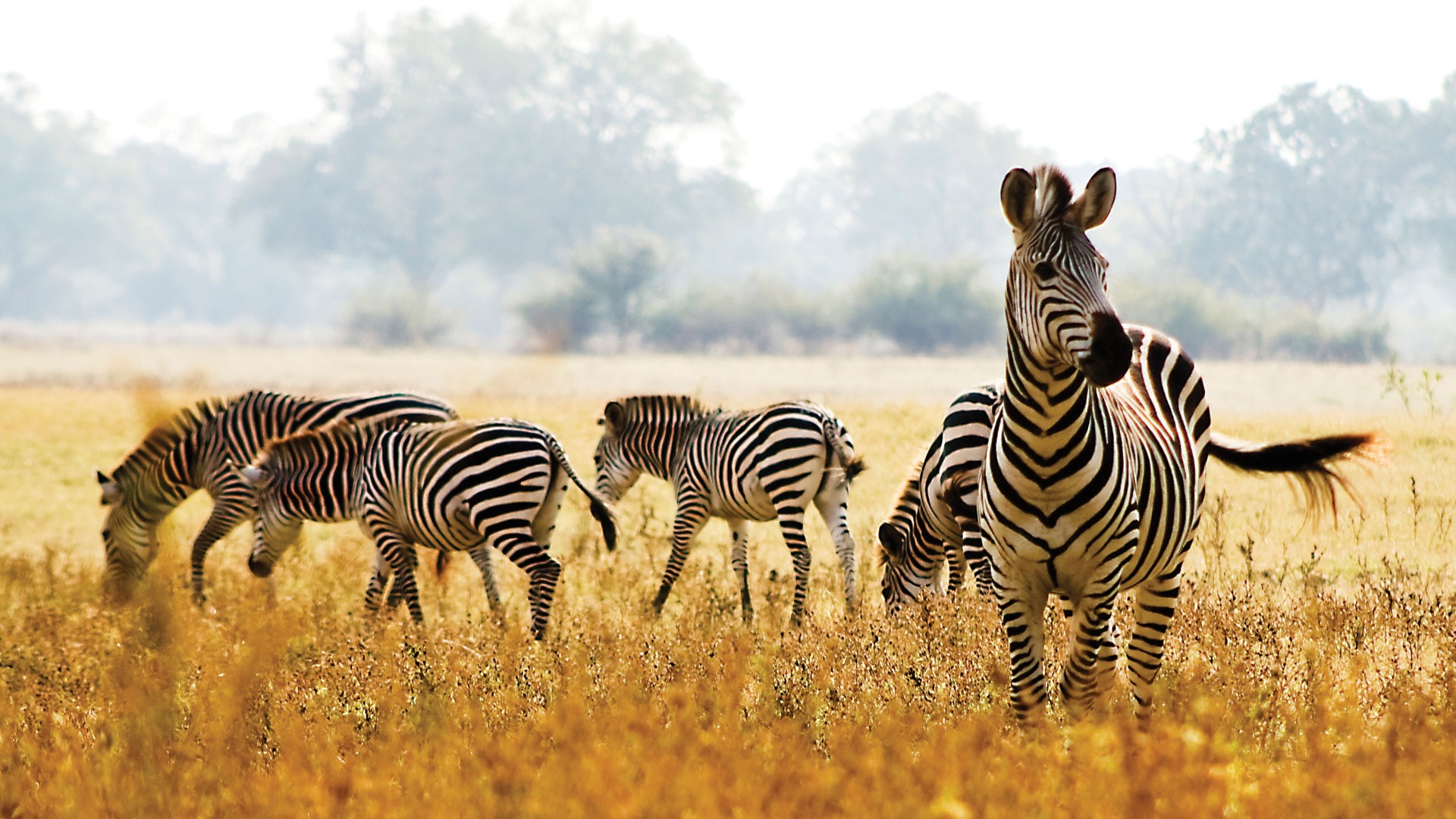
Zebras and wildebeest may travel together across the Serengeti. Predators continue tracking these large concentrations of prey.
A Tanzania adventure safari during this period can combine different destinations. Serengeti experiences can connect with Ngorongoro and Tarangire. Such combinations provide varied landscapes and wildlife environments.
Photography remains rewarding throughout the green season. The changing weather creates different moods across the plains.
The Great Migration During Tanzania’s Green Season therefore suits travelers seeking seasonal variety. Every day can bring different wildlife movements and changing scenery.
Cultural Experiences During a Green-Season Safari
Connecting With Maasai Communities
Wildlife forms the heart of The Great Migration During Tanzania’s Green Season. However, Tanzania offers much more than wildlife encounters.
Travelers can include respectful cultural visits during their safari. Maasai communities around northern Tanzania provide opportunities for cultural learning.
Visitors can learn about traditional pastoral lifestyles. Beadwork demonstrations can introduce travelers to local craftsmanship. Traditional dances can also provide engaging cultural experiences.
Community visits should support respectful and responsible tourism. Travelers should respect local customs and photography preferences. Buying locally produced crafts can also support community livelihoods.
Cultural experiences create a broader understanding of Tanzania. They connect visitors with people living around famous wildlife landscapes.
Visiting Local Markets and Villages
Authentic Community Experiences
Local markets can provide another cultural dimension. Travelers can discover handmade crafts, fabrics, artwork, and everyday products.
Village visits can also introduce local agricultural practices. Some communities combine livestock keeping with small-scale farming.
Food experiences offer another opportunity for cultural discovery. Travelers can sample traditional dishes where suitable arrangements exist.
These activities can complement Tanzania wildlife safaris without taking attention away from wildlife. A balanced itinerary gives travelers time for both nature and culture.
Choosing a Safari Lodge During the Green Season
Location Matters
Selecting the right safari lodge can significantly improve your experience. Accommodation should match the wildlife areas you plan to explore.
Southern Serengeti camps can provide convenient access during calving periods. Central Serengeti lodges can offer access to resident wildlife throughout the year.
Northern lodges become valuable during later migration movements. However, wildlife locations can change because nature controls the migration.
Travelers should therefore avoid choosing accommodation based only on a promised sighting. Instead, consider accessibility, comfort, guiding quality, and seasonal positioning.
Lodge-Based Cultural Experiences
More Than Accommodation
Some safari lodges can help arrange community experiences. These may include cultural visits, craft demonstrations, and local interactions.
Travelers can also learn about traditional foods and regional customs. Some properties support community projects through responsible tourism programs.
Nature walks can provide another educational experience where permitted. Guests can learn about plants, tracks, birds, and smaller wildlife.
Evenings at a safari lodge can offer opportunities for storytelling and stargazing. The absence of urban light creates remarkable nighttime skies.
The Great Migration During Tanzania’s Green Season becomes richer when accommodation supports these experiences.
Photography During The Great Migration
Why Green Landscapes Create Special Images
The green season creates excellent opportunities for wildlife photography. Fresh vegetation provides strong natural backgrounds.
Cloud formations can add drama to landscape photographs. Morning and evening light can also produce attractive wildlife images.
Photographers should carry suitable camera protection during rainfall. Waterproof bags can protect valuable equipment from sudden showers.
Patience remains essential during wildlife photography. Animals rarely follow predictable schedules. Good guides can help identify promising locations while respecting wildlife regulations.
The Great Migration During Tanzania’s Green Season can therefore appeal strongly to photographers. The combination of wildlife, greenery, clouds, and changing light creates diverse compositions.
Planning Your Tanzania Safari
Choose Your Travel Priorities
Every traveler has different expectations from a Tanzania safari. Some prioritize migration photography. Others prefer predators, birds, landscapes, or cultural experiences.
Families may require comfortable accommodation and flexible schedules. Photographers may need longer time at wildlife sightings. First-time visitors may prefer a broader northern Tanzania circuit.
Your itinerary should therefore reflect your priorities. Experienced safari planning can help balance driving time and wildlife activities.
A well-designed route can include Serengeti, Ngorongoro, and Tarangire. Travelers can also add cultural experiences where appropriate.
Responsible Tourism Matters
Protecting Tanzania’s Wildlife
Responsible tourism supports the long-term future of Tanzania’s ecosystems. Visitors should follow park regulations throughout their safari.
Wildlife should always receive adequate space during encounters. Guides should maintain responsible viewing distances where required.
Travelers should avoid feeding animals or leaving waste behind. Respect for local communities remains equally important.
Choosing responsible accommodation can also support conservation and communities. Tourism revenue can contribute to employment and local economic activity.
At Terenga Safaris, responsible travel remains an important part of safari planning. We encourage experiences that respect wildlife, people, and protected landscapes.
Safari Inclusions
- Airport transfers
- Private safari vehicle
- Professional safari guide
- Park entrance fees
- Game drives
- Safari accommodation
- Meals
- Drinking water
- Cultural experiences
- Conservation fees
- Government taxes
- Emergency assistance
Safari Exclusions
- International flights
- Tanzania visa
- Travel insurance
- Personal expenses
- Alcoholic beverages
- Laundry services
- Tips
- Souvenirs
- Optional activities
- Medical expenses
- Additional accommodation
Why Choose Terenga Safaris?
Experience Across East Africa
Terenga Safaris specializes in creating memorable African safari experiences. Our knowledge extends across several iconic East African destinations.
We understand the importance of seasonal planning and practical travel logistics. Every safari requires thoughtful consideration of accommodation and wildlife areas.
Our approach focuses on clear communication and realistic expectations. Travelers deserve accurate information before committing to their journey.
The Great Migration During Tanzania’s Green Season requires flexible planning. Wildlife follows natural conditions rather than fixed calendars.
Terenga Safaris can help travelers build journeys around their interests. Our itineraries can combine wildlife, landscapes, photography, and cultural experiences.
Great Migration
The Great Migration During Tanzania’s Green Season: Final Guide
The Great Migration During Tanzania’s Green Season provides an extraordinary safari experience. Green landscapes transform the Serengeti into a vibrant wildlife destination.
January and February can offer remarkable calving experiences. March continues strong wildlife viewing across the southern plains. April brings lush scenery and potentially quieter safari conditions.
May often sees migration movements progressing toward northern grazing areas. Meanwhile, the broader Serengeti ecosystem remains rich with resident wildlife.
The Great Migration During Tanzania’s Green Season also offers exceptional cultural opportunities. Maasai community visits can complement wildlife activities. Local markets and village experiences can deepen your understanding of Tanzania.
Travelers seeking Tanzania safaris can enjoy the destination beyond the traditional peak season. A Tanzania wildlife tour can combine migration viewing with broader ecosystem exploration.
For travelers seekingTanzania adventure safaris, the green season provides variety. Wildlife, culture, landscapes, photography, and conservation can form one memorable journey.
The Great Migration During Tanzania’s Green Season proves that safari planning should consider the entire ecosystem. Migration timing changes naturally each year.
Therefore, travelers should focus on seasonal patterns rather than guaranteed sightings. Experienced guides can adapt routes according to current wildlife conditions.
At Terenga Safaris, we create thoughtful journeys across Africa’s extraordinary destinations. Our goal remains to connect travelers with authentic wildlife and cultural experiences.
The Great Migration During Tanzania’s Green Season can become an unforgettable chapter in your African adventure.
Best Trending Tanzania Safari Holidays for 2027/2028
- 12-Day Tanzania Wildlife Safari
- 10-Day Tanzania Wildlife Safari & Zanzibar
- 10-Day Best Tanzania Honeymoon Luxury Safari and Zanzibar Beach Getaway
- 9-Day Ultimate Tanzania Wildlife Safari
- 9-Day Tanzania Adventure Safari
- 8-Day Tanzania Mid-Range Safari
- 8-Day Tanzania Northern Circuit Safari
- 7-Day Tanzania Wildlife Safari
- 7-Day Tanzania Wildlife Wonders Experience Tour
- 6-Day Majestic Tanzania Wildlife Luxury Safari
- 13-Day Tanzania Wildlife Tour & Zanzibar Beach Holiday
- 12-Day Tanzania Wildlife Safari Itinerary
- 11-Day Tanzania & Zanzibar Safari Adventure
- 11 Days Magical Kenya and Tanzania Safari
- 4-Day Tanzania Safari Extension Itinerary
- 5-Day Tanzania Safari Extension
- 9-Day Tanzania Wildlife Safari Adventure
- 7 Days Tanzania Safari Holiday
- 8 Days Tanzania Safari Holiday Itinerary