Why the Serengeti Great Migration Is Called the World’s Greatest Wildlife Show?
September 17, 2026
A Month-by-Month Guide to the Serengeti Migration
September 18, 2026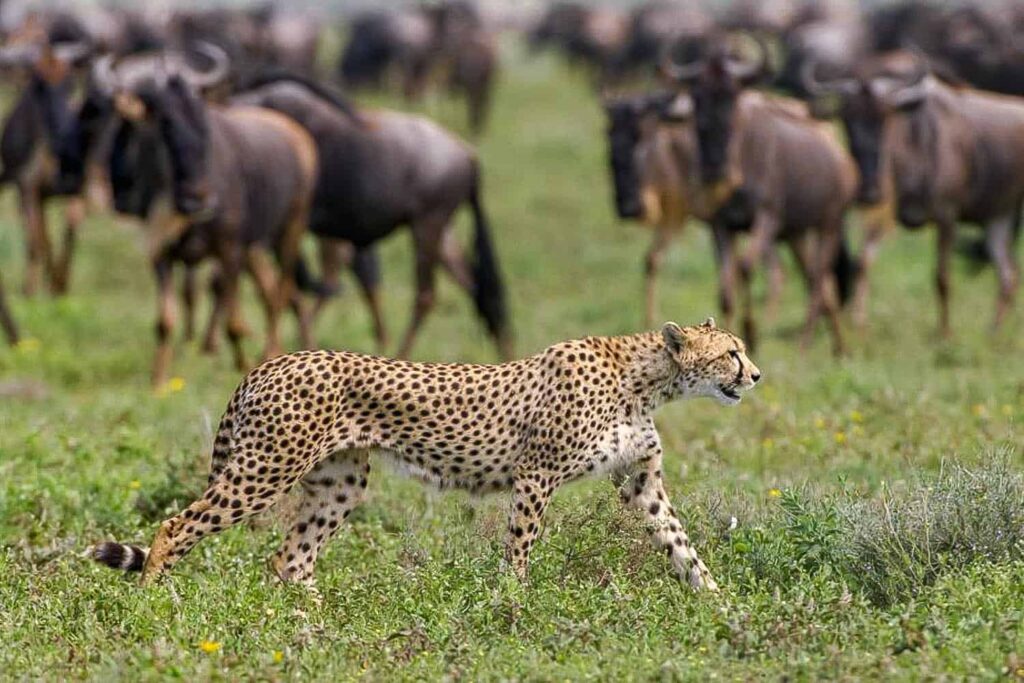
The Great Migration Cycle from January to December
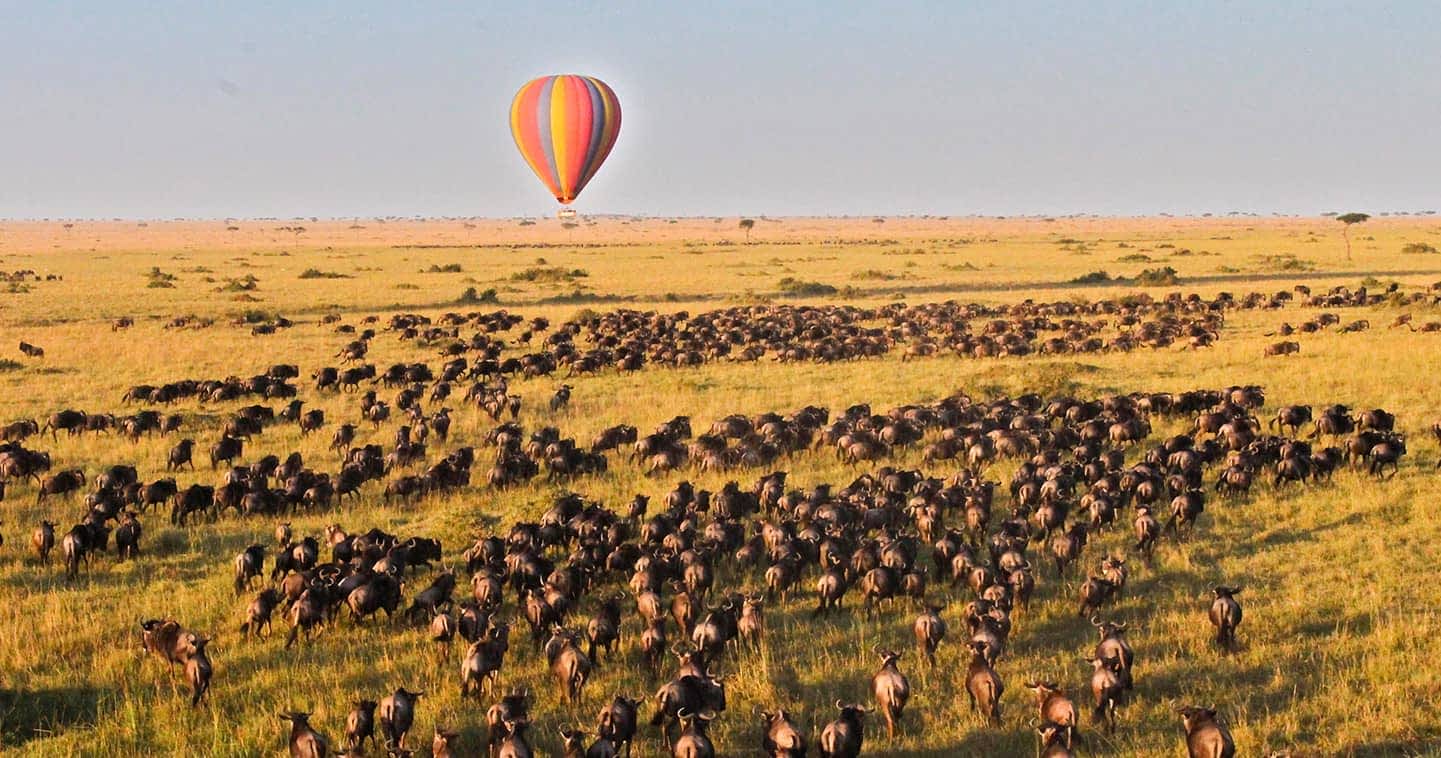
The Great Migration Cycle from January to December offers a fascinating journey through nature’s annual rhythms. Millions of wildebeest move across the Serengeti ecosystem each year.
Large herds travel alongside zebras and gazelles across northern Tanzania. Their movements follow rainfall, fresh grass, water, and changing environmental conditions.
The migration does not follow a perfectly fixed calendar. Rainfall patterns can shift animal movements between different months. Therefore, travelers should understand seasonal trends before planning their Tanzania safari.
January begins an important period in the southern Serengeti. Fresh grazing attracts large herds across the short-grass plains. The landscape also becomes an important calving area.
February and March continue this remarkable calving period. Thousands of young wildebeest enter the ecosystem during this season.
April and May bring greener landscapes and continued herd movement. The animals gradually begin moving toward areas with fresh grazing.
June often brings increasing movement toward the western Serengeti. July and August can provide opportunities for dramatic river crossings.
September and October may see herds moving through northern Serengeti areas. November and December often bring renewed movement toward the southern plains.
Understanding The Great Migration Cycle from January to December helps travelers choose experiences that match their interests.
January: The Great Migration Reaches the Southern Serengeti
Fresh Grass and Large Herds
January often finds large wildebeest herds across the southern Serengeti and surrounding plains. Seasonal rainfall creates fresh grazing opportunities.
The short grass provides important nutrition for pregnant wildebeest. Zebras and gazelles also benefit from the nutritious vegetation.
Travelers enjoying Tanzania wildlife safaris during January can encounter enormous herds. Game drives may reveal predators watching the grazing animals.
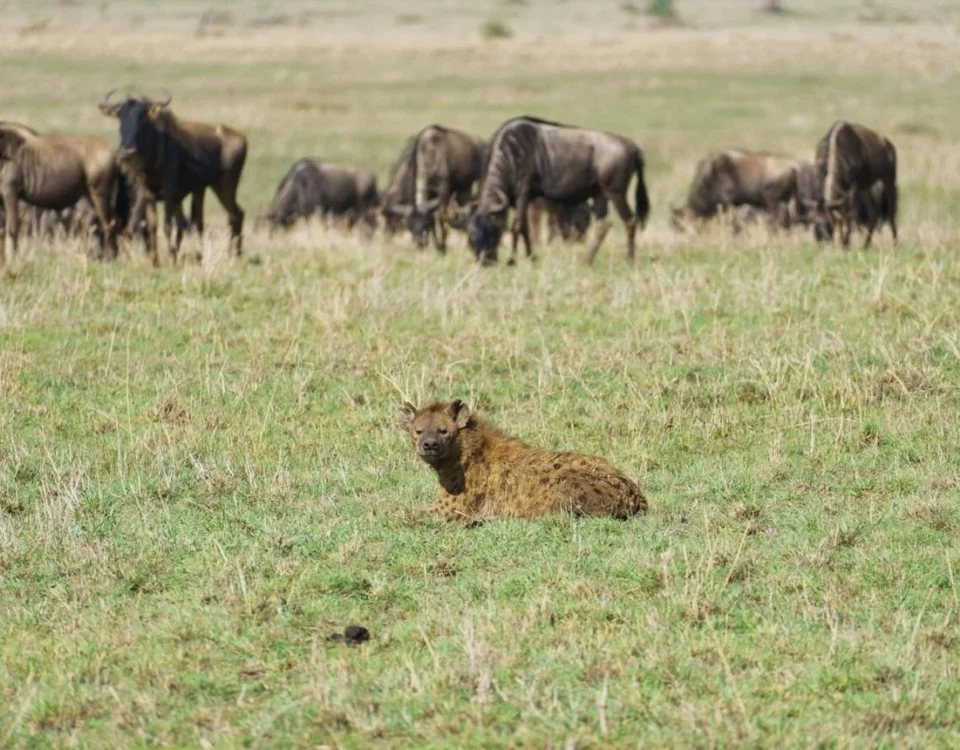
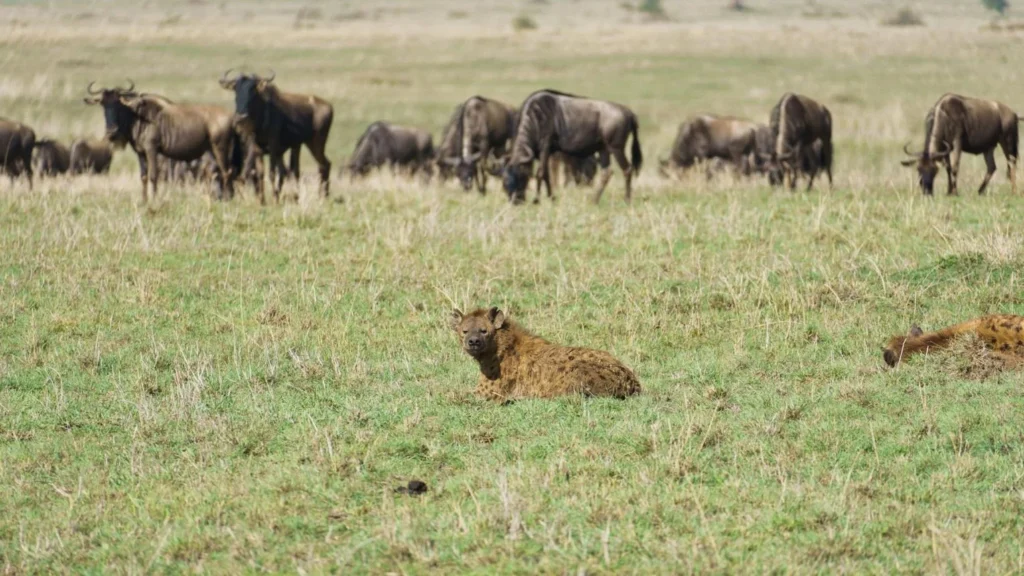
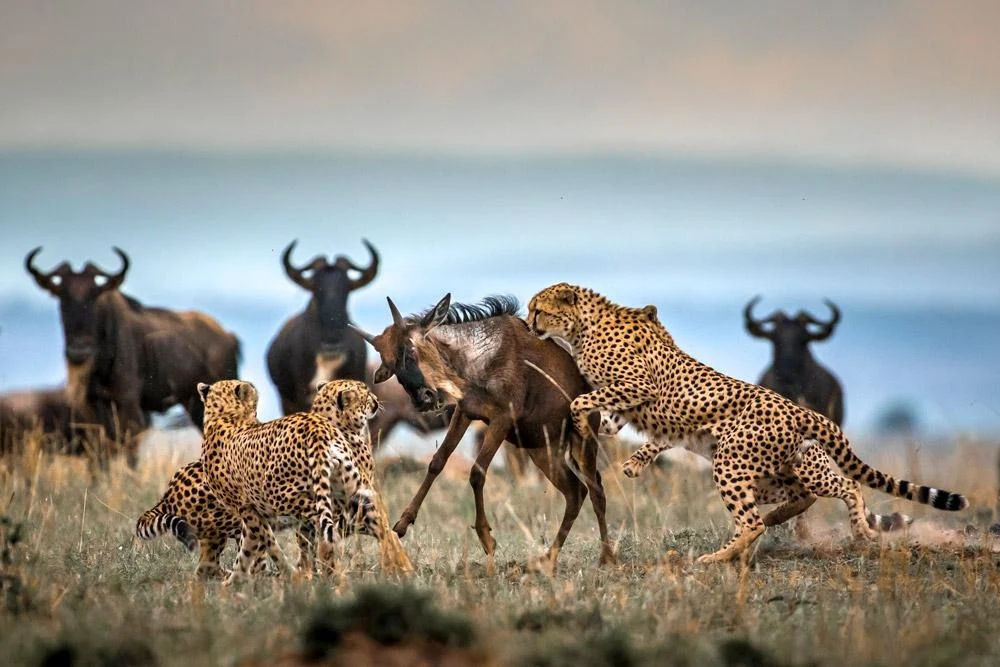
Lions, cheetahs, hyenas, and other predators remain active around the herds. Therefore, January provides excellent opportunities for predator and prey encounters.
The Great Migration Cycle from January to December begins with abundant grazing and growing anticipation.
February: Calving Season Begins
New Life Across the Plains
February represents one of the most exciting periods within the migration cycle. Large numbers of wildebeest calves arrive across the southern Serengeti.
Young animals remain vulnerable during their first days of life. Predators take advantage of this seasonal abundance.
Visitors can observe mothers caring for their young. They may also witness dramatic predator encounters during game drives.
The calving season provides an important lesson about survival. Every new birth contributes to the continuation of the migration.
A Tanzania safari during February can therefore provide exceptional wildlife viewing. Photographers also benefit from the abundance of animals and open landscapes.
March: Calving Continues
A Season of Wildlife Activity
March continues the calving season across the southern Serengeti. Large herds remain concentrated around areas with nutritious grass.
Young wildebeest become increasingly active. Mothers continue protecting their calves from predators.
Predators remain nearby throughout this period. Lions and cheetahs often patrol areas containing large concentrations of prey.
The landscape also supports many bird species. Migratory birds can add another dimension to Tanzania wildlife tours.
Therefore, The Great Migration Cycle from January to December provides extraordinary wildlife opportunities during March.

10-Day Tarangire, Serengeti to Ndutu Migration & Ngorongoro
April: The Herds Begin Moving
Changing Weather and Grazing
April often brings increased rainfall across parts of northern Tanzania. Green vegetation spreads across the landscape.
The herds gradually begin moving toward new grazing areas. Their movement can become less predictable during this period.
Travelers can still experience excellent wildlife viewing. The quieter season may also offer a more relaxed safari atmosphere.
Tanzania safaris during April can combine migration experiences with other national parks. Ngorongoro Conservation Area and Tarangire provide excellent additions.
May: Movement Toward the Western Serengeti
The Journey Continues
May often marks an important transition within the migration. Large herds move toward the western Serengeti and surrounding areas.
Long lines of wildebeest can stretch across open landscapes. Zebras and gazelles continue moving with the herds.
The journey demonstrates the importance of water and grazing. Animals must continually search for suitable feeding grounds.
Travelers should remain flexible during this period. Rainfall can influence exactly where the animals gather.
A Tanzania wildlife tour in May can therefore provide impressive landscapes and moving herds.
June: The Migration Gains Momentum
Gathering Along the Western Corridor
June often brings increasing movement through the western Serengeti. The dry season begins developing across some areas.
The herds gather around available grazing and water. Their movement creates large concentrations of wildlife.
This period can also provide excellent predator sightings. Lions and other predators follow areas with abundant prey.
Travelers can combine migration viewing with cultural experiences. Community visits can add depth to a Tanzania adventure safari.
July: River Crossing Season Approaches
Dramatic Wildlife Movements
July can bring some of the most anticipated migration experiences. Herds may move toward northern Serengeti areas.
River crossings can occur during this period. However, crossings remain unpredictable and depend on animal behavior.
The Grumeti and Mara river systems create important obstacles. Crocodiles also inhabit some river sections.
Patience becomes essential during river-crossing safaris. Travelers may wait for hours before herds decide to cross.
The Great Migration Cycle from January to December becomes particularly dramatic during this stage.
August: Northern Serengeti and the Mara River
One of Africa’s Most Dramatic Scenes
August often provides strong opportunities for northern Serengeti migration experiences. Large herds may approach the Mara River.
A river crossing can happen suddenly after long periods of waiting. Thousands of animals may then move rapidly through the water.
Strong currents and steep riverbanks create serious challenges. Crocodiles add another natural threat.
Responsible viewing remains essential during these encounters. Safari vehicles should follow park regulations and maintain appropriate distances.
Travelers seeking memorable Tanzania safaris often prioritize this period. However, nature always determines the exact timing.
September: Continued Northern Movement
Following Fresh Grazing
September can continue the northern Serengeti migration experience. Herds may remain around areas with suitable grazing.
Some animals cross between Tanzania and Kenya. The migration therefore extends across the wider Serengeti-Mara ecosystem.
Travelers can enjoy excellent wildlife viewing even without witnessing a river crossing. Large herds, predators, and resident wildlife remain abundant.
A Tanzania wildlife safari during September can also include cultural activities. Maasai community experiences provide valuable insight into regional traditions.
October: Gradual Movement South
The Return Journey Begins
October can mark the gradual southward movement of some herds. Changing rainfall patterns influence grazing conditions.
Animals begin searching for fresh vegetation in southern areas. The migration therefore starts another major stage.
The Serengeti remains productive for wildlife viewing. Resident predators and herbivores continue using the ecosystem throughout the year.
Travelers can combine northern and central Serengeti experiences. This creates a broader Tanzania wildlife tour.
November: Short Rains and Renewed Grazing
Following the Rainfall
November often brings short rains to parts of northern Tanzania. Fresh vegetation begins developing across the plains.
The herds respond to improving grazing conditions. Their movement gradually shifts toward southern Serengeti areas.
Rainfall can make some roads challenging. However, the greener landscapes create beautiful photography opportunities.
Tanzania adventure safaris during this period can provide a quieter experience. Visitors can also explore cultural activities around safari lodges.
December: Returning to the Southern Plains
Completing the Annual Cycle
December brings the migration closer to the southern Serengeti. Fresh grazing attracts large concentrations of wildebeest.
The annual cycle begins approaching its starting point. Soon, the southern plains will again prepare for the calving season.
This continuous movement demonstrates the remarkable resilience of wildlife. It also highlights the importance of protecting connected ecosystems.
Therefore, The Great Migration Cycle from January to December represents an ongoing natural process.
Serengeti
Cultural Experiences Around Serengeti Safari Lodges
Maasai Cultural Experiences
Travelers staying around the Serengeti can explore Maasai communities. Cultural activities may include traditional dancing and craft demonstrations.
Visitors can also learn about pastoral lifestyles and community traditions. Local guides can provide context during respectful community visits.
Traditional Food Experiences
Some cultural experiences include traditional food preparation. Visitors can discover local ingredients and cooking techniques.
These experiences add another dimension to Tanzania safari holidays. Food creates opportunities to connect with local culture.
Local Crafts and Community Tourism
Travelers can discover handmade beadwork and other traditional crafts. Purchasing directly from artisans can support local livelihoods.
Community tourism also provides opportunities to learn about local economic activities. Such experiences complement wildlife viewing.
Why Choose a Full-Year Migration Perspective?
Every Month Offers Something Different
The Great Migration Cycle from January to December shows why Tanzania remains a year-round safari destination.
January and February provide calving experiences. March continues the concentration of wildlife across southern plains.
April and May introduce changing landscapes and herd movements. June brings increasing activity toward western areas.
July, August, and September can provide northern migration experiences. October, November, and December bring the herds gradually southward.
Therefore, travelers can find meaningful experiences across different seasons.
Planning Your Tanzania Migration Safari
Choose Your Preferred Experience
Start by identifying the migration experience you want. Calving, river crossings, photography, and large herds require different planning approaches.
Your travel dates should guide the safari route. Experienced planners can adjust itineraries according to seasonal conditions.
Combine Wildlife and Culture
A complete Tanzania safari should include more than game drives. Cultural experiences can provide valuable connections with local communities.
You can combine the Serengeti with Ngorongoro and Tarangire. Zanzibar can also provide a relaxing coastal extension after your safari.
Select Suitable Accommodation
Choose accommodation according to your route and travel style. Permanent lodges provide comfortable bases across many areas.
Mobile camps can offer greater proximity to seasonal migration routes. Your safari planner can recommend options according to your itinerary.

5-Day Tanzania Best Wildlife Adventure
Safari Inclusions
- Airport transfers
- Private safari vehicle
- Professional safari guide
- Accommodation
- Meals
- Drinking water
- Game drives
- Park entrance fees
- Conservation fees
- Cultural experiences
- Community visits
- Applicable government taxes
- Selected activities
- Emergency assistance
Safari Exclusions
- International flights
- Visa fees
- Travel insurance
- Personal expenses
- Alcoholic beverages
- Laundry services
- Tips
- Souvenirs
- Optional activities
- Personal communication costs
- Medical expenses
- Additional accommodation
The Great Migration Cycle from January to December
The Great Migration Cycle from January to December provides a complete picture of one of Africa’s greatest natural spectacles.
Every month offers different opportunities. Calving dominates the early months, while northern movements become important later.
River crossings can create dramatic moments during the northern migration. However, wildlife movements remain unpredictable throughout the year.
The Serengeti also offers excellent resident wildlife beyond the migration. Therefore, your Tanzania wildlife safari can remain rewarding throughout the calendar.
At Terenga Africa Safaris and Travels Ltd, we understand the importance of seasonal safari planning. Our expertise helps travelers build practical itineraries around their preferred experiences.
Conclusion: The Great Migration Cycle from January to December
The Great Migration Cycle from January to December represents nature’s continuous search for food, water, safety, and new life.
The cycle begins around the southern plains and gradually moves across the Serengeti ecosystem. Eventually, the herds return toward the areas where the journey began.
For travelers, every season creates different opportunities. A well-planned Tanzania safari can reveal calving, predator encounters, massive herds, river crossings, and beautiful landscapes.
Tanzania wildlife safaris also provide opportunities for cultural discovery. Community visits, traditional food, crafts, and local interactions can enrich the journey.
Meanwhile, Tanzania adventure safaris can combine the Serengeti with Ngorongoro, Tarangire, Kilimanjaro, or Zanzibar.
At Terenga Africa Safaris and Travels Ltd, we create carefully planned journeys across Tanzania and East Africa. We combine local expertise, professional guiding, comfortable travel, and responsible tourism.
The Great Migration Cycle from January to December deserves more than a single visit. Experience its changing seasons and discover the living rhythm of wild Africa.
Best Trending Tanzania Safari Holidays for 2027/2028
- 12-Day Tanzania Wildlife Safari
- 10-Day Tanzania Wildlife Safari & Zanzibar
- 10-Day Best Tanzania Honeymoon Luxury Safari and Zanzibar Beach Getaway
- 9-Day Ultimate Tanzania Wildlife Safari
- 9-Day Tanzania Adventure Safari
- 8-Day Tanzania Mid-Range Safari
- 8-Day Tanzania Northern Circuit Safari
- 7-Day Tanzania Wildlife Safari
- 7-Day Tanzania Wildlife Wonders Experience Tour
- 6-Day Majestic Tanzania Wildlife Luxury Safari
- 13-Day Tanzania Wildlife Tour & Zanzibar Beach Holiday
- 12-Day Tanzania Wildlife Safari Itinerary
- 11-Day Tanzania & Zanzibar Safari Adventure
- 11 Days Magical Kenya and Tanzania Safari
- 4-Day Tanzania Safari Extension Itinerary
- 5-Day Tanzania Safari Extension
- 9-Day Tanzania Wildlife Safari Adventure
- 7 Days Tanzania Safari Holiday
- 8 Days Tanzania Safari Holiday Itinerary