Why the Serengeti Great Migration Is One of Africa’s Greatest Wildlife Events?
August 29, 2026
How Far Do Wildebeest Travel During the Great Migration?
August 30, 2026
The Annual Journey of Wildebeest Across Tanzania and Kenya
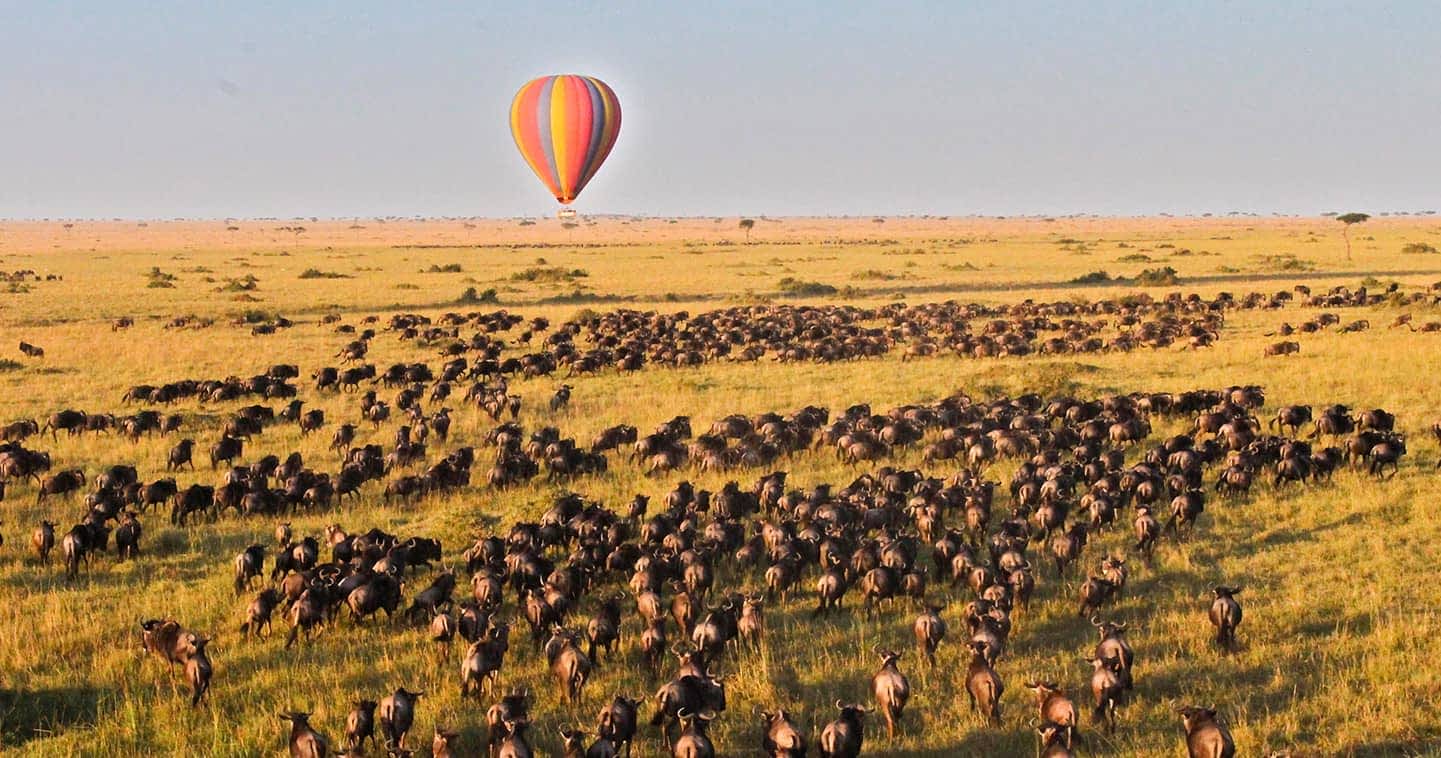
The Annual Journey of Wildebeest Across Tanzania and Kenya stands among the most extraordinary wildlife experiences on Earth. Every year, vast herds move across the Serengeti-Mara ecosystem in search of fresh grass and water.
This incredible movement involves over a million wildebeest. Large numbers of zebras and gazelles also travel alongside them. Together, these animals create one of Africa’s greatest natural spectacles.
A Tanzania safari offers travelers an opportunity to witness this remarkable journey within spectacular wilderness landscapes. The experience combines dramatic wildlife encounters, beautiful scenery, fascinating cultures, and meaningful conservation experiences.
Moreover, Tanzania safaris provide different migration experiences throughout the year. Travelers can witness the calving season, long-distance movements, predator encounters, and famous river crossings.
The journey does not follow a simple calendar. Rainfall patterns, grazing conditions, and water availability influence the movement of the herds. Therefore, every Tanzania wildlife tour offers its own unique story.
For global travelers, this natural event represents the true power of the African wilderness. It demonstrates survival, adaptation, and the strong connection between wildlife and the environment.
At Terenga Africa Safaris and Travels Ltd, we create carefully planned Tanzania wildlife safaris that bring travelers closer to Africa’s greatest natural experiences.
Most Popular Tanzania Safari Holidays for 2027/2028
- 12-Day Tanzania Wildlife Safari
- 10-Day Tanzania Wildlife Safari & Zanzibar
- 10-Day Best Tanzania Honeymoon Luxury Safari and Zanzibar Beach Getaway
- 9-Day Ultimate Tanzania Wildlife Safari
- 9-Day Tanzania Adventure Safari
- 8-Day Tanzania Mid-Range Safari
- 8-Day Tanzania Northern Circuit Safari
- 7-Day Tanzania Wildlife Safari
- 7-Day Tanzania Wildlife Wonders Experience Tour
- 6-Day Majestic Tanzania Wildlife Luxury Safari
- 13-Day Tanzania Wildlife Tour & Zanzibar Beach Holiday
- 12-Day Tanzania Wildlife Safari Itinerary
- 11-Day Tanzania & Zanzibar Safari Adventure
- 11 Days Magical Kenya and Tanzania Safari
- 4-Day Tanzania Safari Extension Itinerary
- 5-Day Tanzania Safari Extension
- 9-Day Tanzania Wildlife Safari Adventure
- 7 Days Tanzania Safari Holiday
- 8 Days Tanzania Safari Holiday Itinerary
Kenya National Parks
The Annual Journey of Wildebeest Across Tanzania and Kenya: Understanding the Great Migration
The Annual Journey of Wildebeest Across Tanzania and Kenya forms part of the famous Great Migration. This continuous wildlife movement takes place across Tanzania’s Serengeti and Kenya’s Maasai Mara ecosystems.
The journey mainly follows seasonal rainfall. Wildebeest move toward areas where fresh grass provides better feeding opportunities. Their survival depends on their ability to follow changing environmental conditions.
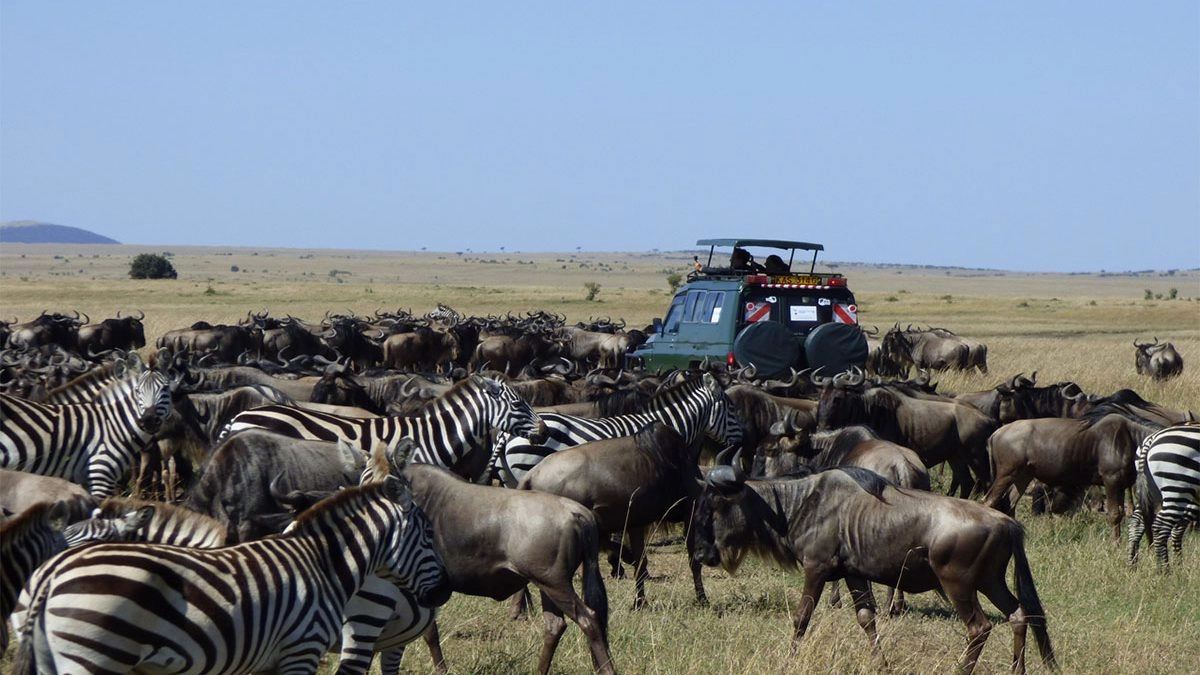
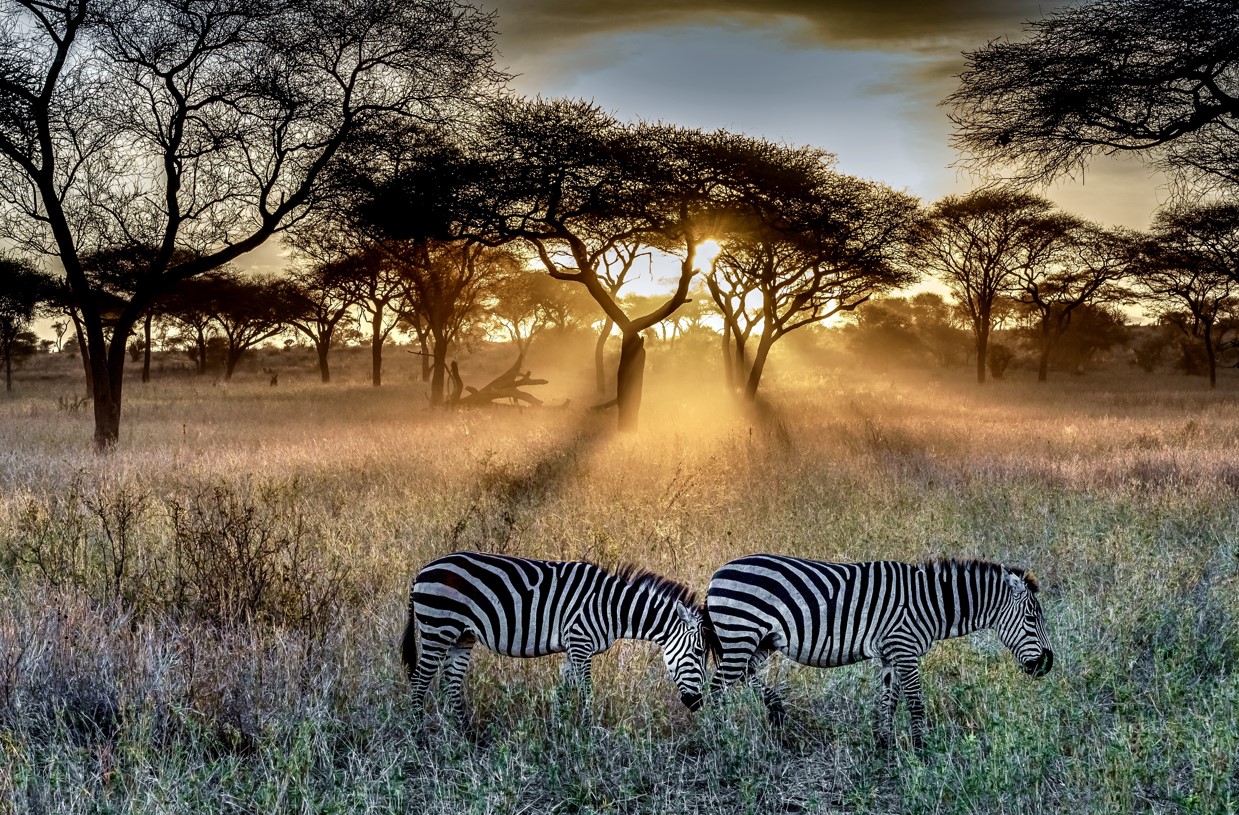
Zebras often travel with the wildebeest herds. Gazelles also join the movement across different sections of the ecosystem. Each species uses the grasslands differently.
Consequently, the combined herds can use available resources more effectively. This relationship creates one of the world’s most successful natural wildlife systems.
A Tanzania safari allows visitors to experience this movement within vast and beautiful landscapes. The Serengeti offers endless plains, rocky kopjes, rivers, woodlands, and open savannah.
However, the migration remains unpredictable. Wildlife follows nature rather than human schedules. Rain can change grazing conditions and influence the direction of movement.
This unpredictability makes Tanzania adventure safaris exciting. Every game drive can reveal a completely different wildlife experience.
The Southern Serengeti: Where New Life Begins
The southern Serengeti plays an important role in The Annual Journey of Wildebeest Across Tanzania and Kenya. The region provides nutrient-rich grasslands during important stages of the migration.
The calving season usually creates one of the most exciting wildlife experiences. Large numbers of wildebeest give birth across the open plains.
Newborn calves quickly learn to stand and follow their mothers. Their early development becomes essential for survival during the long journey ahead.
Furthermore, the arrival of young animals attracts predators. Lions, cheetahs, leopards, and hyenas become more active around vulnerable herds.
This period creates exceptional opportunities for Tanzania wildlife safaris. Travelers can observe the natural cycle of life across wide open landscapes.
The southern plains also provide excellent photographic opportunities. Green grasslands often stretch toward distant horizons during favorable rainy conditions.
A Tanzania wildlife tour during this period offers more than dramatic animal encounters. Visitors can understand the importance of seasonal rainfall and healthy grasslands.
Therefore, the calving season remains one of the most rewarding periods for wildlife enthusiasts.
The Annual Journey of Wildebeest Across Tanzania and Kenya and the Search for Fresh Grass
The movement of wildebeest follows one essential goal: survival. Fresh grass and water guide the herds across the vast Serengeti-Mara ecosystem.
Rainfall creates new grazing opportunities in different locations. Wildebeest use their natural instincts to move toward favorable feeding areas.
Their journey demonstrates a powerful connection between wildlife and climate. Changes in rainfall can influence the timing and direction of migration.
Therefore, Tanzania safaris require flexible planning. Experienced safari specialists monitor seasonal wildlife movements and regional conditions.
The herds do not travel along one perfectly fixed route. Instead, their movements respond to changing environmental conditions.
This natural flexibility makes every Tanzania safari different. Travelers may encounter enormous herds in locations that change from one season to another.
Moreover, zebras and wildebeest benefit from traveling together. Zebras often feed on taller grasses while wildebeest prefer shorter vegetation.
This combination helps different species use the same landscape effectively. It also creates spectacular scenes across the African savannah.
The migration proves that nature operates through remarkable connections and constant adaptation.
Central Serengeti: Wildlife Along the Migration Route
Central Serengeti remains an important destination during The Annual Journey of Wildebeest Across Tanzania and Kenya. The region offers excellent wildlife viewing throughout much of the year.
The Seronera area supports diverse wildlife because of its rivers and permanent water sources. Animals remain in the region even when migration herds move elsewhere.
Lions frequently inhabit the central Serengeti. Leopards often rest in trees near river systems. Cheetahs search the open plains for suitable hunting opportunities.
Therefore, Tanzania wildlife safaris often include this region. Visitors can enjoy exceptional game viewing beyond the migration itself.
The central Serengeti also provides excellent accommodation options. Safari camps and lodges allow travelers to stay close to important wildlife areas.
A well-planned Tanzania safari can combine migration viewing with Big Five experiences. This combination creates a diverse and rewarding African adventure.
Moreover, the landscapes provide outstanding photography opportunities. Golden grasslands, acacia trees, and dramatic skies create beautiful natural scenes.
Central Serengeti demonstrates why the entire ecosystem remains valuable. The migration represents one attraction within a much larger wildlife paradise.
The Annual Journey of Wildebeest Across Tanzania and Kenya Through the Western Corridor
The western corridor forms another important chapter in the migration cycle. Wildebeest often move through this region as grazing conditions change.
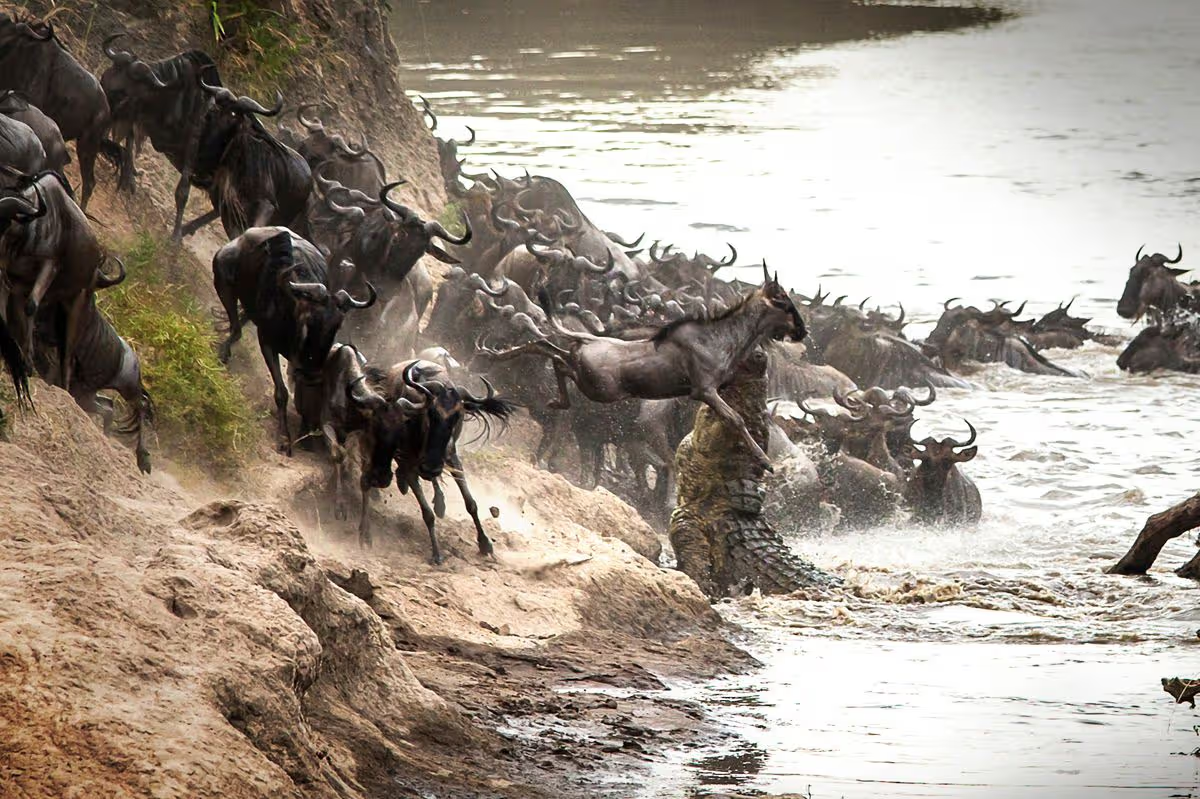
This part of The Annual Journey of Wildebeest Across Tanzania and Kenya can include dramatic river crossings. The Grumeti River creates a major obstacle for moving herds.
Wildebeest gather along riverbanks before entering the water. Some animals hesitate while others begin the crossing.
Suddenly, movement can become intense. Large numbers of animals may rush into the river together.
Crocodiles inhabit parts of the river system. Their presence adds another level of danger to the journey.
However, river crossings remain unpredictable. Travelers should understand that wildlife events cannot follow guaranteed schedules.
This uncertainty creates excitement during Tanzania adventure safaris. Patient visitors often enjoy the complete safari experience rather than focusing on one moment.
The western corridor also offers beautiful landscapes and excellent wildlife encounters. Elephants, giraffes, antelopes, and predators inhabit different areas.
Therefore, this region provides much more than migration crossings.
Northern Serengeti: The Journey Toward Kenya
Northern Serengeti becomes especially important as the herds approach the Kenyan border. The landscape offers remote wilderness and spectacular wildlife experiences.
The famous Mara River creates one of the migration’s greatest challenges. Wildebeest must cross dangerous waters during their seasonal movement.
These crossings represent some of Africa’s most dramatic wildlife scenes. Thousands of animals may gather along the riverbanks.
Nevertheless, the animals decide when to cross. Guides and travelers must wait patiently for nature to create the moment.
A Tanzania wildlife tour in the northern Serengeti can provide incredible opportunities for photography. The region also offers a quieter safari atmosphere.
Furthermore, visitors can enjoy beautiful landscapes with fewer vehicles than some popular safari areas.
After crossing into Kenya, many herds continue toward the Maasai Mara ecosystem. Their journey demonstrates the importance of protecting wildlife across international boundaries.
The migration does not recognize political borders. Animals follow ancient routes that connect Tanzania and Kenya.
This reality makes international conservation cooperation extremely important.
Great Migration
The Annual Journey of Wildebeest Across Tanzania and Kenya in the Maasai Mara
The Maasai Mara provides seasonal grazing opportunities for many migration herds. Its grasslands become an important part of the larger Serengeti-Mara ecosystem.
The Annual Journey of Wildebeest Across Tanzania and Kenya reaches another exciting stage when animals move through this famous Kenyan wilderness.
The Maasai Mara offers excellent opportunities to observe wildebeest, zebras, lions, elephants, and many other species.
Predators follow the large concentrations of herbivores. Lions often hunt near migration routes. Cheetahs search open areas for vulnerable prey.
Hyenas also play an important ecological role throughout the ecosystem.
A Tanzania safari can combine with Kenya for travelers seeking a cross-border East African wildlife adventure. Such journeys provide a broader understanding of the migration ecosystem.
However, the Serengeti and Maasai Mara offer different landscapes and safari experiences.
Travelers should allow enough time to enjoy each destination. Rushing between parks can reduce the quality of wildlife viewing.
A carefully designed itinerary creates a more comfortable and rewarding experience.
The Return Journey to Tanzania
The migration remains a continuous cycle rather than a single journey. After spending time in northern grazing areas, the herds eventually begin moving south again.
Seasonal rainfall influences the direction of the return journey. Wildebeest follow fresh grazing opportunities back toward Tanzania’s southern plains.
This movement completes another important stage of The Annual Journey of Wildebeest Across Tanzania and Kenya.
Travelers often imagine the migration as one straight movement north. In reality, the animals follow a circular and flexible pattern.
Their journey constantly responds to environmental conditions. Rainfall can create fresh grass in unexpected locations.
Therefore, Tanzania wildlife safaris can offer migration experiences during many different months.
The return journey also provides beautiful wildlife viewing opportunities. Herds move through open landscapes while predators remain active nearby.
Every stage tells a different story about survival and adaptation.
The migration continues because the ecosystem provides connected landscapes. Protecting these landscapes remains essential for the future of African wildlife.
The Annual Journey of Wildebeest Across Tanzania and Kenya and Predator Encounters
Predators form an essential part of the migration ecosystem. Their presence creates some of the most memorable moments during Tanzania wildlife safaris.
Lions remain among the Serengeti’s most recognizable predators. Large prides inhabit several areas across the ecosystem.
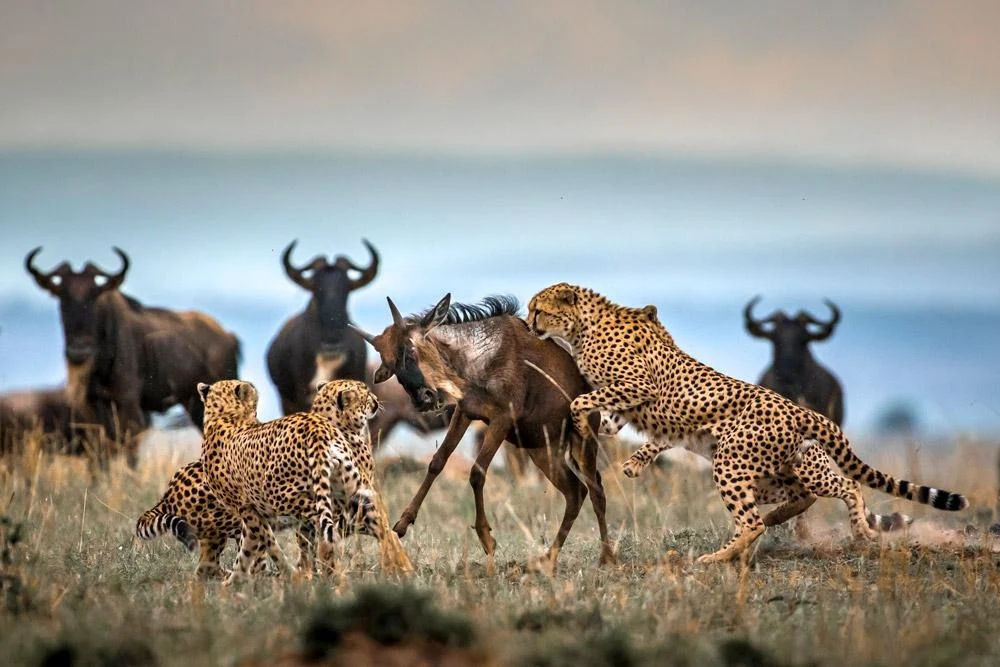
Cheetahs use open grasslands to hunt with remarkable speed. Their presence creates exciting encounters for wildlife photographers.
Leopards prefer more private environments. Riverine forests and large trees provide excellent locations for these secretive cats.
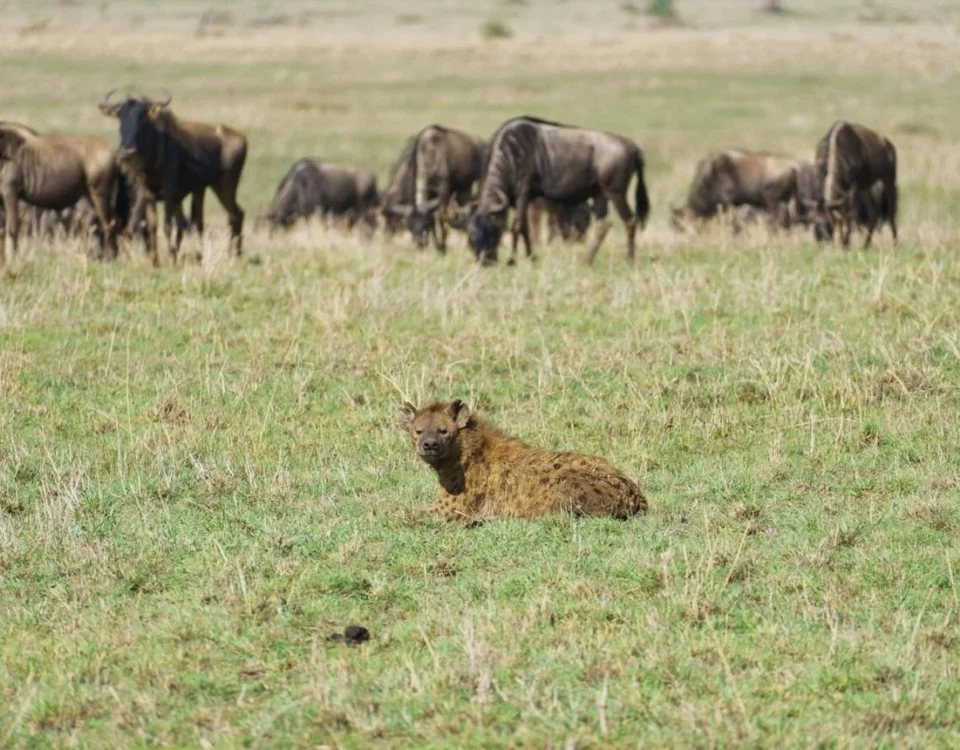
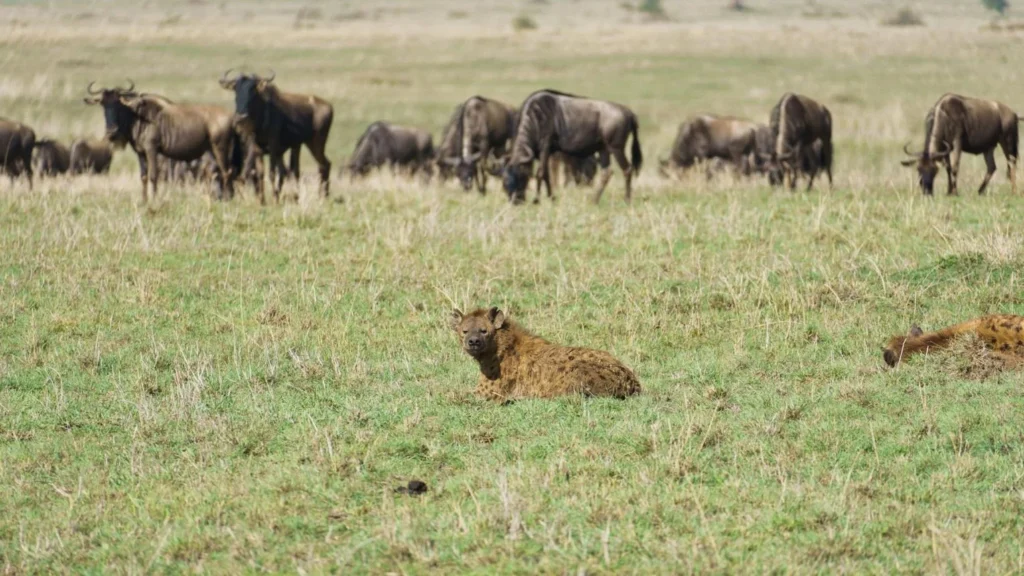
Spotted hyenas also thrive throughout the Serengeti ecosystem. They hunt actively and compete with other predators.
The migration provides seasonal concentrations of prey. Consequently, predator activity can become particularly exciting around large herds.
However, wildlife viewing should always remain respectful. Professional guides maintain safe distances and follow park regulations.
Responsible Tanzania adventure safaris protect animals while allowing travelers to enjoy authentic encounters.
Predator viewing adds depth to the migration experience. Visitors see the complete ecosystem rather than only the moving herds.
The Cultural Experiences Around Serengeti Safari Lodges
A Tanzania safari offers important cultural opportunities alongside wildlife experiences. Communities around the greater Serengeti region have strong connections with the land.
Maasai cultural experiences remain popular for travelers visiting Tanzania. Guests can visit selected communities through respectful and organized programs.
Visitors can learn about traditional homes and community life. Cultural hosts may demonstrate traditional dances and celebrations.
Travelers can also explore local crafts and handmade products. Beadwork provides an important artistic expression within Maasai culture.
Additionally, guests may learn about traditional clothing and cultural practices. Responsible cultural tourism creates opportunities for meaningful exchange.
Some safari lodges and camps work with nearby communities. These partnerships can support local employment and community projects.
Travelers can also visit local markets in selected areas. Markets provide opportunities to experience everyday life and discover locally produced goods.
A Tanzania wildlife tour becomes richer when travelers understand both wildlife and people. Africa’s tourism experiences should celebrate nature and cultural heritage together.
Respect remains essential during every community visit. Travelers should follow local guidance and ask permission before taking personal photographs.
The Annual Journey of Wildebeest Across Tanzania and Kenya and Wildlife Conservation
Conservation protects the future of The Annual Journey of Wildebeest Across Tanzania and Kenya. The migration depends on large and connected natural landscapes.
Wildebeest need access to grazing areas throughout the ecosystem. They also require open migration routes between important habitats.
Human development can create challenges for wildlife movement. Roads, settlements, and other activities may affect important corridors.
Therefore, conservation requires long-term planning and international cooperation.
Tanzania and Kenya share responsibility for protecting this extraordinary ecosystem. Wildlife moves across borders without recognizing national boundaries.
Responsible tourism can also support conservation goals. Park fees and tourism activities contribute to wildlife protection and local economies.
Travelers should choose responsible Tanzania safaris that respect wildlife and communities.
Professional guides help reduce unnecessary disturbance. Safari operators should follow established park regulations and environmental standards.
Eco-conscious accommodation can also reduce environmental impacts. Responsible camps may support waste management, energy conservation, and community partnerships.
Every responsible traveler can contribute positively to conservation through thoughtful choices.
Why the Migration Creates an Exceptional Photography Experience
Wildlife photographers find endless opportunities during the migration. The scale of the landscapes creates powerful images.
Early mornings provide beautiful light across the Serengeti plains. Wildlife also becomes active during cooler hours.
Golden sunsets create another unforgettable photography opportunity. The African sky often adds dramatic colors to wildlife scenes.
A Tanzania safari can provide photographs of enormous wildebeest herds stretching toward the horizon.
Photographers can also capture zebras, elephants, giraffes, lions, and birds. The diversity of the Serengeti makes every game drive exciting.
Dust can create dramatic images during large wildlife movements. River crossings may produce powerful action photographs.
However, responsible photography always comes first. Visitors should never pressure guides to disturb animals for better images.
Respectful observation protects wildlife and creates more authentic experiences.
A Tanzania wildlife tour can therefore offer both professional and beginner photographers exceptional opportunities.
The best photographs often come from patience, preparation, and respect for nature.
The Annual Journey of Wildebeest Across Tanzania and Kenya: Choosing the Best Safari Experience
Planning a successful Tanzania safari begins with understanding personal travel interests. Different migration stages provide different experiences.
Some travelers prefer the calving season in southern Tanzania. Others dream of witnessing famous river crossings in northern areas.
Wildlife enthusiasts may focus on predator activity. Photographers may prefer dramatic landscapes and large herds.
Therefore, safari planning should match individual expectations. There is no single perfect month for every traveler.
A professional safari company can help travelers choose suitable destinations and accommodation locations.
However, responsible planning should always acknowledge nature’s unpredictability. No company can guarantee an exact river crossing or predator encounter.
Travelers should focus on enjoying the complete experience. The Serengeti offers extraordinary wildlife beyond the migration.
Elephants, lions, leopards, buffaloes, and rhinos create additional safari opportunities.
Combining Serengeti with Ngorongoro Conservation Area can create a diverse Tanzania wildlife tour.
Tarangire National Park also offers exceptional elephant experiences and beautiful landscapes.
Well-planned Tanzania adventure safaris allow travelers to experience several different ecosystems.
Why The Annual Journey of Wildebeest Across Tanzania and Kenya Inspires the World
The Annual Journey of Wildebeest Across Tanzania and Kenya inspires people because it represents nature at its most powerful.
Millions of animals follow ancient instincts across landscapes that have supported wildlife for generations.
The journey demonstrates courage, survival, and remarkable adaptation. Every animal faces challenges throughout the migration.
Predators create danger. Rivers create obstacles. Changing weather influences the availability of food and water.
Despite these challenges, the migration continues.
This natural event reminds travelers that wilderness still exists on a remarkable scale. The Serengeti-Mara ecosystem remains one of the world’s greatest wildlife treasures.
A Tanzania safari allows visitors to experience this natural wonder directly.
Travelers return home with more than photographs. They carry memories of endless plains, wildlife sounds, and extraordinary natural moments.
The migration can also create a deeper appreciation for conservation. Visitors understand why protecting Africa’s wilderness matters.
Therefore, responsible Tanzania wildlife safaris can create meaningful connections between travelers and nature.
The Annual Journey of Wildebeest Across Tanzania and Kenya with Terenga Africa Safaris and Travels Ltd
At Terenga Africa Safaris and Travels Ltd, we believe that African travel should deliver authentic, meaningful, and unforgettable experiences.
The Annual Journey of Wildebeest Across Tanzania and Kenya offers one of the finest opportunities to discover the true spirit of East African wilderness.
We carefully design Tanzania safaris around wildlife interests, travel preferences, comfort, and available time.
Our approach focuses on professional planning and authentic safari experiences. We understand that every traveler seeks something different.
Some guests want to follow migration herds. Others want exceptional predator viewing and photography opportunities.
Many travelers also want cultural experiences alongside wildlife adventures.
Our Tanzania wildlife safaris can connect visitors with the Serengeti’s incredible landscapes and diverse ecosystems.
We also promote responsible tourism practices that respect wildlife, local communities, and Africa’s natural heritage.
A Tanzania safari should create memories while supporting the protection of extraordinary destinations.
The Annual Journey of Wildebeest Across Tanzania and Kenya remains one of the greatest natural experiences available to global travelers.
Its beauty cannot be fully understood through photographs alone. The vast herds, dramatic landscapes, and sounds of wildlife create an experience beyond imagination.
Join Terenga Africa Safaris and Travels Ltd and discover the remarkable wilderness of Tanzania and Kenya through a carefully planned African adventure.
Safari Inclusions
- Airport transfers
- Professional safari guide
- Private or shared safari vehicle
- Accommodation
- Meals as specified
- Game drives
- Park entry fees
- Drinking water during safari activities
- Government taxes where applicable
- Cultural experiences included in the itinerary
Safari Exclusions
- International flights
- Visa fees
- Travel insurance
- Alcoholic drinks
- Tips and gratuities
- Personal expenses
- Optional activities
- Laundry services
- Personal shopping
- Items not listed under safari inclusions
Final Thoughts: The Annual Journey of Wildebeest Across Tanzania and Kenya
The Annual Journey of Wildebeest Across Tanzania and Kenya remains one of the world’s greatest wildlife spectacles. Its story involves survival, movement, predators, landscapes, and changing seasons.
The journey connects two remarkable African countries through one shared ecosystem. Tanzania provides the vast Serengeti plains, while Kenya offers important seasonal grazing areas.
Together, these landscapes support an extraordinary natural cycle.
For travelers seeking meaningful wildlife experiences, Tanzania safaris offer exceptional opportunities throughout the year.
Whether you dream of calving season, predator encounters, river crossings, or endless plains, the Serengeti delivers unforgettable adventures.
The Annual Journey of Wildebeest Across Tanzania and Kenya continues to inspire travelers from every part of the world.
Experience this remarkable natural wonder with Terenga Africa Safaris and Travels Ltd. Discover Africa through professional planning, authentic experiences, responsible tourism, and unforgettable wildlife adventures.