How Climate Changes Affect the Great Migration?
September 7, 2026
The Importance of Fresh Grass to Migrating Wildebeest
September 11, 2026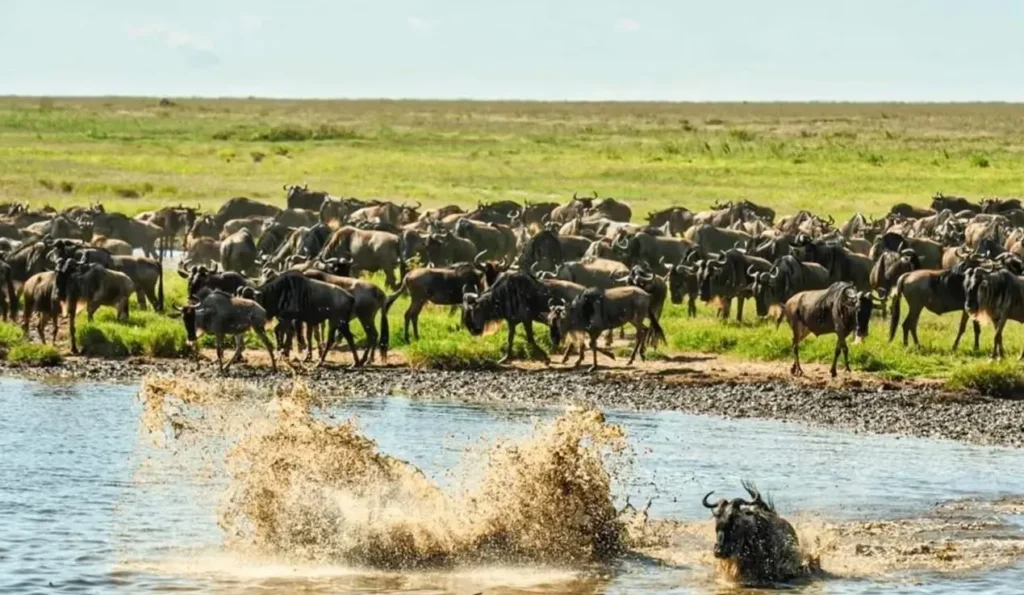
How Water Sources Influence the Migration Route?
How Water Sources Influence the Migration Route? is a key question for anyone planning a Tanzania safari. Water shapes animal movement across the Serengeti ecosystem. It affects where herds feed, rest, reproduce, and seek safety.
The Great Migration follows a constantly changing pattern across northern Tanzania. Millions of wildebeest, zebras, and gazelles move through this ecosystem each year. Their movements respond strongly to rainfall, grass growth, water availability, and seasonal conditions.
During Tanzania wildlife safaris, travelers can witness this remarkable natural cycle. However, the migration does not follow one fixed route every year. Rainfall changes the location and quality of available grazing areas. Consequently, wildlife adjusts its movements according to changing environmental conditions.
Understanding How Water Sources Influence the Migration Route? makes a safari more meaningful. It helps visitors appreciate the ecological forces behind every major movement. Moreover, it allows travelers to understand why wildlife concentrates around certain areas.
At Terenga Africa Safaris and Travels Ltd, we value informed and responsible wildlife travel. Our approach connects travelers with Tanzania’s landscapes, wildlife, people, and conservation efforts. Therefore, every Tanzania safari becomes more than a game-viewing experience.
Why Water Matters During the Great Migration
The answer to How Water Sources Influence the Migration Route? begins with survival. Every migrating animal needs water to maintain normal body functions. Large herds also require enough water to support their daily movements and grazing activities.
Water availability becomes especially important during dry periods. Temporary pools gradually disappear as the dry season progresses. Rivers, springs, permanent pools, and groundwater sources then become increasingly valuable.
However, water alone does not determine migration routes. Animals also need nutritious grass and suitable breeding conditions. Therefore, rainfall creates a powerful connection between water availability and food availability.
When rain reaches a particular region, fresh vegetation develops. Wildebeest and other grazers then move toward these productive grazing areas. As vegetation declines, the herds continue searching for better feeding grounds.
This relationship explains why How Water Sources Influence the Migration Route? requires a wider ecological perspective. Water supports vegetation, while vegetation supports herbivores. Herbivores then support predators and other wildlife within the ecosystem.
Rainfall Creates Seasonal Wildlife Movements
Rainfall remains one of the strongest forces behind the Great Migration. Seasonal rains replenish water sources across the Serengeti and surrounding landscapes. At the same time, rain stimulates fresh grass growth.
During wetter periods, grazing conditions improve across several areas. Herds can spread across large plains while searching for nutritious vegetation. Their movements therefore reflect both rainfall distribution and pasture quality.
As conditions become drier, water sources become more concentrated. Wildlife may gather around rivers, permanent waterholes, and remaining pools. These areas can produce excellent opportunities during Tanzania wildlife tours.
Nevertheless, rainfall patterns vary from year to year. A region that provides excellent grazing during one season may offer different conditions later. Consequently, experienced safari planning requires flexibility.
How Water Sources Influence the Migration Route? becomes especially important when selecting safari destinations. Travelers should understand that wildlife movements can change with environmental conditions.
A knowledgeable safari operator can help travelers choose suitable areas based on seasonal patterns. Terenga Africa Safaris and Travels Ltd uses destination knowledge to create practical Tanzania adventure safaris.
Rivers and Permanent Water Sources
Permanent rivers play an important role in the Serengeti ecosystem. They provide critical water during periods when temporary sources disappear. River systems also support vegetation and attract many resident animals.
The Grumeti River provides an important example within the western Serengeti. During migration periods, large herds move through areas surrounding the river. The river environment also supports crocodiles, hippos, birds, and other wildlife.
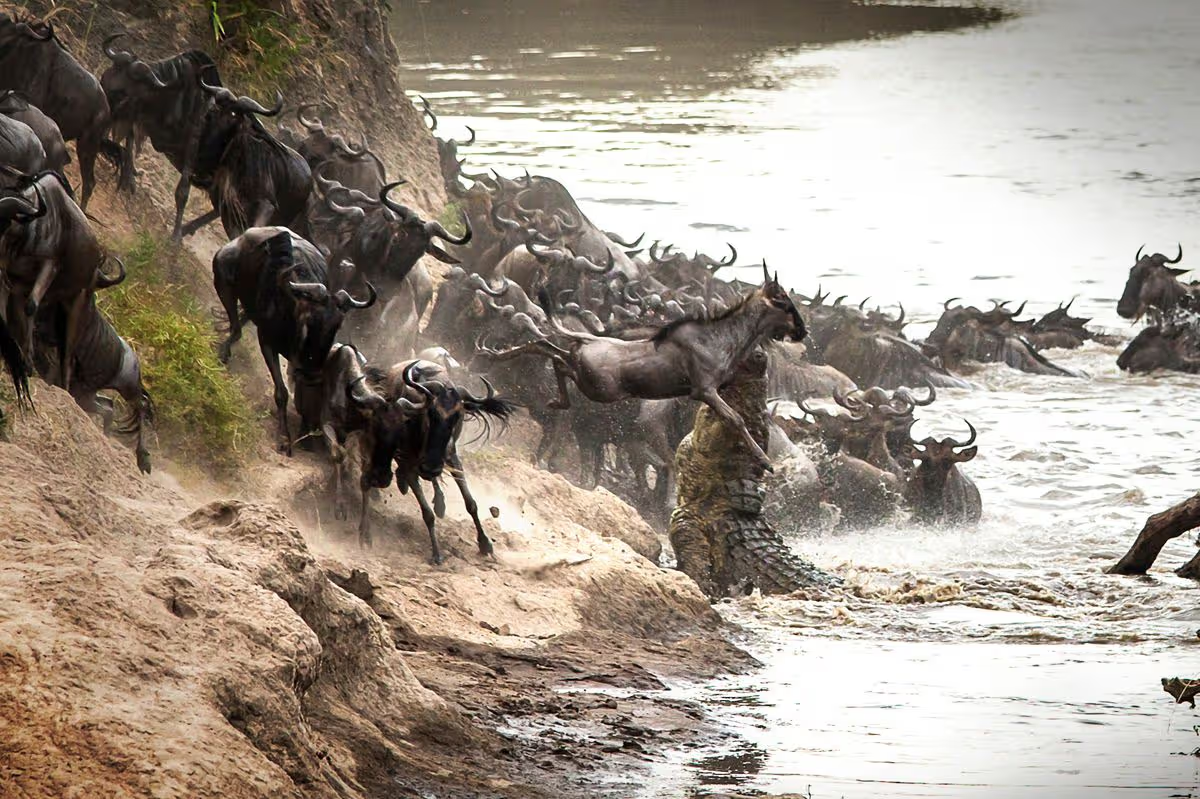
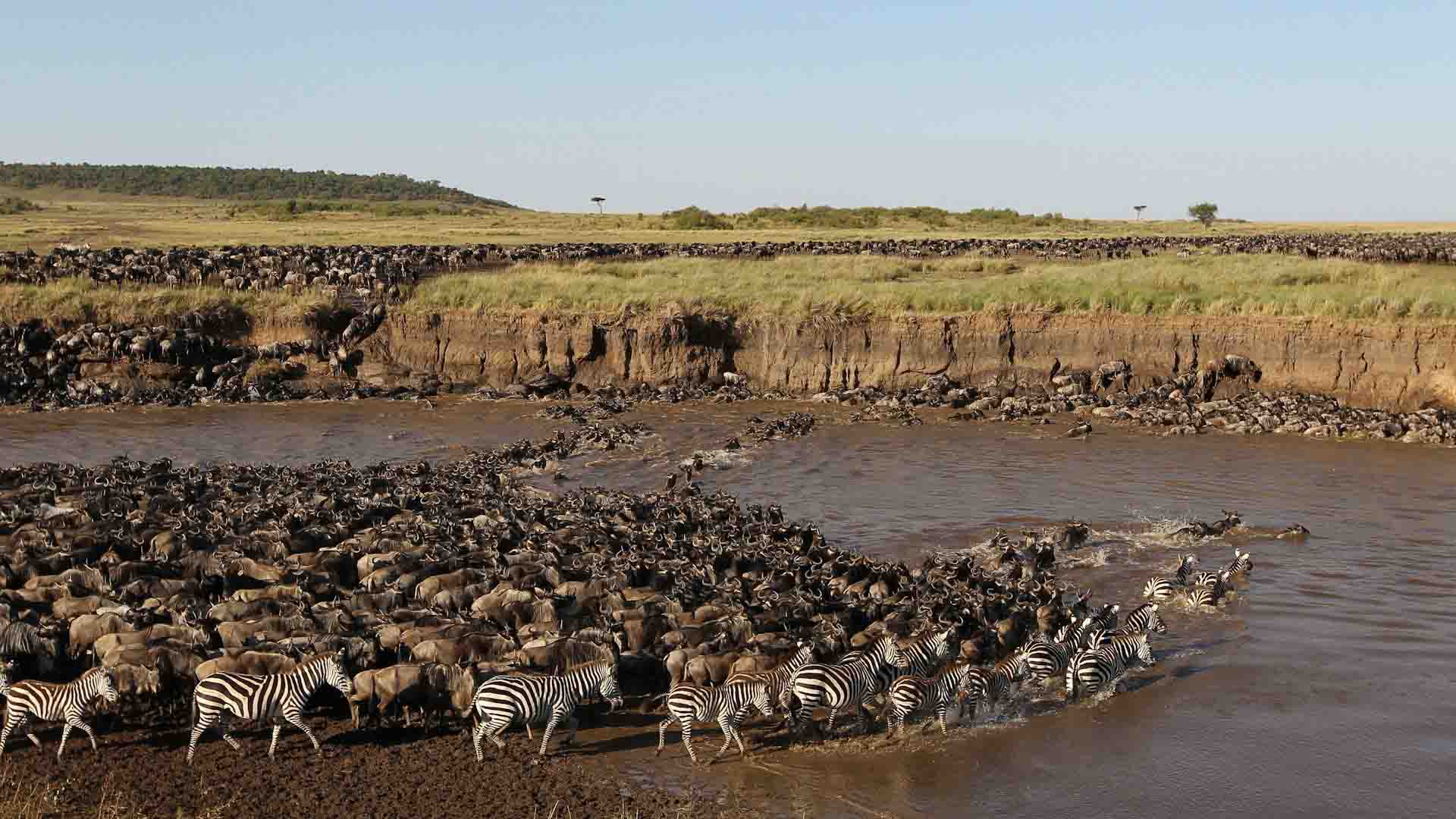
Farther north, the Mara River becomes highly significant. Migrating herds encounter this river during their movements toward northern Serengeti and Kenya. River crossings create some of the most dramatic scenes on Tanzania wildlife safaris.
However, river crossings remain unpredictable. Wildlife does not cross simply because tourists expect a crossing. Herds may gather for hours or days before choosing a crossing point.
This reality reinforces the importance of patience during a Tanzania safari. Nature follows its own rhythm. Travelers who understand this process usually enjoy a more rewarding experience.
Water and the Search for Fresh Grass
The relationship between water and grass explains much of the migration cycle. Rainfall provides water while stimulating the growth of fresh vegetation. Grazing animals then follow areas offering the best nutritional opportunities.
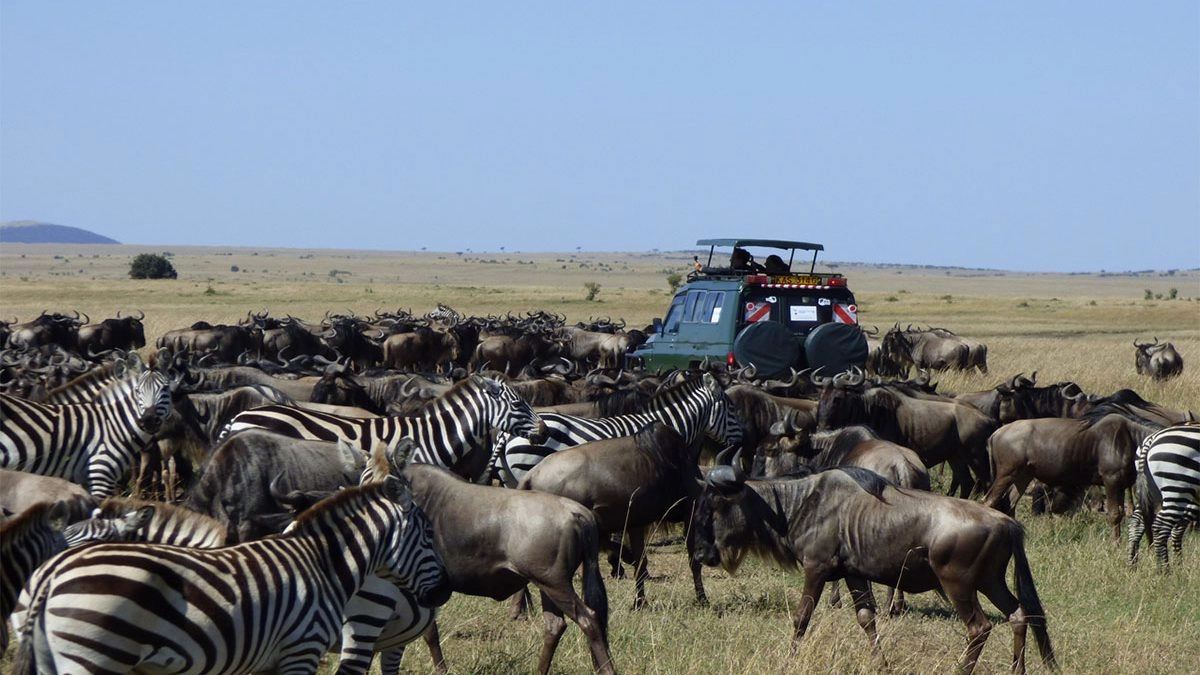
Wildebeest have specialized grazing habits. They can move efficiently across open plains while searching for fresh pasture. Zebras often accompany them because they use vegetation differently.
Gazelles also respond to changing grazing conditions. Their smaller bodies allow them to exploit areas that may not suit larger herbivores. Together, these species create a complex movement pattern across the ecosystem.
Therefore, How Water Sources Influence the Migration Route? cannot focus only on drinking water. Water indirectly controls vegetation quality and distribution. This creates a chain of ecological relationships.
During a Tanzania wildlife tour, travelers can observe these relationships firsthand. A knowledgeable guide can explain why animals concentrate in particular areas. Such interpretation transforms ordinary wildlife viewing into an educational experience.
6-Day Private Mara River Crossing Migration
Water Sources and Predator Activity
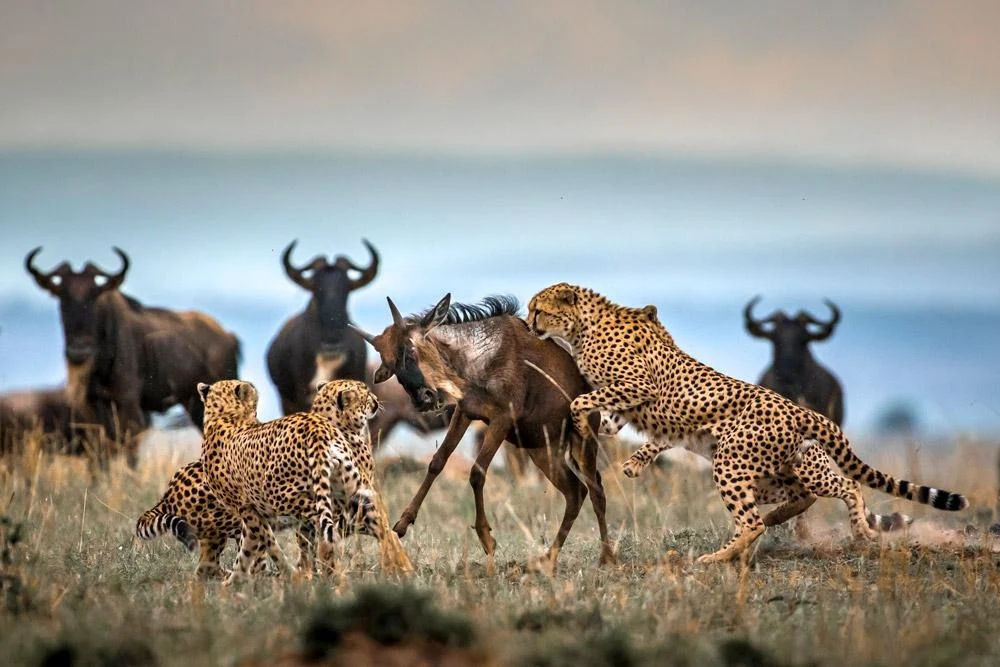
Water availability also influences predator behavior. Predators follow prey because herbivores provide their primary food source. When large herds concentrate near productive areas, predators often respond.
Lions, cheetahs, leopards, hyenas, and other predators occupy different ecological niches. Their hunting strategies depend on prey distribution, terrain, vegetation, and seasonal conditions.
During the migration, predator sightings can become especially exciting. Large concentrations of prey create more opportunities for hunting. Yet predators still face challenges when targeting healthy adult animals.
Water sources can therefore influence predator concentrations indirectly. Where water supports strong grazing conditions, herbivores often become more abundant. Predators then benefit from increased prey availability.
This ecological connection demonstrates the deeper meaning behind How Water Sources Influence the Migration Route? Water affects the entire food web. Its influence extends from grasses to herbivores and eventually to apex predators.
The Mara River and Northern Serengeti
Northern Serengeti offers one of the most famous migration experiences in Tanzania. The Mara River becomes a major geographical feature during the northern movement.
Crossings can provide spectacular wildlife encounters. Thousands of animals may gather near riverbanks before crossing. The scene can change quickly when a herd finally enters the water.
Still, travelers should avoid treating river crossings as guaranteed events. Herds may change direction at any moment. Weather, water levels, predators, and herd behavior can influence the decision.
Choosing the right location and timing therefore requires local knowledge. Safari guides monitor wildlife movements and environmental conditions closely. Their expertise can improve the chances of finding active migration zones.
How Water Sources Influence the Migration Route? becomes particularly visible around the Mara River. The river creates both an obstacle and a vital water source. Its surrounding habitat supports wildlife throughout the year.
Cultural Experiences Around Serengeti Safari Lodges
A Tanzania safari should include meaningful cultural experiences whenever possible. The communities surrounding Serengeti and northern Tanzania offer valuable opportunities for cultural exploration.
Visitors can experience Maasai cultural encounters in appropriate community settings. These experiences may include traditional dances, storytelling, handicraft demonstrations, and community-guided activities.
Travelers can also learn about traditional pastoral lifestyles. Cattle remain important within many Maasai communities. Their relationship with livestock provides valuable insight into local livelihoods and landscapes.
Cultural visits should support communities while respecting local traditions. Responsible tourism avoids treating culture as entertainment alone. Instead, visitors should approach these encounters with curiosity, respect, and openness.
Depending on the safari route, travelers may also visit local markets and community initiatives. These experiences create meaningful connections beyond wildlife viewing.
Consequently, Tanzania adventure safaris can combine wildlife, landscapes, and culture. Terenga Africa Safaris and Travels Ltd can incorporate suitable cultural experiences into carefully planned itineraries.
Choosing a Safari Lodge During Migration
The location of a safari lodge can influence the quality of your wildlife experience. Lodges closer to active migration areas can reduce unnecessary travel time. This provides more opportunities for game drives and wildlife observation.
Different seasons can favor different parts of the Serengeti. Therefore, lodge selection should match the expected migration period. Travelers should avoid choosing accommodation based only on luxury or price.
A well-positioned lodge can provide convenient access to rivers, plains, wildlife corridors, and seasonal grazing areas. Some lodges also offer cultural activities and community experiences.
Before booking, travelers should consider location, season, wildlife objectives, and safari duration. These factors help create a balanced Tanzania wildlife safari.
Most importantly, travelers should understand that no lodge guarantees wildlife sightings. The Serengeti remains a wild ecosystem. Animals move according to environmental conditions rather than accommodation locations.
Responsible Tourism and Water Conservation
Understanding How Water Sources Influence the Migration Route? also highlights the importance of conservation. Water remains a limited resource within many African ecosystems.
Tourism facilities must therefore use water responsibly. Sustainable lodges can reduce waste through efficient systems and responsible guest practices. Protecting natural water sources also benefits wildlife and surrounding communities.
Travelers can contribute by avoiding unnecessary water consumption. Simple actions can reduce pressure on local resources. Guests should also follow park regulations and responsible wildlife-viewing guidelines.
Furthermore, visitors should avoid disturbing animals around waterholes. Wildlife requires space and security while drinking. Vehicles should maintain appropriate distances and follow guide instructions.
Responsible Tanzania safaris protect the resources that make wildlife tourism possible. Conservation therefore becomes an essential part of the safari experience.
Best Time to Experience Migration and Water Sources
The best time for migration viewing depends on the traveler’s wildlife goals. Different periods provide different experiences across the Serengeti ecosystem.
Early-year months can offer excellent opportunities around southern Serengeti plains. Fresh grazing conditions attract large concentrations of wildebeest and other herbivores.
Later, the herds gradually move toward western and northern areas. Water availability, rainfall, and grass conditions influence these movements. Northern Serengeti becomes especially important during the later migration period.
River crossings typically receive significant attention from safari travelers. However, excellent wildlife viewing exists beyond crossing events.
A well-planned Tanzania safari should therefore consider the entire ecosystem. Focusing exclusively on one event can create unrealistic expectations. Instead, travelers should embrace the broader migration journey.
Safari Inclusions
- Airport transfers
- Private safari vehicle
- Professional safari guide
- Park entry fees
- Game drives
- Accommodation
- Meals according to itinerary
- Bottled drinking water
- Migration viewing
- Cultural experiences
- Government taxes
- Emergency support
- Drinking water during game drives
Safari Exclusions
- International flights
- Visa fees
- Travel insurance
- Personal expenses
- Alcoholic beverages
- Laundry services
- Tips
- Souvenirs
- Optional activities
- Personal communication costs
- Medical expenses
- Additional accommodation
Expert Planning for Tanzania Wildlife Safaris
How Water Sources Influence the Migration Route? remains essential when planning successful wildlife adventures. The migration responds to environmental conditions rather than fixed tourist schedules.
Experienced safari planning considers rainfall, grazing, water availability, animal behavior, and seasonal patterns. It also considers road conditions and access to different wildlife areas.
Terenga Africa Safaris and Travels Ltd brings destination knowledge into every safari plan. Our goal involves creating practical, authentic, and memorable African travel experiences.
Whether you prefer a luxury safari, budget journey, family adventure, or private expedition, planning matters. The right itinerary can improve your wildlife opportunities while reducing unnecessary travel.
Additionally, our approach encourages travelers to understand the landscapes they explore. Knowledge creates deeper appreciation for Africa’s wildlife and conservation efforts.
Great Migration
Why Water Sources Matter to the Future of Migration
How Water Sources Influence the Migration Route? also raises important conservation questions. Climate patterns can affect rainfall, vegetation, rivers, and seasonal water availability.
Changes in rainfall may influence traditional wildlife movement patterns. Extended dry periods can place additional pressure on water sources and grazing areas.
Conservation organizations, communities, governments, and tourism operators all have important roles. Protecting habitats helps maintain wildlife corridors and natural migration systems.
Responsible tourism can contribute to this effort. Safari revenue supports conservation, employment, community projects, and protected-area management.
Travelers therefore become part of a broader conservation story. Their choices can support businesses committed to sustainable tourism practices.
Understanding How Water Sources Influence the Migration Route? encourages responsible travel. It reminds every visitor that Africa’s wildlife depends on healthy ecosystems.
Conclusion: How Water Sources Influence the Migration Route?
How Water Sources Influence the Migration Route? reveals the remarkable connection between water, rainfall, grass, and wildlife. These elements work together to shape one of Earth’s greatest natural spectacles.
The Great Migration remains dynamic and unpredictable. Wildebeest, zebras, and gazelles respond to changing environmental conditions across the Serengeti ecosystem.
Water supports vegetation, vegetation supports herbivores, and herbivores support predators. This ecological relationship creates continuous movement across Tanzania’s extraordinary landscapes.
For travelers, understanding these connections adds depth to every game drive. A Tanzania safari becomes more than watching animals. It becomes an opportunity to understand nature’s complex systems.
Therefore, How Water Sources Influence the Migration Route? deserves attention from every safari traveler. The answer helps explain why migration routes change throughout the year.
From the Serengeti plains to the Mara River, every landscape plays a role. Each water source contributes to the survival of wildlife and the continuation of migration.
Terenga Africa Safaris and Travels Ltd invites travelers to explore this remarkable ecosystem responsibly. Our Tanzania safaris connect visitors with wildlife, culture, conservation, and authentic African experiences.
Best Trending Tanzania Safari Holidays for 2027/2028
- 12-Day Tanzania Wildlife Safari
- 10-Day Tanzania Wildlife Safari & Zanzibar
- 10-Day Best Tanzania Honeymoon Luxury Safari and Zanzibar Beach Getaway
- 9-Day Ultimate Tanzania Wildlife Safari
- 9-Day Tanzania Adventure Safari
- 8-Day Tanzania Mid-Range Safari
- 8-Day Tanzania Northern Circuit Safari
- 7-Day Tanzania Wildlife Safari
- 7-Day Tanzania Wildlife Wonders Experience Tour
- 6-Day Majestic Tanzania Wildlife Luxury Safari
- 13-Day Tanzania Wildlife Tour & Zanzibar Beach Holiday
- 12-Day Tanzania Wildlife Safari Itinerary
- 11-Day Tanzania & Zanzibar Safari Adventure
- 11 Days Magical Kenya and Tanzania Safari
- 4-Day Tanzania Safari Extension Itinerary
- 5-Day Tanzania Safari Extension
- 9-Day Tanzania Wildlife Safari Adventure
- 7 Days Tanzania Safari Holiday
- 8 Days Tanzania Safari Holiday Itinerary