The Complete Serengeti Great Migration Cycle Explained
August 22, 2026
How the Great Migration Begins Each Year?
August 24, 2026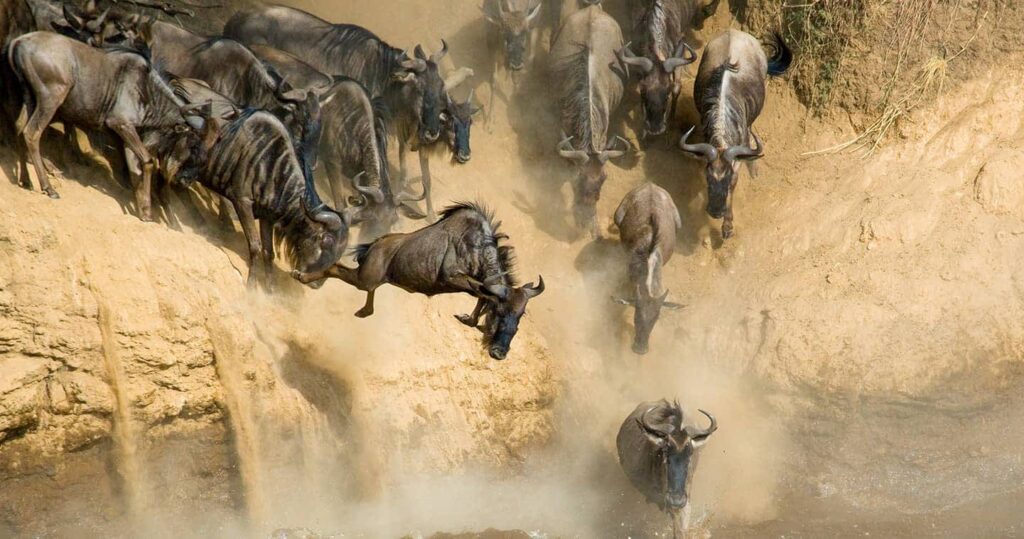
Why Millions of Wildebeest Migrate Across the Serengeti?
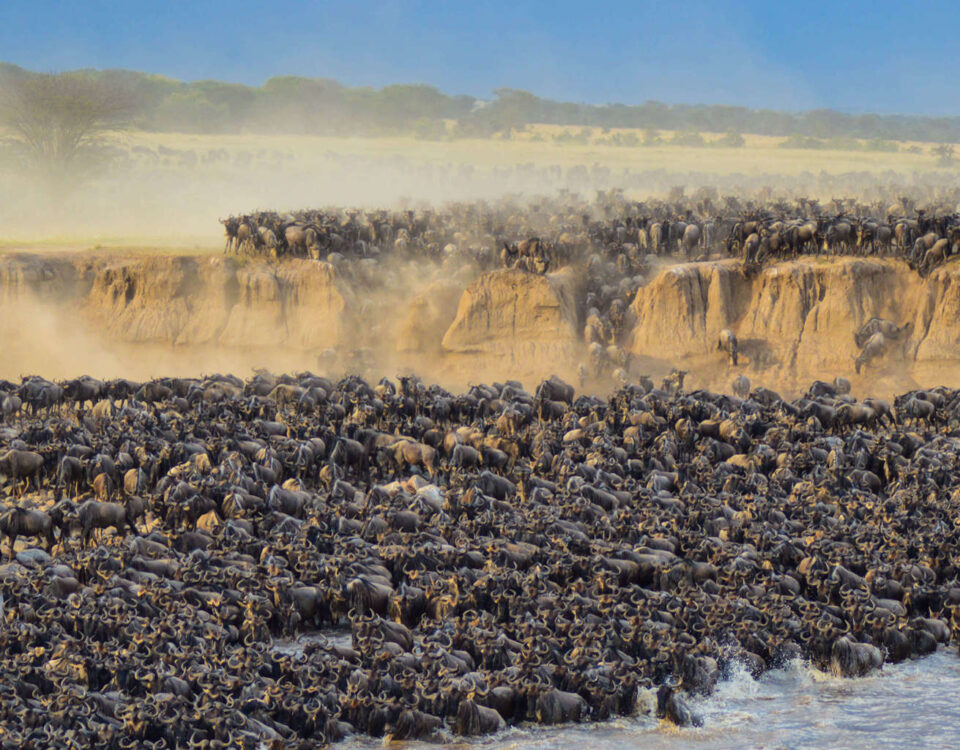
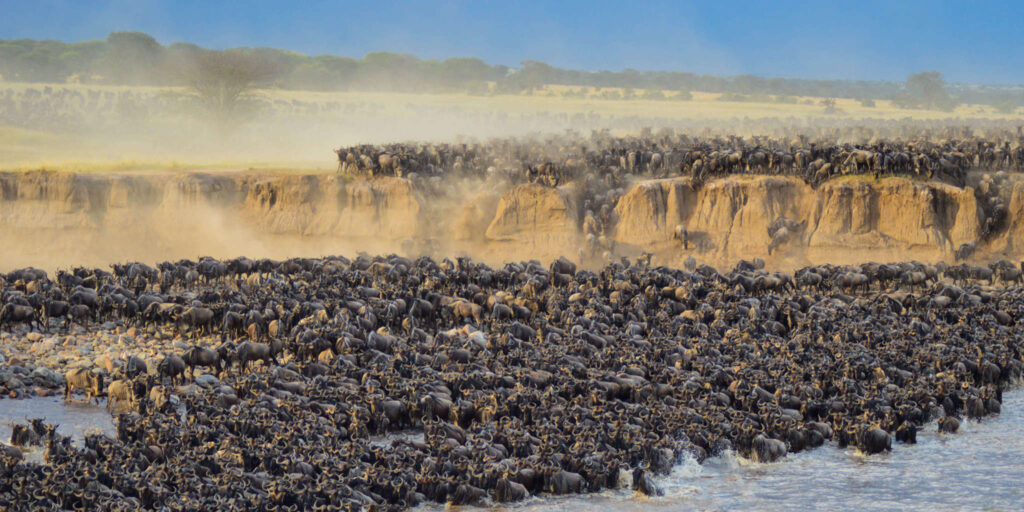
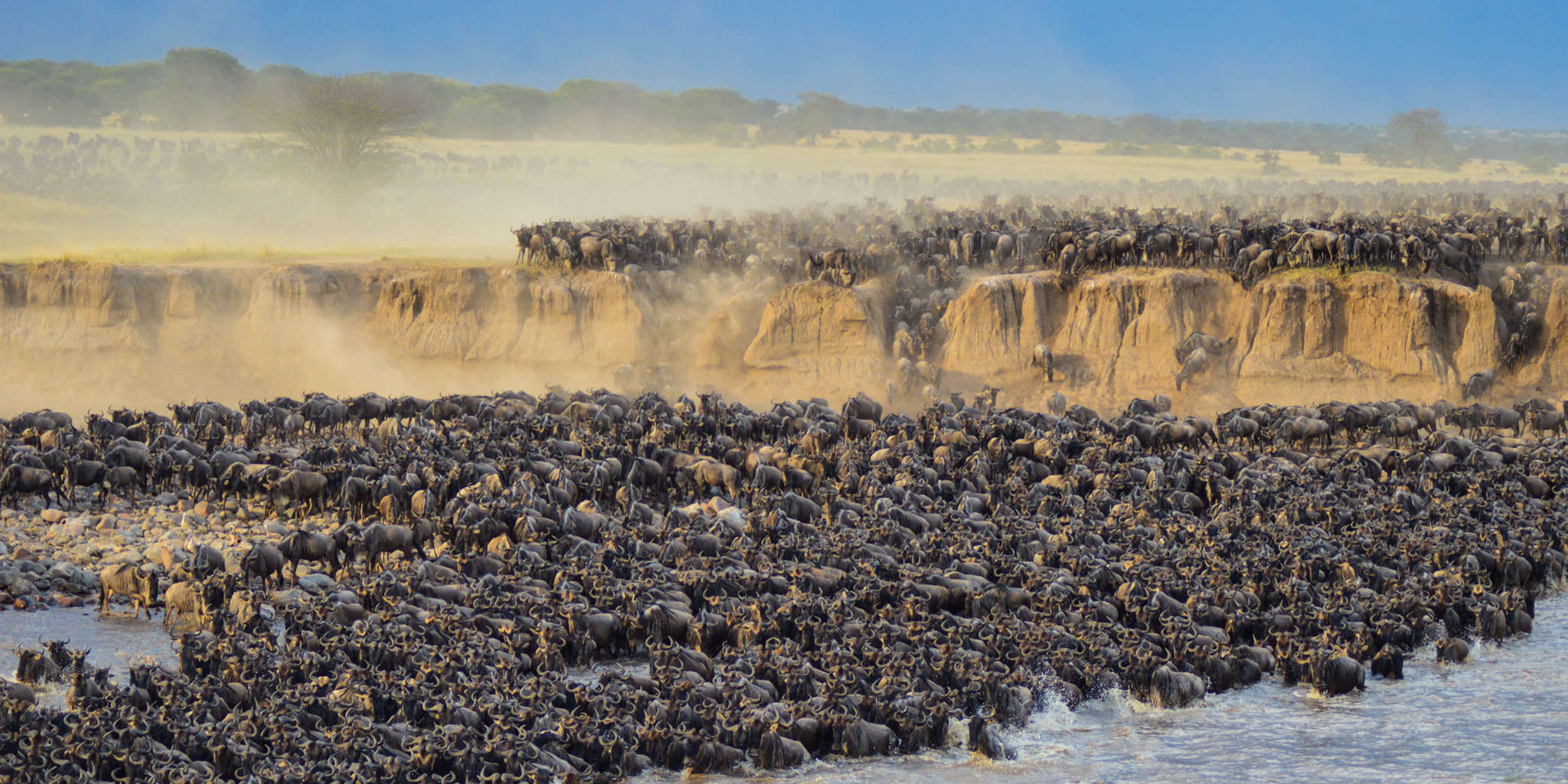
Why Millions of Wildebeest Migrate Across the Serengeti? This question introduces one of Africa’s greatest natural spectacles. Every year, enormous herds move across the Serengeti ecosystem in search of better grazing and water. More than one million wildebeest form the heart of this extraordinary natural movement.
The migration also includes hundreds of thousands of zebra and gazelles. Together, these animals create a constantly moving ecosystem across Tanzania and Kenya. Their journey follows rainfall, fresh grass, water availability, and reproductive needs.
Unlike a scheduled event, migration follows nature’s changing conditions. Therefore, exact herd locations can vary between seasons and years. Responsible safari planning should consider these natural variations.
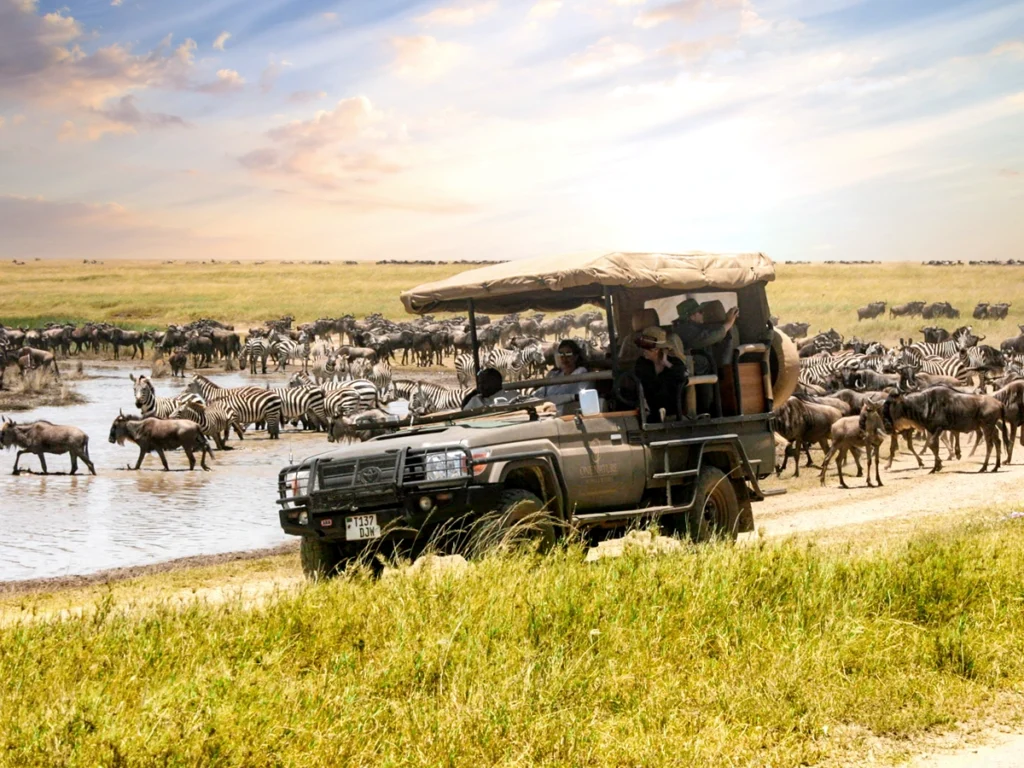
The Serengeti offers much more than migration viewing. Lions, cheetahs, leopards, elephants, buffaloes, giraffes, and hyenas thrive across the ecosystem. Consequently, Tanzania wildlife safaris remain rewarding throughout the year.
At Terenga Africa Safaris and Travels Ltd, we approach migration travel through realistic planning. Our expertise combines seasonal knowledge, wildlife behavior, accommodation location, and traveler interests.
Understanding Why Millions of Wildebeest Migrate Across the Serengeti? helps travelers appreciate the journey properly. It also helps visitors choose better safari dates and destinations.
Why Do Wildebeest Migrate?
Searching for Fresh Grass
The main reason behind migration involves food and water. Wildebeest require large quantities of grass to support their bodies and growing calves.
Rainfall changes grass availability across the Serengeti ecosystem. Fresh rainfall encourages new vegetation growth in different regions. Wildebeest naturally follow these areas because nutritious grass supports their survival.
Water availability also influences movement. During dry periods, herds must reach reliable water sources. Consequently, their route changes according to environmental conditions.
This explains Why Millions of Wildebeest Migrate Across the Serengeti? Their movement represents a survival strategy rather than random wandering.
The animals continually respond to ecological changes. Their movement also supports predators, scavengers, insects, birds, and vegetation cycles.
Therefore, migration represents one enormous ecological system. Every movement affects another part of the Serengeti environment.
Serengeti
The Role of Rainfall in Migration
Nature Controls the Route
Rainfall remains one of the strongest forces influencing migration. Seasonal rains transform dry grasslands into productive grazing areas.
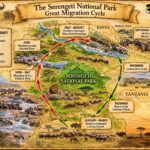
When rain reaches southern Serengeti plains, fresh grass attracts large herds. Later, changing rainfall patterns encourage movement toward central and western regions.
Eventually, many herds travel toward northern Serengeti. Some continue into Kenya’s Maasai Mara ecosystem. Later, changing rainfall guides animals toward Tanzania again.
However, rainfall patterns do not follow identical schedules every year. Some seasons begin early, while others arrive later.
Therefore, travelers should avoid relying on fixed migration dates. A good Tanzania safari itinerary should allow flexibility wherever possible.
Understanding Why Millions of Wildebeest Migrate Across the Serengeti? requires understanding this relationship with rainfall.
The Calving Season
A Season of New Life
The annual cycle usually begins with calving in southern Serengeti. Many wildebeest gather around areas with nutritious short grass.
Calving generally occurs during the wetter months. Thousands of calves can arrive within a relatively short period.
Newborn calves require immediate protection. They also need nutritious milk and safe grazing areas.
Predators closely follow the herds during this period. Lions, cheetahs, hyenas, and other predators take advantage of vulnerable young animals.
This creates dramatic wildlife experiences for visitors. However, travelers should maintain respectful viewing distances.
The calving season demonstrates another answer to Why Millions of Wildebeest Migrate Across the Serengeti? Mothers need productive grazing grounds for themselves and their young.
Consequently, the migration supports one of nature’s most important reproductive strategies.
The Wildebeest Reproductive Cycle
Survival Through Numbers
Wildebeest reproduction plays an important role in the migration. Large herds provide some protection against predators.
Many females give birth within a concentrated period. This strategy creates enormous numbers of young animals simultaneously.
Predators cannot capture every calf. Therefore, enough young wildebeest survive to maintain the population.
The migration also spreads grazing pressure across different areas. Herd movement prevents animals from remaining permanently in one location.
Consequently, migration supports both reproduction and ecosystem balance.
Anyone asking Why Millions of Wildebeest Migrate Across the Serengeti? should consider this reproductive strategy.
The journey involves more than food. It supports the survival of future generations.
From Southern Serengeti Toward the Western Corridor
Following Better Grazing
After calving, herds gradually begin moving north and west. Their movement responds to changing grass conditions.
Central Serengeti provides important grazing areas during this transition. Eventually, many herds reach the Western Corridor.
The Grumeti region becomes significant during this stage. Rivers and permanent water sources attract wildlife during increasingly dry conditions.
Travelers visiting during this period can enjoy excellent Tanzania wildlife safaris. Migration viewing can combine with sightings of resident predators and large herbivores.
However, herd movement remains unpredictable. Some groups may move faster than others.
Therefore, experienced safari guides remain valuable during migration trips. They understand local roads, habitats, seasonal patterns, and wildlife behavior.
The Grumeti River Experience
A Major Migration Obstacle
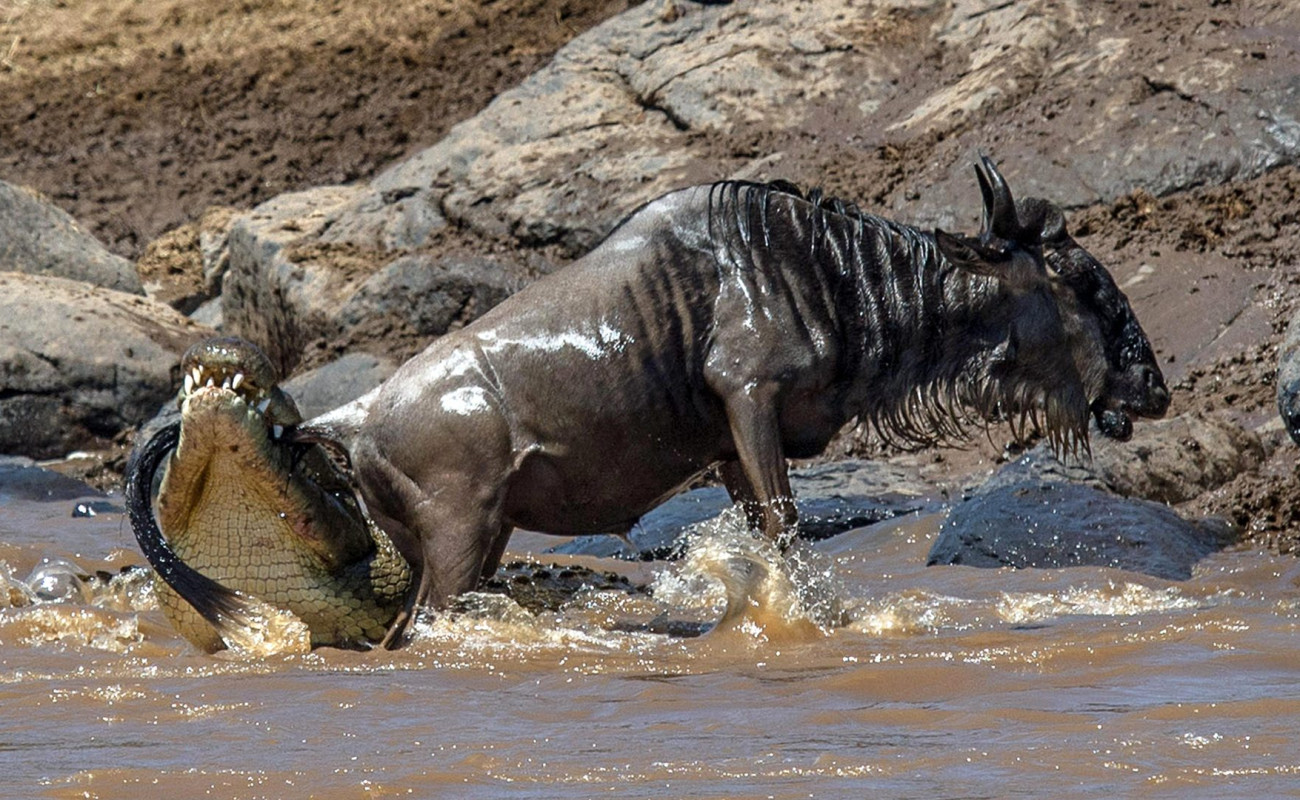
The Grumeti River represents one important challenge during the migration. Large crocodiles inhabit sections of this river system.
Herds sometimes gather near riverbanks before attempting crossings. Animals may hesitate before entering the water.
Crossings can become dramatic when thousands of animals move simultaneously. Yet not every herd crosses during every safari.
That distinction matters when planning Tanzania safaris. Responsible operators should never guarantee a river crossing.
Instead, travelers should appreciate the entire migration journey. The Grumeti region offers beautiful landscapes and excellent wildlife viewing.
Understanding Why Millions of Wildebeest Migrate Across the Serengeti? makes these river encounters more meaningful.
The animals move because survival requires access to better grazing and water.
The Northern Serengeti and Mara River
The Most Famous Migration Scene
Northern Serengeti attracts many travelers between the dry-season months. Large herds may approach the Mara River during this period.
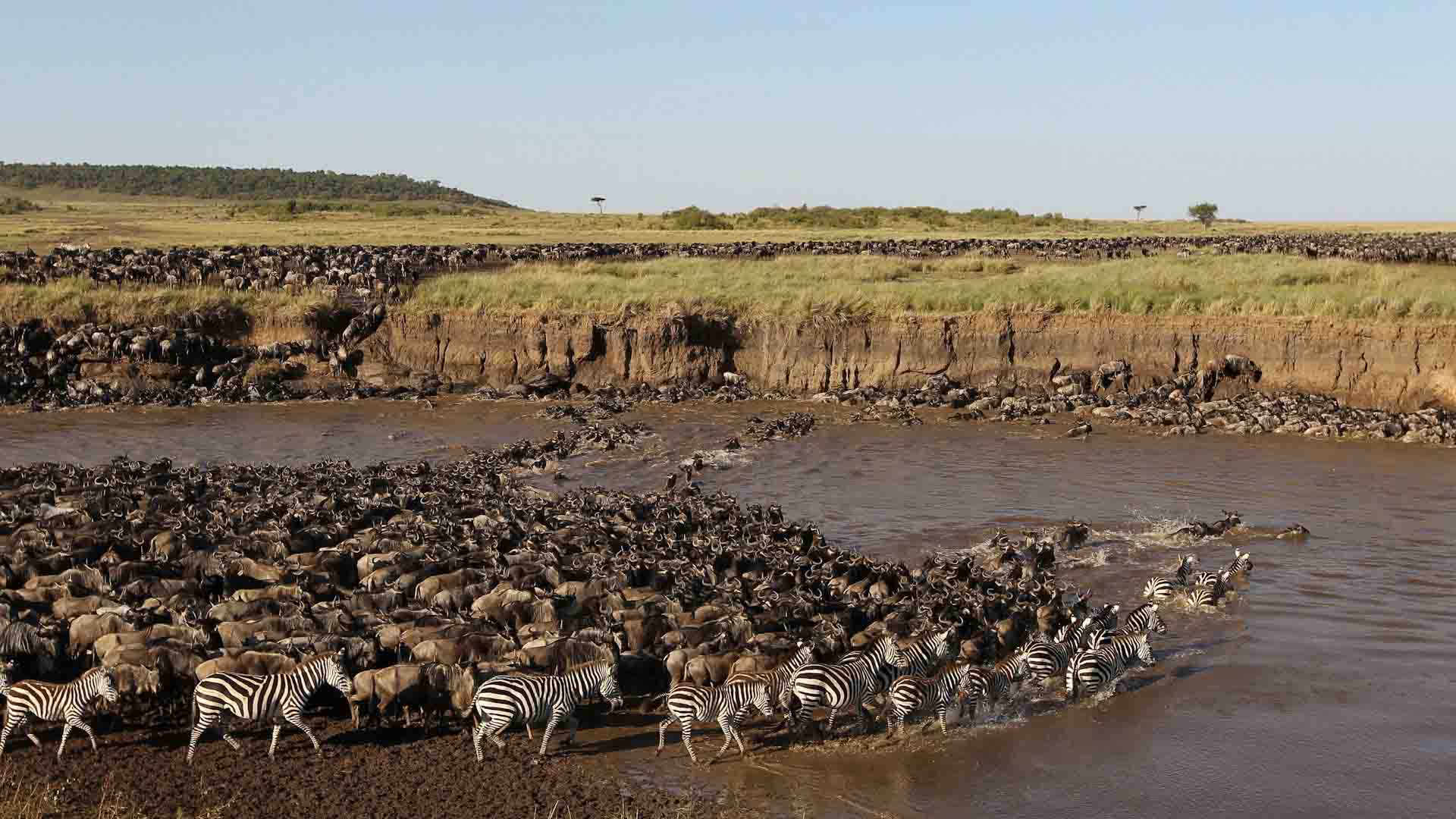
River crossings create some of Africa’s most recognizable wildlife scenes. Wildebeest gather along steep riverbanks before entering the water.
Some animals cross quickly. Others hesitate and retreat toward the bank.
Strong currents and crocodiles create genuine risks. Therefore, crossings remain entirely controlled by natural behavior.
The best Tanzania wildlife tour experience focuses on patience. Visitors may spend time observing herd movement without witnessing a crossing.
That patience forms an important part of authentic wildlife travel.
Why Millions of Wildebeest Migrate Across the Serengeti? The Mara River represents only one stage in a much larger survival journey.
Why River Crossings Cannot Be Guaranteed
Respecting Natural Behavior
River crossings depend on many environmental and behavioral factors. Water levels, weather, herd pressure, predators, and grass conditions influence movement.
Wildebeest may reach a river and remain there for hours. They can also change direction without warning.
Therefore, no responsible safari company should promise a specific crossing. Wildlife does not follow human schedules.
Travelers should instead focus on the broader migration experience. Herd gathering itself creates fascinating behavior.
Northern Serengeti also offers excellent sightings of lions, leopards, elephants, giraffes, and other species.
Consequently, a Tanzania safari remains valuable even without a river crossing.
This realistic approach builds trust between travelers and safari operators.
The Return Toward Southern Serengeti
Completing the Annual Cycle
After moving through northern Serengeti and neighboring areas, herds eventually begin returning south.
Short rains encourage fresh grass growth in southern regions. The wildebeest respond by moving toward these productive grazing areas.
This movement gradually completes the annual cycle. The animals eventually return to areas associated with the next calving season.
Therefore, the migration has no true beginning or ending. It functions as a continuous ecological cycle.
This explains Why Millions of Wildebeest Migrate Across the Serengeti? They constantly respond to environmental opportunities.
The journey repeats because rainfall and vegetation continue changing.
Serengeti
The Importance of the Serengeti Ecosystem
A Connected Natural System
The Serengeti ecosystem supports an extraordinary variety of wildlife. Wildebeest form one of its most important herbivore populations.
Their grazing influences vegetation structure. Their movement also transports nutrients across large areas.
Predators depend on migrating herbivores for food. Scavengers benefit from carcasses left by natural predation.
Birds also benefit from the concentration of wildlife. Insects, reptiles, and smaller mammals interact with the changing ecosystem.
Consequently, the migration affects far more species than wildebeest.
Understanding Why Millions of Wildebeest Migrate Across the Serengeti? requires viewing the entire ecosystem.
Every animal contributes to a wider ecological relationship.
Wildlife Beyond Wildebeest
The Big Five Experience
A Serengeti safari should never focus exclusively on migration. Resident wildlife provides excellent viewing throughout the year.
Lions thrive across open plains and woodland areas. Leopards often remain around riverine vegetation and wooded habitats.
Cheetahs favor open grasslands where they can use speed effectively. Elephants move through several Serengeti habitats.
Buffaloes gather around productive grazing areas and water sources. Giraffes browse trees and shrubs across suitable habitats.
Therefore, Tanzania wildlife safaris offer exceptional diversity beyond migrating herds.
Travelers can also encounter hyenas, jackals, hippos, warthogs, gazelles, zebras, and numerous bird species.
This diversity makes Serengeti one of Africa’s most rewarding safari destinations.
Best Time to See the Migration
Choosing Your Safari Season
Travelers should choose migration dates according to their preferred experience.
January through March often offers strong opportunities around the calving areas. April and May can provide greener landscapes and herd movements toward western areas.
June can offer opportunities around the Western Corridor. July through October often attracts travelers seeking northern Serengeti experiences.
November and December can provide greener landscapes as herds move south again.
However, these periods remain general guidelines. Rainfall can shift herd movements each year.
Therefore, professional itinerary planning should consider recent weather patterns and accommodation location.
A well-designed Tanzania safari does not depend on one wildlife event.
Choosing the Right Safari Lodge
Location Makes a Difference
Accommodation location can strongly influence migration experiences. Serengeti covers an enormous geographical area.
A lodge near southern Serengeti works well for calving-season trips. Central Serengeti provides balanced access to resident wildlife.
Western properties can support Grumeti-focused itineraries. Northern lodges provide stronger access to Mara River areas.
Travelers should therefore choose accommodation based on seasonal objectives.
Luxury camps can provide premium services and excellent locations. Mid-range lodges can offer comfort while maintaining strong access to wildlife areas.
Mobile camps can also provide seasonal proximity to migrating herds.
At Terenga Africa Safaris and Travels Ltd, we match accommodation choices with safari objectives.
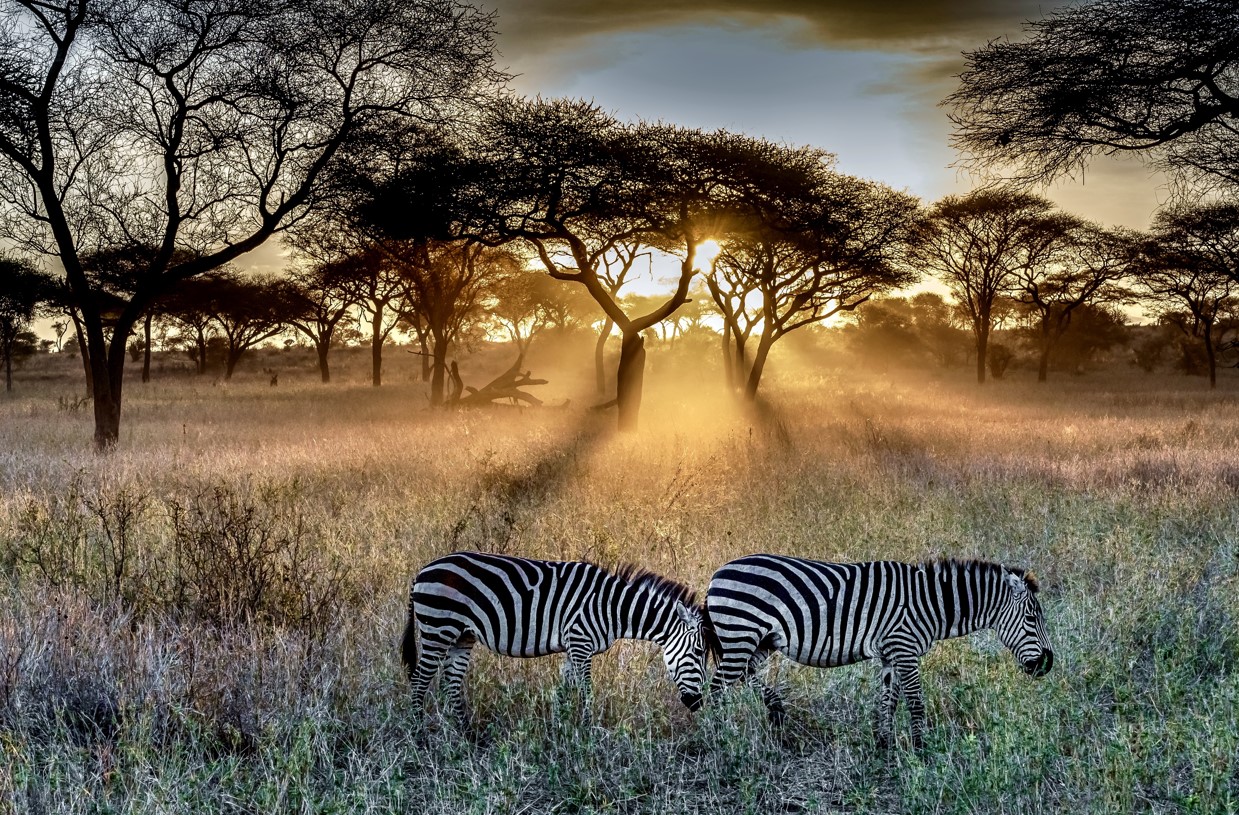
Cultural Experiences Around Serengeti Safari Lodges
Maasai Community Visits
A Tanzania wildlife safari can become more meaningful through cultural experiences. Maasai communities live across parts of the wider Serengeti and northern Tanzania region.
Travelers can participate in responsible community visits. Activities may include traditional dance, beadwork, storytelling, and demonstrations of daily life.
Visitors can also learn about pastoral traditions and livestock keeping. These experiences provide valuable cultural context around the Serengeti landscape.
Respect remains essential during every cultural encounter. Travelers should ask permission before taking photographs.
Local crafts also provide opportunities to support community enterprises.
These experiences complement wildlife viewing without replacing the importance of authentic community life.
Traditional Food Experiences
Food offers another way to understand Tanzanian culture. Some cultural programs provide opportunities to experience local dishes and cooking traditions.
Travelers may sample traditional ingredients, seasonal foods, and locally prepared meals.
Such experiences provide insight into rural livelihoods and food systems.
Cultural Heritage Around Ngorongoro
Travelers can extend their safari toward the Ngorongoro Conservation Area. This region combines wildlife, dramatic landscapes, archaeology, and living cultural heritage.
Olduvai Gorge adds an important archaeological dimension to northern Tanzania travel.
Therefore, travelers can combine Tanzania adventure safaris with cultural and historical exploration.
Responsible Tourism and the Great Migration
Protecting Wildlife
Responsible tourism remains essential to the future of the migration. Wildlife encounters should prioritize animal welfare and conservation.
Drivers should follow park regulations and maintain appropriate distances. Visitors should avoid shouting, feeding animals, or encouraging unnatural behavior.
Travelers can also support conservation through responsible tourism spending.
Choosing reputable operators helps promote ethical wildlife viewing. Supporting community tourism can also strengthen local livelihoods.
The migration crosses large landscapes and national boundaries. Therefore, protecting its habitats requires cooperation between communities and conservation authorities.
Planning Your Tanzania Wildlife Tour
Build More Than a Migration Safari
A successful Tanzania wildlife tour should include more than one destination. Serengeti can combine naturally with Ngorongoro, Tarangire, and other northern Tanzania attractions.
Longer itineraries create greater flexibility. They also reduce pressure to see everything during one short visit.
Travelers can combine game drives with cultural visits. Balloon safaris can add a different perspective over the Serengeti landscape.
Photography enthusiasts can plan around preferred landscapes and wildlife behavior.
Families may prefer shorter driving distances and comfortable lodges. Couples can prioritize private camps and romantic experiences.
Adventure travelers can combine migration viewing with walking and cultural activities where permitted.
This personalized approach creates stronger Tanzania safaris.
Safari Inclusions
- Airport transfers
- Private safari vehicle
- Professional safari guide
- Accommodation
- Meals
- Drinking water
- Park entrance fees
- Game drives
- Migration tracking
- Cultural experience
- Government taxes
- Emergency support
Safari Exclusions
- International flights
- Tanzania visa
- Travel insurance
- Personal expenses
- Alcoholic beverages
- Laundry services
- Tips
- Souvenirs
- Optional activities
- Personal medical expenses
- Additional accommodation
- Travel upgrades
Why Choose Terenga Africa Safaris and Travels Ltd?
Professional Safari Planning
Terenga Africa Safaris and Travels Ltd focuses on meaningful African travel experiences. Our approach combines destination knowledge, practical planning, and responsible tourism.
We understand that every traveler has different expectations. Some visitors prioritize migration photography. Others want luxury, culture, wildlife diversity, or adventure.
Therefore, we design itineraries around individual travel goals.
Our team considers seasonal conditions, lodge locations, travel distances, and activity preferences. This approach helps travelers make informed decisions before departure.
We also promote realistic expectations around wildlife behavior.
No ethical safari operator can control rainfall or animal movements. Instead, professional planning creates the best possible opportunities.
That philosophy strengthens trust and improves the overall safari experience.
Final Thoughts: Why Millions of Wildebeest Migrate Across the Serengeti?
Why Millions of Wildebeest Migrate Across the Serengeti? The answer begins with survival.
Wildebeest follow rainfall, fresh grass, and water across an enormous ecosystem. Their movement supports reproduction, feeding, predator populations, and ecological balance.
The migration continues through different stages throughout the year. Calving occurs in the southern plains. Herds then move toward western and northern Serengeti.
Eventually, some animals approach the Mara River. Later, changing rainfall patterns guide the herds back toward southern grazing grounds.
Therefore, Why Millions of Wildebeest Migrate Across the Serengeti? involves an interconnected natural cycle.
The journey also creates extraordinary opportunities for Tanzania wildlife safaris. Travelers can experience migration alongside the Big Five and countless other species.
Cultural encounters provide another important dimension. Maasai traditions, local foods, crafts, storytelling, and community experiences deepen the journey.
A well-planned Tanzania safari should therefore combine wildlife with culture and conservation.
For travelers seeking a Tanzania wildlife tour, Serengeti offers exceptional year-round opportunities. For adventure seekers, Tanzania adventure safaris can combine migration with other remarkable northern destinations.
Ultimately, Why Millions of Wildebeest Migrate Across the Serengeti? is not simply a question about animals.
It is a story about survival, adaptation, reproduction, ecosystems, and the timeless rhythm of nature.
Why Millions of Wildebeest Migrate Across the Serengeti? Because nature continually guides them toward the resources needed to survive and reproduce.